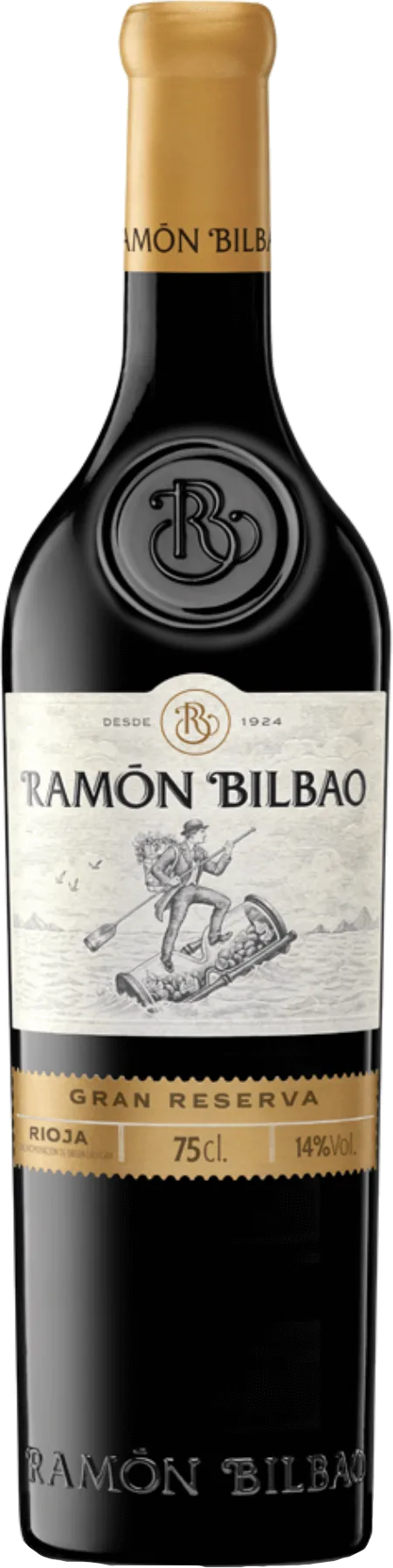
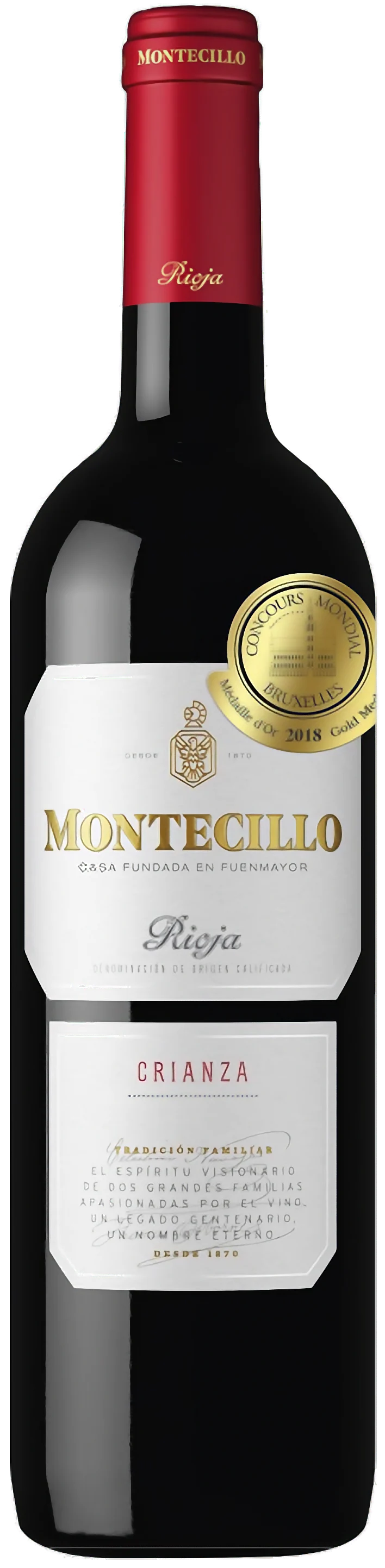
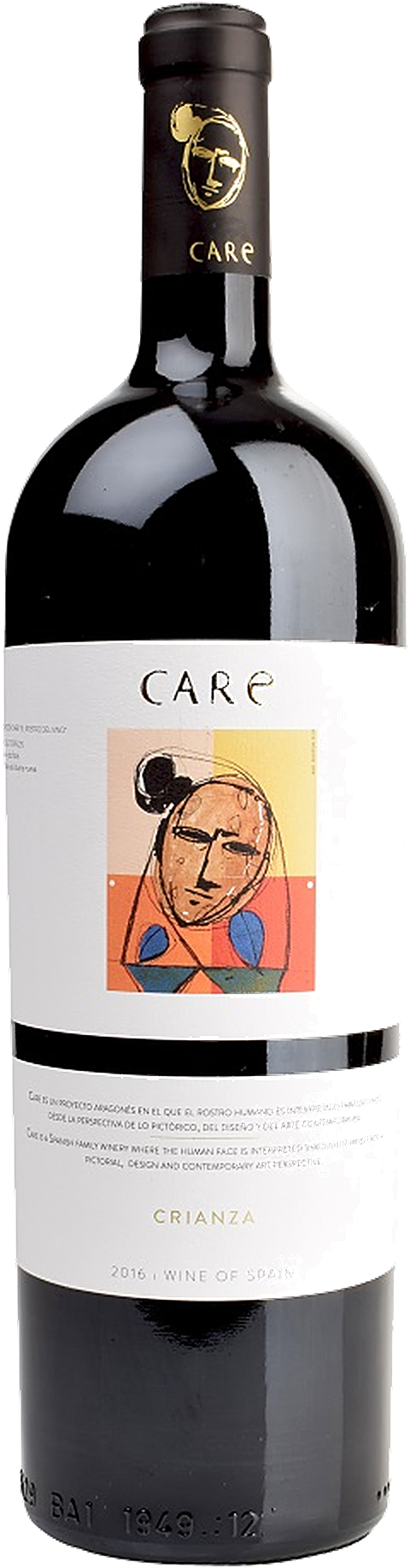
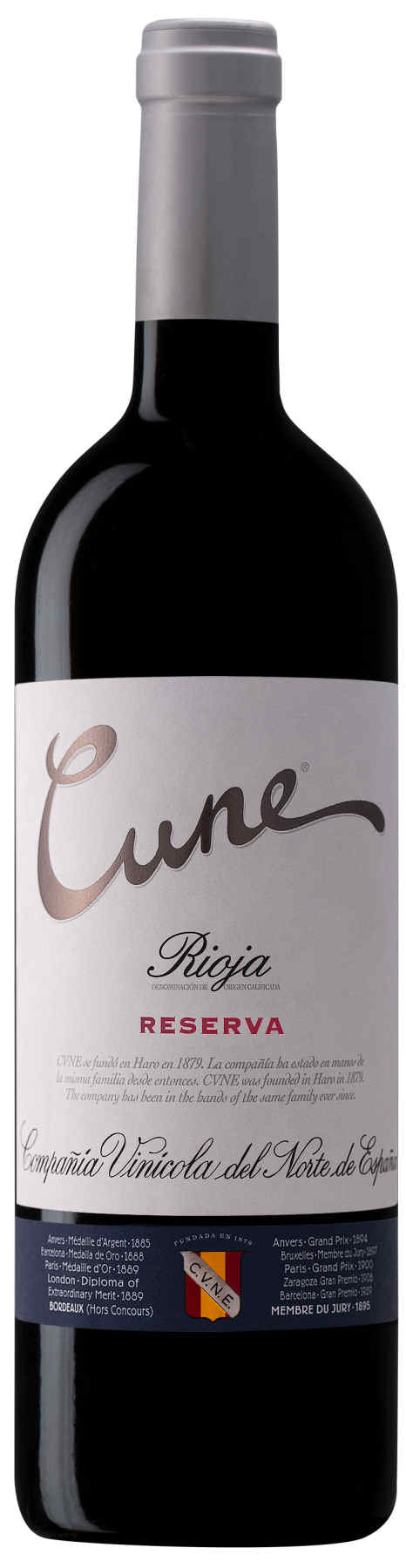
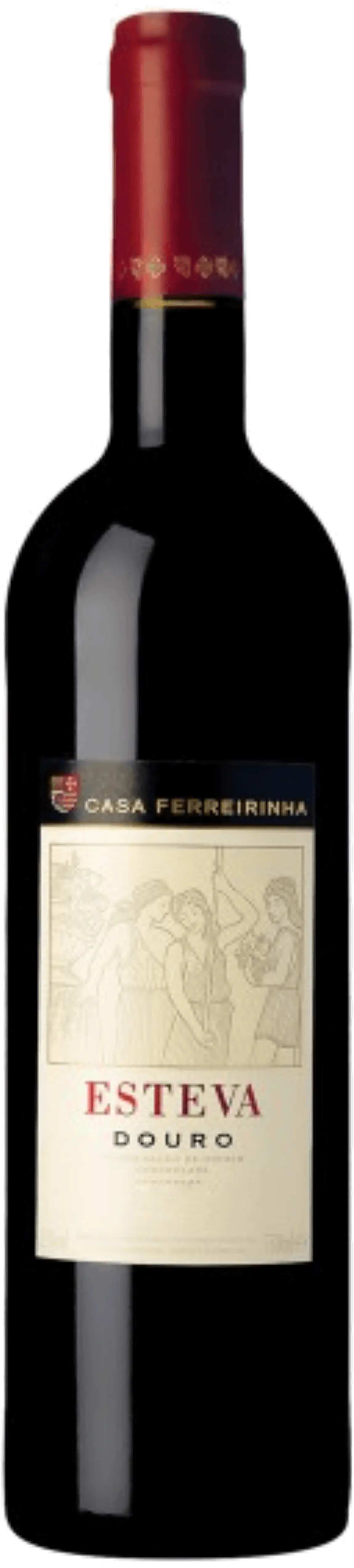
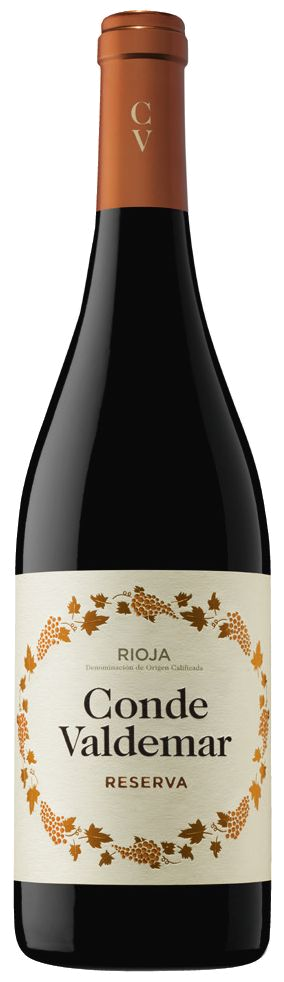
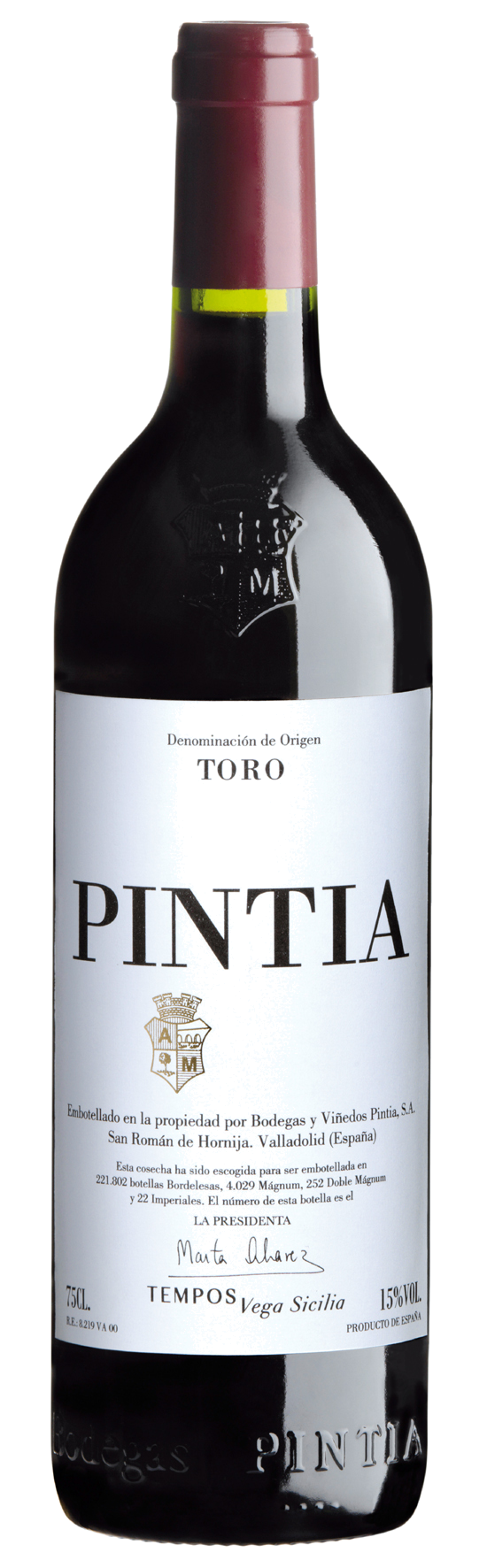
Tempranillo: Spain's leading grape variety in over 100 expressions
This selection gathers over 100 Tempranillos from Spain, Portugal, and Germany, with a focus on Rioja and Ribera del Duero, supplemented by Douro wines from related grape varieties. You will find everything here from uncomplicated everyday wine to long-aged top-tier bottles, plus some rosé, white, and port wines from the same grape variety environment.
Style & Taste
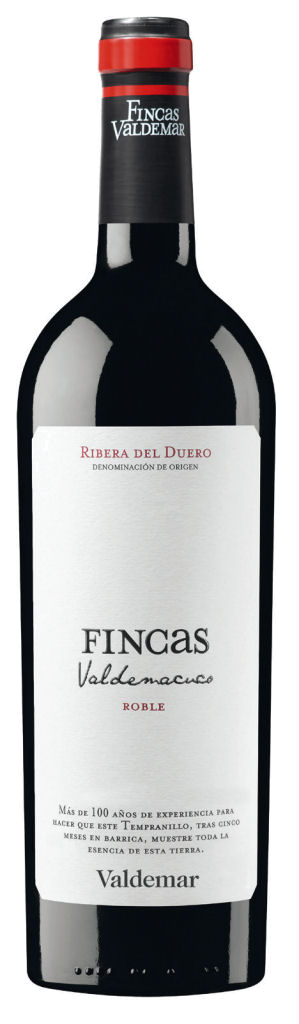
Tempranillo is usually dark ruby red with aromas of cherry, blackberry, and currant. How strongly the wine is shaped by fruit or spice depends on the aging: stainless steel tanks keep the fruit clear and crisp; barrique and wooden barrels add notes of leather, tobacco, and vanilla. In Rioja and Ribera del Duero, two styles emerge side by side – fresh, fruity wines for everyday life and powerful, wood-influenced wines with long barrel aging.
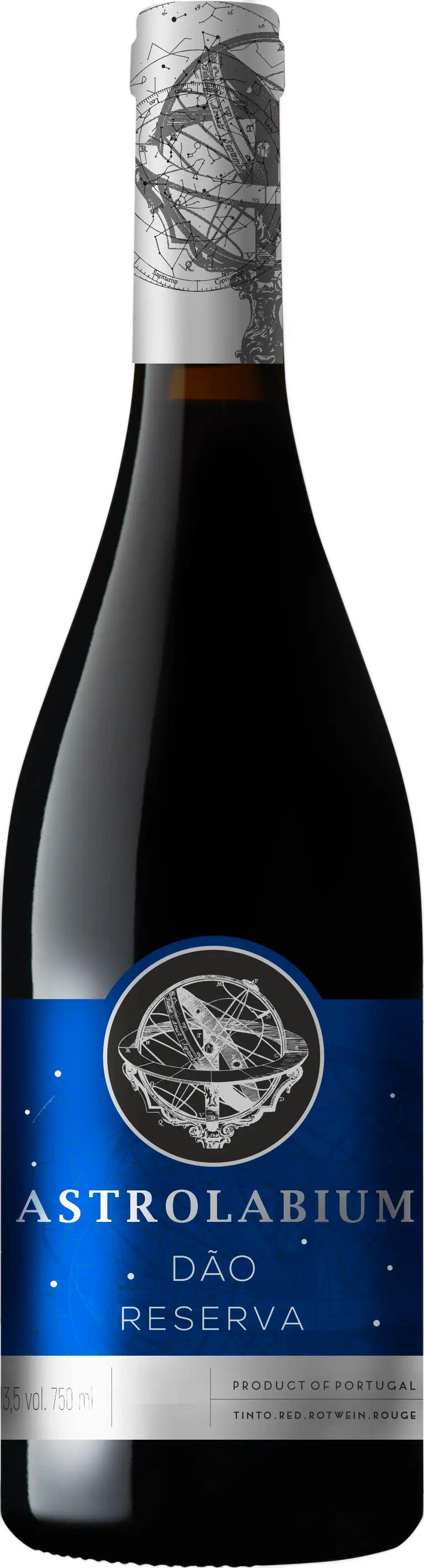
Origin and climate further shift the character. Castile and Ribera del Duero are high and continental, which results in concentrated, powerful wines with firm structure. The Douro Valley in Portugal is warmer; here the variety goes by the name Tinta Roriz and often appears denser and spicier, sometimes also aged as port wine. In Castile and the Toro region, you encounter it as Tinta de Toro or Tinta del Pais, usually more powerful and tannin-rich than the classic Rioja style. Almost all wines in the selection are dry; a small number of Luscious or sweet aging levels can be found primarily among port wines.
Which Tempranillo suits whom
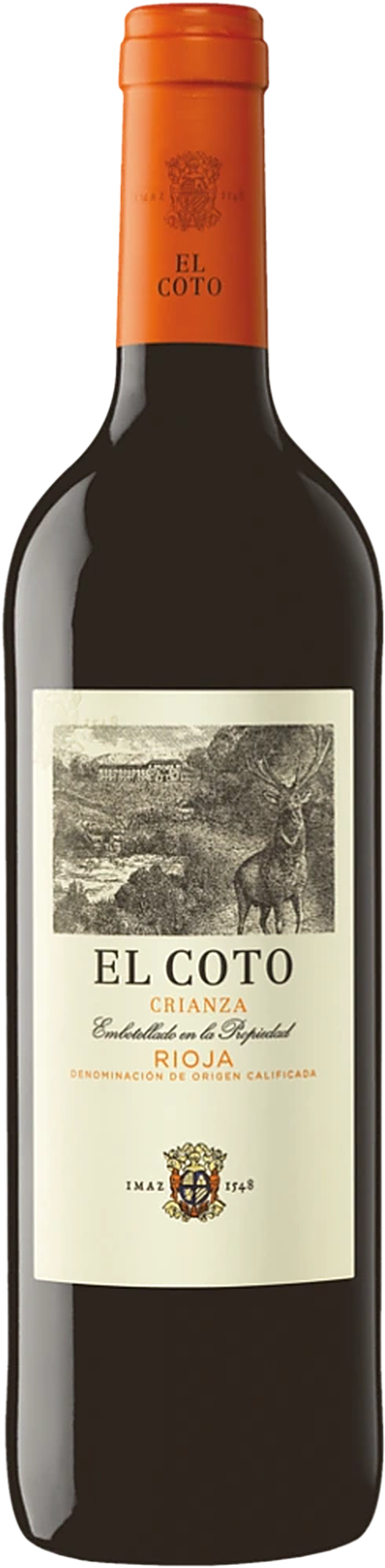
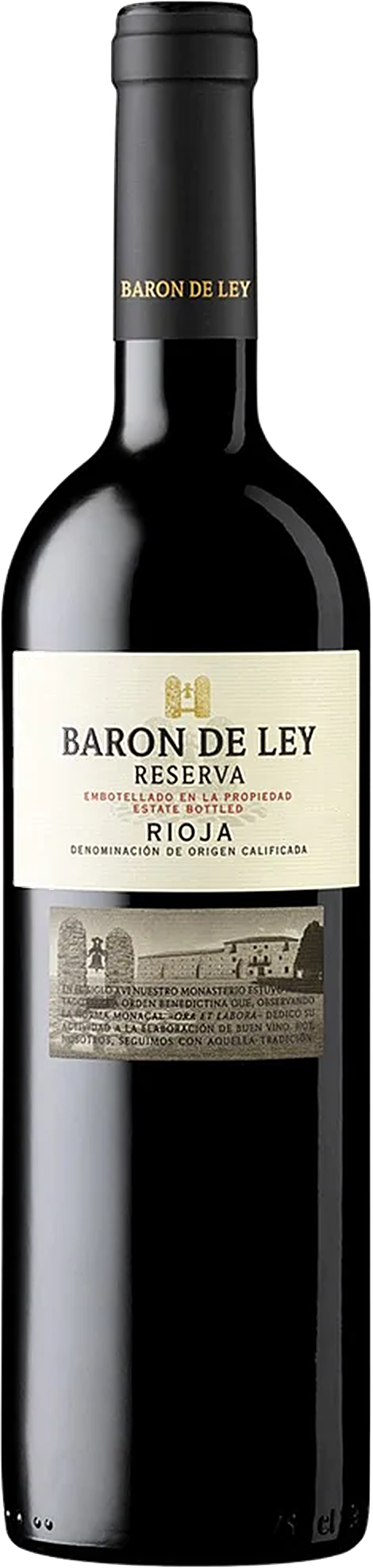
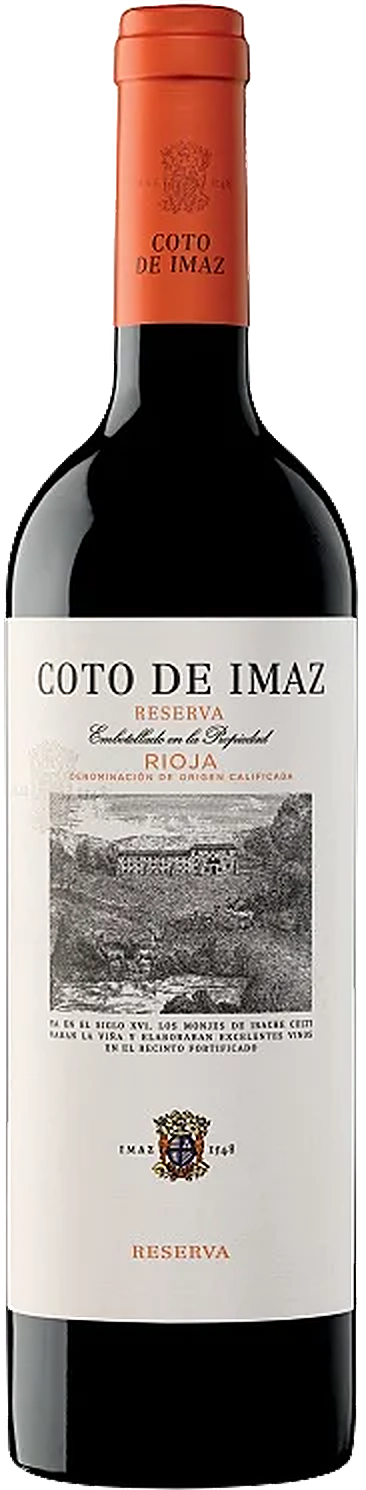
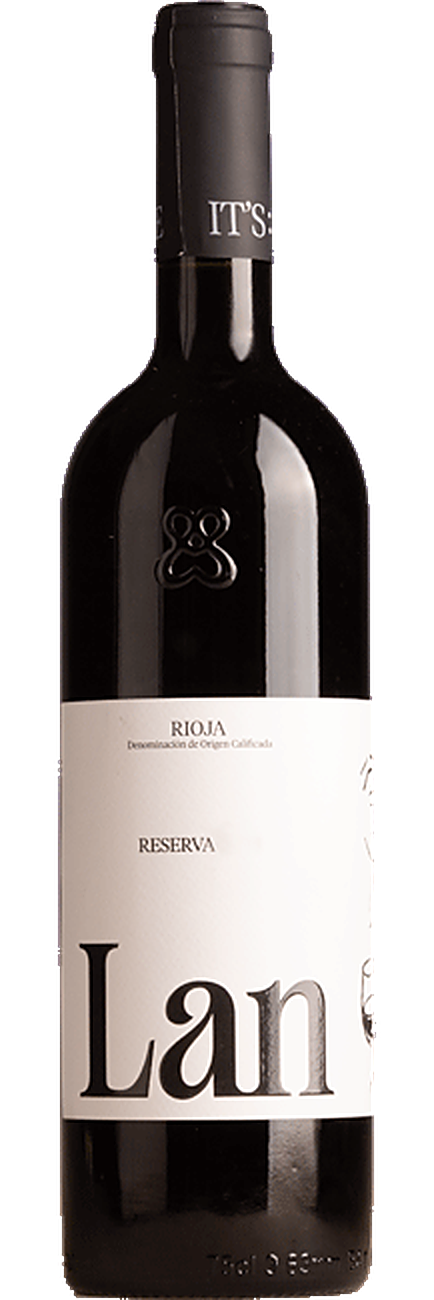
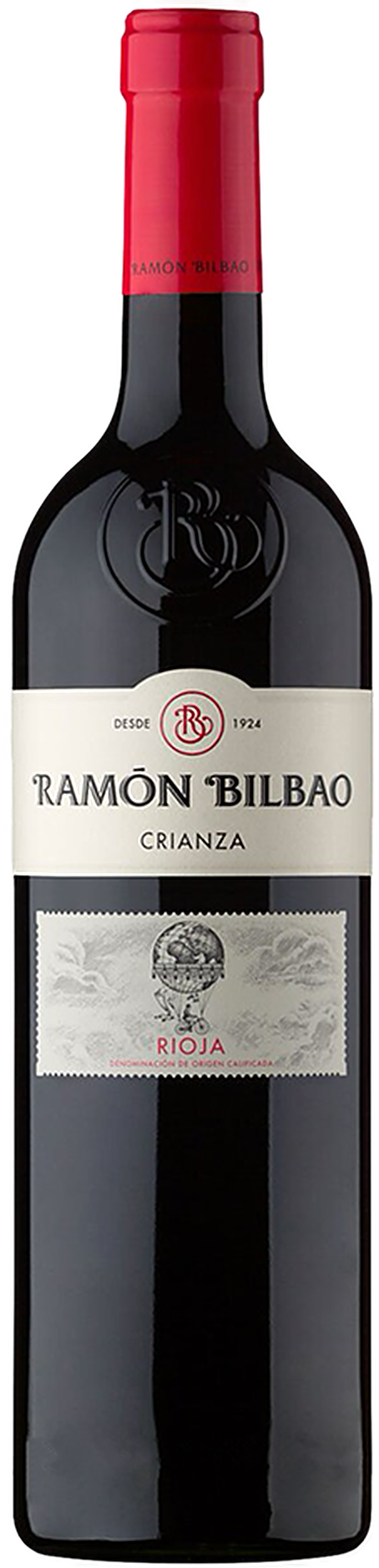
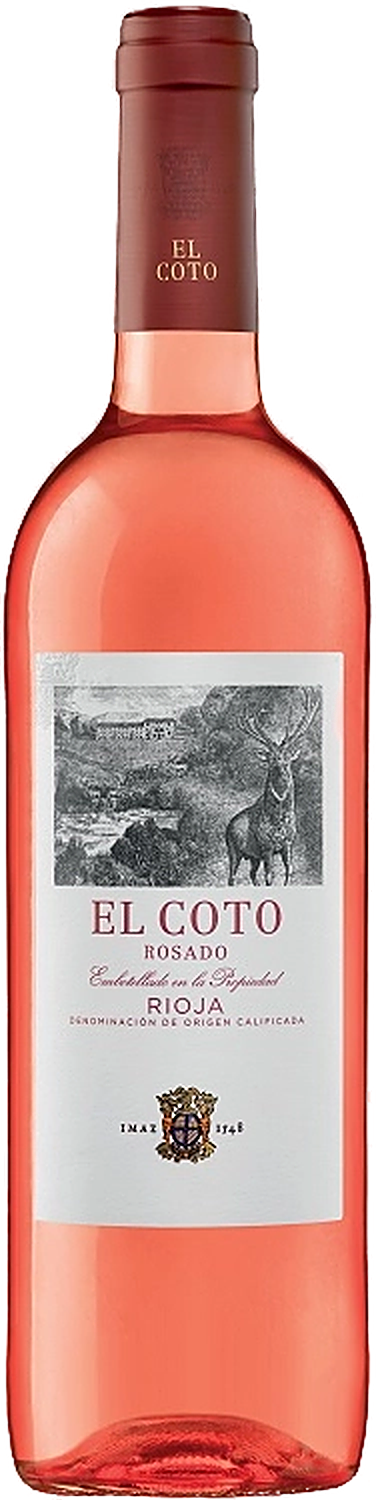
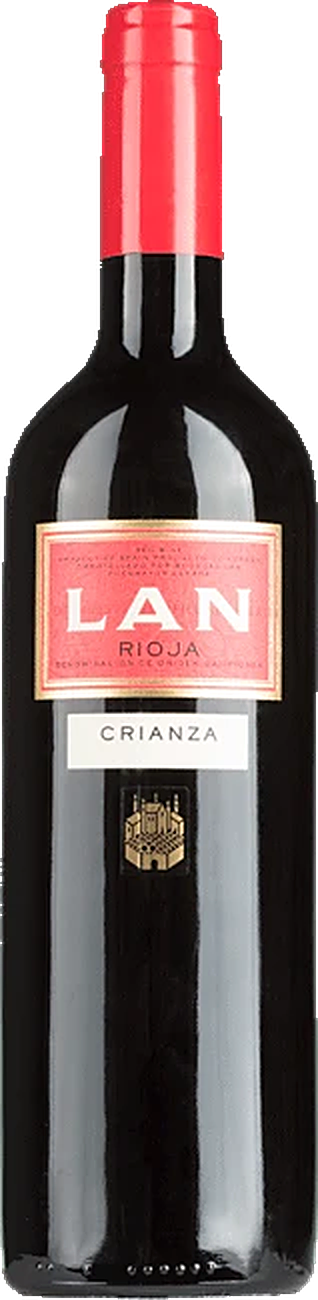
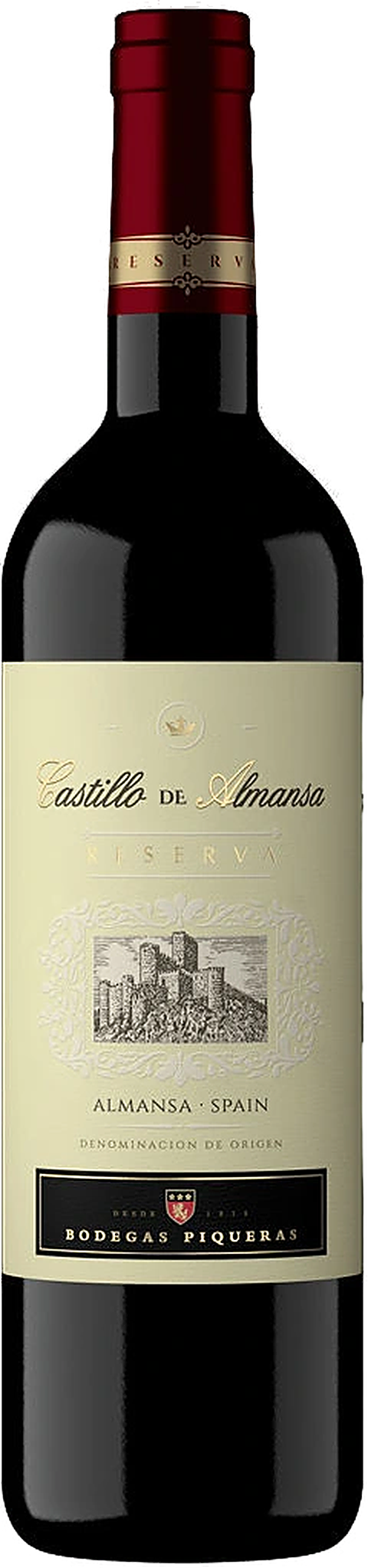
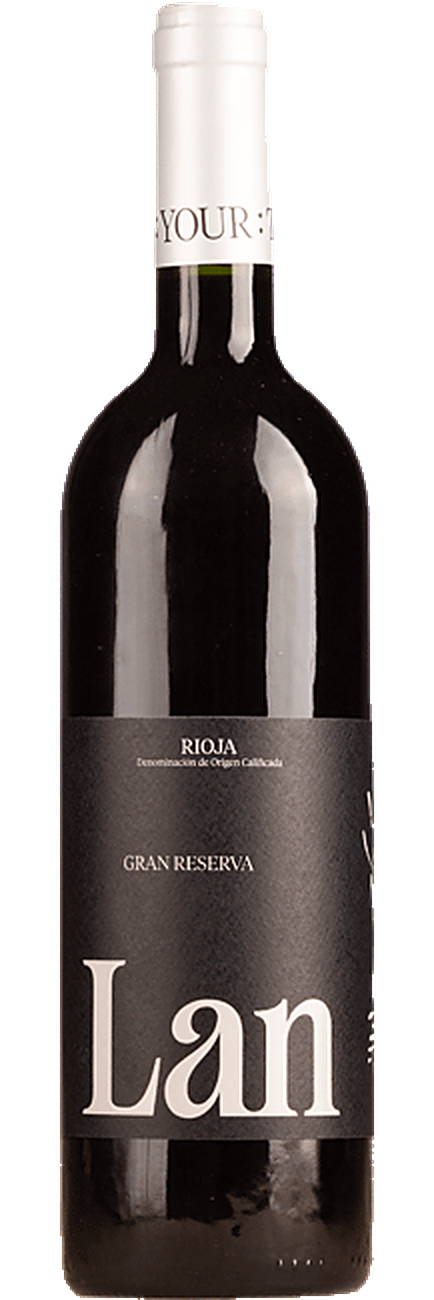
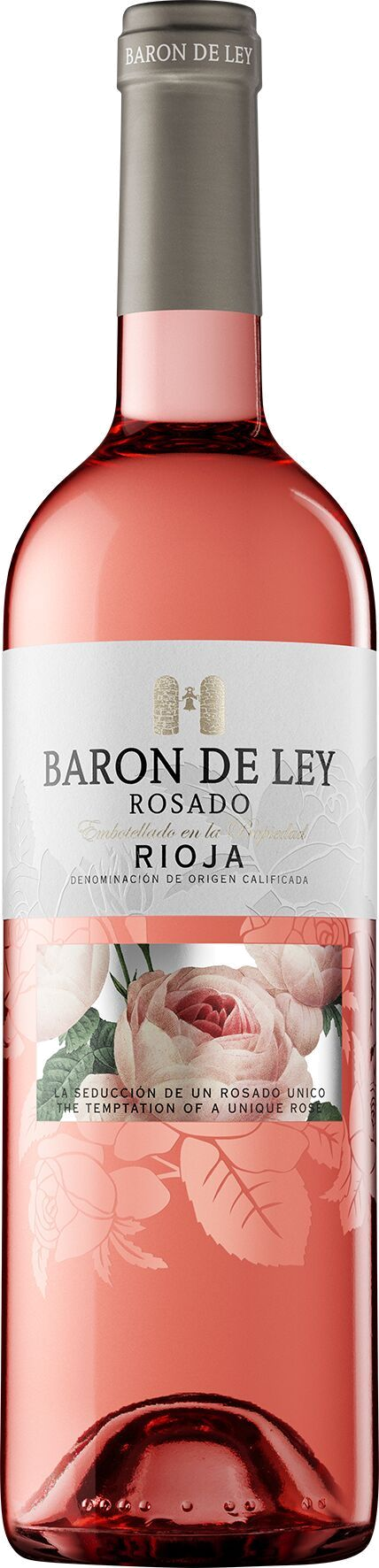
Entry-level (under €15): For everyone who wants to drink Tempranillo uncomplicatedly in everyday life. This level makes up about a third of the assortment and comes primarily from Rioja, Ribera del Duero, Almansa, and the Douro Valley, with designations such as DOCa, DO, and DOC. The aging ranges from stainless steel tanks to barrique; the level is shaped by producers like Bodegas Carlos Serres, Baron de Ley, El Coto de Rioja, and Bodegas LAN.
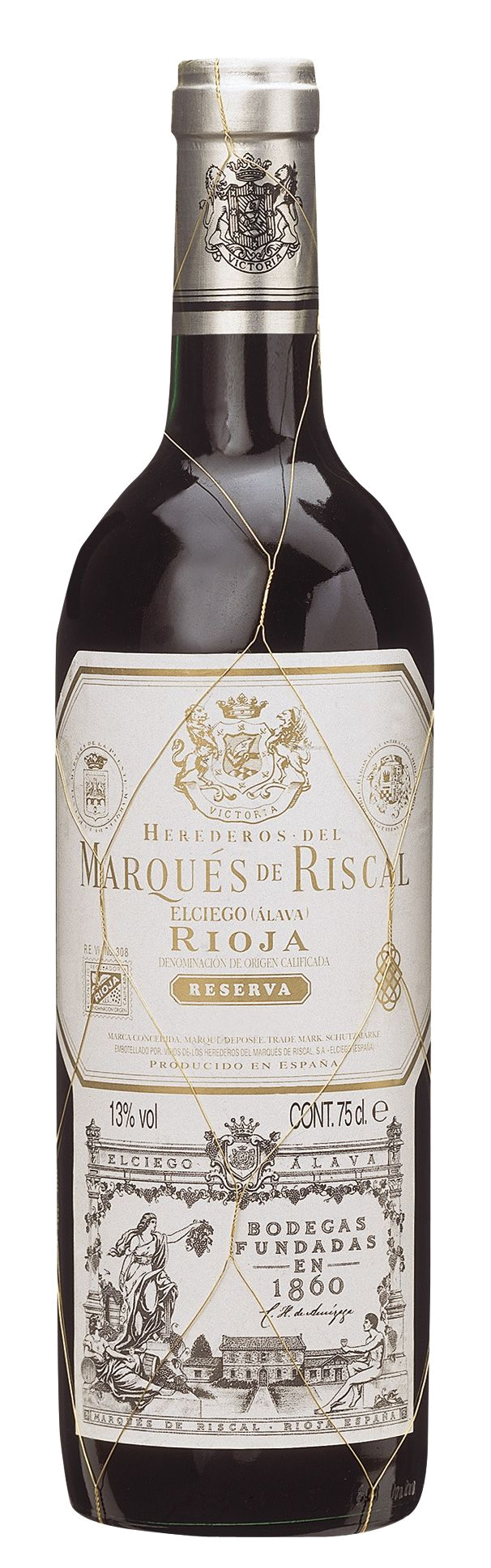
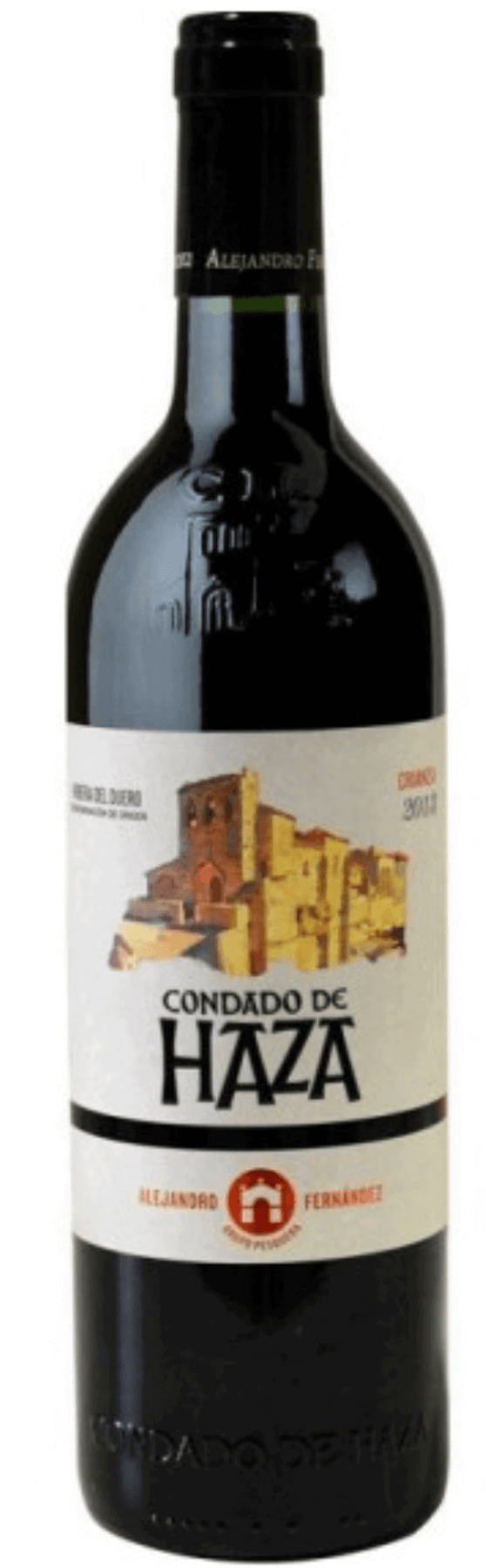
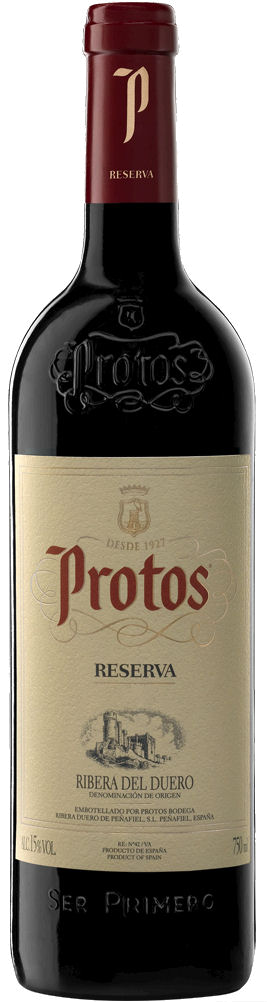
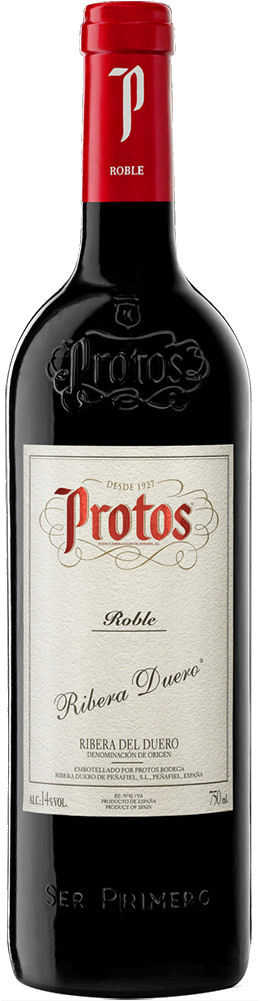
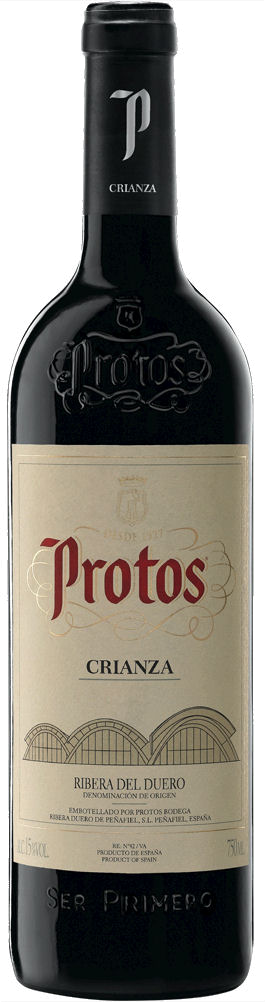
Mid-range (€15–35): For everyone looking for more depth and structure without entering premium price territory. Also about a third of the assortment comes from Rioja, Ribera del Duero, the Douro Valley, and Castile, with designations from DOCa and DO to Vino de la Tierra. Names like Alejandro Fernández, La Rioja Alta, Niepoort Vinhos, and Bodegas Protos stand for this area.
Premium (from €35): For special occasions and collectors who rely on long barrel aging and dense wines. Here, too, the level makes up about a third of the assortment, anchored in Rioja, Castilla, Ribera del Duero, and Castile. Producers like La Rioja Alta, Bodegas Campillo, Vega Sicilia, and Bodegas Roda shape this area with intensive barrique and wood aging.
Origin & Subcategories
The selection focuses on Spain, with Rioja and Ribera del Duero as defining regions. In addition, there are Castilla and Castile as further Spanish origins with their own character.
Outside of Spain, Portugal is represented with the Douro Valley, where the variety also appears in port wines as Tinta Roriz. A small number of German wines round off the picture. Designations of origin range from simple Vino de la Tierra to DO and DOC up to the higher-quality DOCa; for Portuguese wines, also Port and Qualitätswein.
Pairs with
Tempranillo classically accompanies Spanish cuisine: lamb, game, and braised dishes can handle the powerful, wood-influenced styles, while fruitier wines fit well with tapas, chorizo, and Manchego. Medium-bodied wines from the €15–35 range harmonize particularly well with grilled food and veal.