From Bilbao to Haro: 145 years of the Real de Asúa family
What began in 1879 as a trip for health reasons became the foundation of one of Spain's most significant wine dynasties. Eusebio and Raimundo Real de Asúa, two brothers from a Bilbao shipping family, settled in the Barrio de la Estación in Haro – the railway district where French winemakers and merchants met at the time because phylloxera had devastated their home regions. Together with oenologist Isidro Corcuera del Campo, they founded the Compañía Vinícola del Norte de España, or CVNE for short, there on March 24, 1879. The abbreviation was soon misread – the V read as a U – and thus a printing error created the brand name Cune, today the best-selling Rioja on the Spanish market.
Five generations later, Víctor and María Urrutia Ybarra lead the company. Víctor took over as CEO in 2003, María as marketing director. The family has consistently expanded the house since then: with the IPO to secure succession arrangements, with investments in new vineyards and cellars, and most recently with the entry into La Place de Bordeaux with the single-vineyard wine Real de Asúa Carromaza – the first Spanish wine in this marketing framework.
Tradition in the Eiffel cellar, gravity in Cerro de la Mesa
The heart of the group is the historic bodega in Haro. Its most famous structure is the so-called Nave Eiffel – a column-free steel-truss barrel room, designed by Gustave Eiffel's office, built between 1890 and 1909. There, the wines of the CVNE, Cune, and Imperial lines mature in American and French oak. The second pillar is Viña Real in the Rioja Alavesa: the bodega completed in 2004 on the Cerro de la Mesa hill was consistently designed according to the gravity principle – grape reception at the top, barrel aging in concentric circles below, bottle storage in two tunnels carved into the hill. The third winery, Viñedos del Contino, is located in a loop of the Ebro and was Rioja's first single-vineyard winery modeled after a French château.
In the vineyard, CVNE relies on hand-picking for all top wines and combines bush vine training with Cordon-Royat systems. Recently, the house has been testing regenerative agriculture: the first Keyline system in Rioja was laid out in the Girasoles vineyard in Hervías – a soil cultivation method that improves water retention and revitalizes the soil in the long term.
Cune, Imperial, Contino – three levels, one standard
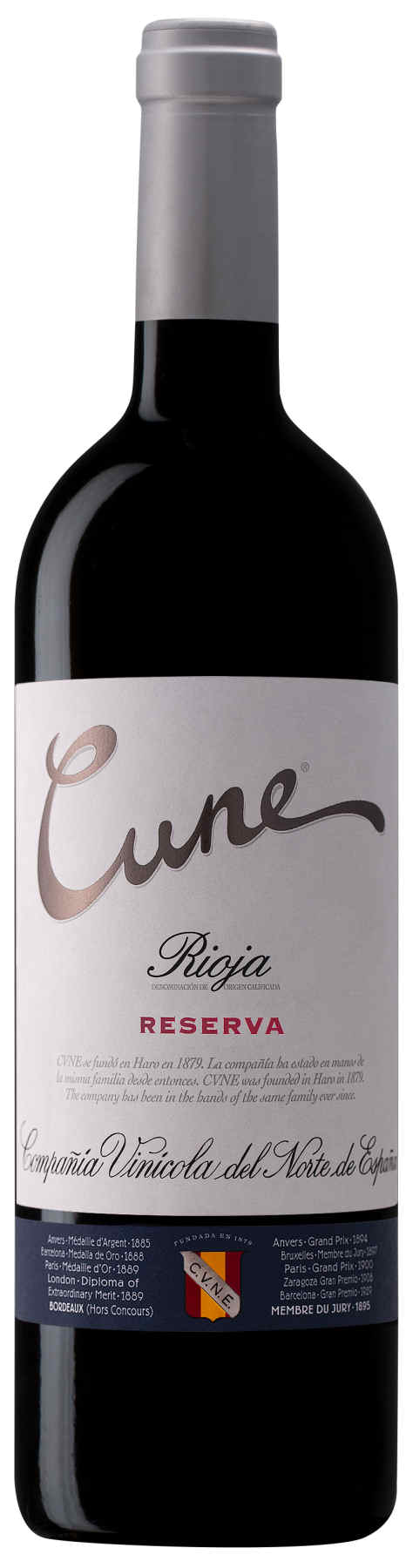
The range is clearly divided into three levels. Cune stands for the accessible line – Crianza, Reserva, and Gran Reserva based on Tempranillo, with the balance of red fruits, restrained use of wood, and fresh acidity typical of Rioja Alta. Imperial is the prestige line, produced only in vintages classified as excellent: a blend of Tempranillo, Graciano, and Mazuelo, known for its elegance and aging potential. The Imperial Gran Reserva 2004 was the first Spanish wine ever to be voted Wine of the Year by Wine Spectator. Viña Real from the Rioja Alavesa shows a fuller, more fruit-forward style that reflects the influence of the Atlantic-influenced high altitudes.
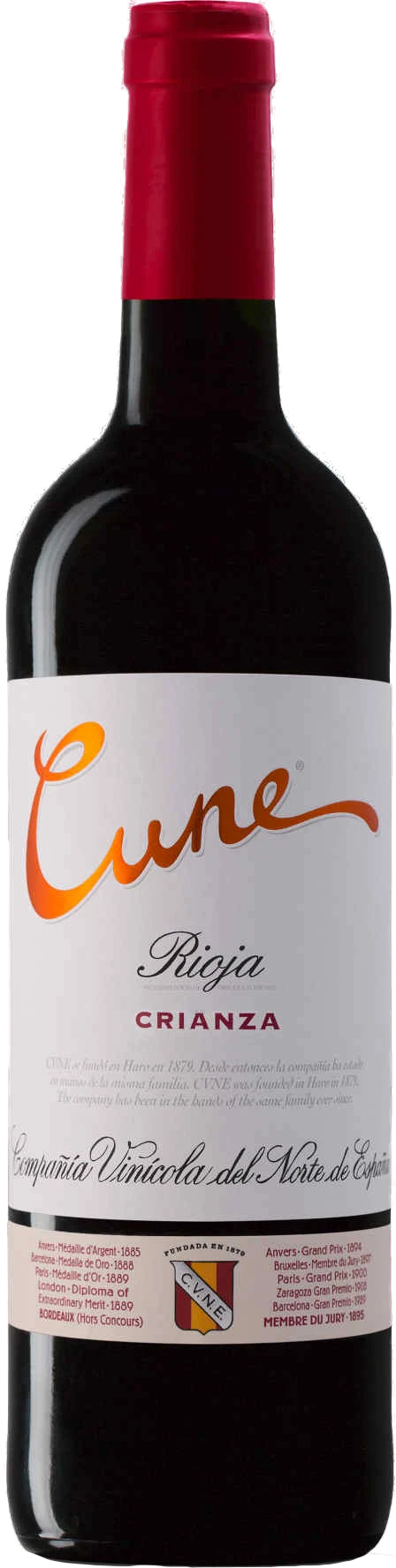
Those who want to get to know CVNE wines should start with the Cune Crianza: cherry aromas, moderate roasted notes, medium tannin, good drinkability. Reserva and Gran Reserva bring more structure and depth – more time in the barrel, more time in the bottle. All three go well with leg of lamb, Iberian ham, or strong Manchego. Serving temperature: 16–18 °C.