White wine: from the everyday bottle to the Grosses Gewächs
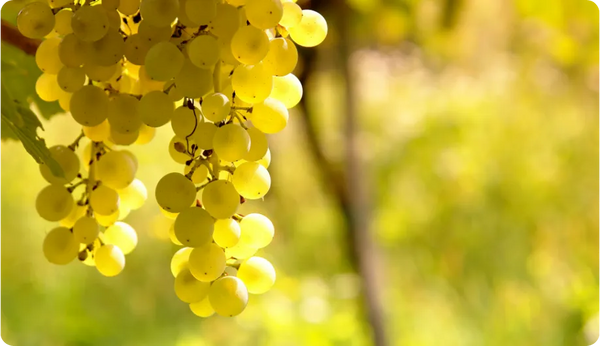
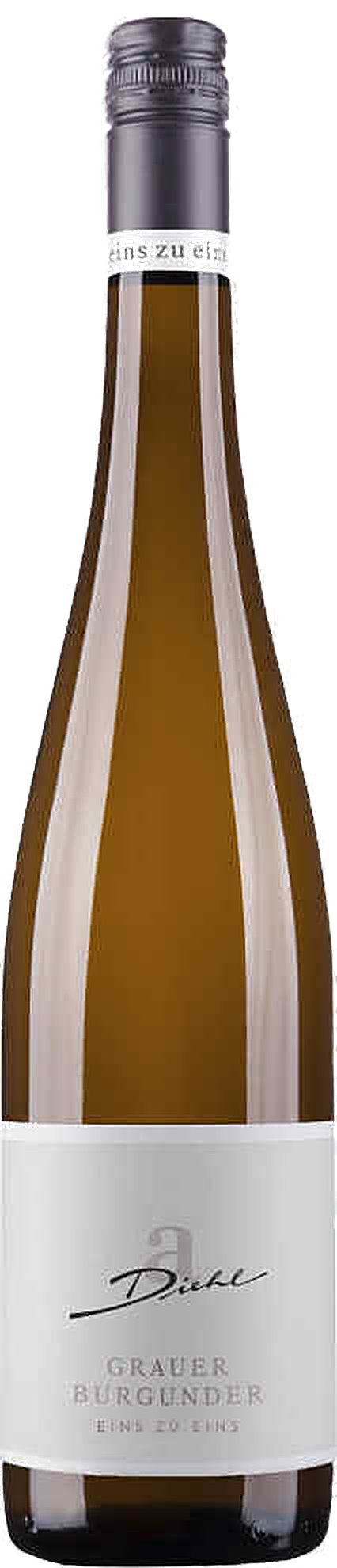
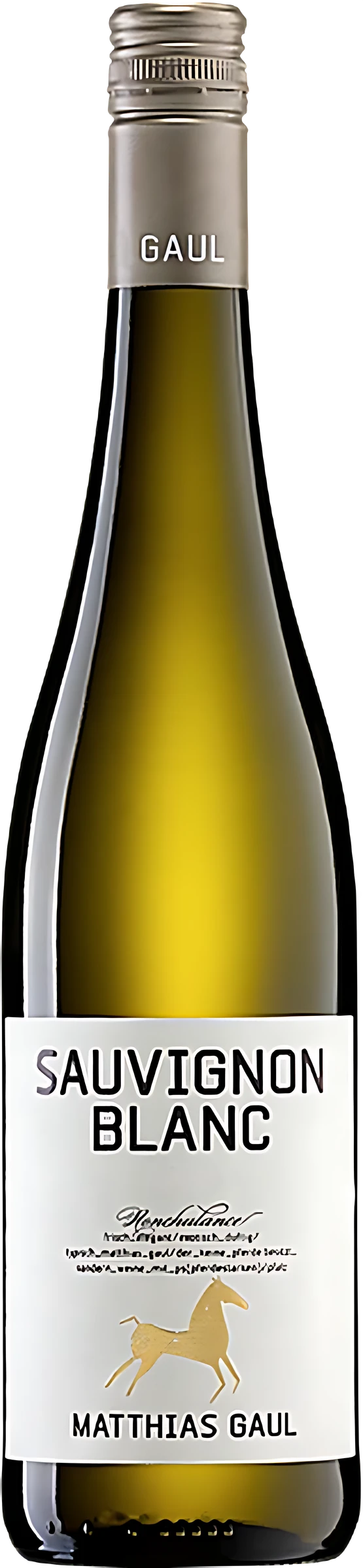
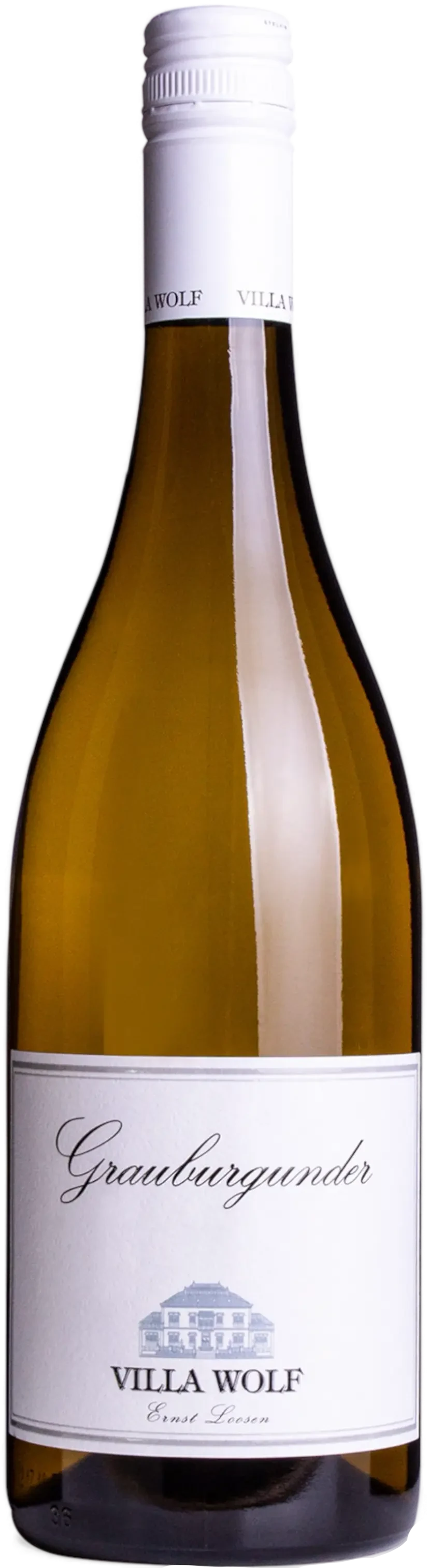
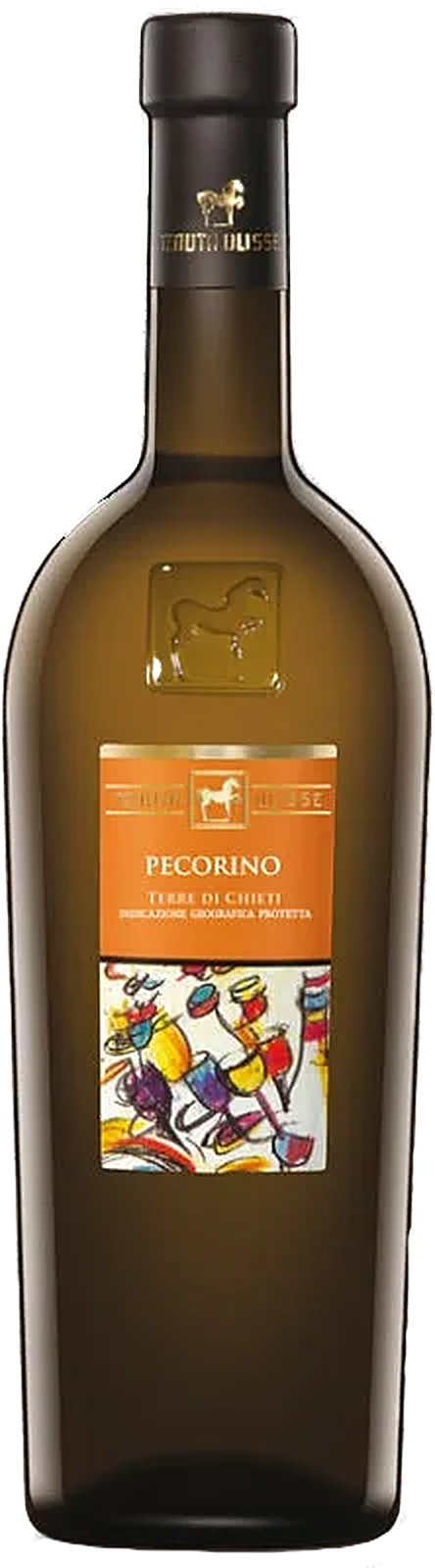
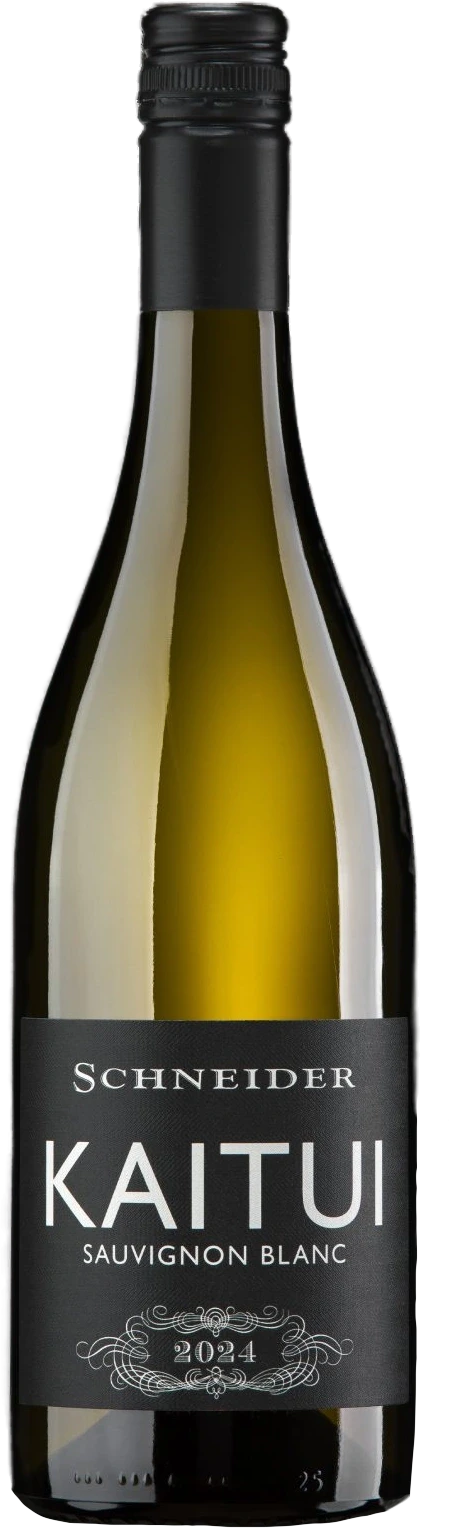
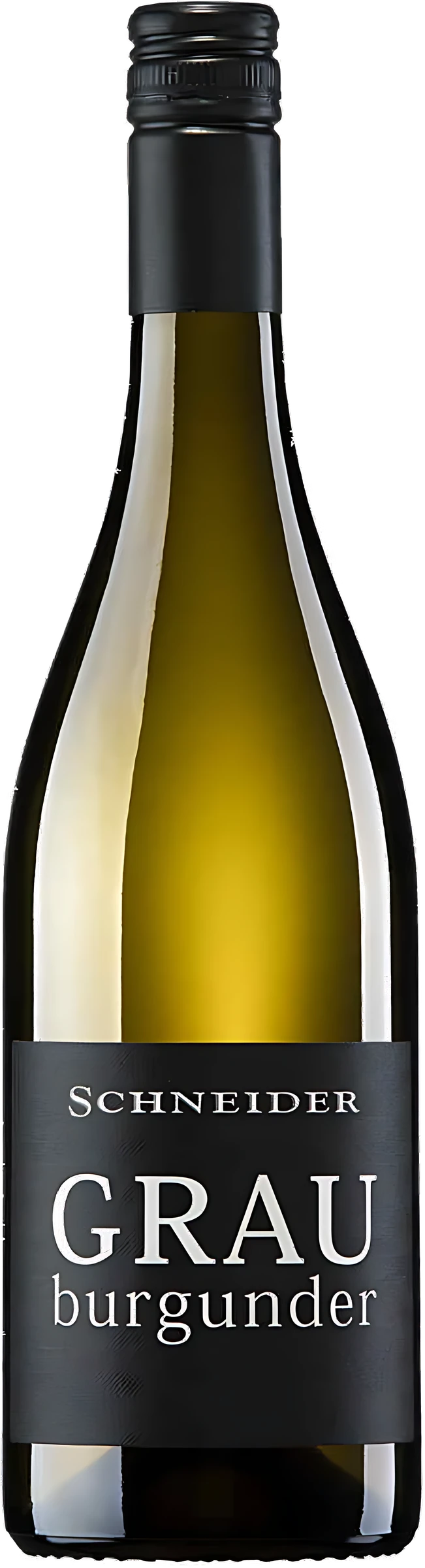
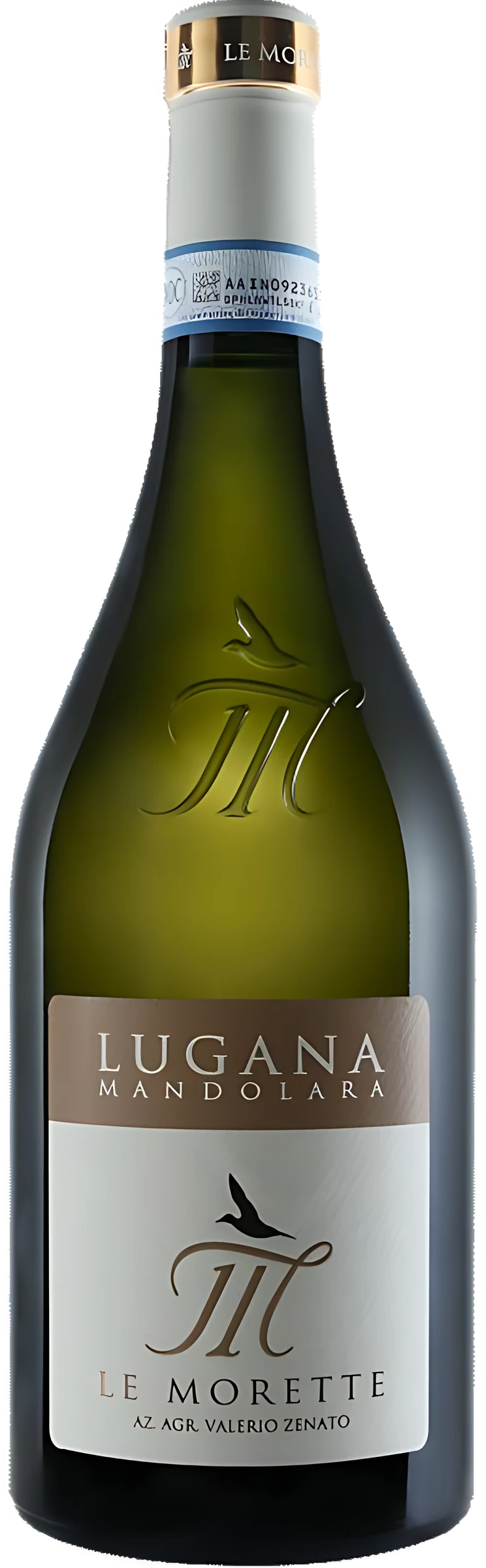
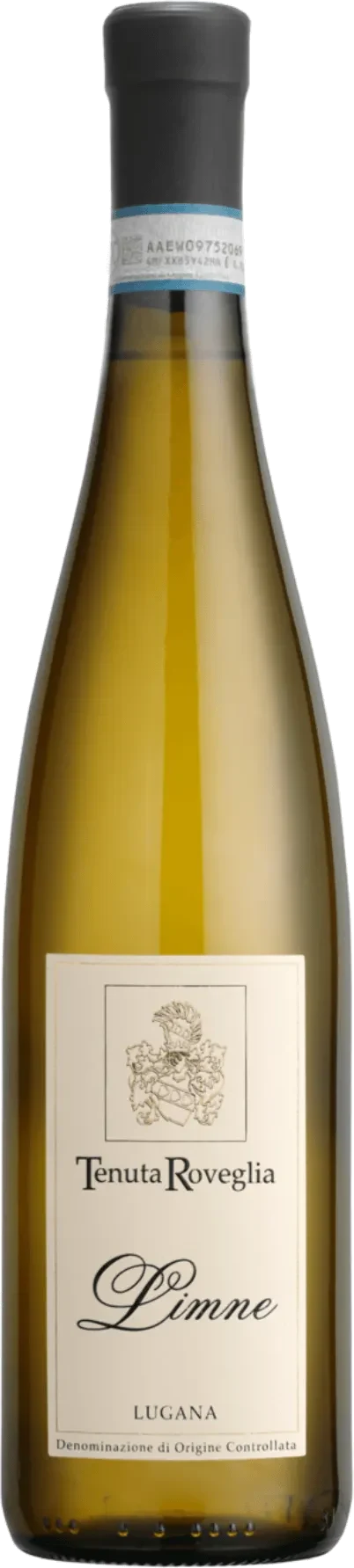
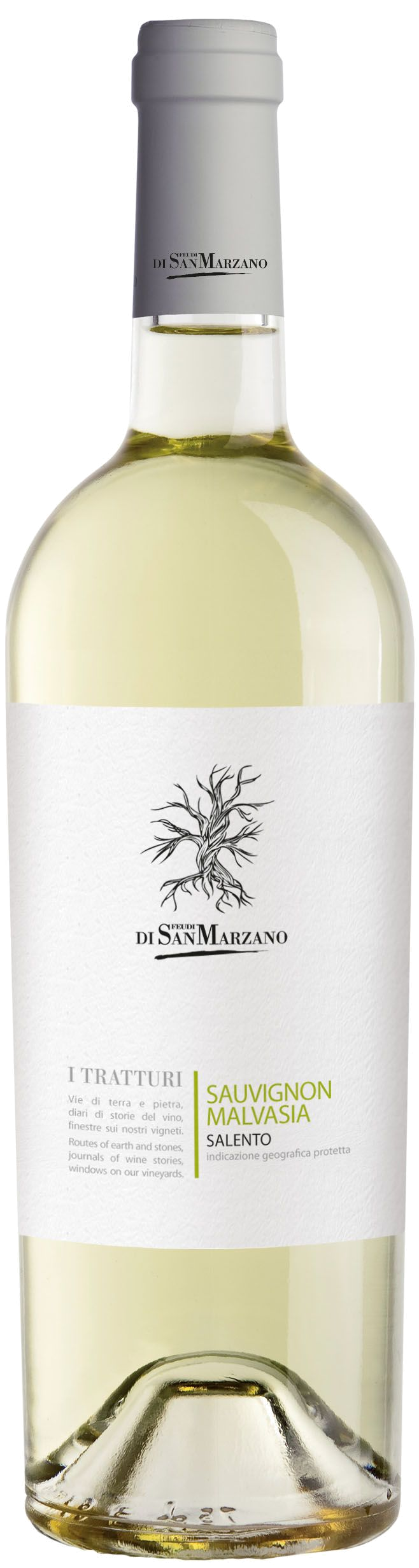
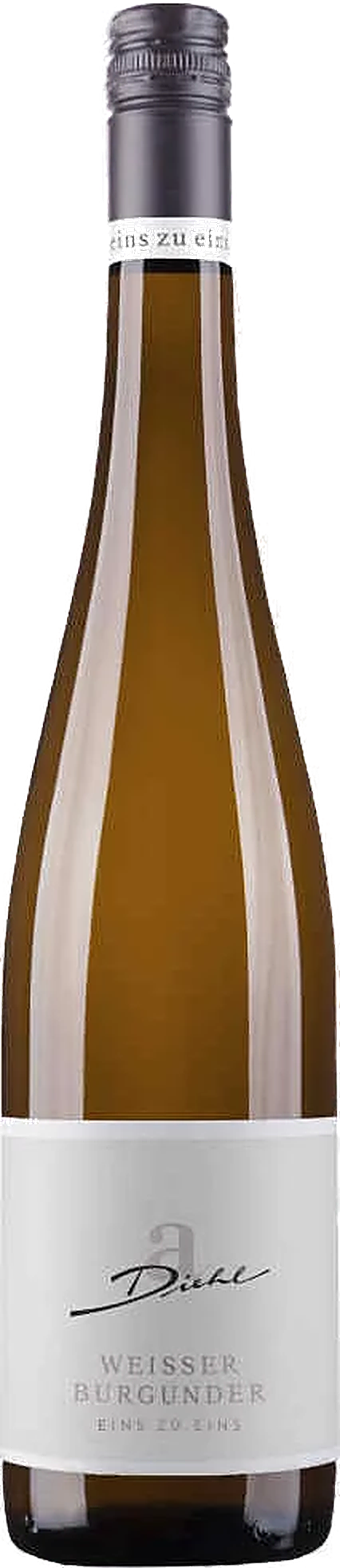
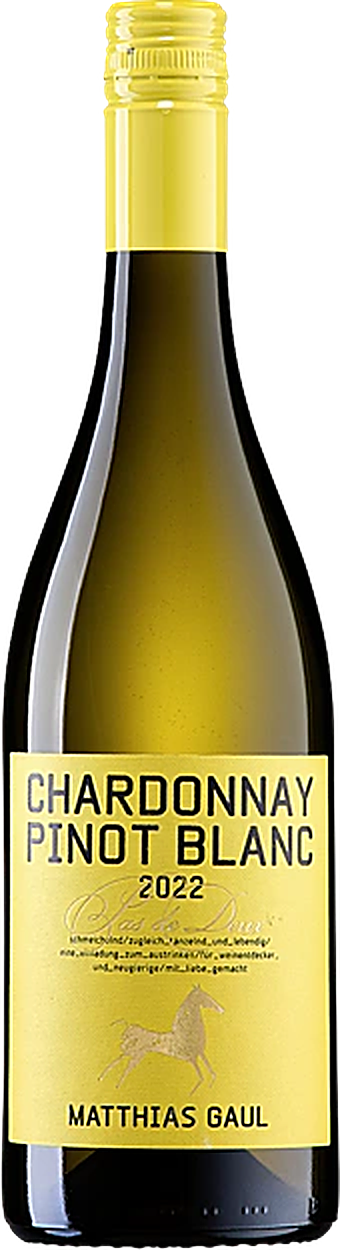
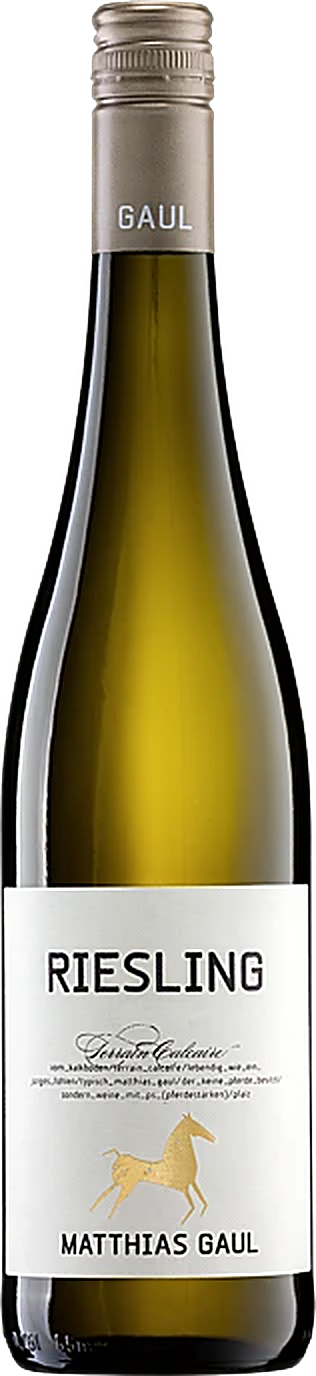
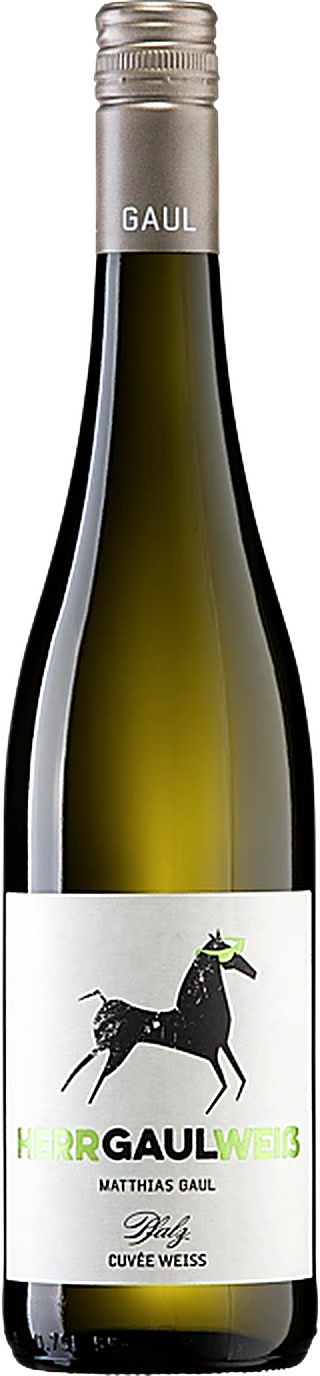
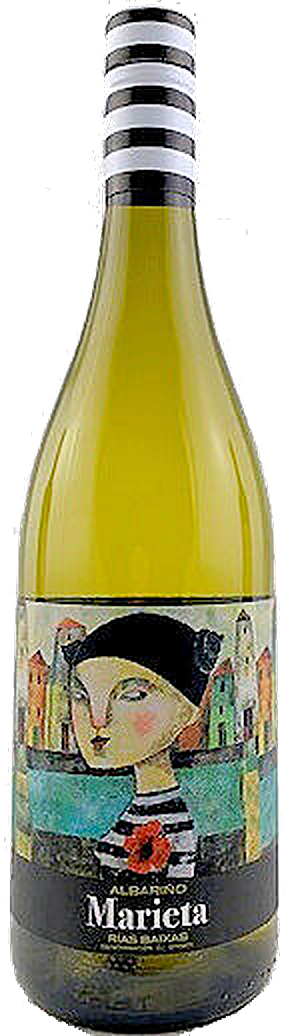
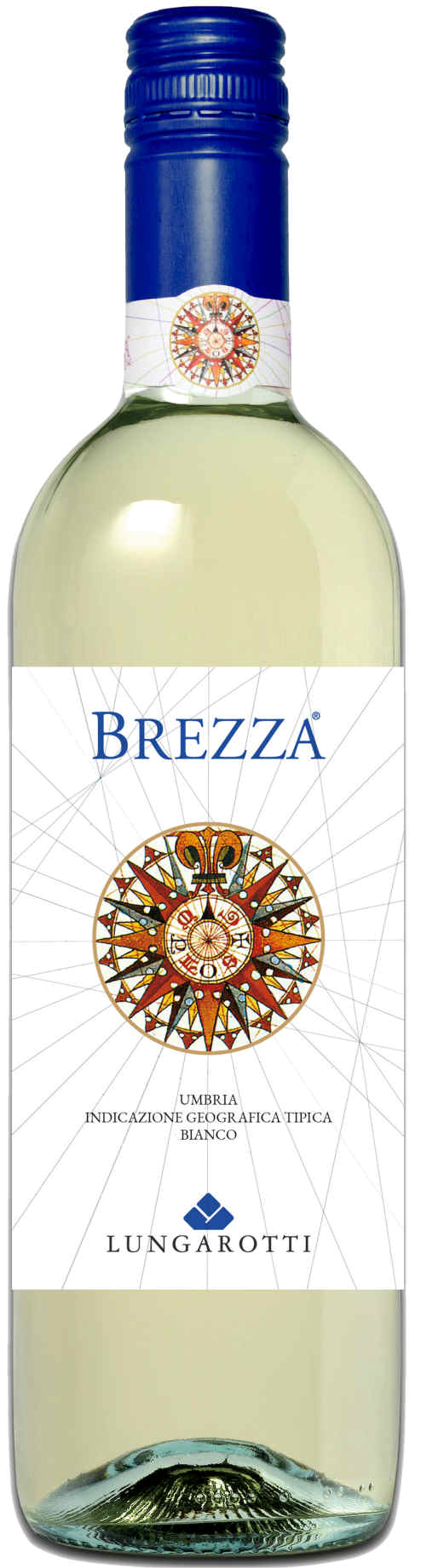
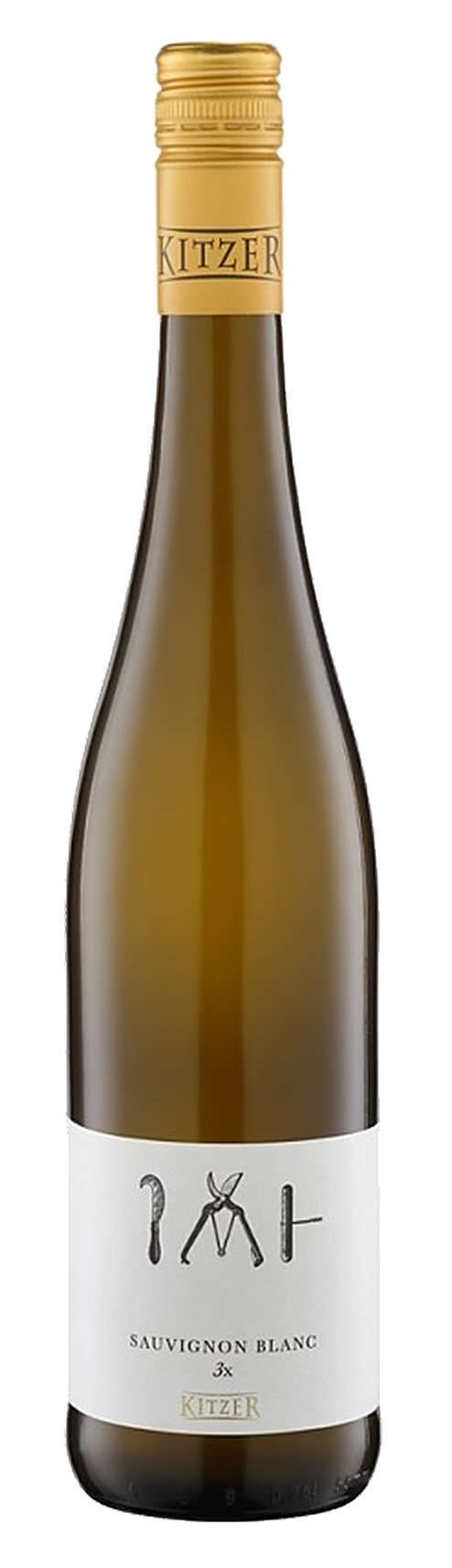
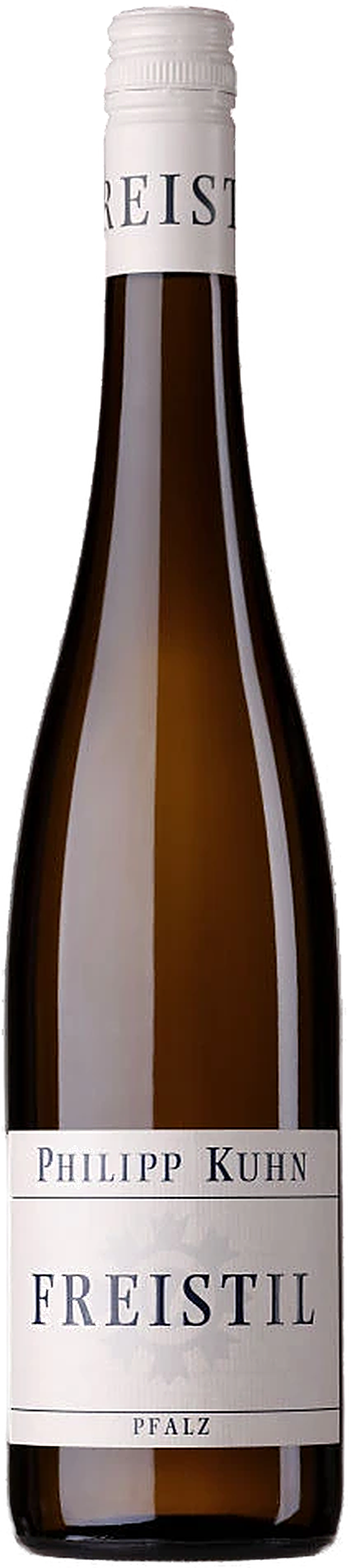
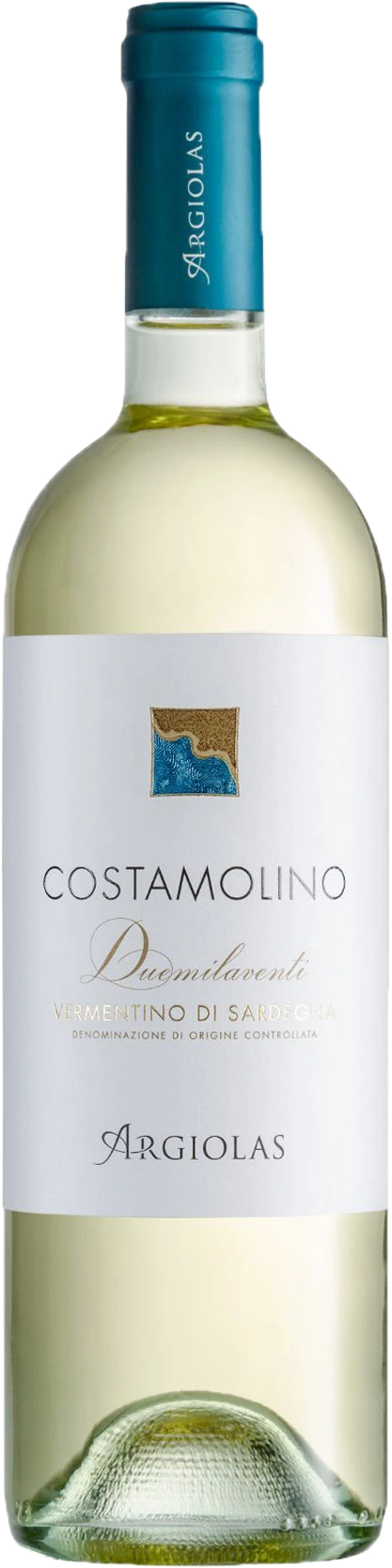
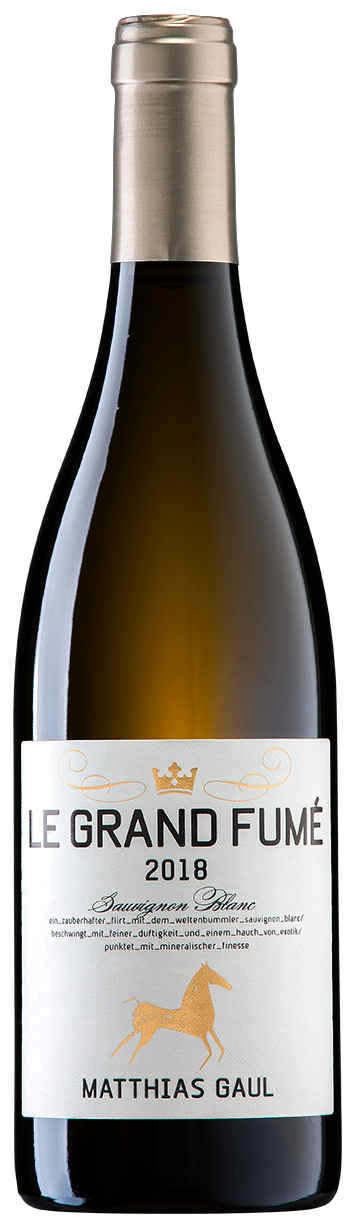
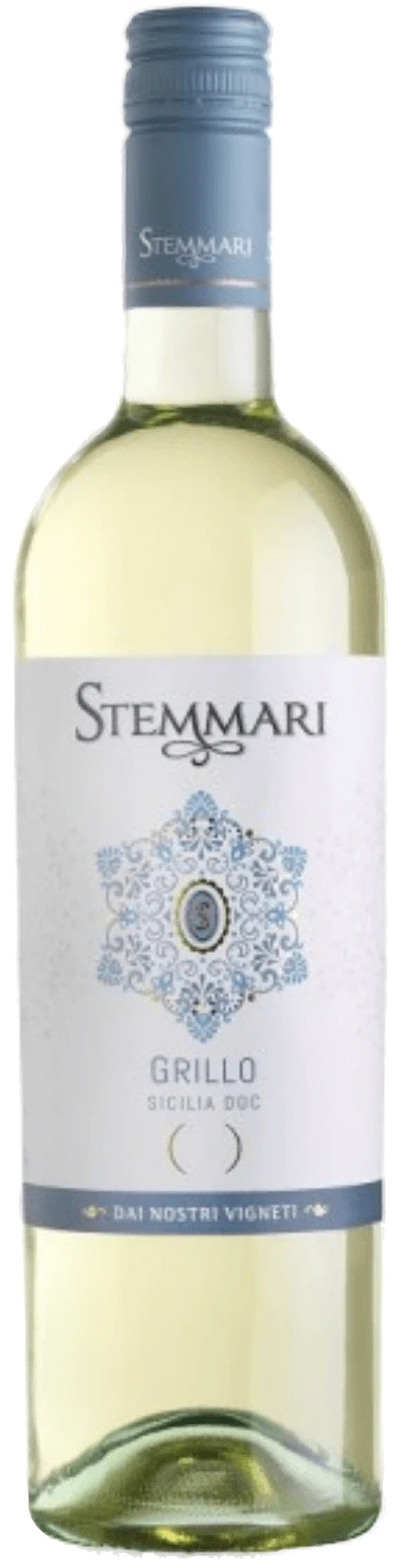
This collection bundles over 2,000 white wines from Germany, Italy, France, Austria, South Africa, and Spain. The core consists of Riesling, Chardonnay, Sauvignon Blanc, and Pinot Blanc from the Pfalz, Mosel, Rheinhessen, and South Tyrol regions, supplemented by designations ranging from Qualitätswein to Grosses Gewächs.
Tasting & Serving
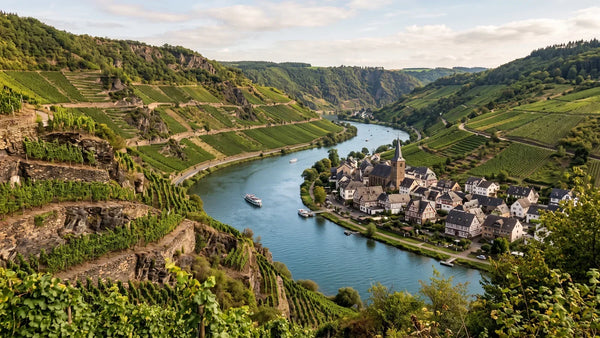
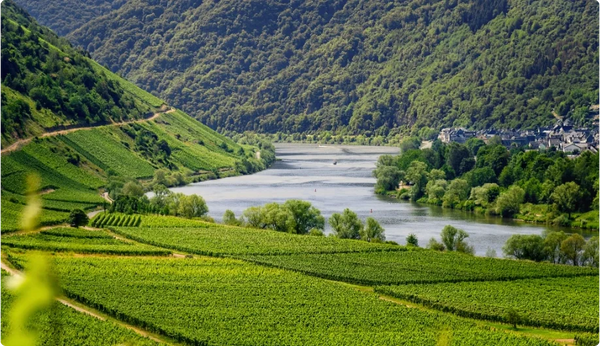
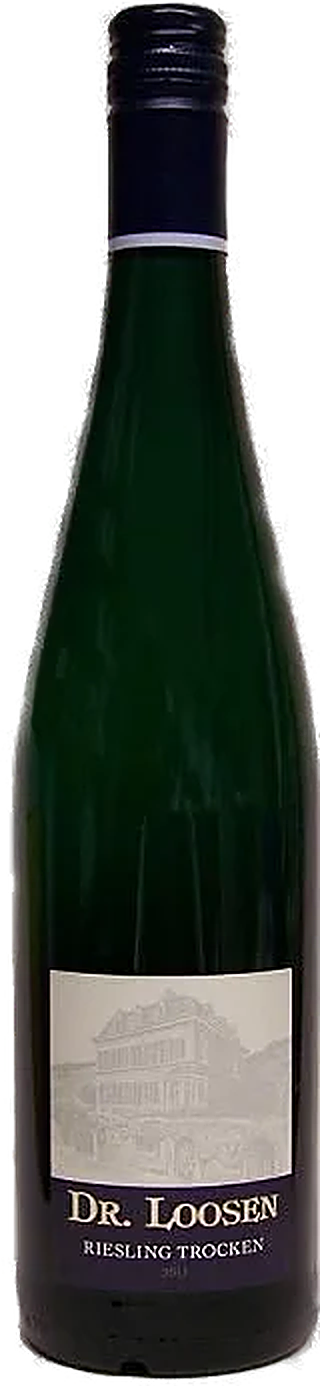
The spectrum ranges from dry to luscious, with semi-dry and off-dry styles in between. Rieslings from the Mosel usually show an invigorating acidity and a lean, mineral structure, while white wines from the Pfalz and Rheinhessen are often somewhat more powerful and fruit-forward. The maturation ranges from pure stainless steel tanks for clear, fruit-forward wines to wood and barrique, which give the wine more texture and roasted notes.
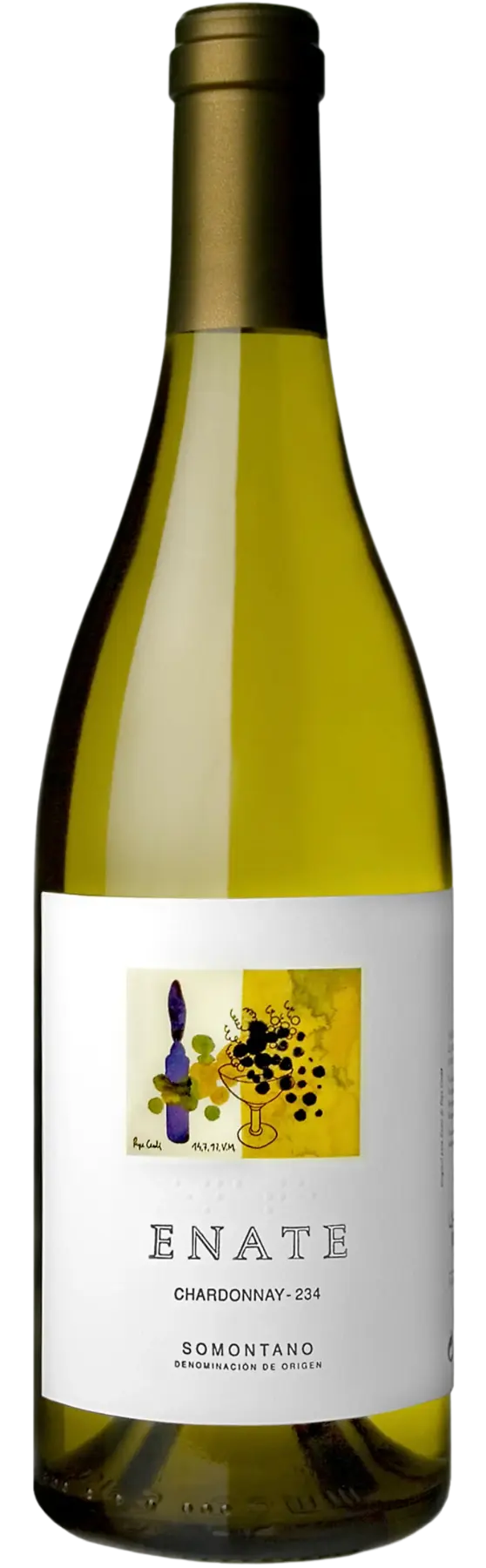
You can recognize differences primarily by origin and maturation: a Chardonnay from Burgundy with barrique aging tastes creamier and broader than a Sauvignon Blanc from a stainless steel tank. Grosses Gewächse and Prädikatsweine show more concentration and depth because they are produced from selected vineyards and with lower yields. Spontaneously fermented wines often bring an additional spicy complexity.
Which white wine suits whom
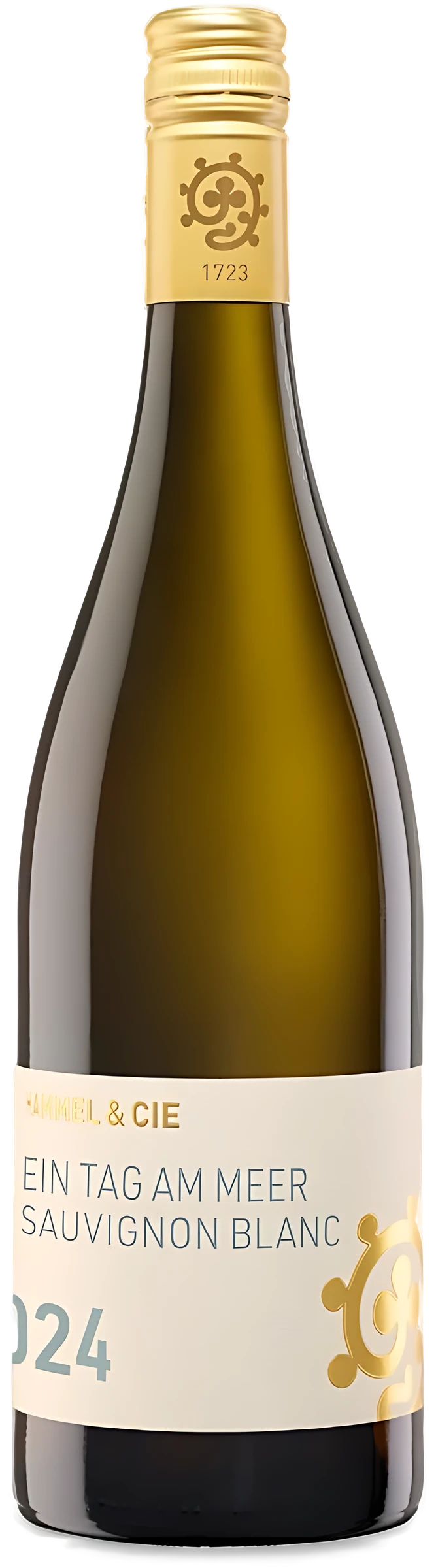
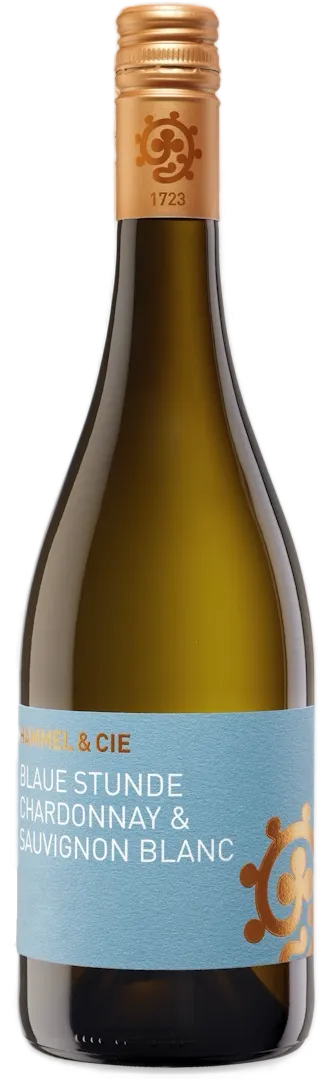
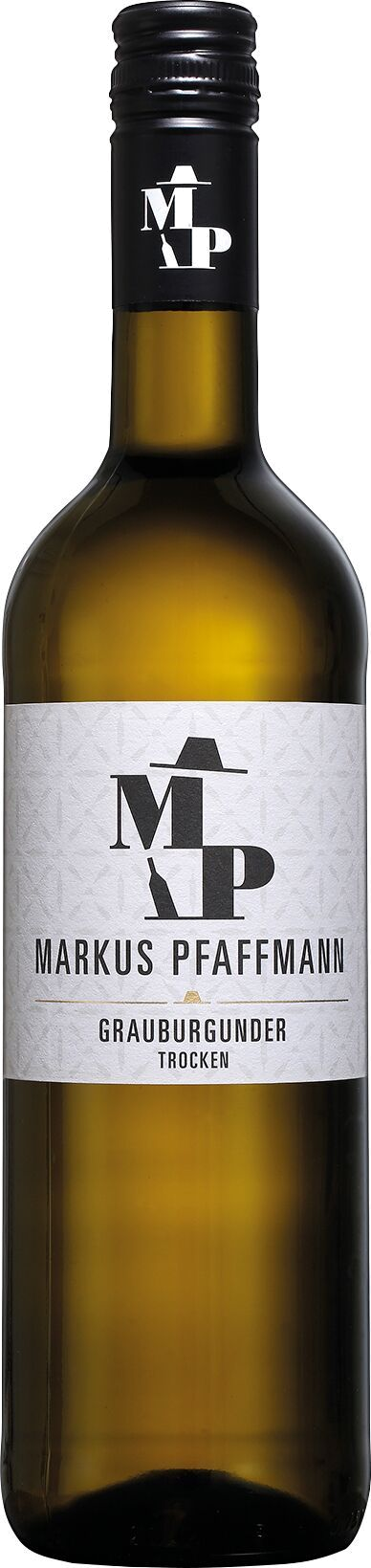
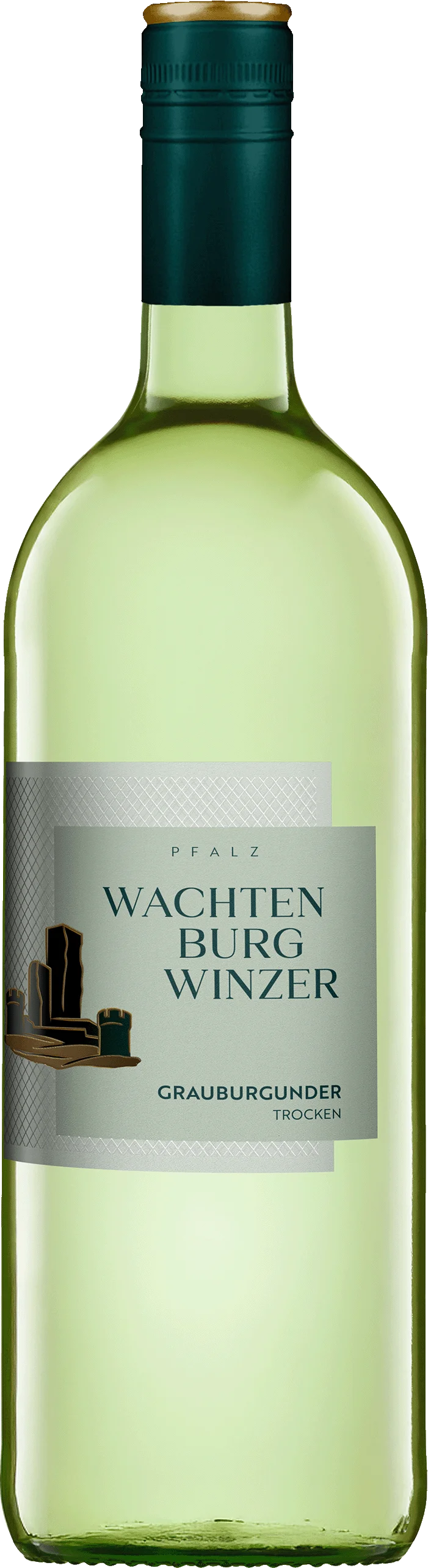
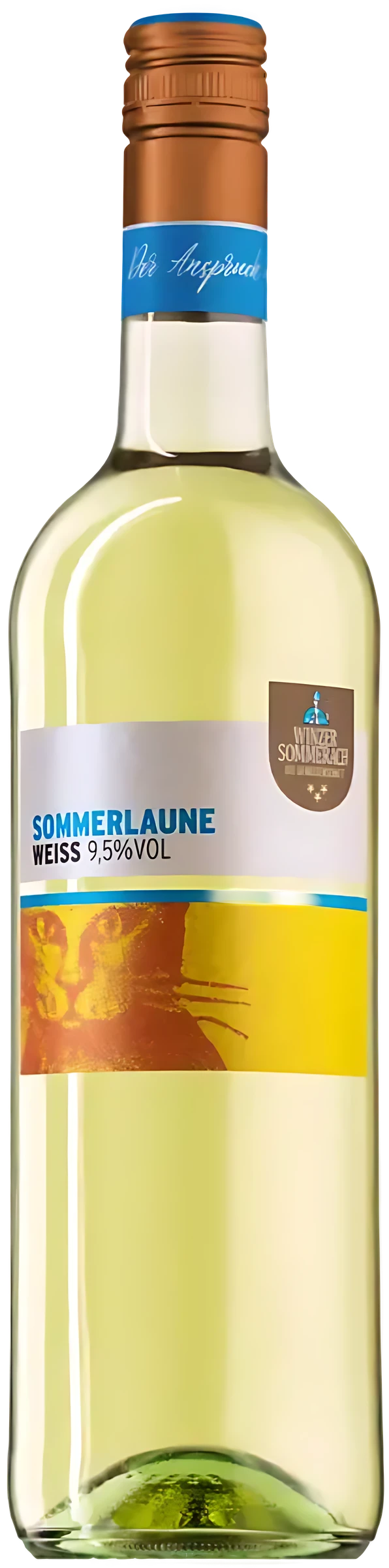
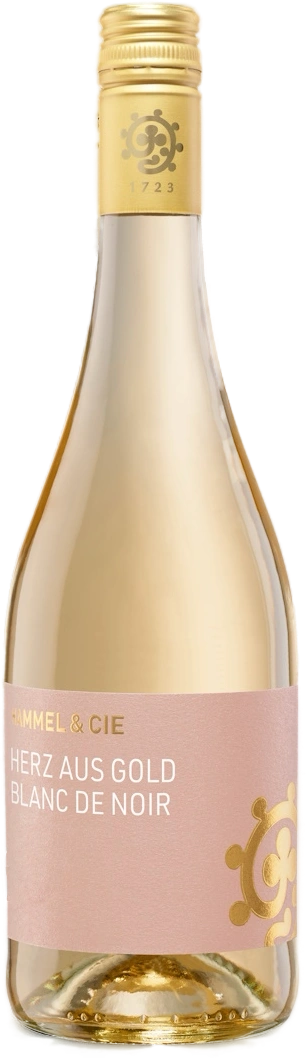
Entry level (under €15): Around a third of the assortment is aimed at everyone looking for an uncomplicated wine for everyday life. This level is characterized by producers such as Wachtenburg Winzer, Weingut Hammel & Cie, Winzer Sommerach, and Karl Pfaffmann from the Pfalz, Rheinhessen, Mosel, and Rheingau. The style is usually fresh and straightforward, ideal for quick enjoyment during the week.
Mid-range (€15–€25): Around a quarter of the assortment is suitable for meals with guests when the wine should show a bit more character. Producers such as Weingut Markus Molitor, Weingut Künstler, Bründlmayer, and Maximin Grünhaus stand for wines with a clear regional style from the Mosel, Pfalz, South Tyrol, and Baden. Here, you will more frequently find wines with a designation of origin and a finer structure.
Top tier (from €25): Around a third of the assortment is aimed at occasions that deserve a special wine, for example as a gift or for a festive evening. Producers such as Weingut Dr. Bürklin-Wolf, Joseph Drouhin, Schäfer-Fröhlich, and Domäne Wachau stand for Grosses Gewächse and single-vineyard wines from the Mosel, Burgundy, Pfalz, and Nahe. These wines show more concentration and a longer development in the glass.
Origin & Subcategories
The assortment comes primarily from Germany, supplemented by Italy, France, and Austria. Within Germany, the Pfalz and the Mosel define the image, with Rheinhessen, Rheingau, Nahe, and South Tyrol as other important origins.
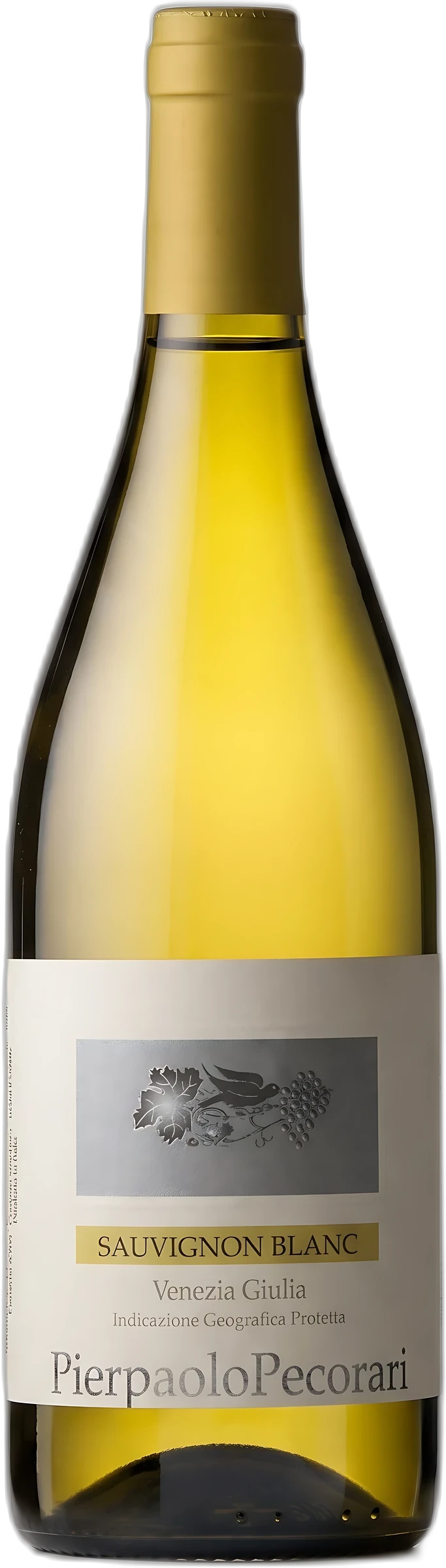
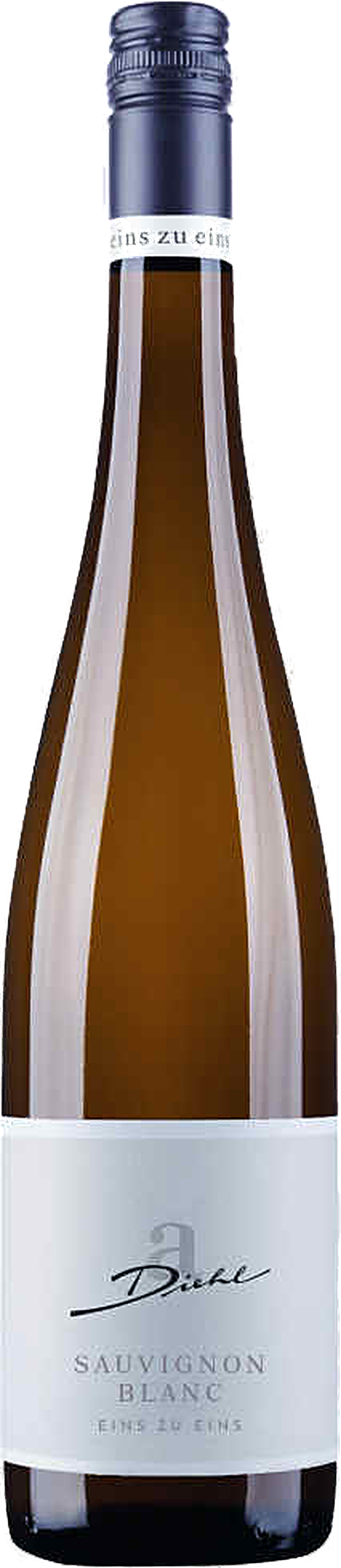
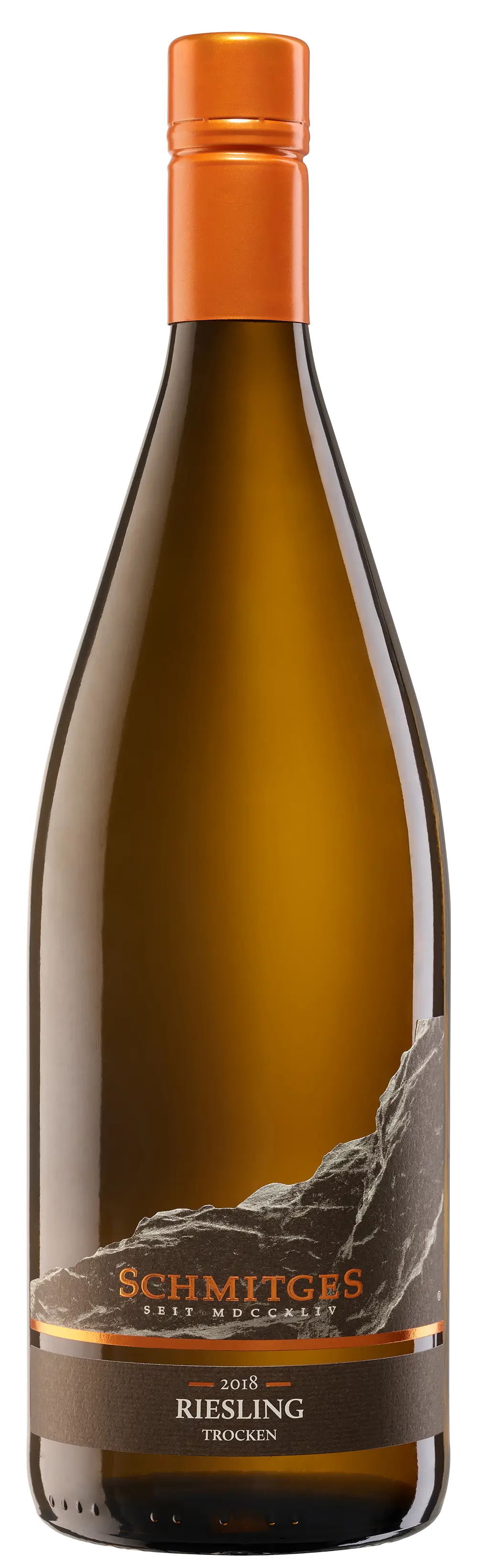
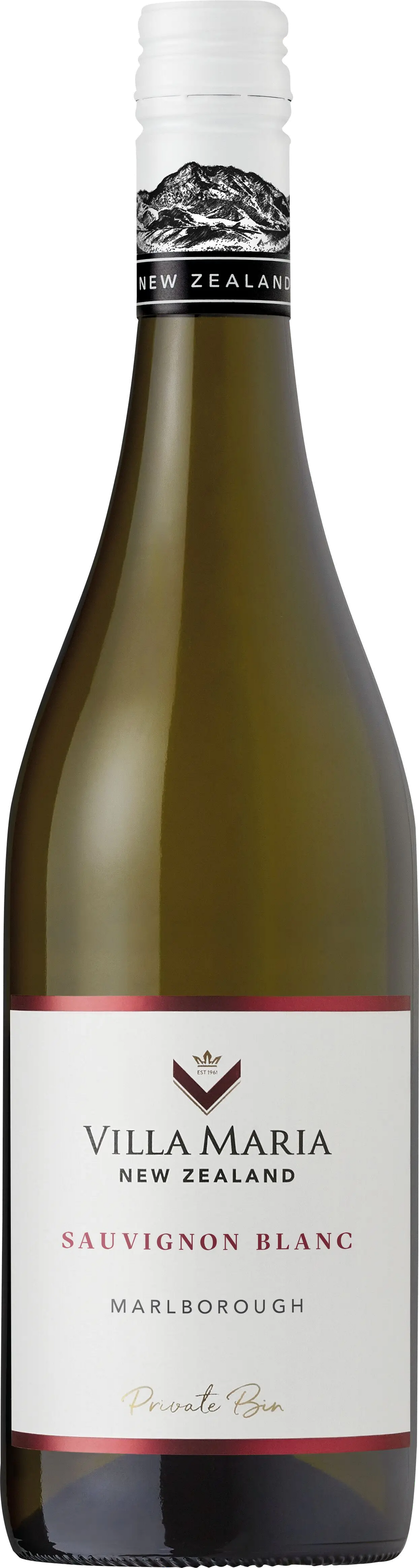
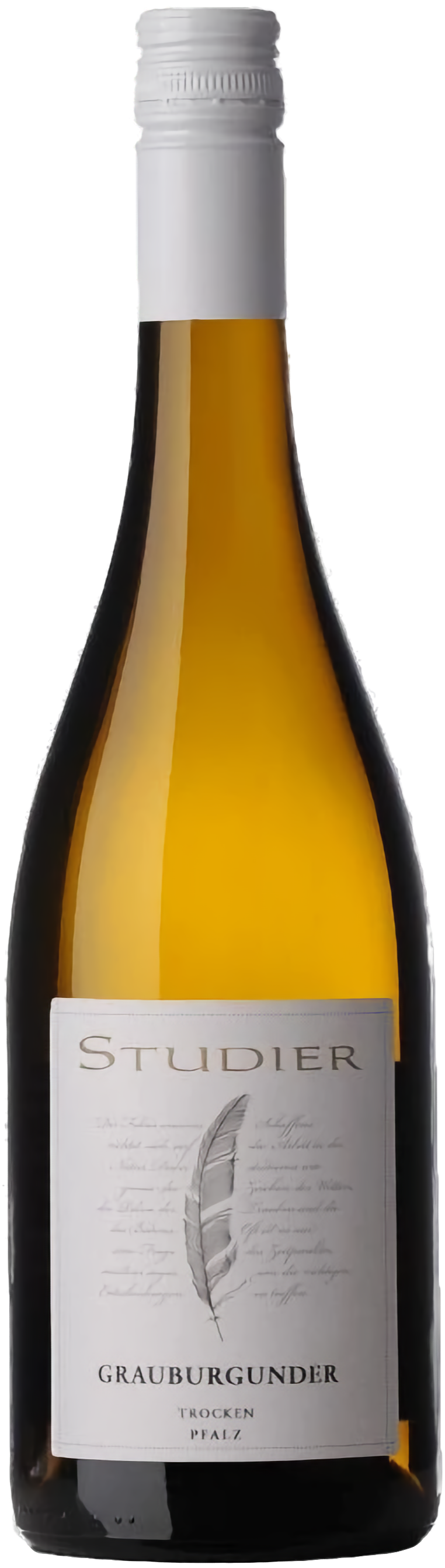
Those looking specifically for a grape variety will find dedicated selections for Riesling, Chardonnay, Sauvignon Blanc, and Pinot Blanc. These varieties form the backbone of the collection and appear across all price levels, from simple Qualitätsweine to Grosses Gewächse.
Pairs with
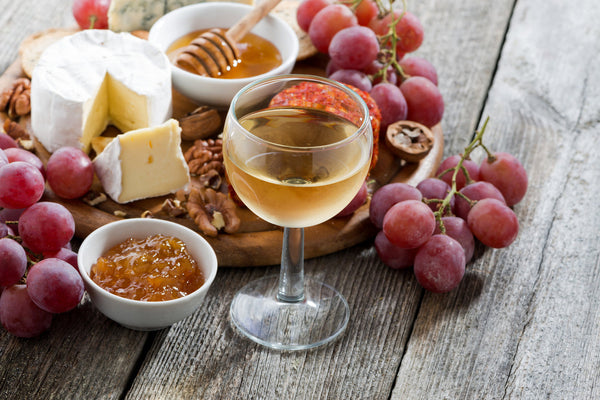
White wine from this selection pairs with fish, seafood, and poultry as well as asparagus, salad, and light soups. More powerful, wood-aged white wines also accompany veal dishes, while fresh, dry styles pair well with Asian dishes.