Rheinhessen · Germany
Weingut Kitzer
Read more Read less
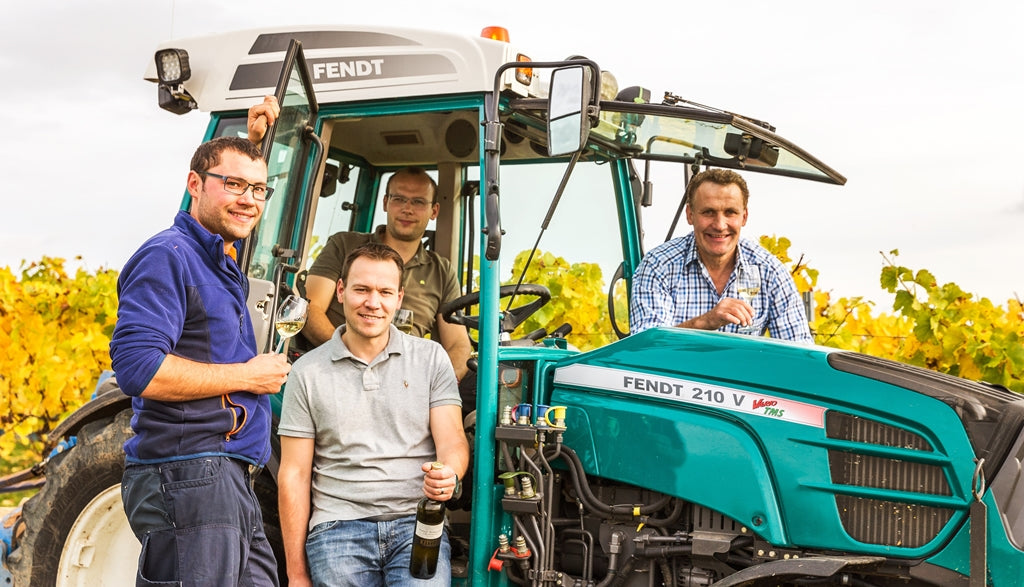
Kitzer Winery – Rheinhessen winemaking with heart. In Badenheim, where the sun shines longest in Germany, everything has revolved around wine for six generations. Master winemaker Hans-Friedrich has passed on his passion to his three sons: Tobias, Björn, and Julian – all with international experience, all with the same vision. The vineyards around Badenheim offer diversity: limestone-shell soil on the Galgenberg, loess loam on the Römerberg, clay-marl on the Mönchberg. The range: crisp Rieslings, elegant Burgundies, powerful red wines. Their secret? "Controlled inactivity" – plenty of time for natural development. Rheinhessen hospitality and top quality – these are not mutually exclusive.

Filters
3 products

Falstaff Shortlist Germany 2022
Awarded by Falstaff

About Weingut Kitzer
Badenheimweingut-kitzer.de
What our customers say
Because we got to know the wine, we bought it. It still tastes good to us. Alois




Frequently asked questions
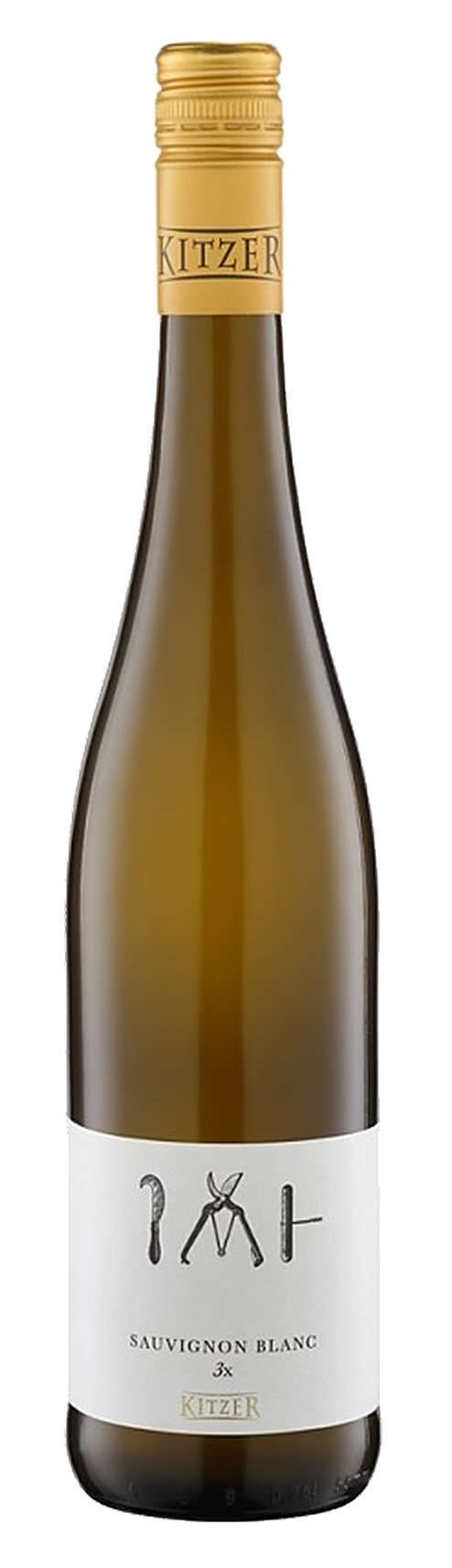
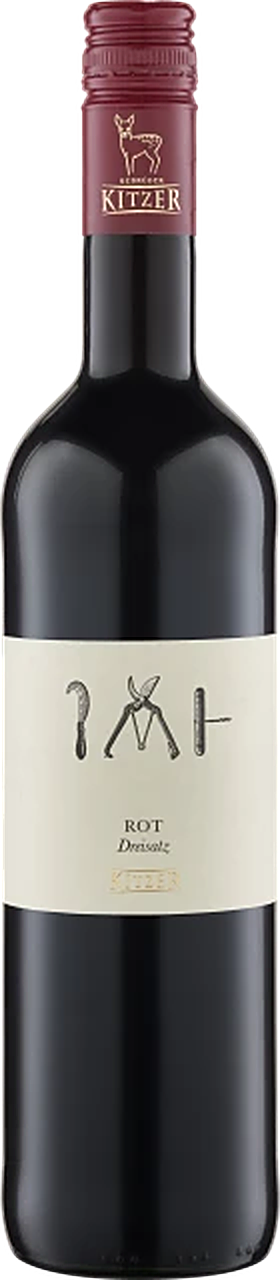
What is behind the Dreisatz line from Weingut Kitzer?
From which region do the wines from Weingut Kitzer come?
Which Kitzer wine is suitable for a relaxed summer evening?
How do I recognize if a wine from this assortment suits me?
How should I serve the white wines and the rosé from Kitzer?
What does the red wine from the Dreisatz line pair with?