Champagne at Vinoscout: Selection for every occasion
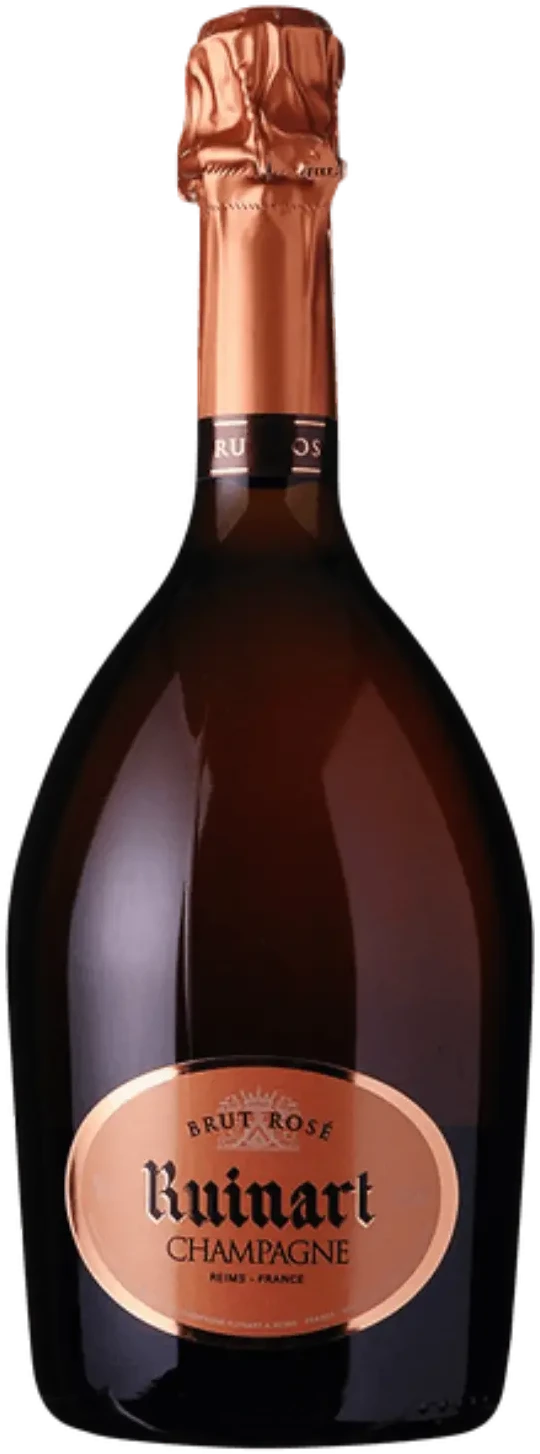
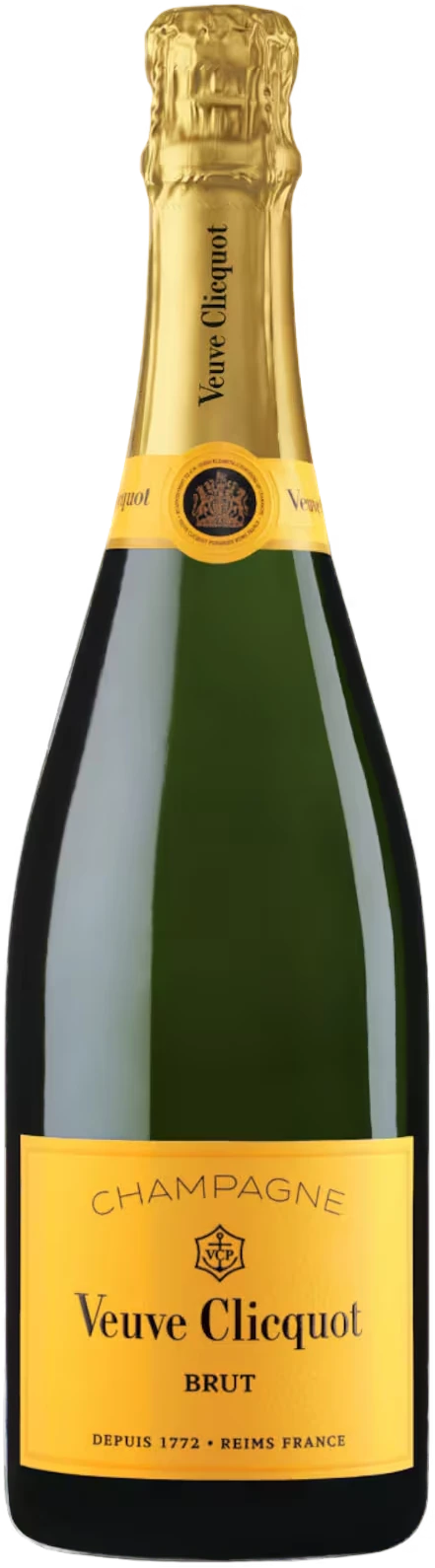
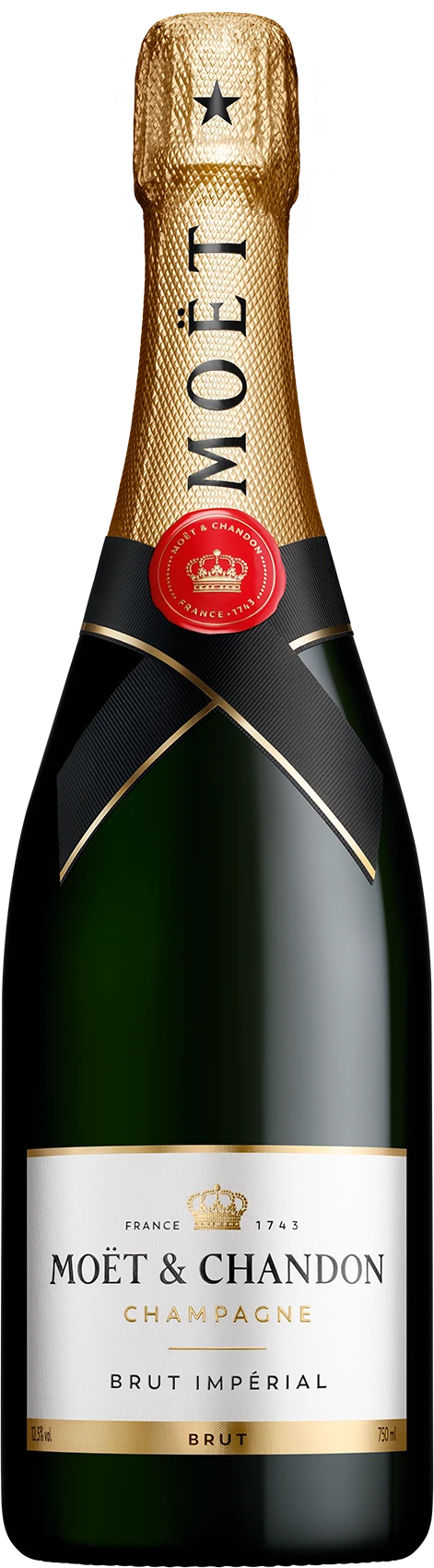
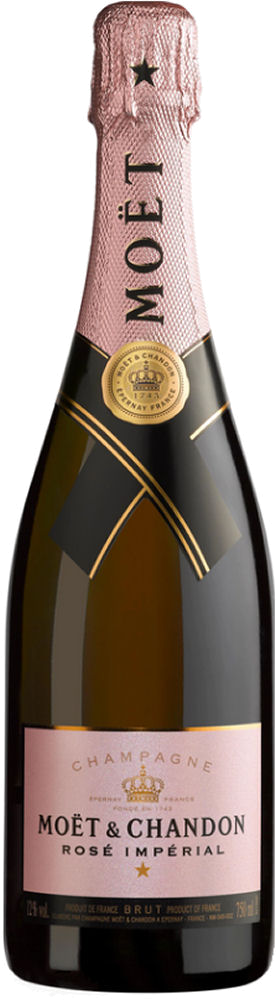
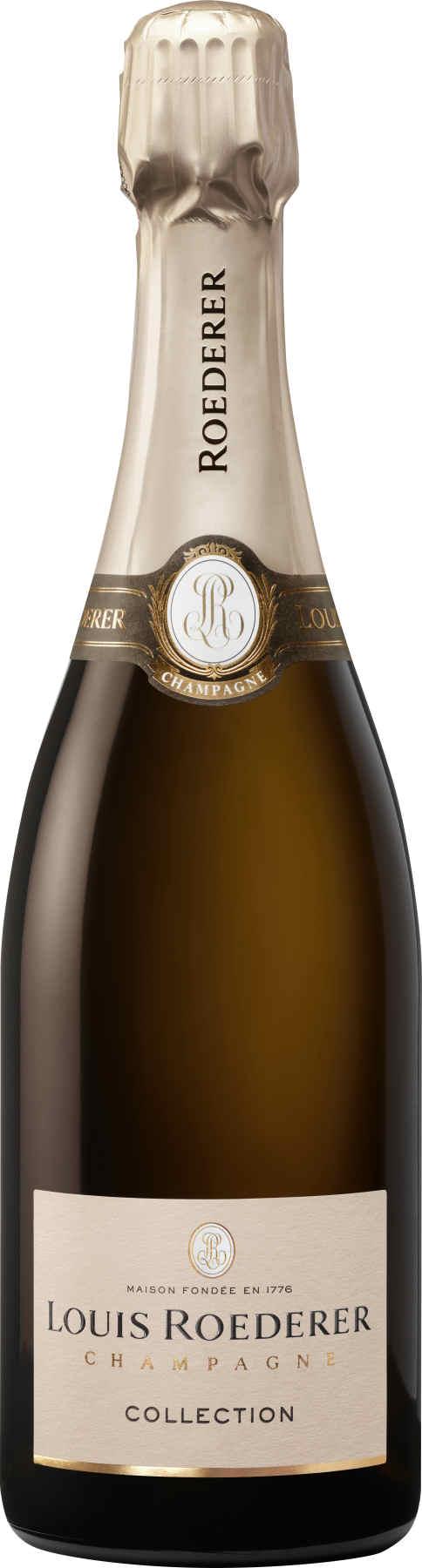
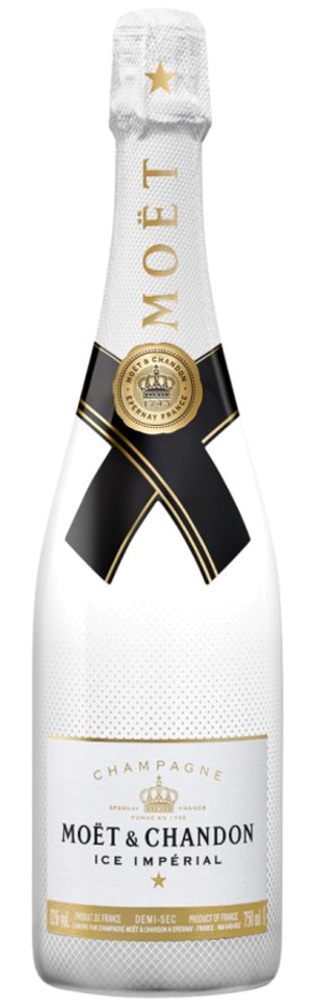
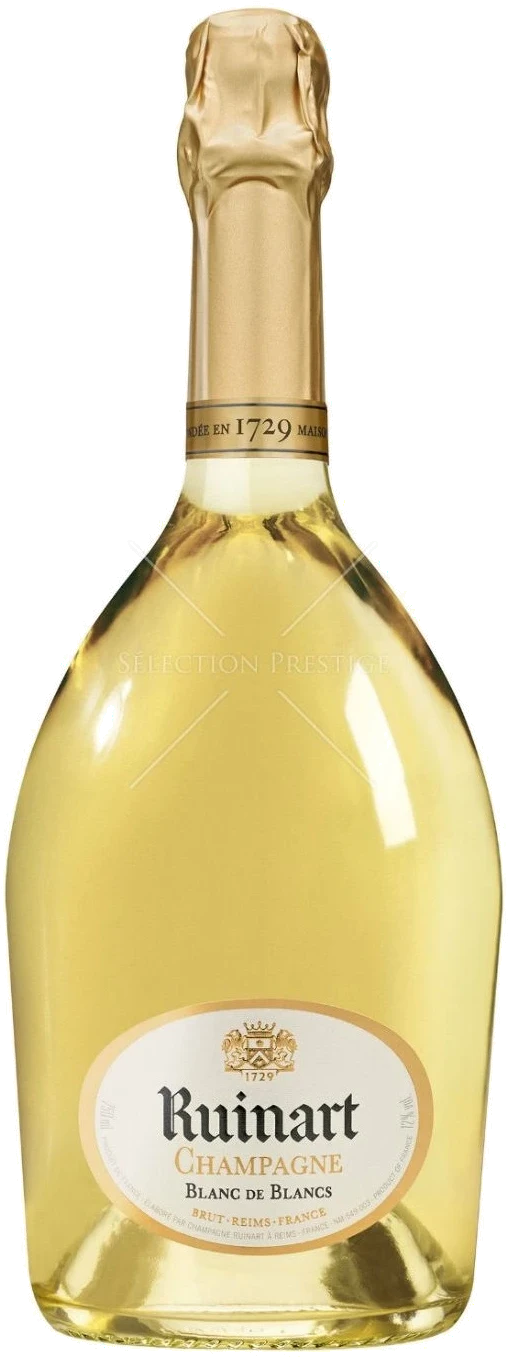
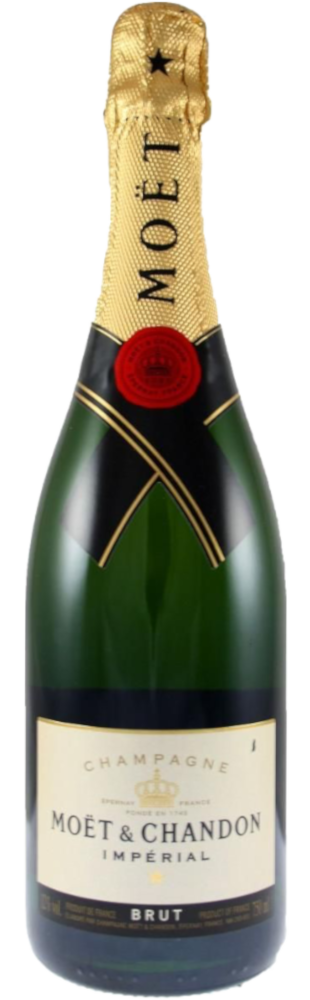
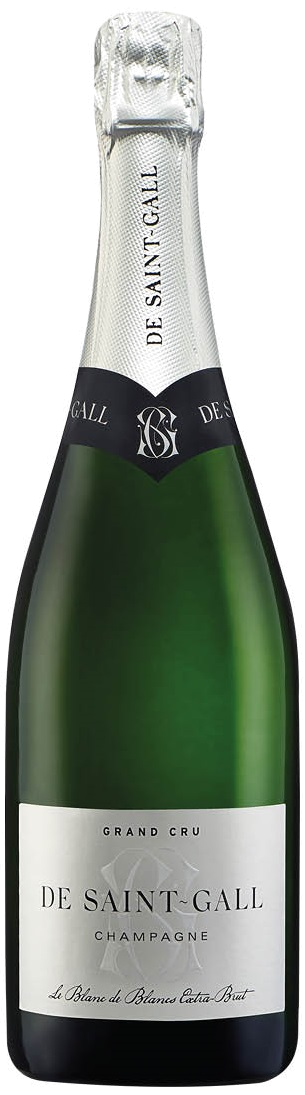
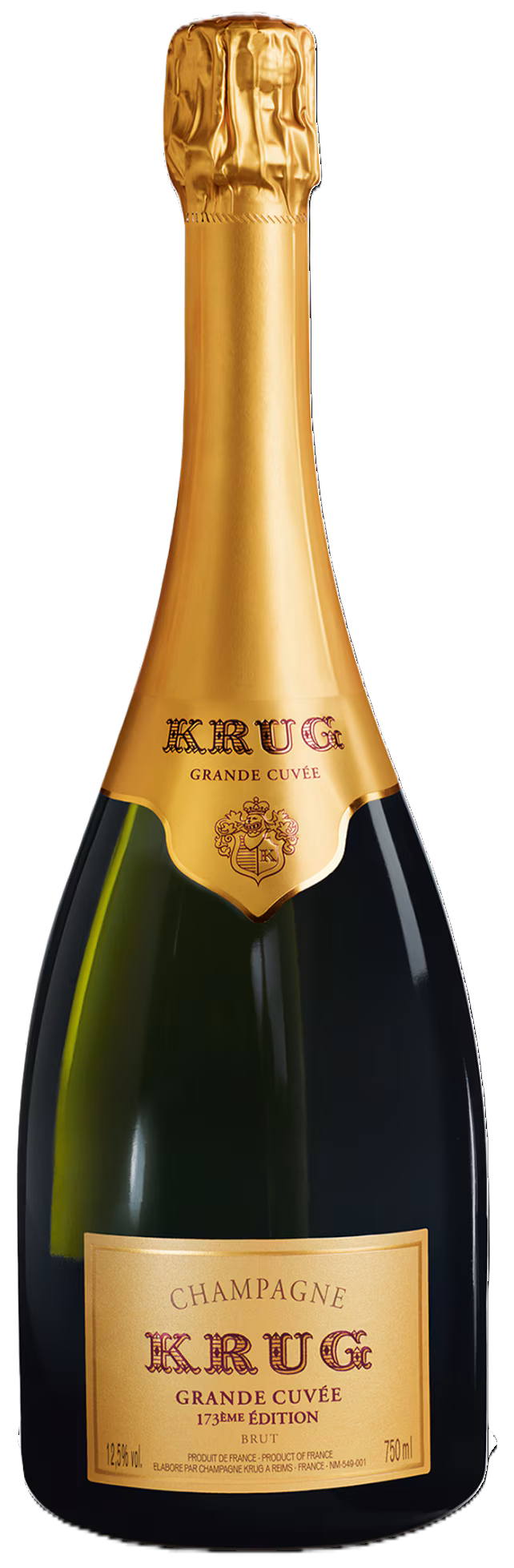
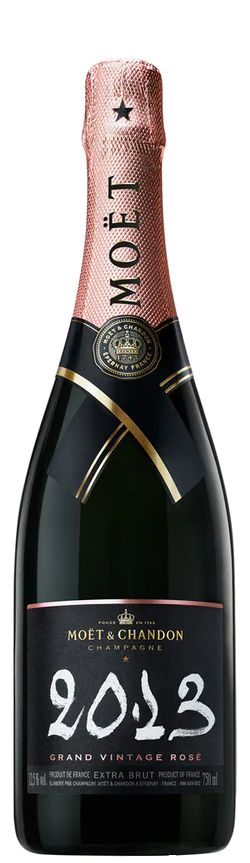
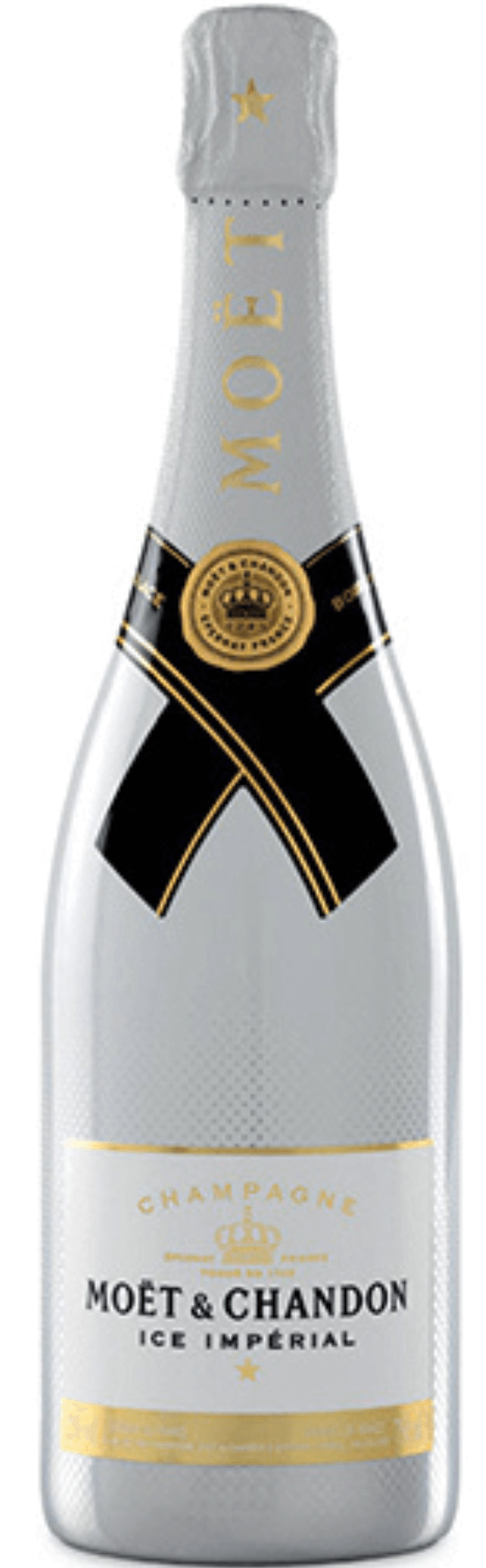
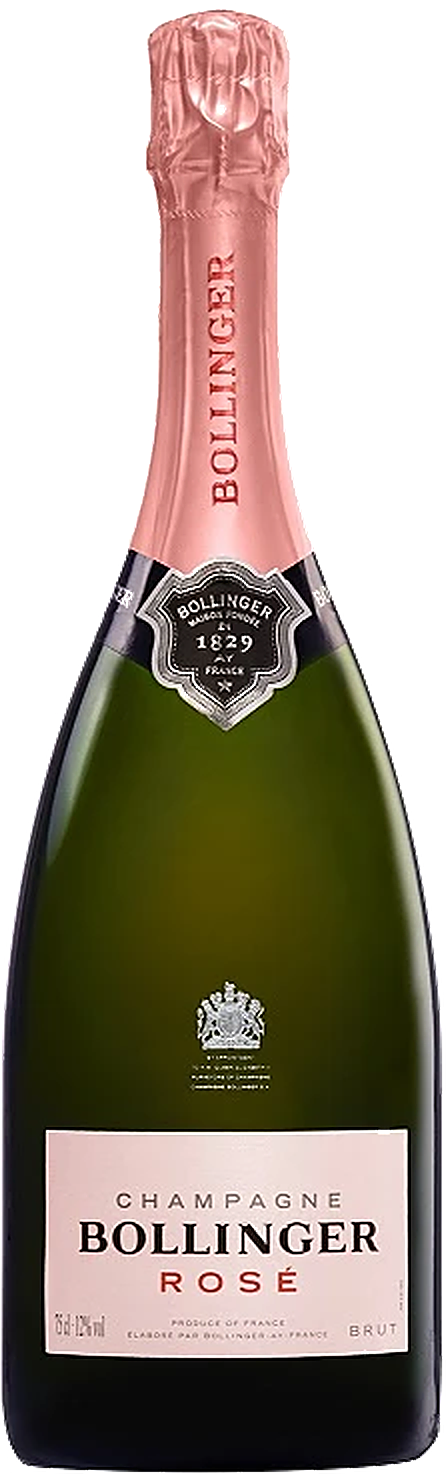
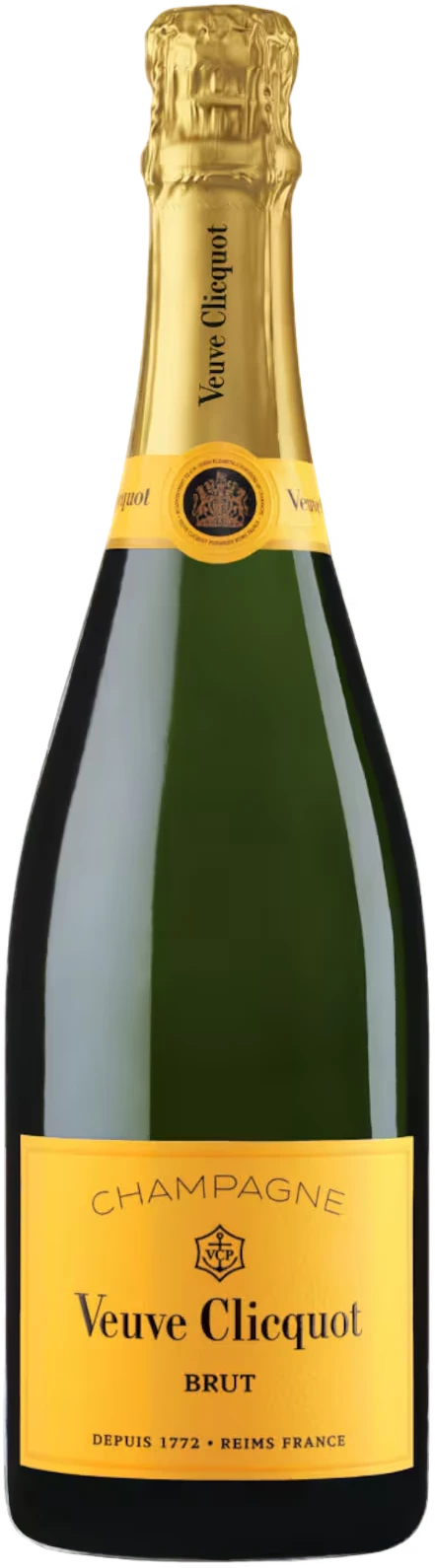
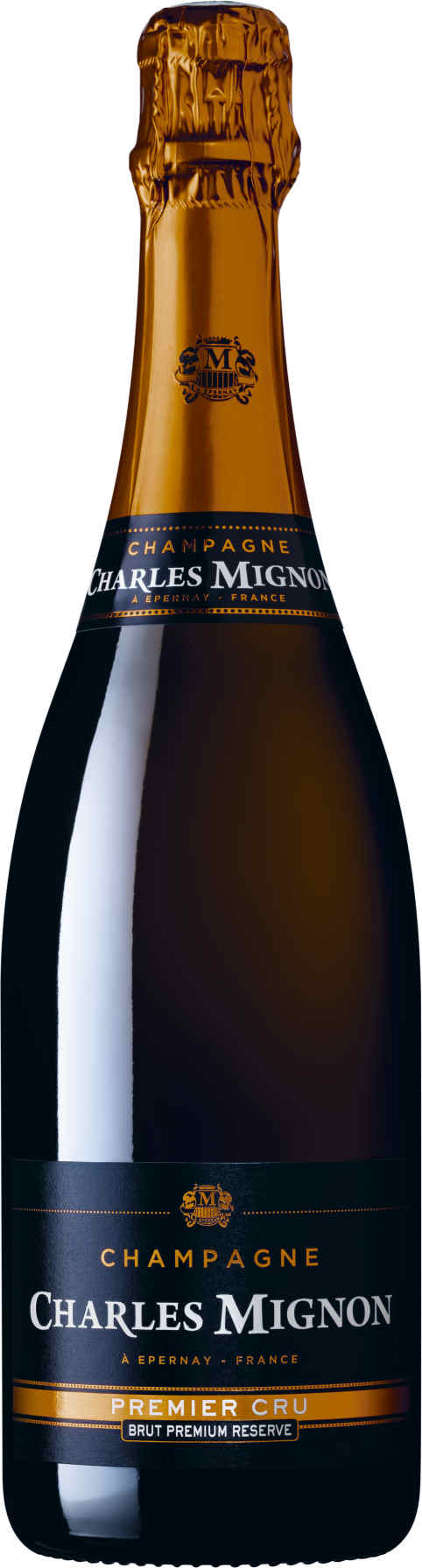
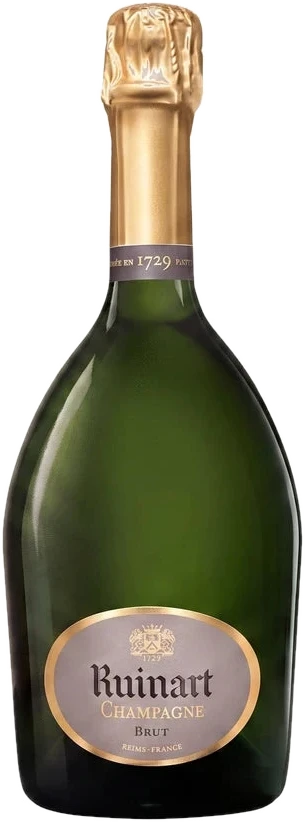
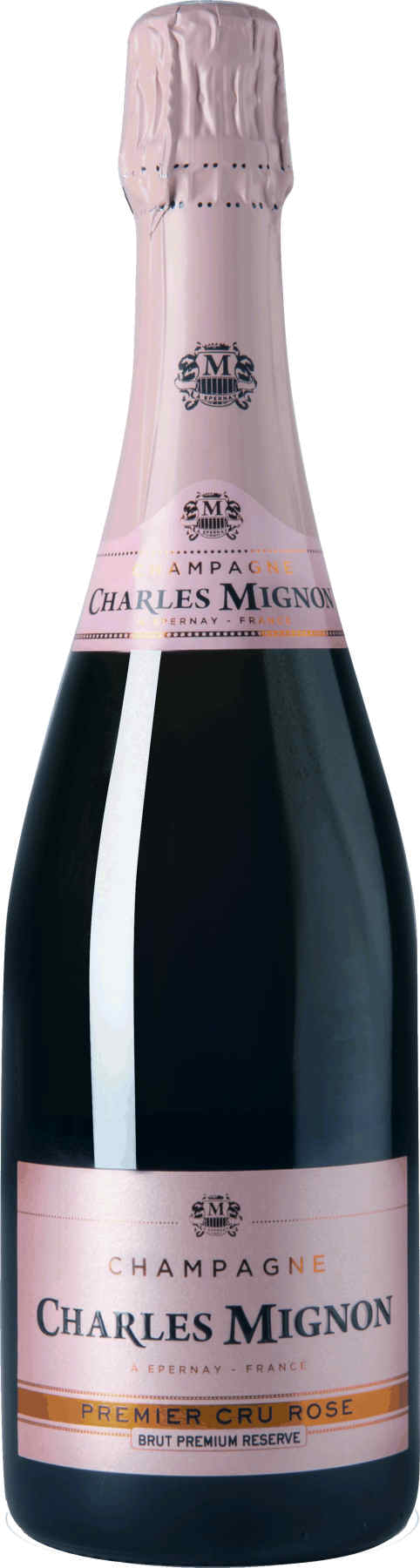
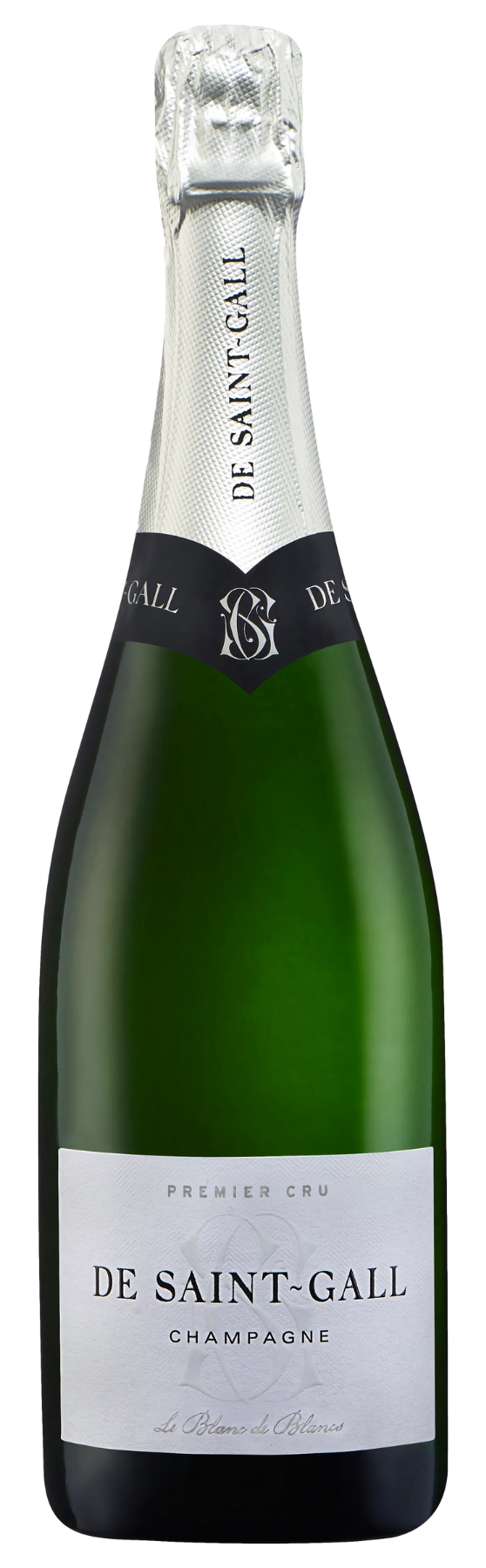
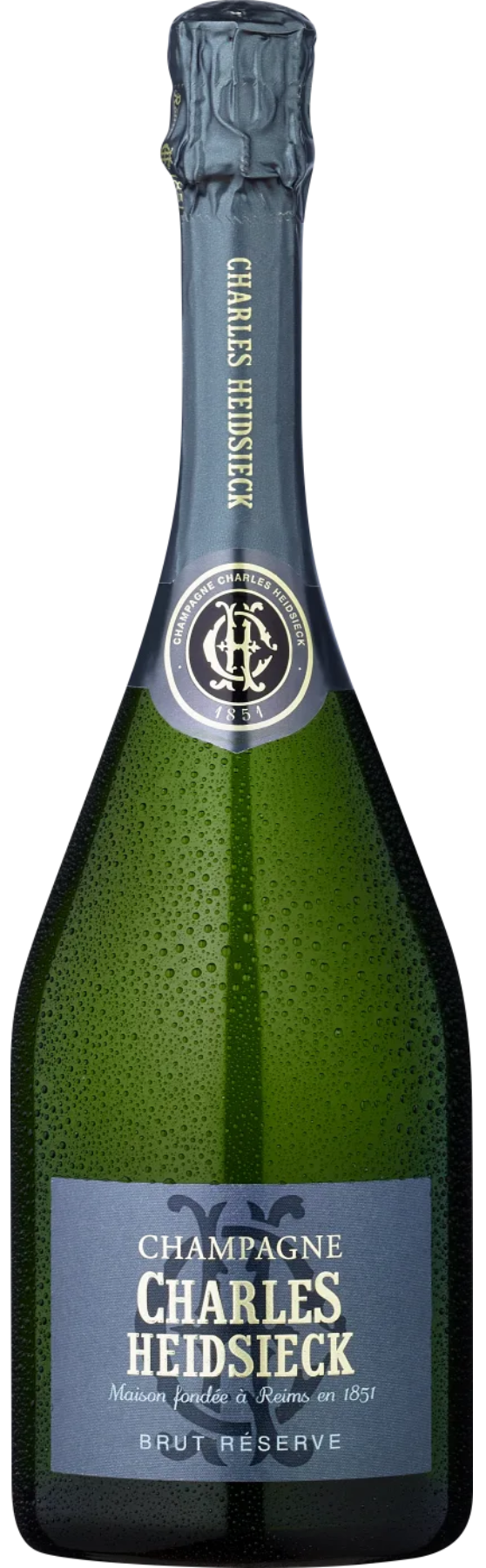
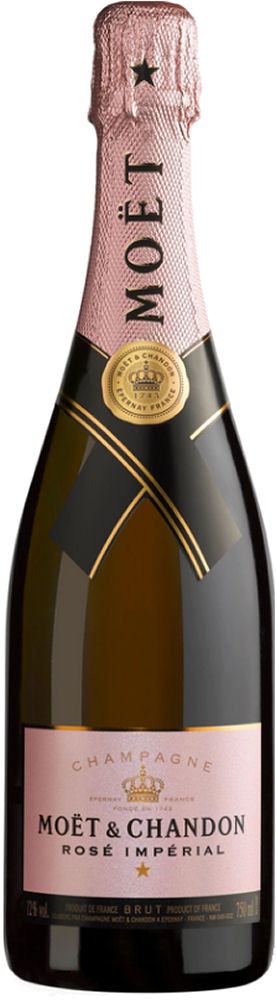
This collection brings together over 100 Champagnes from the Champagne region, all produced using traditional bottle fermentation and protected under the Champagne AOC designation. The selection ranges from accessible houses like Moët & Chandon to prestige producers like Champagne Bollinger and Champagne Ruinart, in styles from Brut to Extra Brut to luscious.
Style & Taste
Champagne thrives on the second fermentation in the bottle: carbonation and aromatics are created through long maturation on the lees. The cuvées are mostly based on Chardonnay, Pinot Noir, and Pinot Meunier, which results in varying proportions of freshness, structure, and fine fruit notes. Classic aromas include green apple, citrus, and brioche; with longer lees aging, notes of toasted bread and nuts are added.
The taste profile reveals much about the sugar content: Extra Brut and Brut are bone-dry to dry and are suitable for purist drinkers, off-dry and semi-dry bring more roundness, and luscious is the sweetest variant with significantly more residual sugar. Aging in barriques, as found in some top cuvées, additionally imparts roasted aromas and a creamier texture compared to pure steel tank or bottle aging.
Which Champagne suits whom
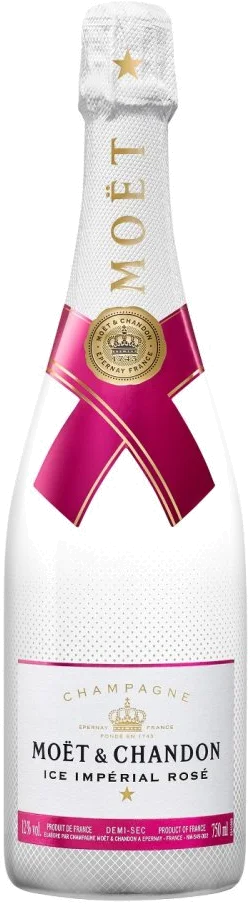
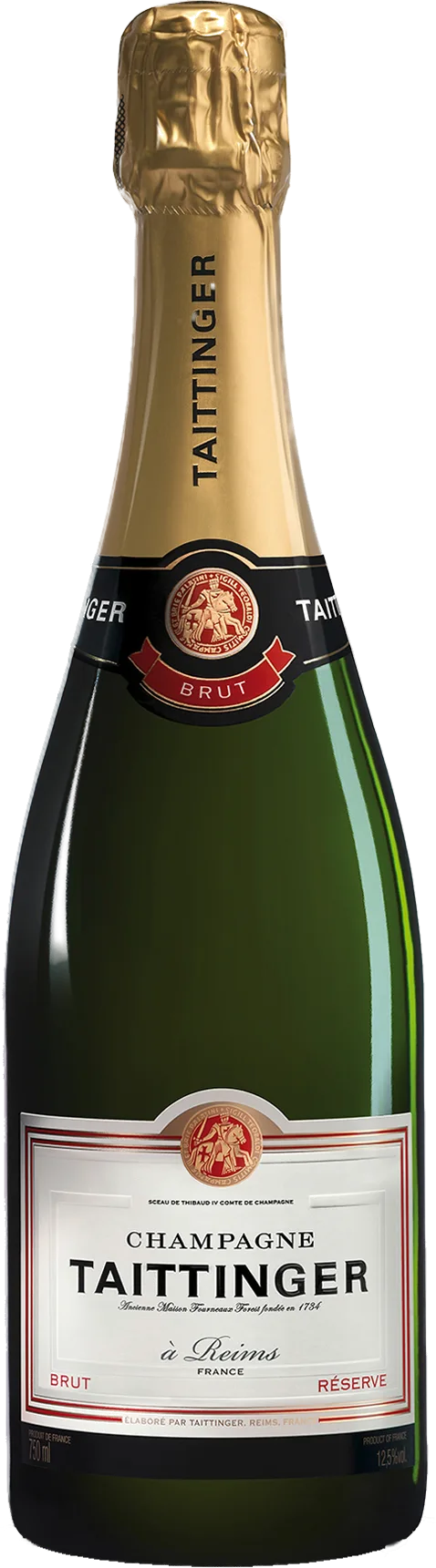
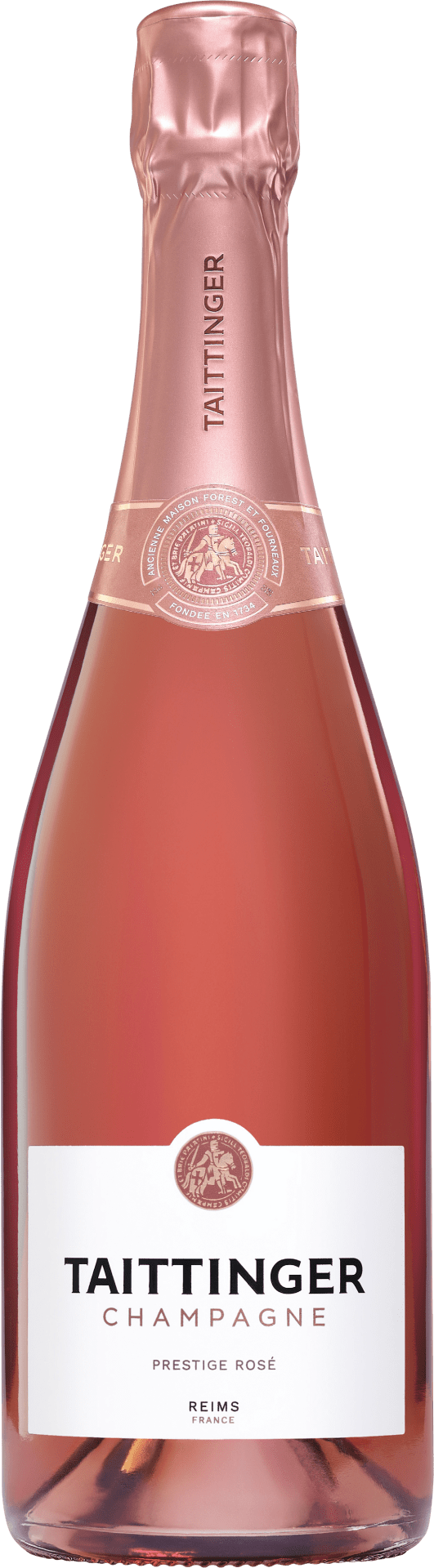
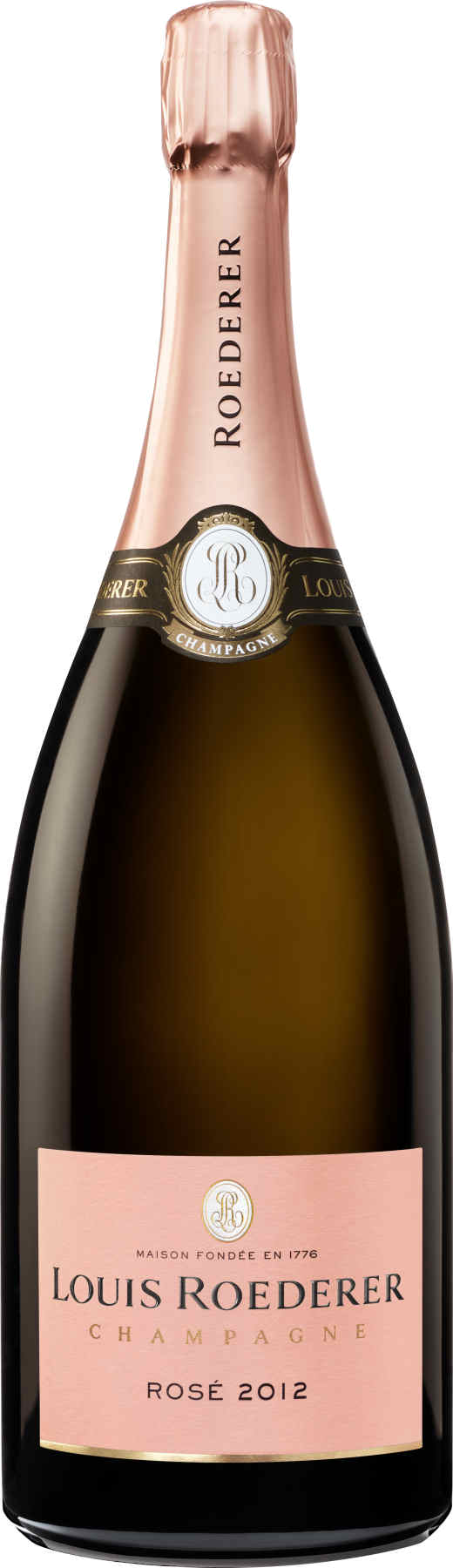
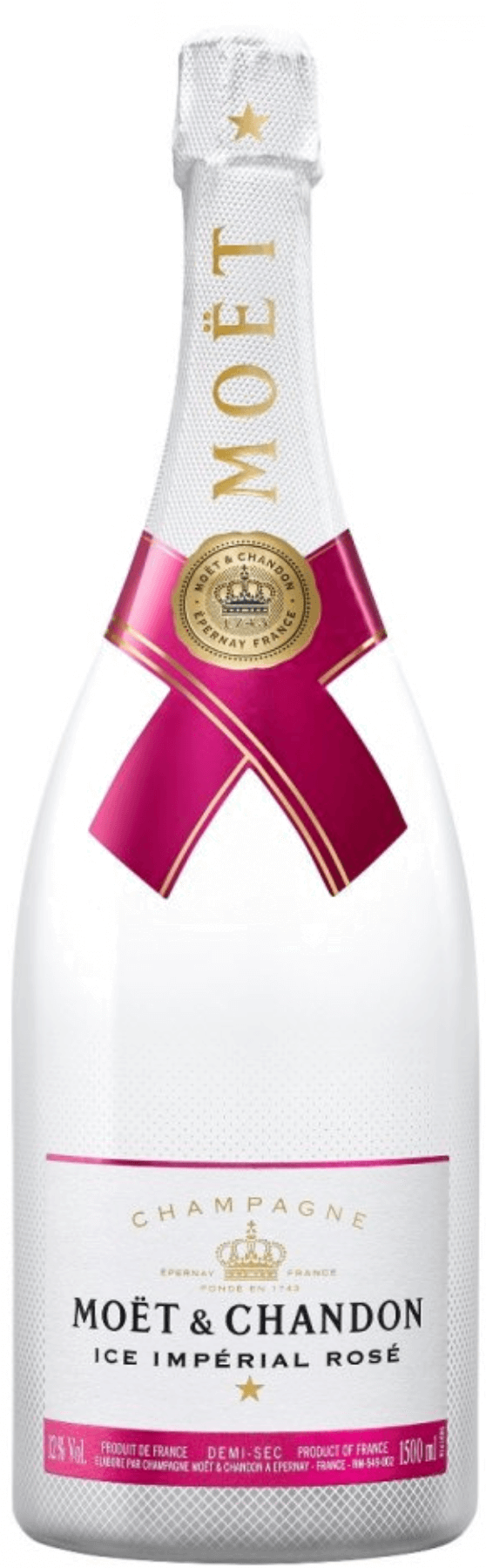
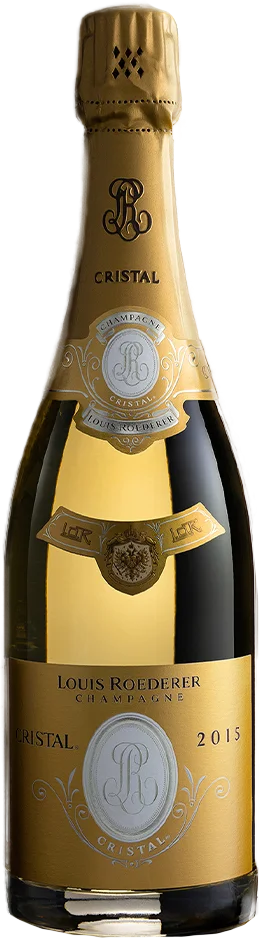
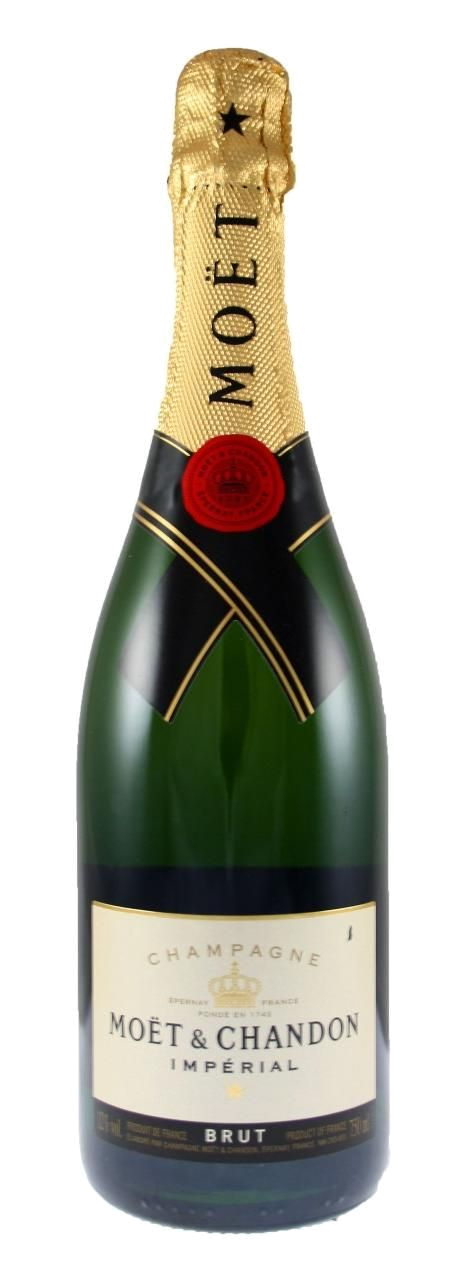
Entry-level (under €65): Here you will find accessible bottle-fermented Champagnes of the Champagne AOC, ideal for anyone looking for a classic style without needing extensive prior knowledge. Houses like Taittinger, Moët & Chandon, Champagne Louis Roederer, and Champagne Lallier define this segment with uncomplicated, reliable cuvées.
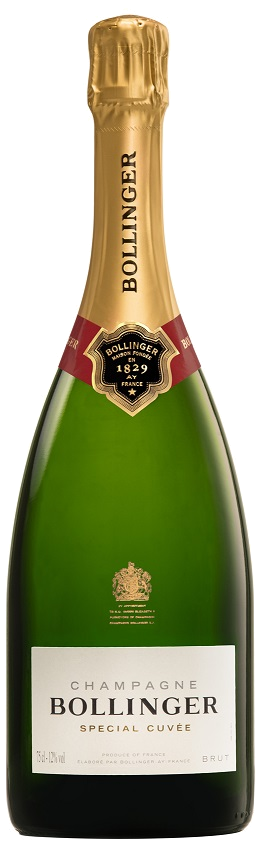
Mid-range (€65–€185): In this price range, more depth and aging duration are evident, still following bottle fermentation, but with a more differentiated character. Champagne Bollinger, Taittinger, Champagne Louis Roederer, and Moët & Chandon provide cuvées here for those looking for a bit more complexity in the glass, for example for a special meal or as a gift.
Top-tier (from €185): At the top are cuvées with barrique aging, intended for collectors and special occasions. Producers like Champagne Bollinger, Champagne Louis Roederer, Champagne Ruinart, and Moët & Chandon demonstrate their oenological skill here with Champagnes that impress with concentration and length on the finish.
Origin & Subcategories
Champagne must come exclusively from the Champagne region in France and bears the protected designation Champagne AOC. This geographical origin is legally defined and guarantees the traditional production method with bottle fermentation.
Those who wish to explore the region and its grape varieties in more detail will find suitable overviews under France and Champagne. The defining grape varieties can be discovered individually via Chardonnay, Pinot Noir, and Pinot Meunier.
Pairs well with
Champagne classically accompanies oysters, seafood, and fish, whose saltiness complements the acidity of the sparkling wine. Dry styles go particularly well with grilled vegetables or light salads, while goat cheese and other types of cheese accompany the creamier, yeast-influenced cuvées. As an aperitif, Champagne opens an evening or a festive meal and sets a stylish tone from the very beginning.