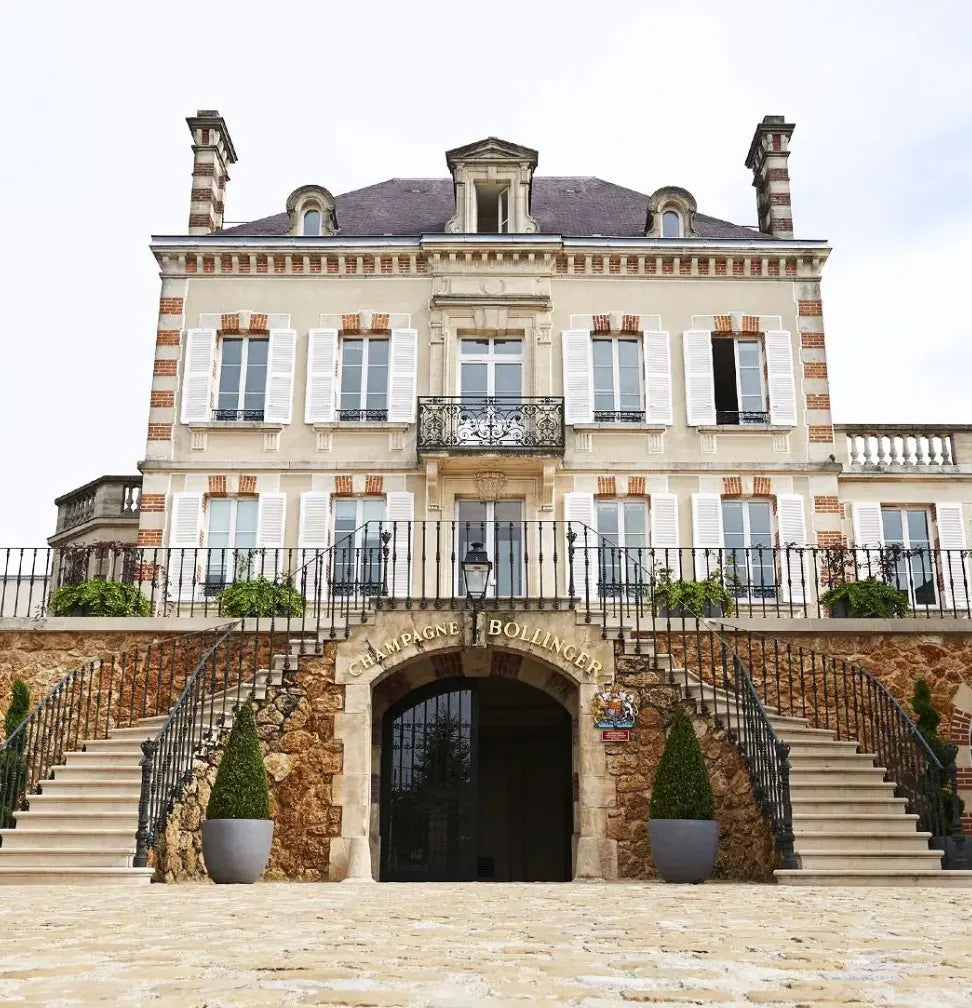
Founded in 1829 in Aÿ: Nobility, craftsmanship, and a German merchant
The house of Bollinger goes back to an unlikely partnership. Athanase de Villermont, an aristocrat with extensive landholdings on the edge of Aÿ, recognized the potential of Champagne wines early on — but as a nobleman, he was not allowed to engage in trade. The solution: On February 6, 1829, he founded the company Renaudin-Bollinger & Cie together with the wine enthusiast Paul Renaudin and the German merchant Joseph-Jacob-Placide Bollinger, who had previously worked at Müller Ruinart in the region. The company headquarters was the Villermont house on the Rue de l'Huilerie in Aÿ, which remains the headquarters of the house to this day.
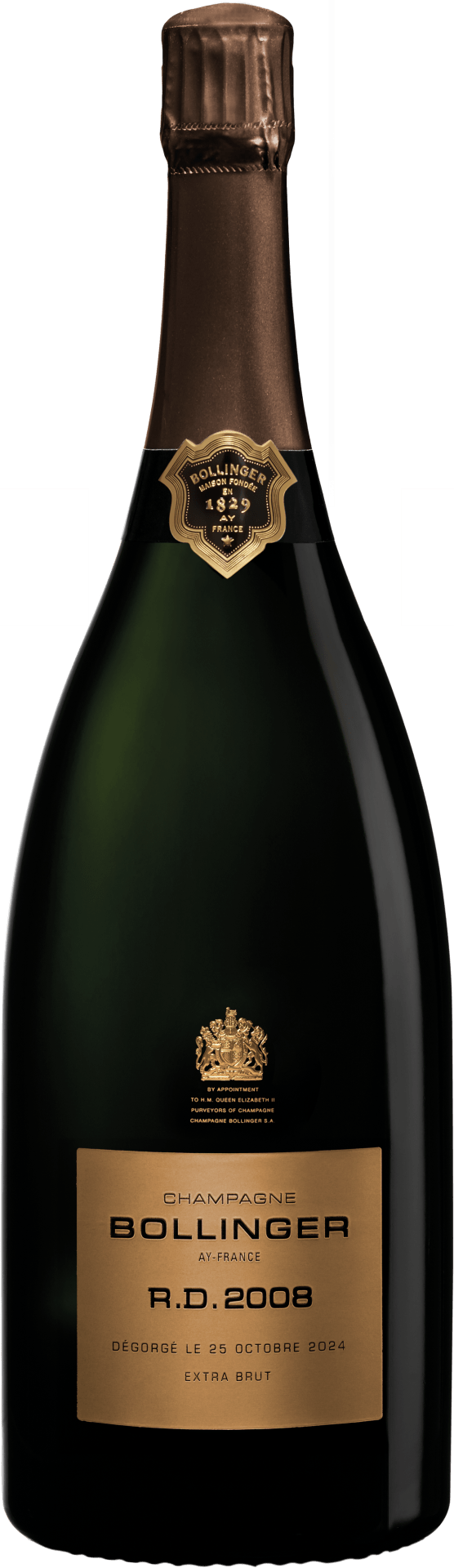
When Joseph Bollinger married Louise-Charlotte, the daughter of Villermont, in 1837, the business alliance became a family affair. Since then, the management of the house has been in the hands of the family — from son Georges, who steered the house through the phylloxera crisis at the turn of the 20th century, to Lily Bollinger, who took the helm after her husband's death in 1941 and led the house into the modern era. Lily insisted on barrel fermentation when the entire region switched to stainless steel tanks, and in 1967 launched the R.D. cuvée — Récemment Dégorgé — which redefined the concept of long-term aging on the lees. Bollinger is one of the last truly family-run houses in Champagne today.
Barrel, time, and Pinot Noir: three constants that no fashion trend has removed
What Bollinger does in the cellar is the exception in Champagne: vinification exclusively in old oak barrels from Burgundy that have already been used for Chardonnay and therefore do not impart a pronounced wood taste. The slight porosity of the wood ensures a controlled, steady supply of oxygen that softens acidity, integrates tannins, and builds texture — properties that no steel tank can replicate. The winery employs the last cooper (tonnelier) in the entire Champagne region; some of the over 4,000 barrels in stock are over 100 years old. In March 2026, at the beginning of its bicentenary program, Bollinger opened a new, 40% larger barrel room in Aÿ so that all barrel fermentation can take place under one roof for the first time.
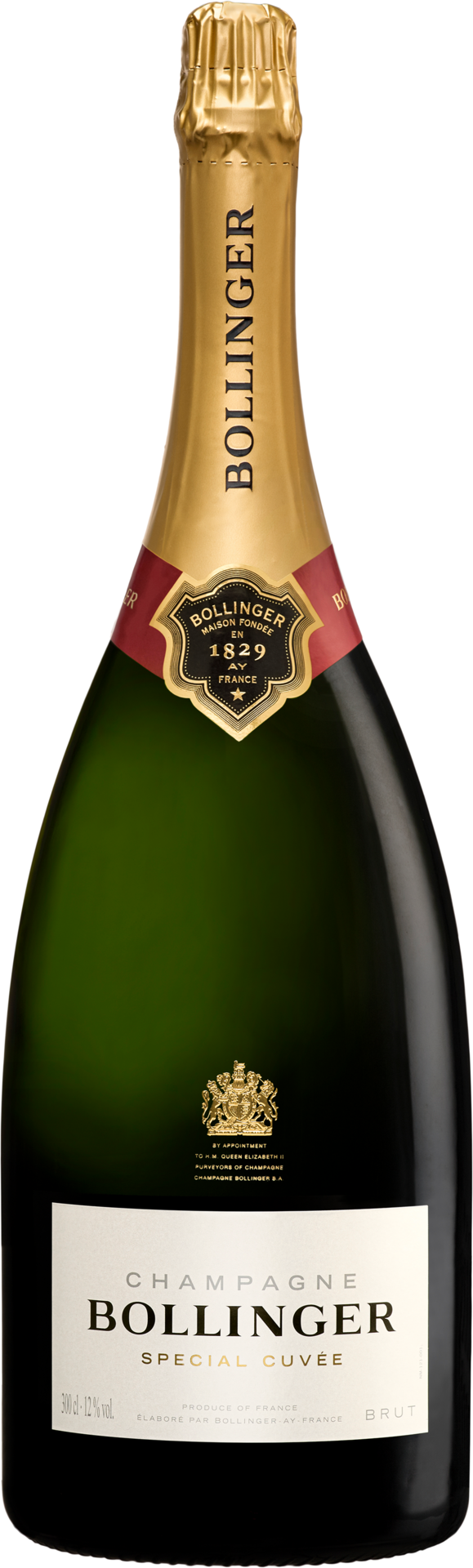
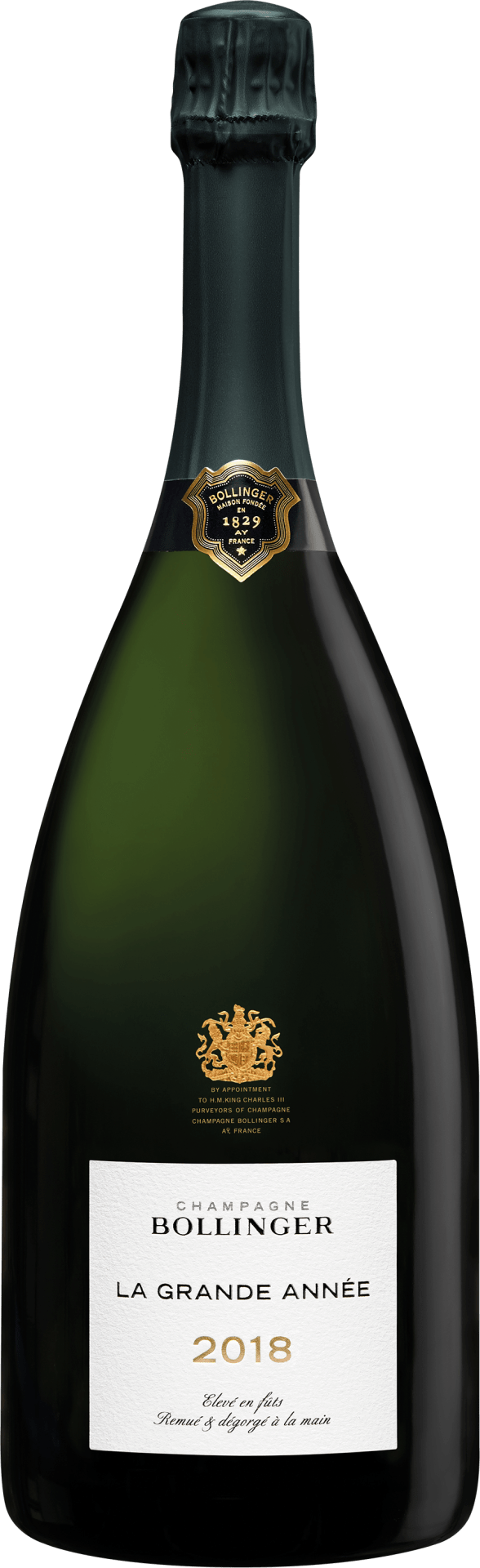
Riddling and disgorging are done by hand. Aging far beyond the appellation's minimum requirements is not a marketing promise, but a structural principle: the Special Cuvée ages twice as long as required, La Grande Année at least five years on the lees. Reserve wines are stored in magnums under natural corks — for up to 15 years — to later flow into the assemblage as a structural element. The result is sparkling wine that does not rely on primary fruit, but on depth and development potential.
Pinot Noir as the house language: from the Special Cuvée to the Côte aux Enfants
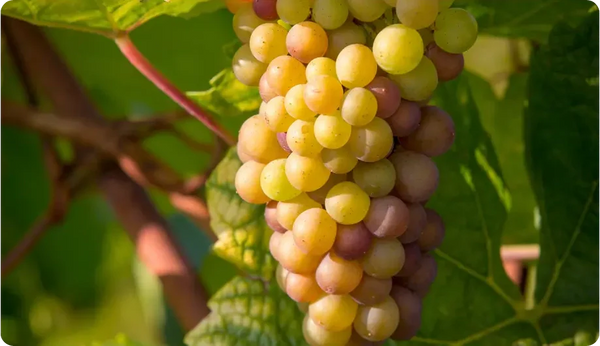
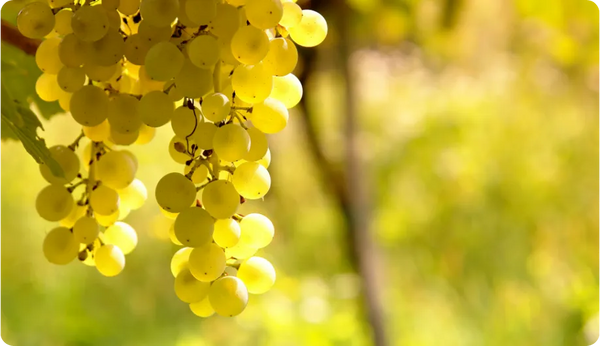
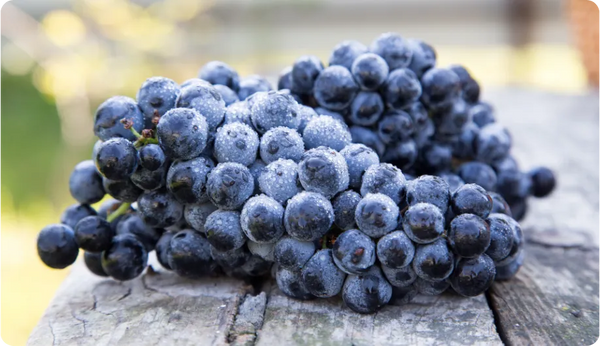
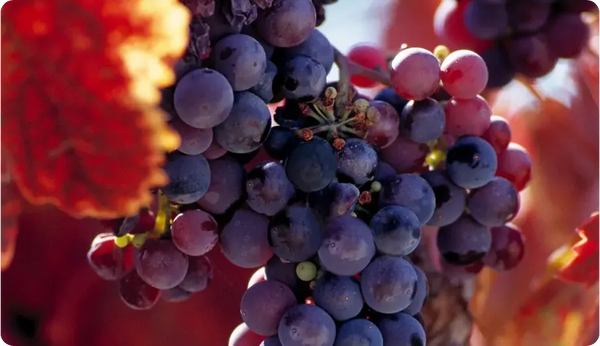
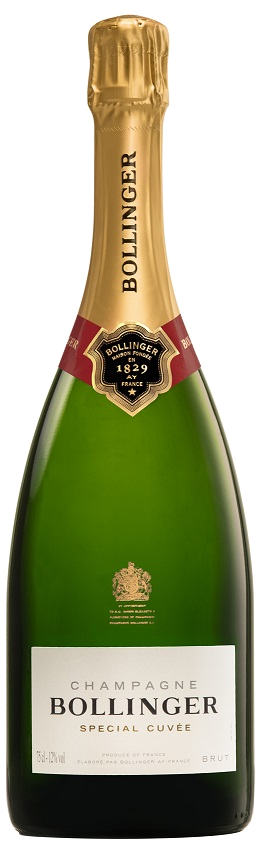
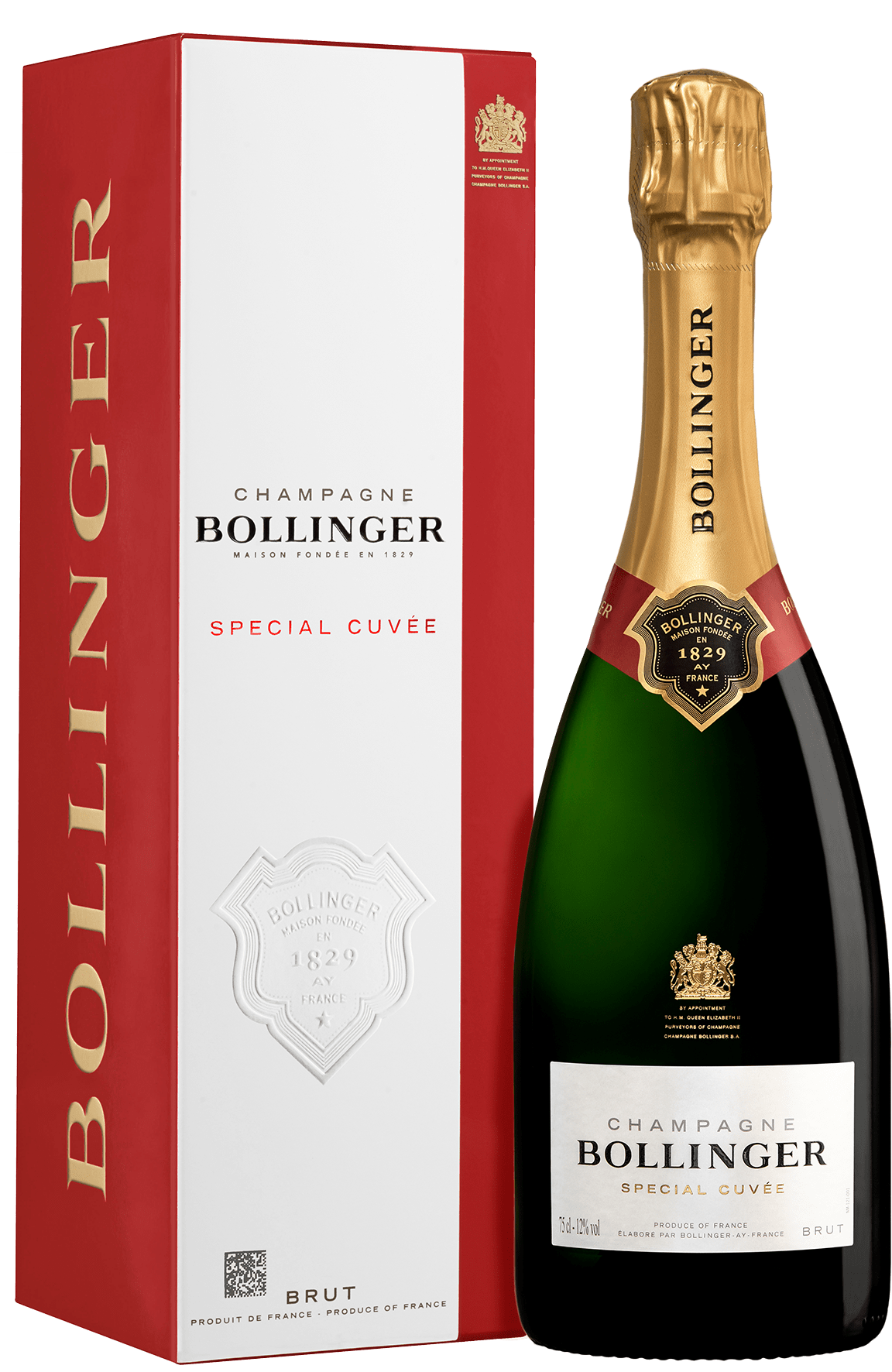
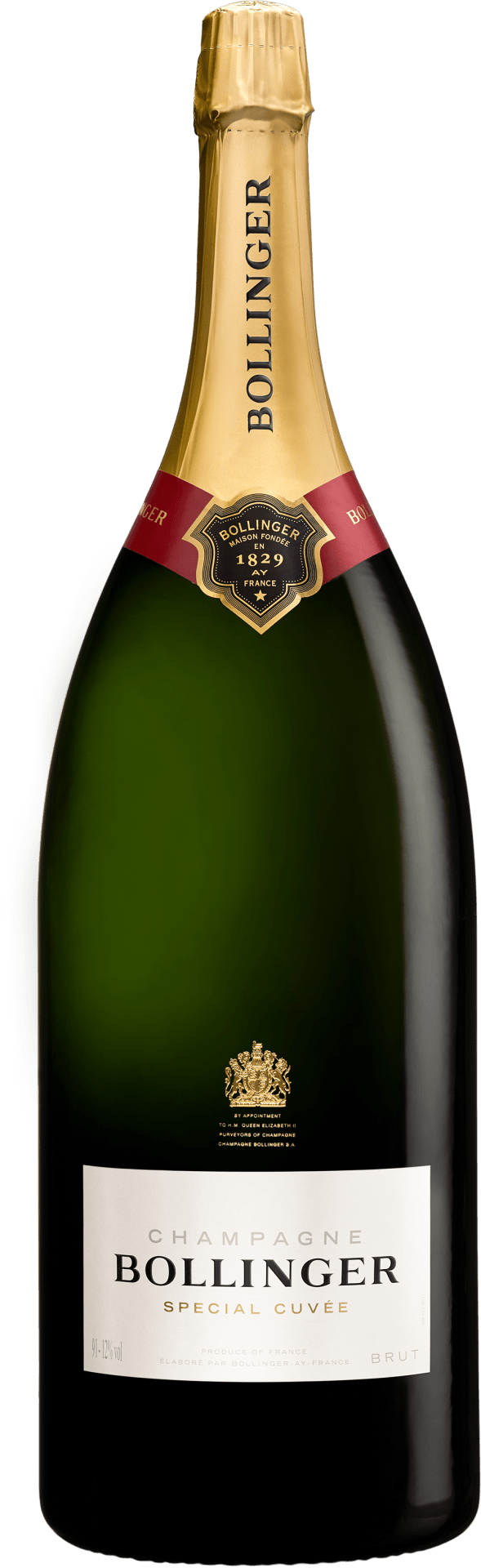
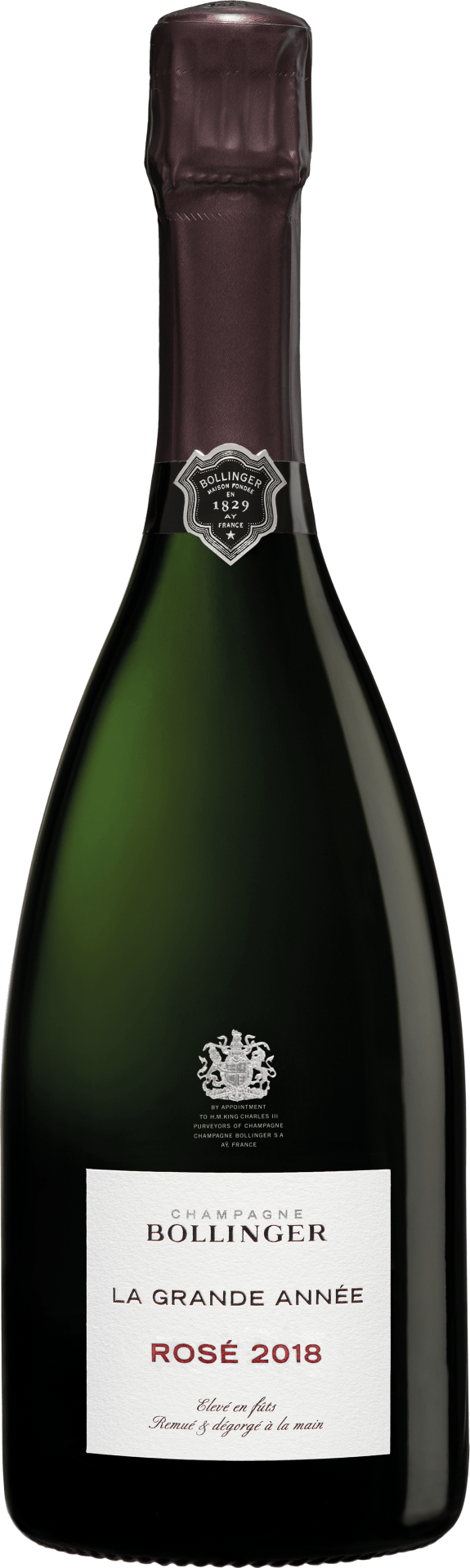
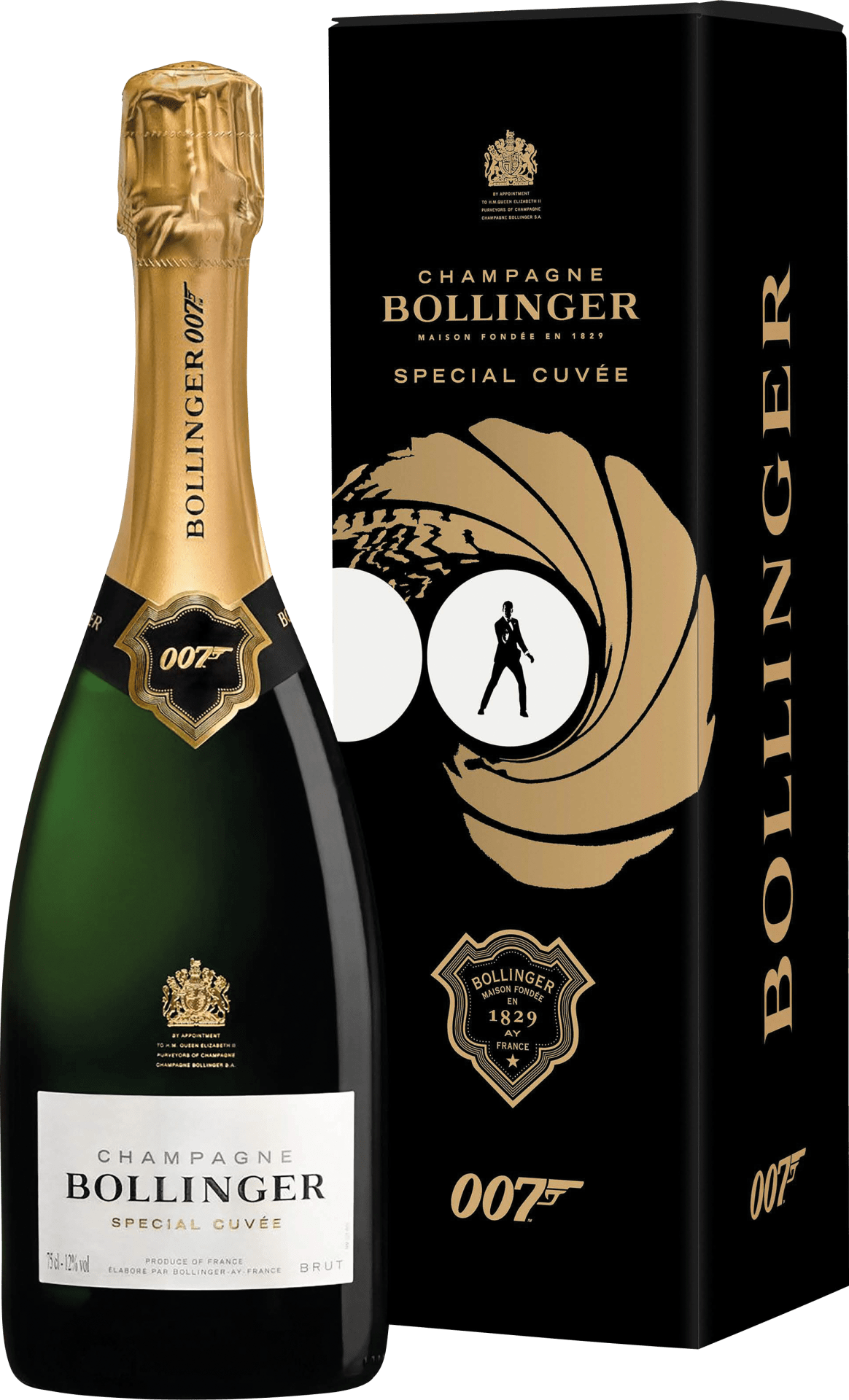
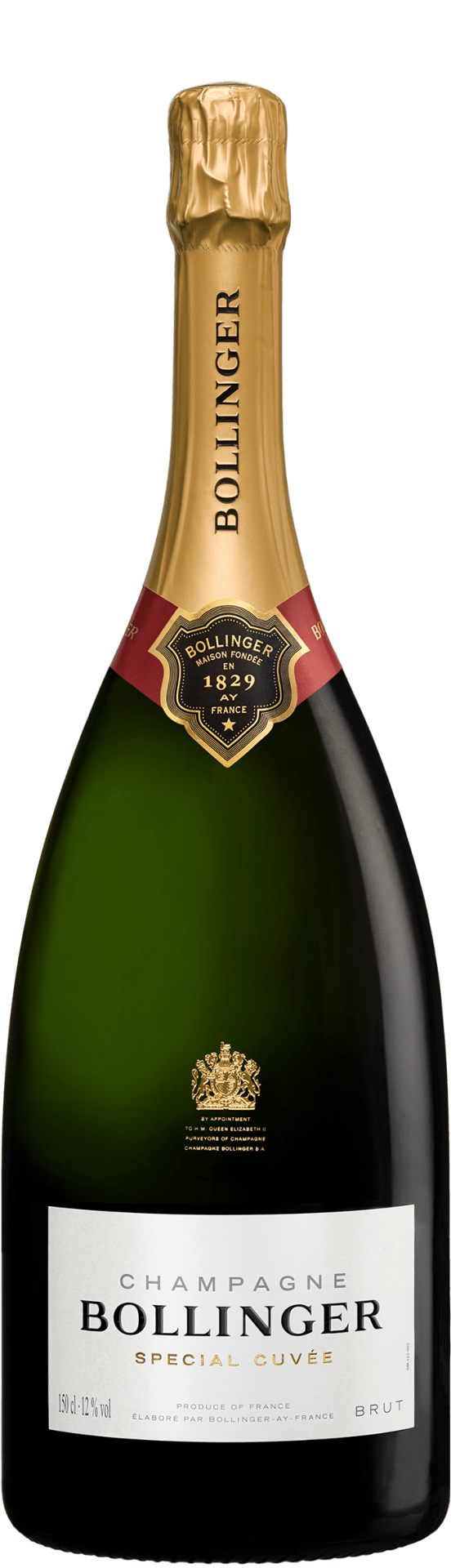
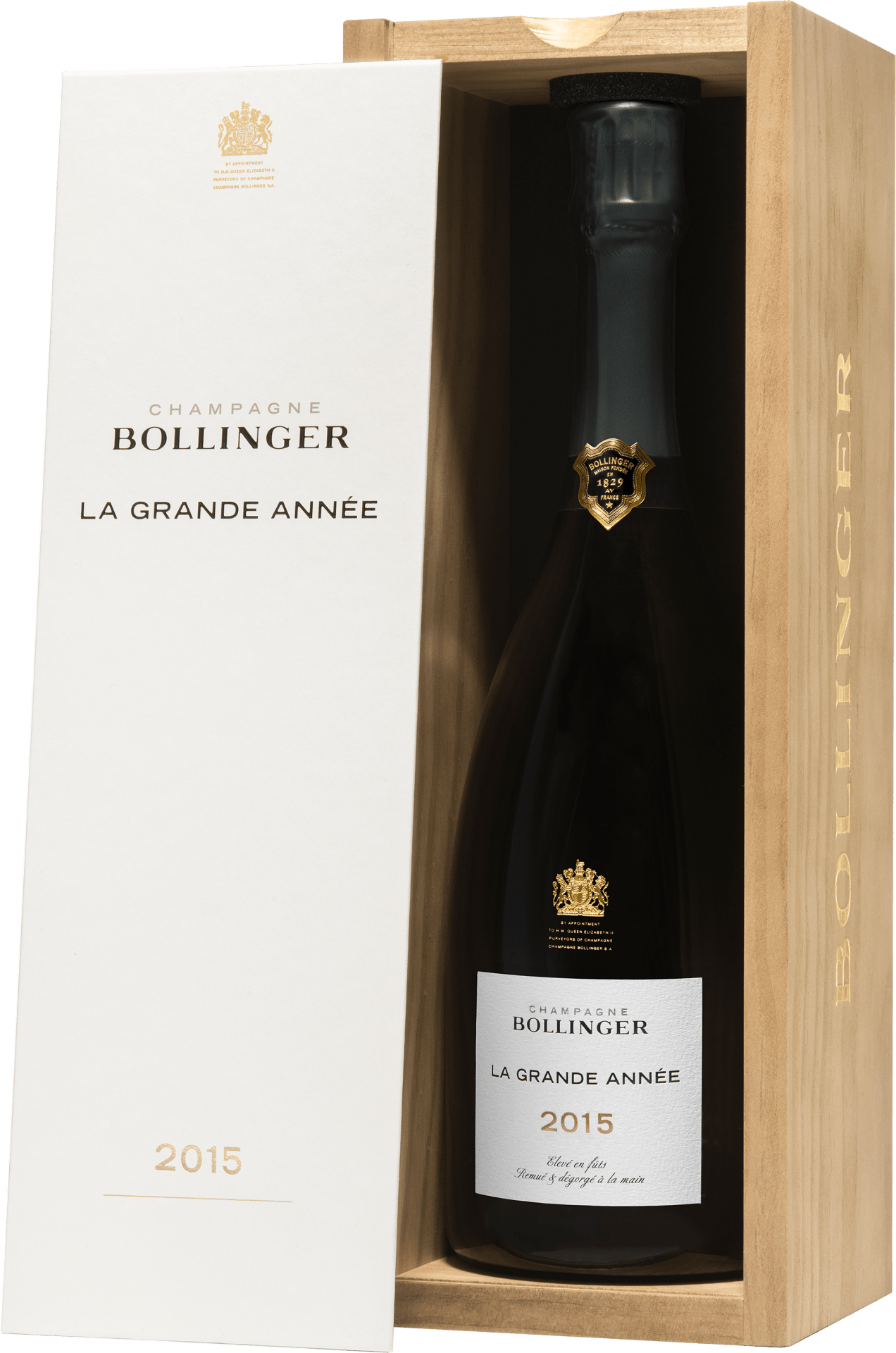
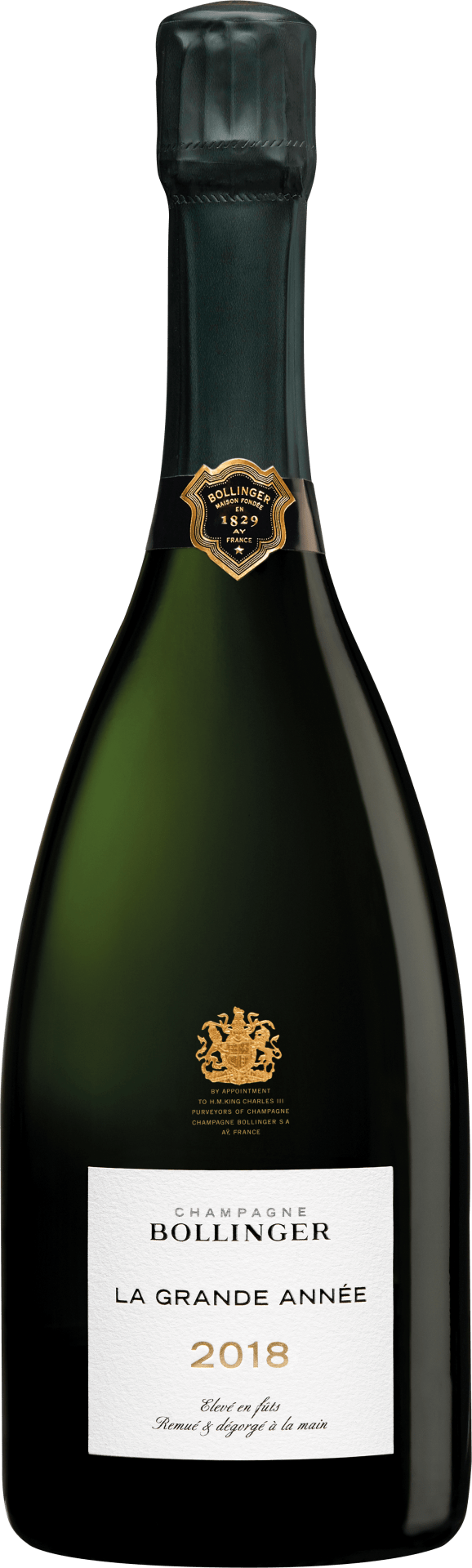
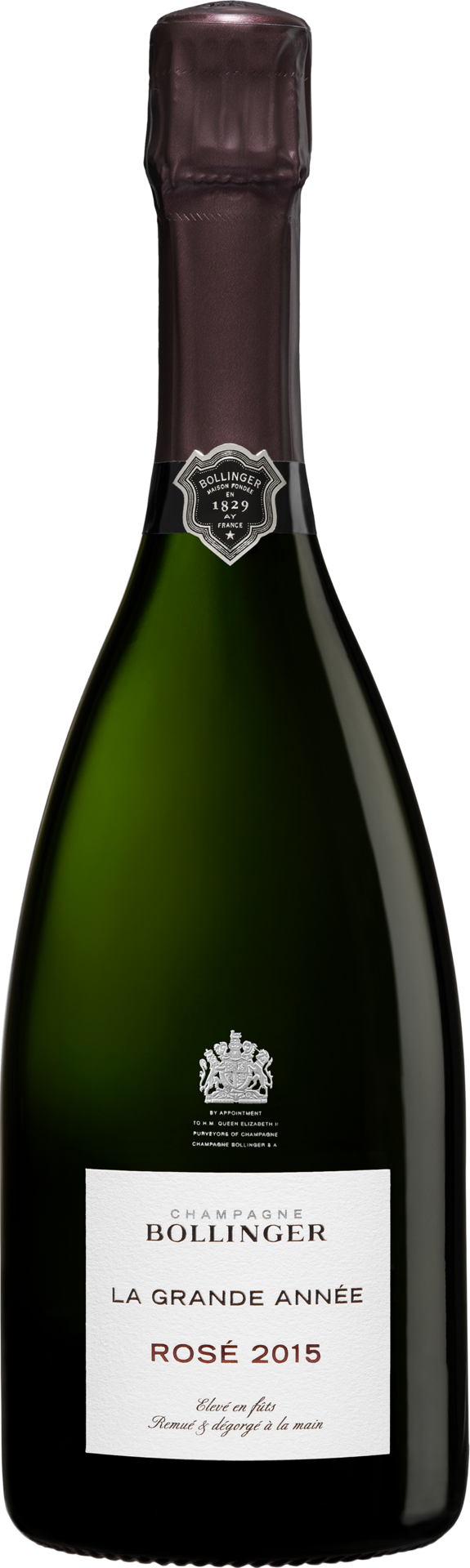
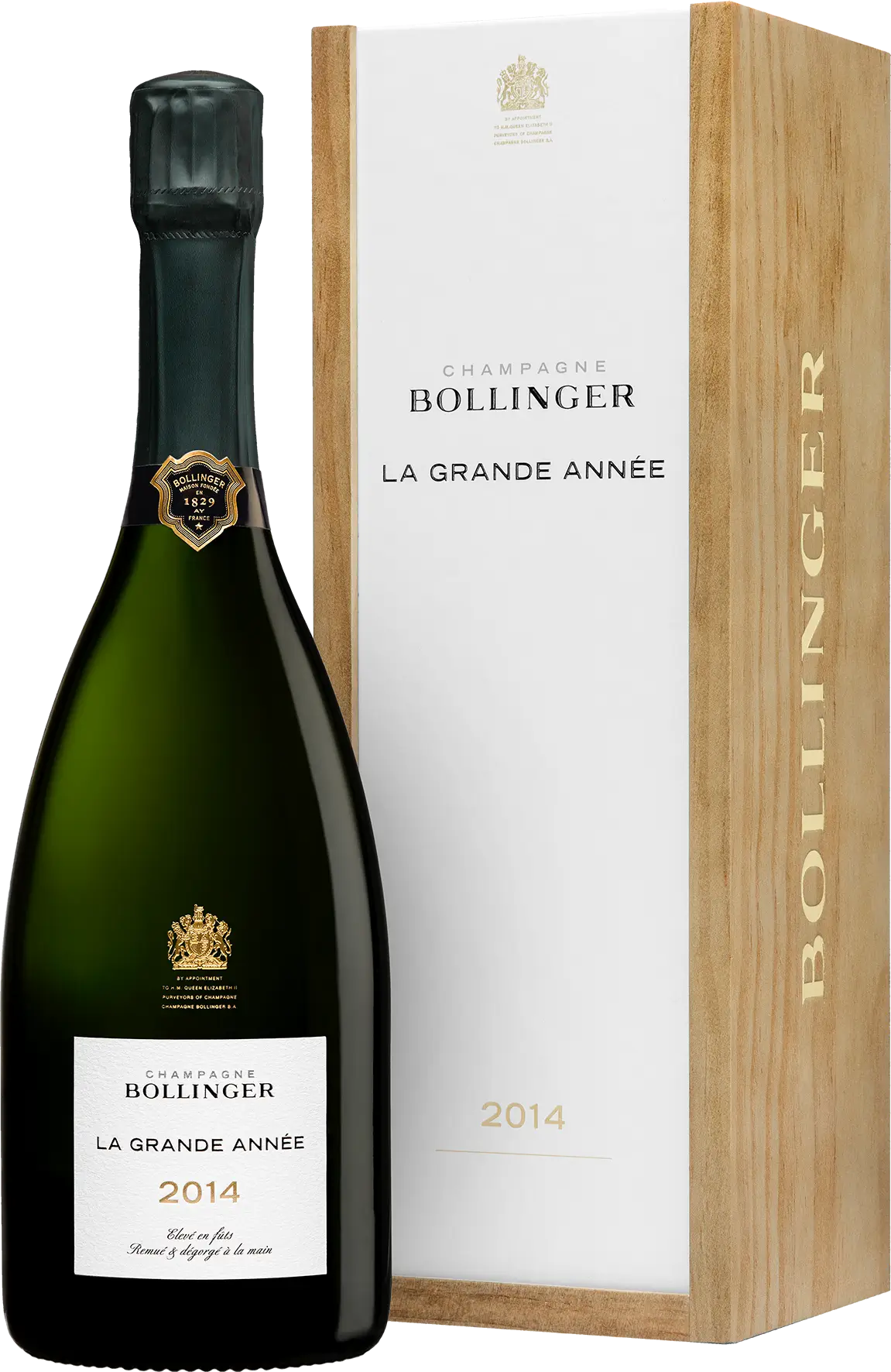
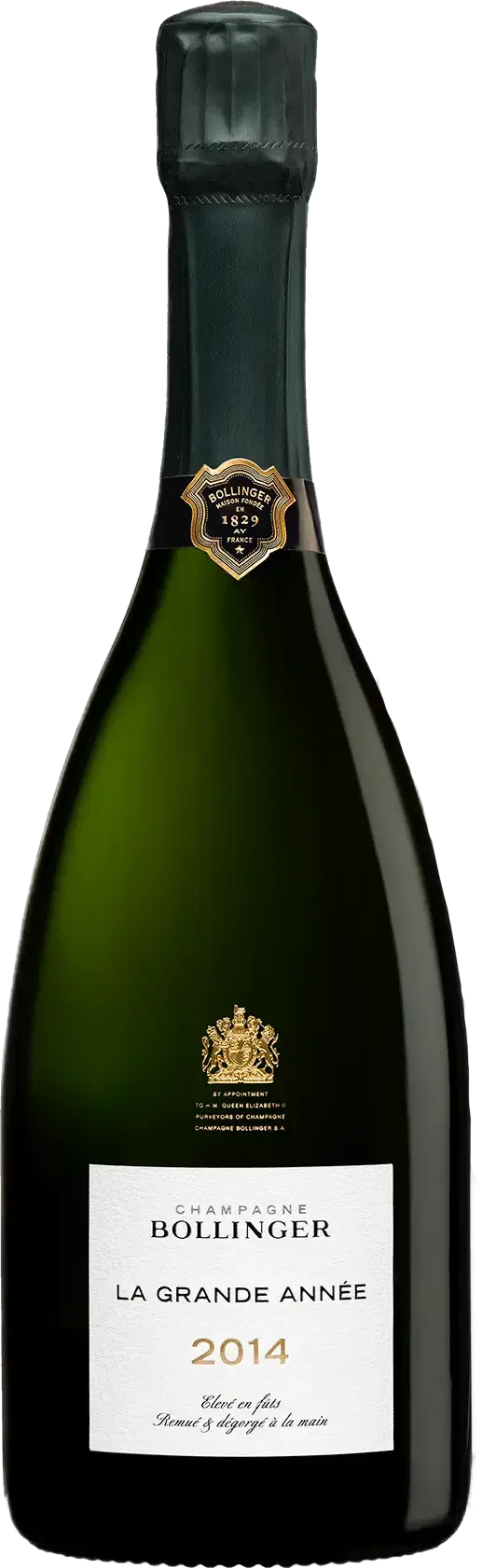
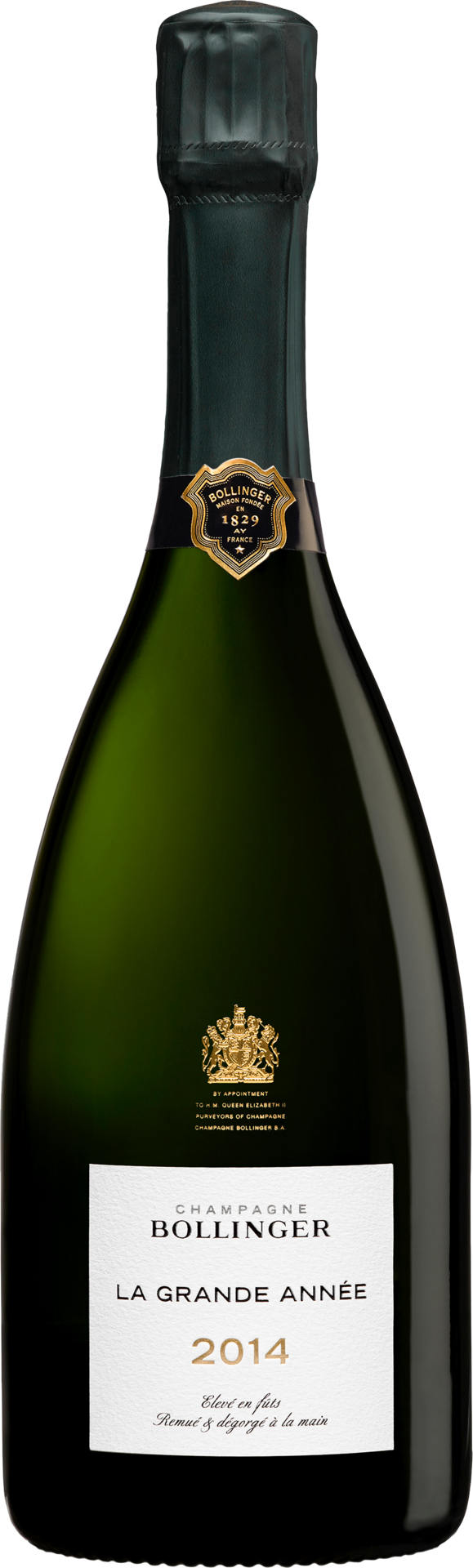
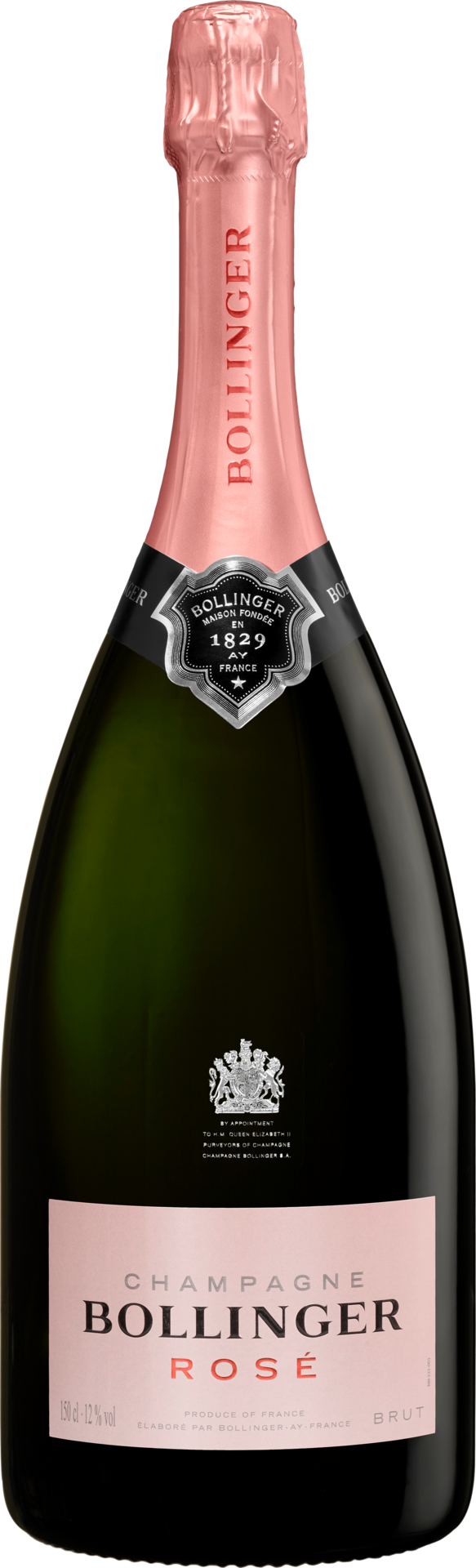
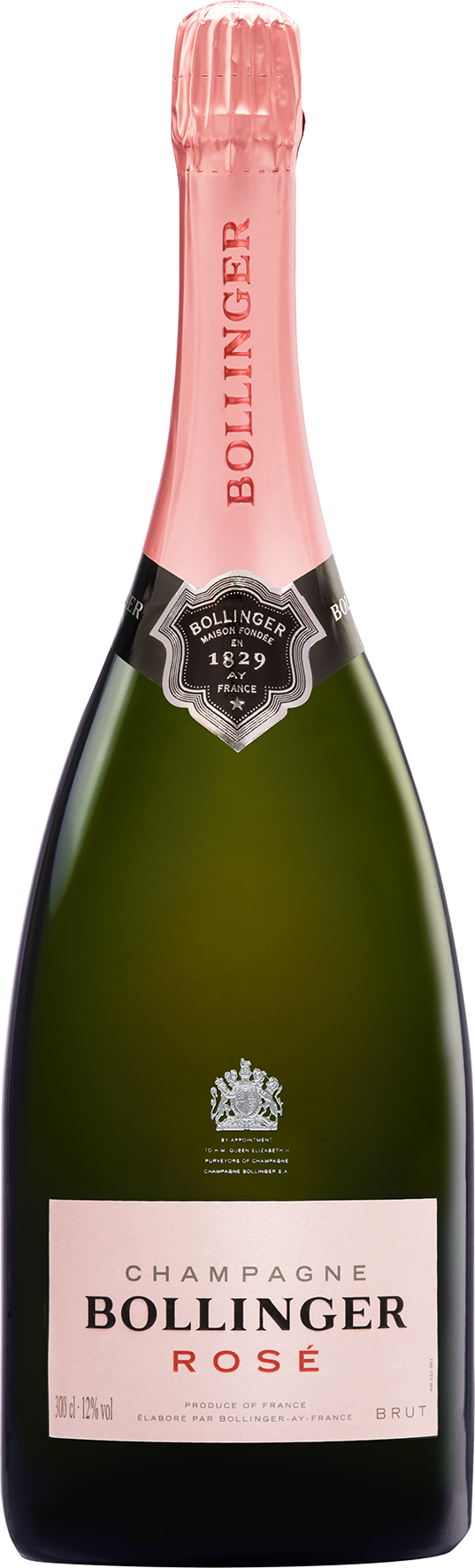
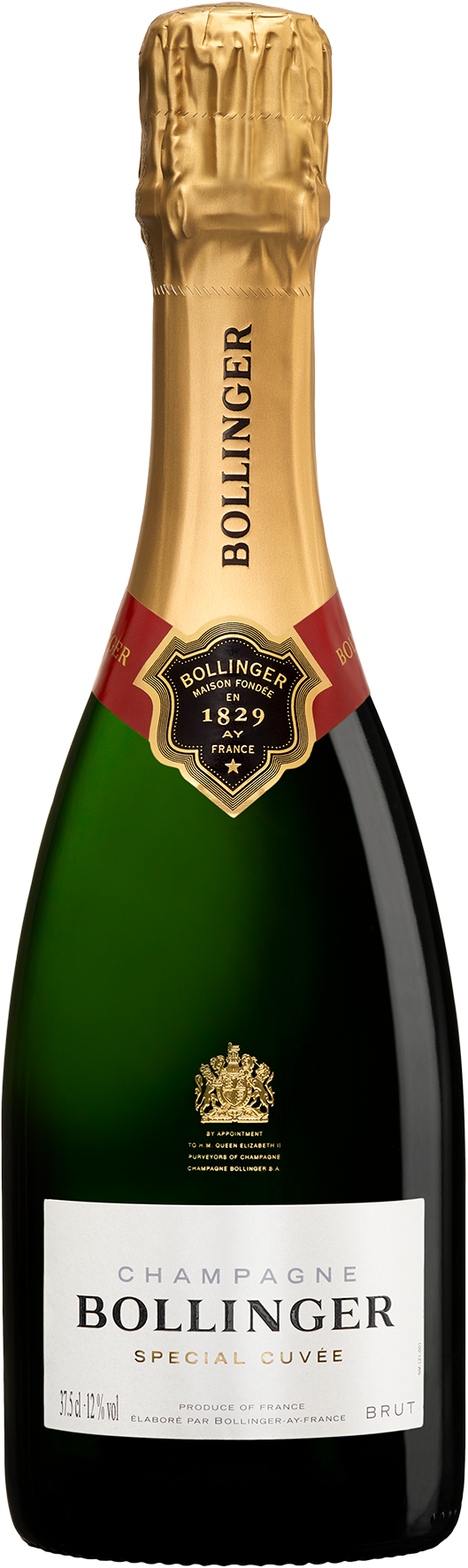
85% of Bollinger's vineyards are classified as Grand Cru or Premier Cru, and over 60% of the vineyard area is devoted to Pinot Noir — predominantly around the Montagne de Reims, with a strong focus on Aÿ and Verzenay. Pinot Noir provides the Bollinger style with body, vinosity, and red fruit flesh; the Chardonnay from the Côte des Blancs provides the counterpoint of freshness. In the house's most accessible wine, the Special Cuvée (60% Pinot Noir, 25% Chardonnay, 15% Meunier), this shows as a golden color with fine mousse, aromas of roasted apple, compote, and ripe stone fruit, as well as a long, spicy finish. The La Grande Année — exclusively from Grand and Premier Cru sites, around 60% Pinot Noir — is fermented entirely in barrels and is the vintage-specific core of the range: dense texture, integrated acidity, a finish with walnut, chalk, and dark fruit that takes years to fully open up.
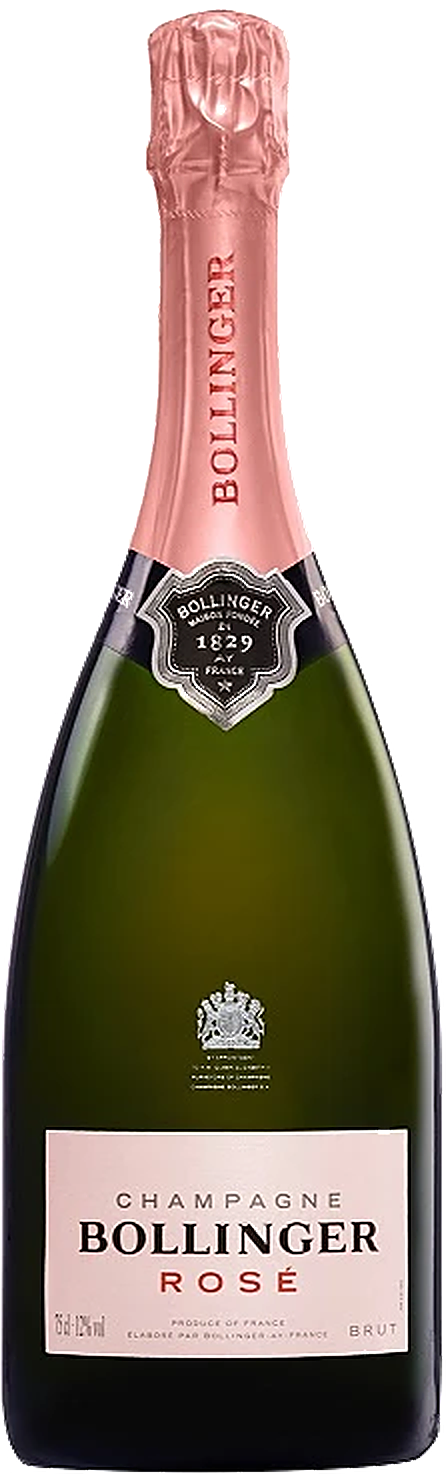
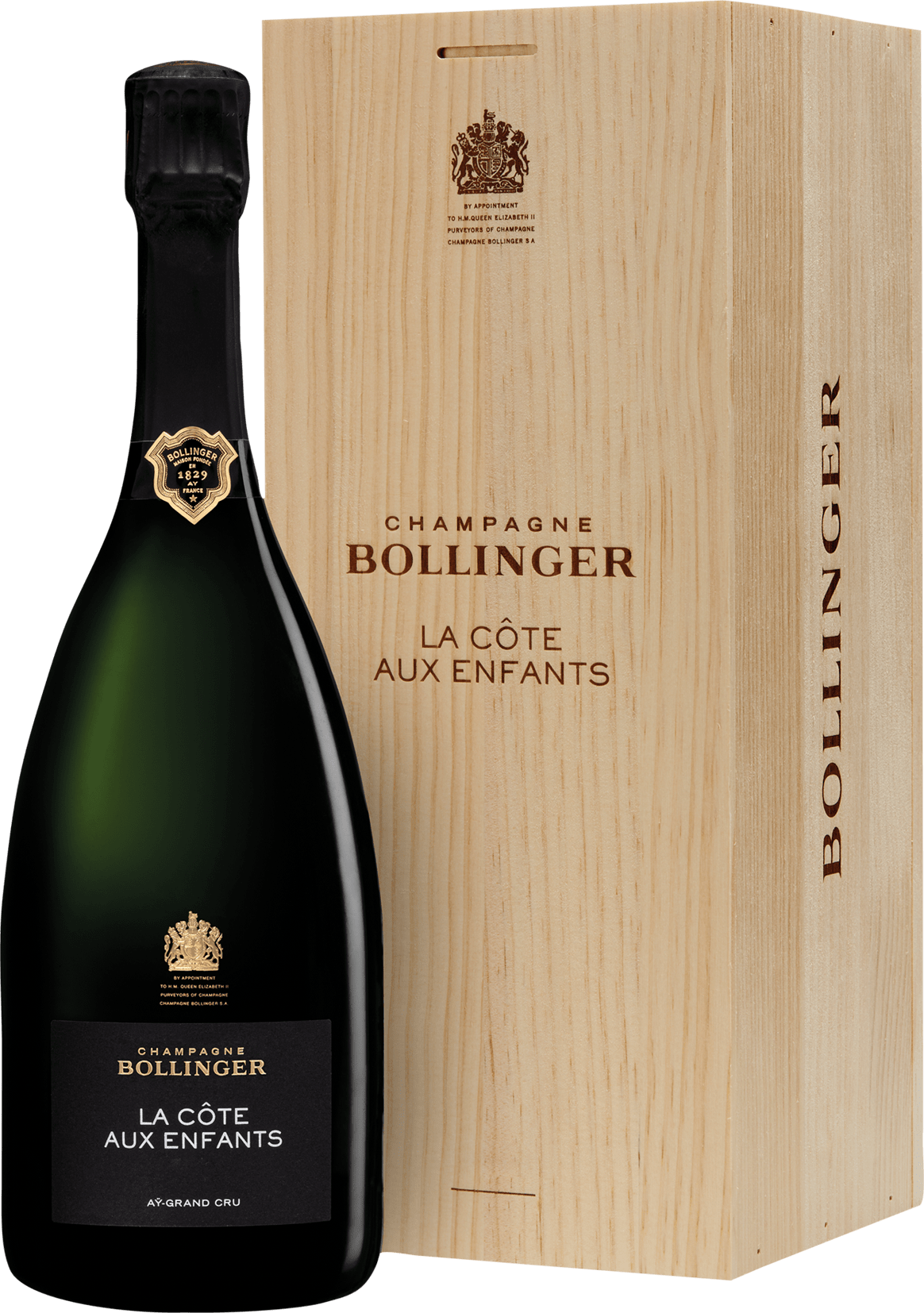
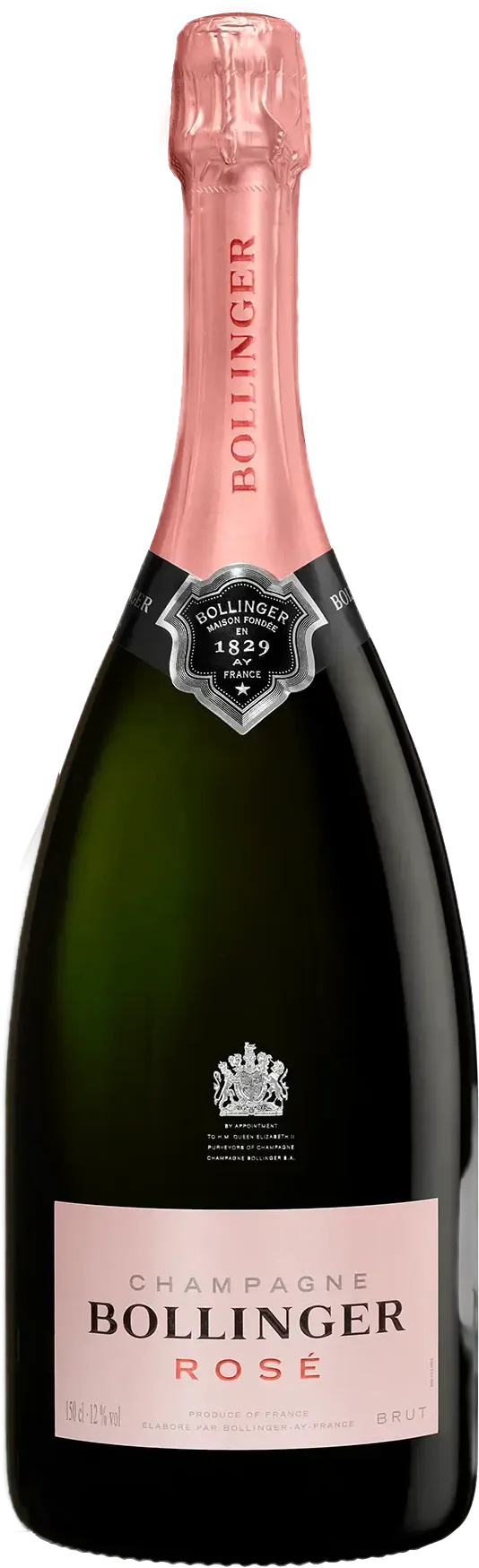
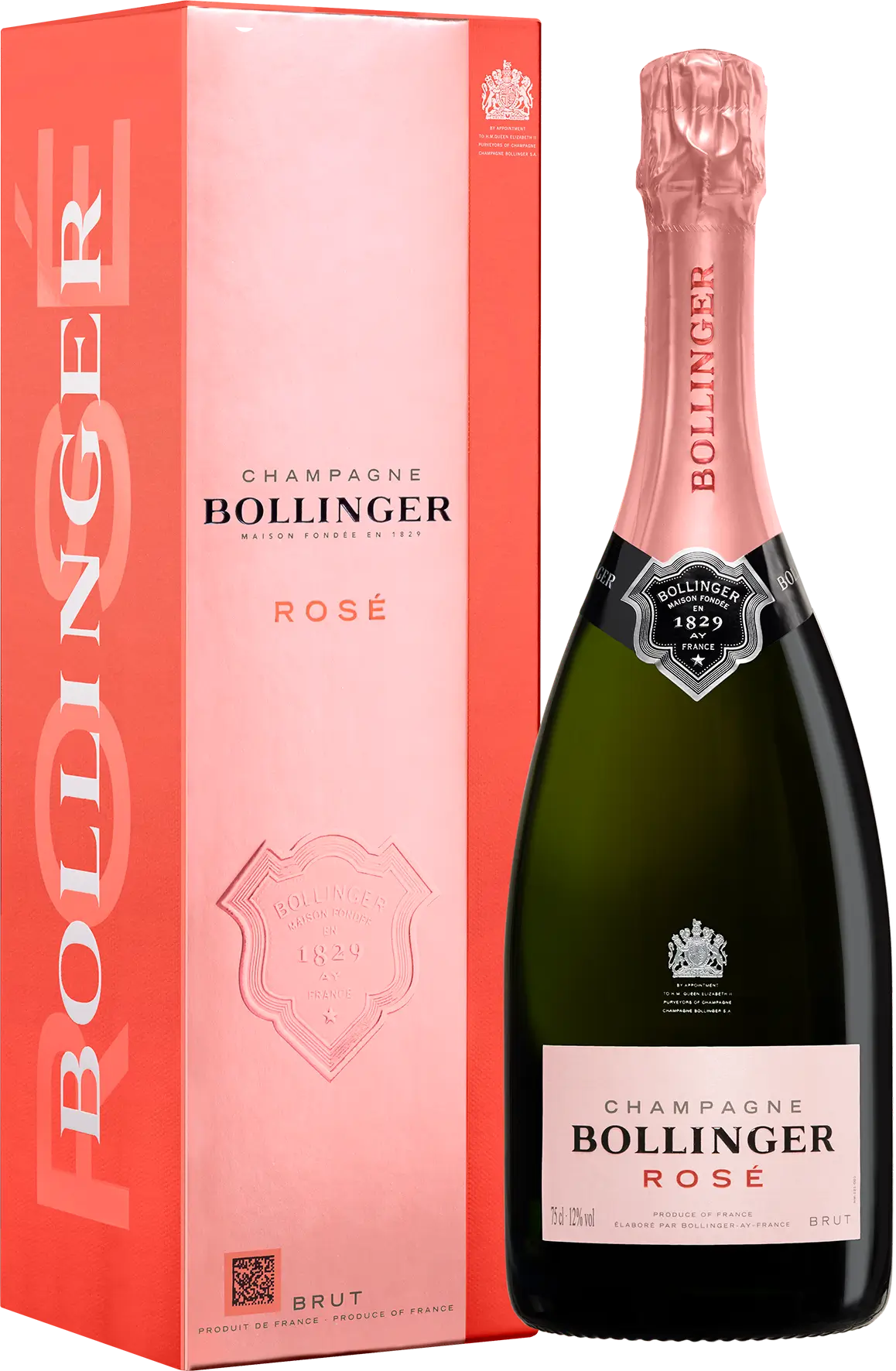
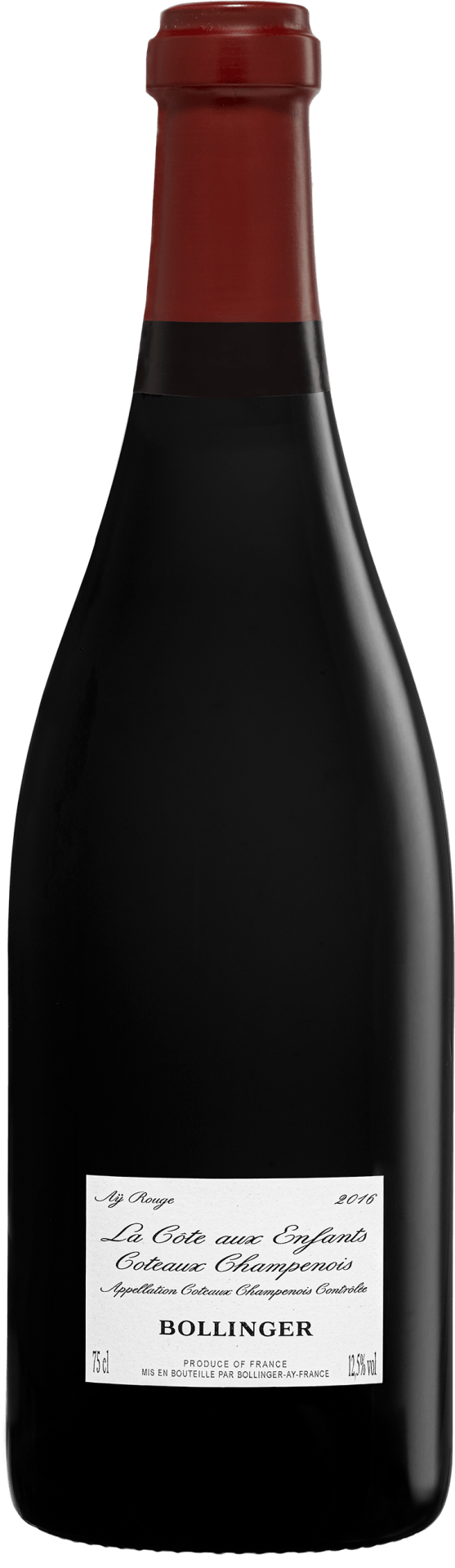
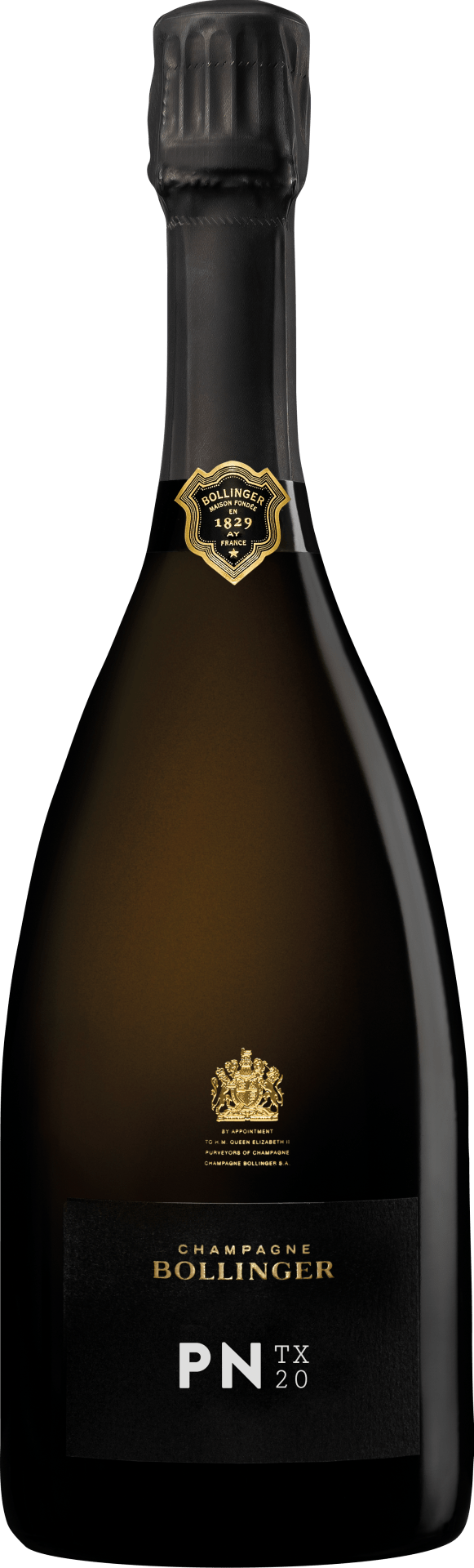
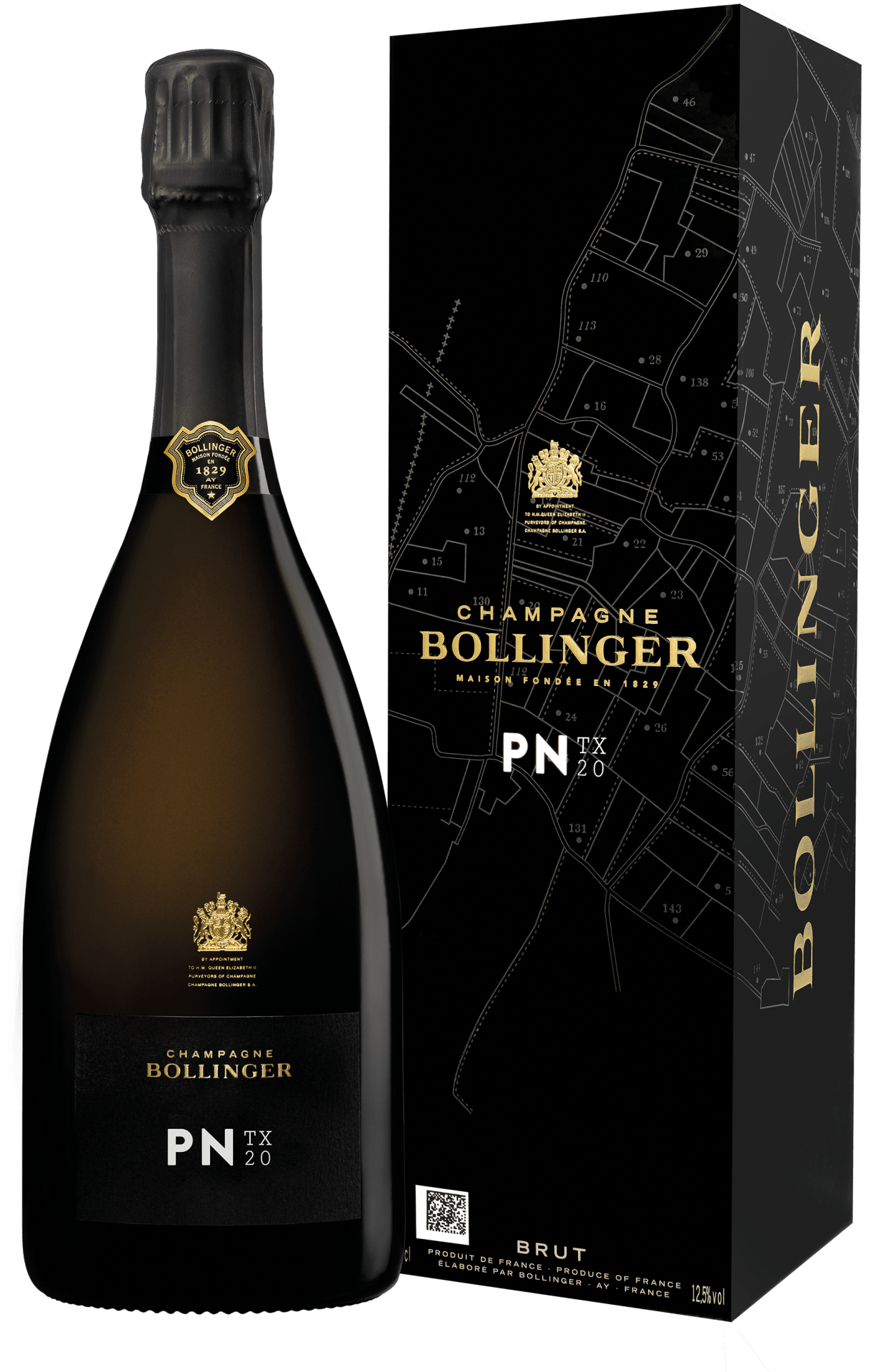
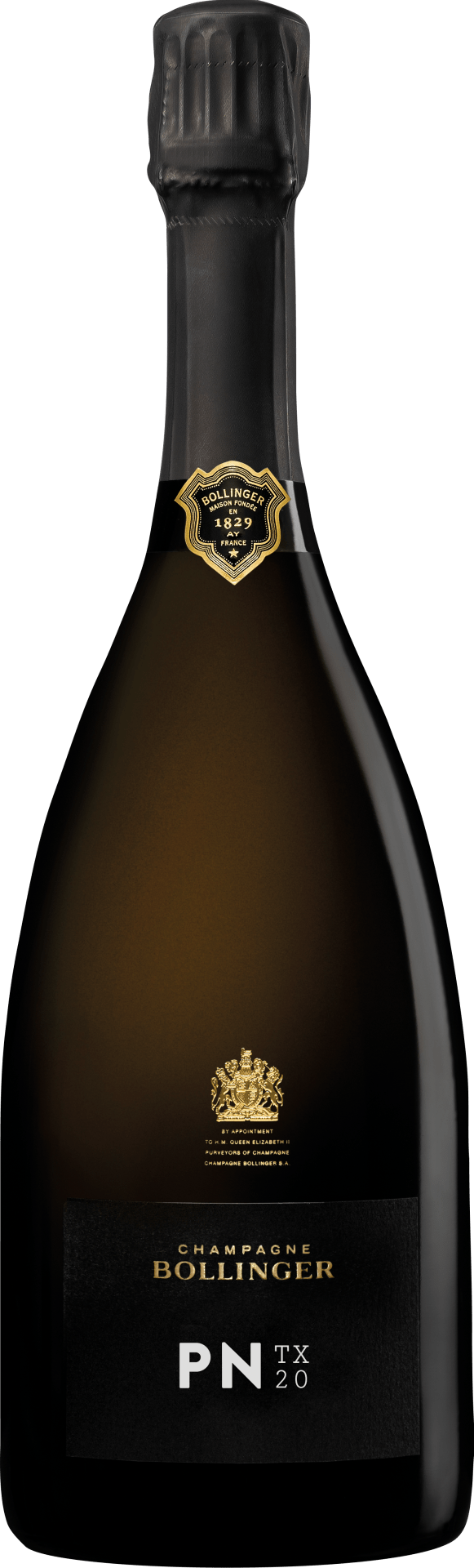
A special chapter is the La Côte aux Enfants: a steep single-vineyard site on the edge of Aÿ that is vinified as a still wine — Coteaux Champenois — and shows what Pinot Noir from this site achieves without a second fermentation. The PNTX series, the house's newest permanent cuvée since the 2008 Rosé, goes even further: 100% Pinot Noir, each release a different Cru, each time a spotlight on a specific terroir. Anyone who wants to understand the language of the house starts with the Special Cuvée — and perhaps never ends.