In family hands since 1776: the history of an independent house
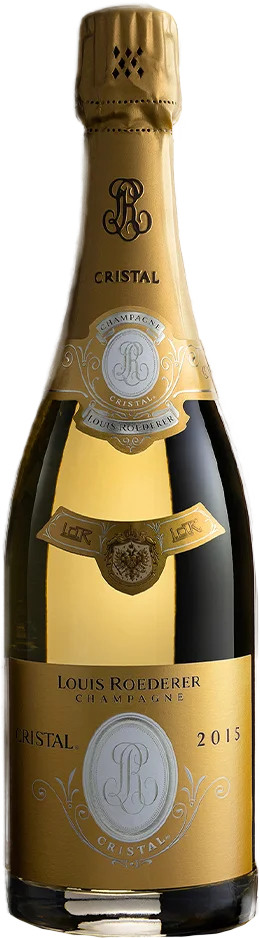
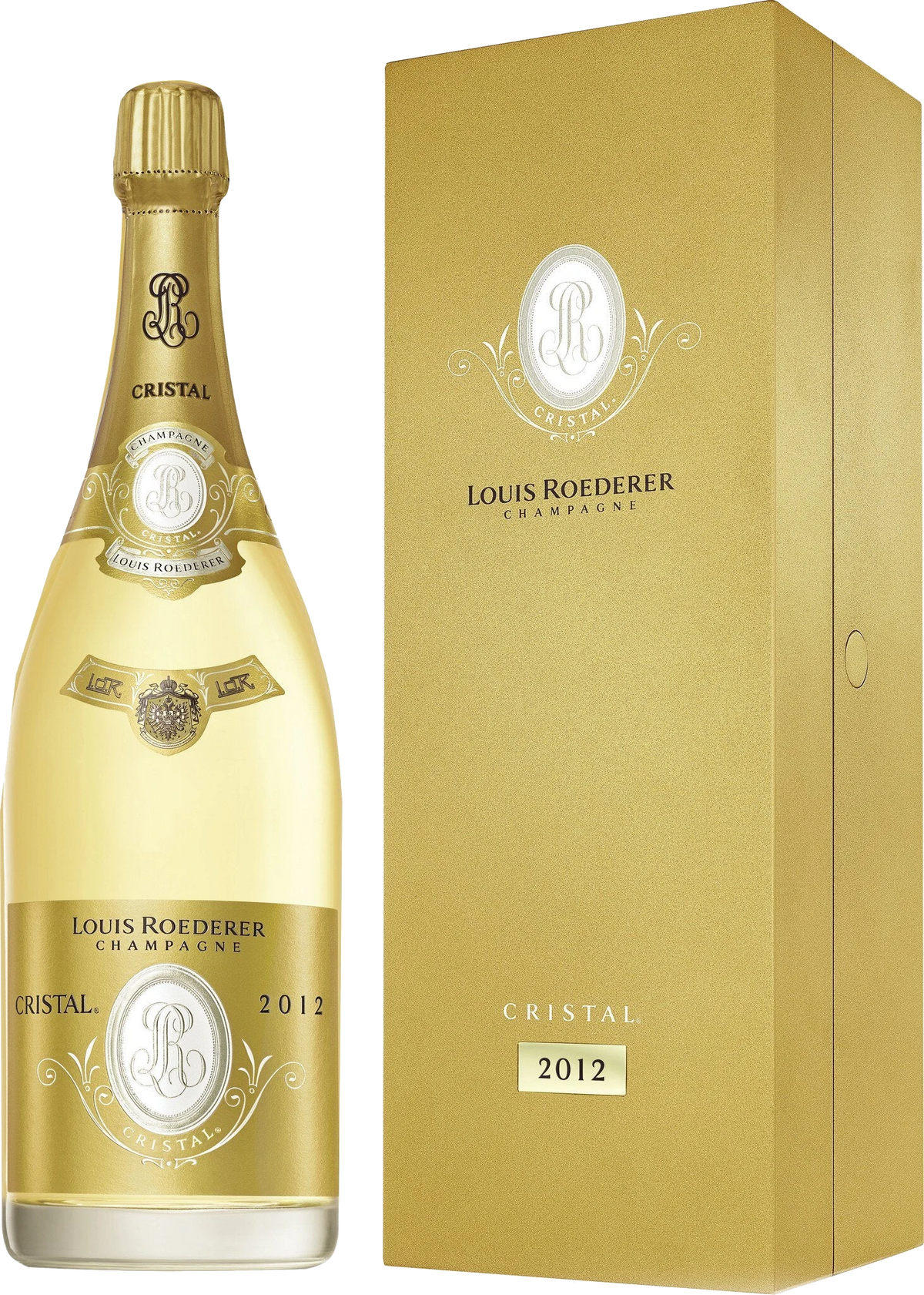
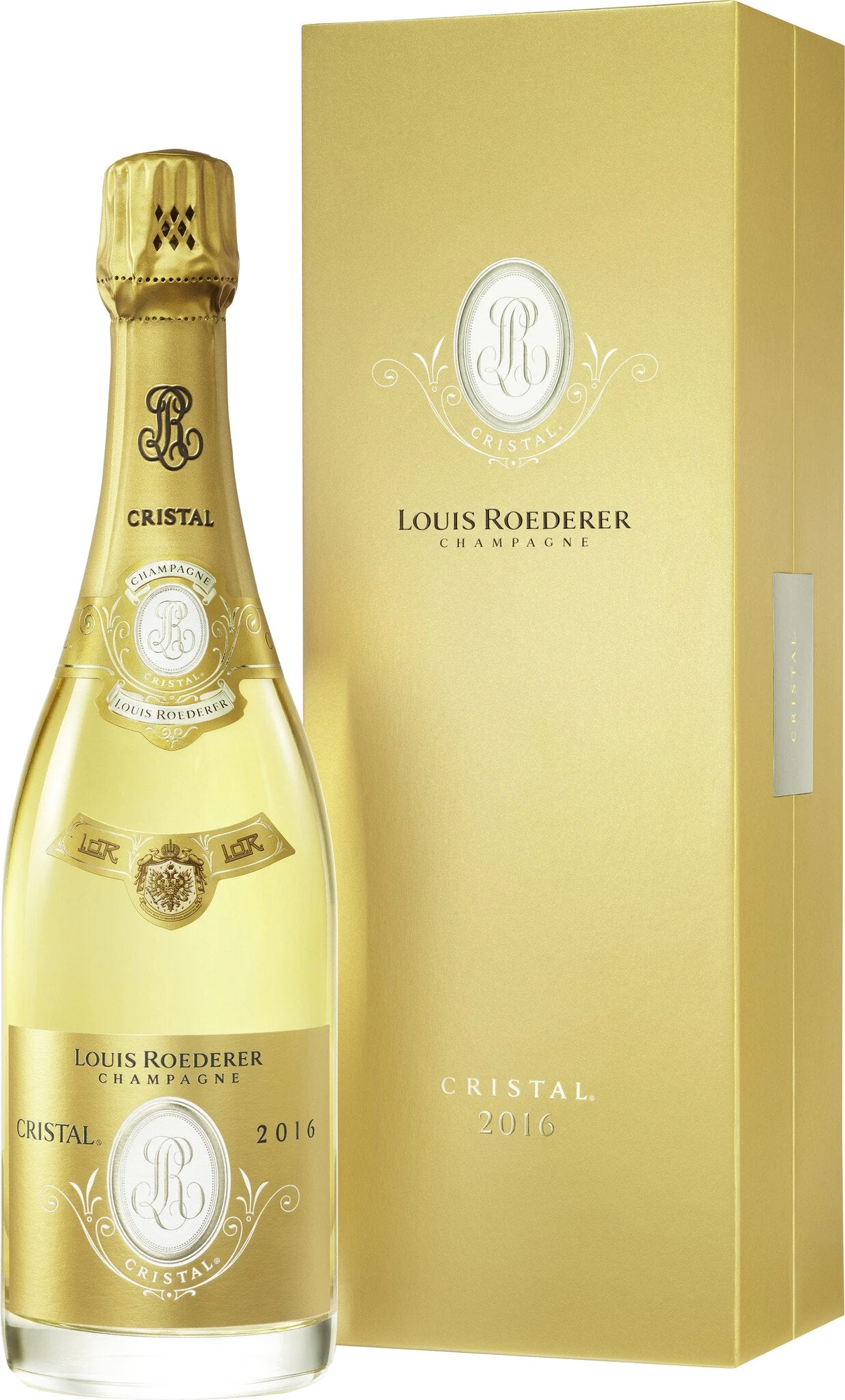
The Champagne house was founded in Reims in 1776 — initially under the name Dubois Père & Fils. It has been owned by the Roederer family since 1819, and in 1833 Louis Roederer inherited the house from his uncle Nicolas Schreider and gave it his name. He recognized early on that quality begins with owning one's own vineyards, and consistently bought sites in the Montagne de Reims, in the Vallée de la Marne, and on the Côte des Blancs. By the end of the 19th century, the house had long been a reference at the European royal court: in 1876, Tsar Alexander II had an exclusive cuvée reserved for himself — in a transparent crystal bottle with a flat bottom. Cristal was born, the first prestige Champagne in history.
After the death of Léon Olry-Roederer, his widow Camille took over leadership for more than four decades starting in 1933 and navigated the house through world wars and economic crises. Her grandson Jean-Claude Rouzaud, an oenologist and agricultural scientist, further expanded the winery. Today, Frédéric Rouzaud leads the house in the seventh generation — as one of the last large, completely independent Champagne houses in family ownership.
Biodynamics as an attitude: Viticulture in harmony with Champagne
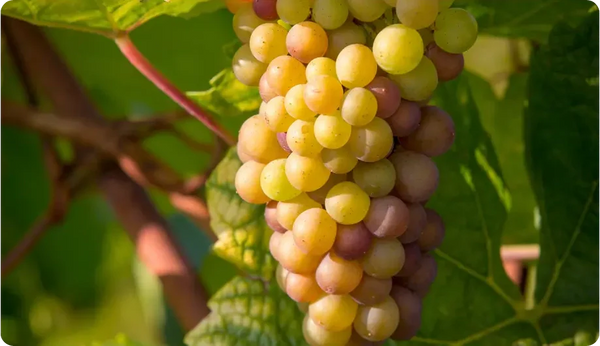
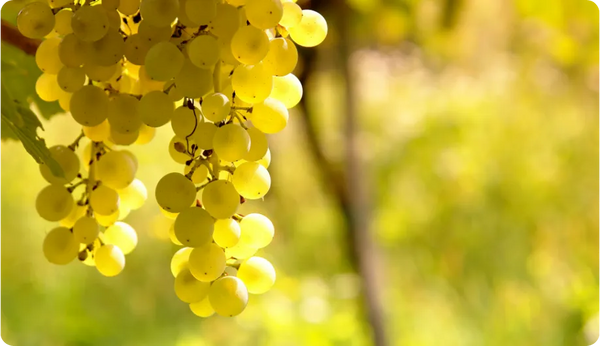
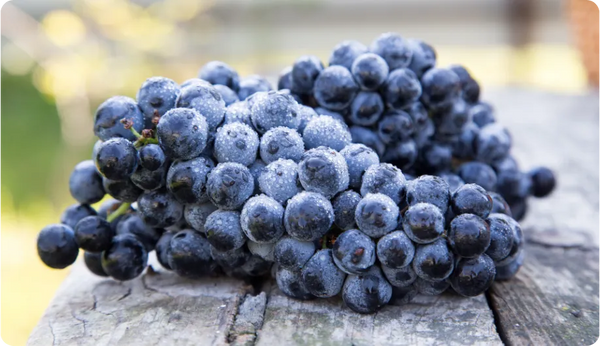
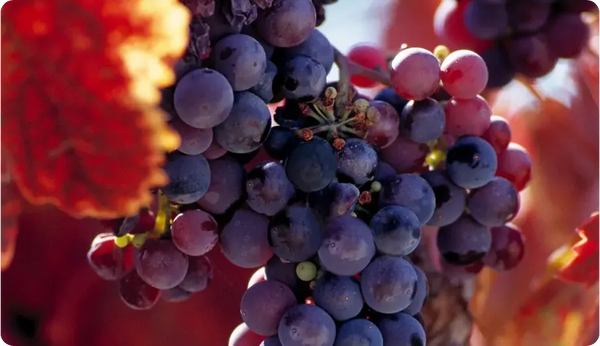
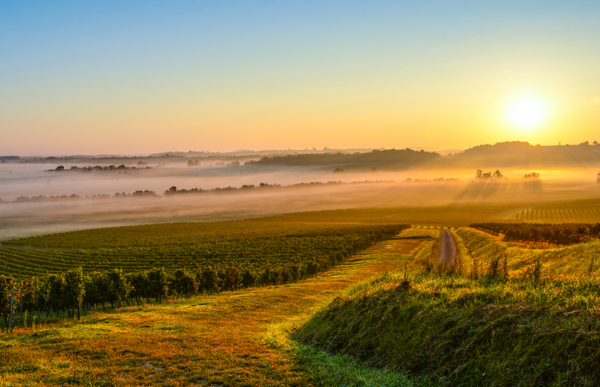
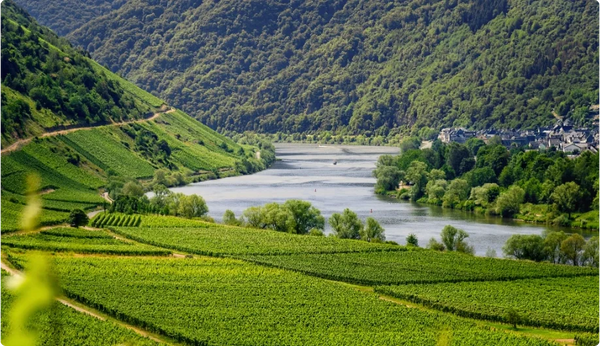
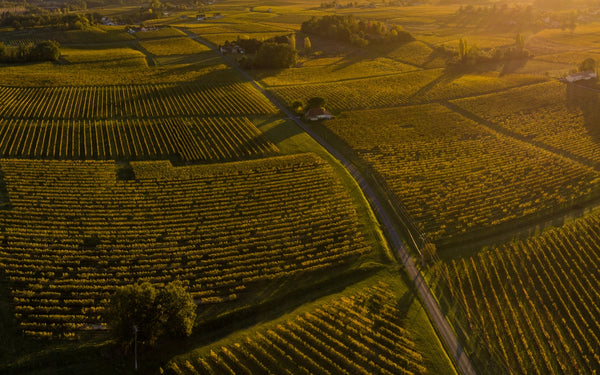
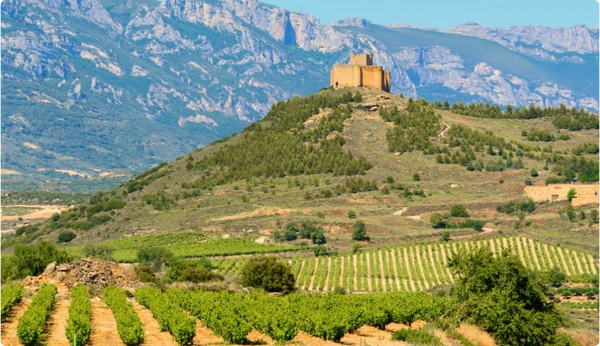
Louis Roederer today manages around 250 hectares of its own vineyards, divided into more than 420 plots in Premier and Grand Cru sites. This unusually high proportion of own property is the foundation for the house's qualitative independence. Each plot has a permanent winemaker who personally looks after it throughout the year. As early as the year 2000, Roederer began the gradual transition to a cultivation philosophy that combines principles from biodynamics, regenerative agriculture, and permaculture. This includes massal selection, gentle soil cultivation — partly with horses instead of tractors —, hedges as insect habitats, and biodynamic composting.
Meanwhile, 155 hectares are officially organic-certified; the remaining areas are managed according to the same methods but are still undergoing the certification process. Cristal already comes 100 percent from biodynamically managed sites. In the cellar, the house relies on partial aging in oak barrels — especially for the reserve wines —, which gives the cuvées structure and depth without masking the freshness typical of Champagne.
From Cristal to Collection: an assortment with a clear signature
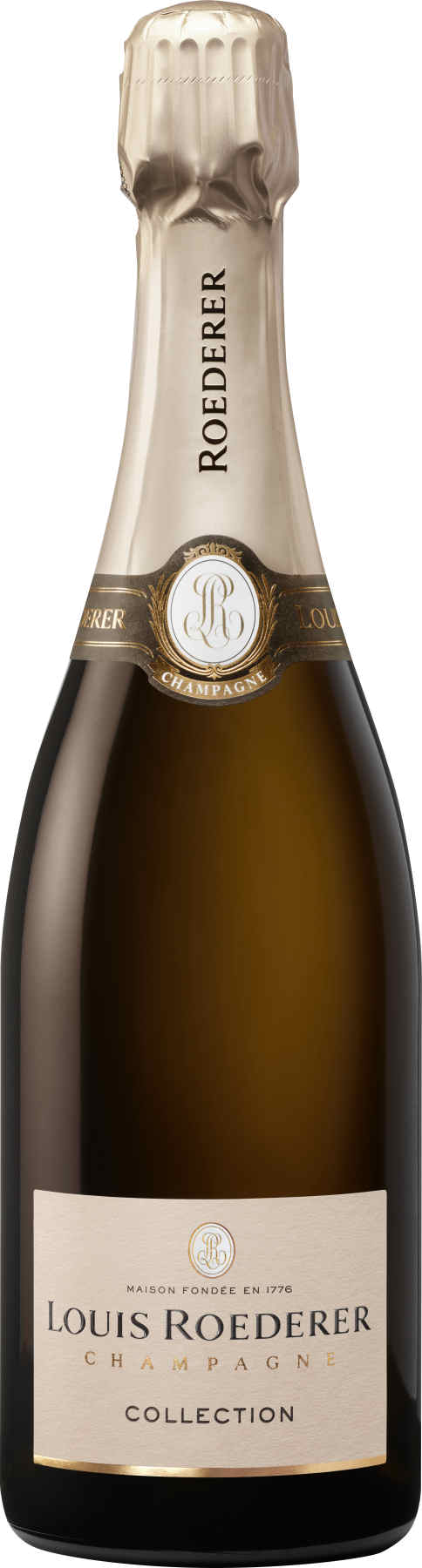
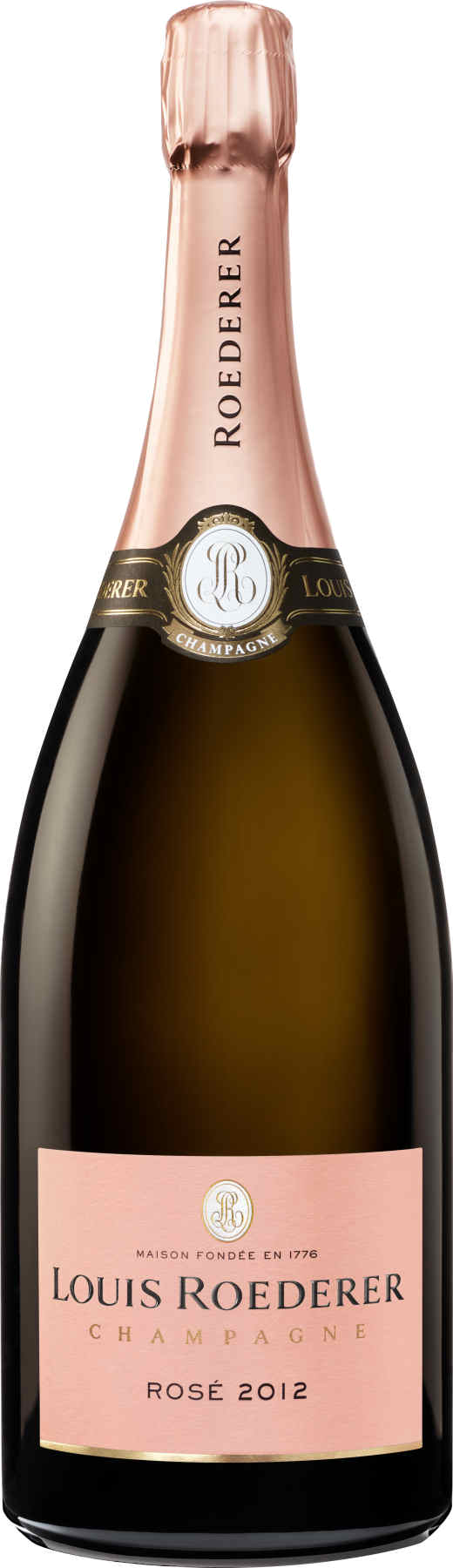
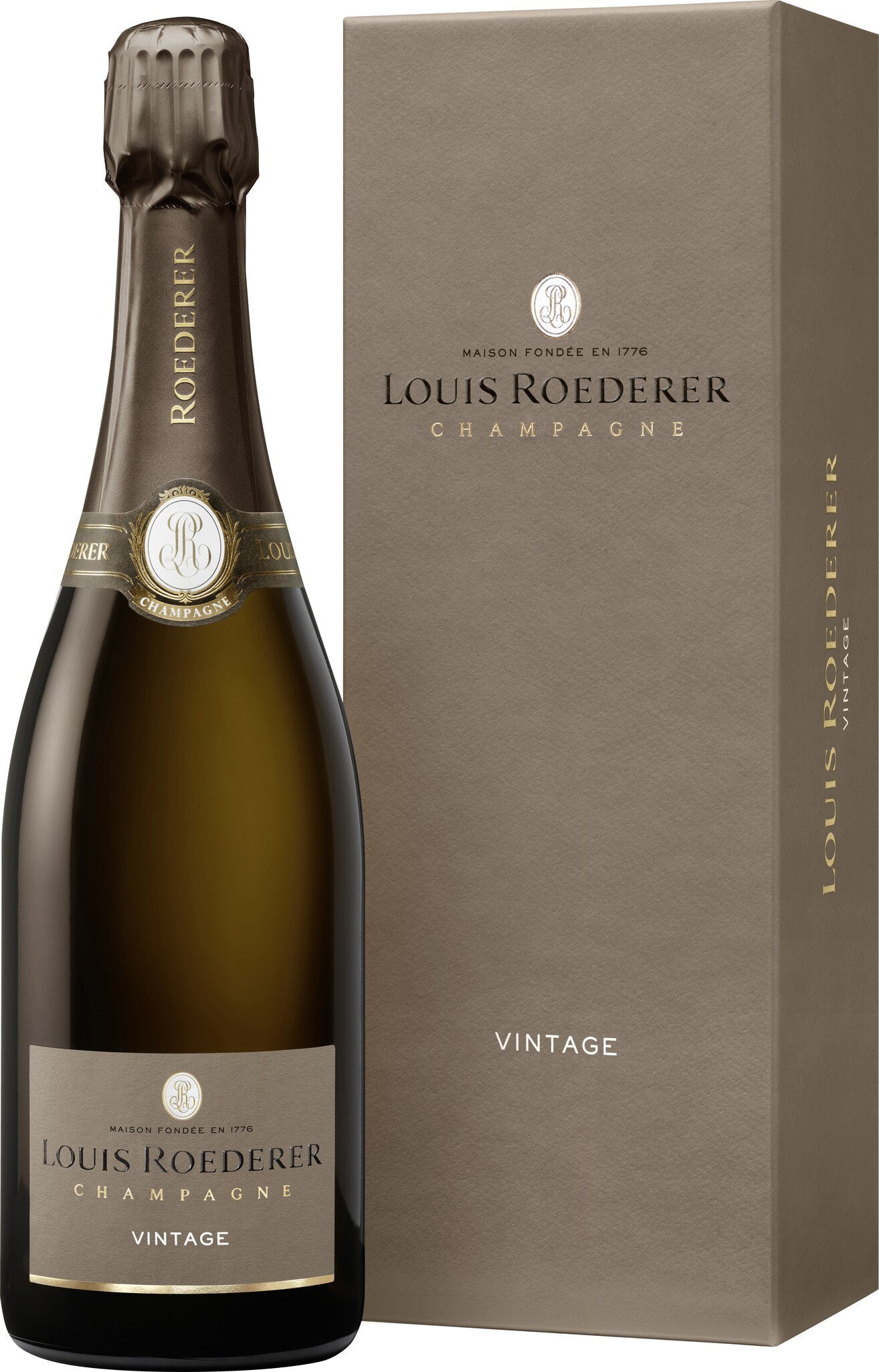
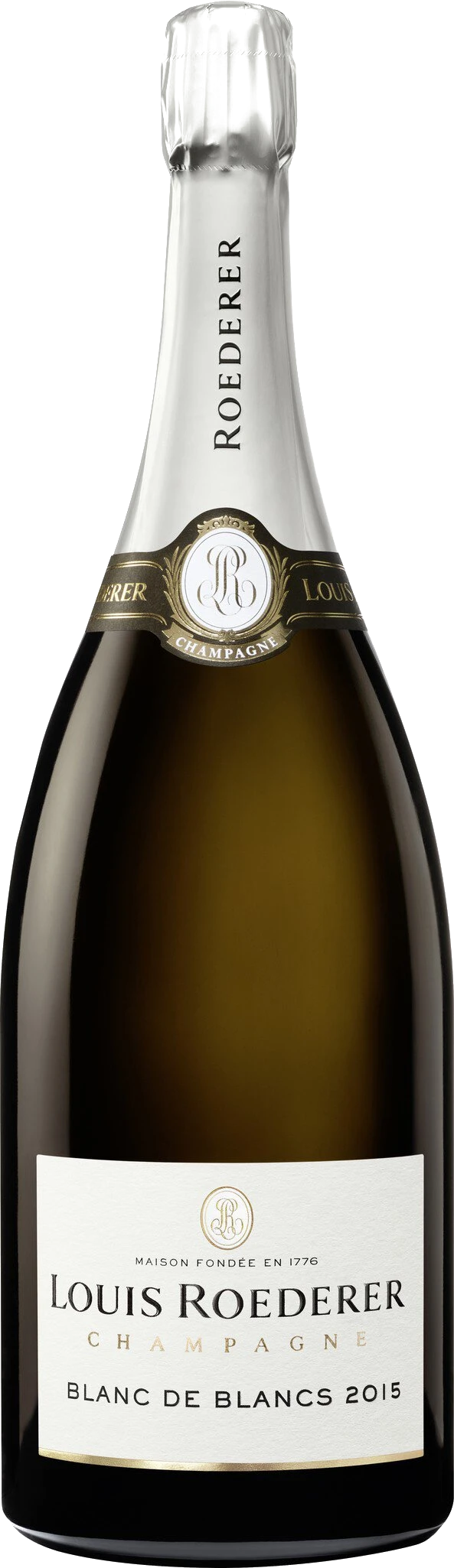
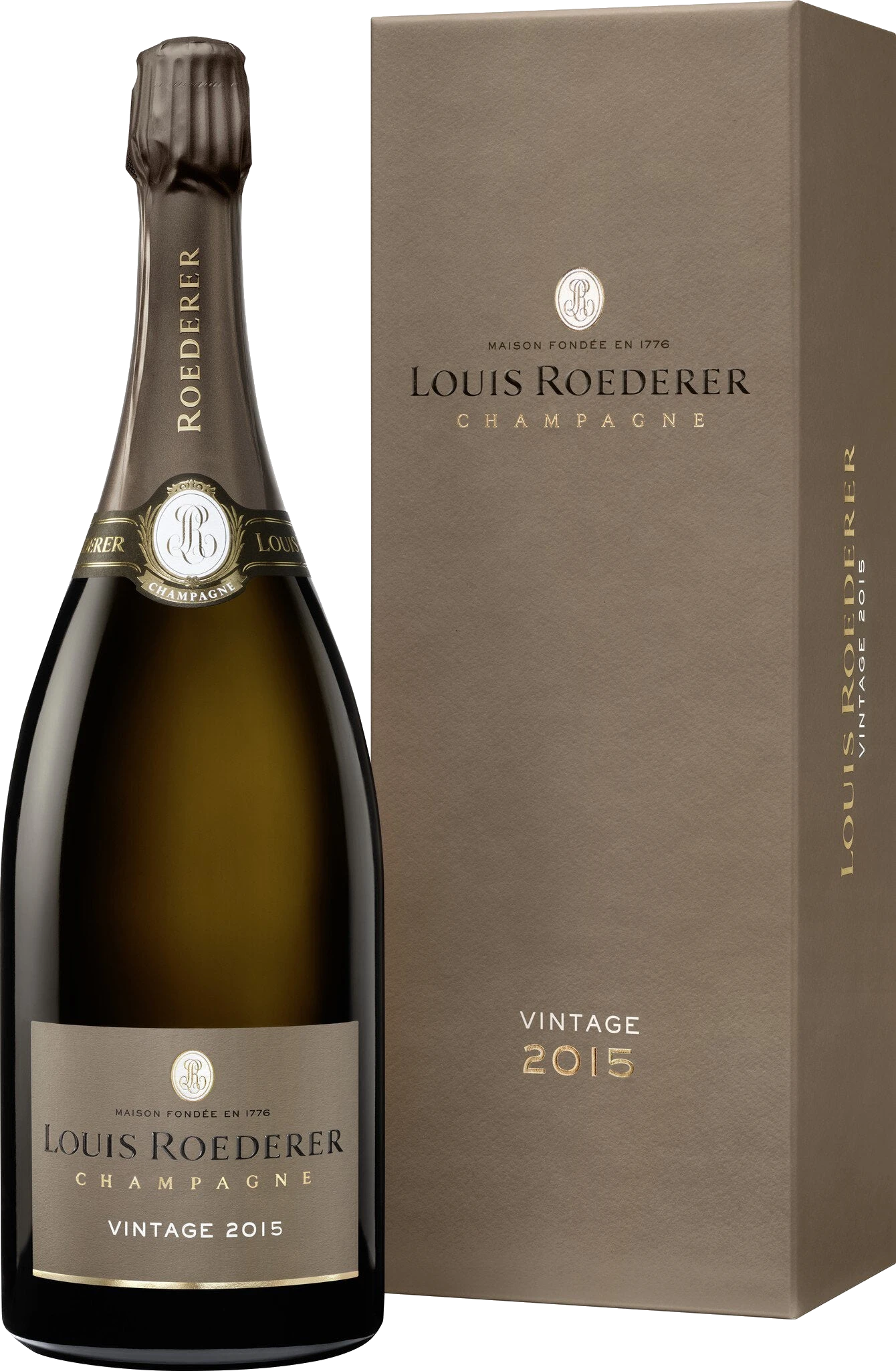
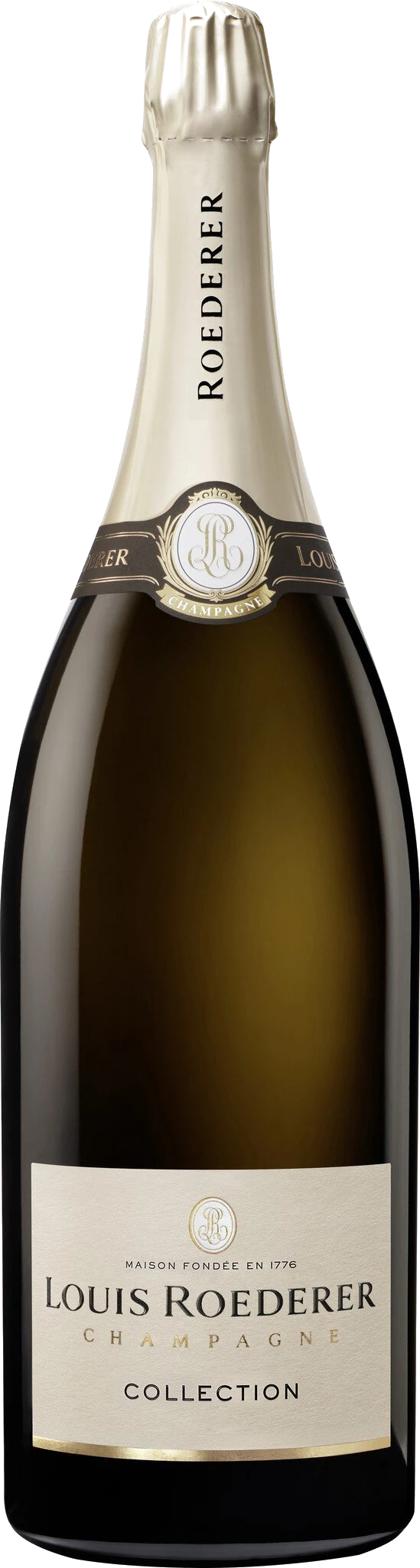
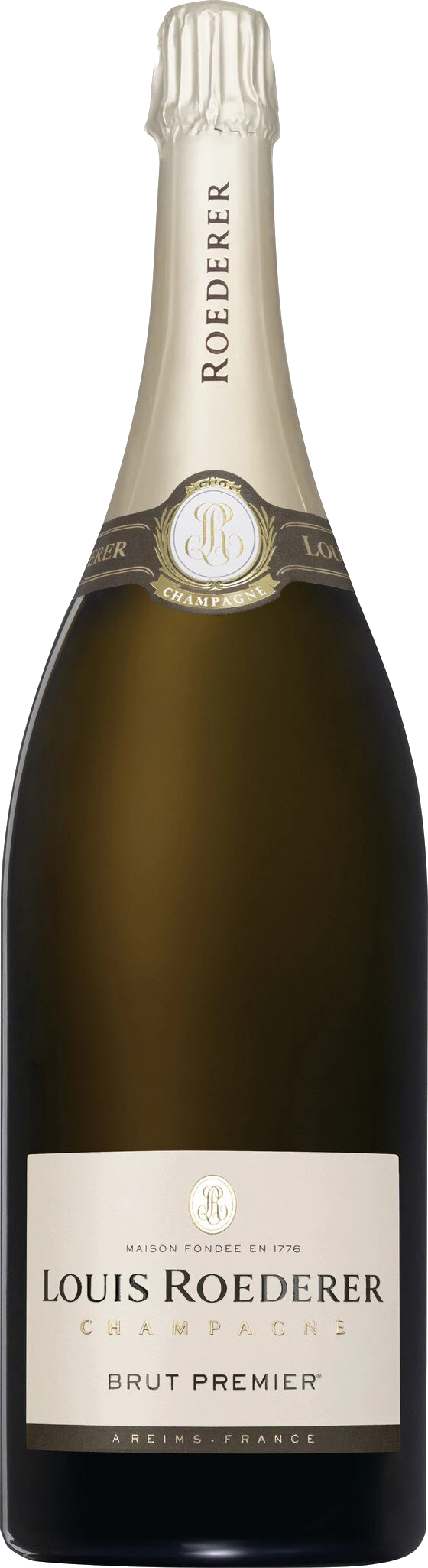
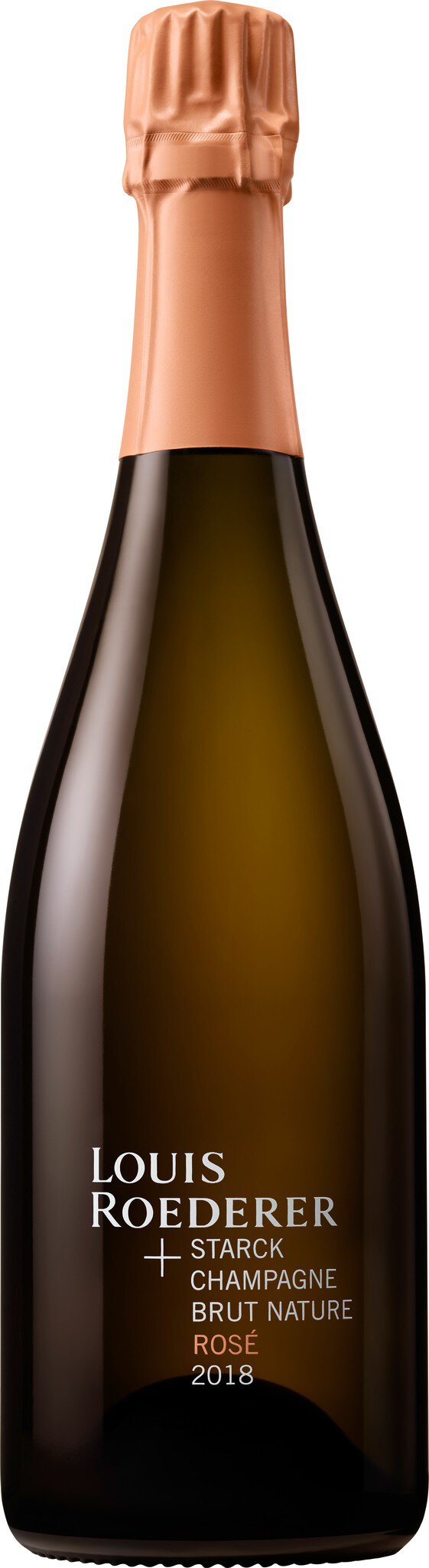
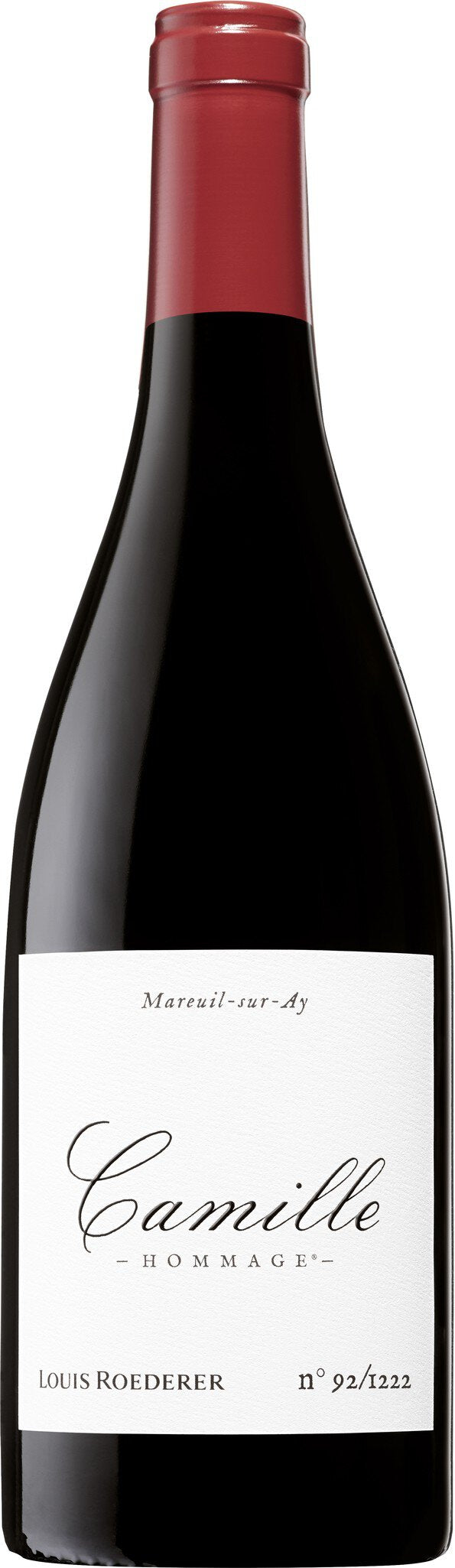
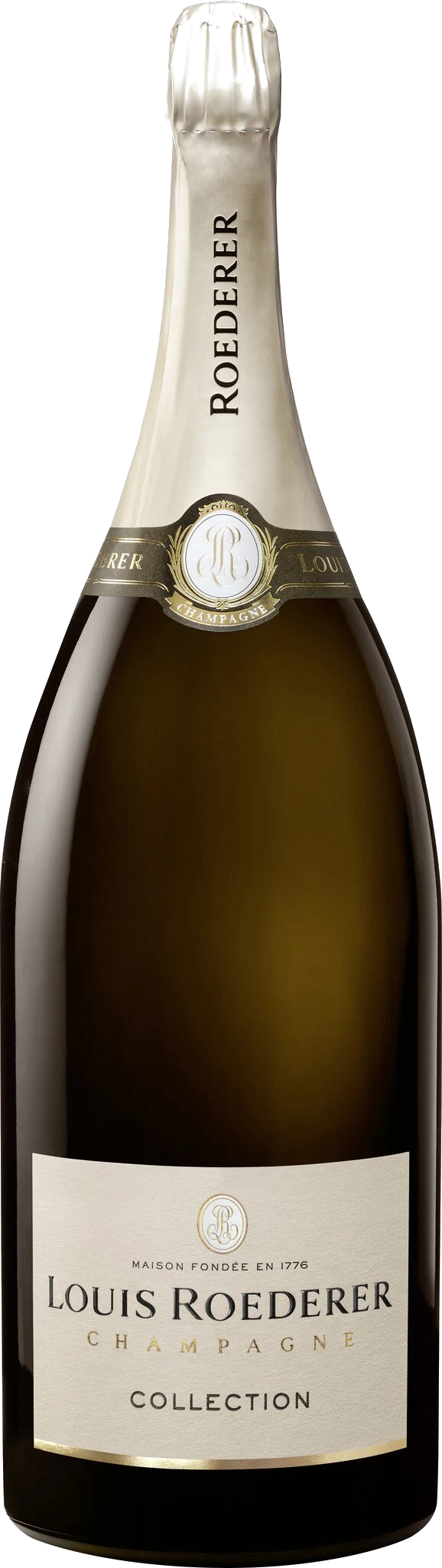
The style of Louis Roederer combines precision with depth. The Collection cuvées (formerly Brut Premier) unite Pinot Noir, Chardonnay, and Pinot Meunier from over 50 different crus; a portion of the base wines ages in oak, another portion is added as reserve wine, which ensures consistency and complexity across vintages. The vintage cuvées are only created in outstanding years and show the house's blending philosophy in its purest form. Cristal Brut — 60 percent Pinot Noir, 40 percent Chardonnay, exclusively Grand Cru grapes — ages for six years in the cellar and rests for another eight months after disgorgement. The result is a Champagne with creamy perlage, ripe fruit, and a mineral-salty finish. The assortment is complemented by the Cristal Rosé, the Brut Rosé, as well as the Camille, a red wine from the Coteaux Champenois, which underscores the viticultural versatility of the house.