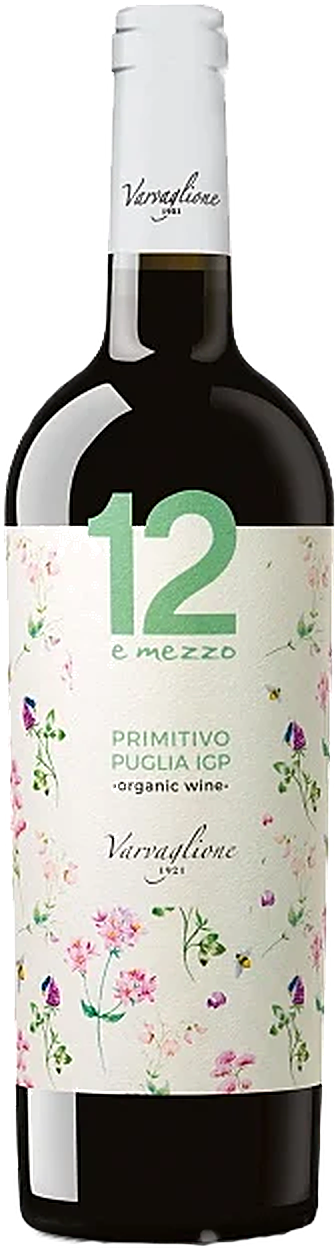
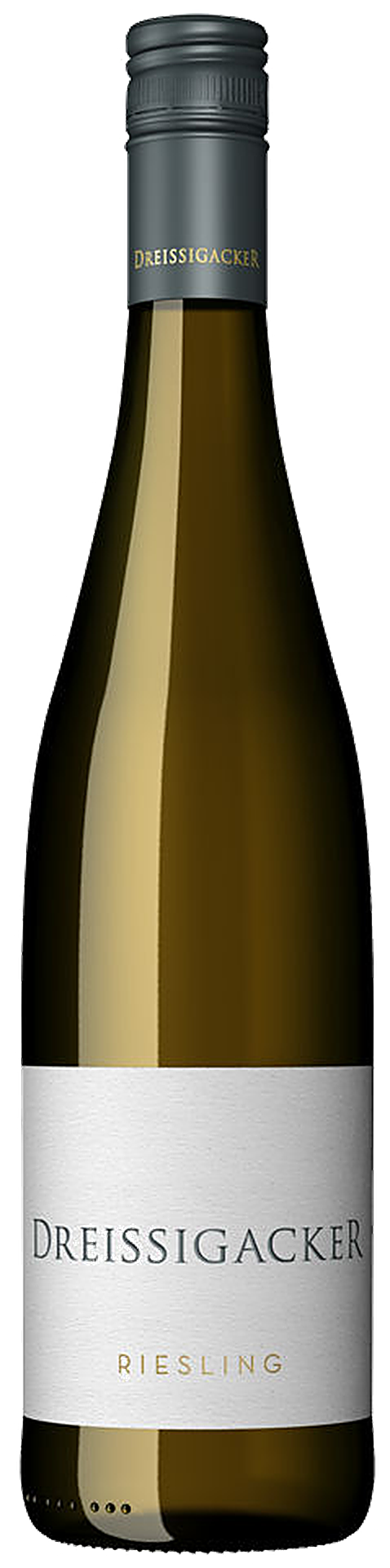
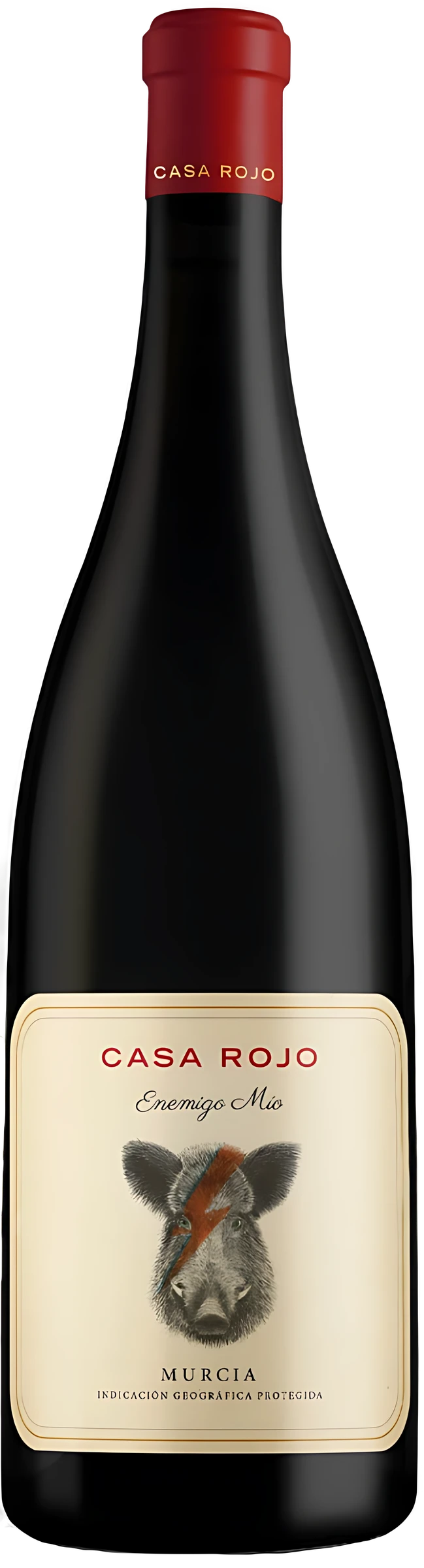
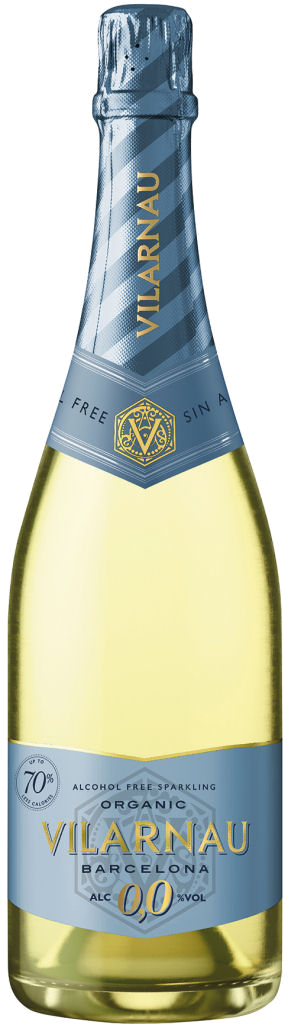
Buy organic wine – natural, honest, unmistakable
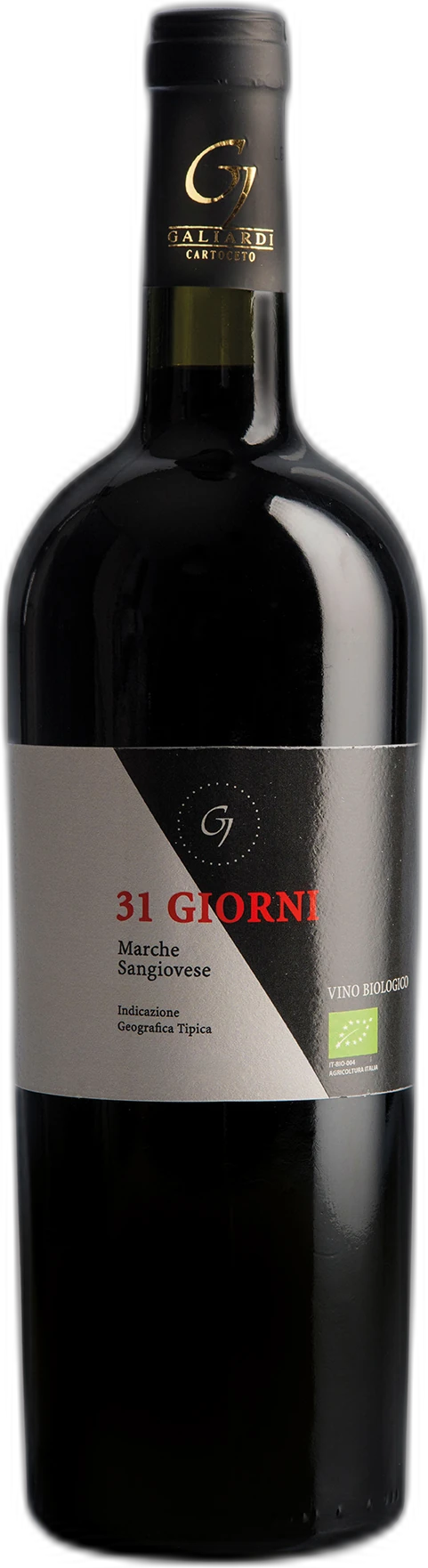
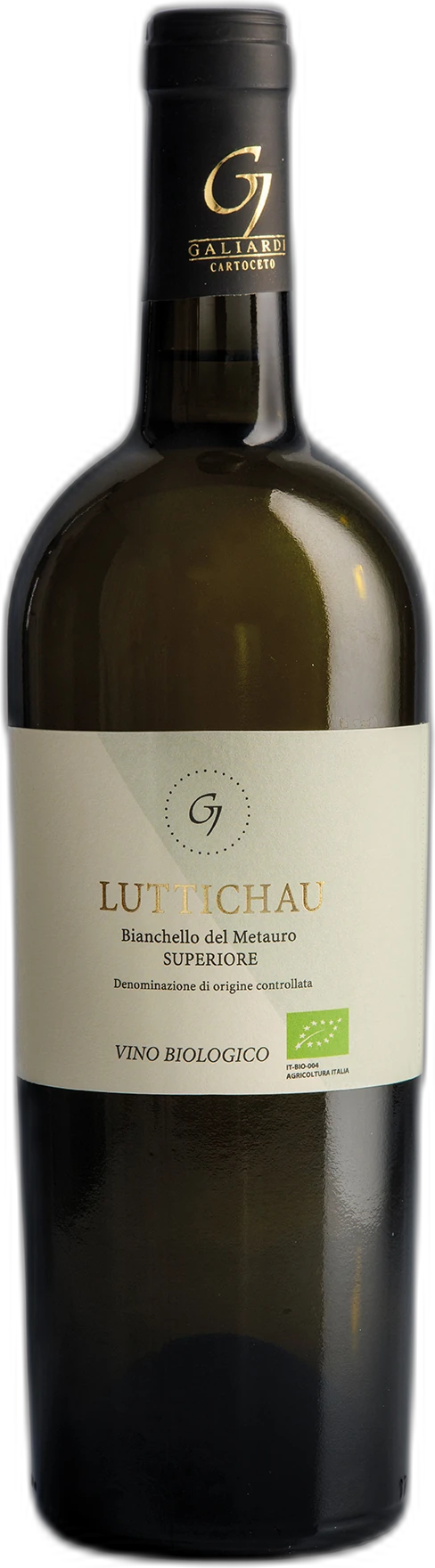
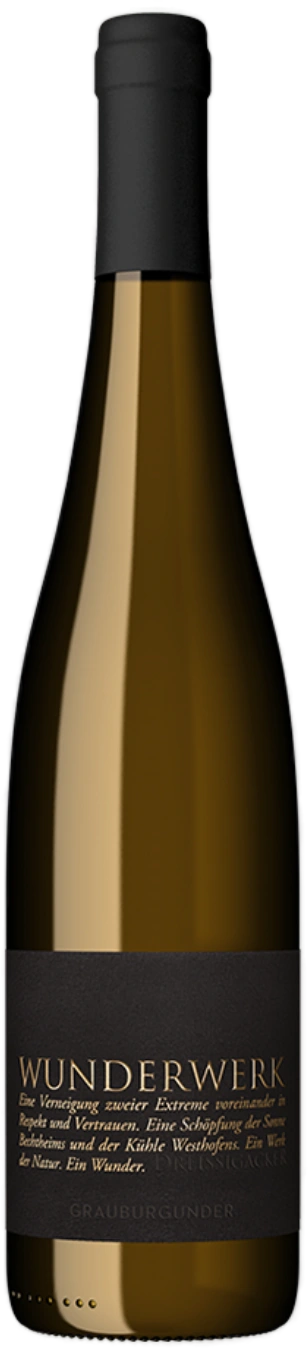
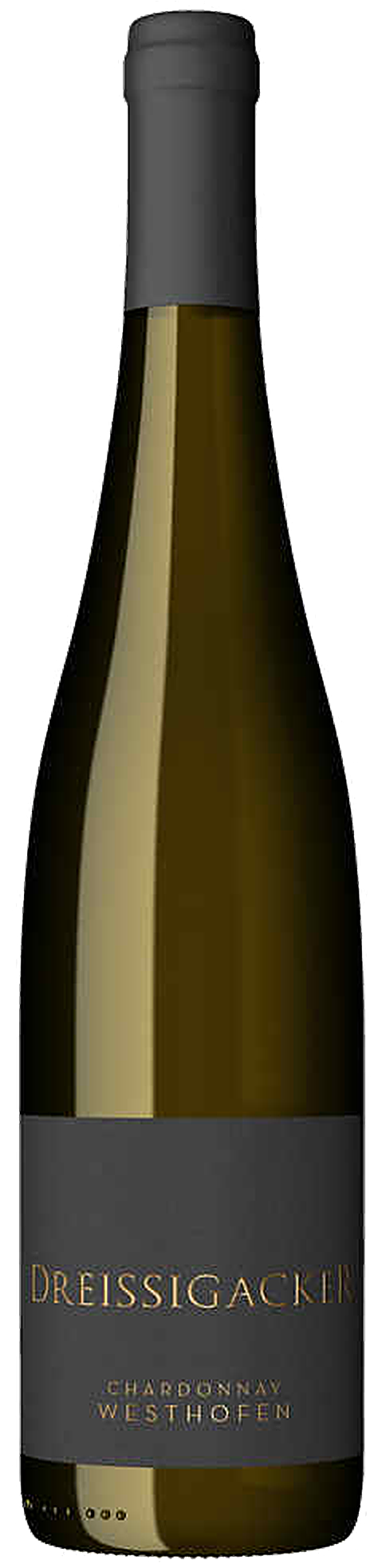
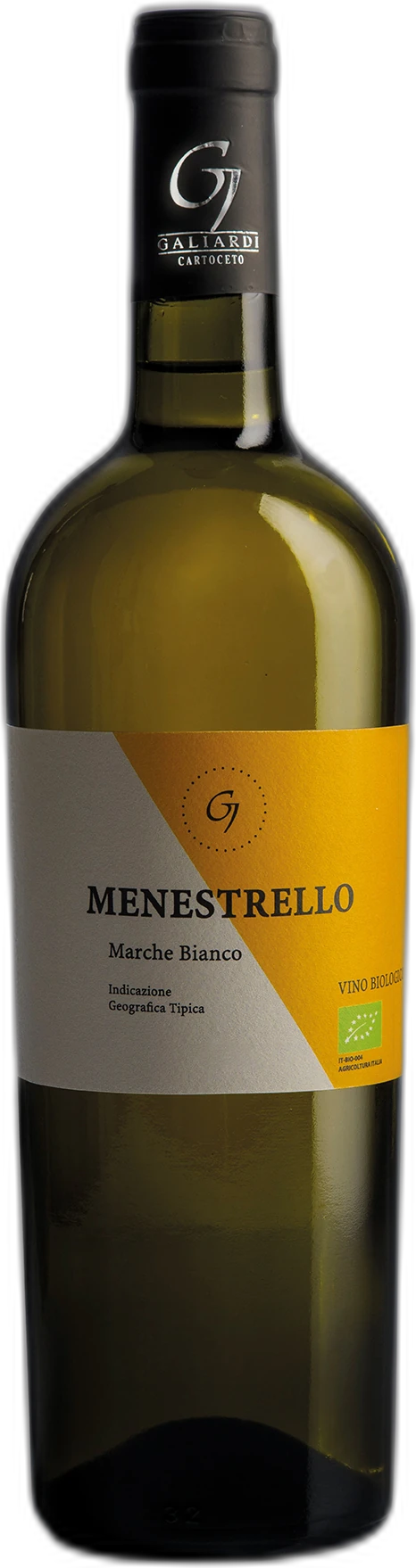
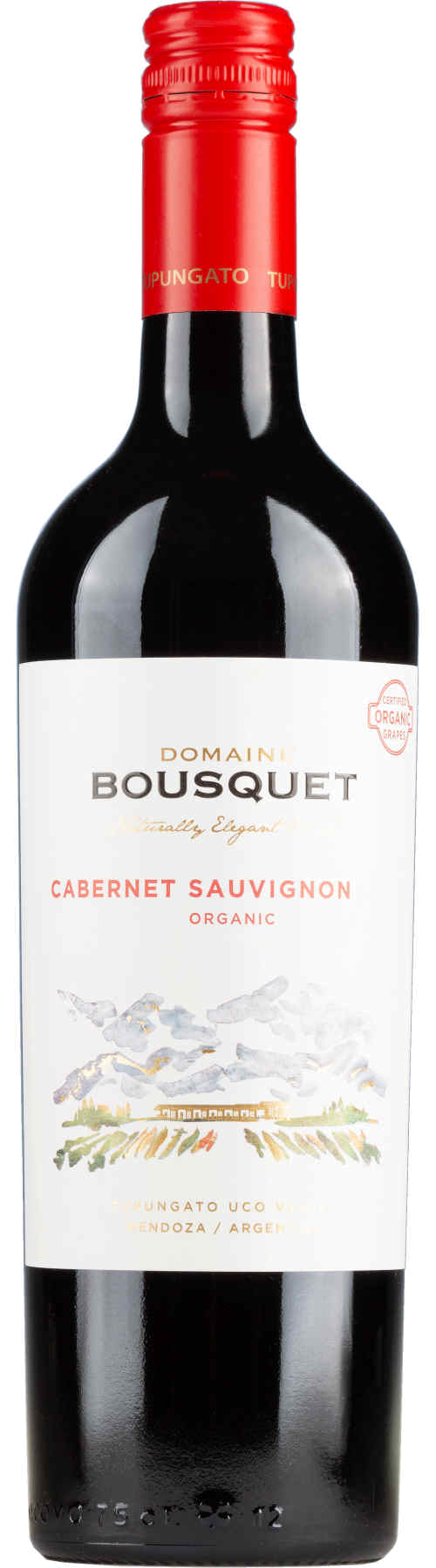
There are wines that taste of the cellar and technology. And then there are wines that taste of the place, of the earth, of what nature had to say in a particular year. That is exactly what makes certified organic wines so special – and why more and more wine lovers are consciously choosing this type of viticulture. At Vinoscout, you will find a carefully curated selection of over 350 organic wines from all over the world, from everyday entry-level wines to true rarities for special moments.
What defines an organic wine?
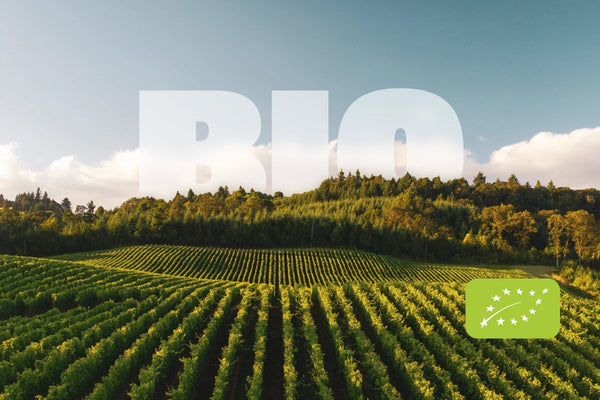
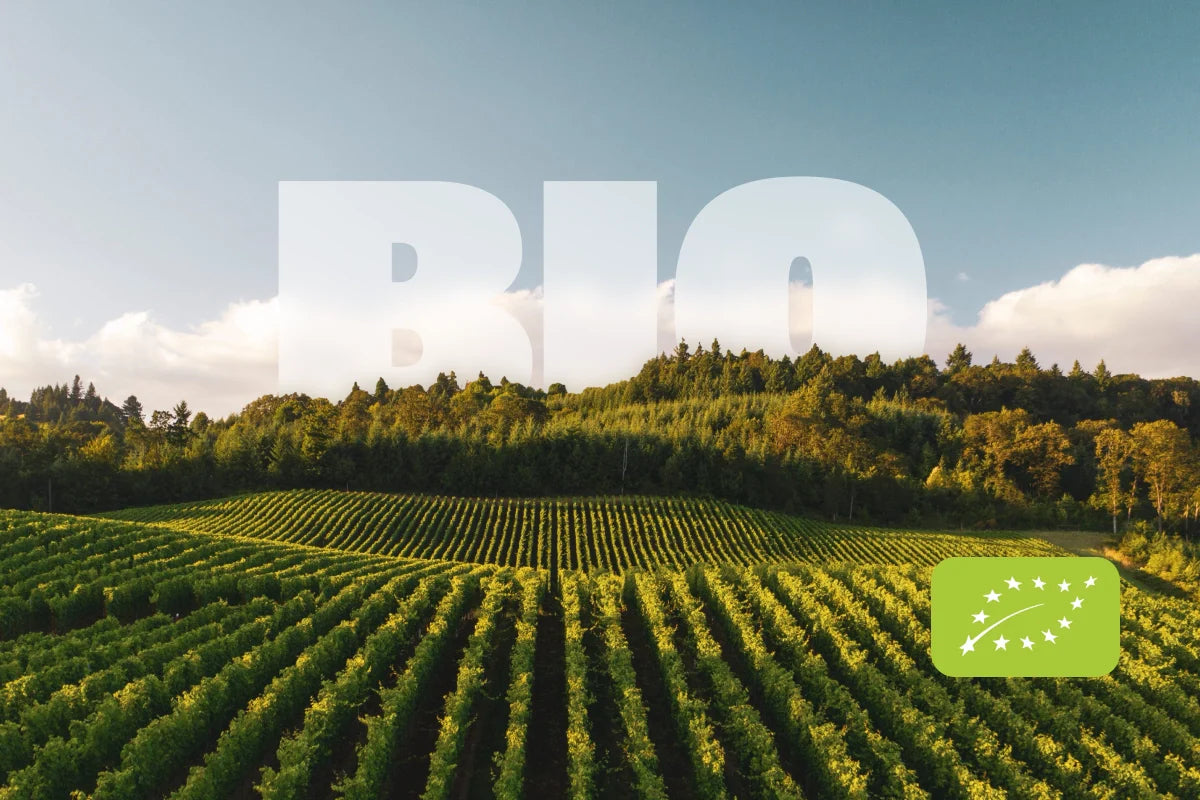
The term "organic" is clearly regulated in viticulture: anyone who carries an EU organic seal on their bottle has submitted to an independent certification. In concrete terms, this means: in the vineyard, synthetic pesticides, chemical-synthetic fertilizers, and genetically modified organisms are avoided. Instead, the focus is on natural plant protection products, compost, cover cropping, and the promotion of soil health. Some winemakers go a step further and work according to the stricter guidelines of Demeter or other biodynamic associations – here, the vineyard is viewed as a living overall system in which lunar rhythms, animal husbandry, and the plant world interact.
What does that mean in the glass? Often a greater vitality, freshness, and expressiveness. Soils that have not been compacted or leached by chemicals pass their character on to the vine more directly. You can taste that.
The variety in the organic range
Organic wine is not a style – it is an attitude. And this attitude is reflected in the most diverse wines:
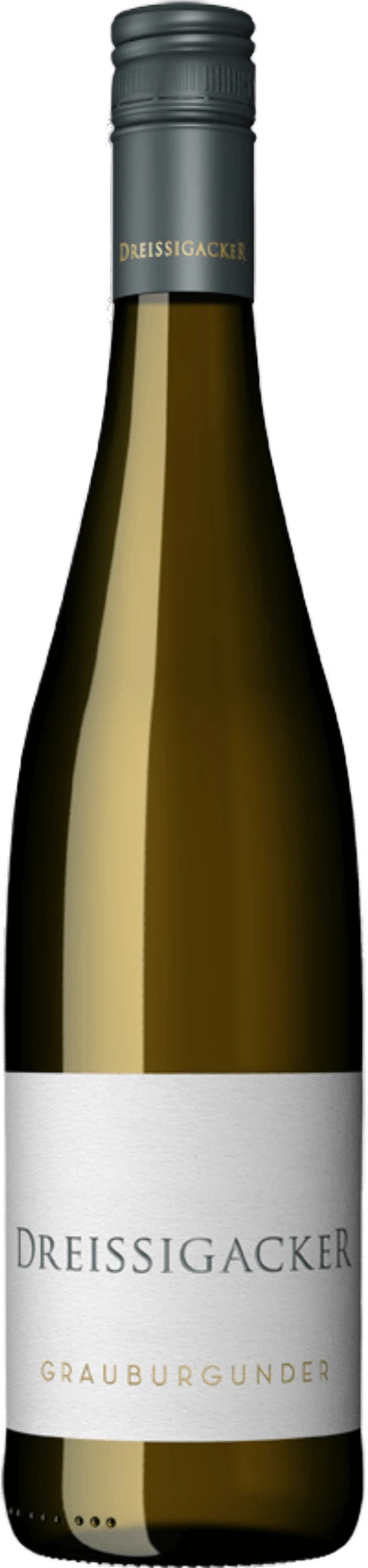
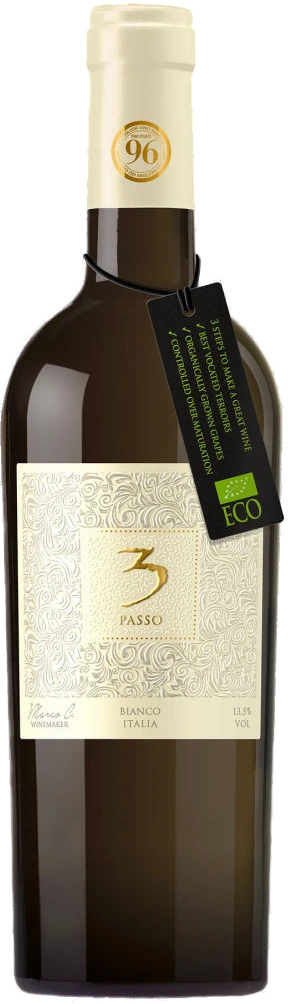
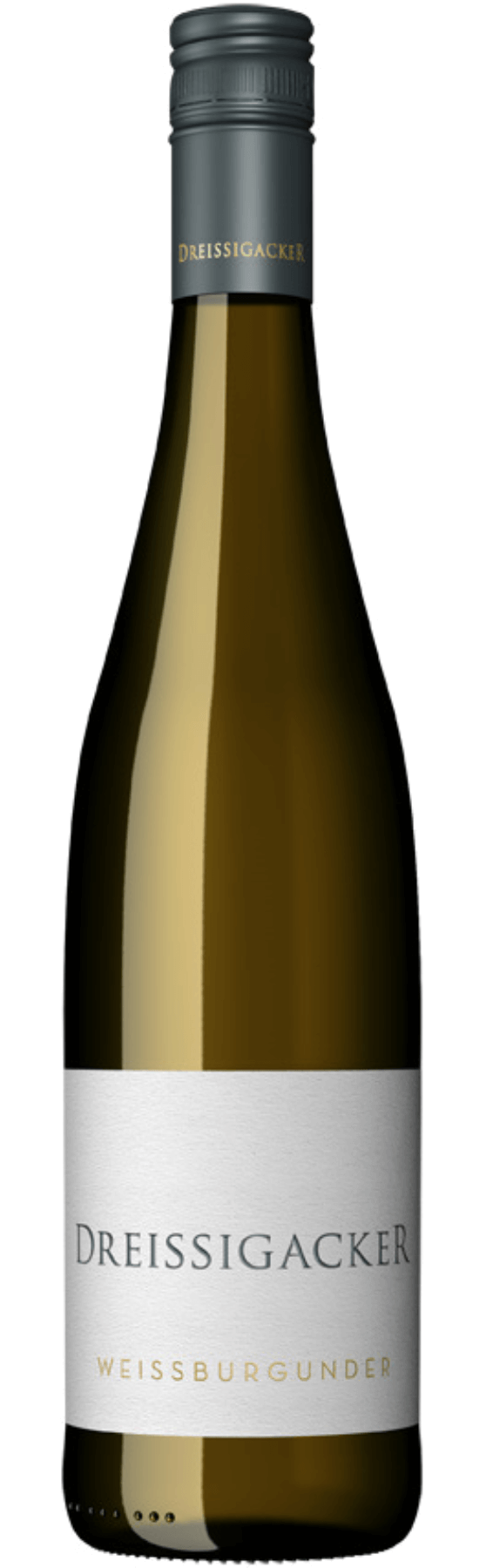
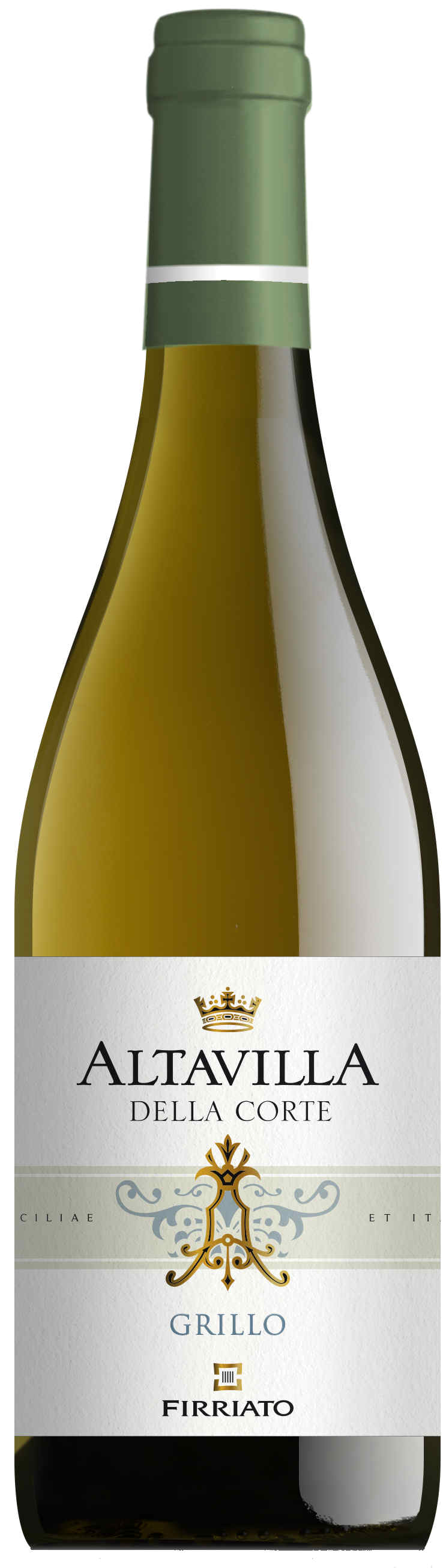
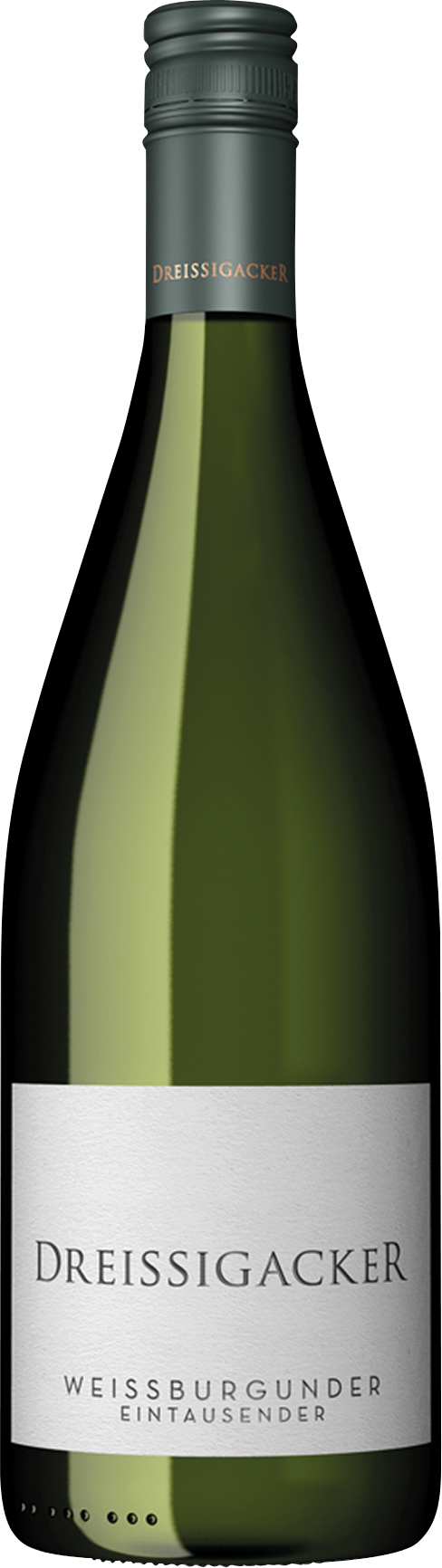
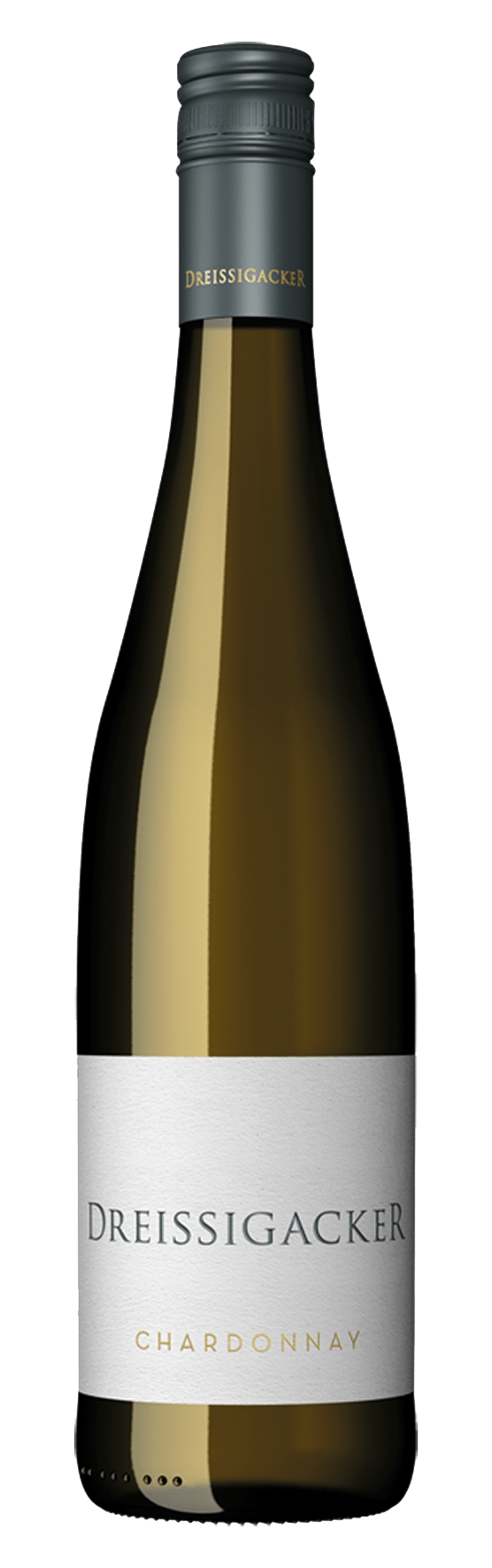
- Fresh white wines from organically managed vineyards in Germany, Austria, or the Palatinate – mineral, lively, with clear fruit.
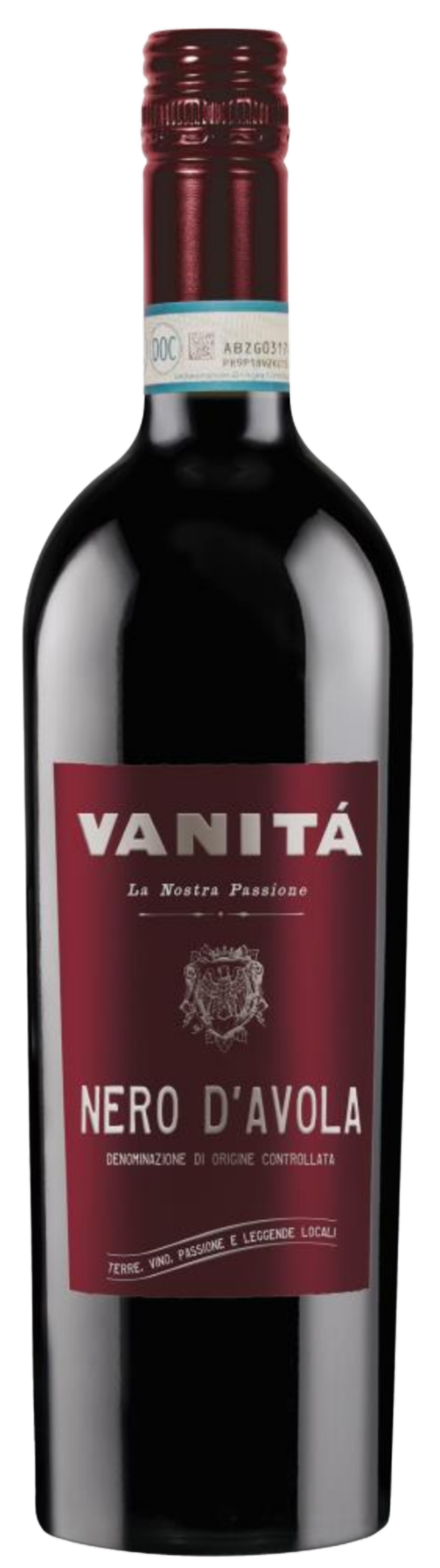
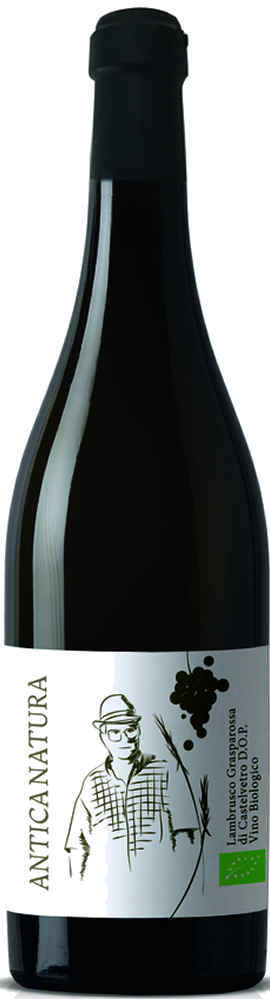
- Powerful red wines from the south of Europe, where organic cultivation meets intense sunlight and old vines.
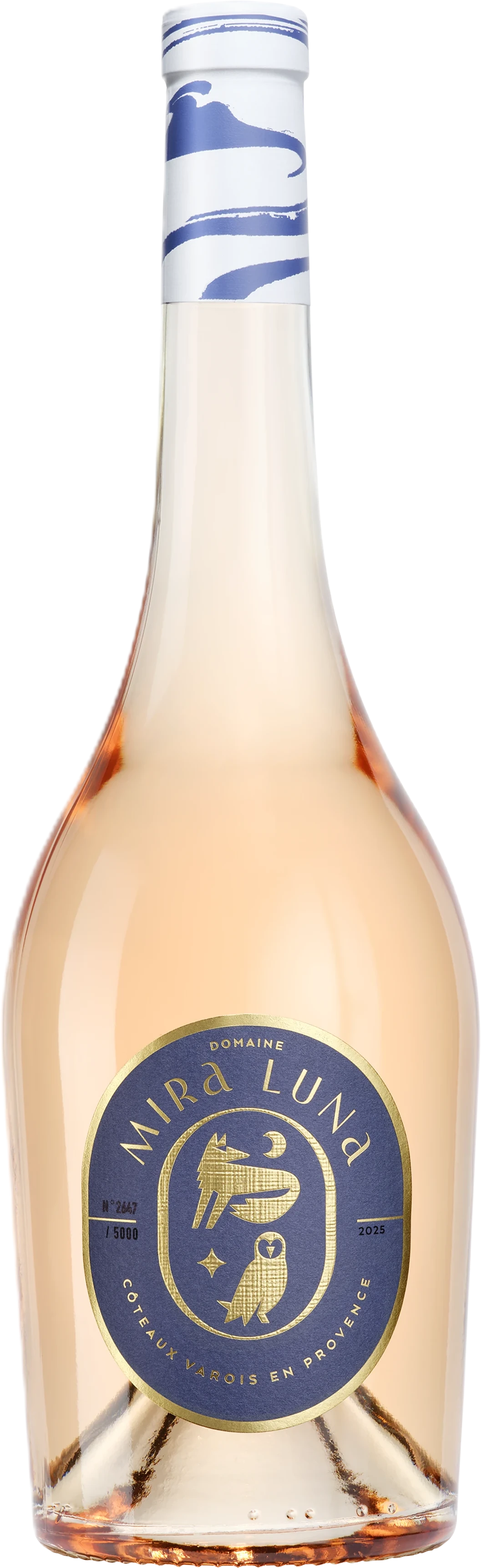
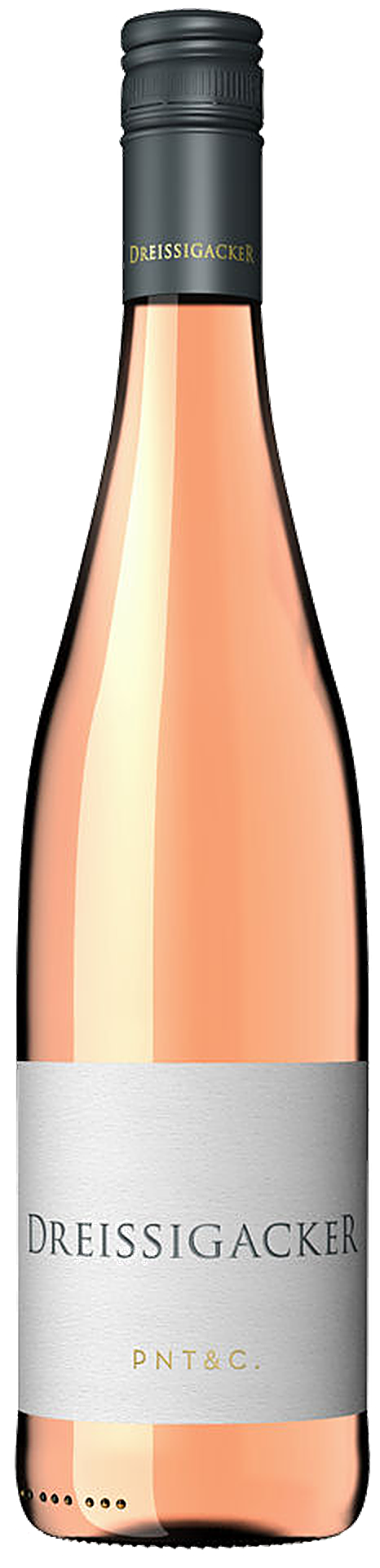
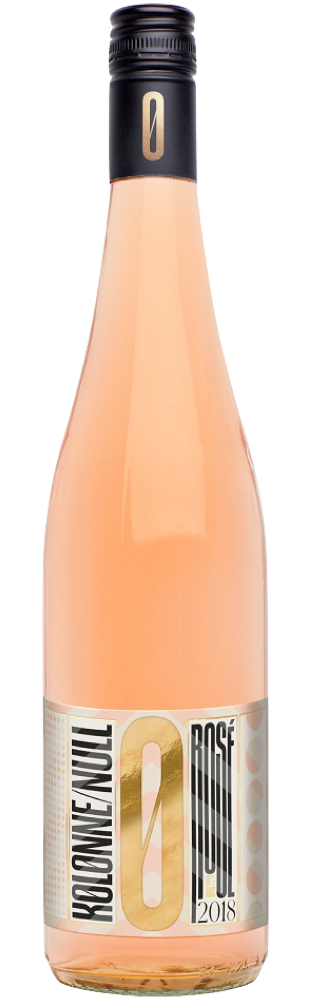
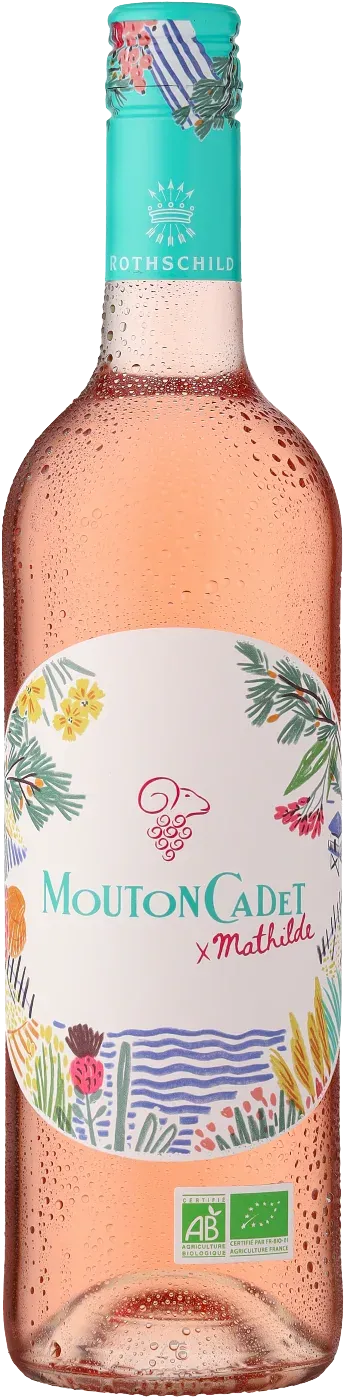
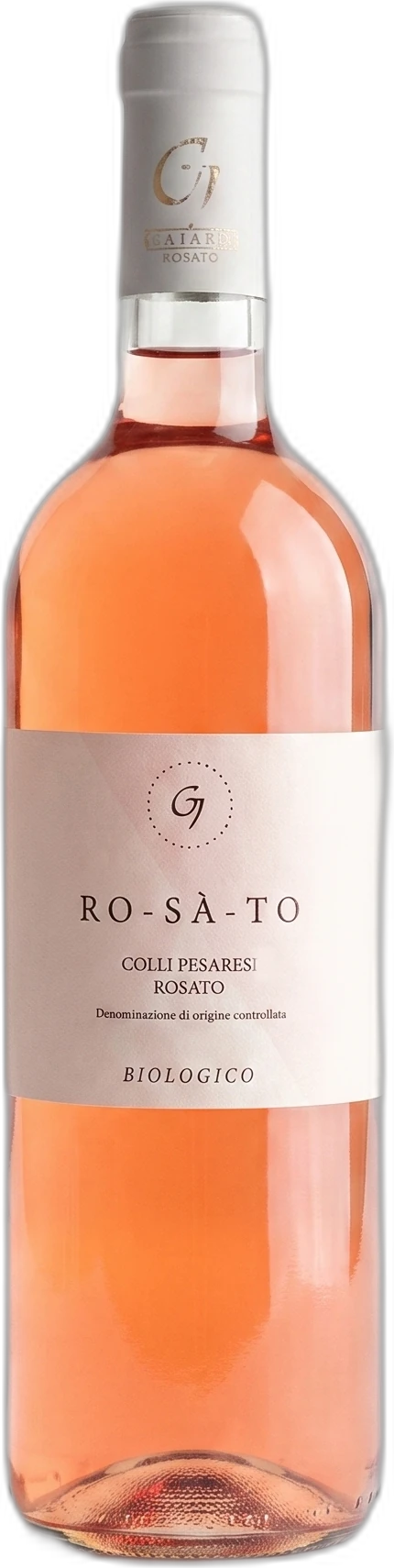
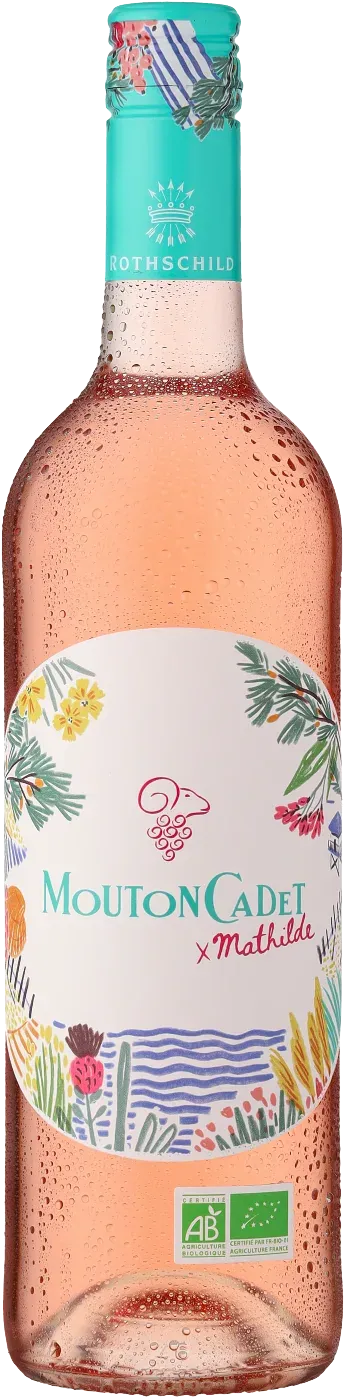
- Natural rosé wines for uncomplicated enjoyment – light, aromatic, perfect for warm evenings.
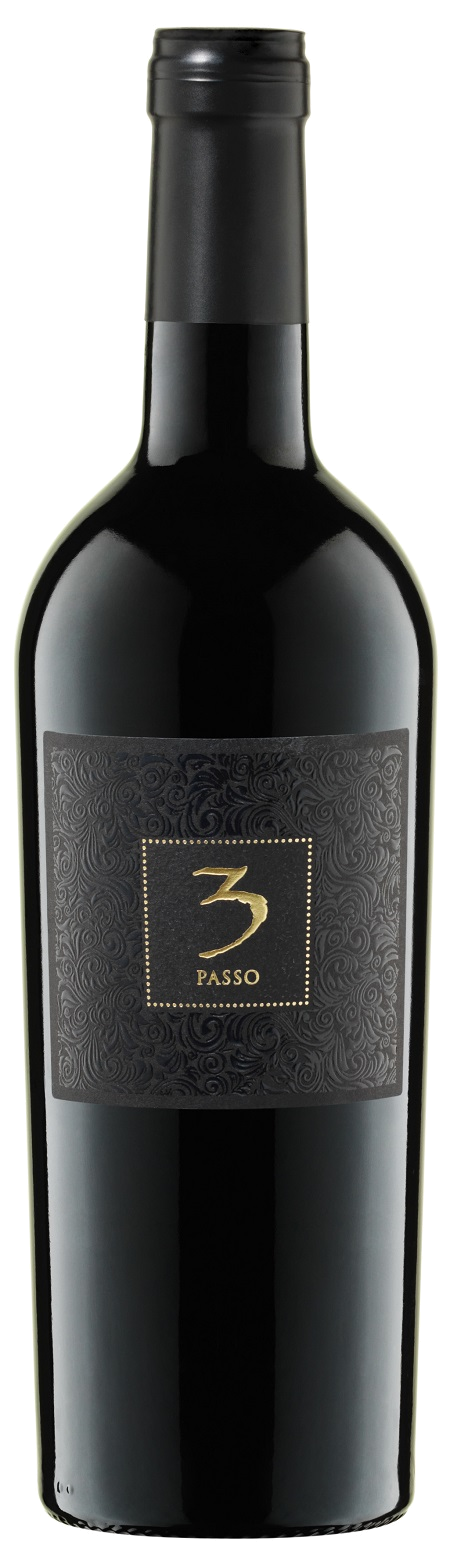
- Biodynamic top wines from winemakers who understand their business as an overall organism and produce wines of extraordinary depth.
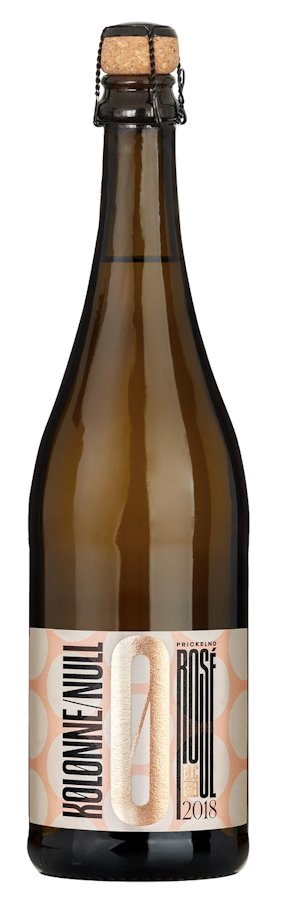
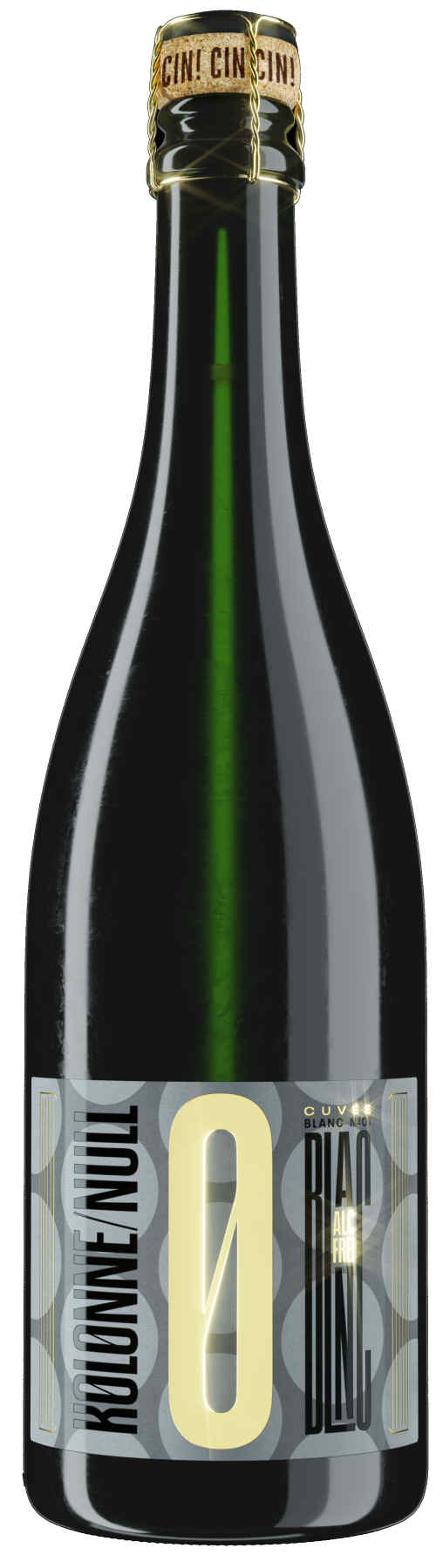
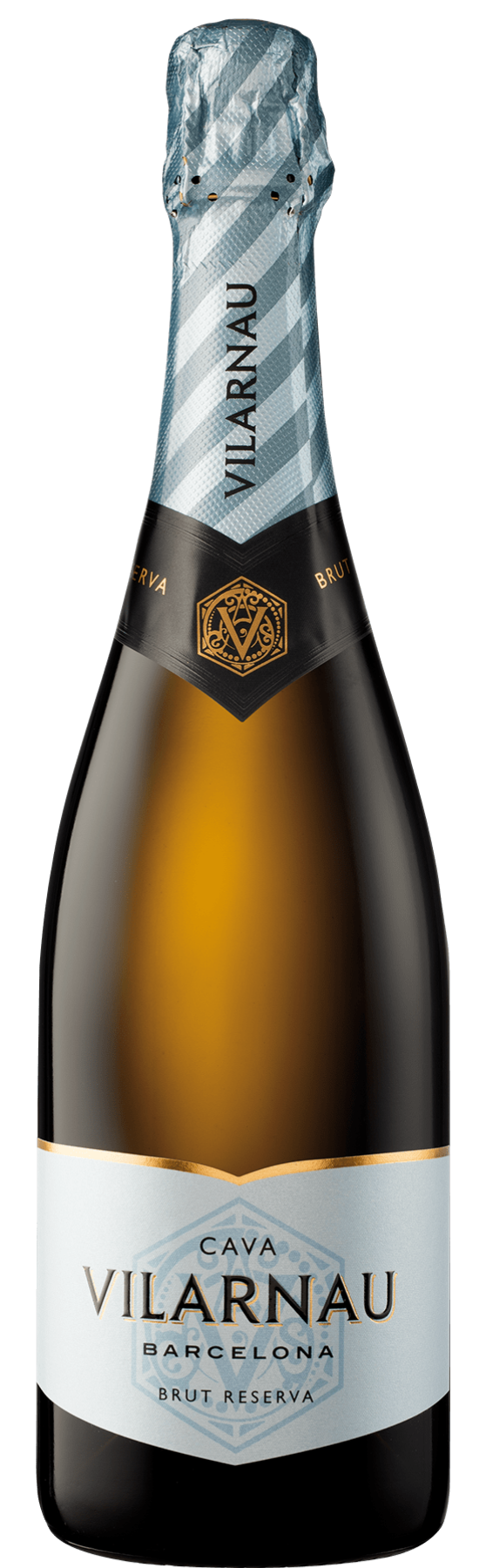
- Sparkling wines and Sekt from organic cultivation – because the aperitif can also have an attitude.
With prices between 6.95 and 229.41 euros, there is something for every occasion and every budget.
Origin and production – what you should know
Organic wines come from all major wine regions of the world. Producers from Germany, Austria, France, Italy, and Spain are particularly well represented – countries with a long tradition in organic viticulture. Many of these winemakers have been working in family businesses for generations and have made the switch to organic out of conviction, not out of marketing calculation.
In the cellar, the rule for certified organic wines is also: as little intervention as possible. Permitted additives are strictly limited, and the use of sulfur is significantly reduced. The result is wines that appear more authentic, livelier, and often more complex than conventionally produced comparable wines.
For which occasions are organic wines suitable?
Honestly: for all of them. But a few recommendations from practice:
- For cooking and enjoying in everyday life – a fresh organic white wine with a home-cooked pasta dinner is simply fun.
- As a gift – anyone who wants to bring someone something special is always right with a certified organic wine.
- For conscious wine evenings – when you have guests who value origin and production.
- For vegetarian or vegan cuisine – many organic wines are also vegan, which makes the combination particularly harmonious.
- As an introduction to the world of wine – anyone starting to take an interest in wine will often find uncomplicated, expressive companions in organic wines.
Buy organic wine at Vinoscout – how to find your wine
Our range includes exclusively certified organic wines – no greenwashing, no exceptions. Every wine you see here carries a recognized organic certificate. Use the filters to sort by grape variety, origin, price, or certification (EU organic, Demeter, Bioland, etc.). If you are unsure which wine suits you, take a look at the product descriptions – we will explain what awaits you in the glass, without technical jargon.
Our tip: Start with a Sample pack or choose specifically according to the occasion. Whether you are looking for a light summer white or a biodynamic red wine for a special evening – with over 350 wines, you will find what you are looking for. And once you have tried an organic wine that really convinces you, you will understand why this type of viticulture has so many enthusiastic followers.