From Trapani to the world: How the Di Gaetano family redefined Sicily
In 1985, Salvatore Di Gaetano and his wife Vinzia Novara bought vineyards in the municipality of Paceco near Trapani and began modernizing them. What started as a family project in the far west of Sicily is today one of the most famous wineries on the island — and in Italy. From the beginning, the two were driven by the proof that the region around Trapani is capable of producing wines with their own character. In the 1990s, the house brought in oenologists and developed a consistently site-specific vinification style. Today, the second generation continues to run the winery: daughter Irene Di Gaetano and her husband Federico Lombardo di Monte Iato are jointly responsible for operations and strategy.
Six estates, three terroirs, a consistently organic concept
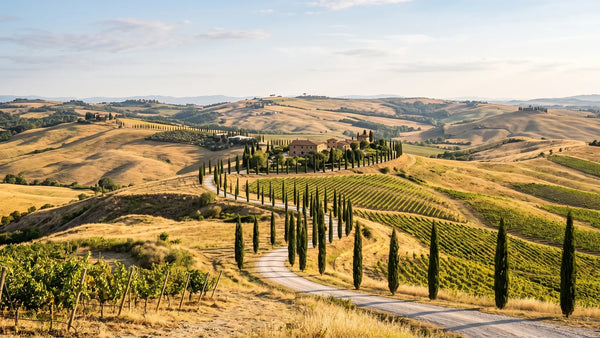
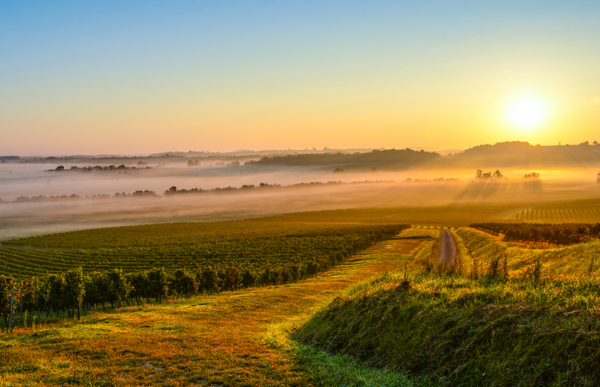
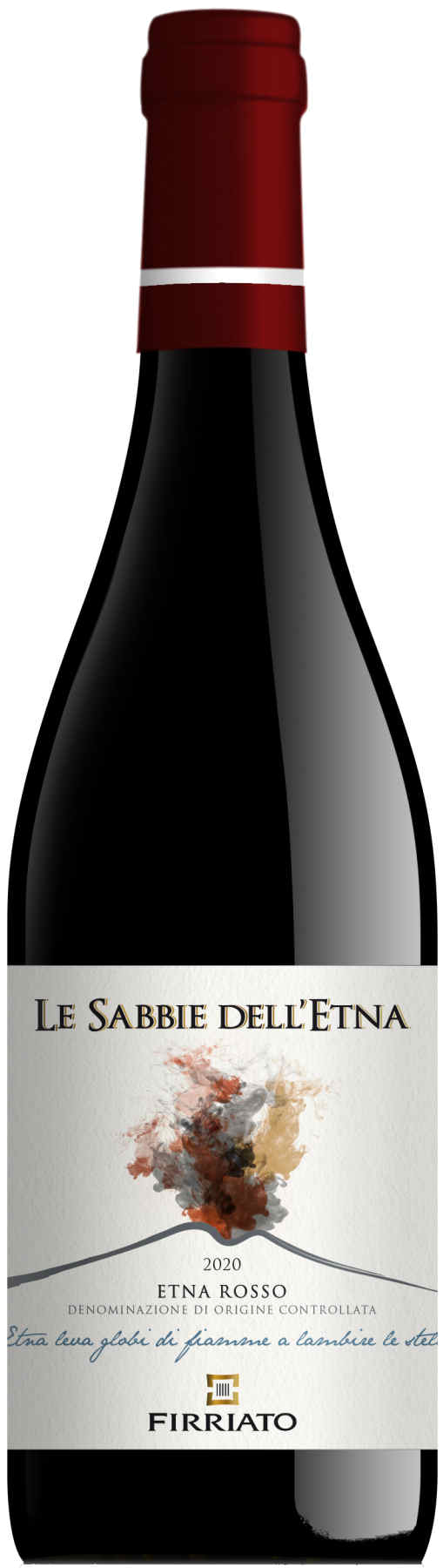
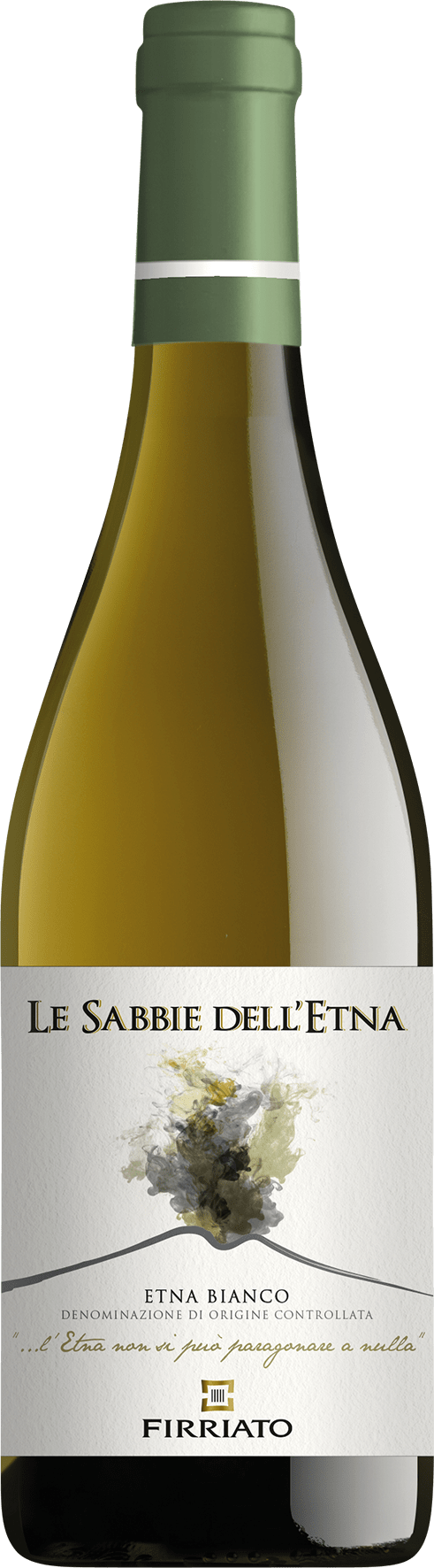
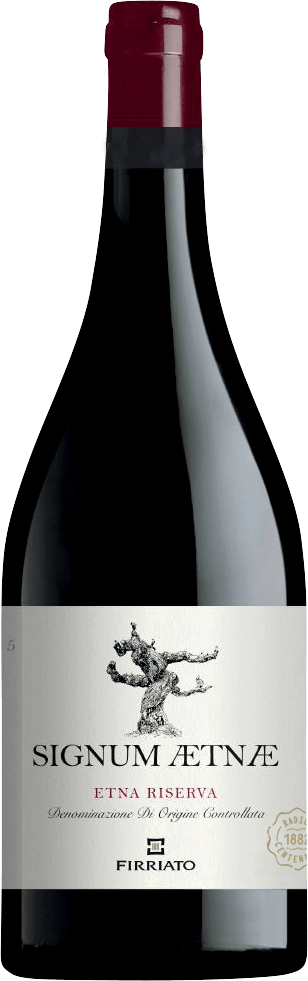
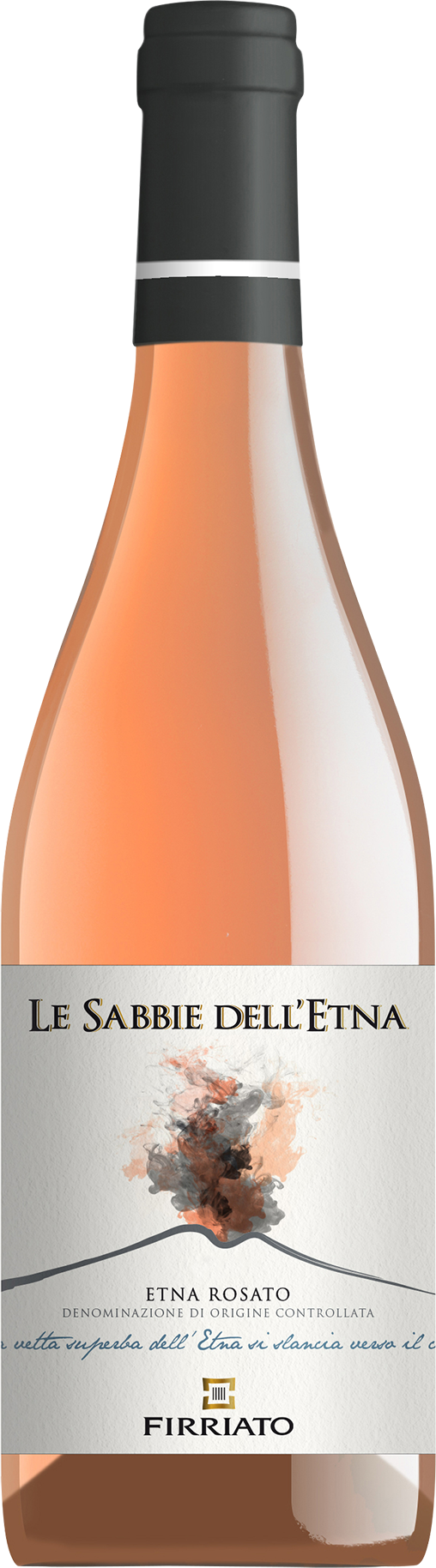
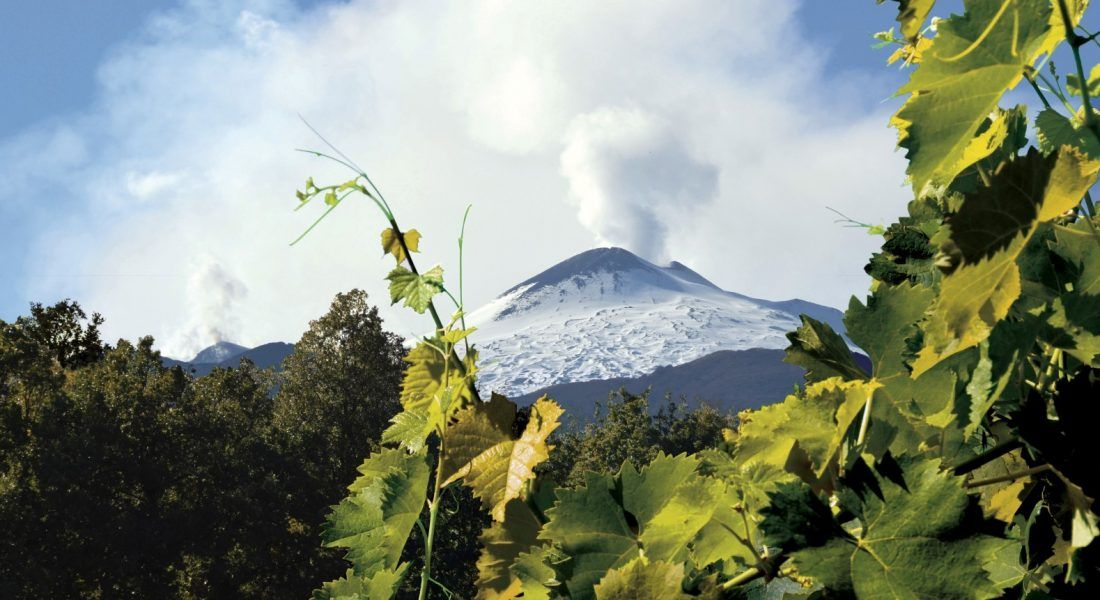
Firriato's vineyard area extends over around 300 hectares, spread across three fundamentally different terroirs of Sicily: the hilly tuff and red loam landscape around Trapani, the volcanic slopes of Mount Etna with the Cantine Cavanera facility, and the island of Favignana off the coast of Trapani. On Mount Etna, Firriato guards pre-phylloxera vines of the Nerello Mascalese variety — a treasure that makes the estate one of the first wineries to systematically cultivate it. On Favignana, viticulture literally comes from the rock: the flat sea island location and the sandstone shape a completely different type of wine than the inland estates around Trapani.
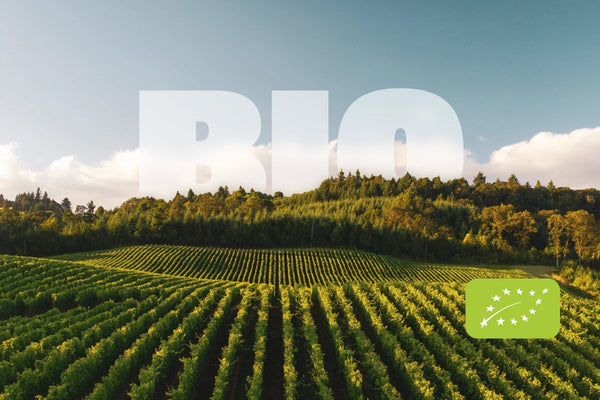
Since 2017, all vineyards have been BioAgriCert certified. The estate consistently avoids herbicides and pesticides and relies on precision vinification: each plot is harvested and vinified separately before the best batches are blended into cuvées. Aging takes place in stainless steel tanks or oak barrels, depending on the line. Gambero Rosso named Firriato Winery of the Year.
Autochthonous grape varieties as a foundation, terroir as a goal
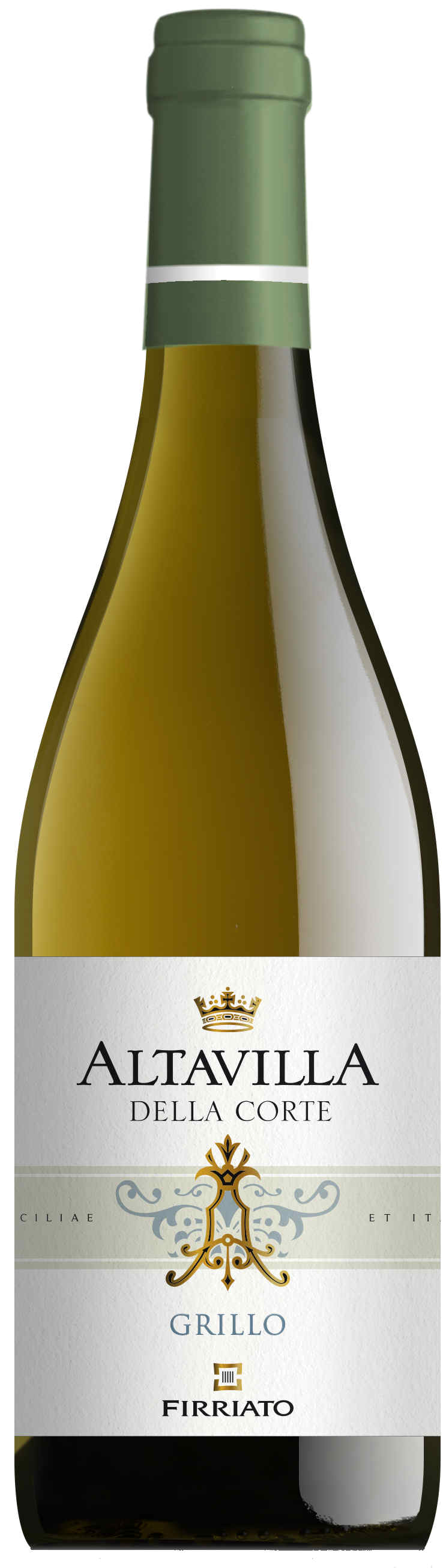
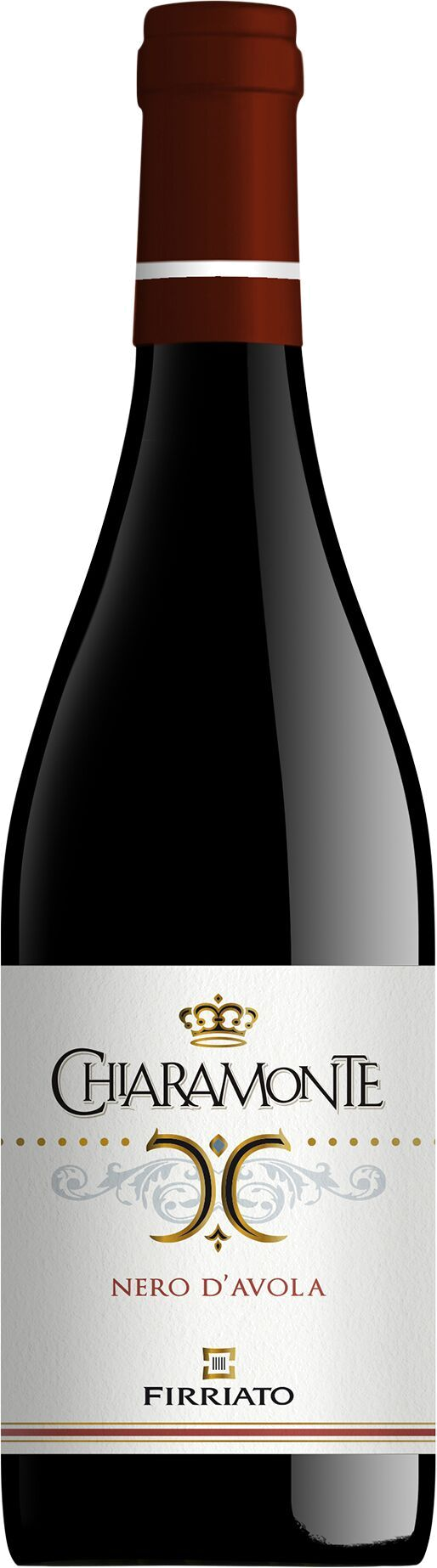
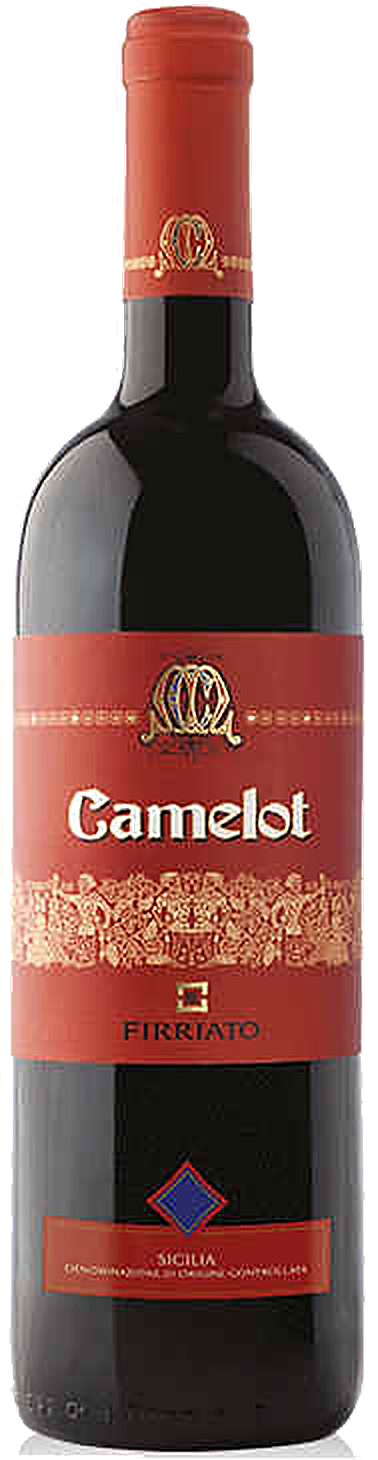
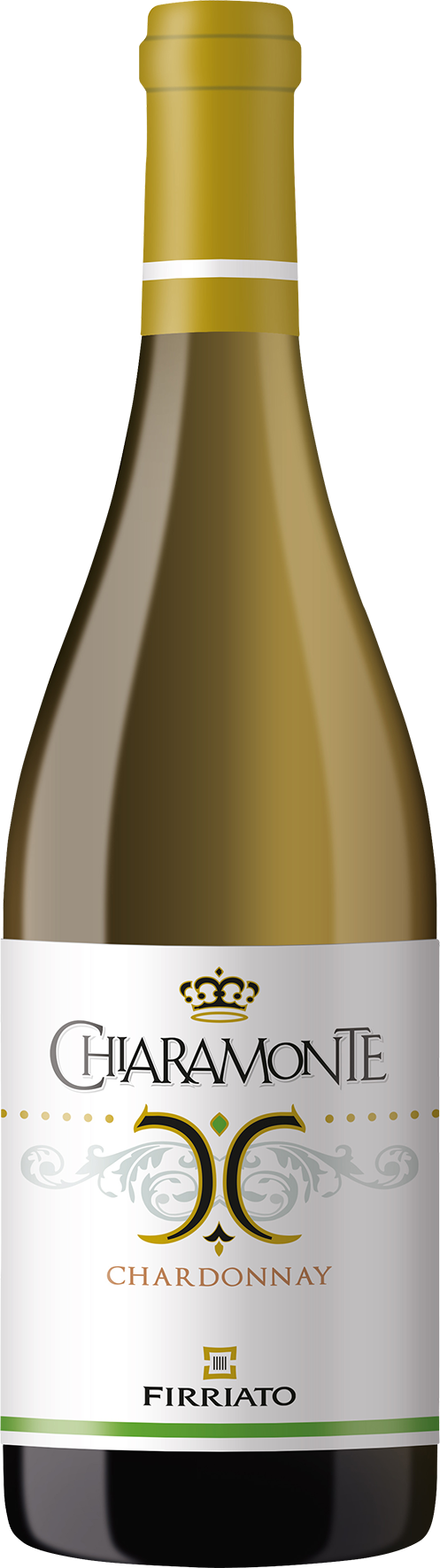
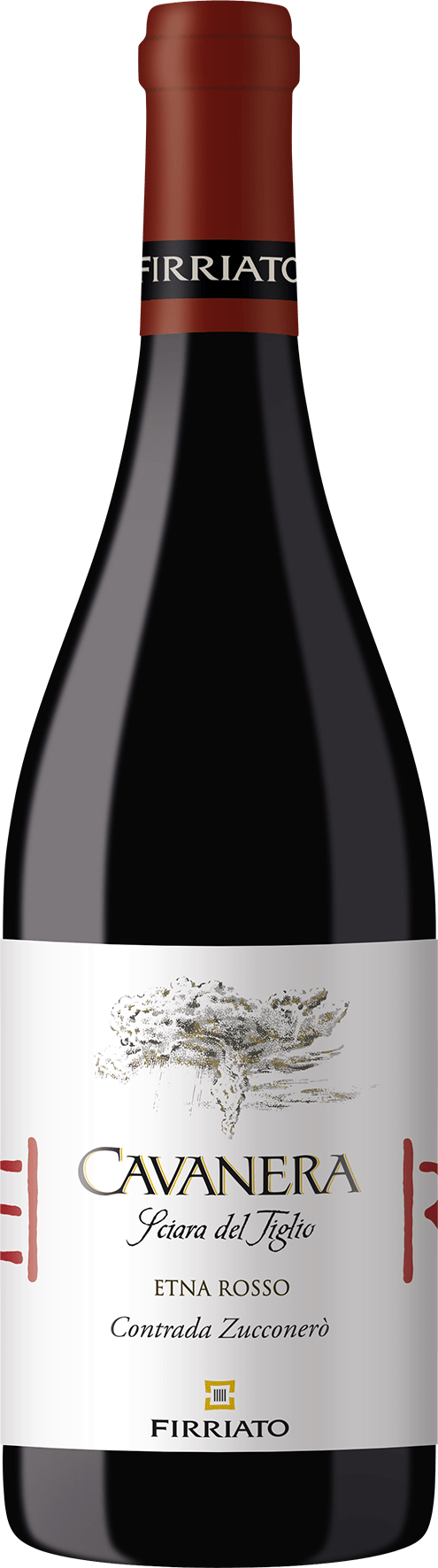
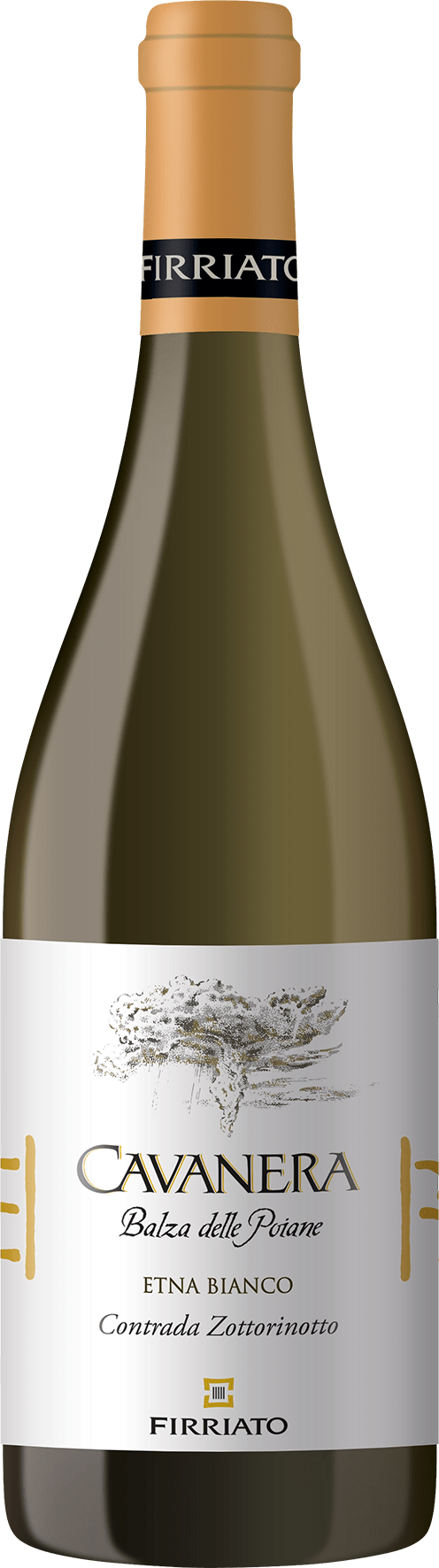
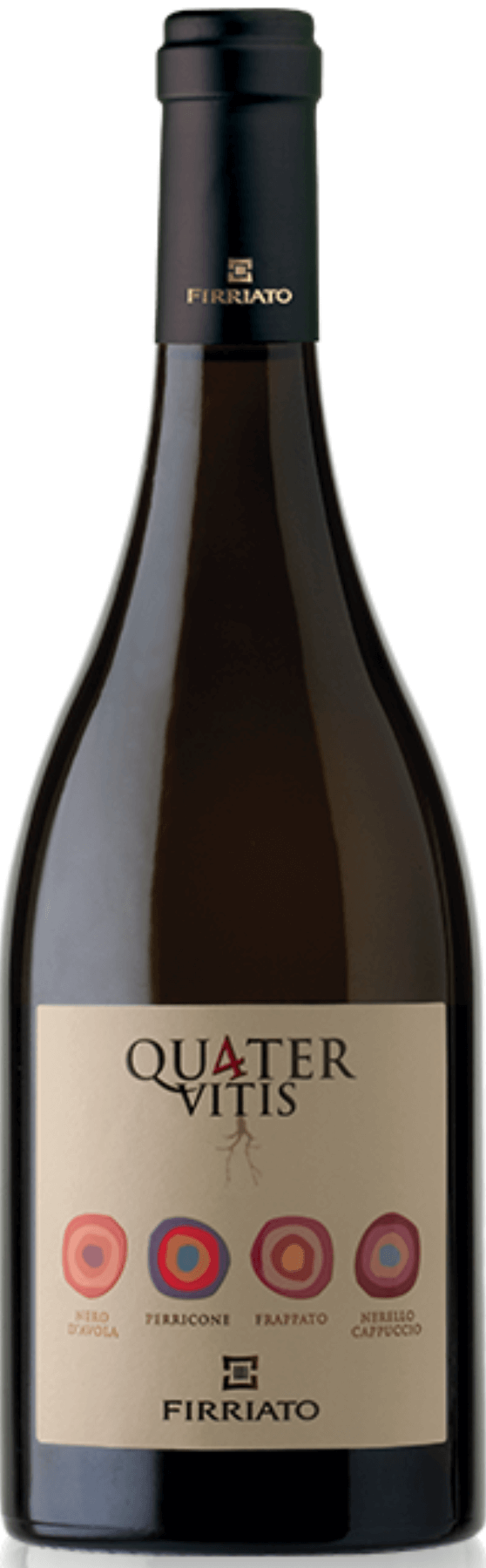
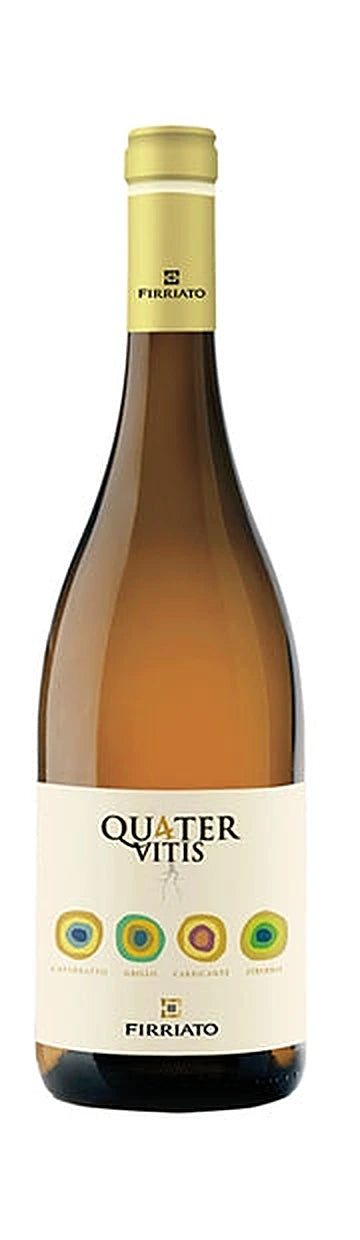
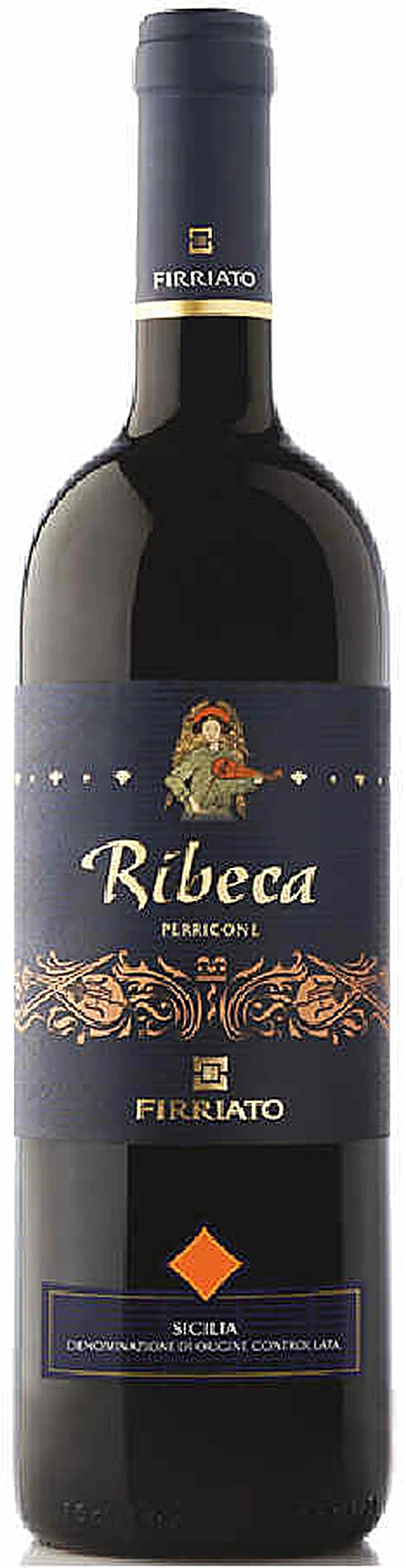
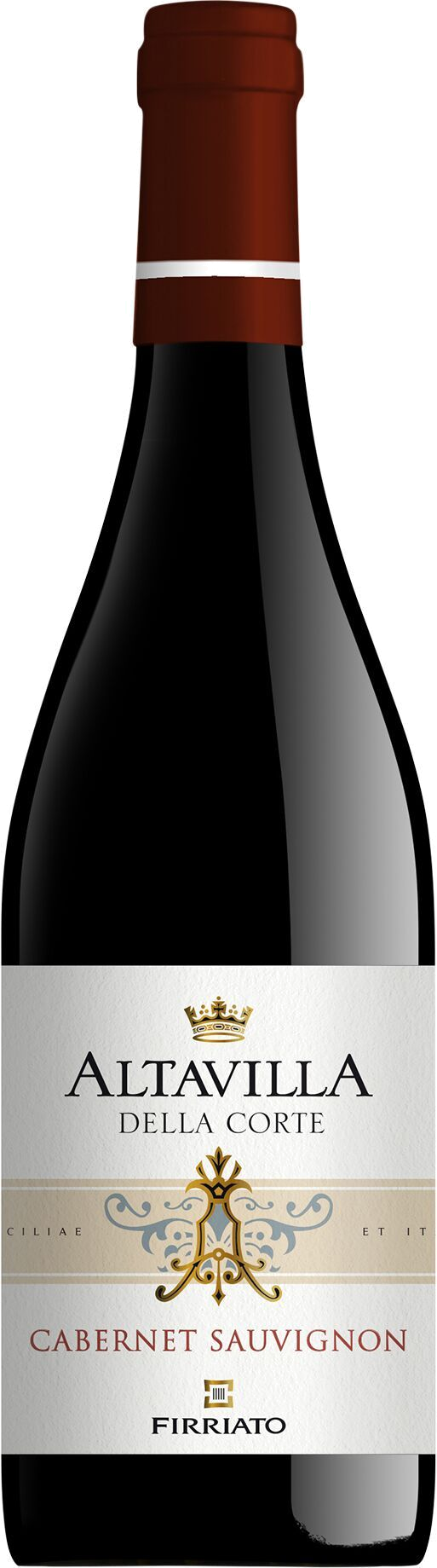
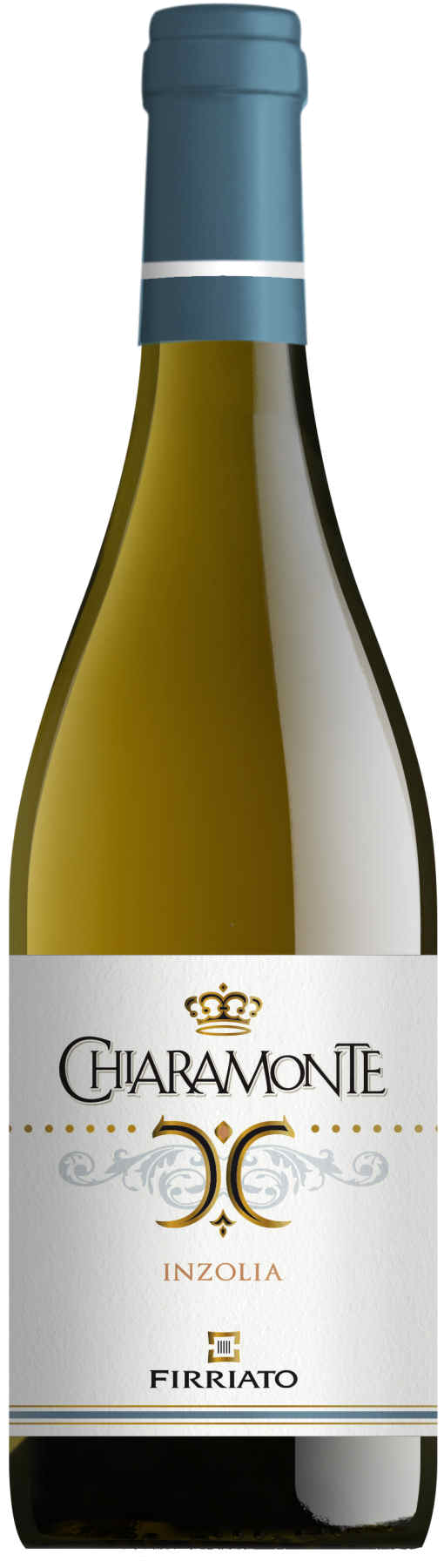
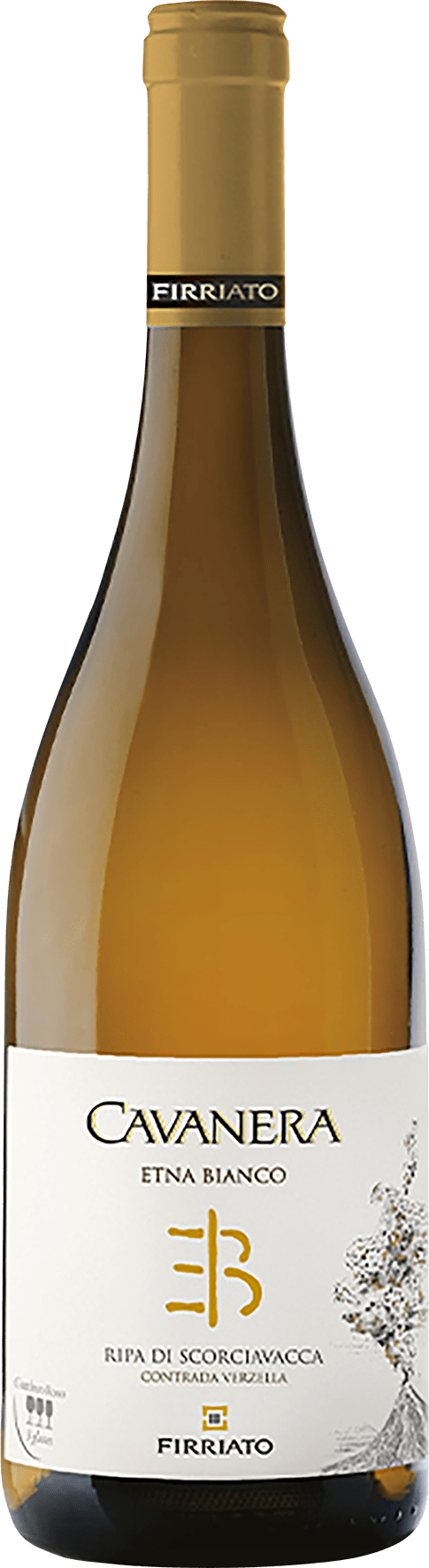
The range includes Nero d'Avola and Grillo as lead grape varieties, supplemented by the rarer Catarratto, Perricone, Ansonica, and Zibibbo, as well as international varieties such as Cabernet Sauvignon, Syrah, and Chardonnay. The wines from the Altavilla line — including Cabernet Sauvignon and Grillo Sicilia — show the classic, accessible side of the house. The Cavanera series from Mount Etna, in particular the Etna Bianco DOC Ripa di Scorciavacca and the Rosso Sciara del Tiglio, stands for the cooler, mineral side of Firriato — with volcanic rock as a foundation and longer maturation time. The Camelot Sicilia DOC combines international grape varieties with Sicilian warmth to create a full-bodied red wine with aging potential. Three-quarters of the annual production of around 4.25 million bottles goes to more than 30 countries — an export share that proves how far the trust in this style reaches.