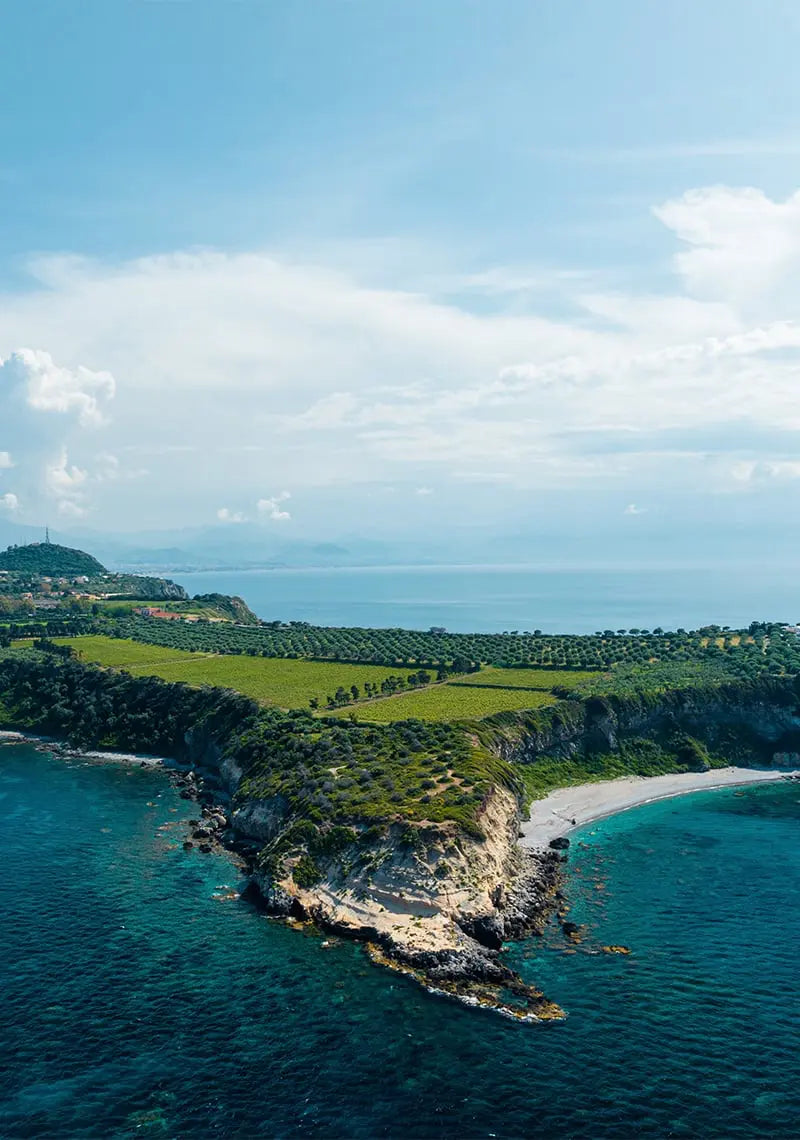
Sicily · Italy
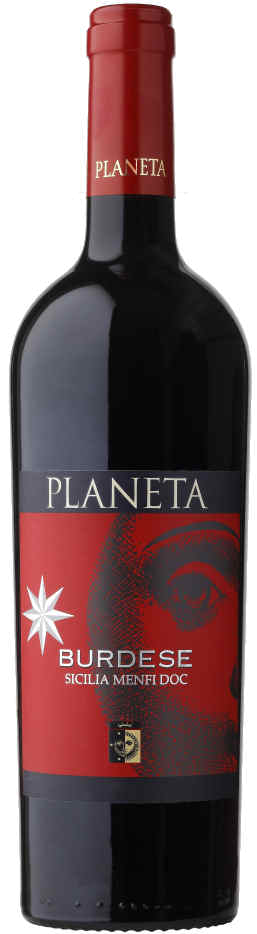
Planeta
Read more Read less
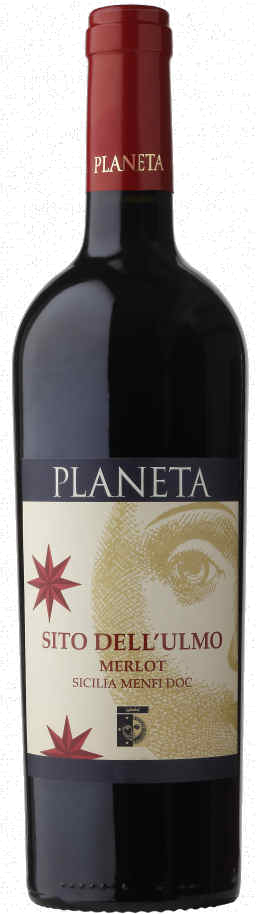
The descendants of the Planeta family have now grown up. Around the fortress of Ulmo in southwestern Sicily, where the land has been cultivated for five centuries, the spark ignited new ideas and projects for viticulture. Here, the first vineyard was planted with vines in 1985. Since then, various generations of brothers and sisters, children and grandchildren have worked side by side. Their perfect understanding is based not only on the harmony of their personalities and the complementarity of their skills, but above all on a united vision: the love for this land, the desire to protect it, and the ability to imagine a new way each day to give it value.

Filters
18 products


Vinibuoni d'Italia – Corona Award 2026
Awarded by Vinibuoni d'Italia


James Suckling 91/100 September 2024
Awarded by James Suckling
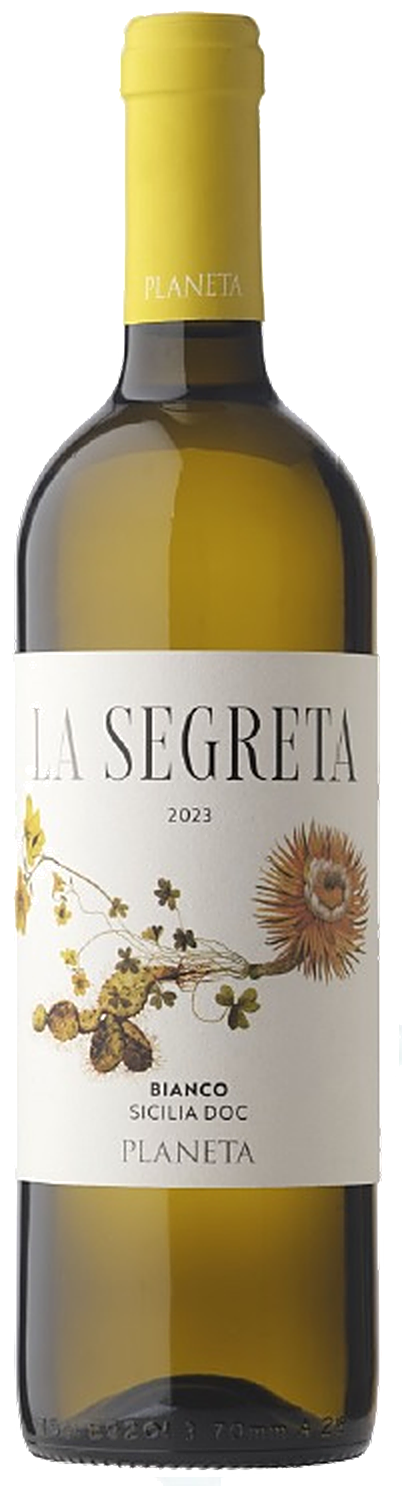
The Global Rosé Masters 2025 Gold
Awarded by The Drinks Business / Global Wine Masters
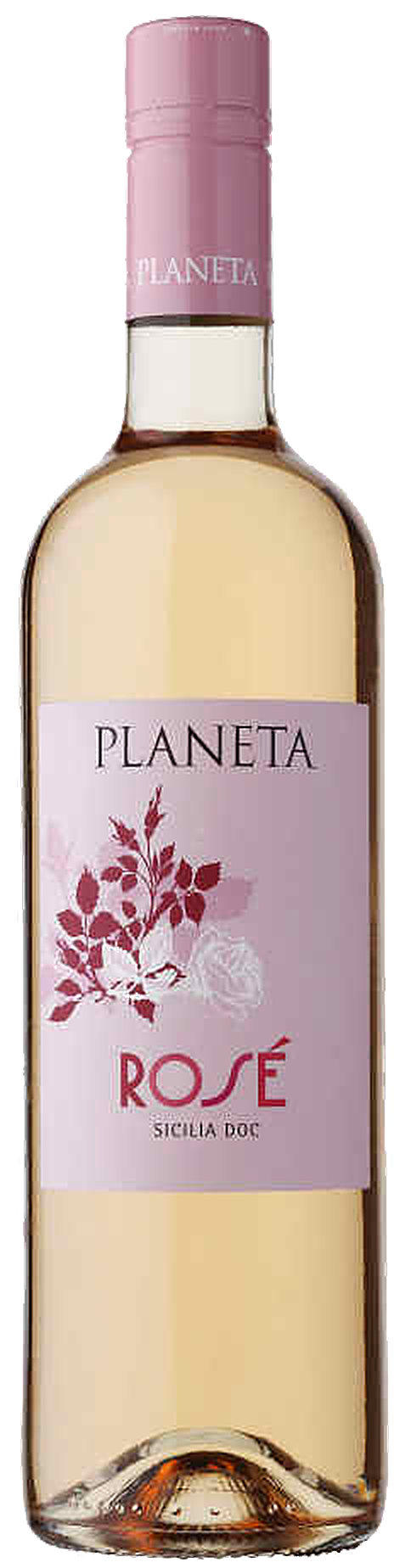
Wine Enthusiast Best Buy 2023
Awarded by Wine Enthusiast Magazine
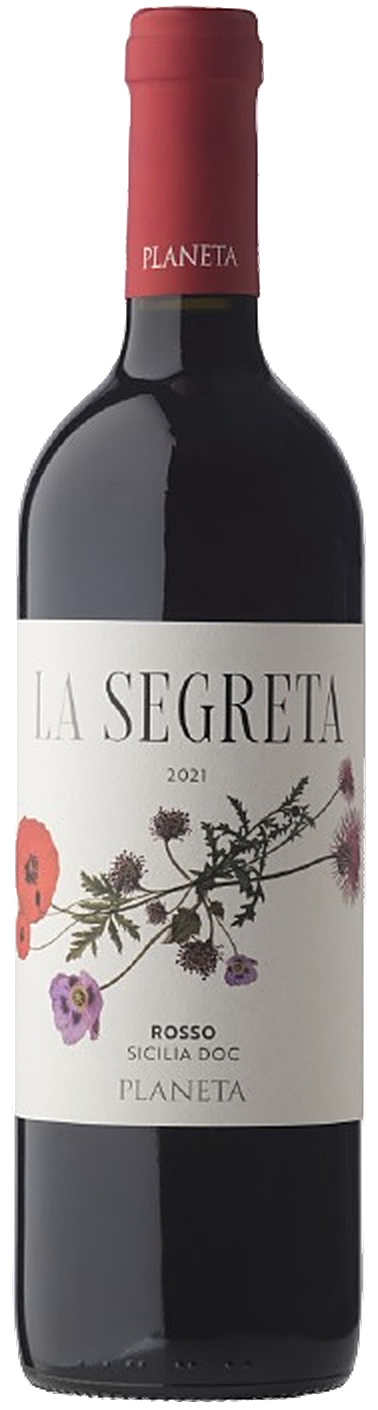
Wine Enthusiast Bewertung
Awarded by Wine Enthusiast


Asia Wine Ratings Bronze Medal 2025
Awarded by Asia Wine Ratings


Falstaff Rating 2021
Awarded by Falstaff

Wine Enthusiast Bewertung
Awarded by Wine Enthusiast

Falstaff 90 Punkte 2020
Awarded by Falstaff
Wine Spectator Award
Awarded by Wine Spectator

Vinous Antonio Galloni Award
Awarded by Vinous (Antonio Galloni)
About Planeta
Five centuries of land, three cousins, one first harvest: the roots of Planeta
The Planeta family has been cultivating Sicilian land for over 500 years — 17 generations whose history begins at the Ulmo fortress between Sambuca di Sicilia and Menfi in the southwest of the island. What was initially agriculture and cooperative viticulture was shaped by Diego Planeta in the 1980s into the foundation of a new project: as chairman of the regional institute for vines and wine, he brought renowned consultants like Giacomo Tachis and Carlo Corino to Sicily and made his estates an experimental laboratory for Sicilian and international grape varieties. In 1985, the first vines were planted in Ulmo; ten years later, in 1995, the first bottles were launched under the Planeta name. Behind these first wines were three cousins in their twenties: Francesca, Alessio, and Santi Planeta. They wanted to prove that Sicily could do more than mass-produced goods — and they were right.
What began as one estate became an island-wide journey. After Ulmo, estates followed in Menfi, then Vittoria in the southeast (1997), Buonivini near Noto, Feudo di Mezzo on Mount Etna, and finally La Baronia at Capo Milazzo in the northeast. Today, Planeta comprises around 370 hectares of vineyards in five different growing regions, spread over seven wineries — and produces around 2.4 million bottles annually. The heart of the business still beats in Menfi, where administration, technology, and the family center are located.
Planeta Terra: sustainability as an attitude, not a marketing promise
Planeta is one of the co-founders of SOStain, the Sicilian program for sustainable viticulture, which was launched in 2011; the winery has been certified since 2014. In the meantime, the entire cultivated area — vineyards, olive groves, almonds, grain — is organically certified. The guideline is internally called Planeta Terra: a protocol of agronomic and operational practices that understands agriculture as a source of well-being for people and nature. Specifically, this means: economic viability, ecological awareness, and social responsibility as equal pillars. At Capo Milazzo, for example, there is a minimalist, demountable cellar made of iron and stone — deliberately built so that it can leave the territory without a trace if necessary. In addition, there is the Viti Diverse project, which aims to protect the genetic diversity of Sicilian grape varieties: over 400 older mother plants from vineyards with more than 20 years were identified and analyzed in order to secure the island's grape variety heritage for future generations.
From Menfi to Mount Etna: style, grape varieties, and the range at a glance
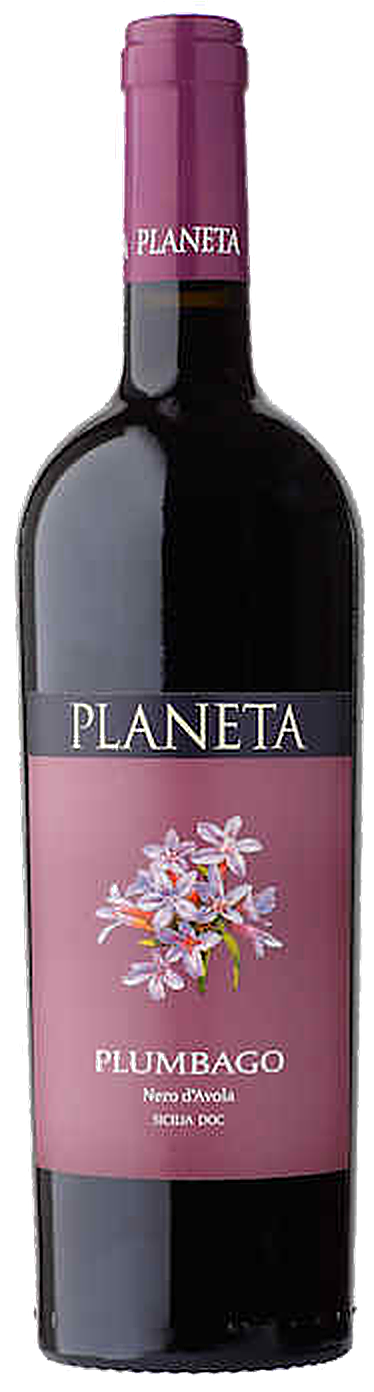
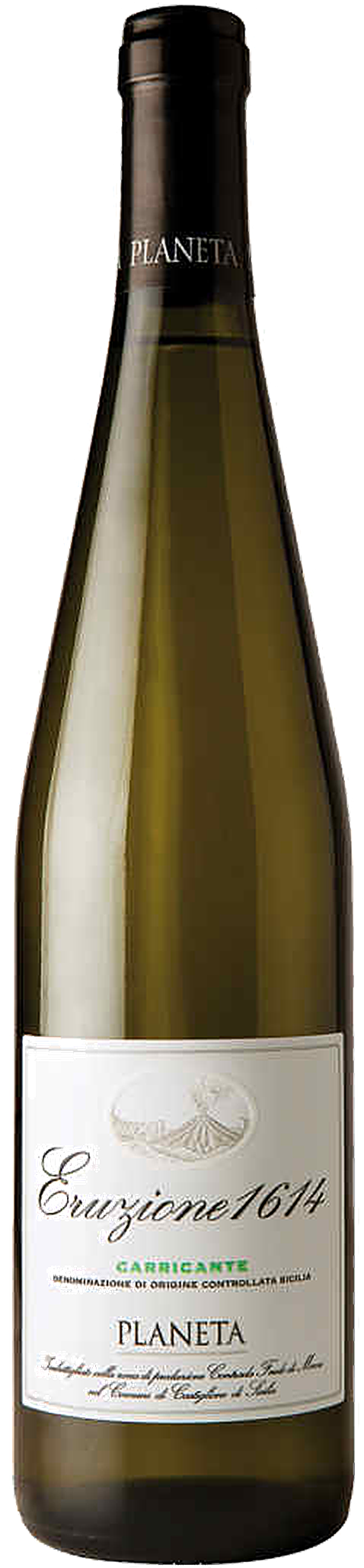
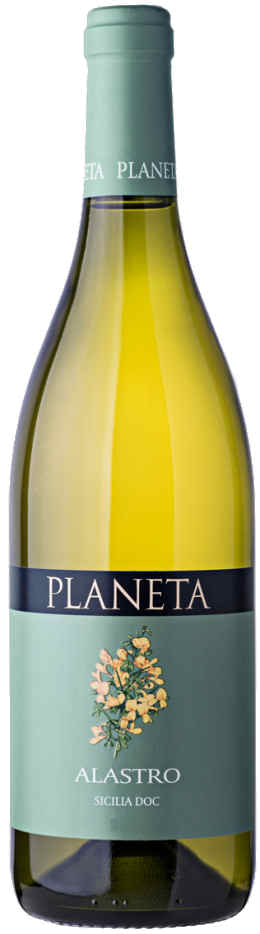
Planeta understands Sicily as an independent wine continent — and every location brings its own style. In Menfi, the Chardonnay that once made the winery internationally known is produced, as well as the Alastro Bianco from Grecanico. The Cometa, a white wine from the southern Italian variety Fiano, is now considered one of the most famous white wines in southern Italy: peach, mandarin, herbs — with power and freshness at the same time. In Vittoria, Nero d'Avola and Frappato are vinified for Cerasuolo di Vittoria, Sicily's only DOCG. Near Noto, Nero d'Avola shows its most concentrated, dark-fruited side. Finally, on Mount Etna — on volcanic subsoil, at altitudes with significantly cooler nights — the wines of the Eruzione 1614 line are created: the Carricante as a mineral-salty white wine, the Nerello Mascalese as a transparent, low-tannin red wine with a Burgundian flair. International craftsmanship and Sicilian identity are not a contradiction at Planeta — they are mutually dependent.
Menfi (AG)planeta.it
Award-winning wines
Vinibuoni d'Italia – Corona Award 2026
Awarded by Vinibuoni d'Italia
James Suckling 91/100 September 2024
Awarded by James Suckling
The Global Rosé Masters 2025 Gold
Awarded by The Drinks Business / Global Wine Masters
Wine Enthusiast Best Buy 2023
Awarded by Wine Enthusiast Magazine
Wine Enthusiast Bewertung
Awarded by Wine Enthusiast
Asia Wine Ratings Bronze Medal 2025
Awarded by Asia Wine Ratings
Falstaff Rating 2021
Awarded by Falstaff
Wine Enthusiast Bewertung
Awarded by Wine Enthusiast
What our customers say
Super wine, comes with a lot of freshness and fruitiness. Lingering in the mouth.. Delivery was fast and without problems.