

Palatinate · Germany
Markus Schneider
Read more Read less
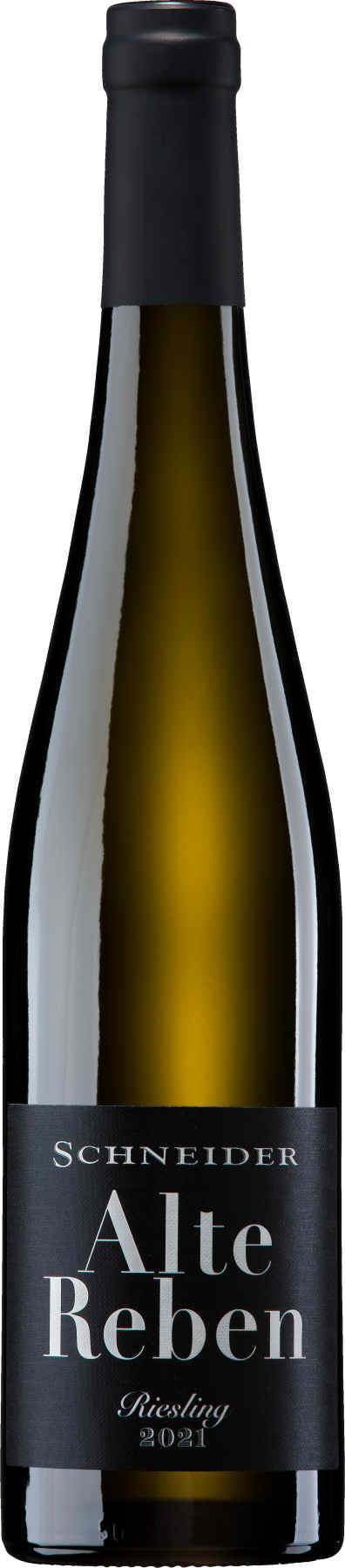
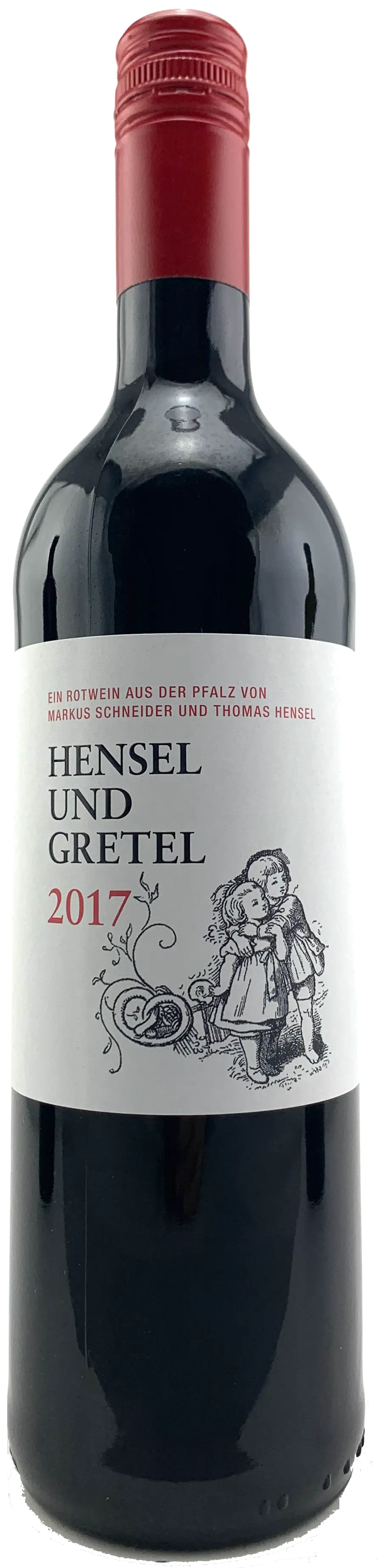
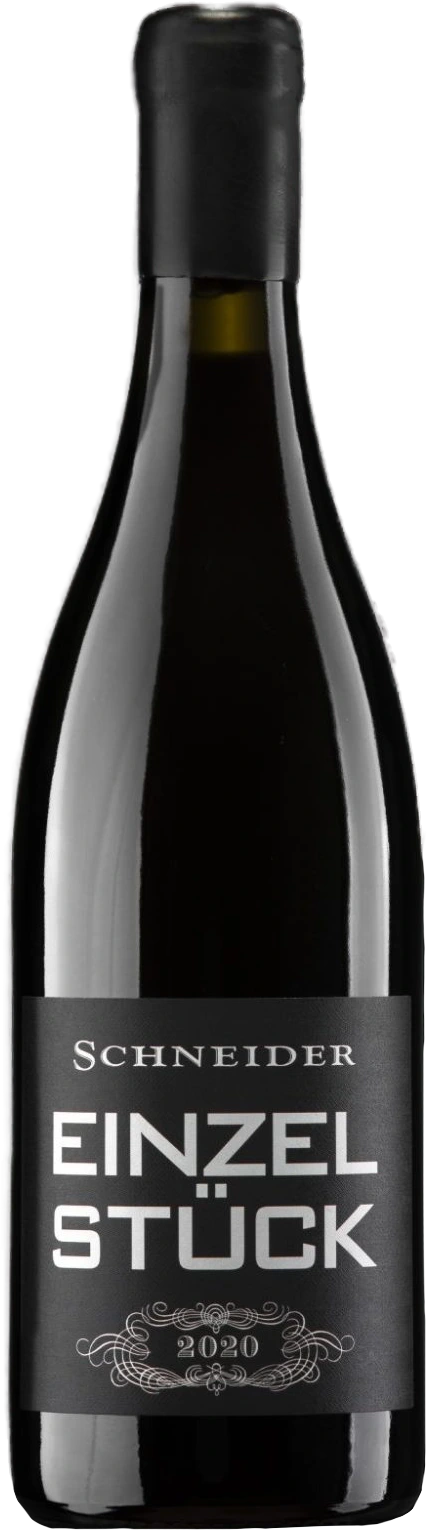
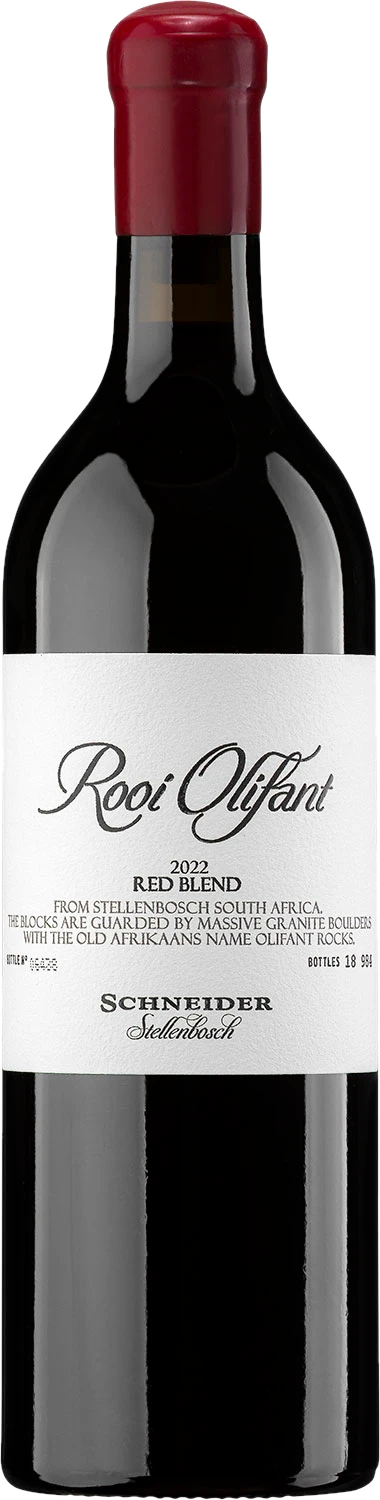
Markus Schneider from Ellerstadt in the Palatinate has built a winery since 1994 that does many things differently than his colleagues: no site designations, no quality levels (Prädikate), but instead modern brand wines with an international mix of grape varieties and an unmistakable character. Where others rely on traditional classifications, Schneider consistently goes his own way – and that is exactly what makes his wines so recognizable.
On around 92 hectares, concentrated, fruit-driven wines are created, which are characterized by late harvest, targeted yield reduction, and careful cellar technology. Every bottle seems like the result of uncompromising craftsmanship rather than mere routine – powerful, expressive, and always provided with a clear style. The avoidance of herbicides, insecticides, and artificial fertilizers, as well as the FAIR'N GREEN certification, also show that Schneider thinks of quality and responsibility together from the very beginning.
The small barn on the family farm has long since become a business with an annual production of around 800,000 bottles – and thus one of the most idiosyncratic success stories of the German wine scene. Those looking for wines with edges, corners, and real recognition value will find exactly that at Markus Schneider.
Winery of the month September 2026
September is all about the Palatinate. Since 1994, Markus Schneider has built a winery in Ellerstadt that does many things differently than its peers: no vineyard designations, no quality classifications, but instead modern branded wines with an unmistakable style. On around 92 hectares, concentrated, fruit-forward wines are created — late harvest, reduced yields, FAIR'N GREEN certified. Recognizable from the first sip, and that is intentional here.
Filters
33 products

Falstaff Bewertung 2024
Awarded by Falstaff Magazine
Crew-Index 2022
Awarded by Crew Online / Wein-Port
James Suckling 91/100
Awarded by James Suckling
James Suckling Award 2023
Awarded by James Suckling
James Suckling 91 Punkte 2024
Awarded by James Suckling
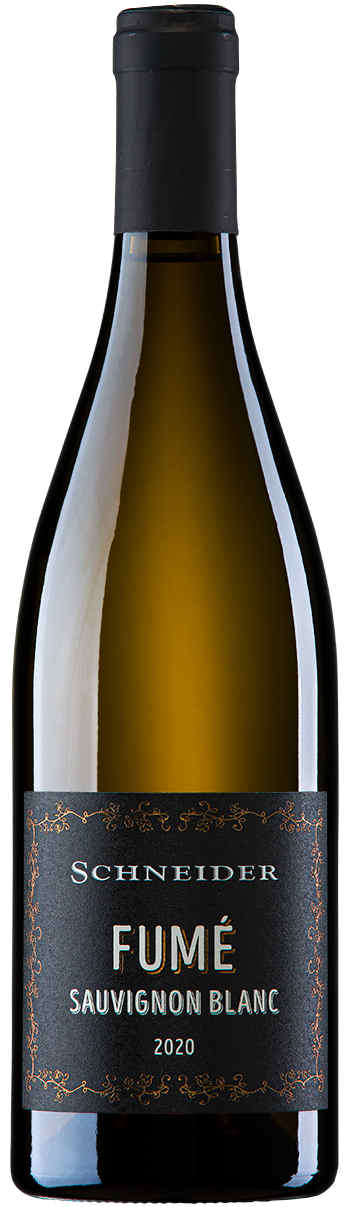
James Suckling 2019 Steinsatz
Awarded by James Suckling
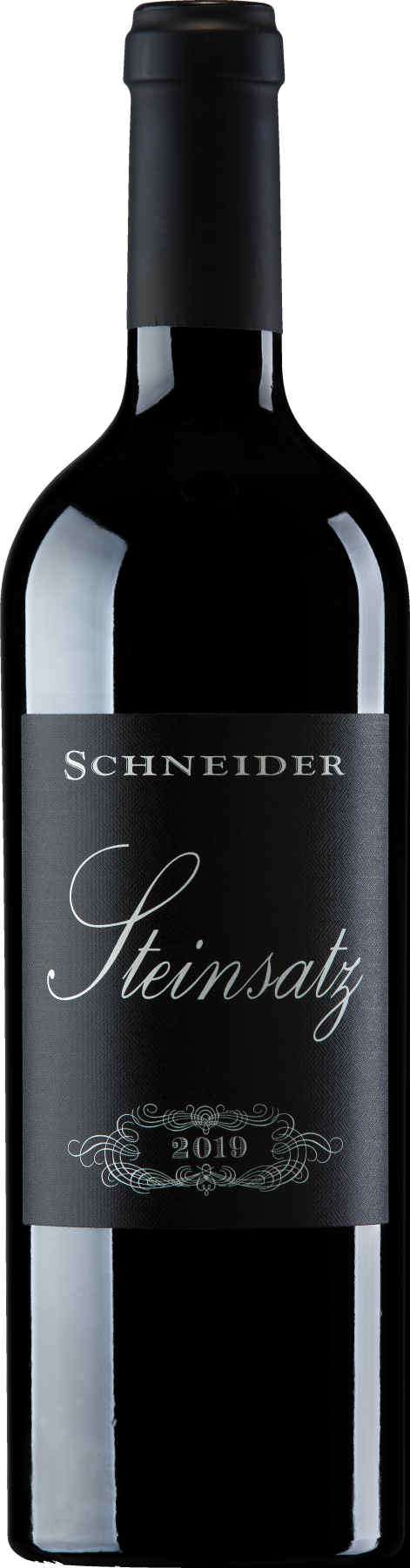
James Suckling 2020
Awarded by James Suckling
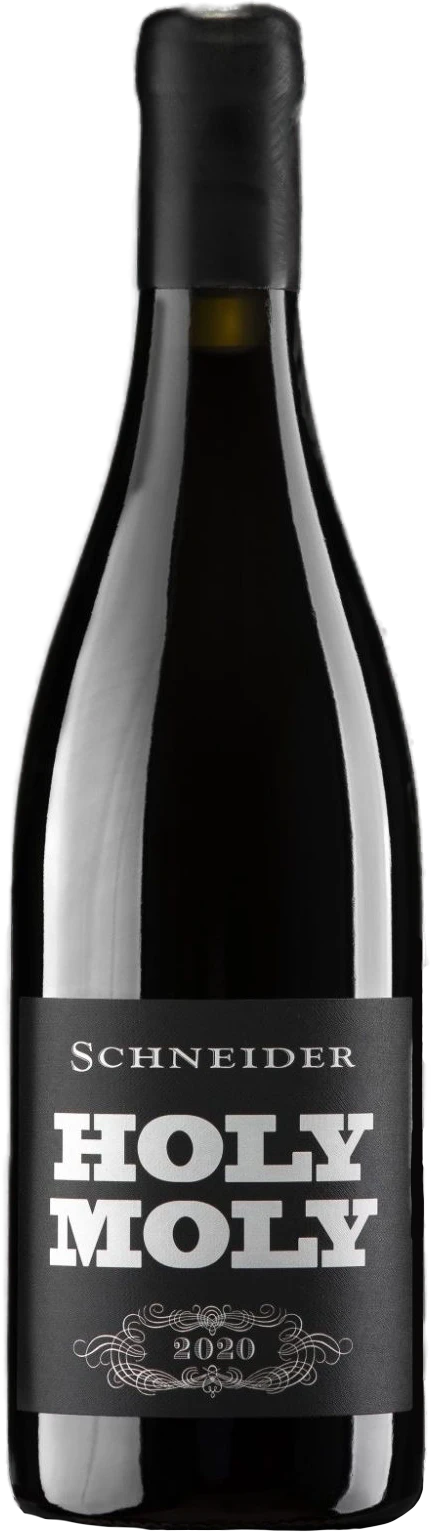
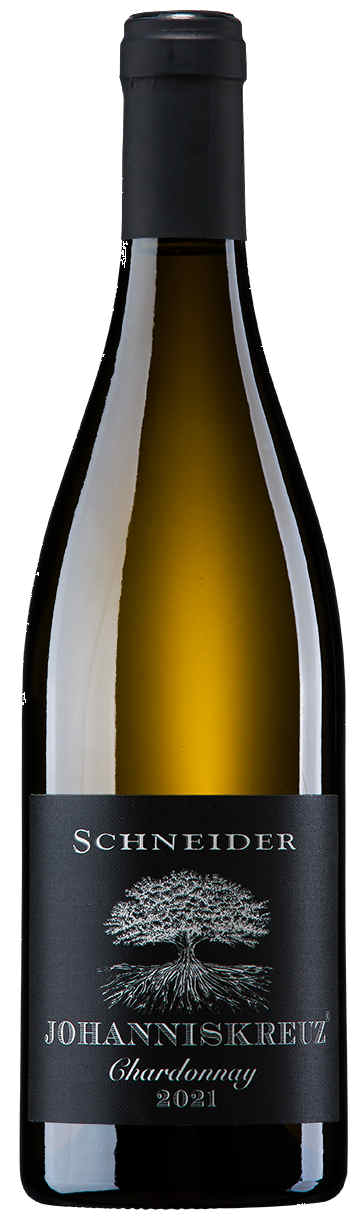
James Suckling 91/100
Awarded by James Suckling


James Suckling Award 2020
Awarded by James Suckling
James Suckling 92 Punkte 2014
Awarded by James Suckling


James Suckling Bewertung 2020
Awarded by James Suckling
Weinzeche-Punkte 2025
Awarded by Weinzeche GmbH

About Markus Schneider
From the barn in Ellerstadt to an international brand
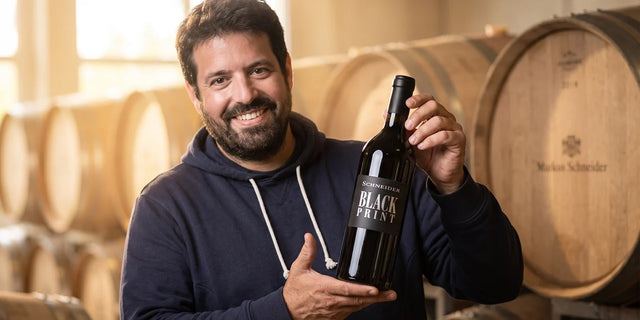
Markus Schneider was born in 1975 in Ellerstadt, in a place where vineyard follows vineyard – and yet he originally did not want to become a winemaker. Only an apprenticeship as a cellar master at the renowned Dr. Bürklin-Wolf winery in Wachenheim opened the door for him to cellar technology and winemaking. His father, Klaus Schneider, had led the family business until then as a pure grape supplier for the local cooperative. In 1994, father and son entered direct marketing together, restructured the business, and vinified the first vintage under their own name – from a small barn in the middle of the village, not far from the old family farm. Starting with one hectare of vineyard area and hand-glued labels, the winery grew in a few decades to around 92 hectares and an annual production of around 800,000 bottles. In 2003, Feinschmecker named him "Newcomer of the Year", and in 2006, the award as "Discovery of the Year" followed in the Gault&Millau WeinGuide Deutschland.
Vineyard, cellar, and the avoidance of shortcuts
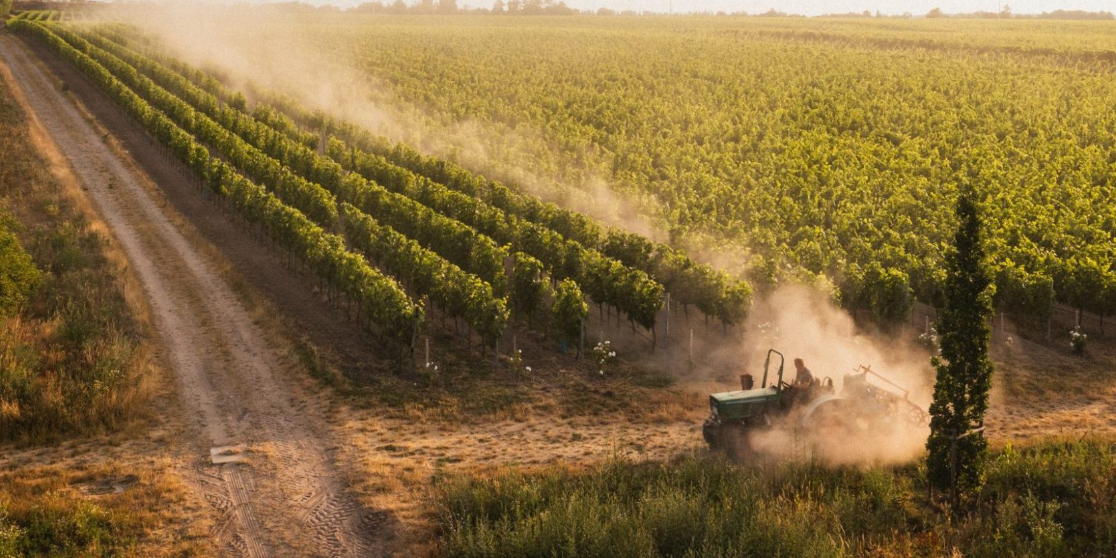
The winery's vineyards extend from the warm plain around Ellerstadt to the cooler higher altitudes on the edge of the Haardt – a terroir spectrum that Schneider consciously uses to play finesse and fullness against each other. Plots in Friedelsheim, Bad Dürkheim, Kallstadt, and Weisenheim am Berg supplement the home sites; the highest vineyards are at around 230 meters. In the vineyard, Schneider relies on yield reduction and late harvest, geared towards the physiological ripeness of the berries instead of the calendar. Herbicides, insecticides, and artificial fertilizers are not used; since 2023, the winery has held the FAIR'N GREEN certification.
In the cellar, Schneider combines classic craftsmanship with precise technology. Red wines undergo a slow, classic mash fermentation, which can take up to three months for premium wines; the juice extraction according to the saignée method – up to 40 percent – concentrates the aromas additionally. Maturation takes place in wooden barrels and barriques. White wines are vinified with skin contact times of up to 48 hours. A new, striking winery south of Ellerstadt, for which Schneider received the Red Dot Design Award in 2016, summarizes this way of working in a building that is just as clear and unmistakable as the bottle design.
Brand wines instead of a site pyramid – a clear style image
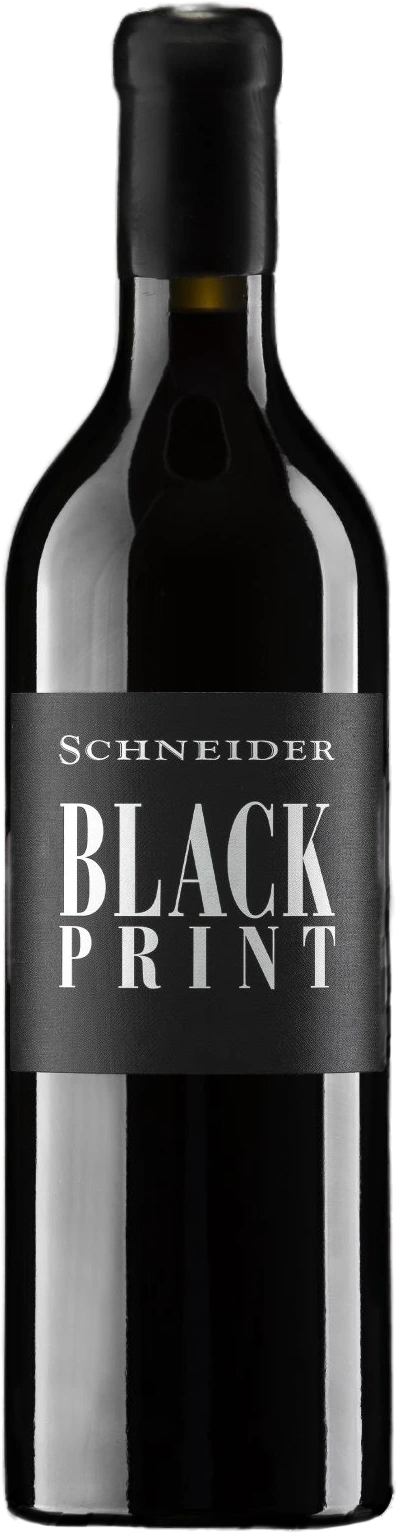
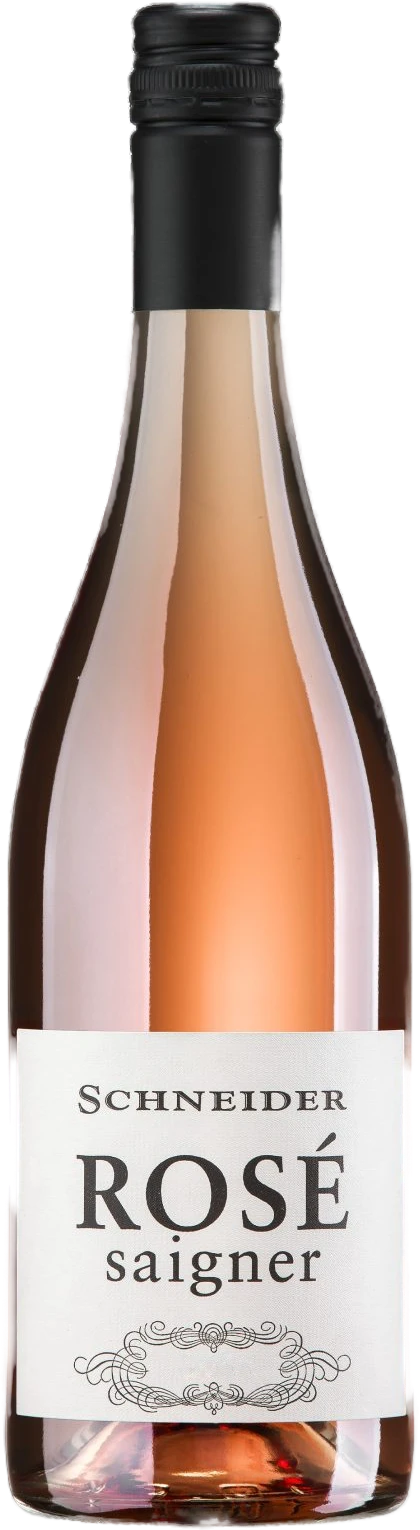
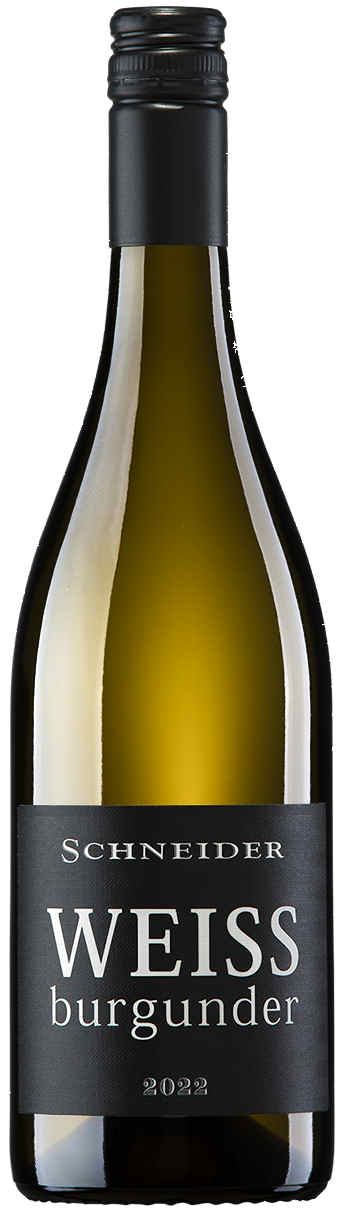
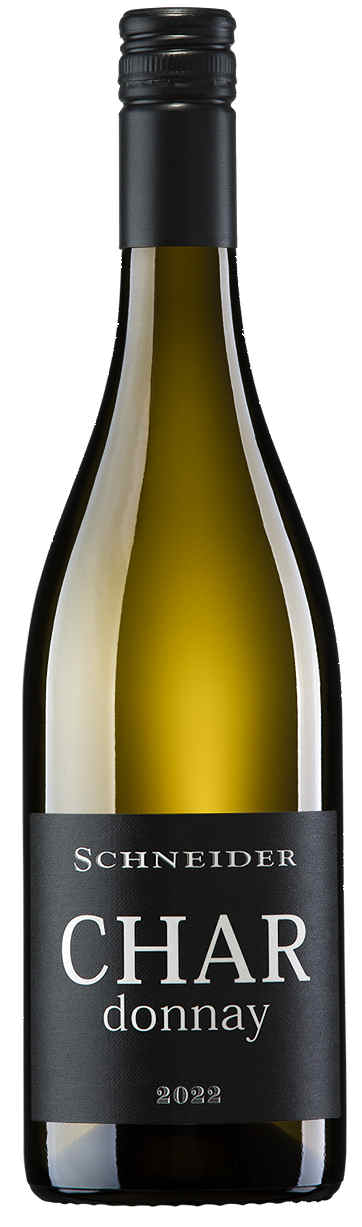
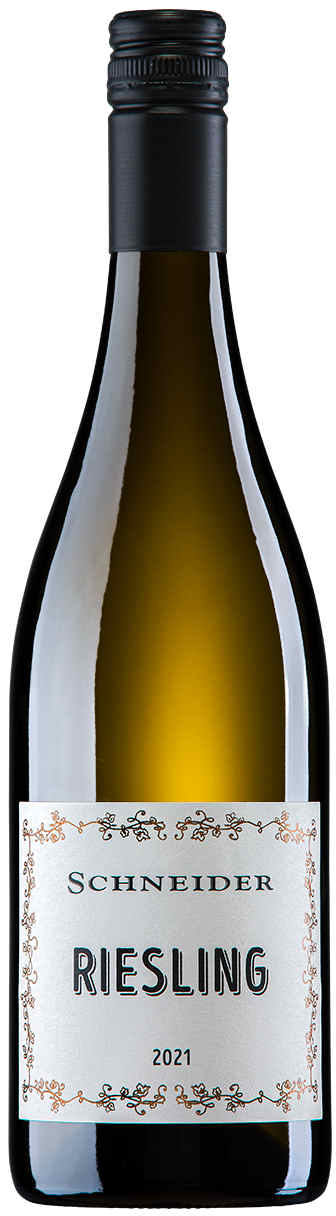
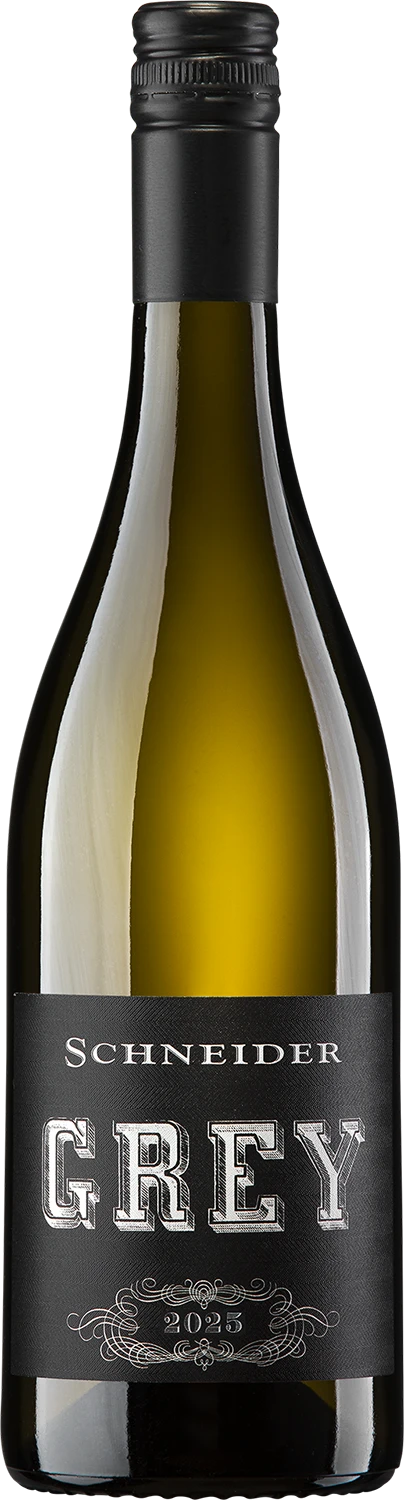
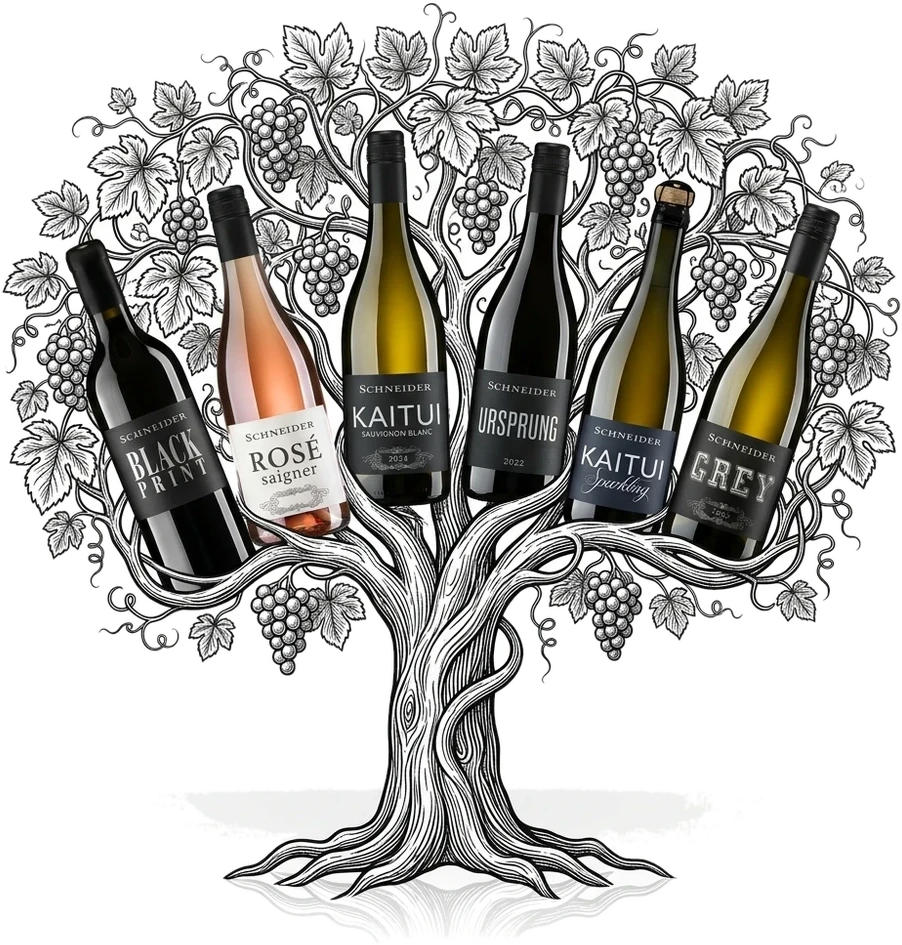
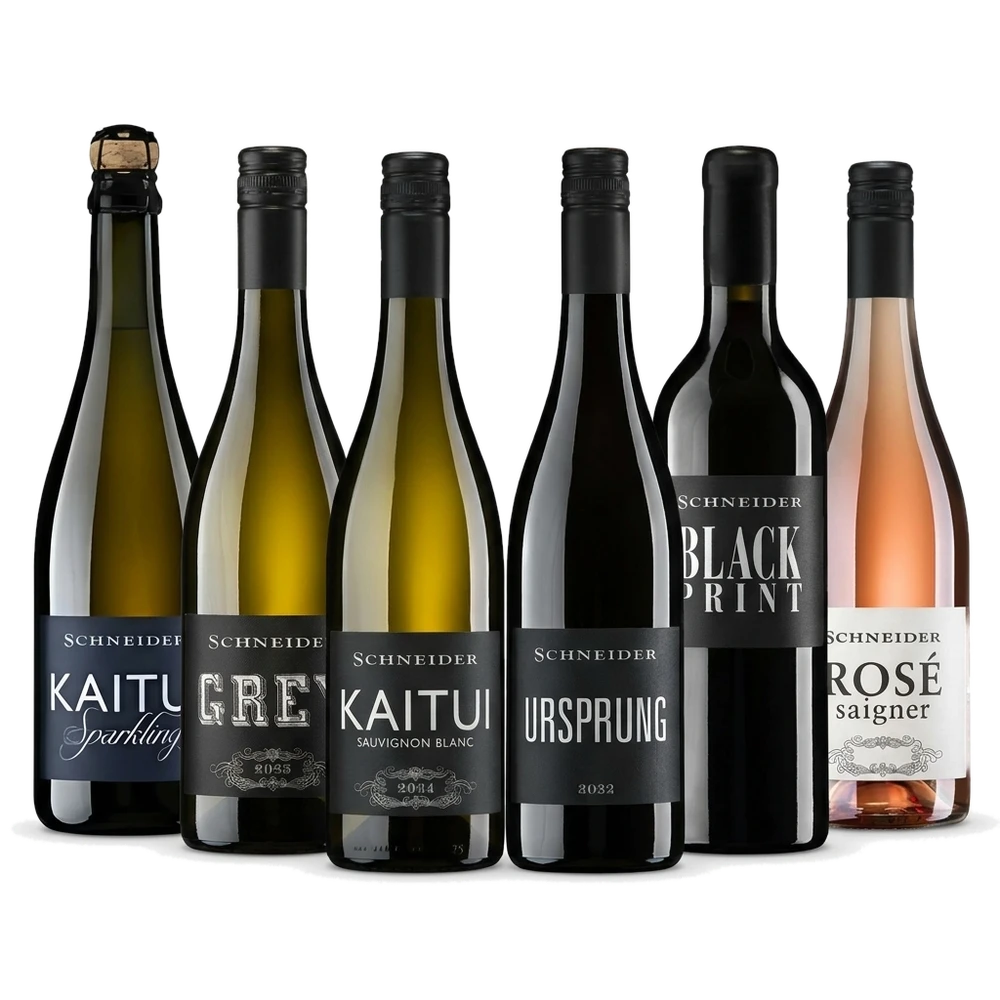
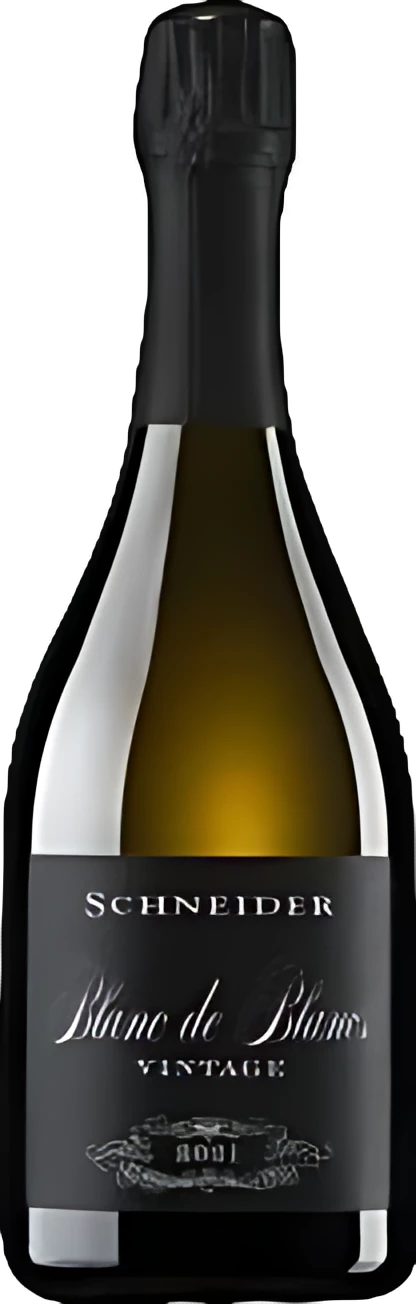
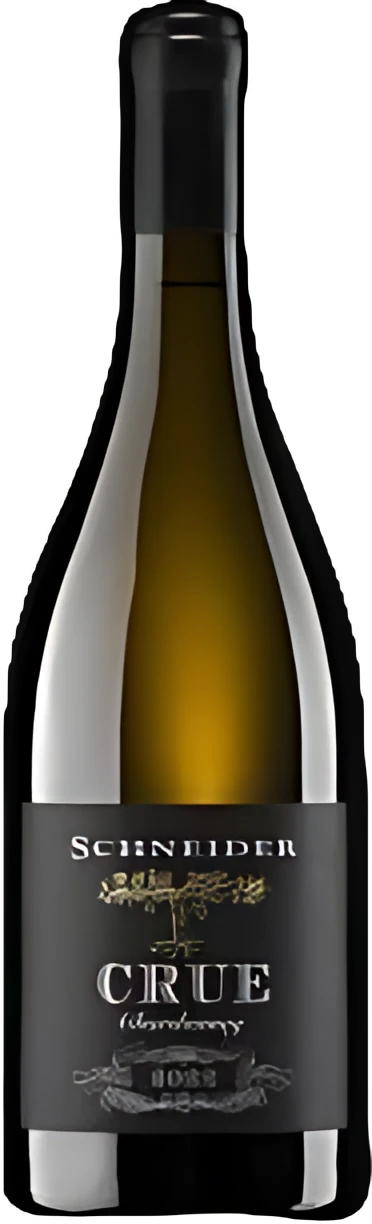
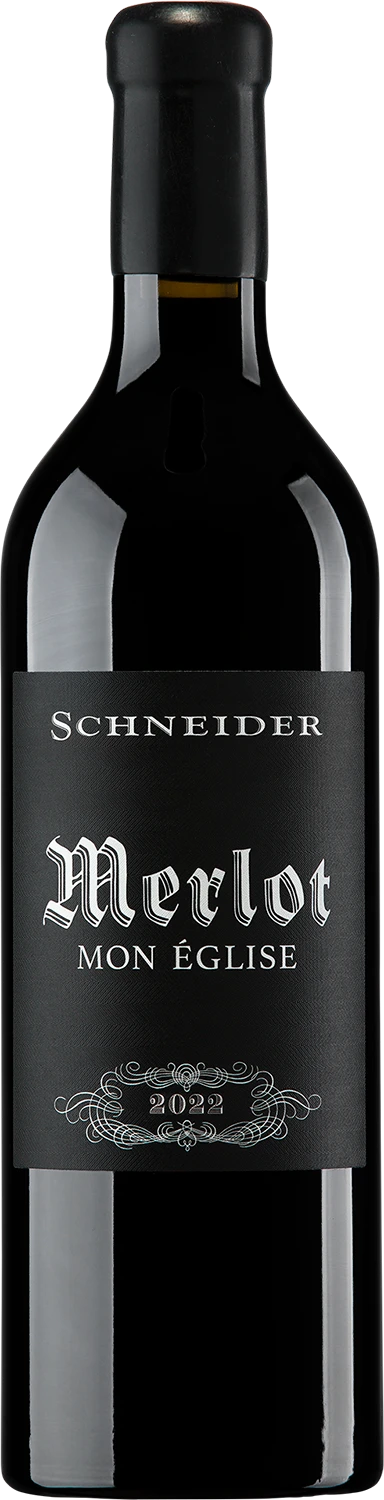
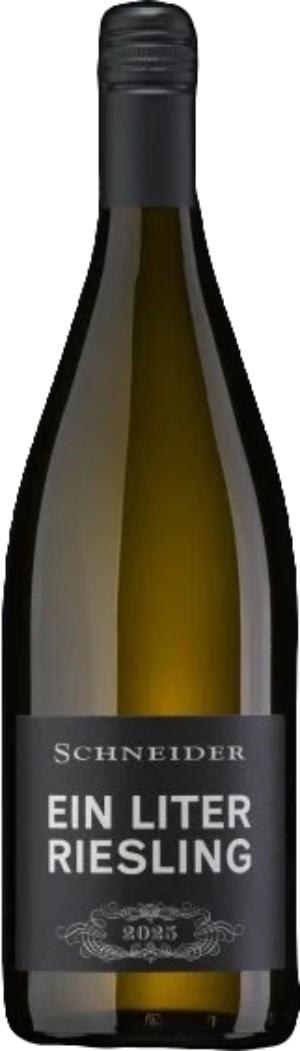
Schneider has consciously decided against site designations and predicates. Instead, brand names are in the foreground: Black Print, a cuvée of Merlot, Cabernet Sauvignon, Syrah, Blaufränkisch, and other varieties, is the best-known example – dense, dark, with ripe tannins and a long spice in the finish. The range extends from white wines such as Chardonnay and Pinot Gris to international red wine varieties such as Syrah, which develop astonishing depth in the Palatinate climate on warm limestone and loess soil. Local classics such as Riesling stand alongside "immigrant" varieties such as Viognier and Blaufränkisch – both halves of the range, red as well as white, are almost equally weighted with around 400,000 bottles each. Those who know the wines of Markus Schneider recognize them blind: fruit-driven, concentrated, with a clear structure and a style that neither follows the mainstream nor denies its origin from the Vorderpfalz.
Ellerstadtweingutschneider.de
Award-winning wines
Falstaff Bewertung 2024
Awarded by Falstaff Magazine
Crew-Index 2022
Awarded by Crew Online / Wein-Port
James Suckling 91/100
Awarded by James Suckling
James Suckling Award 2023
Awarded by James Suckling
James Suckling 91 Punkte 2024
Awarded by James Suckling
James Suckling 2019 Steinsatz
Awarded by James Suckling
James Suckling 2020
Awarded by James Suckling
James Suckling 91/100
Awarded by James Suckling
What our customers say
I am very satisfied and like to drink this Pinot Gris, it is not too dry, has a mild and fruity touch... really good. Order, delivery and shipping went smoothly as always.
What can I say, snuggled up on the sofa with it, a piece of cheese or chocolate, a few grapes and …
Wonderfully full and characterful cuvée. You have to like it, but if you do, this wine is definitely a special drinking pleasure! Fast and uncomplicated delivery.



Frequently asked questions
What is the typical style of the wines from Markus Schneider?
Which grape varieties are the focus at Markus Schneider?
What do the red wines from Markus Schneider pair best with?
Who are the white wines from this collection suitable for?
How do I store wines from Markus Schneider correctly?
Does Markus Schneider differ stylistically from other Palatinate winemakers?
Markus Schneider —
idiosyncratic brand wines from Ellerstadt
Markus Schneider started in 1994 in Ellerstadt with a small barn — and turned it into one of the most unusual wineries in the Palatinate. No site designations, no quality levels: Schneider relies on brand wines with their own character, which are oriented towards international grape varieties and yet still taste clearly of the Palatinate.
On around 92 hectares, concentrated, fruit-driven wines are created that gain depth through late harvest and consistent yield reduction. In the vineyard, Schneider avoids herbicides, insecticides, and artificial fertilizers — the winery is FAIR'N GREEN certified and combines quality standards with ecological responsibility.
The family business has become a house with an annual production of around 800,000 bottles that consistently continues its own path. Those looking for wines that cannot be categorized into classic pigeonholes will find one of the most idiosyncratic addresses in German viticulture at Markus Schneider.