Three hundred years of family history on the German Wine Route
Wine has been made under the name Hammel in Kirchheim, north of Bad Dürkheim, since 1723 — making the Hammel & Cie winery one of the oldest continuously family-run businesses in the Palatinate. The estate remained in one hand for over three centuries: today, the ninth generation is in the vineyard and cellar, headed by oenologist Markus Nordhorn, accompanied by Phillip Merk in the field and Til Rothenberger as cellar master. The family is consciously managing the generational change with care — in agreement with Christoph and Martin Hammel, without breaking with the previous style. The fact that the estate has remained rooted in one place for so long is no coincidence: Kirchheim itself looks back on over 1,200 years of viticultural history, and historical land tax records from 1796 as well as the Hammel Villa from 1888/1889 prove how closely the winery is intertwined with the village.
Buntsandstein cellar meets modern cellar technology
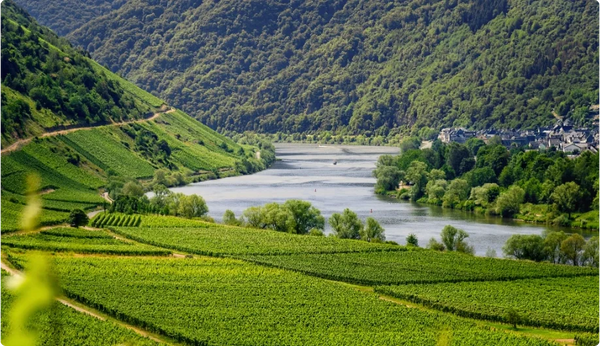
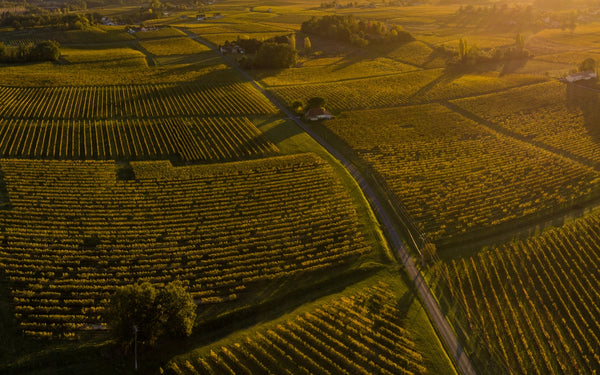
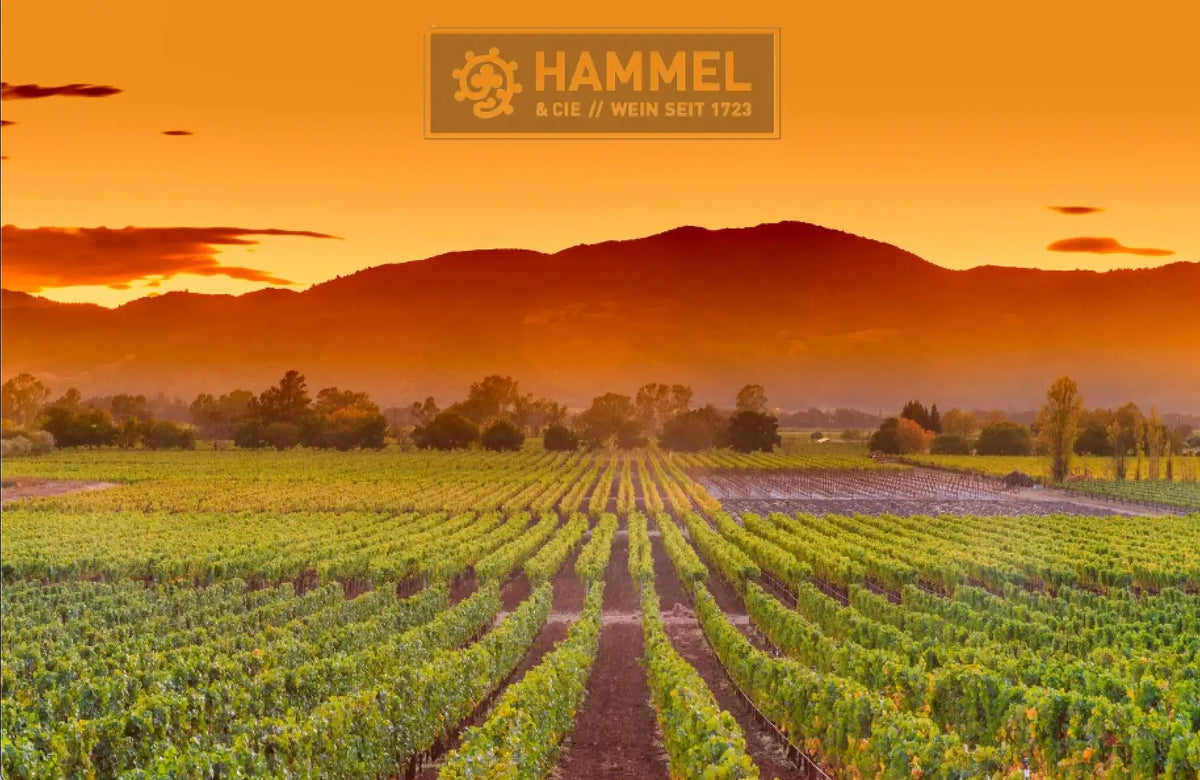
The vineyards are located around the historic village center of Kirchheim, protected in the Rhine Rift Valley, framed by the Odenwald and Haardtwald forests. With around 2,000 hours of sunshine a year, the region is one of the warmest wine-growing areas in Germany. As for the soils, Kirchheim offers extraordinary diversity: sand, marl, clay, loam, limestone, loess loam, and Buntsandstein (red sandstone) alternate — giving the winemaker the opportunity to choose the right substrate for every grape variety.
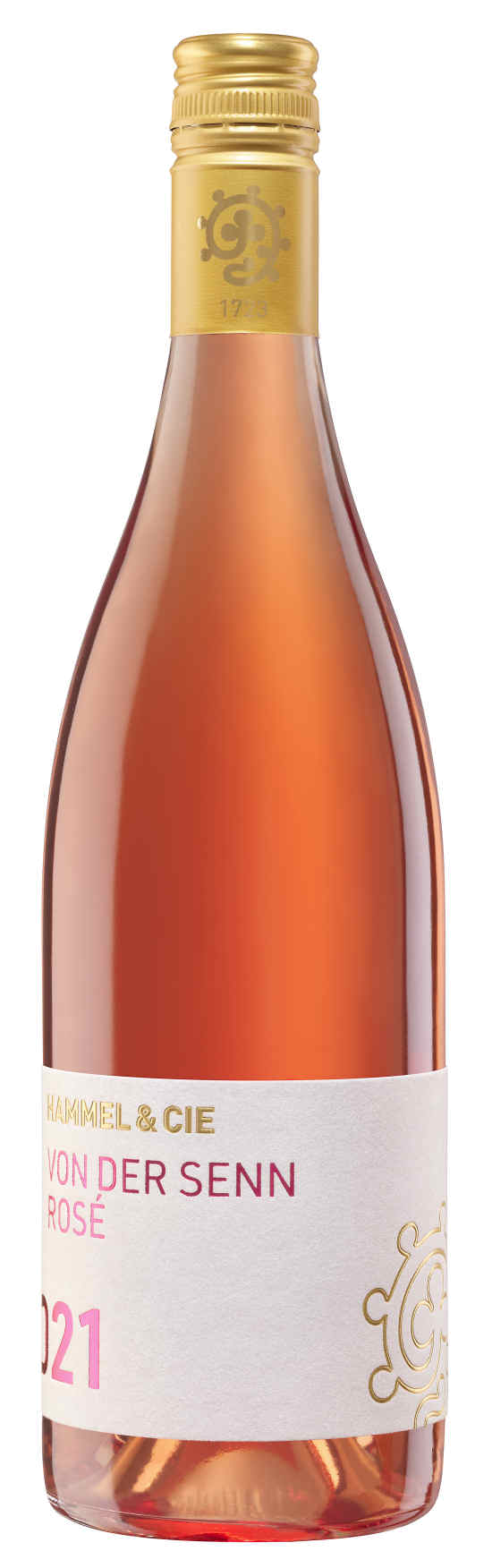
In the cellar, Hammel & Cie adheres to a clear principle: tradition in the vineyard, innovation in the aging process. The historic natural Buntsandstein cellar from the 19th century provides the framework — but the team works within it using contemporary technology. Steel and wood are specifically combined; red wines are created exclusively through classic mash fermentation, while for white wines, quiet, long yeast aging ensures texture and depth. Christoph Hammel brought impulses from his winemaking years in South Africa that still characterize the Mediterranean touch of the rosé and red wines today.
Fruit-forward Palatinate wines with a clear signature — from dry to sparkling
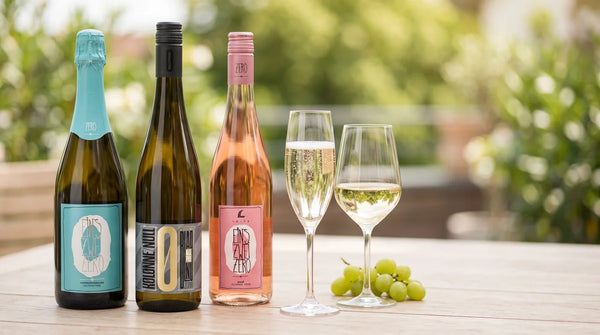
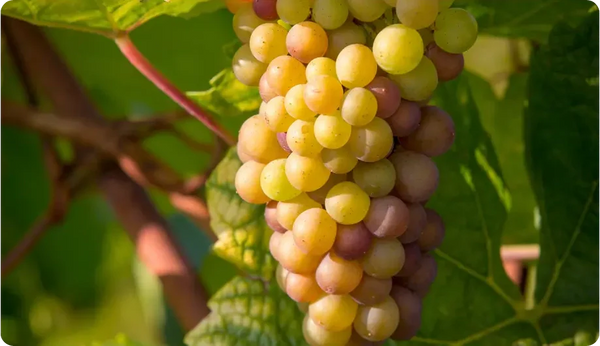
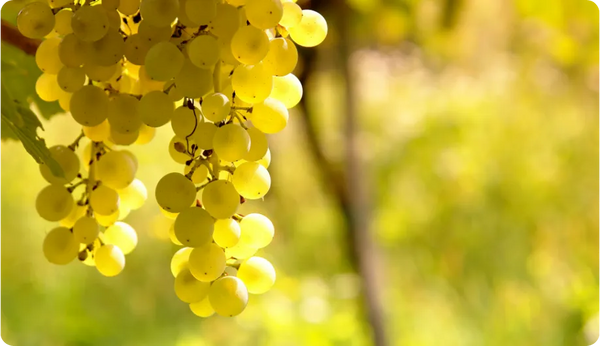
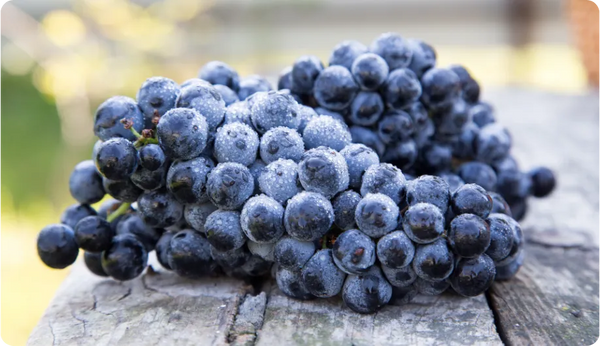
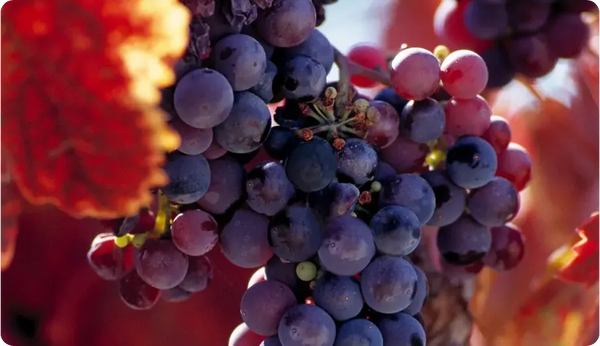
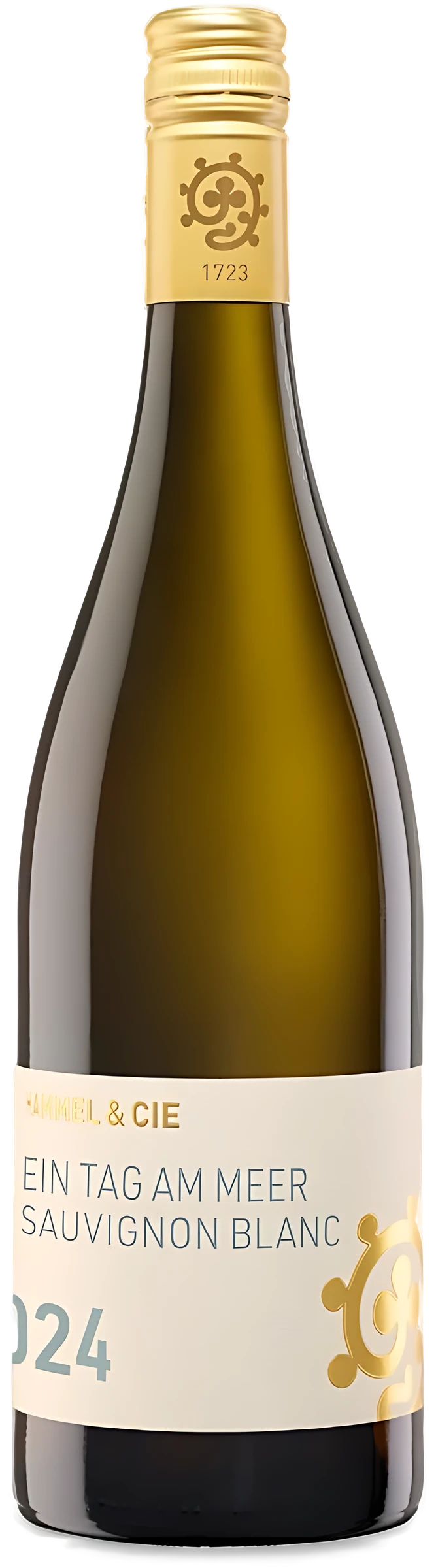
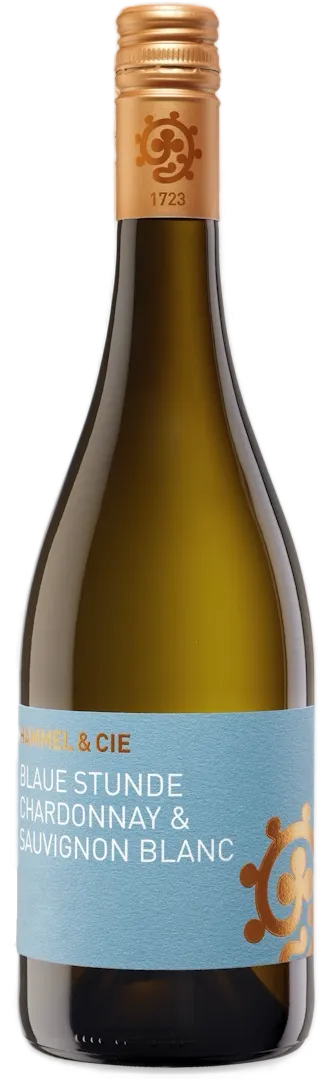
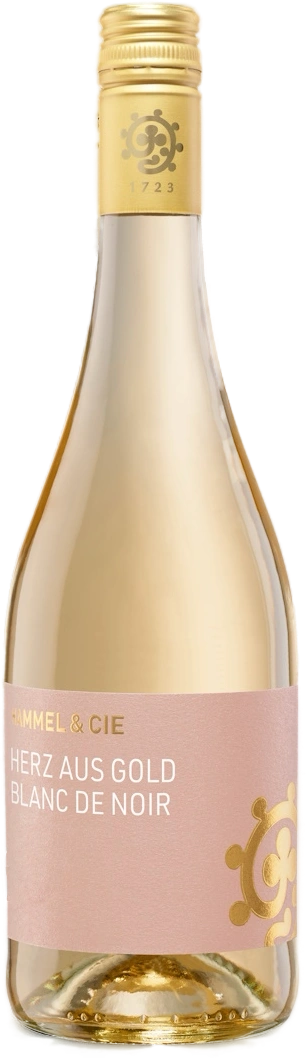
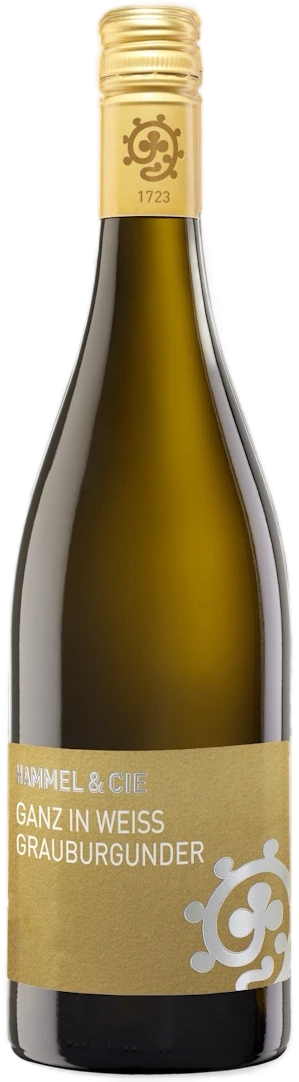
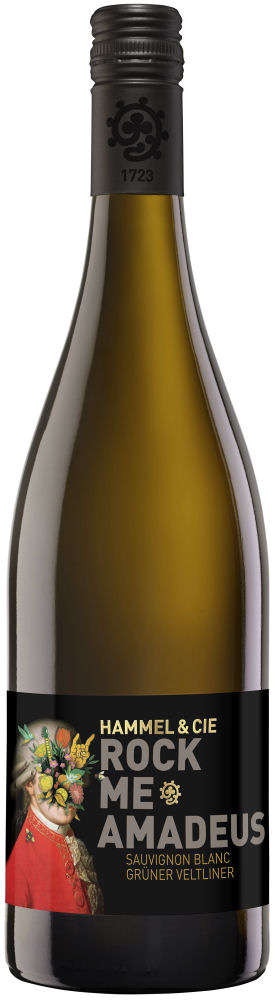
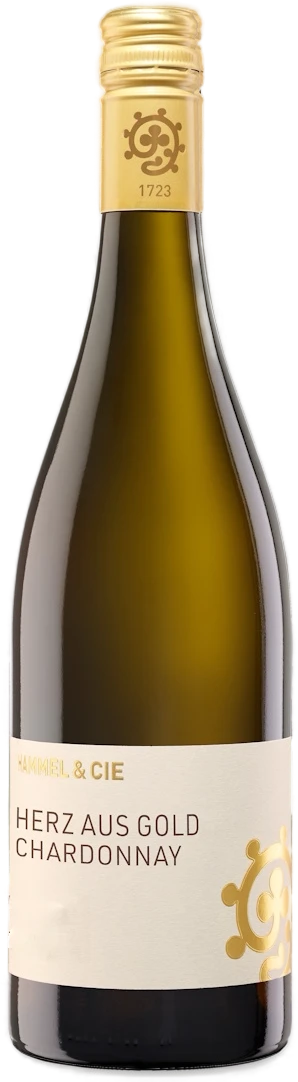
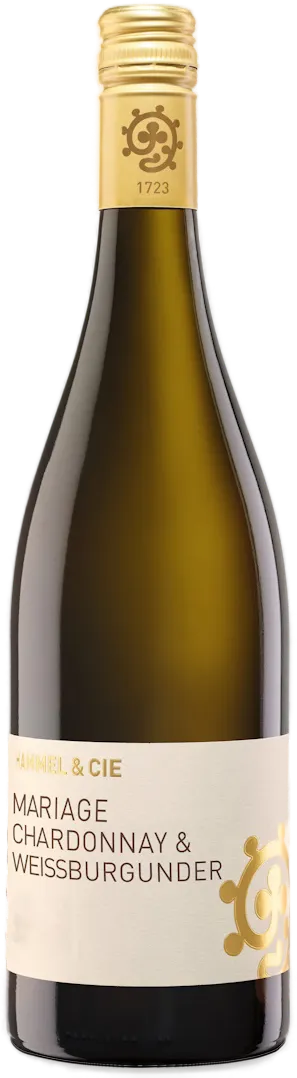
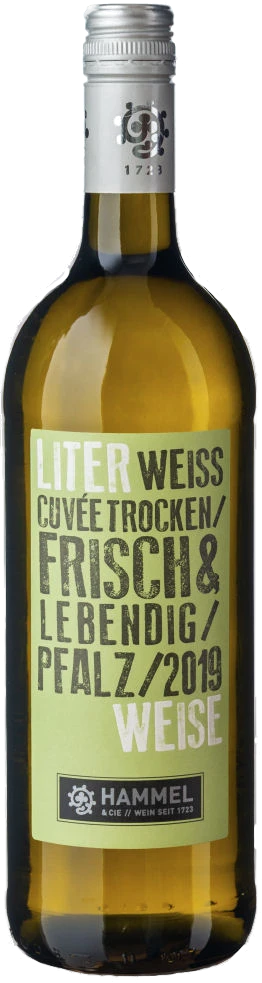
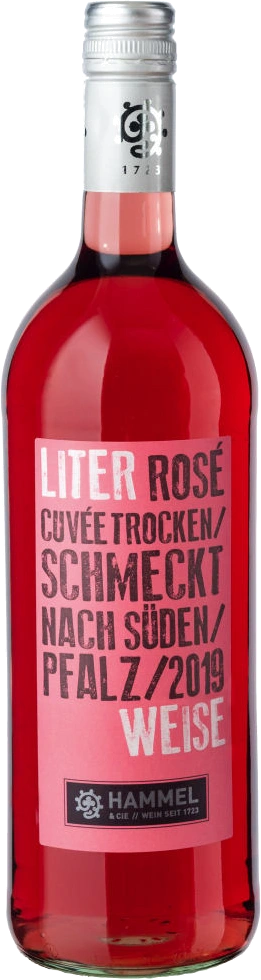
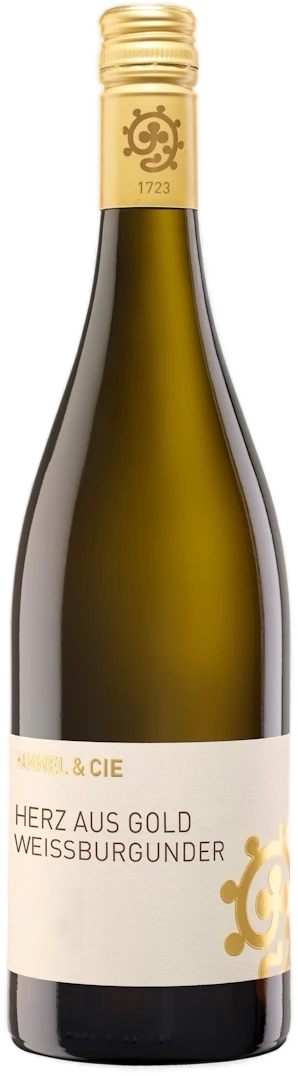
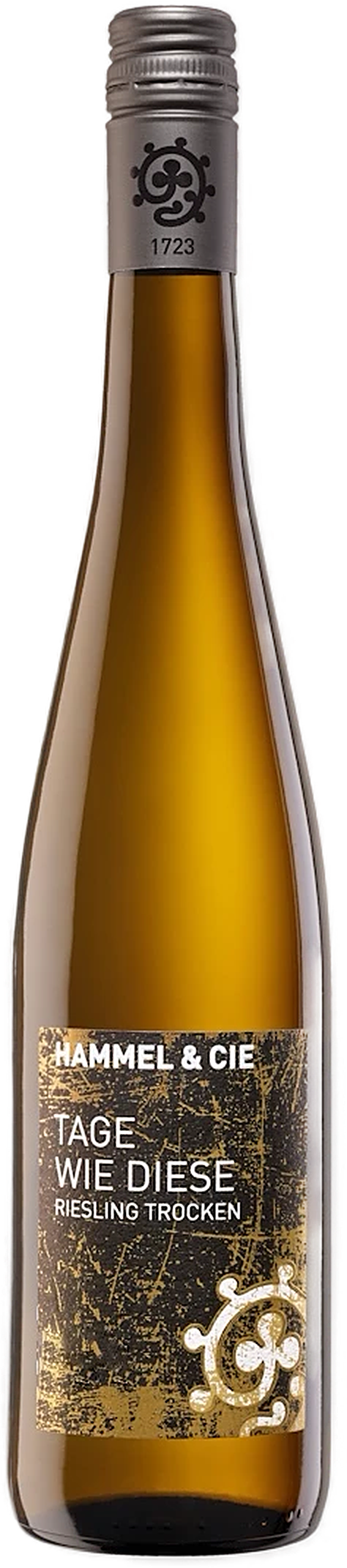
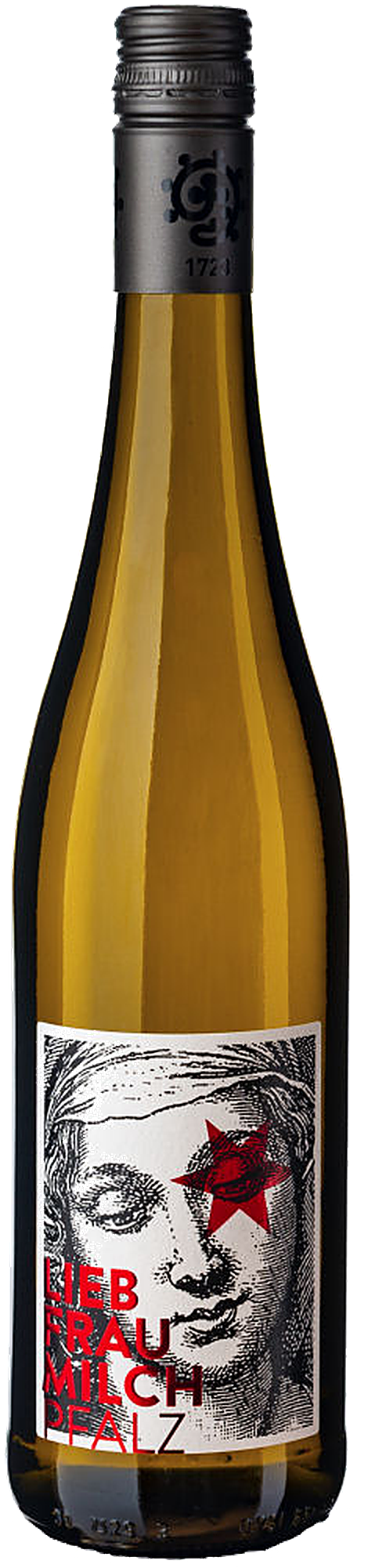
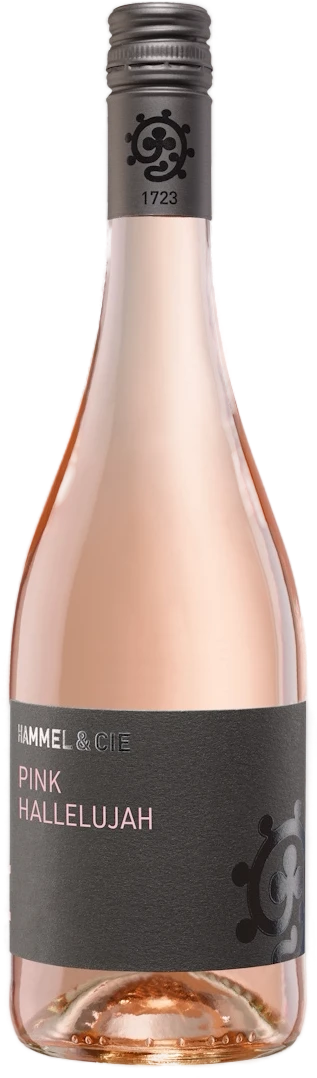
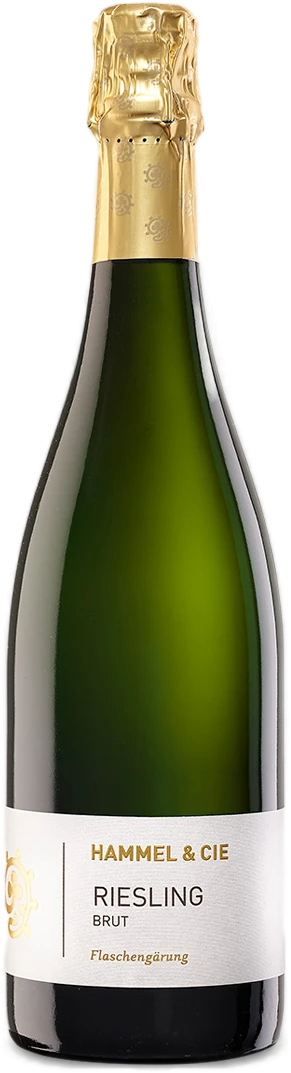
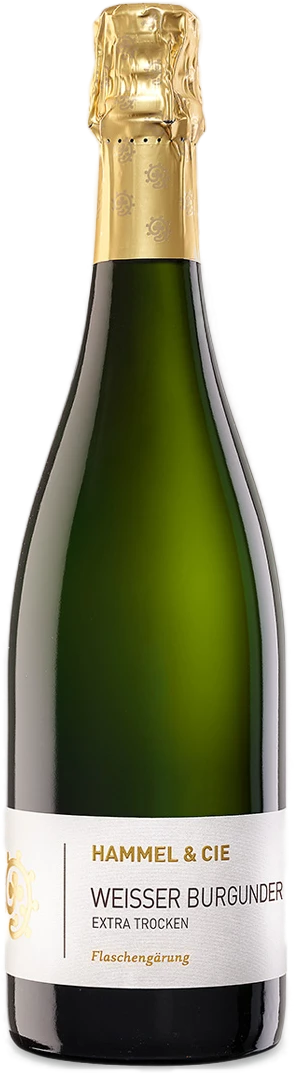
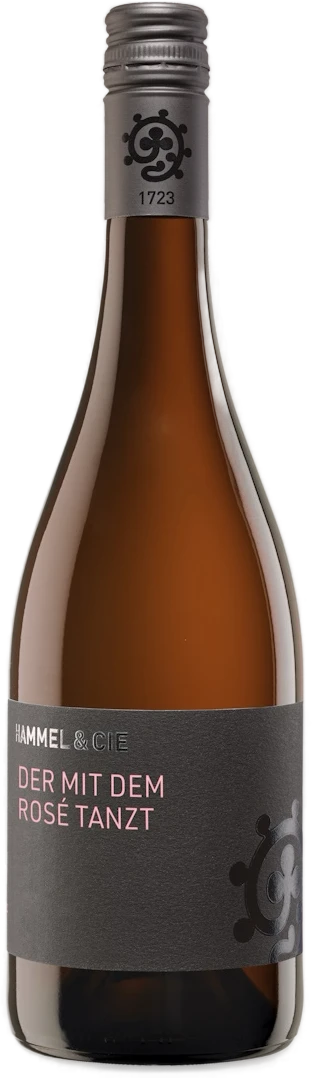
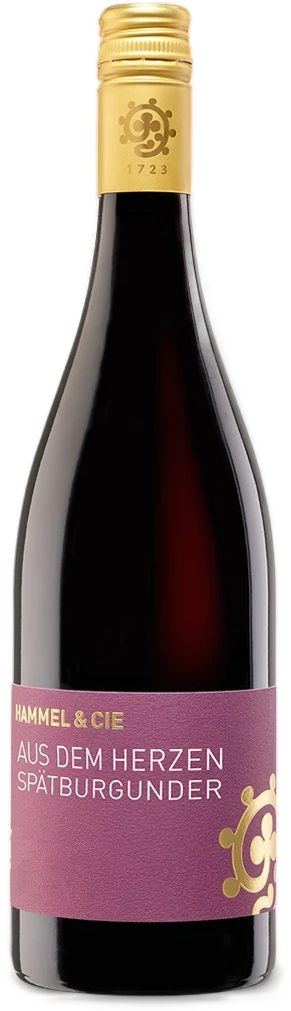
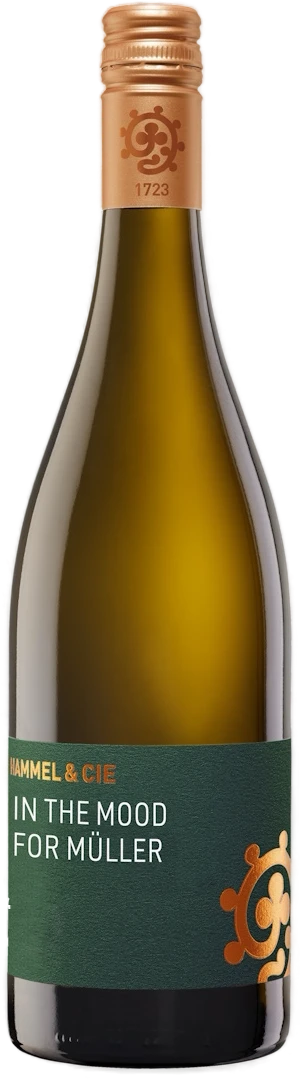
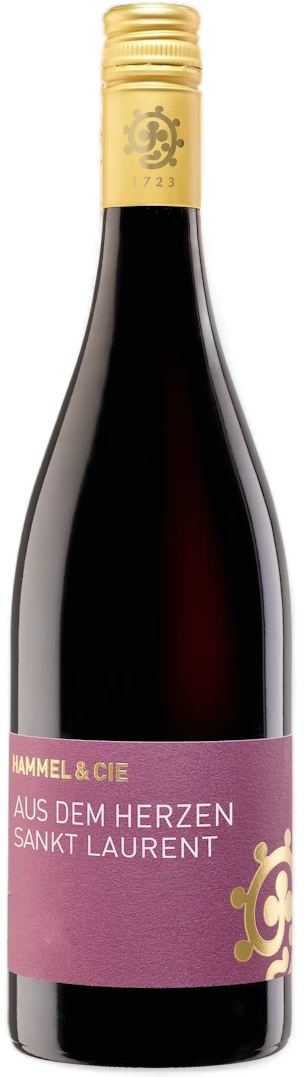
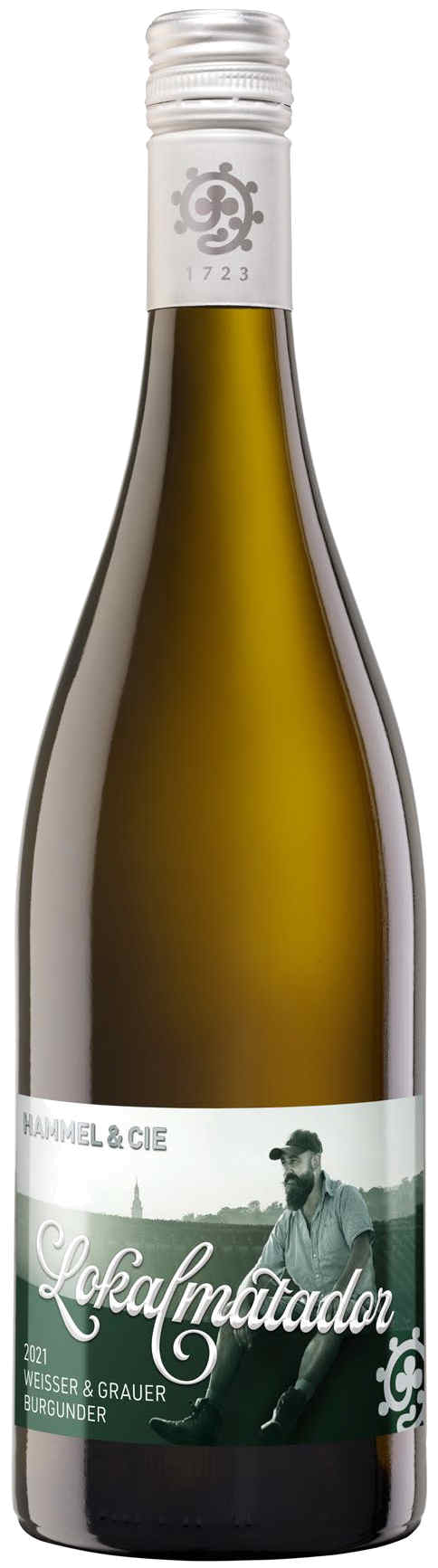
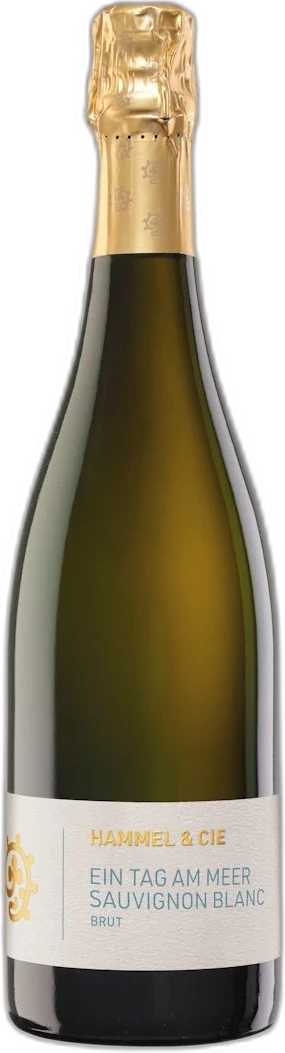
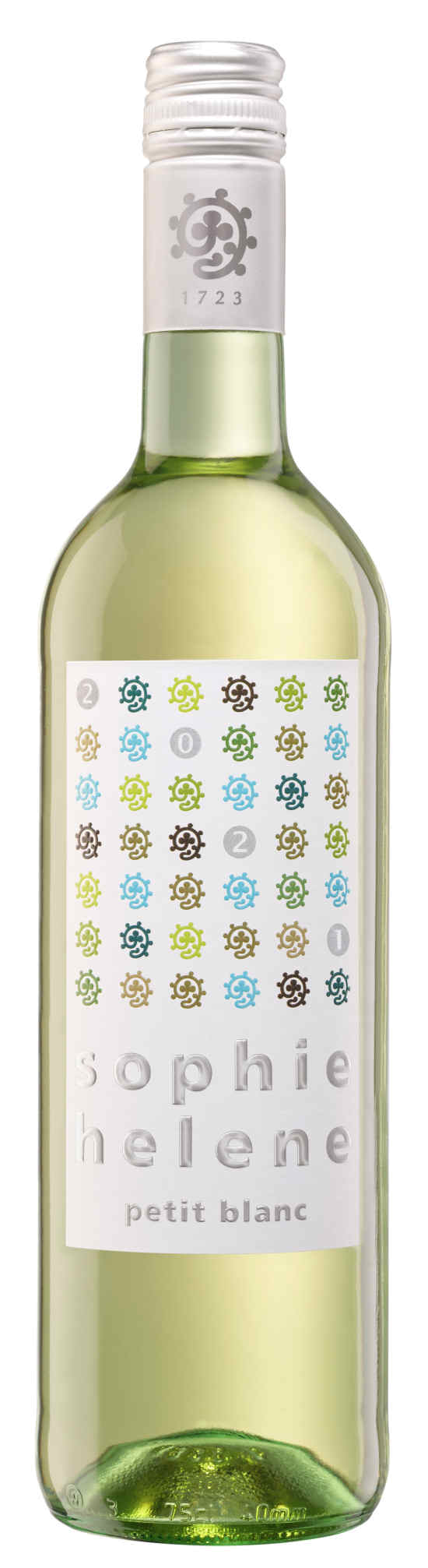
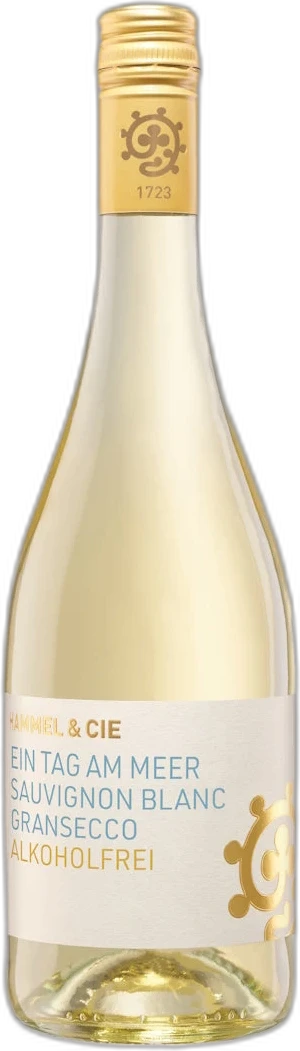
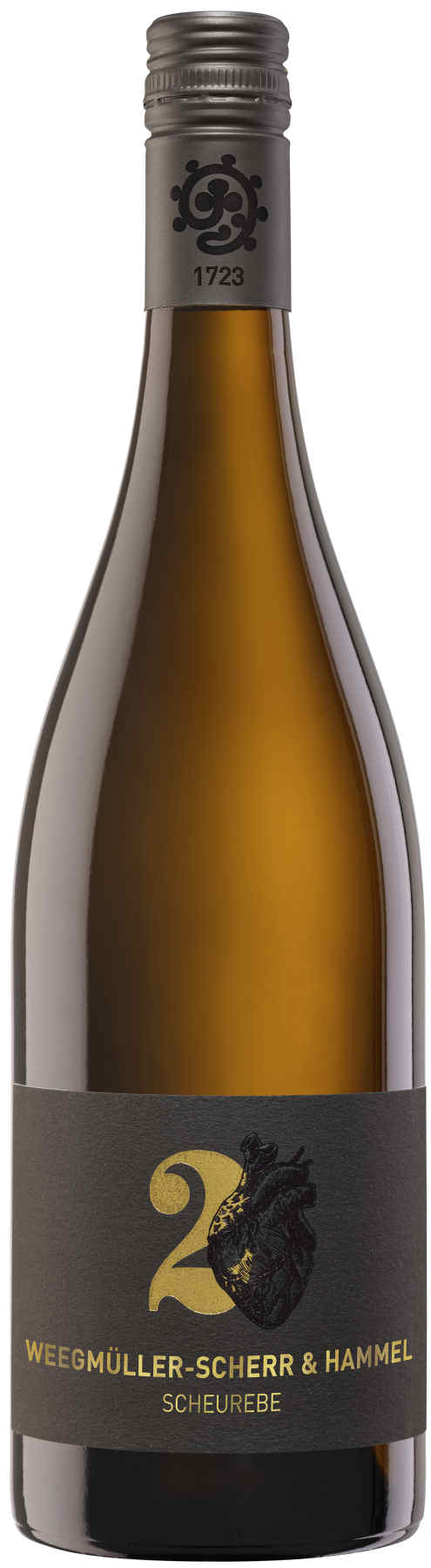
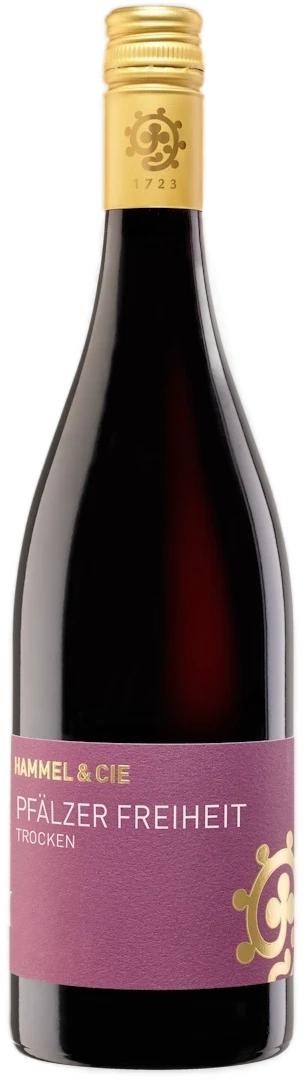
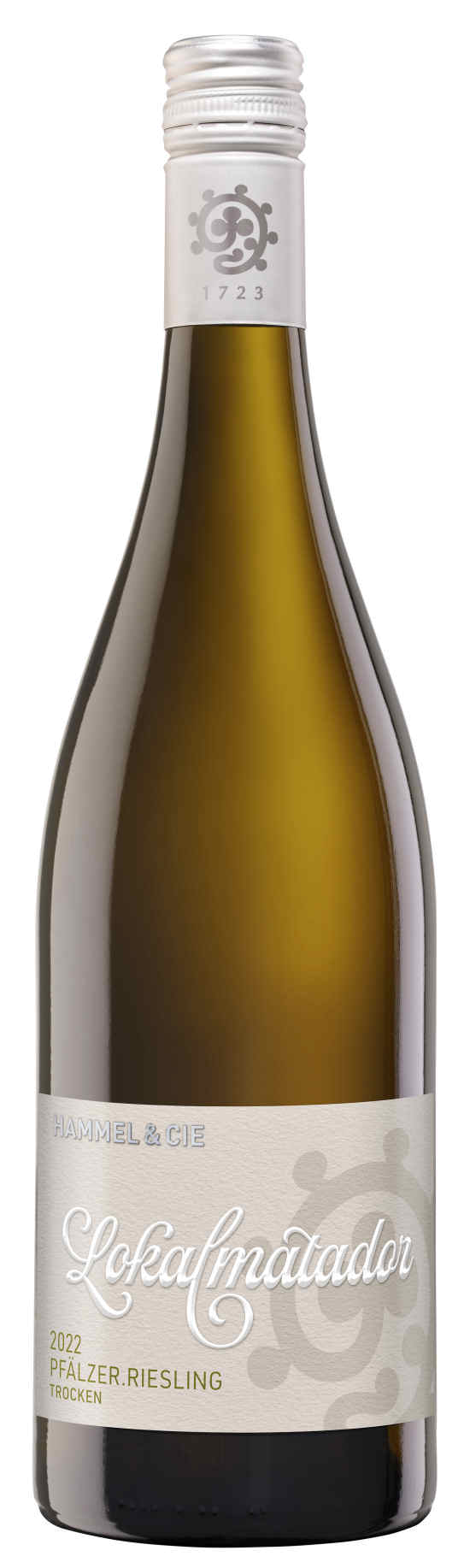
The range of around 42 hectares has a clear white focus: Riesling makes up the lion's share, supplemented by Pinot Gris, Chardonnay, Pinot Blanc, Sauvignon Blanc, and — for a few years now — Grüner Veltliner. Among the reds, Pinot Noir and St. Laurent dominate. The Eichelmann wine guide certifies that the business produces "successful interpretations of grape varieties"; the elegant, juicy Rieslings and the Pinot Noirs from the Kleinkarlbacher Herrenberg are particularly highlighted. In addition to the single-varietal wines, the estate shows strength in cuvées and classically bottle-fermented sparkling wine — including the Ein Tag am Meer Sauvignon Blanc extra Brut and the Cuvée Rosé Sekt Brut. Many of the wines are produced vegan. The common thread throughout the entire range: drinking pleasure before showing off — wine that delights people, not lectures them.