Palatinate · Germany
Weingut Dr. Bürklin-Wolf
Read more Read less
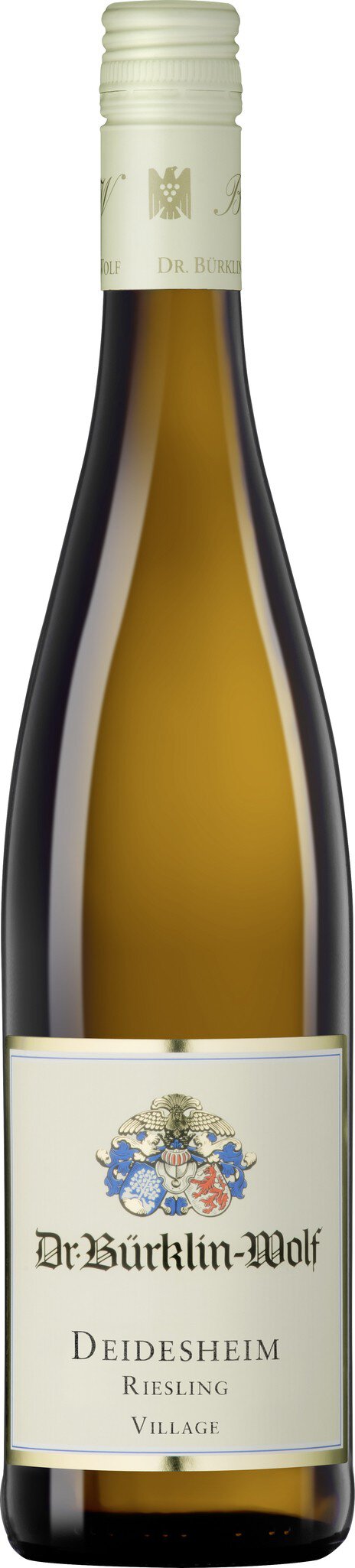
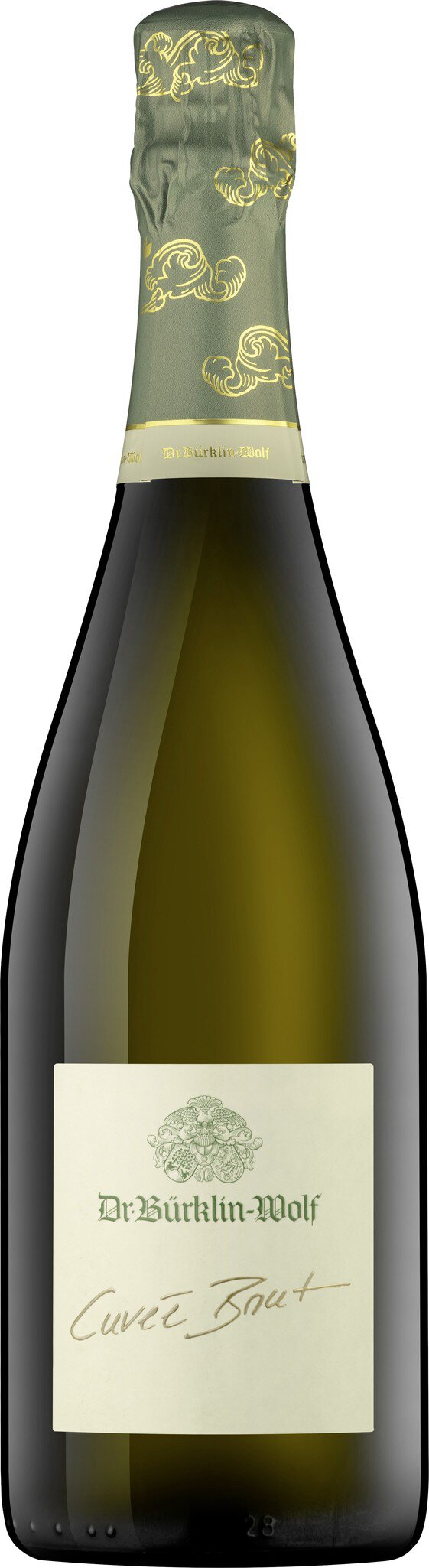
Dr. Bürklin-Wolf – one of Germany's most prestigious wineries. Rooted in Wachenheim for over 400 years, the family is considered a pioneer of biodynamic viticulture in the Palatinate. In the privileged vineyards of Forst, Deidesheim, and Ruppertsberg, Riesling and Pinot Noir grapes thrive under optimal conditions. Consistent biodynamic practices and a terroir-driven approach to winemaking give each wine its distinctive personality. From mineral-driven Rieslings to elegant Burgundies – here you'll find Palatinate wine culture at its finest. Tradition meets innovation. For special moments.

Filters
19 products




Stuart Pigott JS Wine Ratings 2024
Awarded by Stuart Pigott / JS Wine Ratings
James Suckling 2023 German Riesling Großes Gewächs Tasting
Awarded by James Suckling
Robert Parker Bewertung 2024
Awarded by Robert Parker Wine Advocate
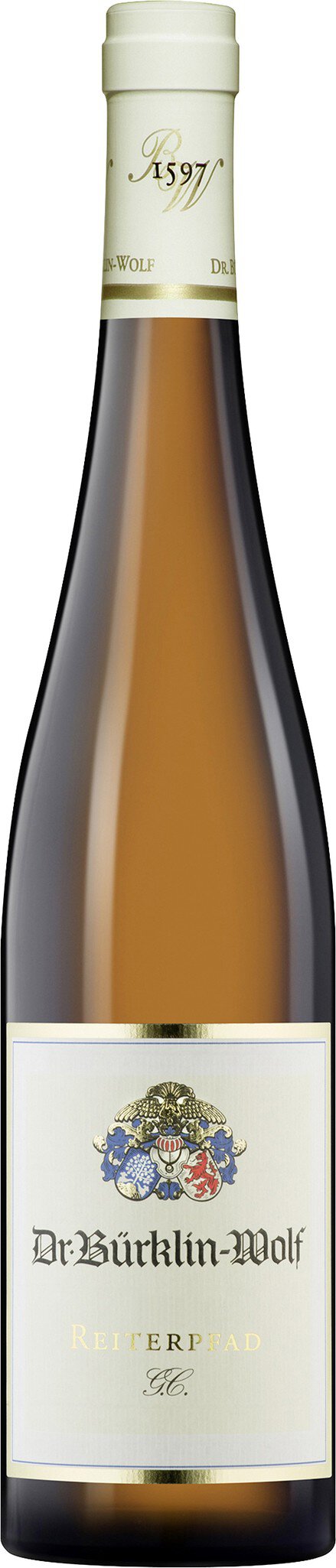
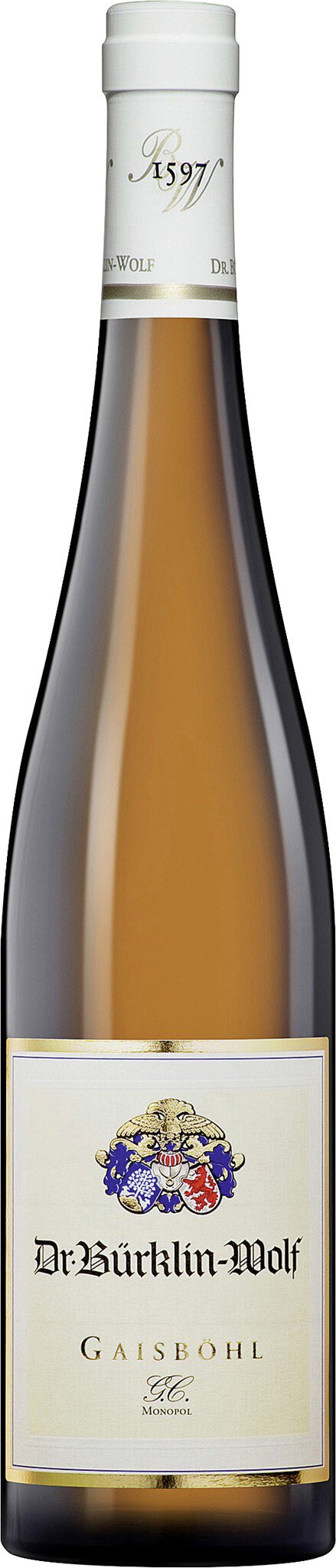
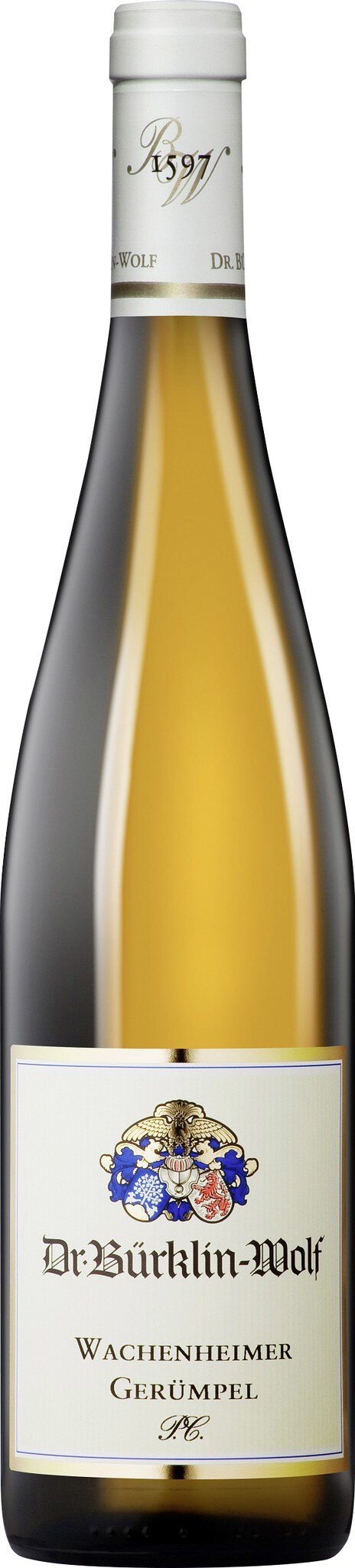
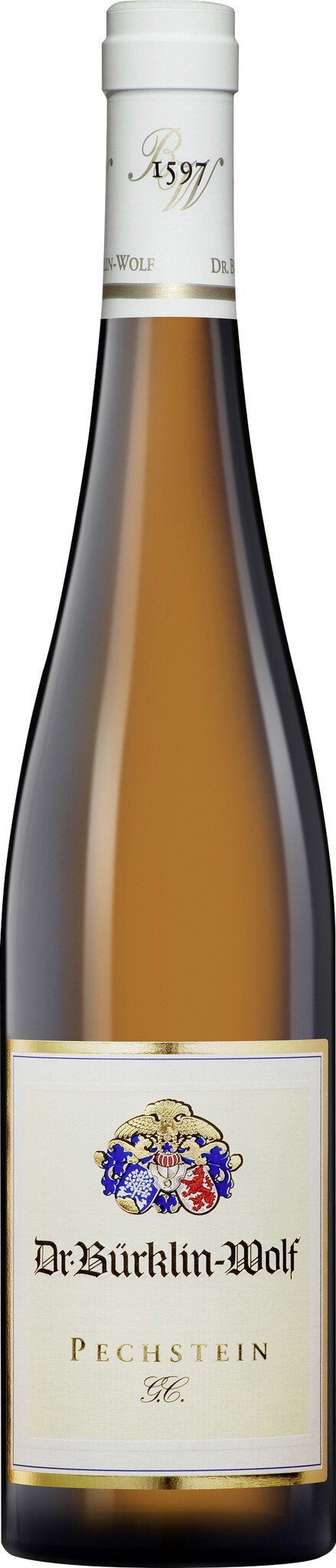
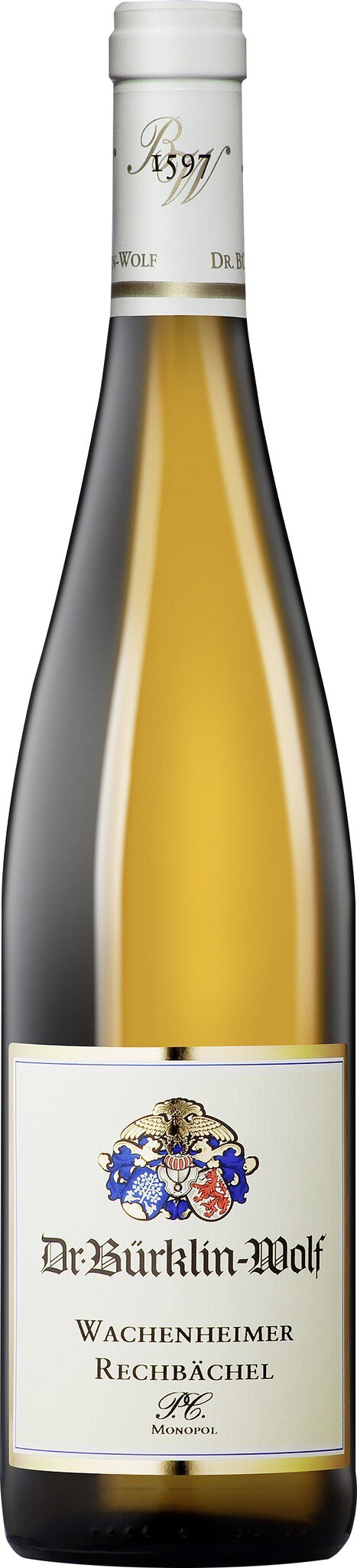
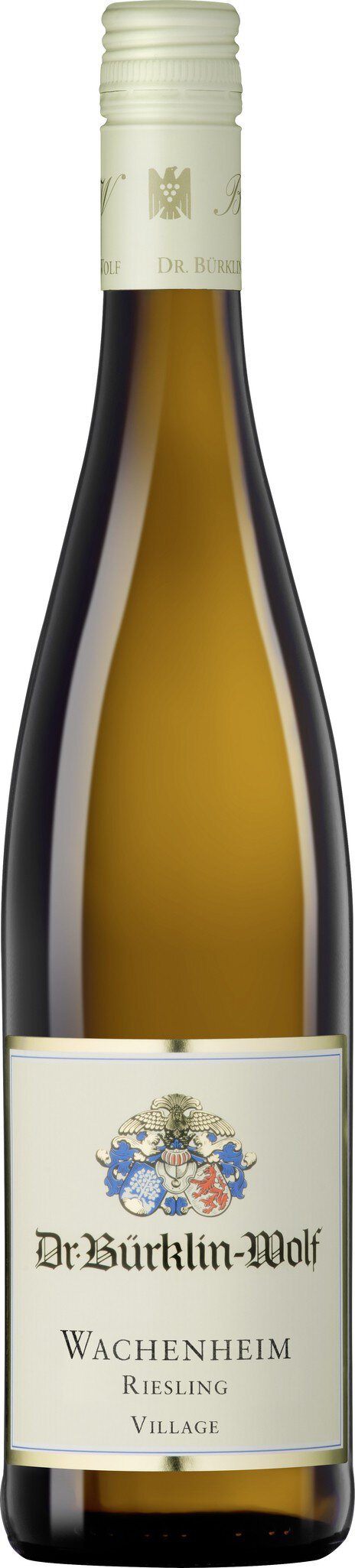
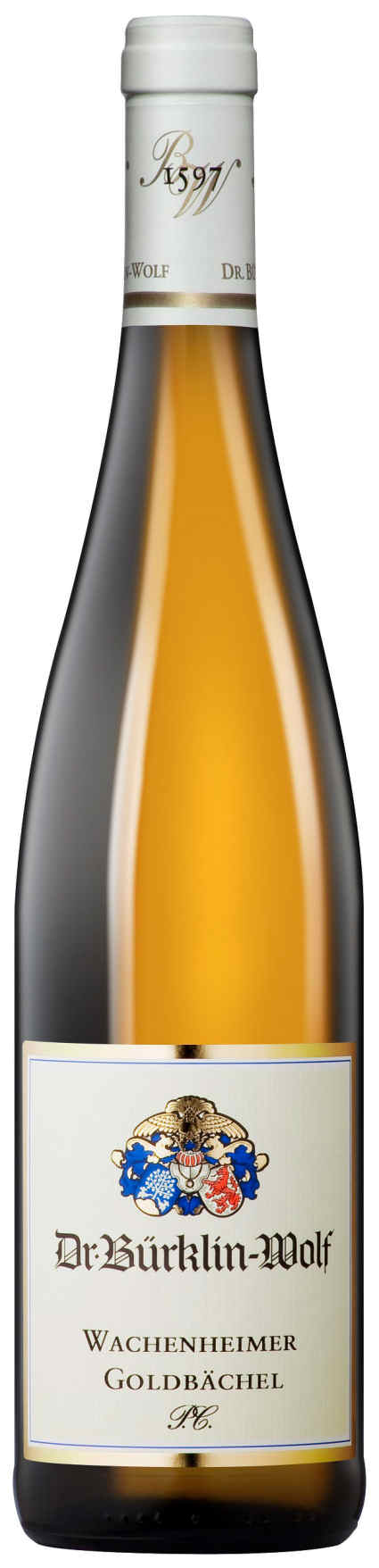
About Weingut Dr. Bürklin-Wolf
From 1597 to today: How a Palatinate family wrote wine history
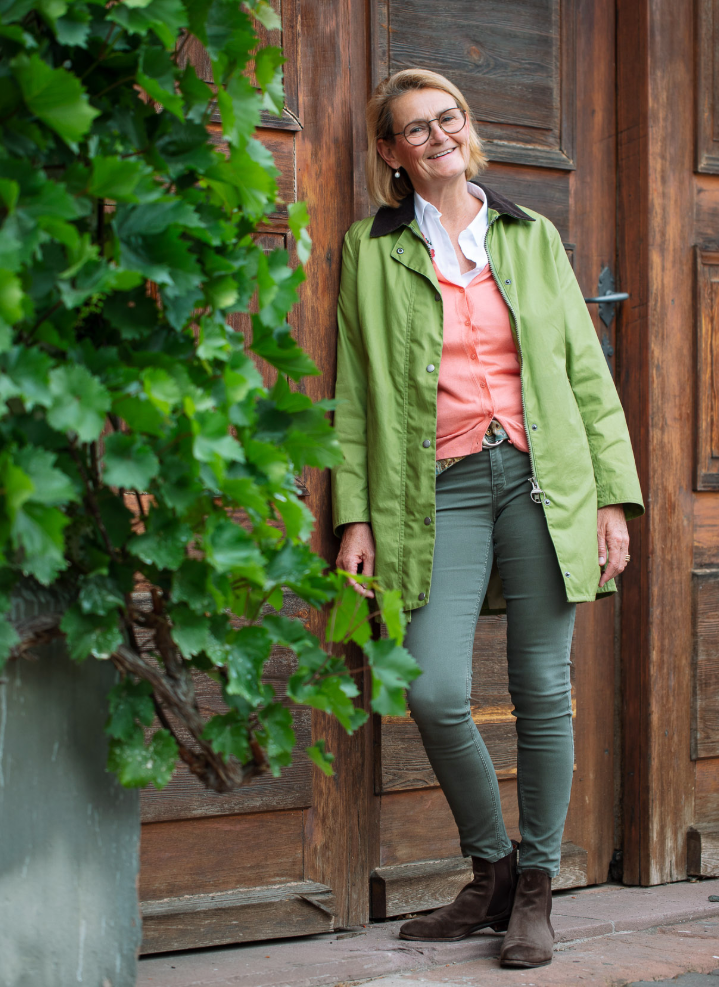
The Dr. Bürklin-Wolf winery in Wachenheim can be traced back to the year 1597, when Bernhard Bürklin (1580–1636) — town clerk and later mayor of Wachenheim — cultivated the first vines. The estate received its current name and its decisive expansion in 1875, when Albert Bürklin married Luise Wolf from Wachenheim, thereby transferring her vineyards in Wachenheim, Forst, Deidesheim, and Ruppertsberg into family ownership. Dr. Albert Bürklin, Vice-President of the German Reichstag, developed the estate into a model operation for quality viticulture at the end of the 19th century. Since 1990, Bettina Bürklin-von Guradze has led the winery in the fifth generation — and has given it a new, internationally recognized direction in the three decades since.
Biodynamics as an attitude, not a marketing promise
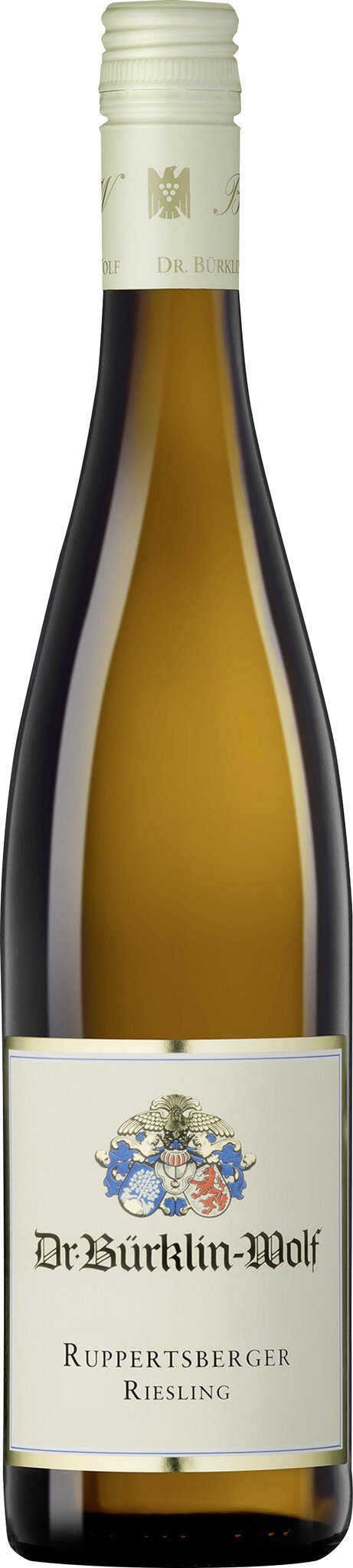
In 2005, Bettina Bürklin-von Guradze converted the entire approximately 85 hectares of vineyard area to biodynamic viticulture — the first German winery of this size to do so. Since then, Bürklin-Wolf has been a member of Biodyvin, an international certification association that otherwise primarily includes top French estates such as Domaine de la Romanée-Conti and Domaine Leflaive. The estate's reasoning is pragmatic: biodynamics improves soil fertility, preserves the character of the terroir, and sharpens site typicity. The winery has consistently declared a Ruppertsberg site a tractor-free zone — work there is done exclusively by hand or with horses. Home-made biodynamic preparations strengthen the plants' own vitality without resorting to industrial aids.
In the cellar, the same restraint follows: the Rieslings ferment naturally and mature in large wooden casks from various coopers (600 to 3000 liters, thick staves, no new wood influence). After fermentation, the wines remain on the lees until the site and vintage determine the bottling — not the calendar.
Minerality, site typicity, and a classification of its own
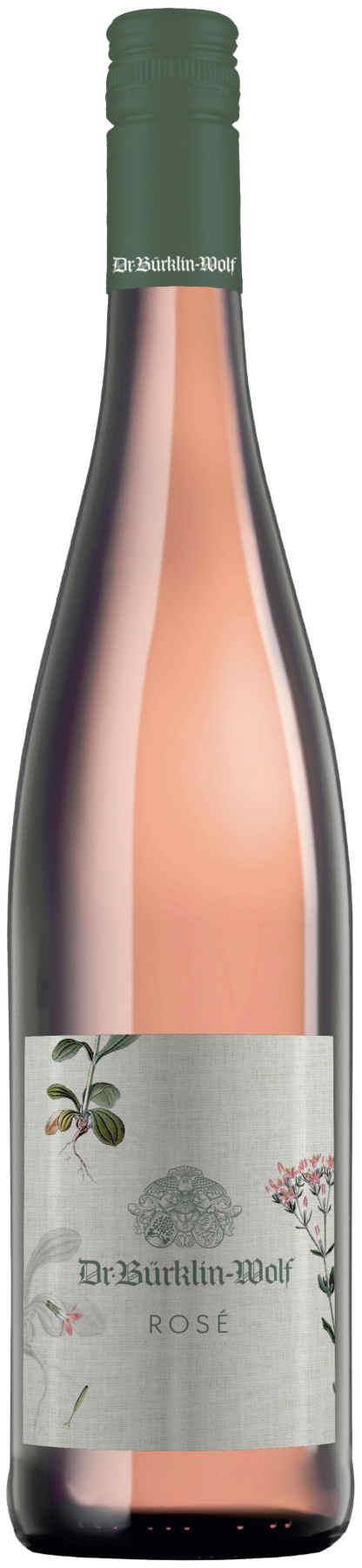
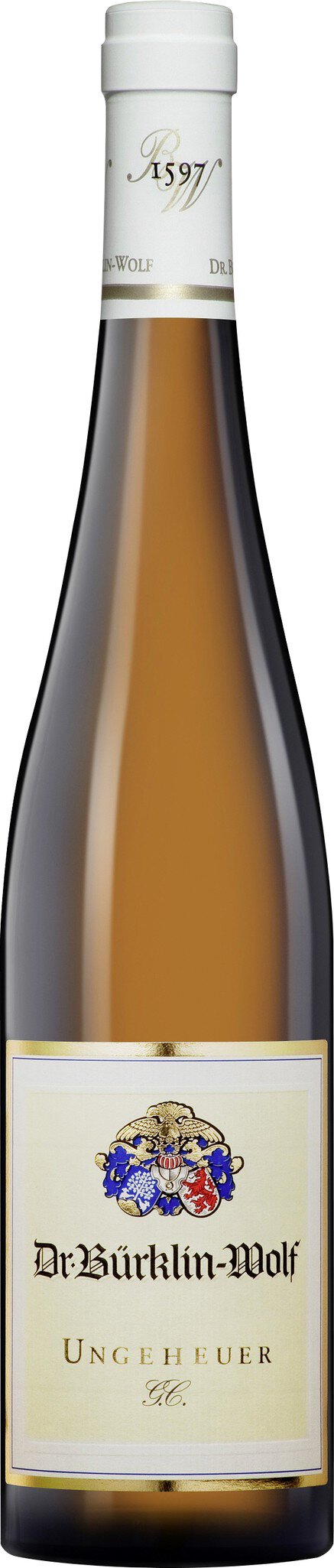
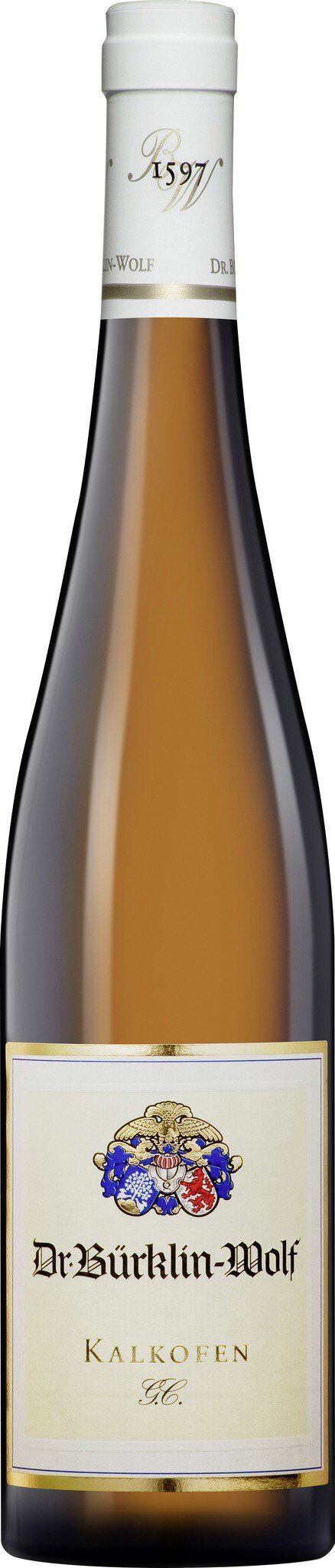
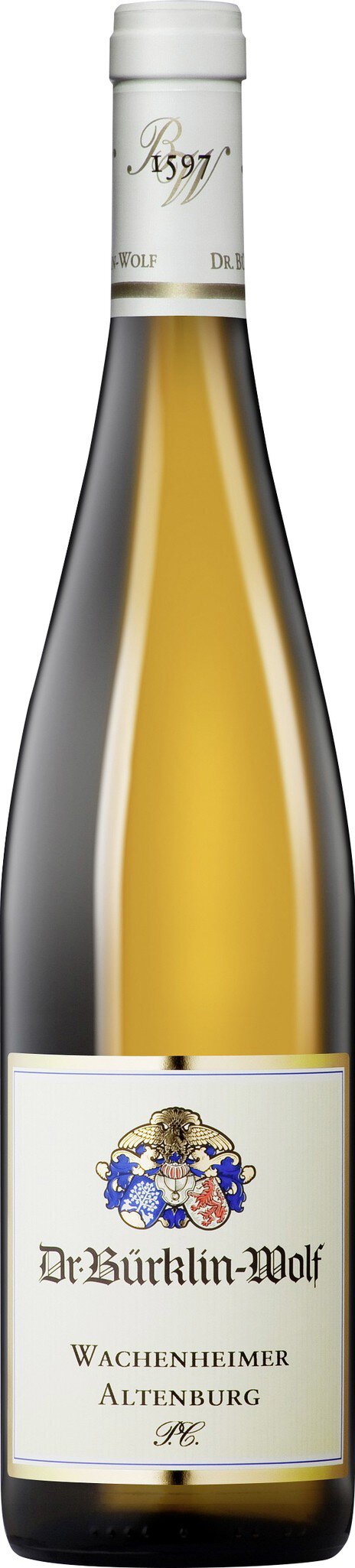
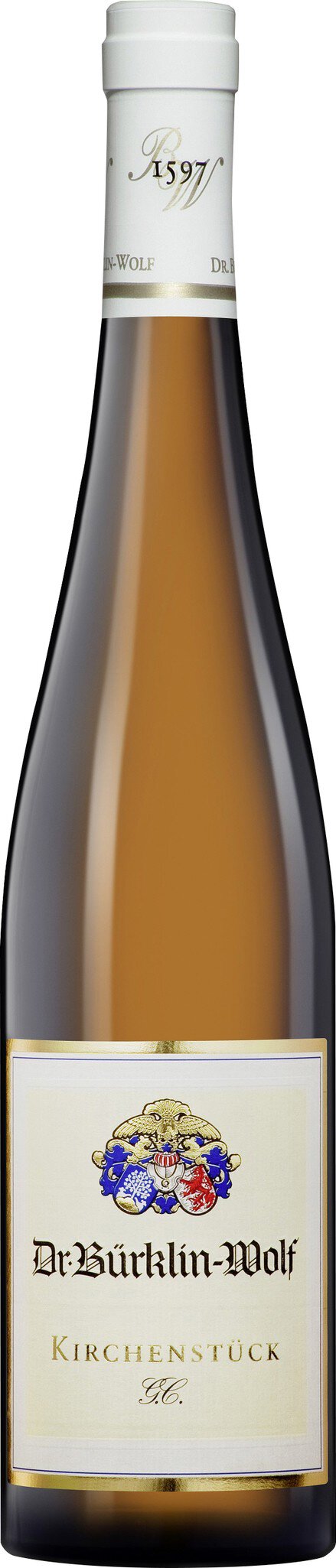
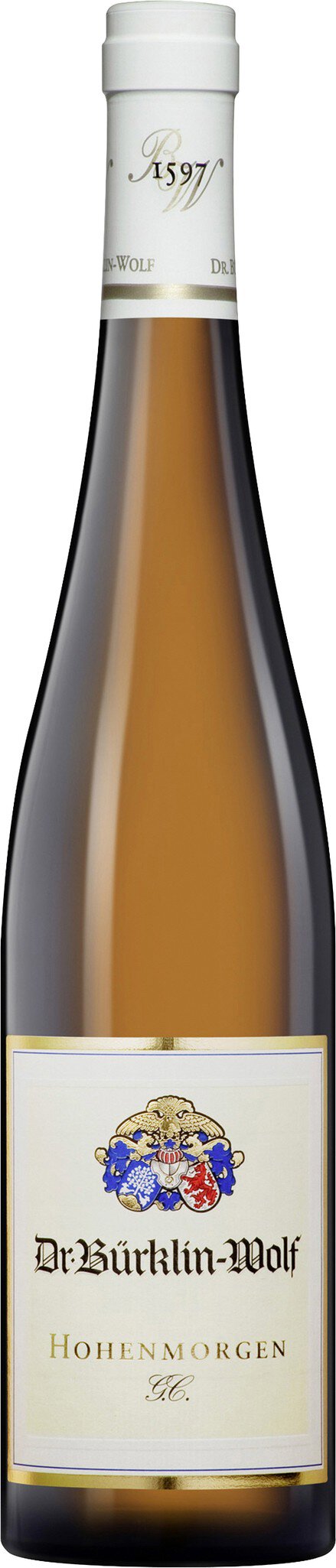
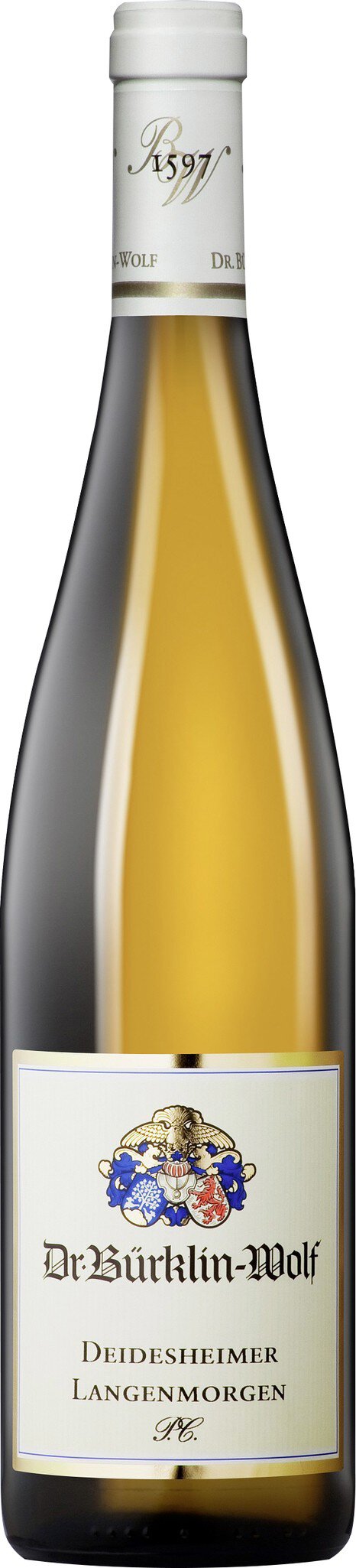
An unusually broad spectrum of soils stretches across the 15 classified sites in Forst, Wachenheim, Deidesheim, and Ruppertsberg: black basalt (as in the Forster Pechstein), red sandstone, limestone, loess, and volcanic rock alternate in a small area. Basalt sites produce smoky-mineral, taut Rieslings; sandstone and limestone soils create fuller, age-worthy wines with great elegance. Inspired by the Burgundian classification system and based on the Royal Bavarian site tax map of 1828, the winery sorts its range into Premier Cru (P.C.) and Grand Cru (G.C.) — a deliberate step away from the VDP, which they turned their backs on in the 1990s. In the glass, this means: clearly defined origin profiles, dry stylistics, pronounced acid structure, and a maturation potential that makes the best G.C. Rieslings suitable for ten to twenty years. In addition to Riesling, which forms the core of the range, white and red Burgundy wines as well as a rosé are produced — always from the estate's own harvest, always hand-picked.
Wachenheimbuerklin-wolf.de
Award-winning wines
Stuart Pigott JS Wine Ratings 2024
Awarded by Stuart Pigott / JS Wine Ratings
James Suckling 2023 German Riesling Großes Gewächs Tasting
Awarded by James Suckling
Robert Parker Bewertung 2024
Awarded by Robert Parker Wine Advocate