From medieval monastery to Provençal wine icon
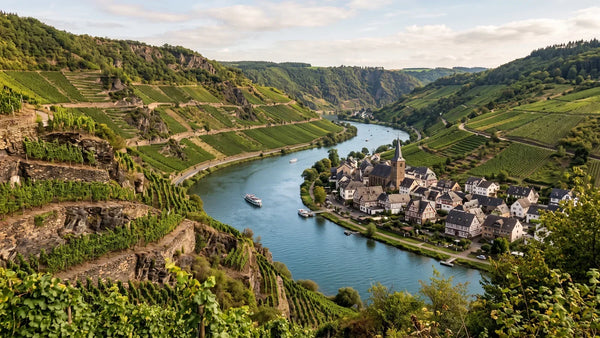
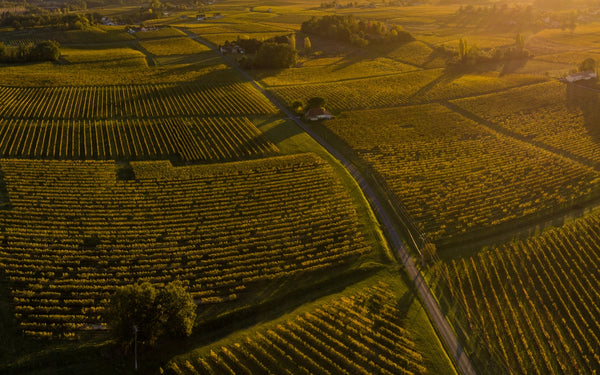
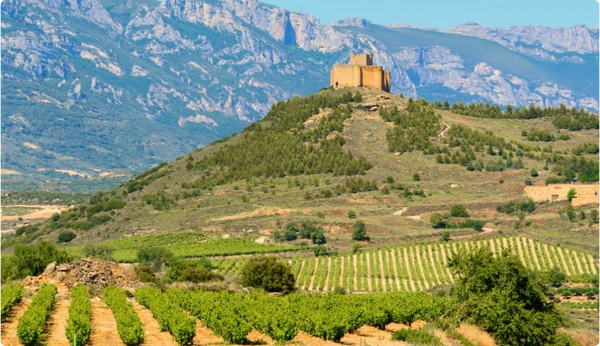
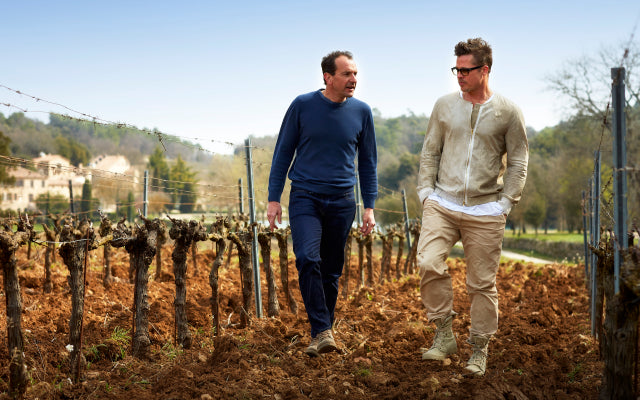
The estate dates back to a use that began long before the Middle Ages: the site was already settled in pre-Roman times, and local traditions link the place to the 13th century. The current cellar building dates from 1850 — built by Joseph-Louis Lambot, the pioneer of reinforced concrete. This layering of history and craftsmanship defines the estate to this day. Château Miraval is located in the village of Correns in the Var, on 30 hectares of vineyards that stretch at an average altitude of 350 meters above the Var valley — the estate is thus literally above the Provençal mainstream. In 2011, Brad Pitt and the Perrin family acquired the estate together and founded the joint venture Miraval-Provence. For the Perrins, the partnership was no coincidence: rooted in the Rhône Valley for generations and pioneers of organic farming since the 1950s, Marc and Jacques Perrin had been looking for a foothold in Provence for years.
Biology as a fundamental attitude, limestone as capital
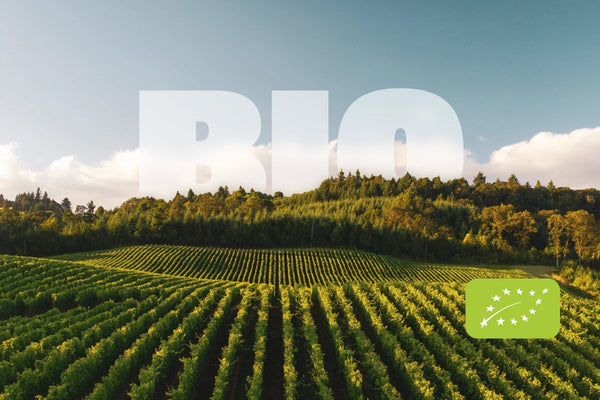
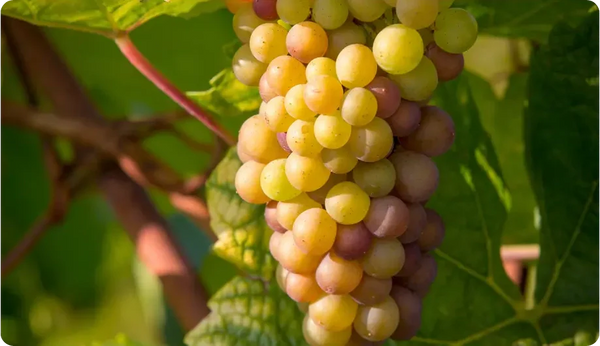
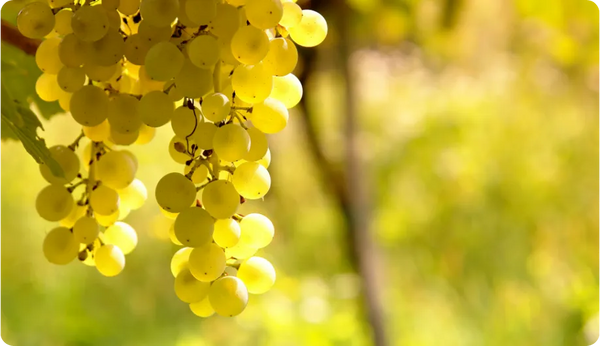
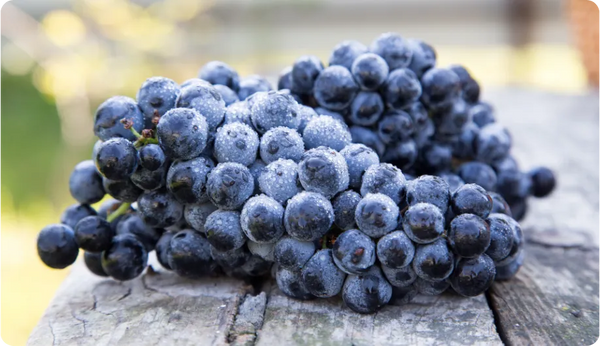
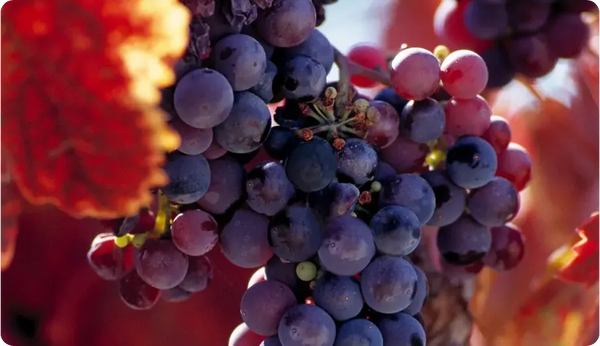
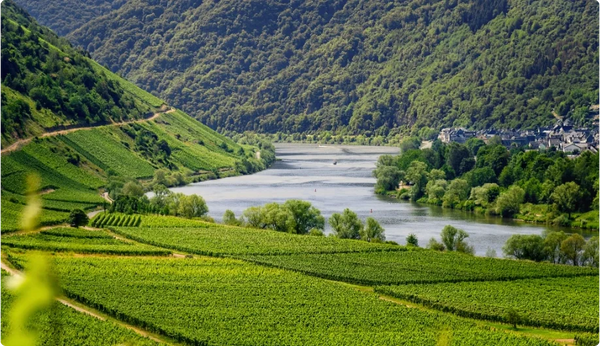
Correns is France's first fully organically certified village — and Château Miraval fits consistently into this framework. The 30 hectares of vines are managed exclusively organically, without herbicides. Before starting the collaboration, the Perrins had the soils analyzed by microbiologists Claude and Lydia Bourguignon in order to understand the terroir precisely. The soils are limestone-based with clay content — at this altitude, wines with mineral tension and clear acidity are created, which the coastal climate of the Côtes de Provence further south rarely achieves. Vinification takes place directly on the estate: all colors — rosé, white, and red — are aged in the Château cellar. The estate's grape varieties include Grenache, Cinsault, Rolle, Grenache Blanc, Syrah, and Cabernet Sauvignon; the vineyards are spread across the Côtes de Provence and Coteaux Varois en Provence appellations.
Rosé as a core competence — and much more
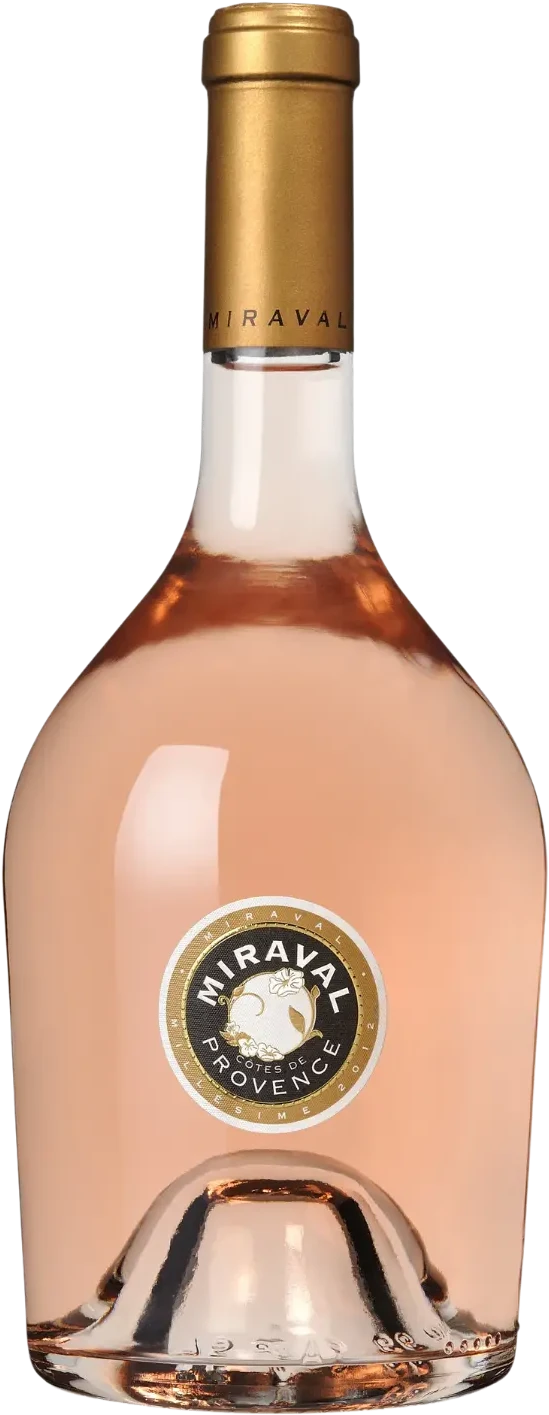
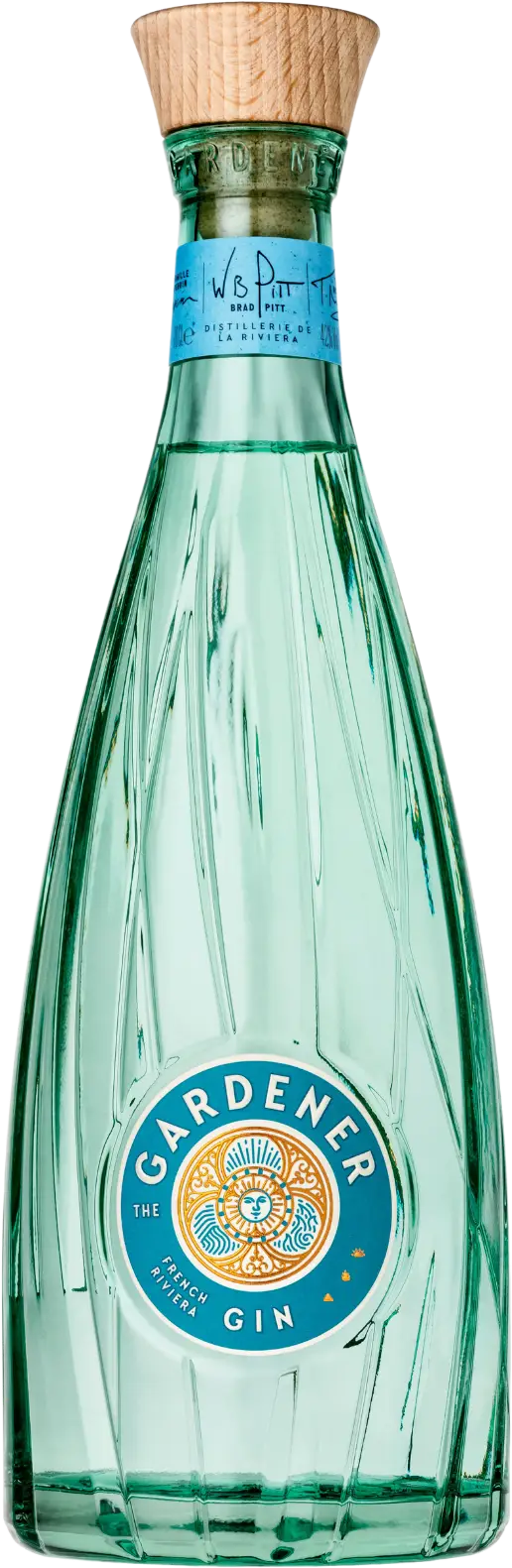
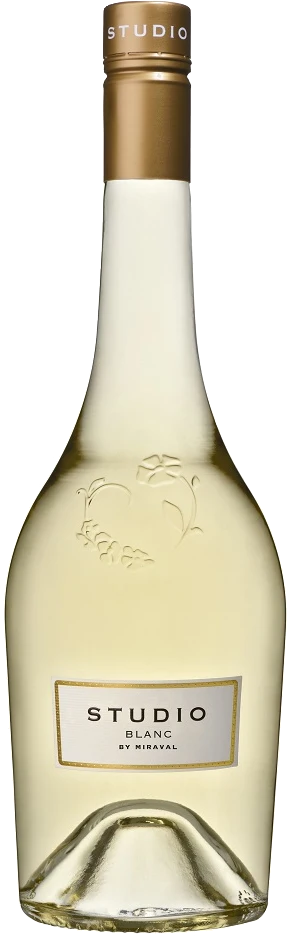
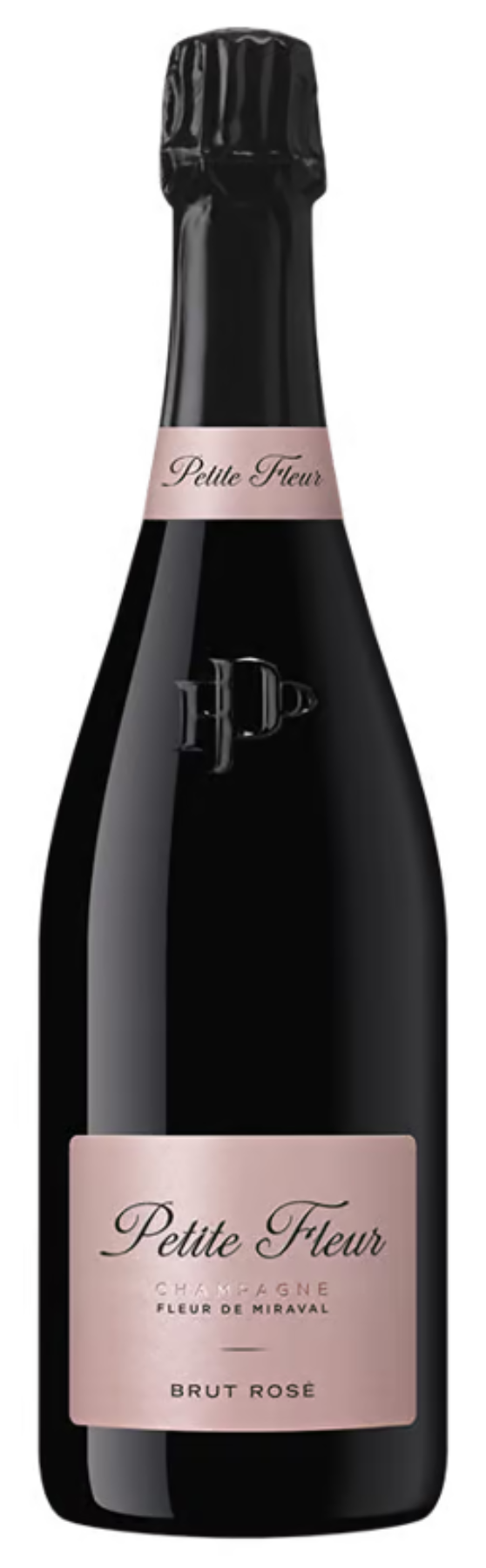
The rosé was the centerpiece from the very beginning: the first 2012 vintage was the only rosé to make it onto the Wine Spectator Top 100 list. The range has expanded significantly since then. In addition to the classic Miraval Rosé Côtes de Provence and the fruitier Studio by Miraval Rosé, there are white wines such as the Studio by Miraval Blanc made from Rolle. With the Fleur de Miraval line — a collaboration with Champagne expertise — the rosé competence was consistently further developed. The portfolio is complemented by the Gardener Gin, which picks up on the botanical diversity of the Provençal garrigue. What connects all products: the ambition to make terroir and craftsmanship visible without sacrificing the altitude and the ecological approach that make Correns one of the most idiosyncratic wine villages in Provence.