From the Knights Templar to a Cru Classé icon
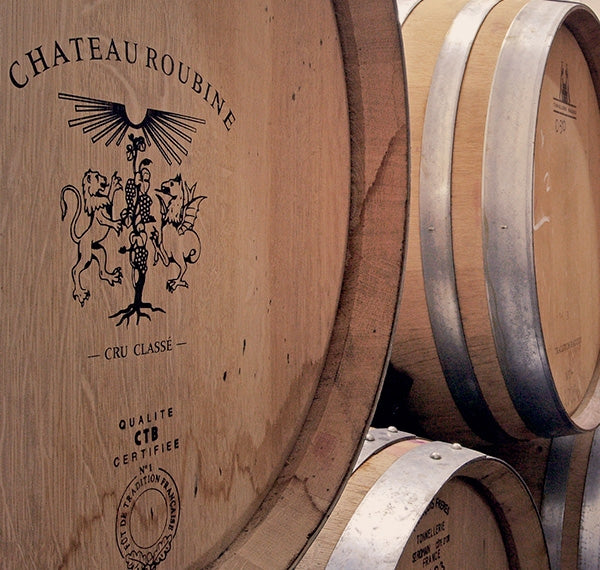
The history of Château Roubine dates back long before the founding of modern wine appellations. As early as the beginning of the 14th century, the estate in the Var belonged to the Order of the Knights Templar before it passed to the Order of Saint John of Jerusalem in 1307. In the 15th century, it was a prestigious property owned by significant Provençal noble families. After the French Revolution, the estate was fragmented, changed hands several times in the 19th century, and in 1923 passed through the line of succession to Henri de Rohan Chabot, who temporarily leased it to the Ott family. In 1955, the French Ministry of Agriculture ennobled Roubine by decree as one of 23 wineries to be a Cru Classé of the Côtes de Provence — a status that persists to this day and is held by only a small handful of estates in the appellation.
The decisive new beginning came in 1994 with Valérie Rousselle, a native of Saint-Tropez. She switched from the tourism industry to viticulture — not as a career plan, but because she fell in love with the estate immediately upon her first visit. With parental support, she acquired the then 70-hectare domaine and expanded it to its current 130 hectares, 72 of which are planted with vines. In parallel, she continued her education at the Suze-la-Rousse wine school and earned a degree in oenology and viticulture.
Biodynamics in the heart of the Var — consistent, not fashionable
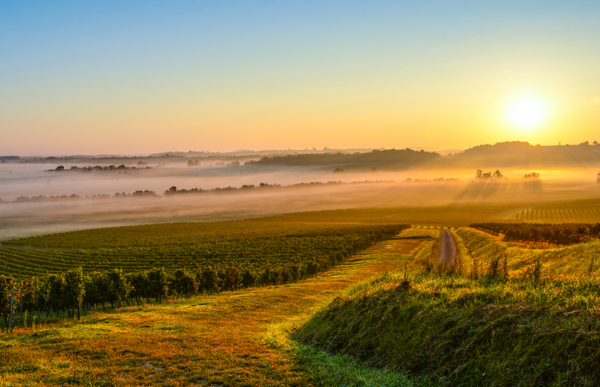
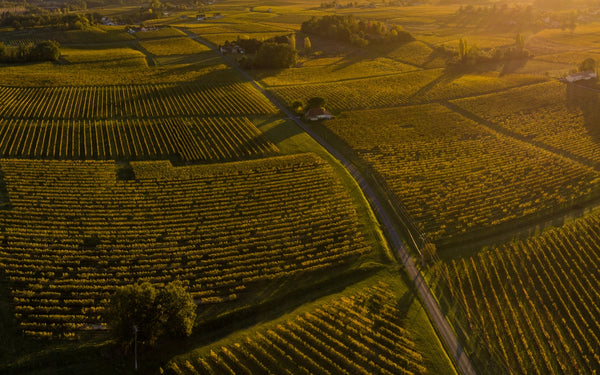
The estate is located between Lorgues and Draguignan, nestled in a natural amphitheater of pine and oak trees on calcareous clay soil. The east-west orientation of the vineyard plots ensures uniform sunlight exposure throughout the entire growing season and allows for slow, complete ripening of the grapes. The terrain is drained naturally — Roubine means simply "stream" in the Provençal dialect and is thus literally the program.
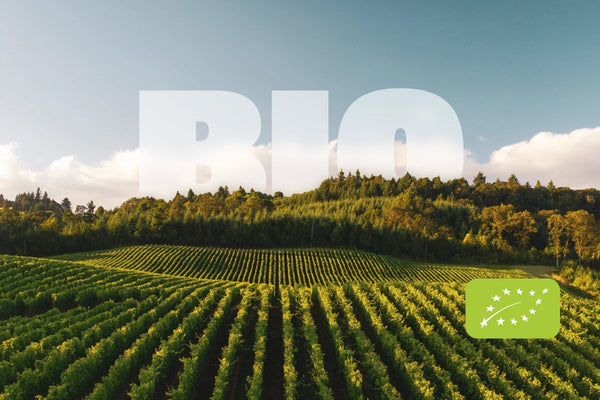
Since 2017, Château Roubine has been Demeter-certified and works according to the principles of biodynamics: lunar calendar, biodynamic preparations, closed soil cycle. Yields are deliberately limited to around 40 hl/ha. Valérie Rousselle describes this approach not as a marketing tool, but as a logical consequence of her understanding of terroir: only a living soil can translate the uniqueness of a place into the bottle. In addition to cellar investments in modern processing technology, she is also involved beyond the estate — as president of the French association of women in wine, she was honored by the French government for her work in promoting women in business.
Rosé as the core — with depth in all three colors
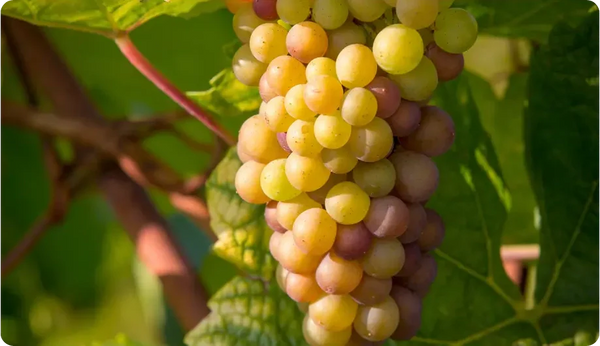
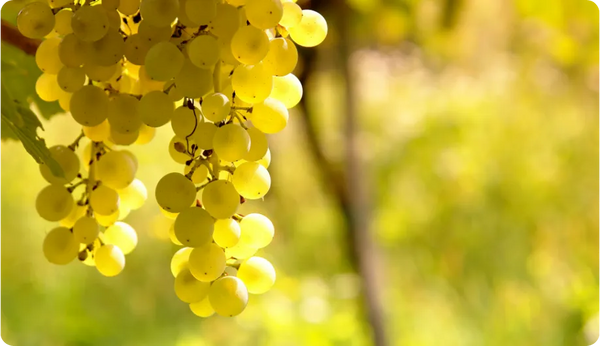
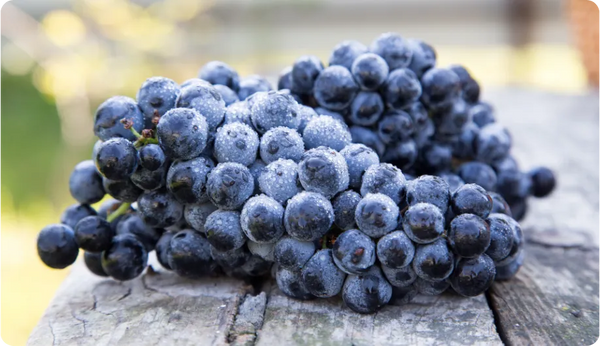
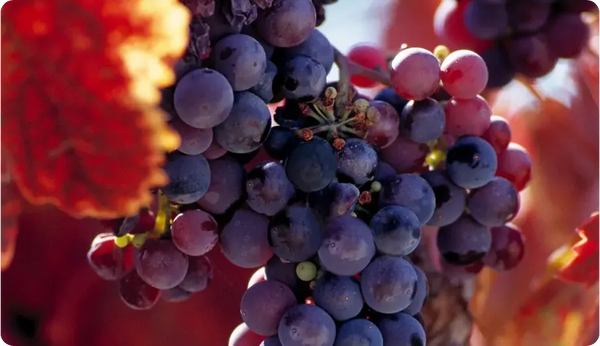
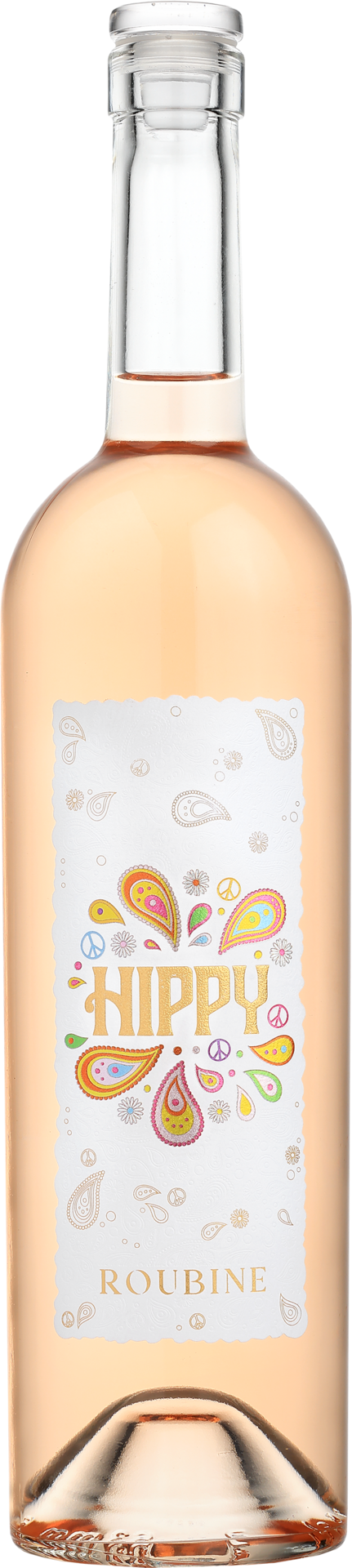
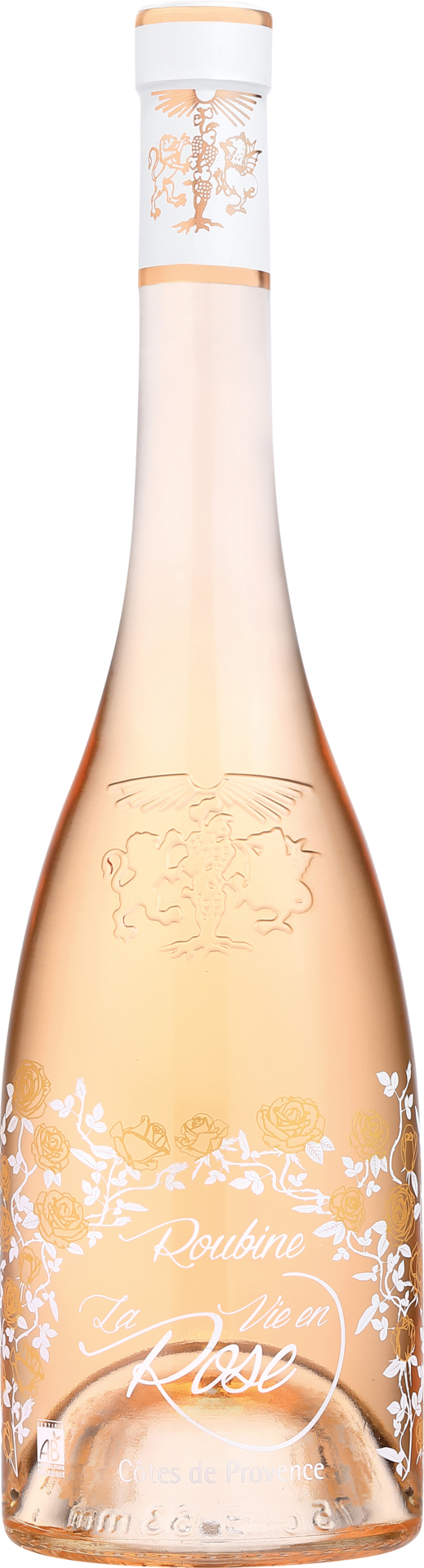
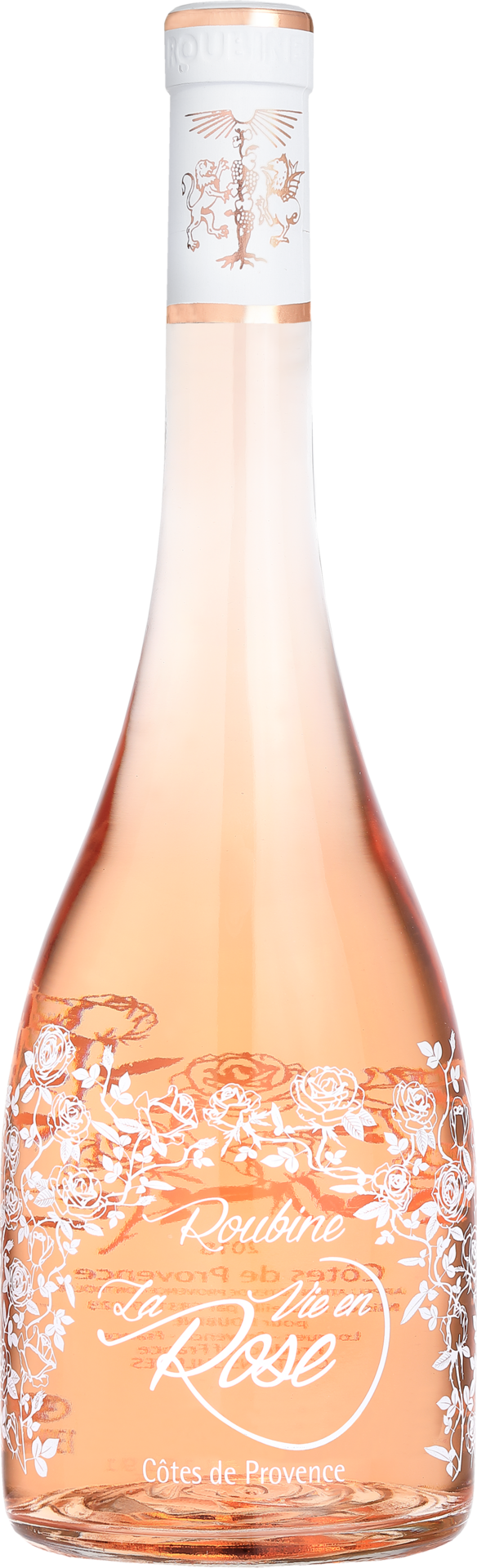
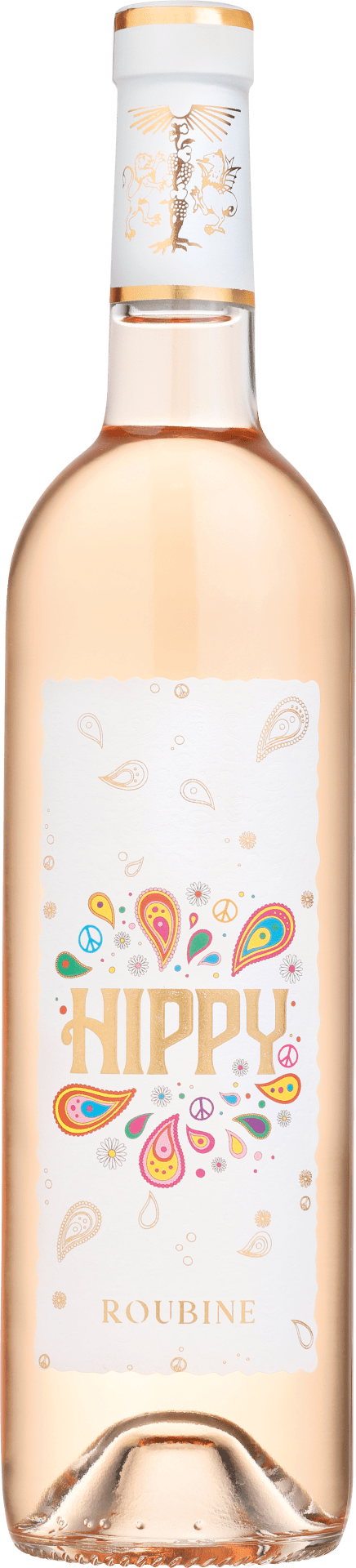
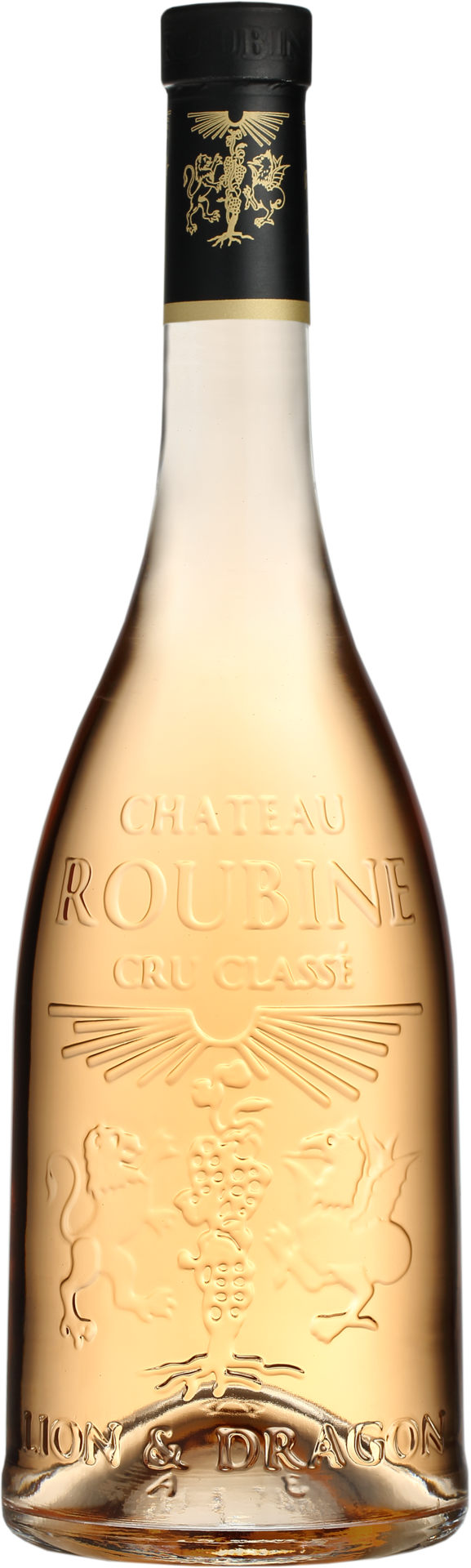
The range at Château Roubine includes rosé, white, and red wines from 13 Provençal grape varieties, including Grenache, Syrah, Mourvèdre, Rolle, Cinsault, and the rarely encountered Tibouren, which Roubine uses in top cuvées as one of the few domaines in the region. The rosés — the heart of the house — show the characteristic salmon-pink color of the Côtes de Provence, plus fresh red berry fruit, citrus, and Mediterranean herbal notes with a clear, dry finish. The white wines bring freshness and floral roundness, the red wines fine tannin structure and a bouquet of dark fruit and subtle spices. Cuvées such as Lion & Dragon, La Vie en Rose, or the Inspire Tête de Cuvée represent different levels of ambition and price within the same consistently biodynamic framework — from the accessible entry-level to the classified top cuvée.