Cà dei Frati
Where Lake Garda flattens out to the south, in Lugana di Sirmione lies the winery that has given the town its name: Cà dei Frati – the “House of the Monks”.
The name says it all: The estate was first documented in 1782 , when it served as vineyard land for Carmelite monks . In 1939, the Dal Cero family put down roots here – laying the foundation for one of the most influential winemaking stories in Northern Italy.
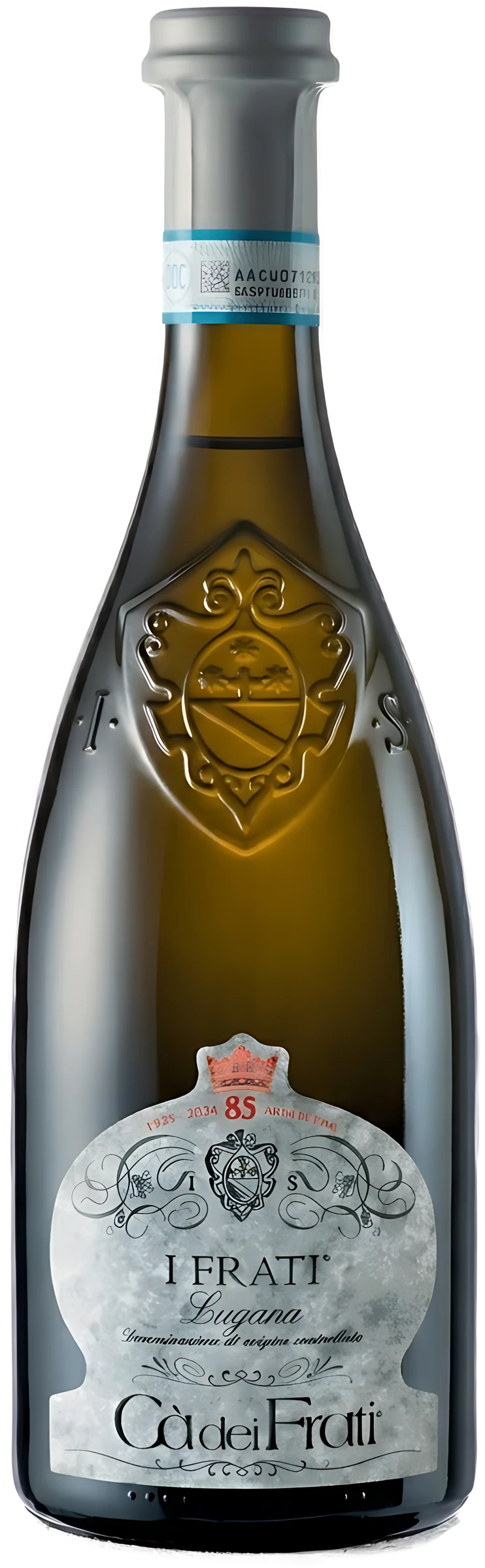
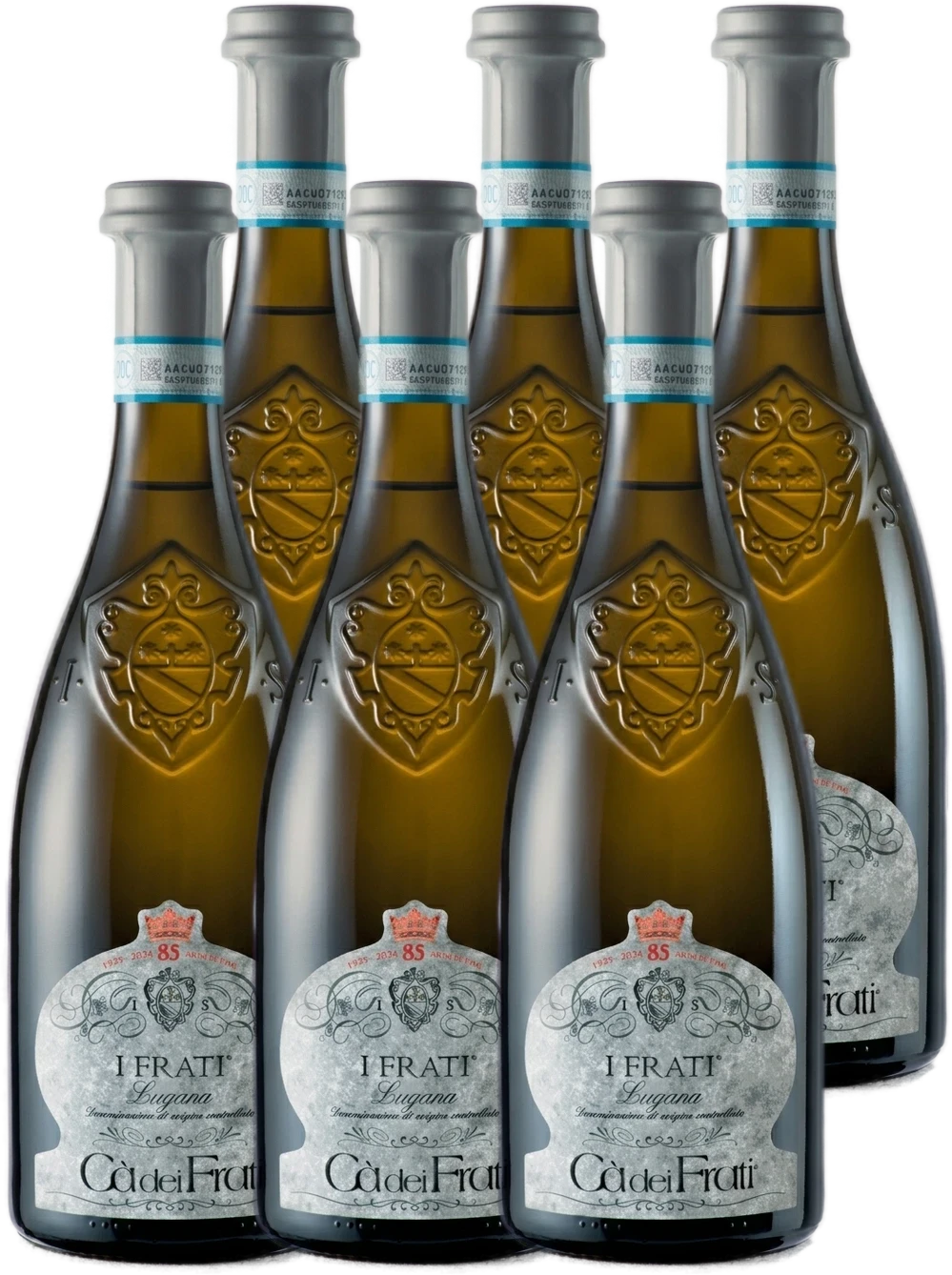
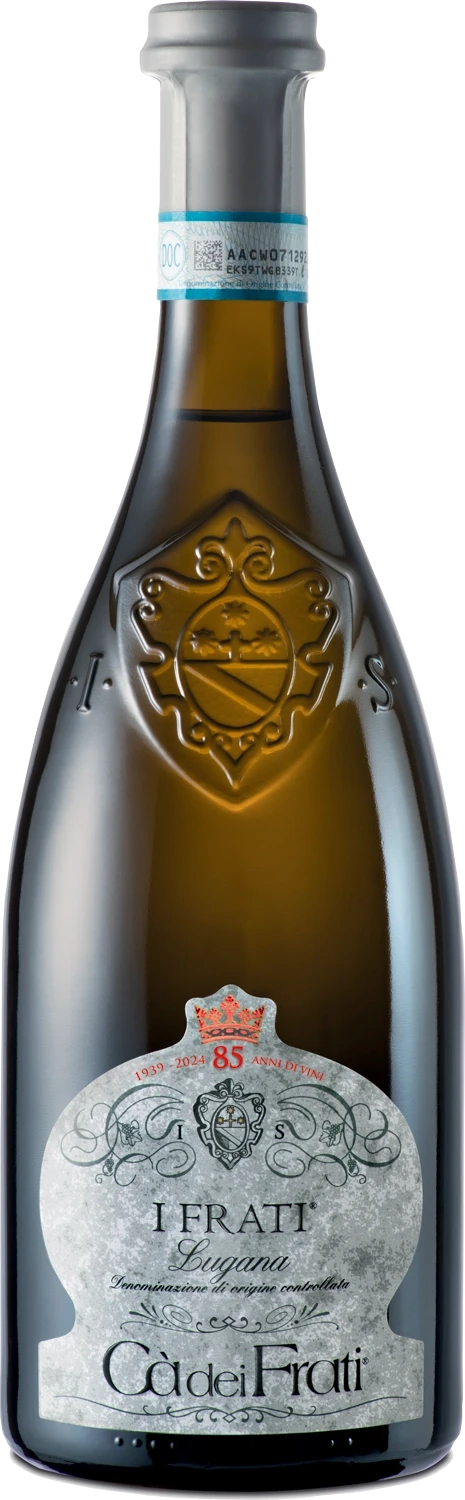
It was Pietro Dal Cero who spearheaded the recognition of the Lugana DOC , which was awarded in 1967. His wine "I Frati" became the benchmark – and one of the most famous white wines in Northern Italy.
Today, his three children run the business in the third generation : Gian Franco looks after the vineyards, Igino manages the cellar, Anna Maria is responsible for sales – three perspectives, one common goal.
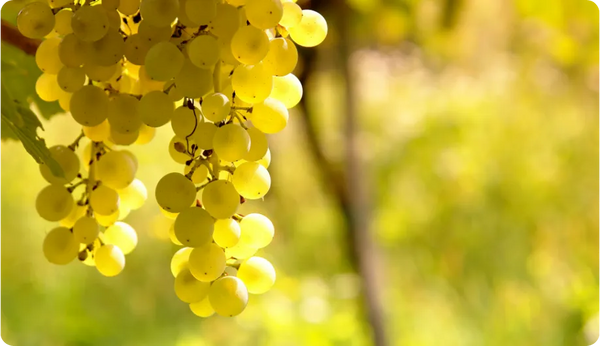
Its foundation is the Turbiana grape variety, grown on the calcareous moraine soils on the southern shore of Lake Garda. From this grape emerges the unmistakable Lugana style: mineral, clear, and long-lasting – driven by the conviction that tradition and state-of-the-art cellar technology are not mutually exclusive, but rather complementary.
What does that mean for your glass? Wines with provenance, precision, and the quiet self-confidence of a family estate that knows exactly where it comes from.

Cà dei Frati – The Dal Cero family and the heart of the Lugana
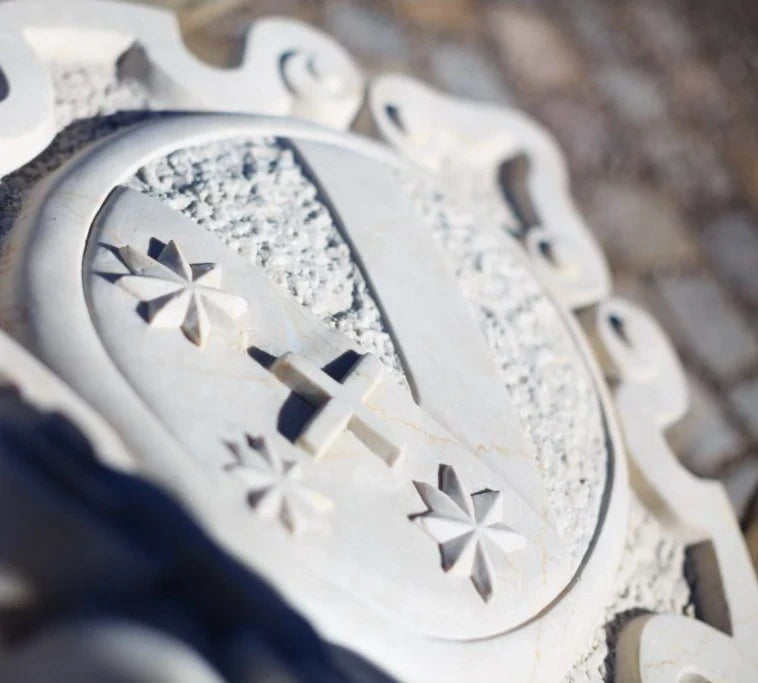
The name speaks volumes about the history of the place: Cà dei Frati means "Field of the Brothers" in the Lombard dialect—a reference to the Carmelite monks who once cultivated vines on this land. Their ancient coat of arms still adorns the original cellar gate and serves as the winery's logo. The property was first documented in 1782 as a "house with a cellar in Lugana in the district of Sirmione, known as the place of the brothers." The Dal Cero family revived this long history when Felice Dal Cero moved from Montecchia di Crosara, near Verona, to Lugana di Sirmione in 1939 , recognizing the region's potential for winemaking.
It was his son, Pietro Dal Cero , who brought national and international renown to the winery. Pietro tirelessly campaigned for its own designation of origin—successfully: in 1967, the Lugana DOC was awarded . Shortly thereafter, he bottled his first wine under the label "Lugana Casa dei Frati," which was later renamed Cà dei Frati. Pietro Dal Cero passed away in 2012 , leaving his wife, Santa Rosa, and his children, Igino, Gian Franco, and Anna Maria, a legacy they continue with the same passion: Gian Franco is responsible for the vineyards and vine care, Igino, as cellar master, oversees the vinification, and Anna Maria manages sales.
Terroir: moraines, limestone and the moderating lake
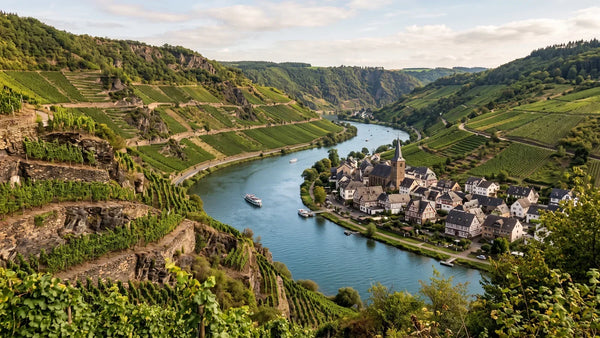
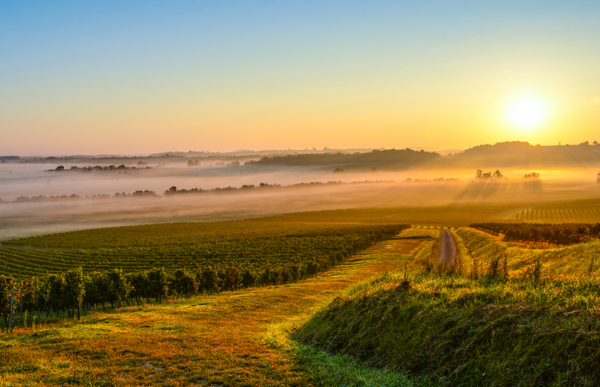
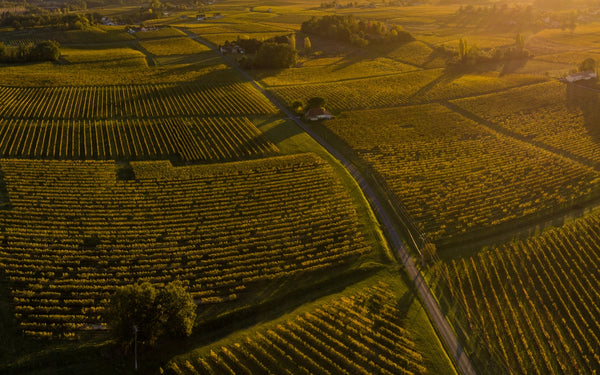
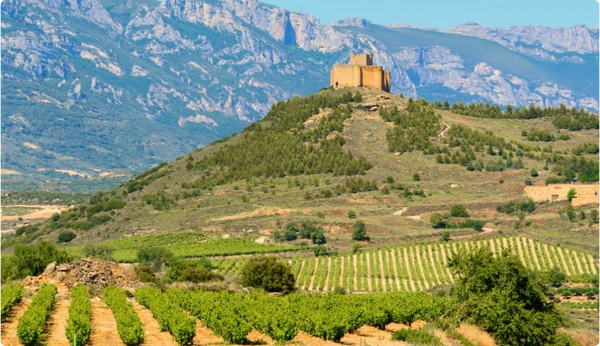
The winery is located in the province of Brescia on the southern shore of Lake Garda , not far from Sirmione. The Lugana zone extends across both Lombardy and Veneto—a geographical border area that lends its wine a distinctive character. The soils are of glacial origin: morainic deposits with a high proportion of clay, loam, and limestone shape the terroir and give the wines their characteristic minerality.
Added to this is the microclimate of Lake Garda. Winemaker Igino Dal Cero describes it this way: The winds from the lake moderate the summer heat, while the pronounced day-night temperature fluctuations promote vine growth and ensure a slow, even ripening of the grapes. The result is wines with fresh acidity, aromatic depth, and a mineral tension that is rarely found elsewhere in Northern Italy.
The Turbiana — autochthonous and distinctive
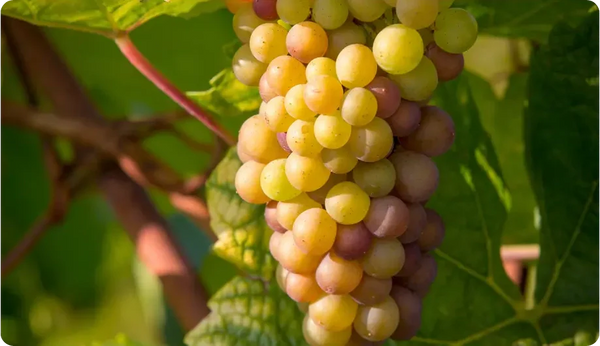
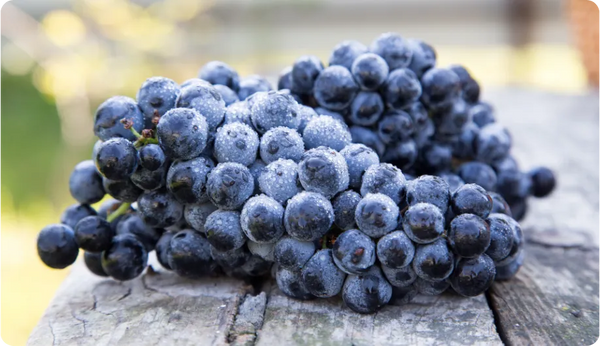
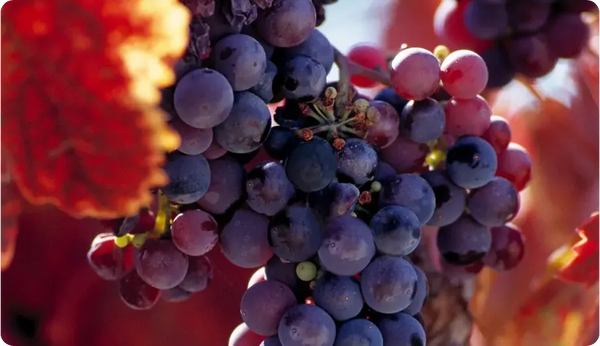
At the heart of Cà dei Frati's work is Turbiana , also known as Trebbiano di Lugana. This indigenous white grape variety thrives on the calcareous soils around Lake Garda like almost nowhere else. The winery also cultivates Chardonnay and Sauvignon Blanc, as well as Marzemino, Gropello, Sangiovese, Barbera, and Cabernet Sauvignon for its red wines.
In the cellar and vineyard, Cà dei Frati combines tradition with innovation: One of Italy's most modern bottling plants allows the Lugana to be bottled almost under vacuum and without oxygen contact—a crucial factor for freshness and aging potential. For its flagship wine , I Frati , the winery deliberately forgoes malolactic fermentation to preserve the crystalline, varietal acidity of the Turbiana grape.
Style and design: From sleek to complex
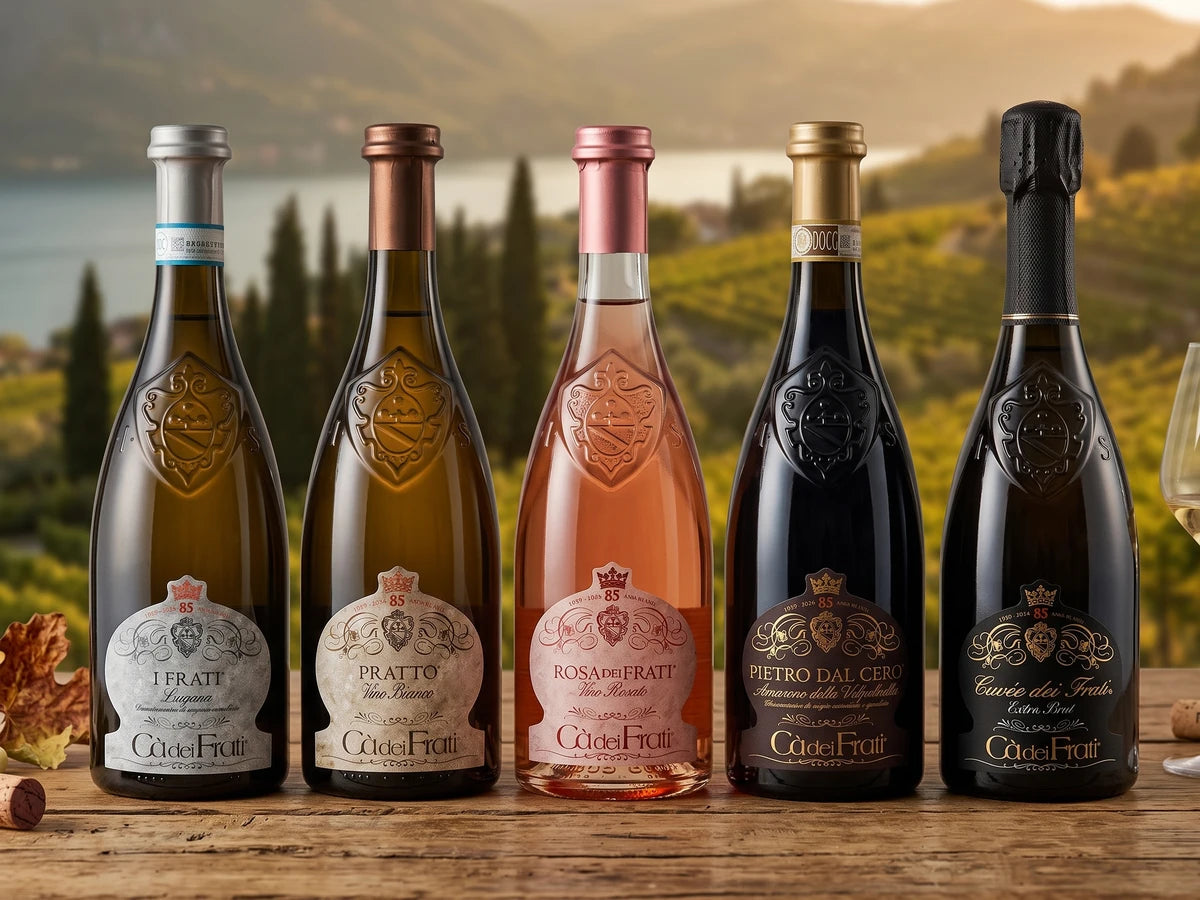
The Cà dei Frati range displays a clear stylistic signature, which originates from the terroir and is expressed differently depending on the wine:
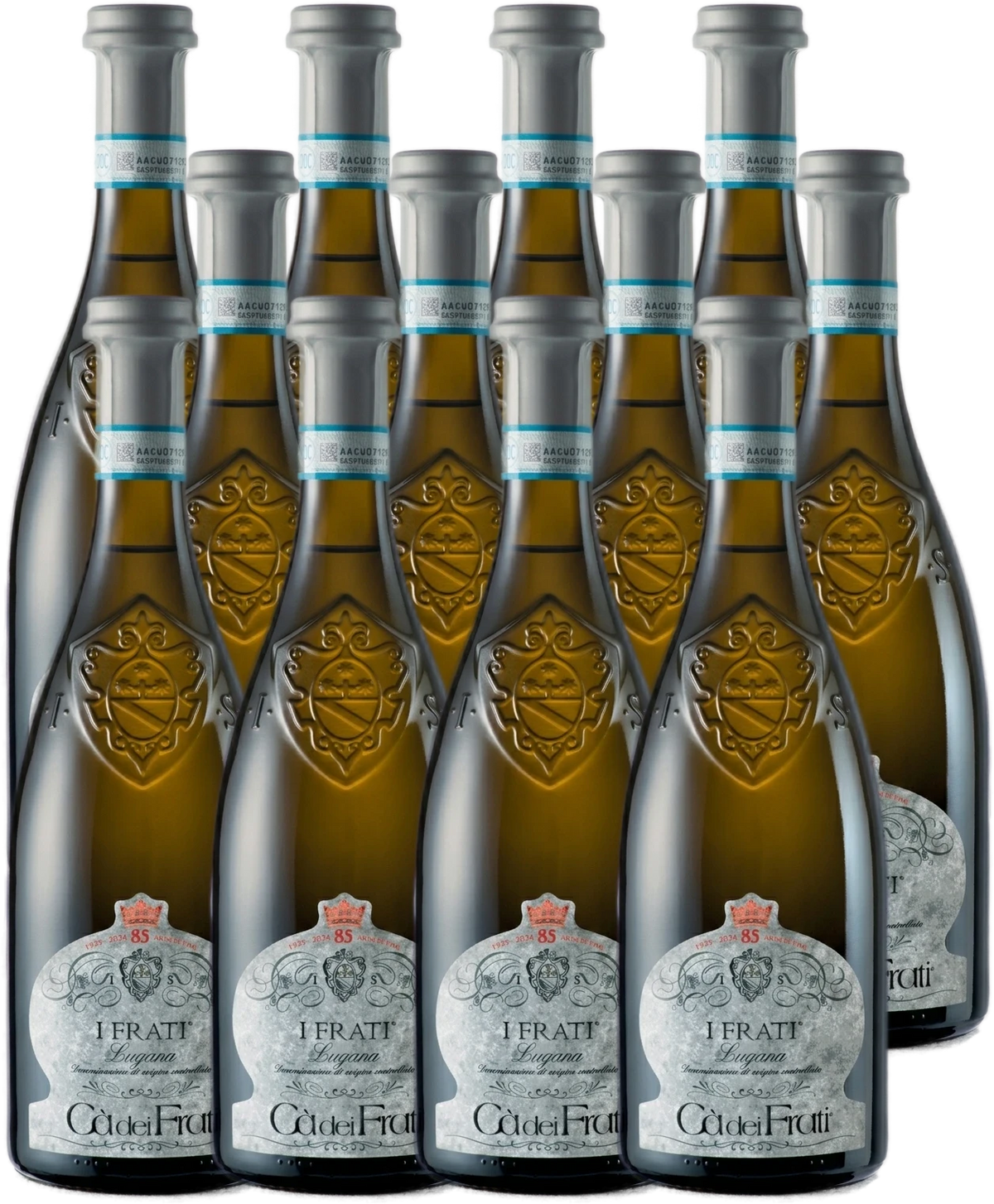
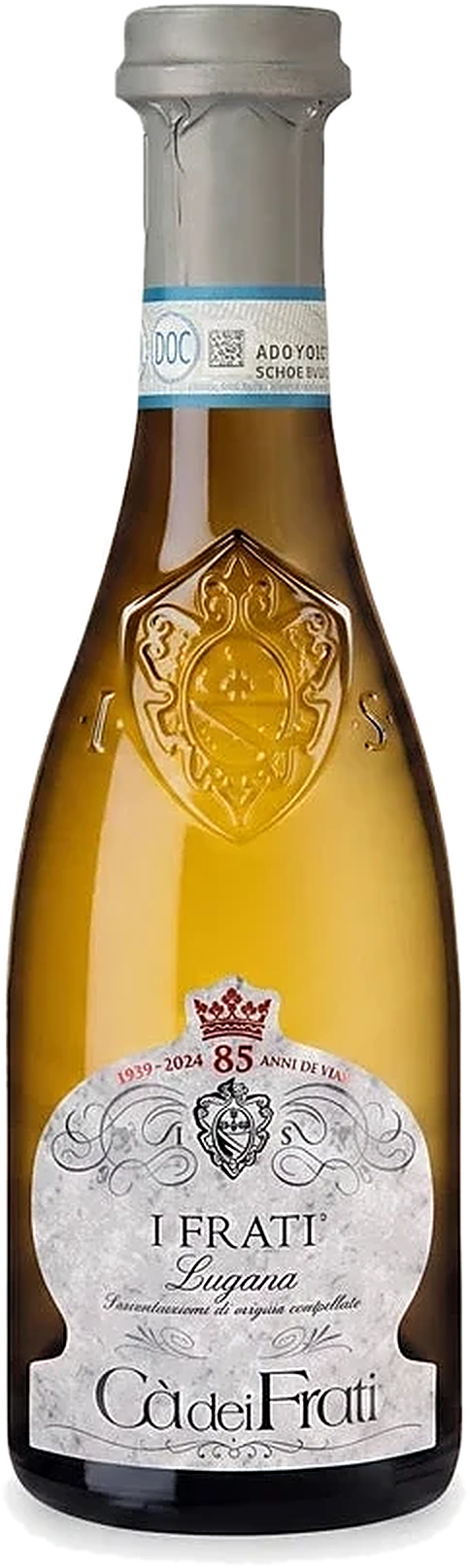
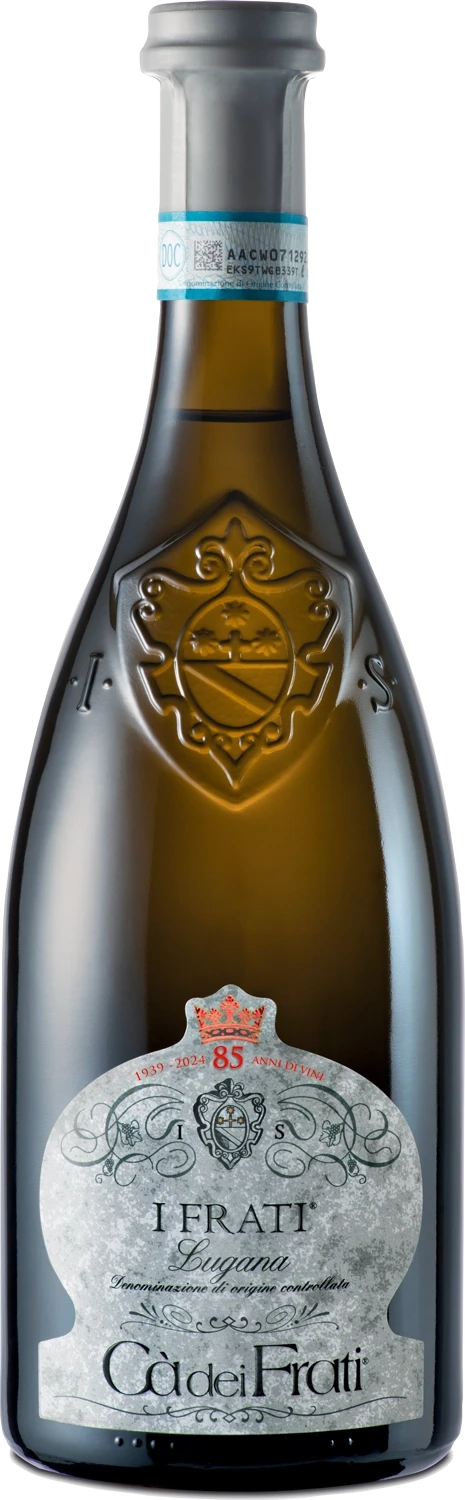
- I Frati Lugana DOC: The winery's flagship wine matures in stainless steel tanks, spends six months on the lees, and then rests for a further two months in the bottle. The wine comes from the estate's own vineyards in the hinterland of Sirmione, where the vines are between 4 and 40 years old.
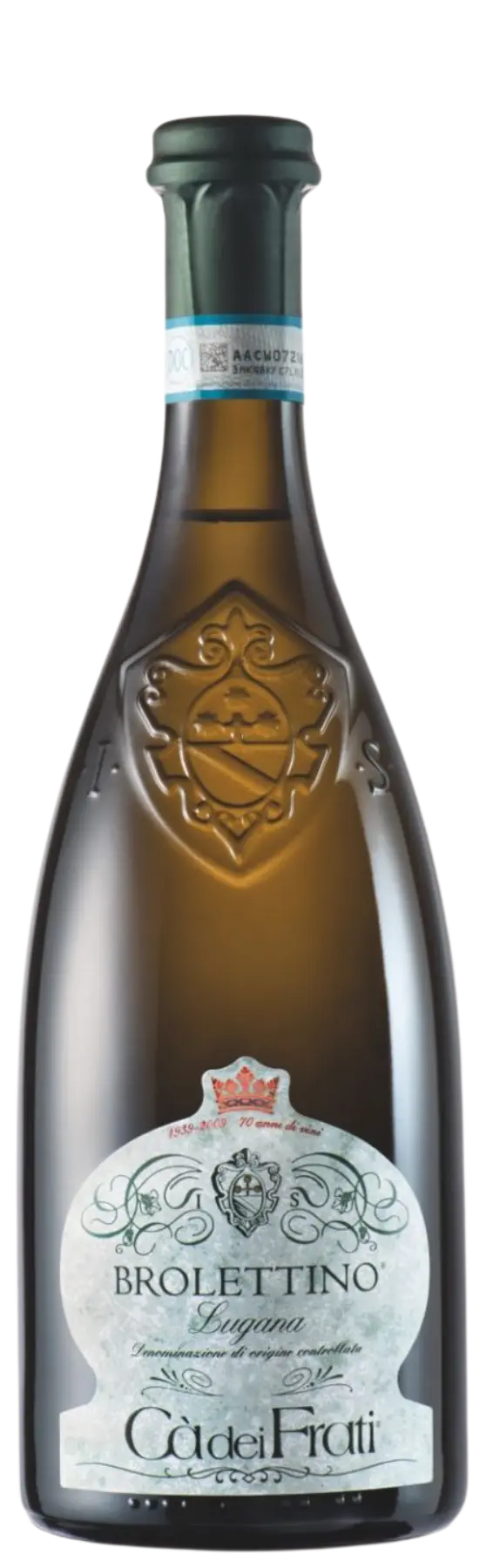
- Brolettino Lugana: More complex and layered — vinified in stainless steel and barriques, with subsequent maturation of 10 months in wood and three months in the bottle.
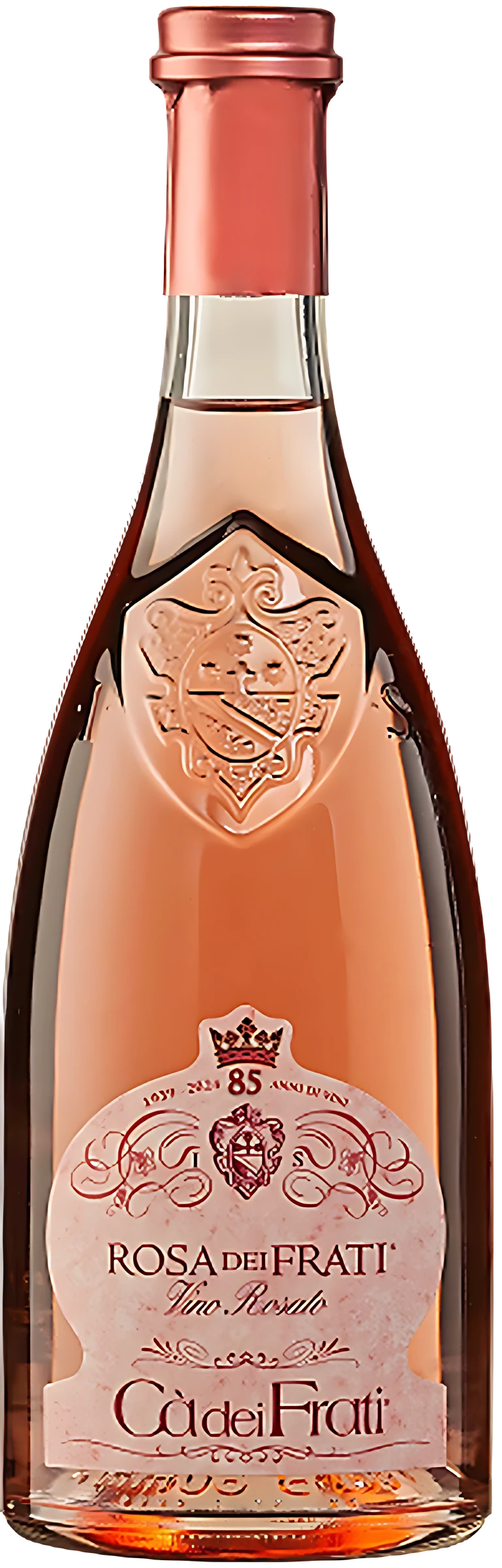
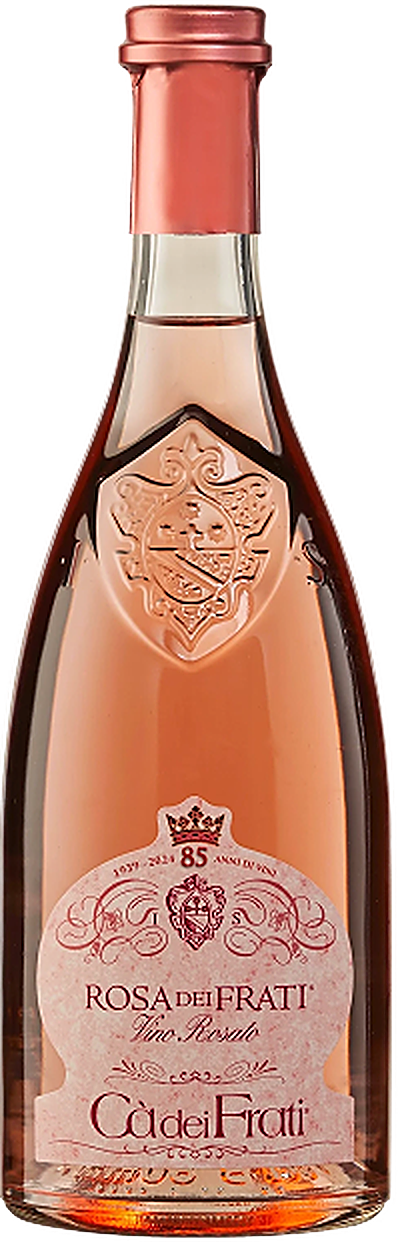
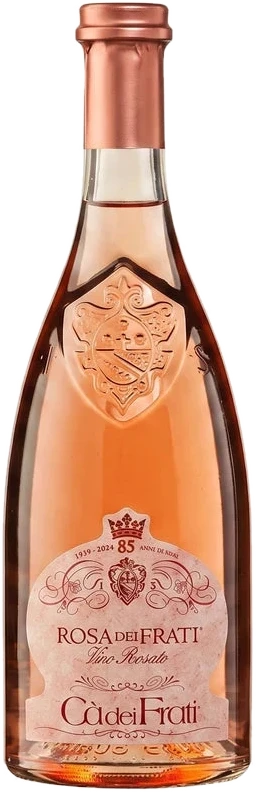
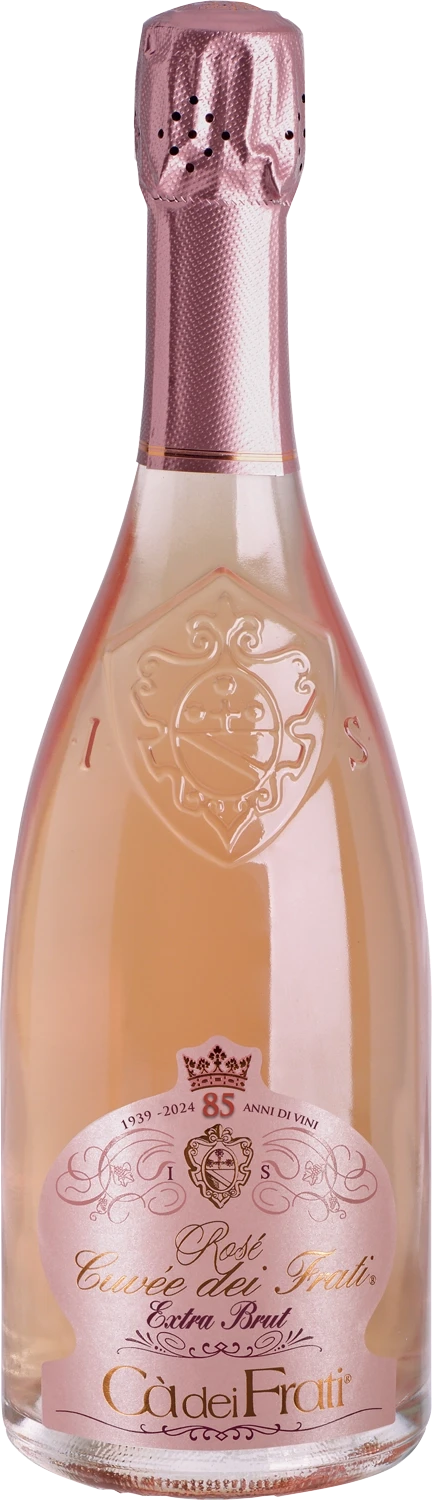
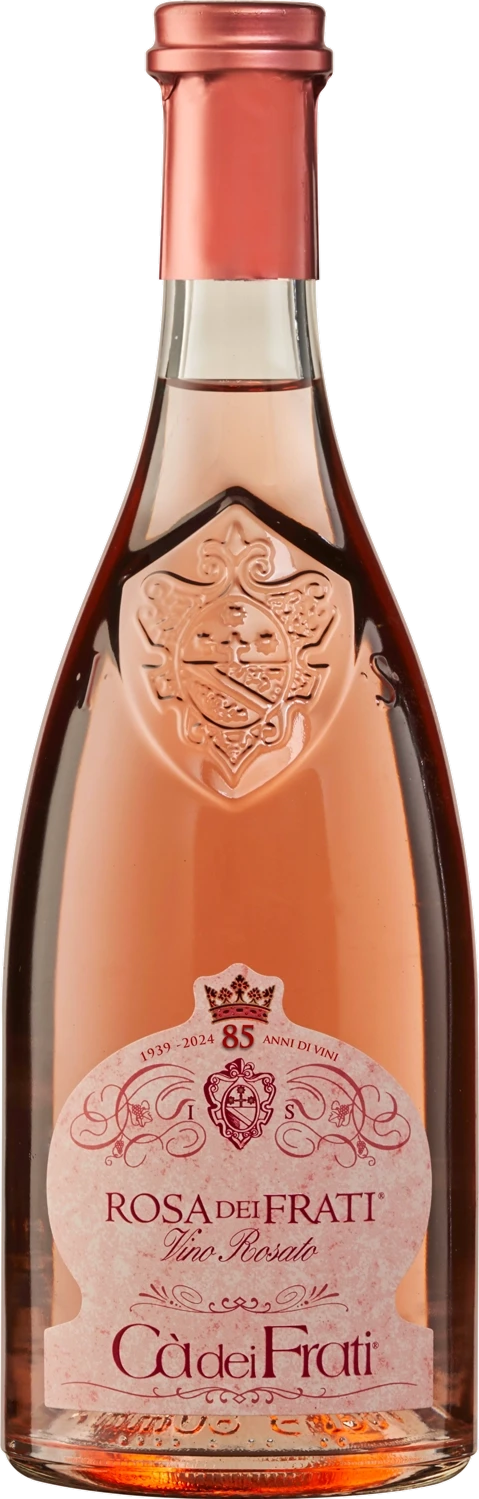
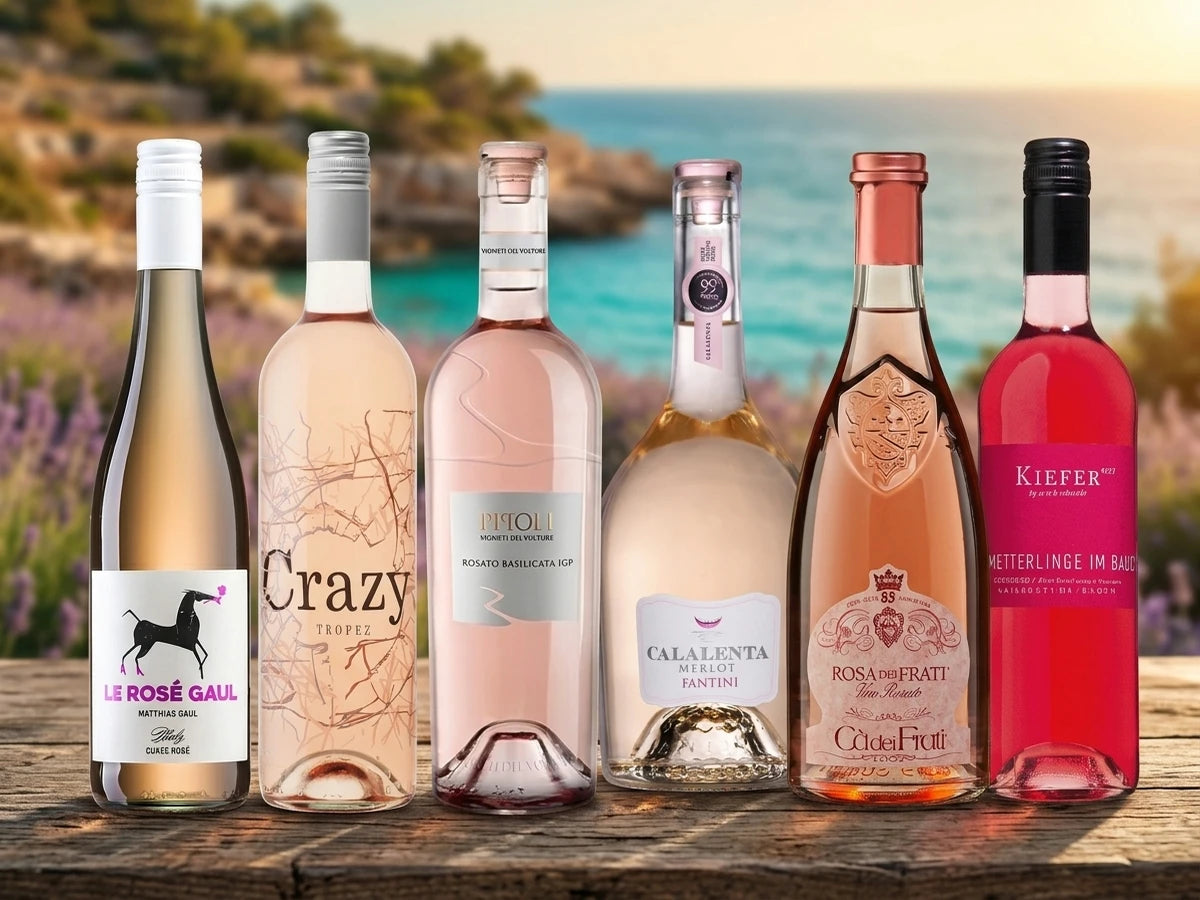
- Rosa dei Frati: The house rosé wine, fruity and approachable — one of the best-selling products in the Vinoscout range.
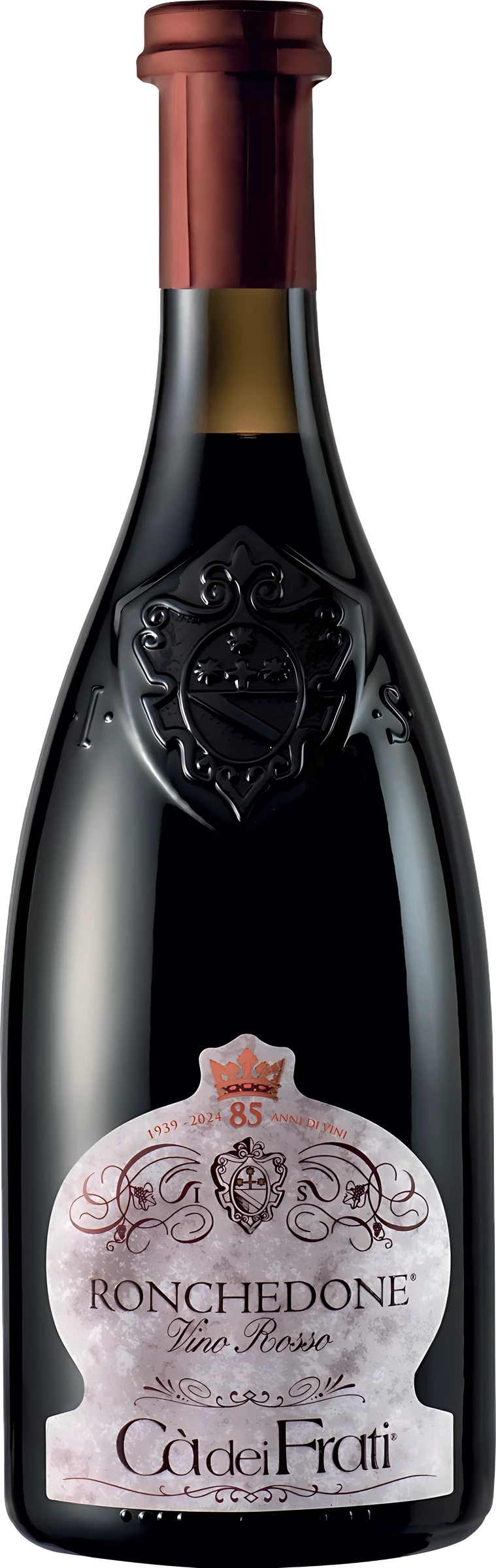
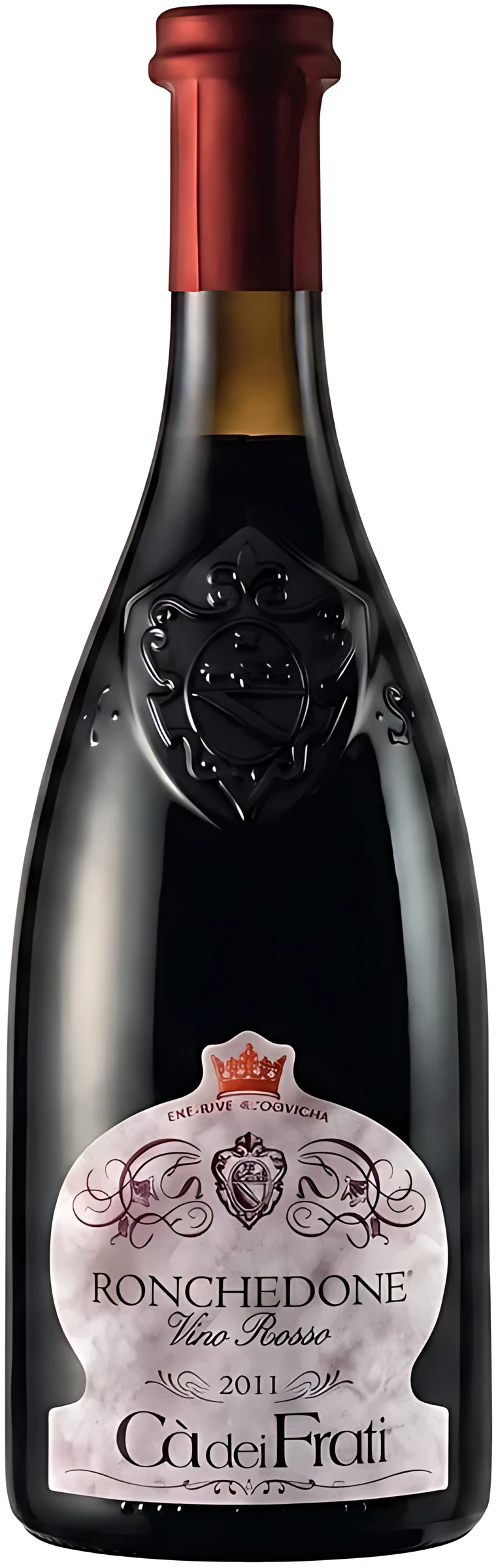
- Ronchedone Rosso: The robust red wine from the range, which proves that Cà dei Frati can also impress beyond the Turbiana.
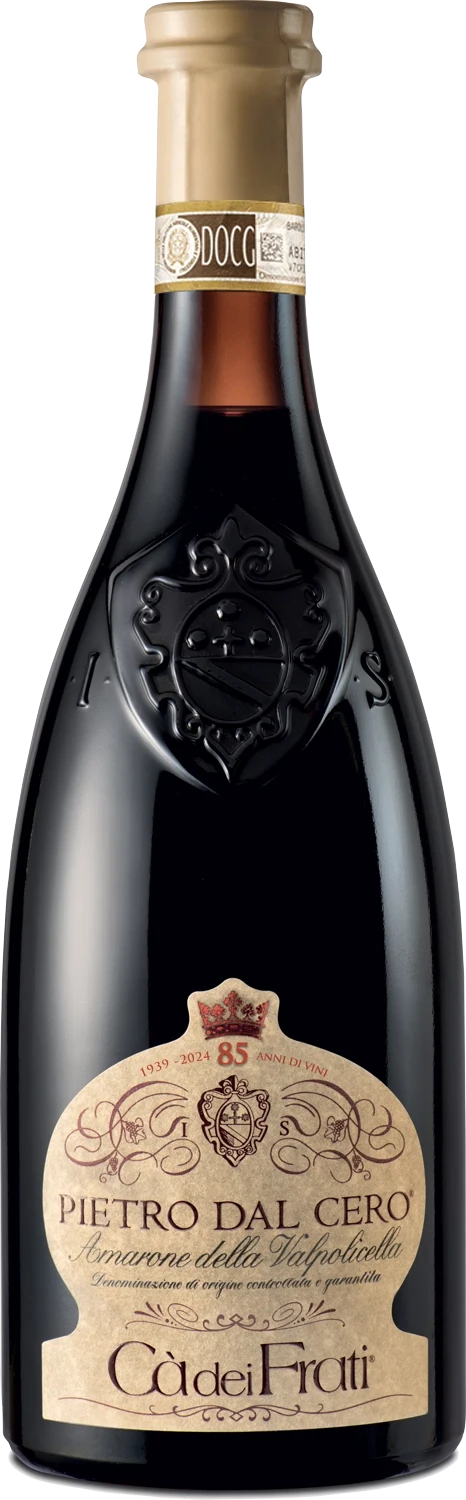
Another chapter in the family history began in 1998 when Cà dei Frati acquired approximately 15 hectares of vineyards in Valpolicella at the "Luxinum" vineyard. Ten years later, they presented their first vintage of their own Amarone — named "Pietro Dal Cero Amarone della Valpolicella" in honor of the founder.
Awards and quality network
Cà dei Frati is a member of the Consorzio Tutela Lugana DOC and the Viticoltori Italiani di Eccellenza , an association of quality-conscious Italian winemakers. The entire range is regularly reviewed by leading international wine critics, including James Suckling, Robert Parker (Wine Advocate), Wine Spectator, Wine Enthusiast, and Falstaff .
Cà dei Frati at Vinoscout
At Vinoscout you'll find the entire Cà dei Frati range: from the approachable Rosa dei Frati DOC starting at €13.99, through the classic I Frati Lugana DOC starting at €14.95, to the structured Brolettino Lugana for €17.95. Those who prefer larger formats can opt for the I Frati Lugana Magnum (1.5 l) for €27.95 or the Rosa dei Frati Magnum for €29.95. The red counterpart is the Ronchedone Rosso for €18.80. In total, the selection includes 22 active products ranging in price from €8.95 to €229.90.