From 8 to 35 hectares: four generations of Asselheim winemaking tradition
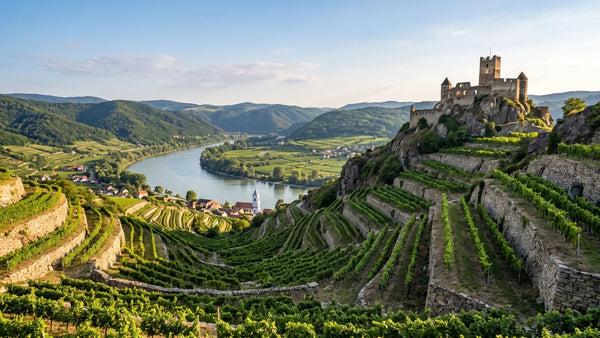
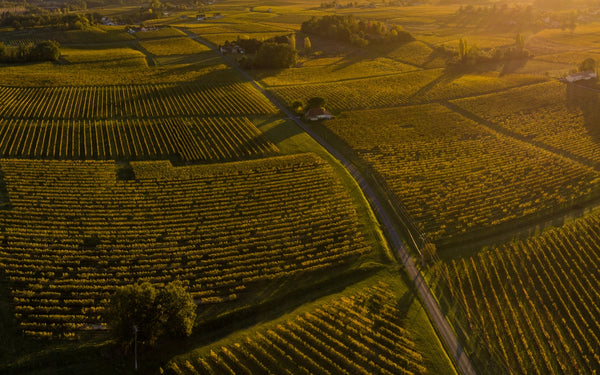
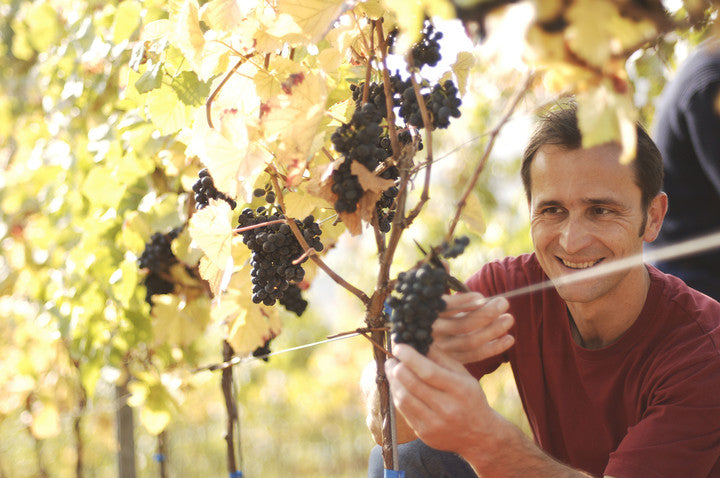
The Matthias Gaul winery has its roots in Grünstadt-Asselheim, a small village at the northernmost tip of the German Wine Route. With the first bottled wine in 1956, the family laid the foundation for a business that is now managed in the fourth generation. Matthias Gaul took over the winery in 1995 — after a winemaking apprenticeship, studies, and stints abroad. What he found were 8 hectares of vineyards. What he has made of it are 35 hectares with around 280,000 bottles per year: grown not through compromises in quality, but through consistent work in the vineyard and clear ideas of what Palatinate wine can achieve.
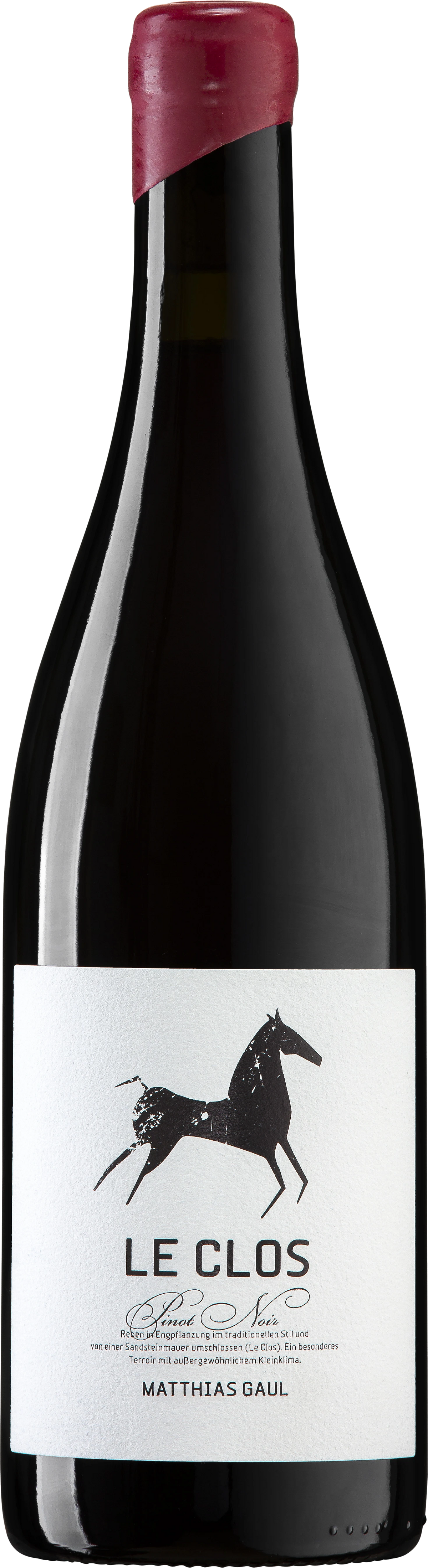
Gaul is not a nostalgic person who manages the heritage. He has planted vineyards in Burgundian high-density planting, set vines at 300 meters altitude, and established grape varieties that are rare in the region — including Cabernet Franc and Chardonnay. The trade magazine VINUM named him "King of Pinot" in 2017 after a victory at the German Red Wine Prize, a title he earned with the persistence of a craftsman, not with marketing.
210 days in the vineyard, 550 barriques in the cellar
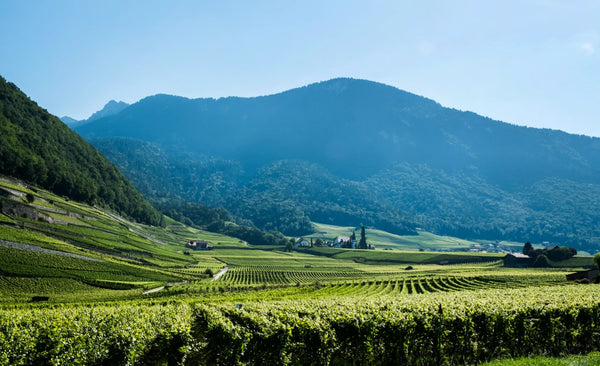
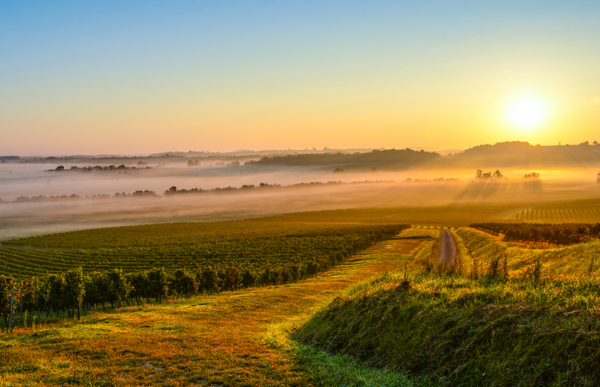
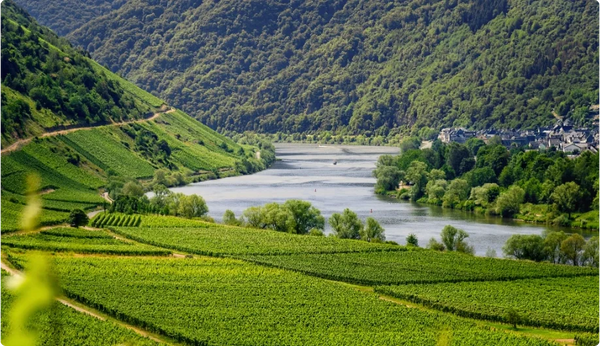
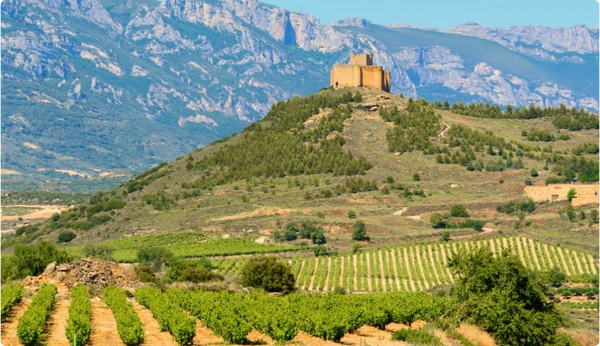
Asselheim is located where the Palatinate ceases to be warm and comfortable. The cooler microclimate of the Northern Palatinate, fed by winds from the nearby Eistal, ensures longer vegetation periods and later grape ripening than in the southern part of the Palatinate. The soils are barren limestone rock — poor in nutrients, poor in water, rich in mineral expression. The winery calls this itself simply: "(Only) our soils are rich in stone."
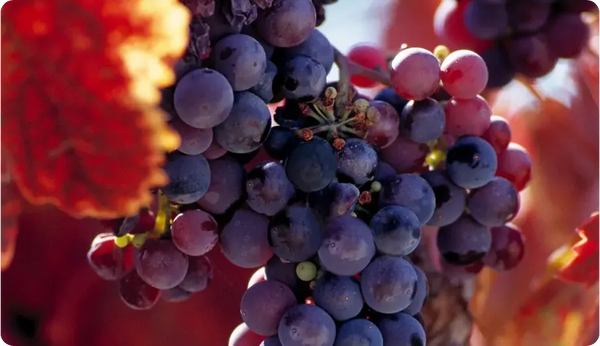
In the vineyard, consistent manual labor counts. Added together, the team spends around 210 days a year caring for the vines — leaf cutting, thinning, precise harvesting by hand. In the cellar, there are around 550 barriques of French oak next to 120 stainless steel tanks. Red Burgundy varieties are traditionally fermented on the skins after cold maceration and then mature for seven to eight months in used wooden barrels — an aging process that preserves fruit and pushes wood into the background. The range between stainless steel and barrique reflects the assortment: fresh, direct white wines on one side, structured site wines on the other.
Burgundy varieties as the heart, cuvées as the signature
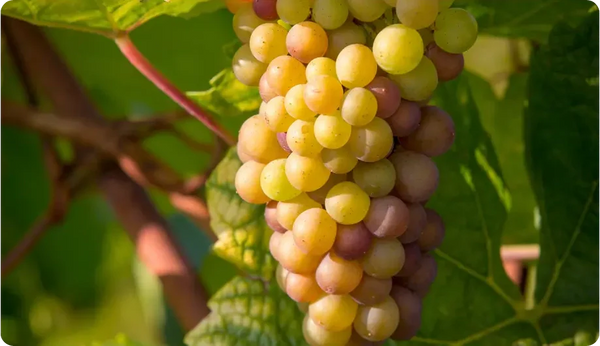
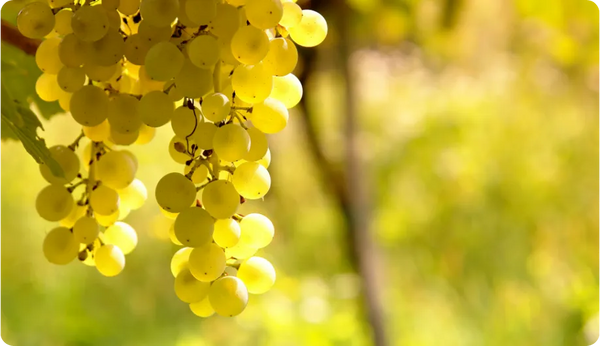
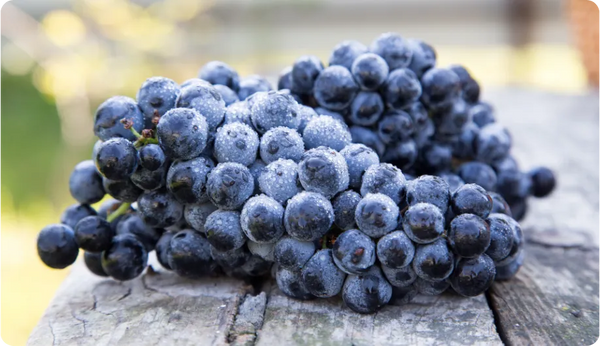
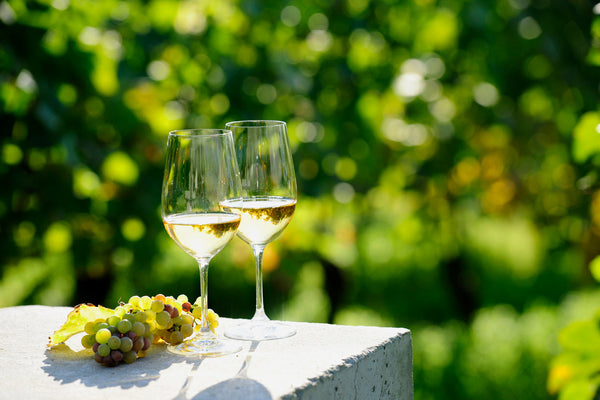
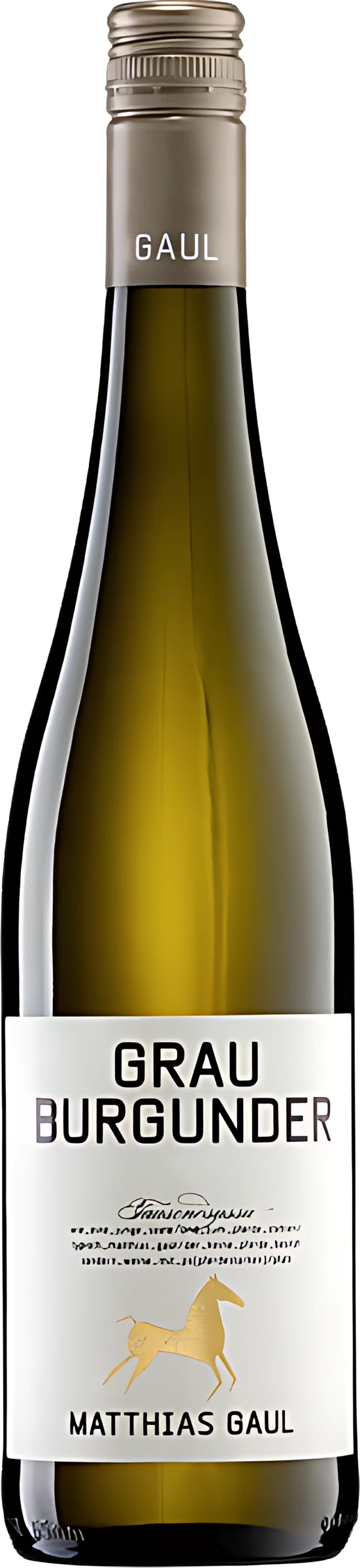
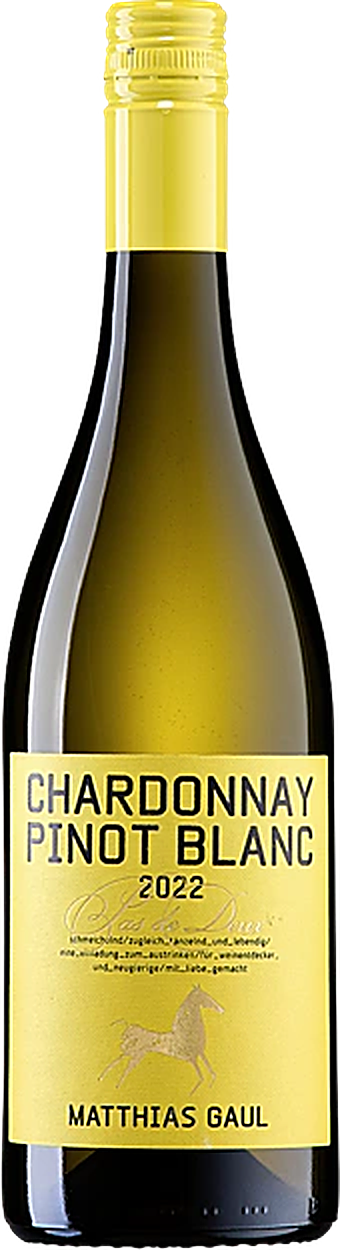
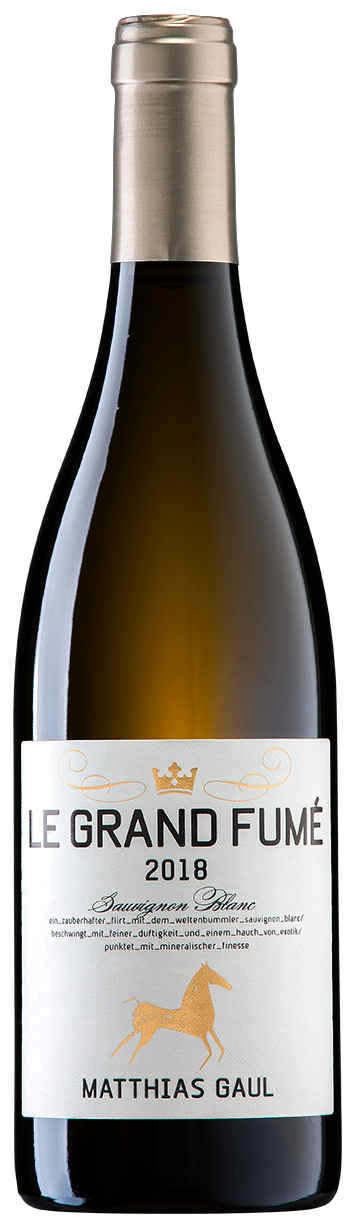
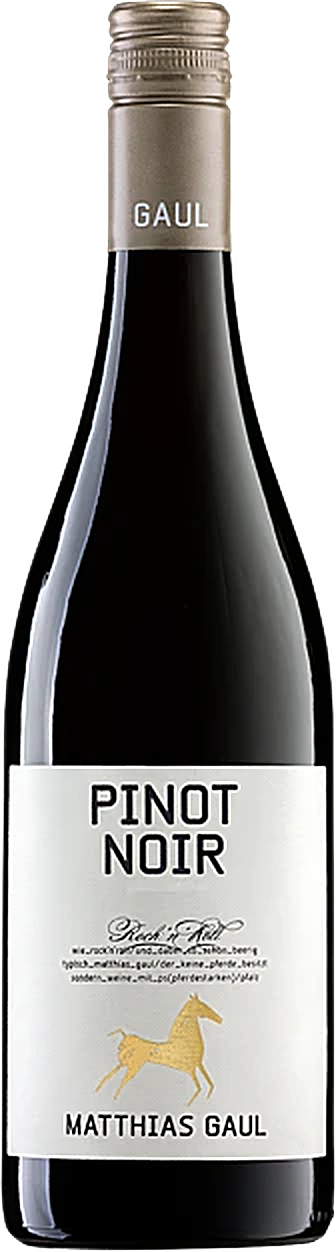
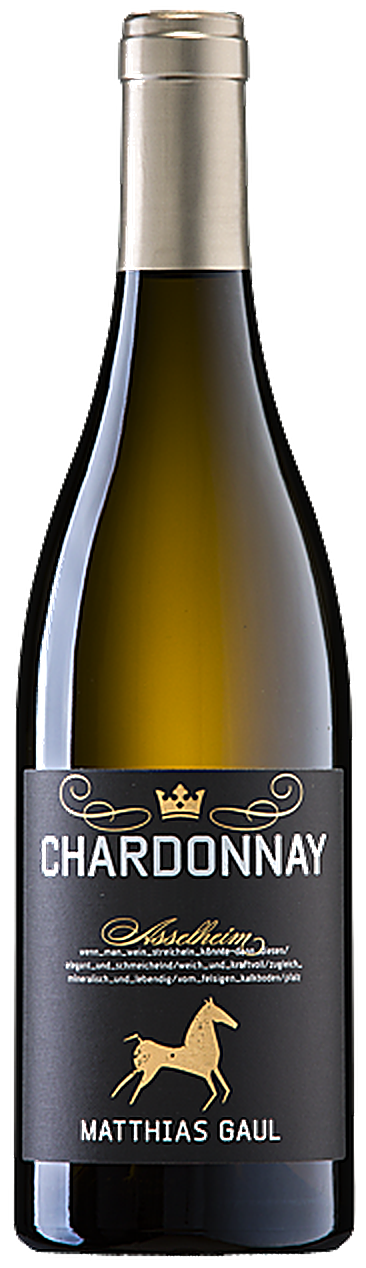
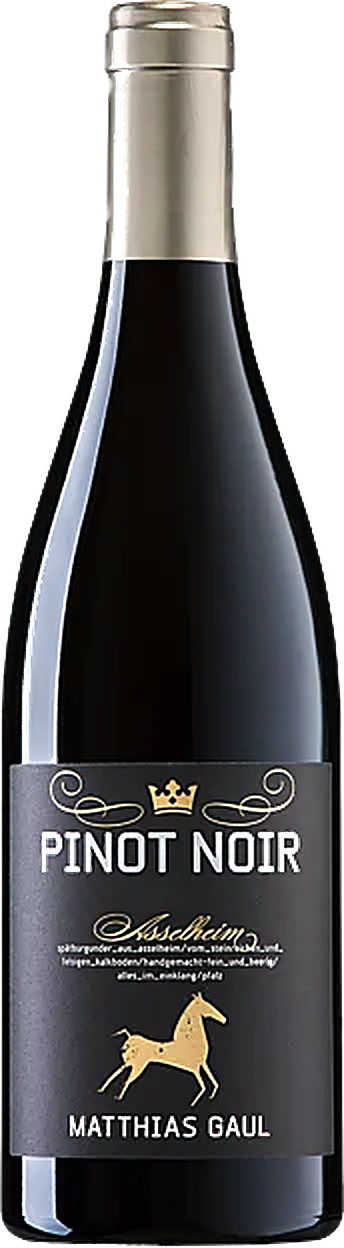
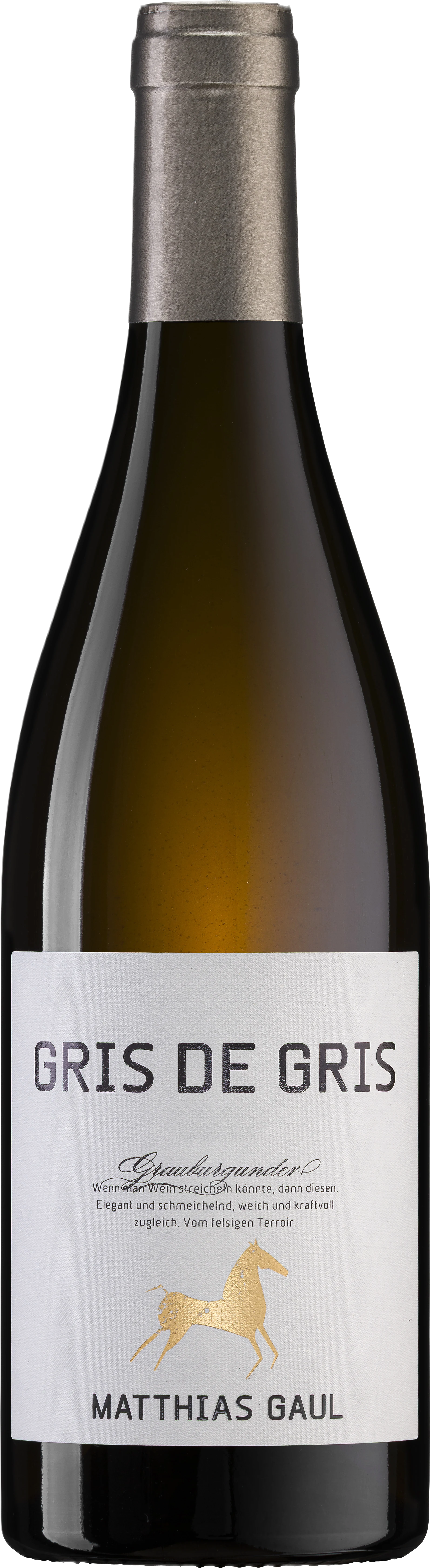
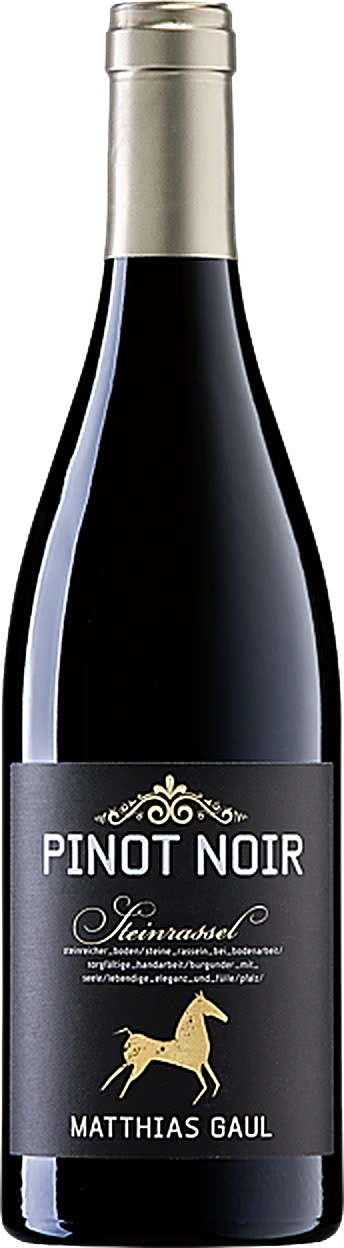
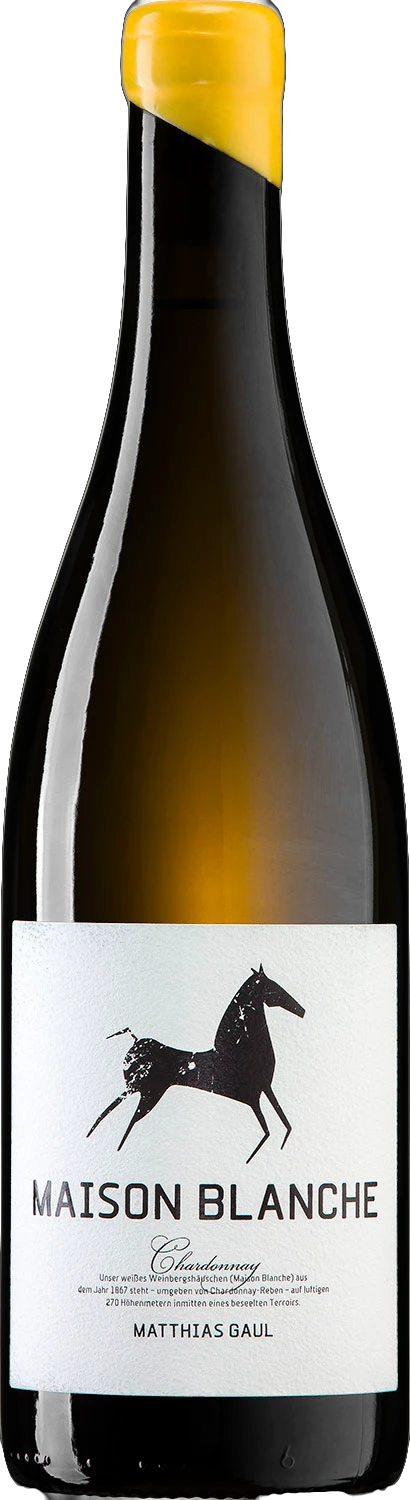
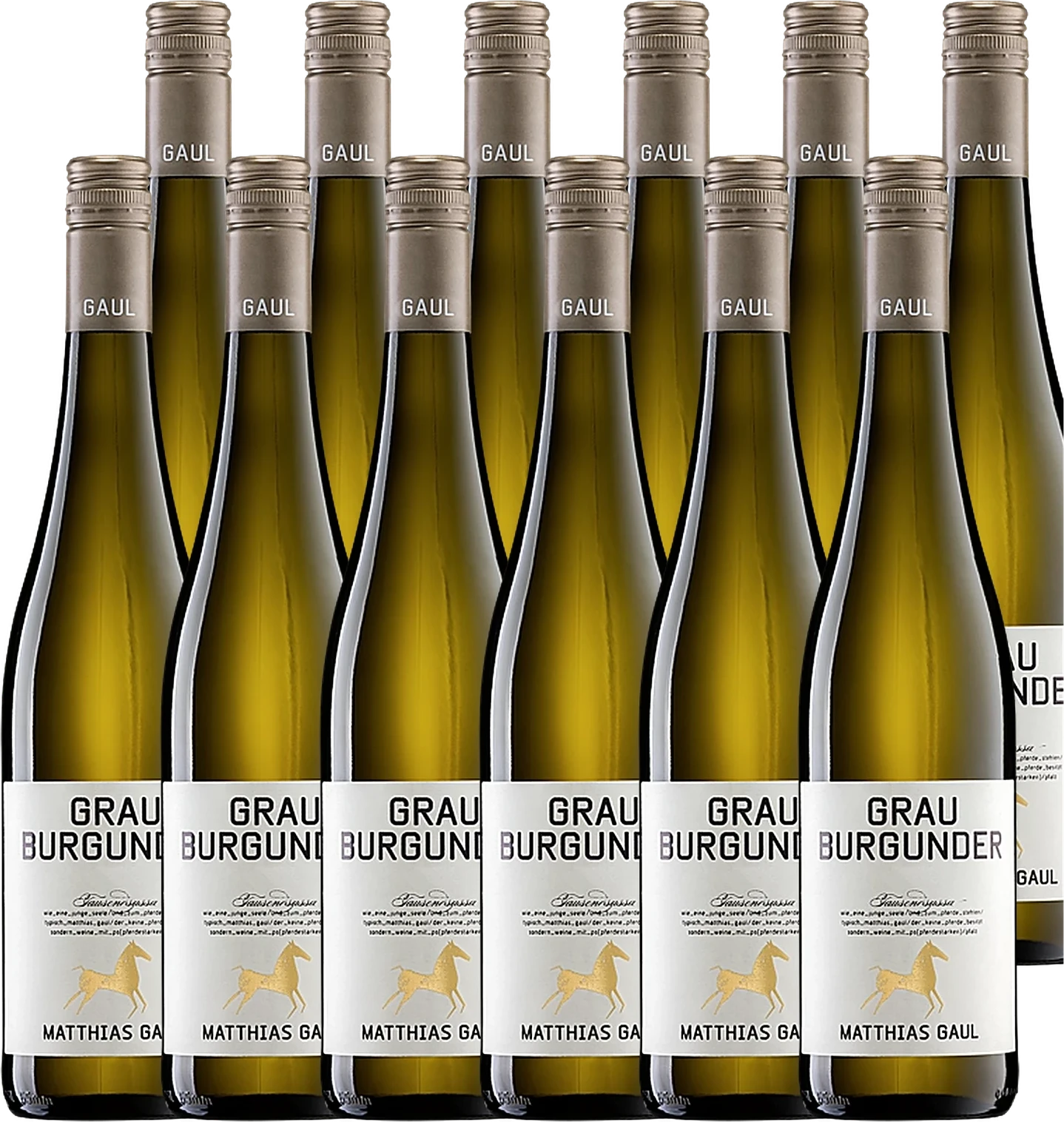
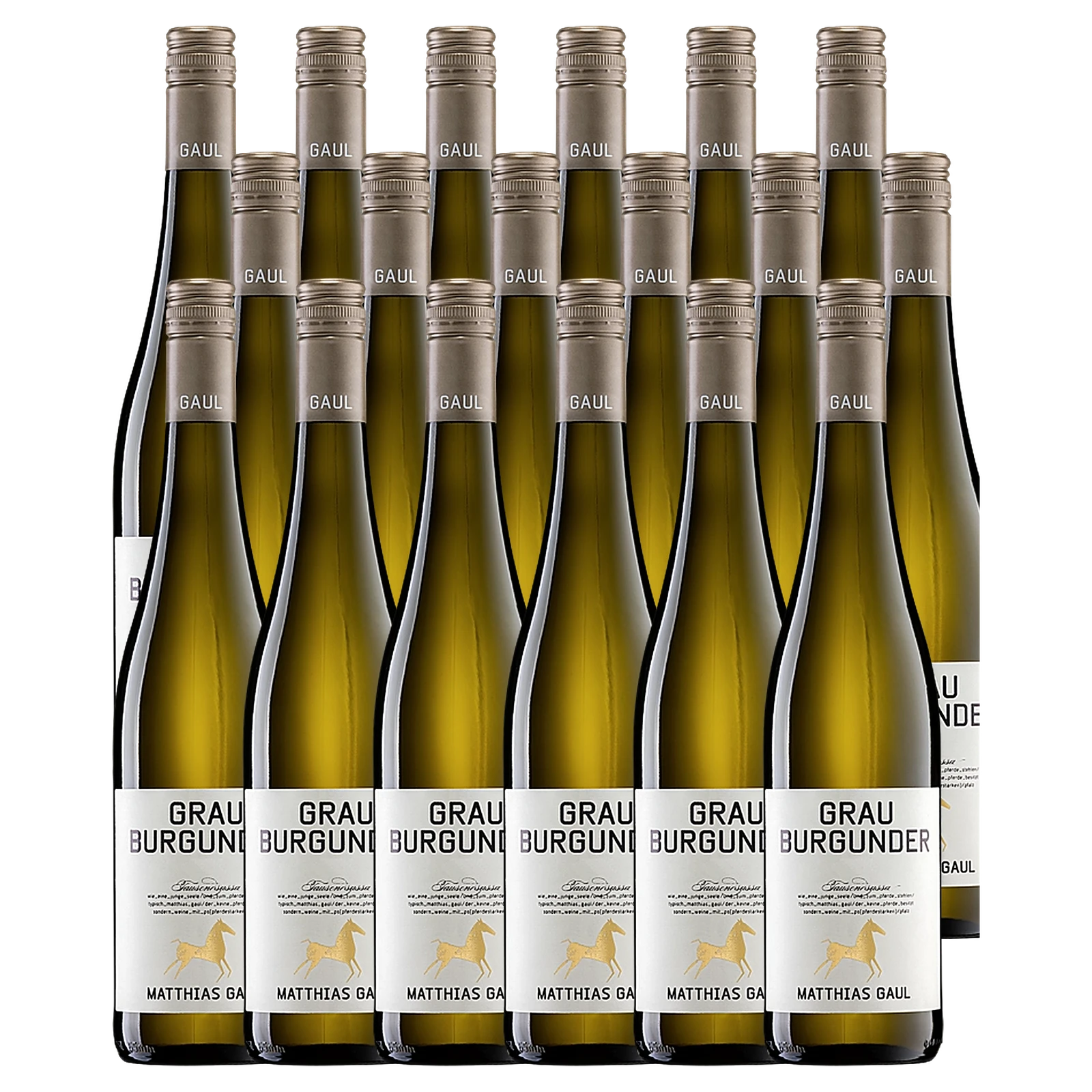
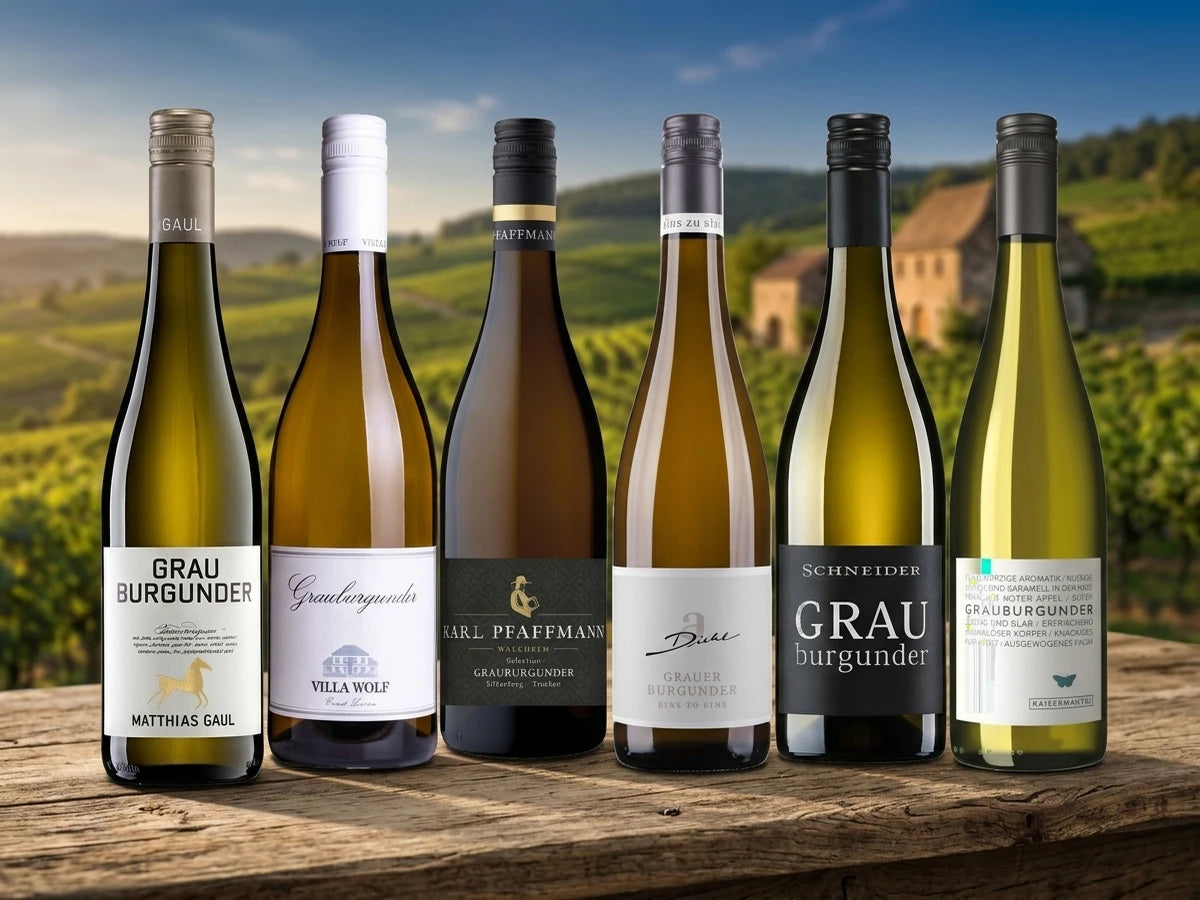
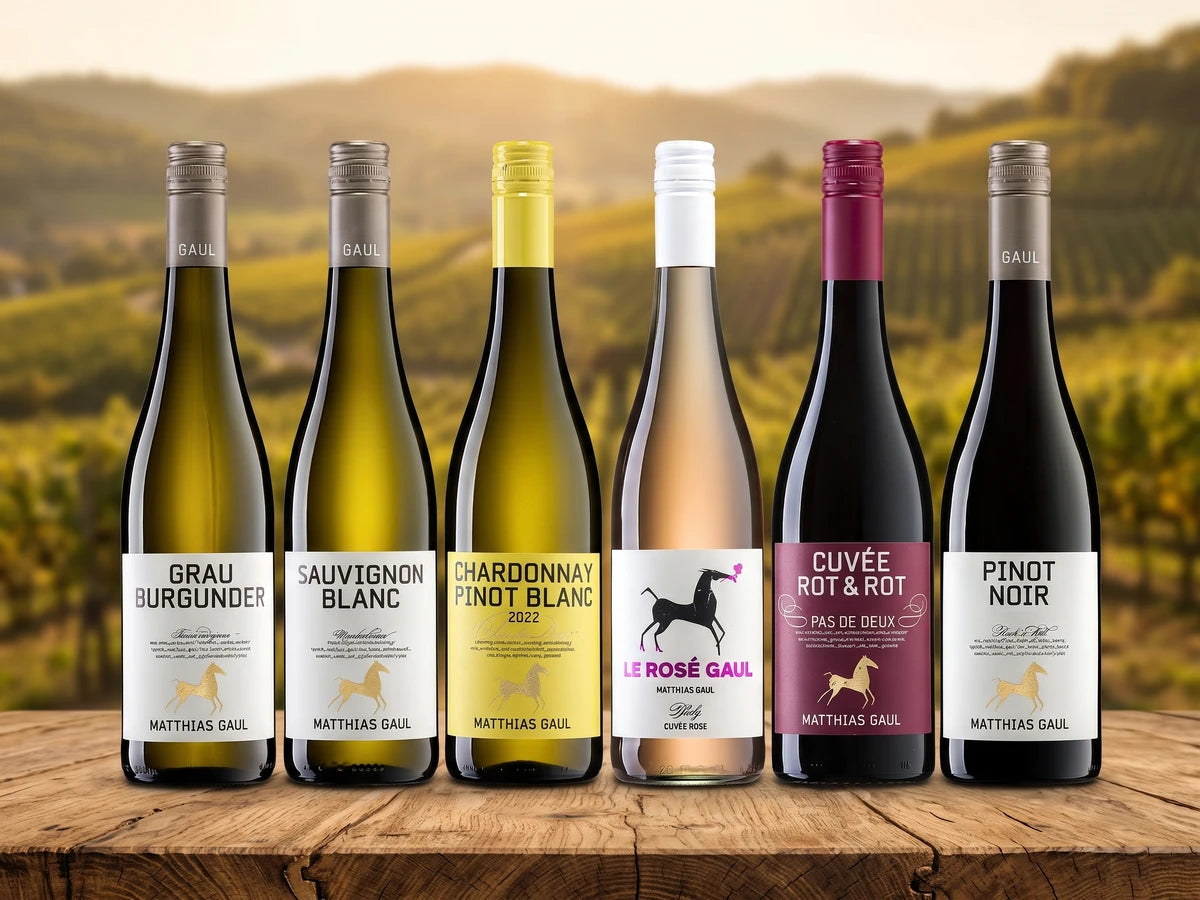
What drives Matthias Gaul are the Burgundy varieties — Pinot Gris, Pinot Noir, Chardonnay, and Pinot Blanc — because they find ideal conditions on the Asselheim limestone: cooler temperatures slow down ripening, the soil forces the vines to deep roots, and yields remain naturally low. The result is wines with lively acidity, mineral pull, and a freshness that is rarely found in warmer Palatinate sites. The Pinot Gris, whose vines partly stand on the highest vineyard of the estate at 300 meters, is one of the house's best-known wines.
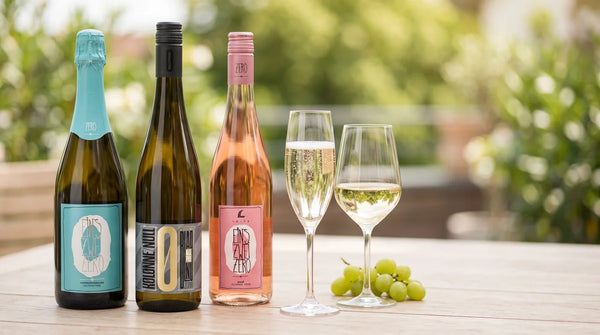
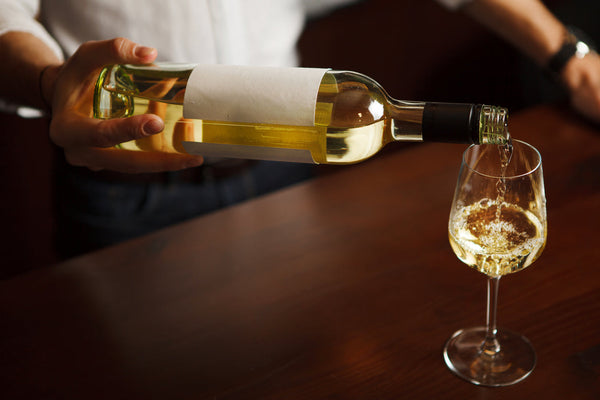
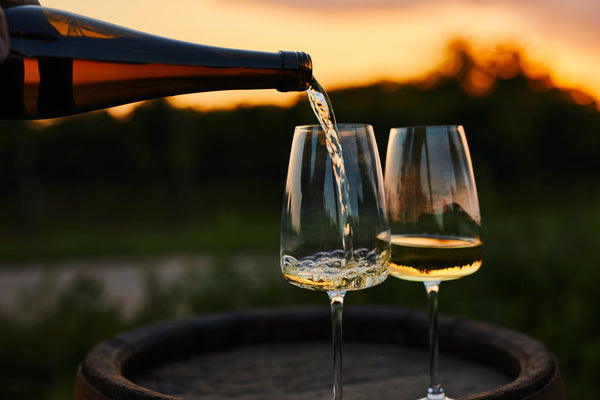
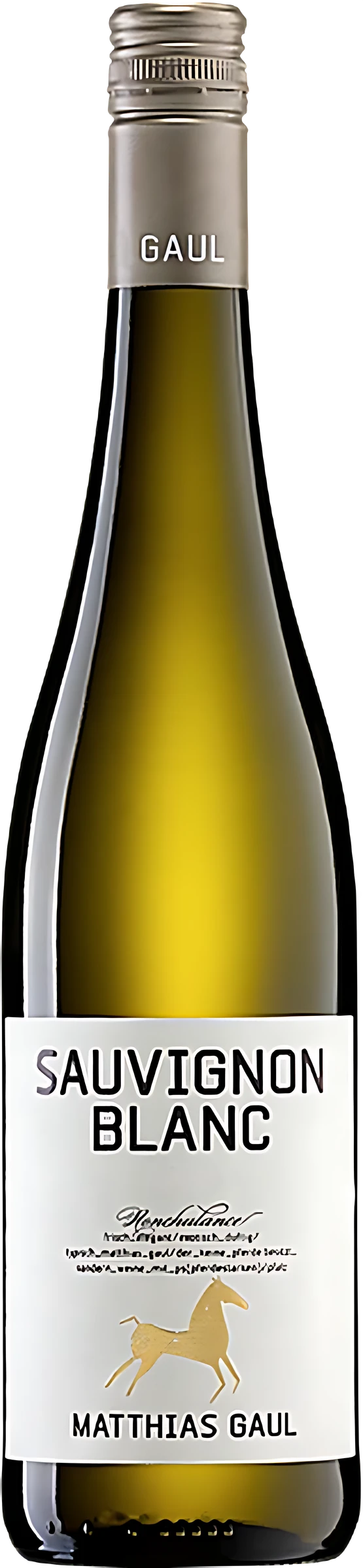
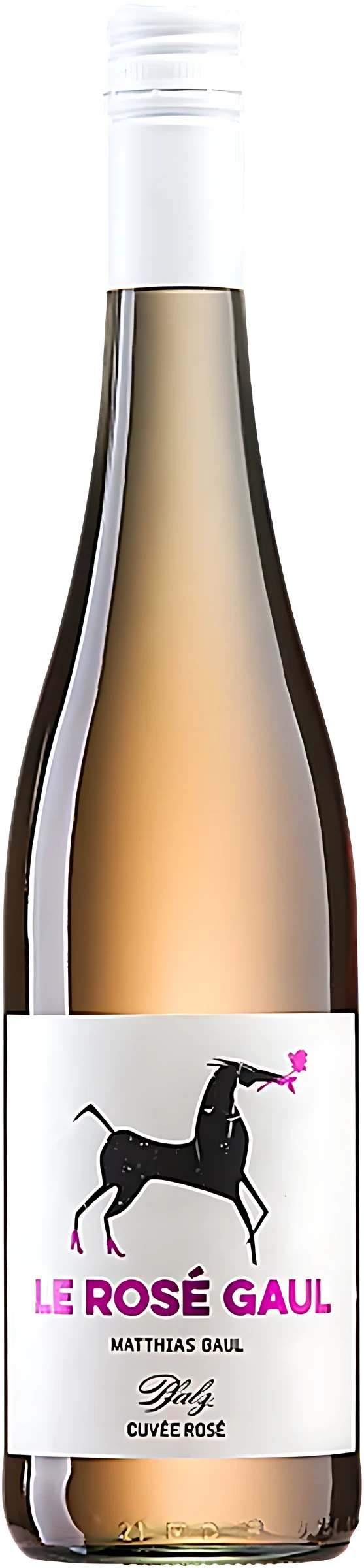
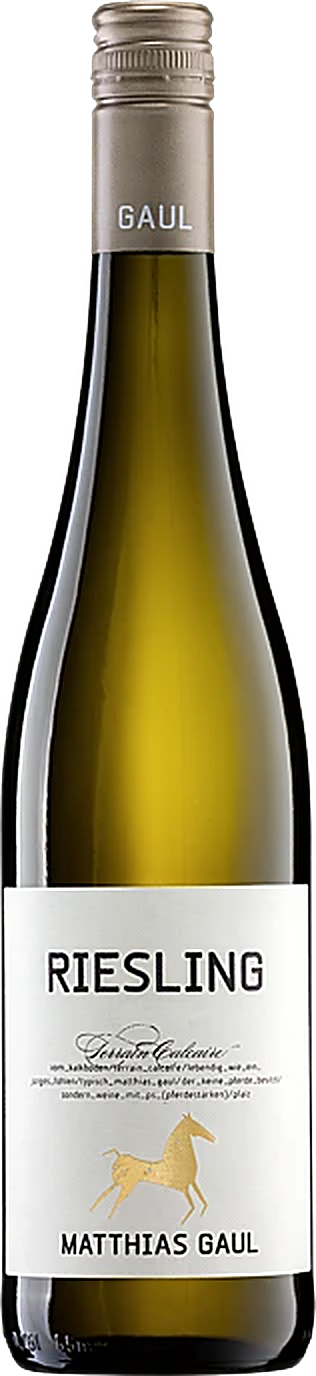
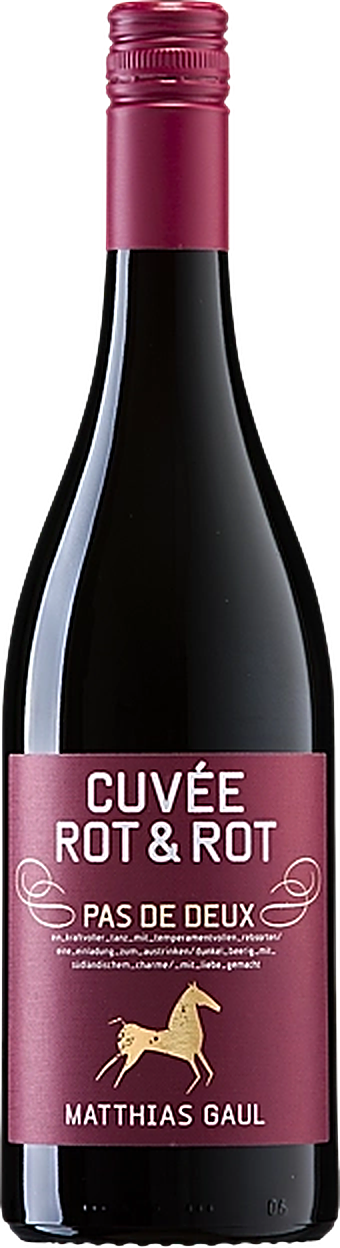
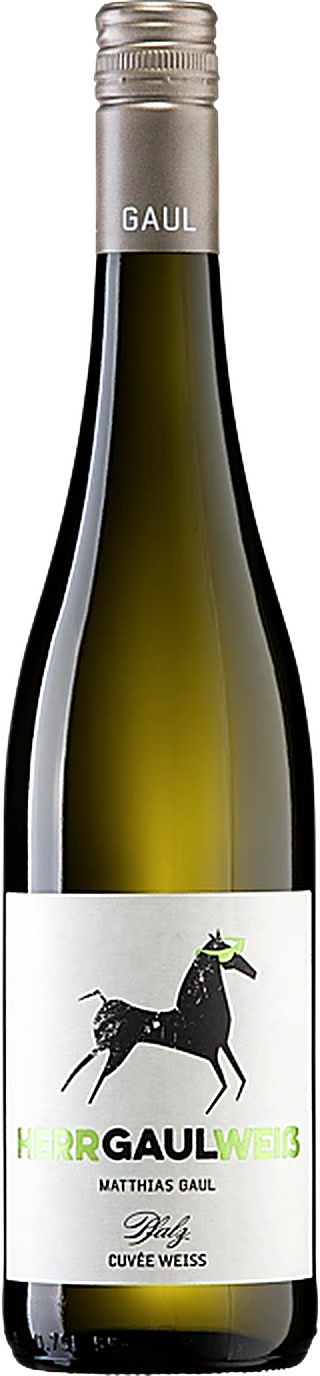
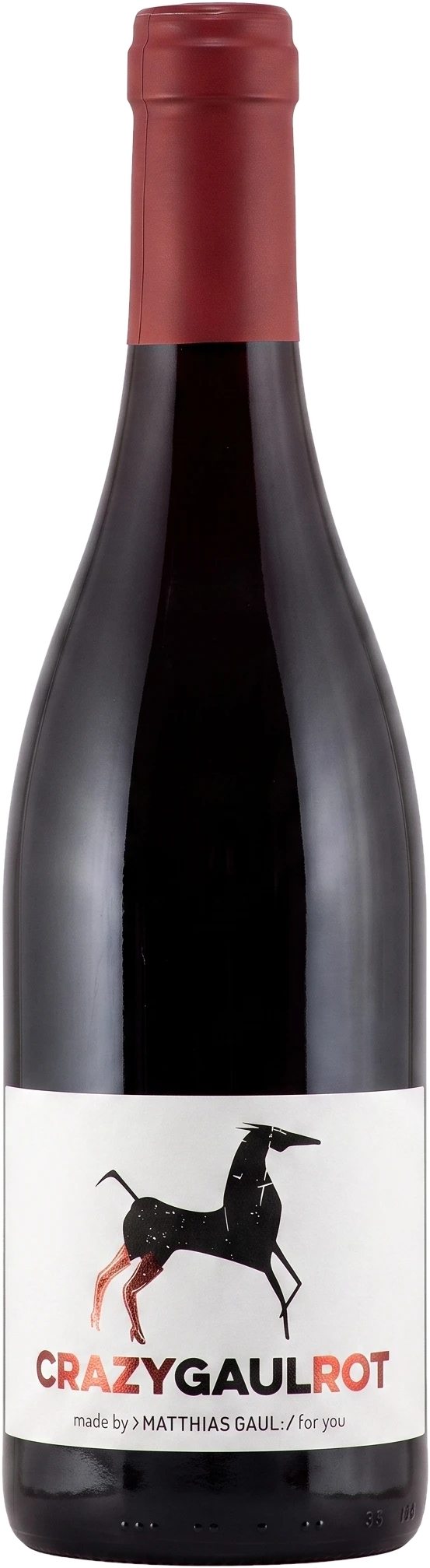
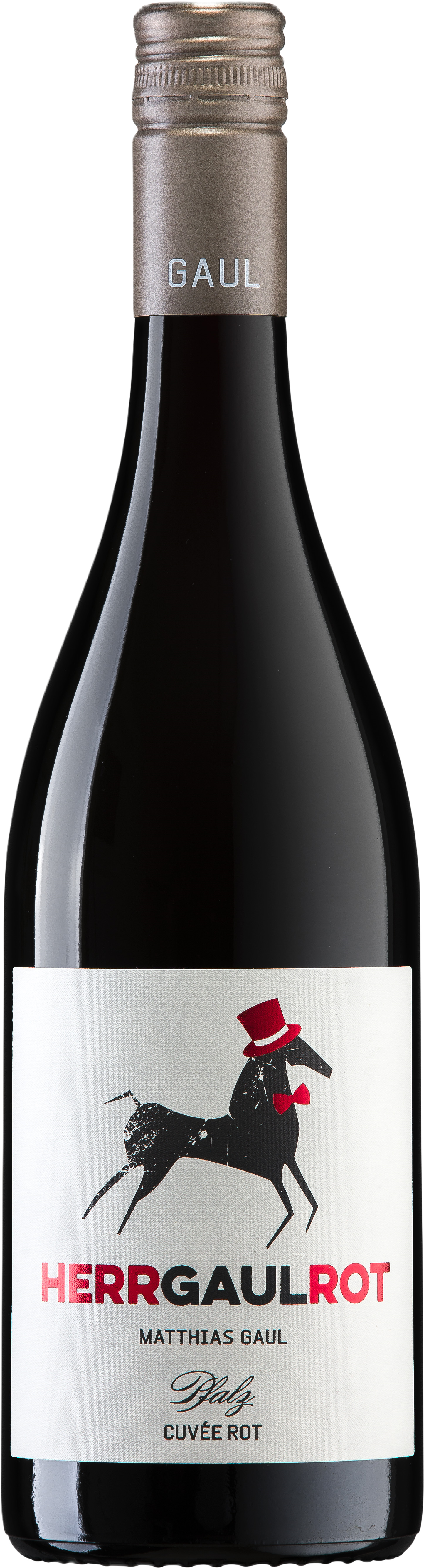
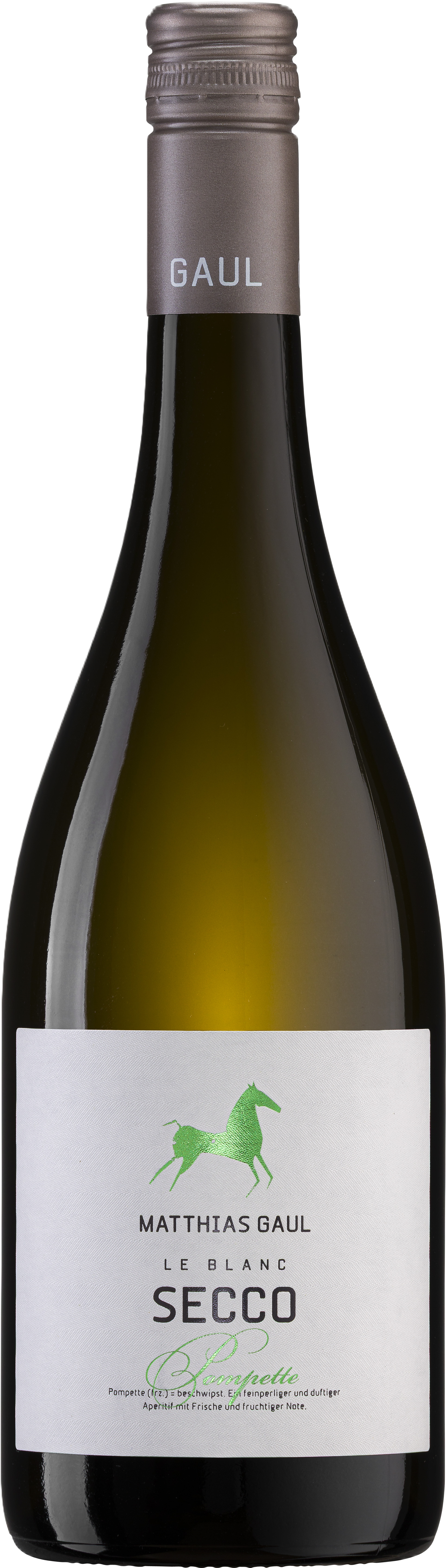
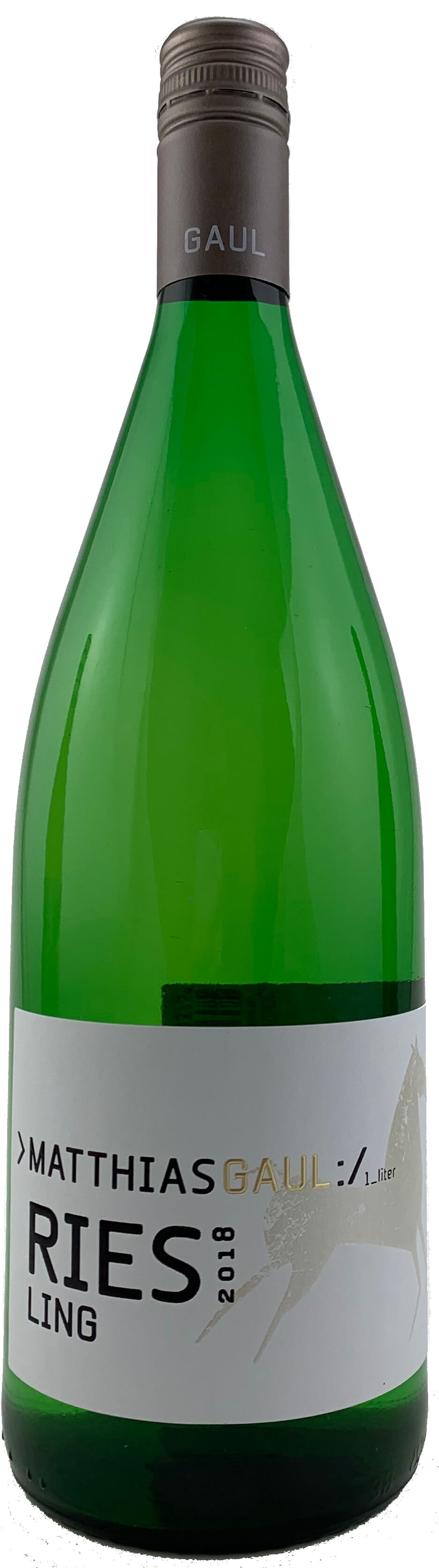
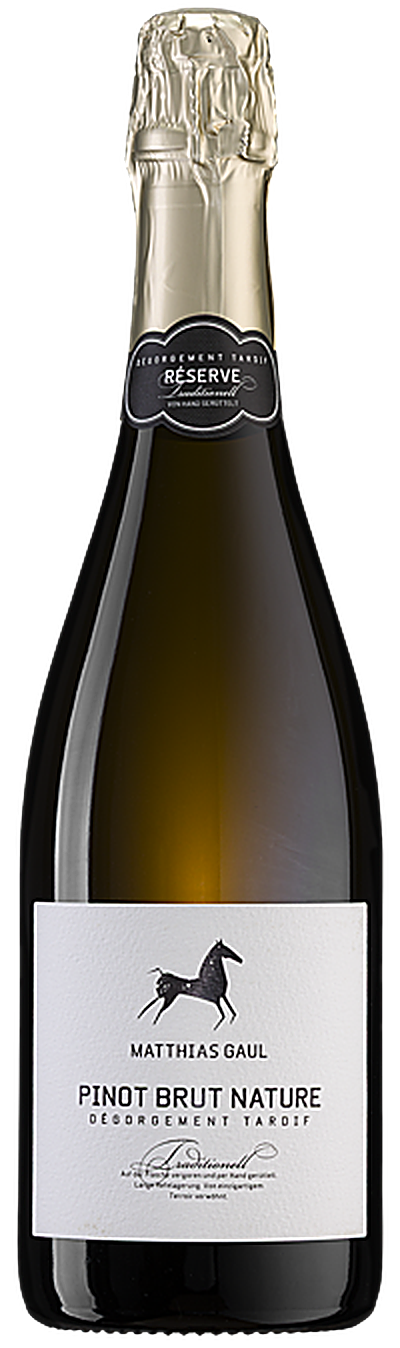
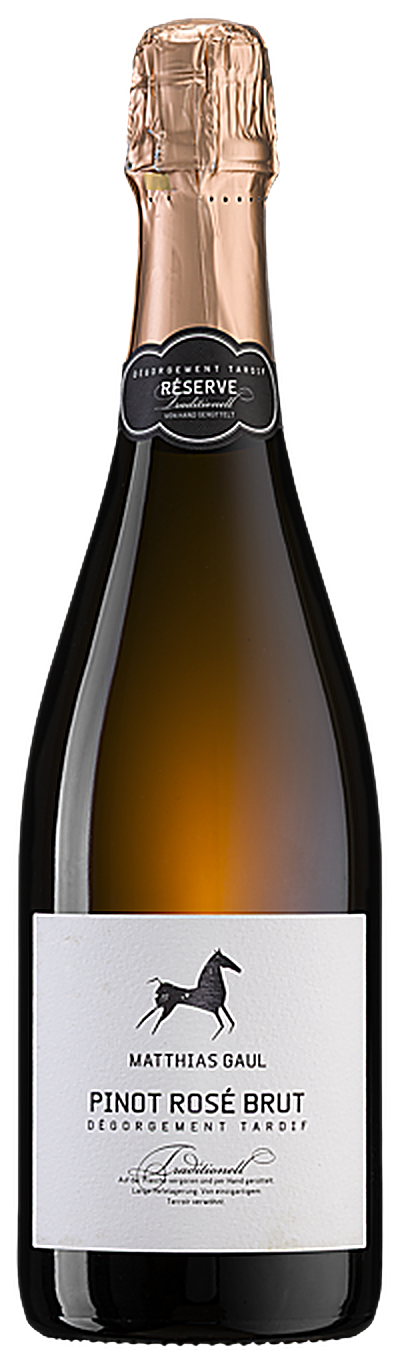
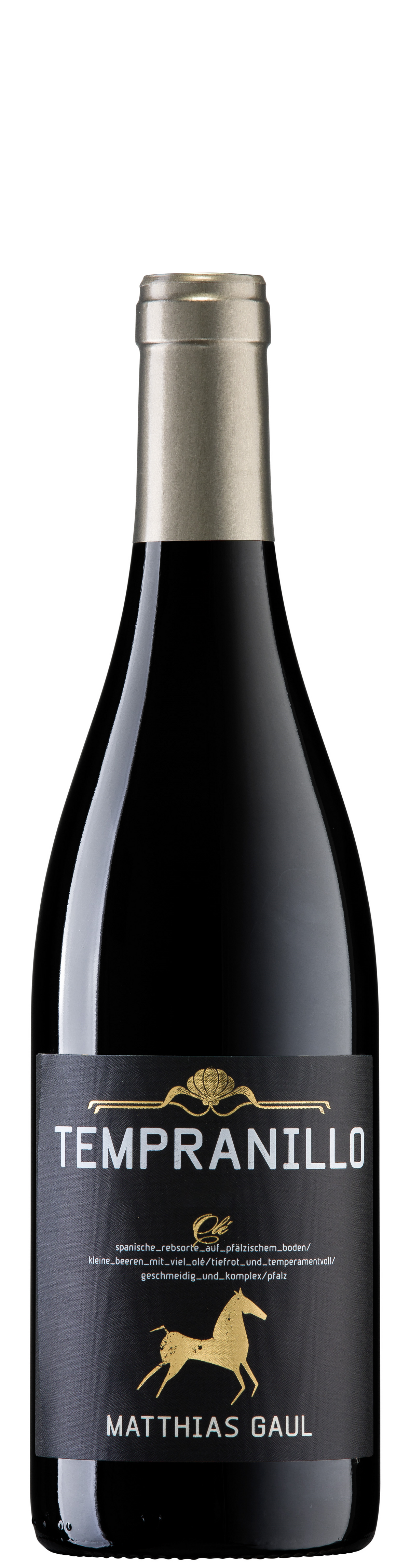
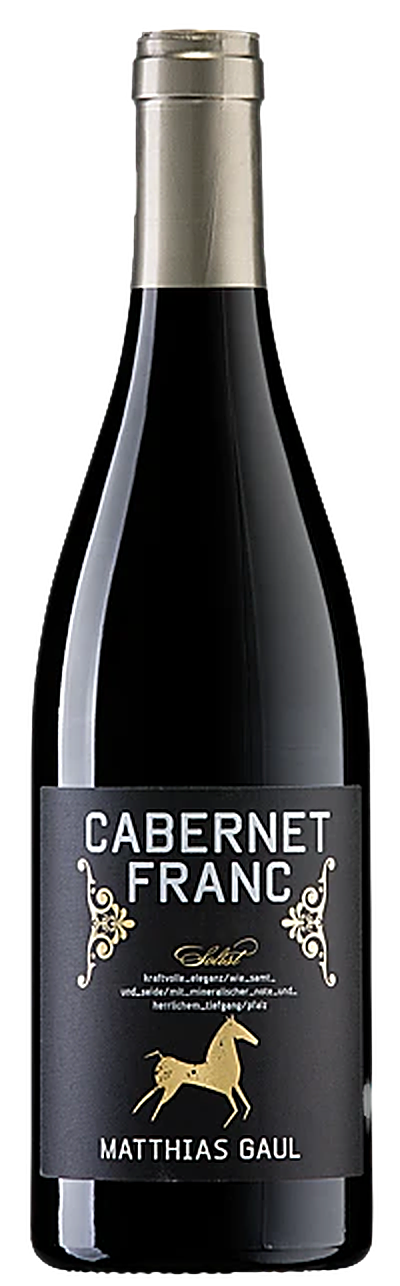
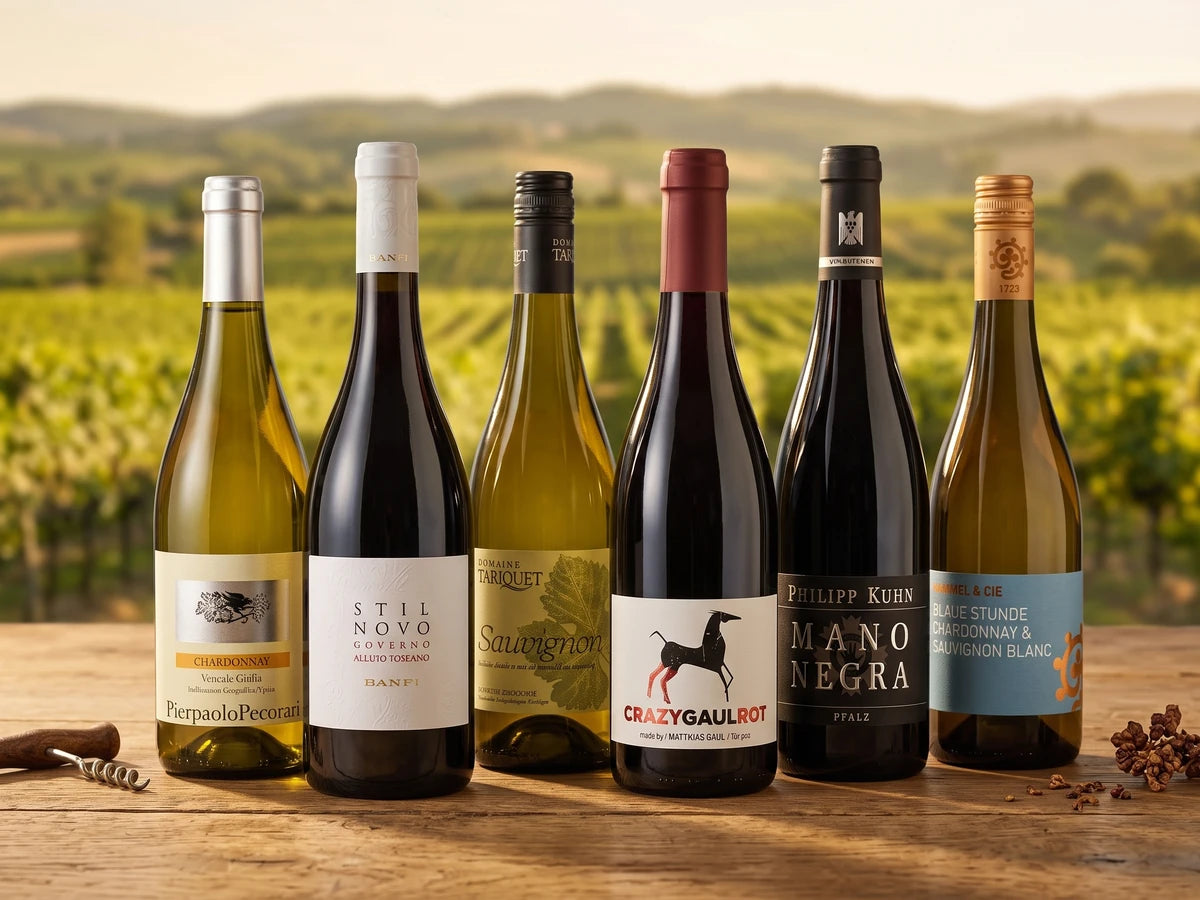
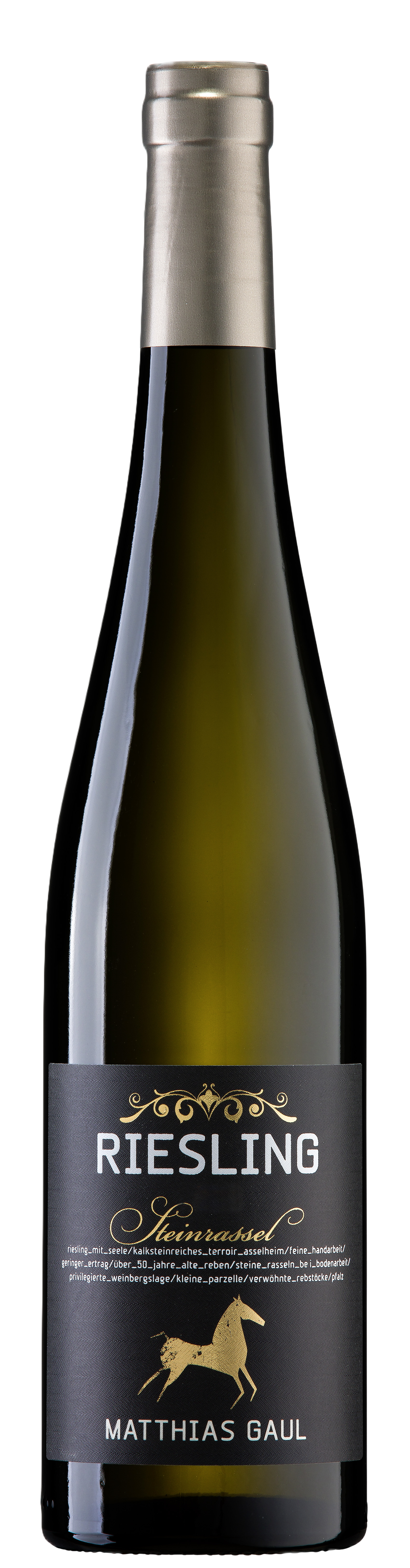
In addition, Gaul's curiosity is particularly evident in his assortment: Cabernet Franc as a single variety, a Gris de Gris from Pinot Gris direct pressing, the fresh Secco Le Blanc Pompette, or the cuvées Herr Gaul Rot and Herr Gaul Weiß, which combine grape varieties that one rarely finds together in the glass. Drinking temperature recommendation: white wines 10–12 °C, red wines 16–18 °C. From the accessible base wine to the precise site Riesling — the spectrum is broad, the style remains recognizable: full of character and with the unmistakable terroir of a village that never wanted to be fashionable.