From 53 founding winemakers to the second-oldest cooperative in the Palatinate
In 1900, 53 Wachenheim winemakers joined forces to form the "Wachtenburg" cooperative — driven by the idea of better exploiting the potential of their region together. Two years later, a second winemakers' association, "Luginsland," was formed in the city, and a rivalry developed between the two communities that lasted for decades. It was not until 1969 that the former competitors merged; in 1971, the Gönnheim winemakers' cooperative joined, bringing with it a significant share of red wine. Today, the Wachtenburg Winzer eG — the cooperative has borne its current name since 1997 — is the second-oldest winemakers' cooperative in the Palatinate: only the Deidesheim cooperative is older.
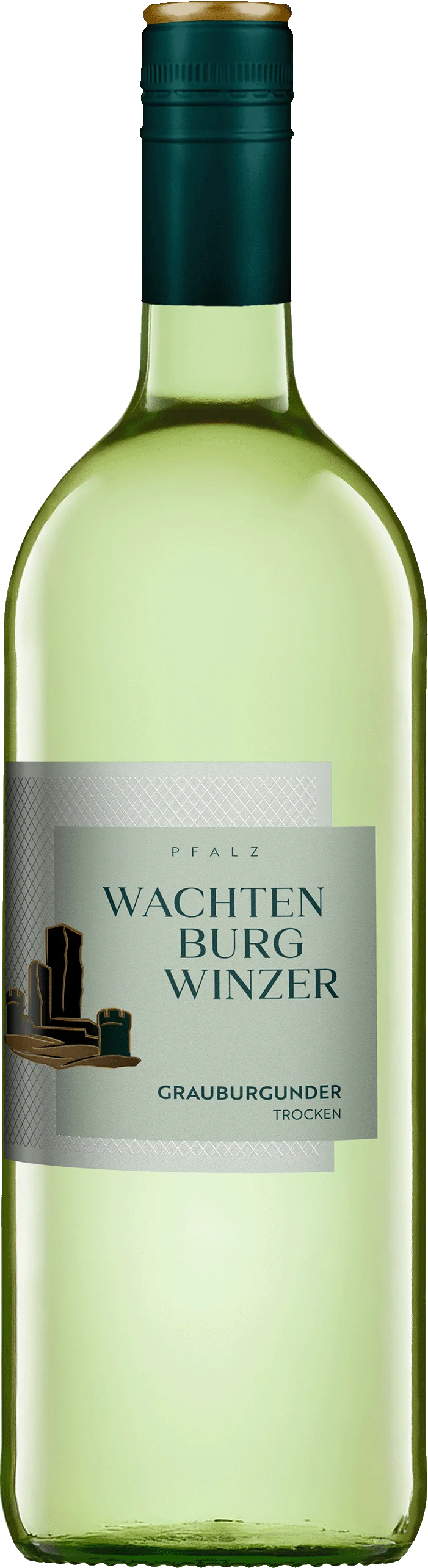
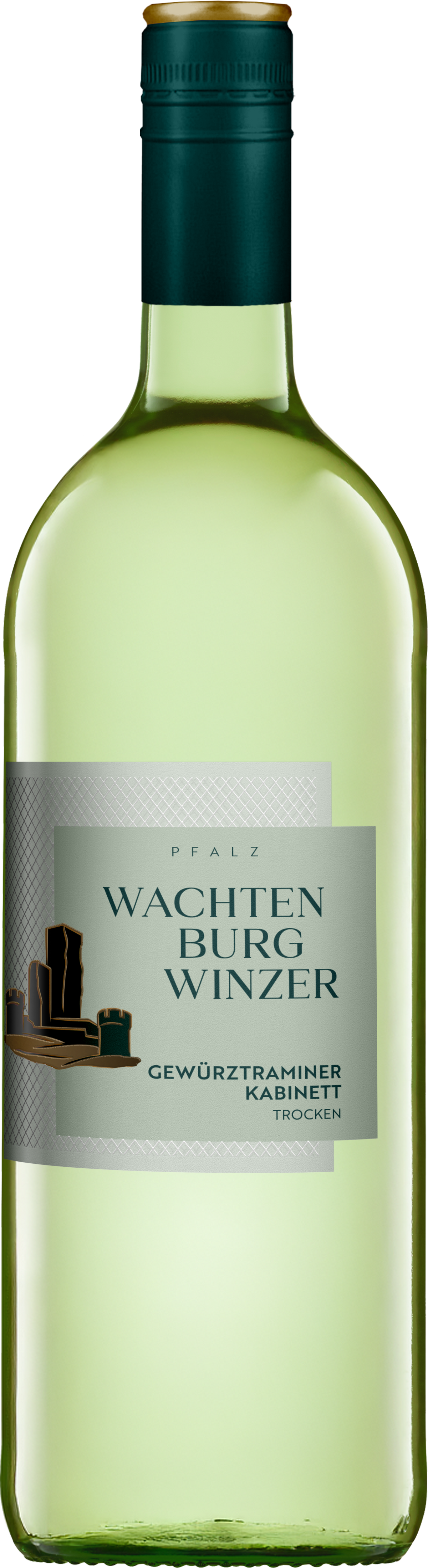
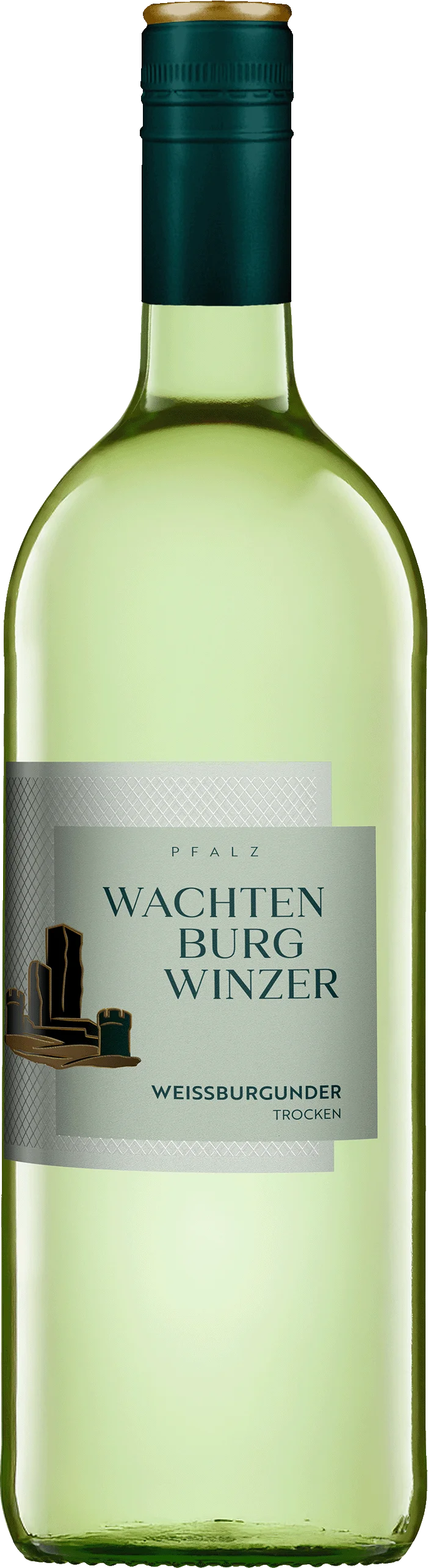
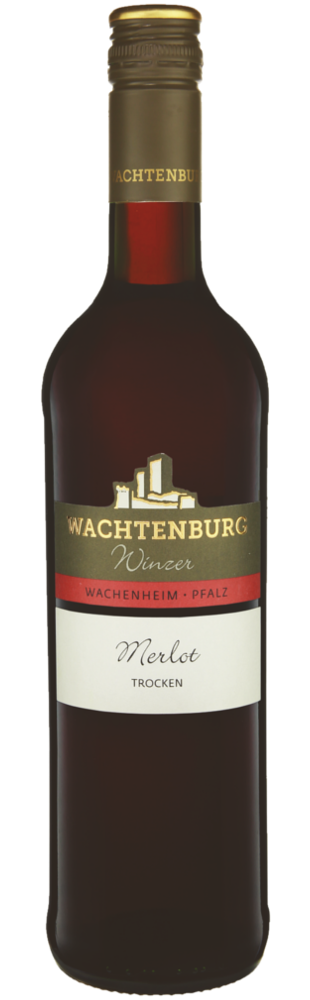
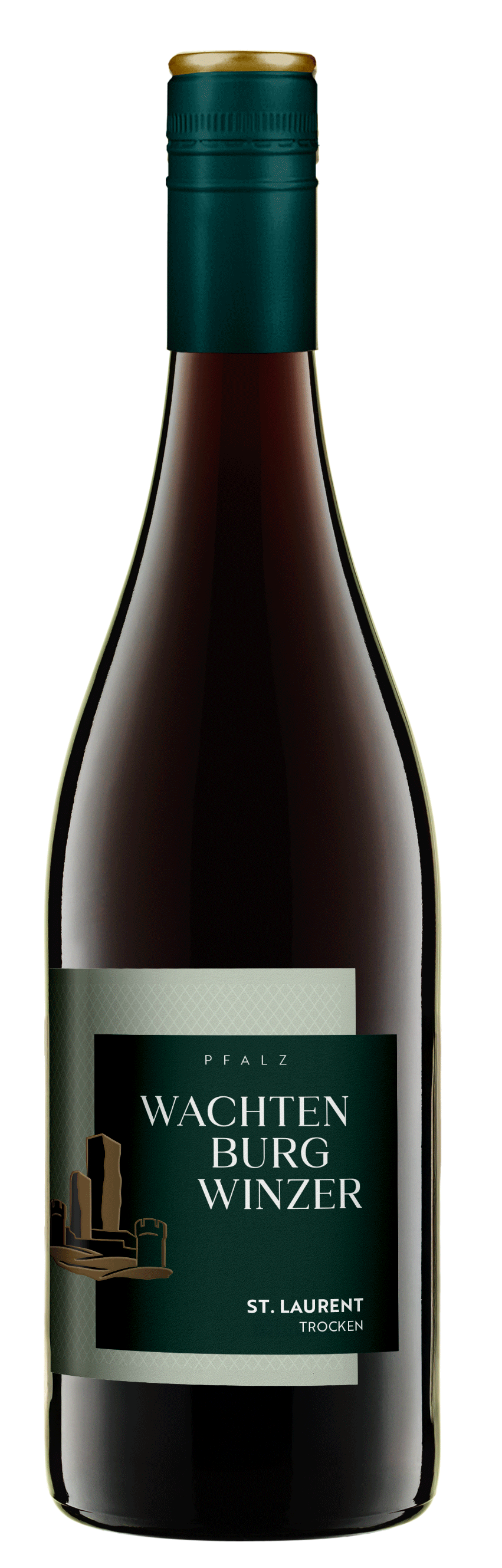
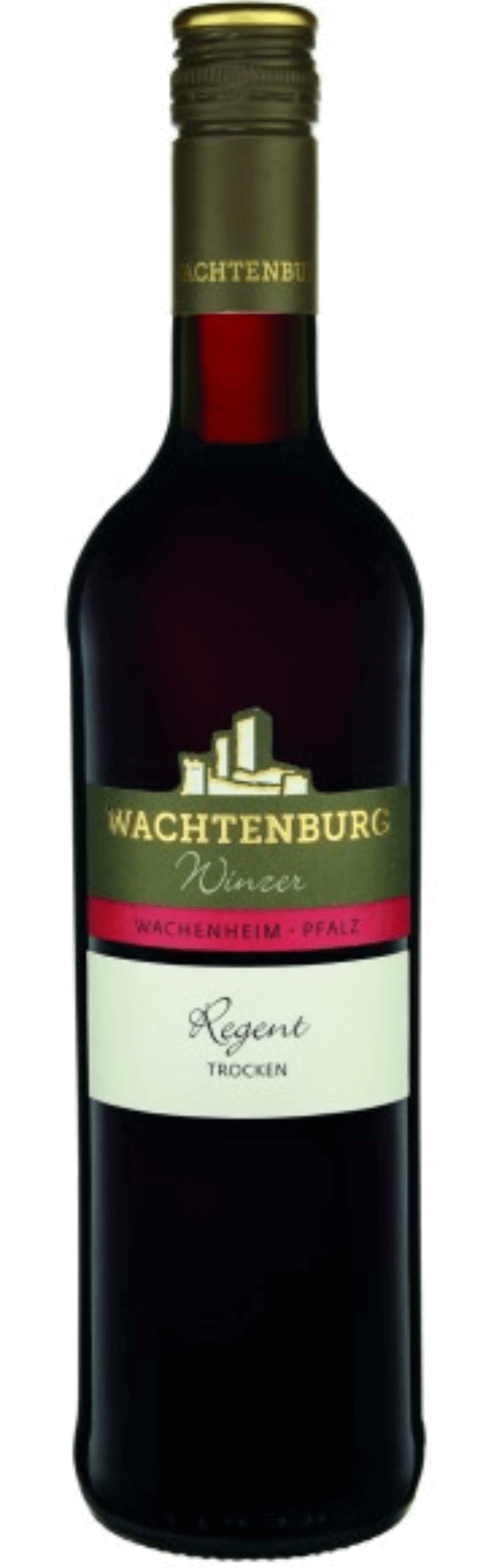
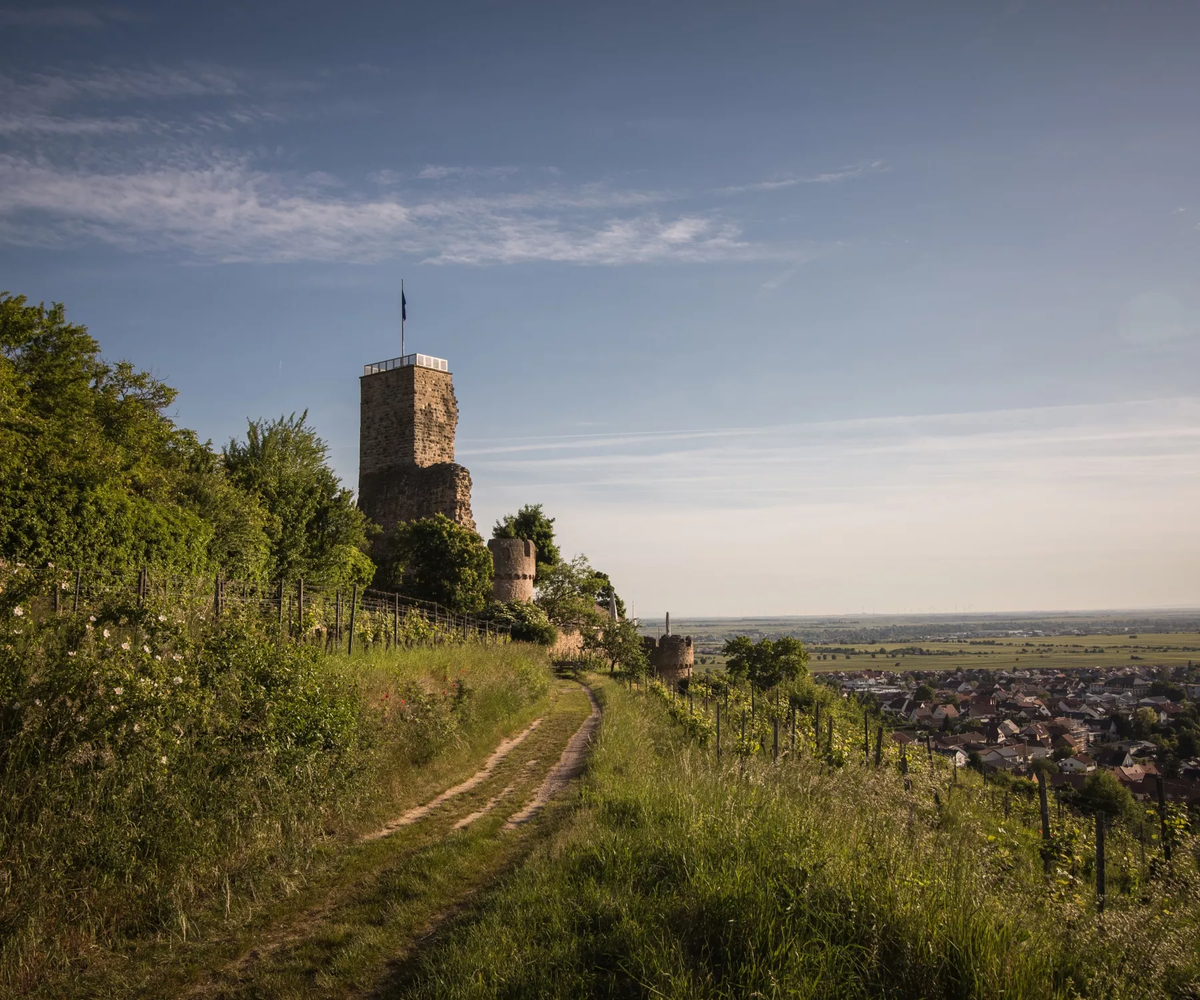
The namesake is the Wachtenburg castle ruins, which tower high above Wachenheim on the German Wine Route. Its silhouette stands for the deep roots of this community in the Mittelhaardt — in a landscape where viticulture has been not just a profession, but a way of life for generations. Today, 24 winemaker families on around 350 hectares continue this history and pass on the accumulated experience from generation to generation.
Careful sites, modern cellar, shared responsibility
The vineyards of the Wachtenburg Winzer extend over sixteen sites around Wachenheim, Forst, and Deidesheim — including the renowned single sites Altenburg, Gerümpel, and Fuchsmantel, as well as the large site Dürkheimer Feuerberg. The soils are extremely diverse: clay, gravel, and scree alternate with basalt stone and limestone rubble. This change of substrates, combined with many hours of sunshine and cool nights, is the basis for wines with a distinct site profile. Riesling grows on about half of the total area; it finds optimal conditions especially in the sandy loam and limestone rubble of the Fuchsmantel.
In 2010, the cooperative inaugurated a new press house, which is considered one of the most modern of its kind in Germany. Tradition and technical progress complement each other: in the historic wooden barrel cellar, part of the range continues to mature on a natural basis. Common to all winemaker families is the aspiration to treat natural conditions as gently as possible — the cooperative now creates a CO₂ footprint and thus clearly commits to responsibility for future generations. Selective hand-picking and gentle cellar work are standard in the premium segment.
Riesling as the lead variety — and a range with depth and breadth
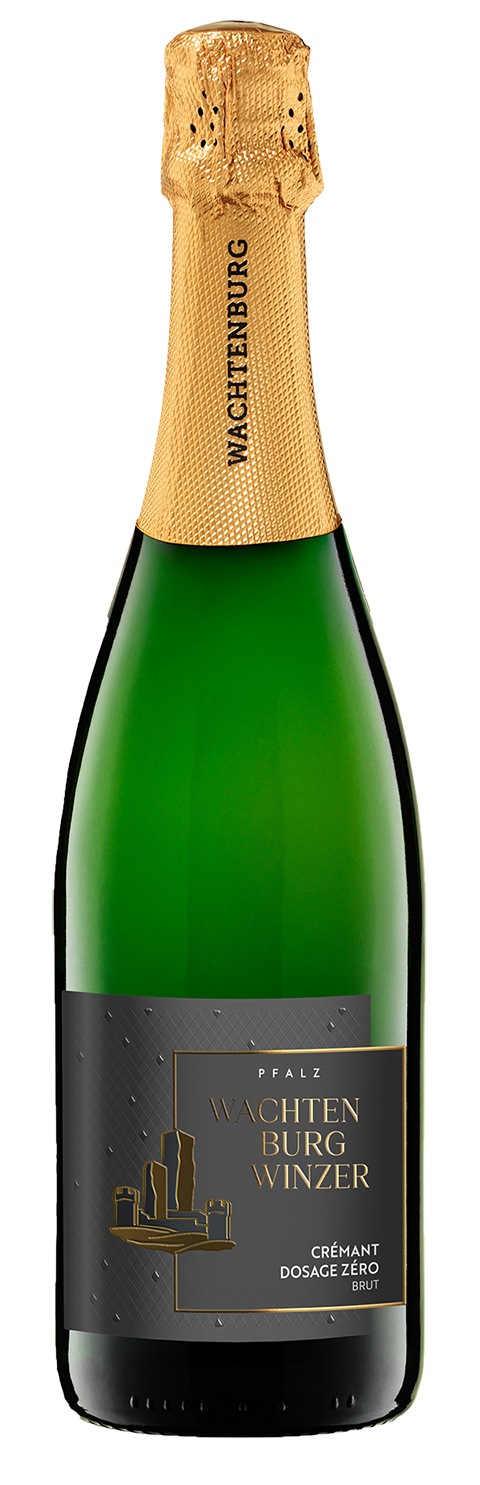
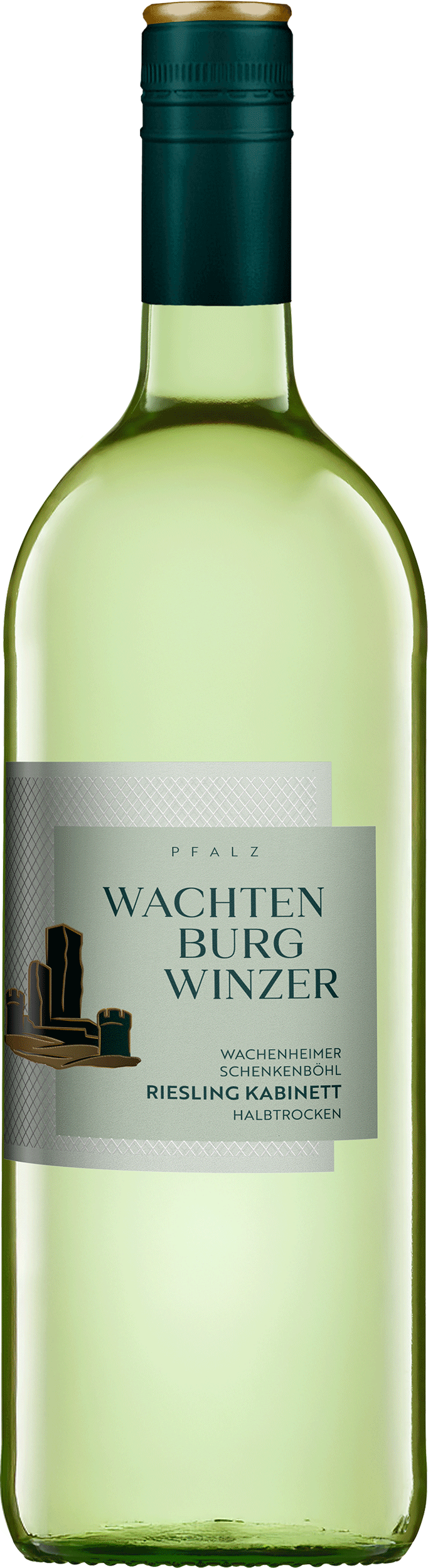
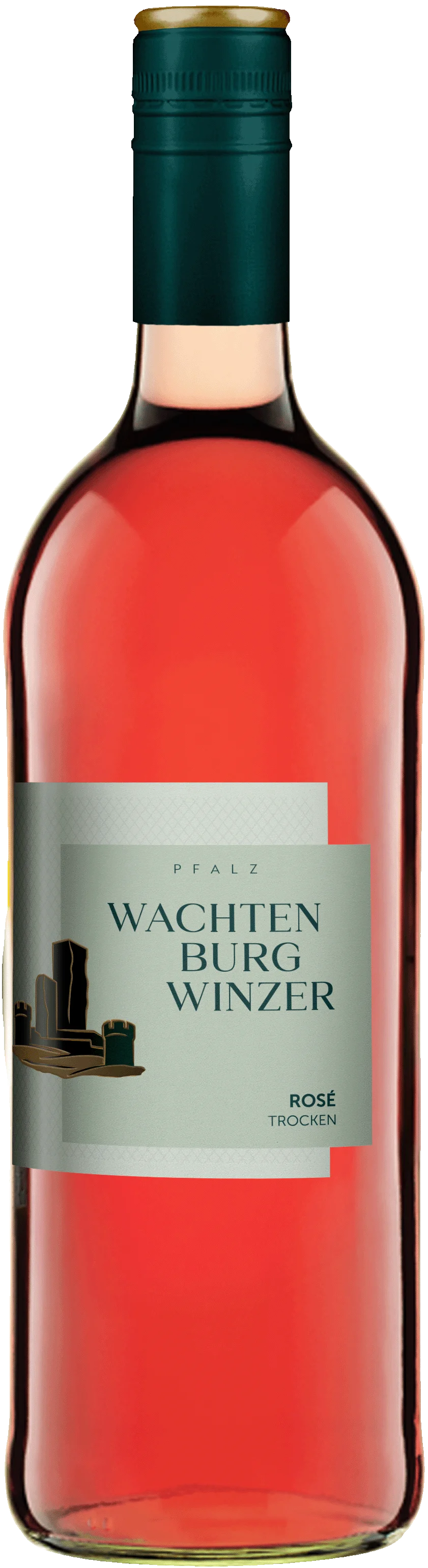
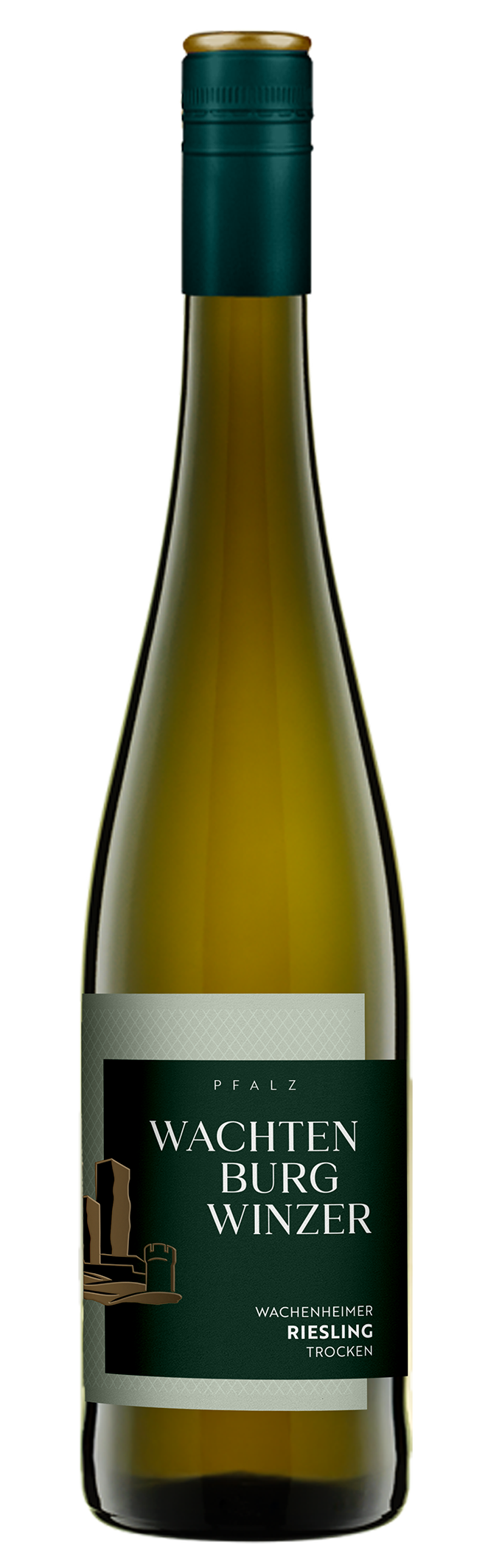
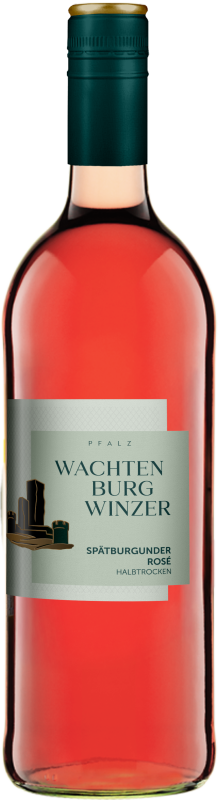
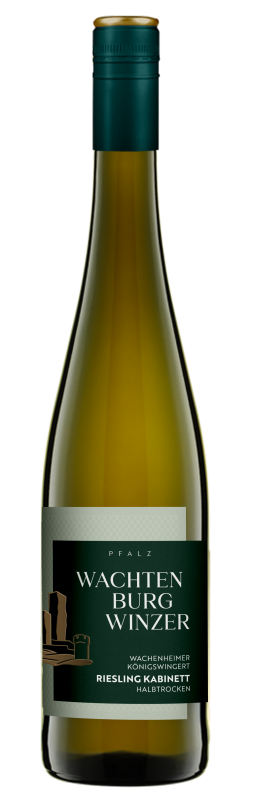
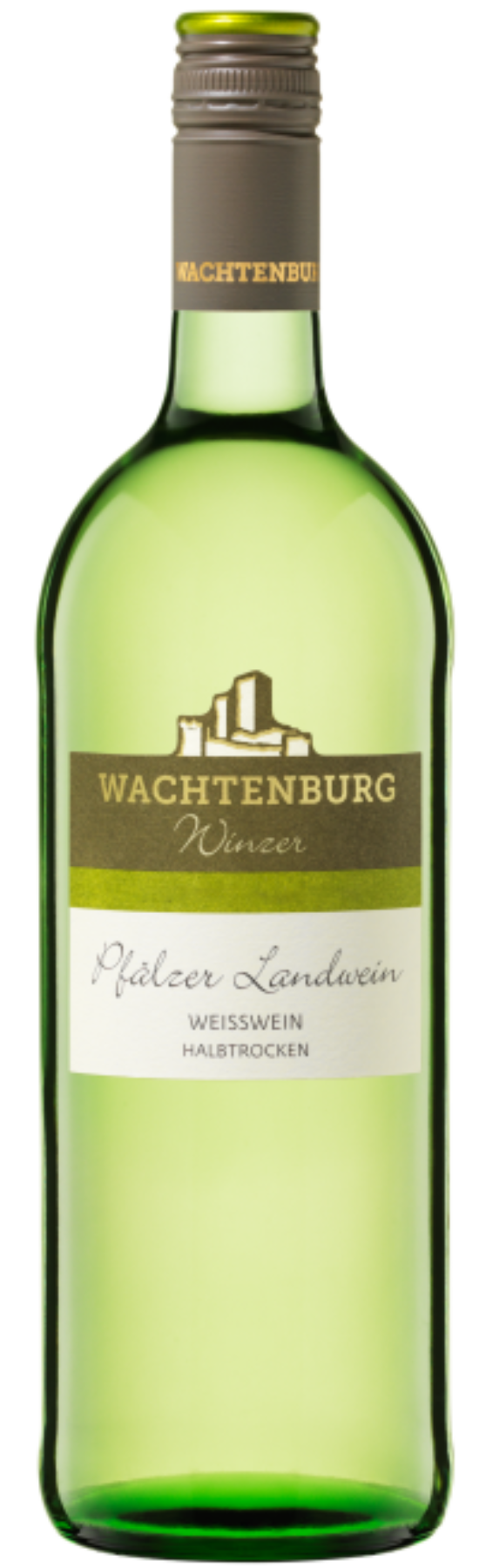
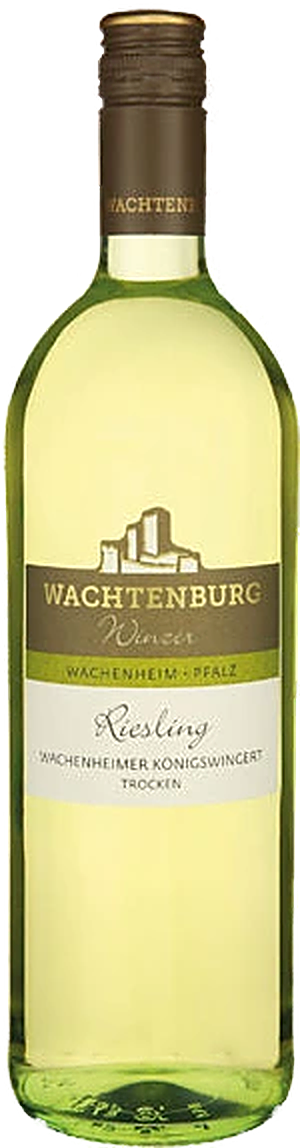
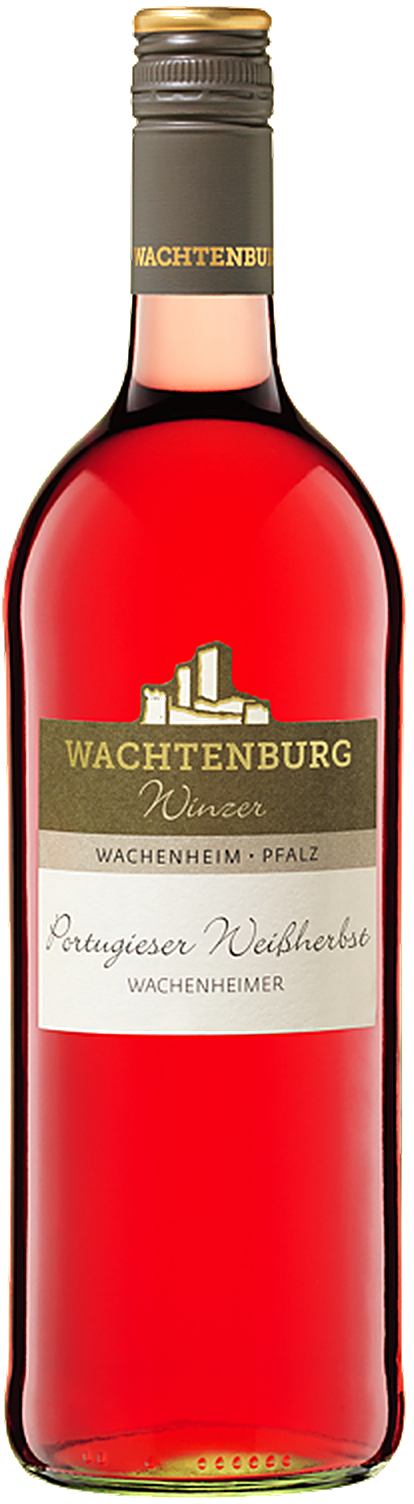
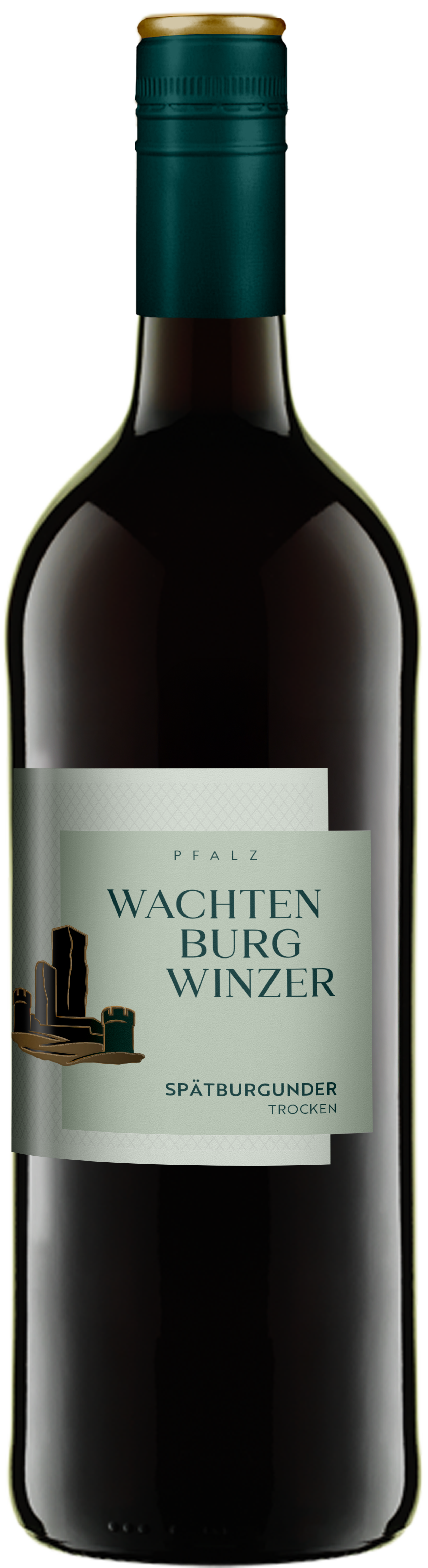
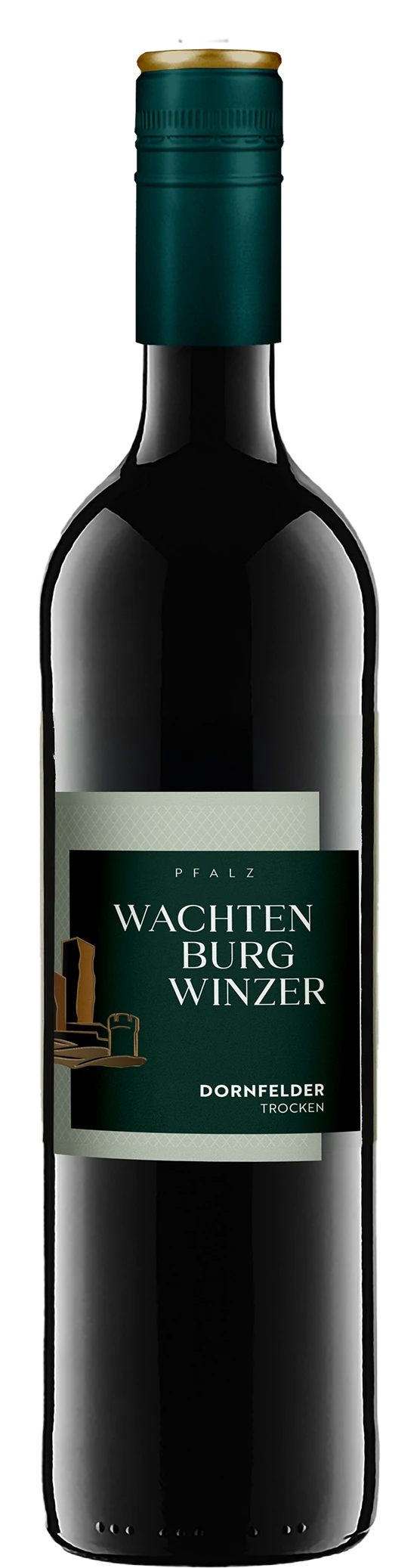
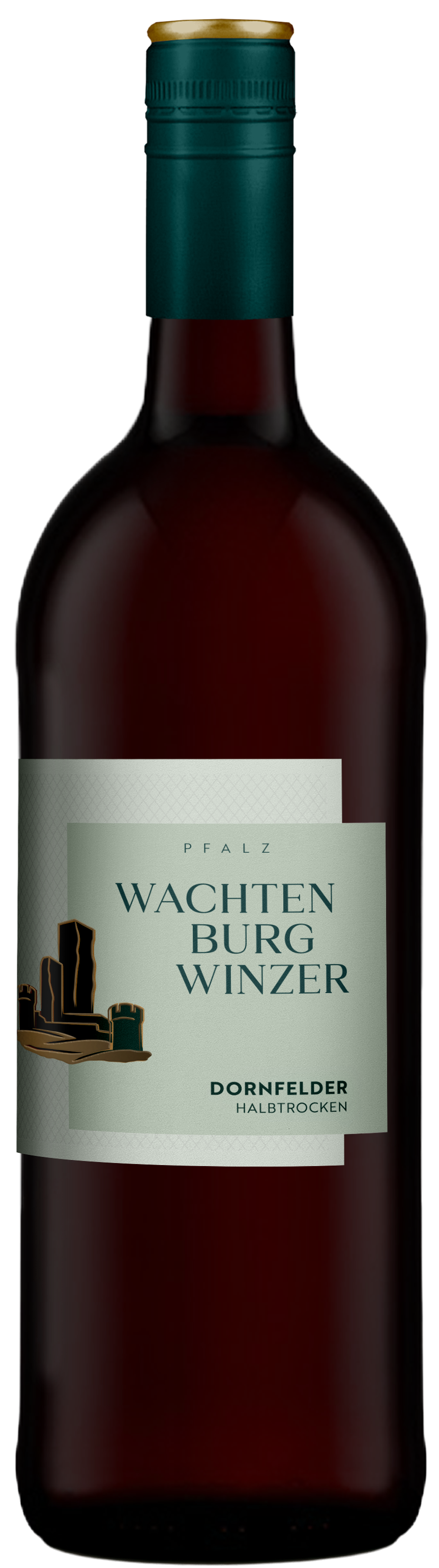
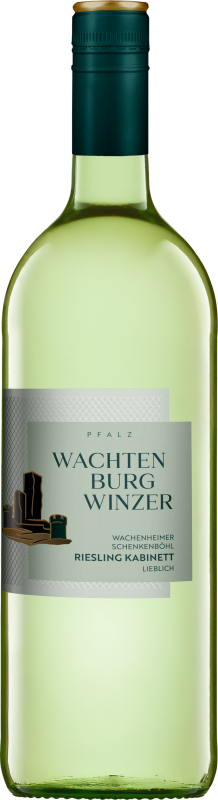
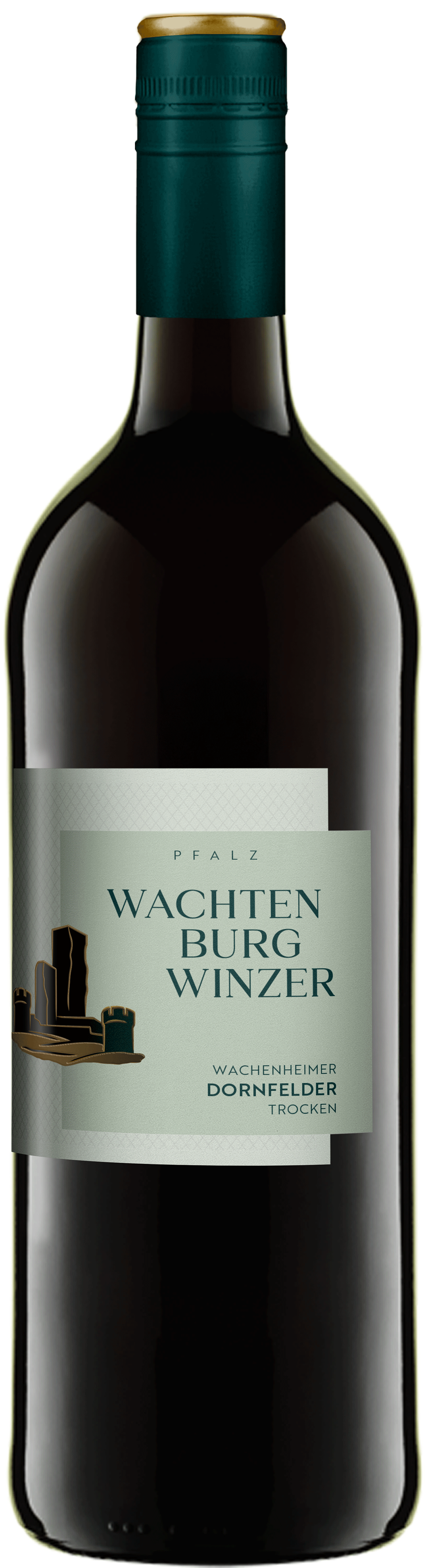
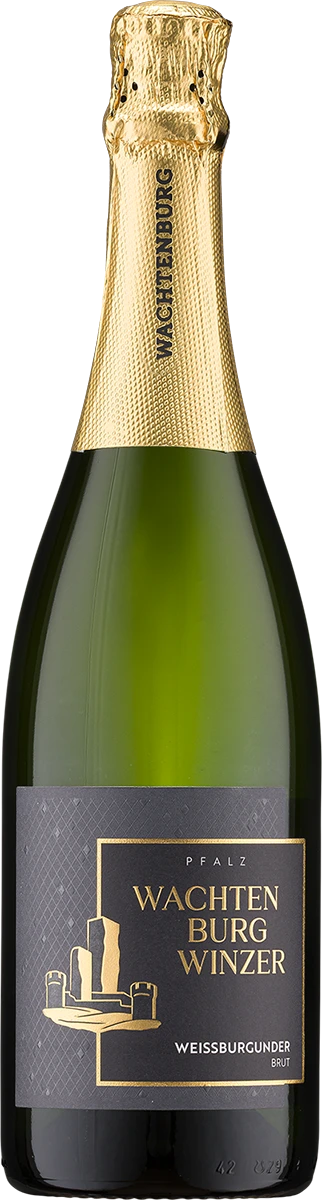
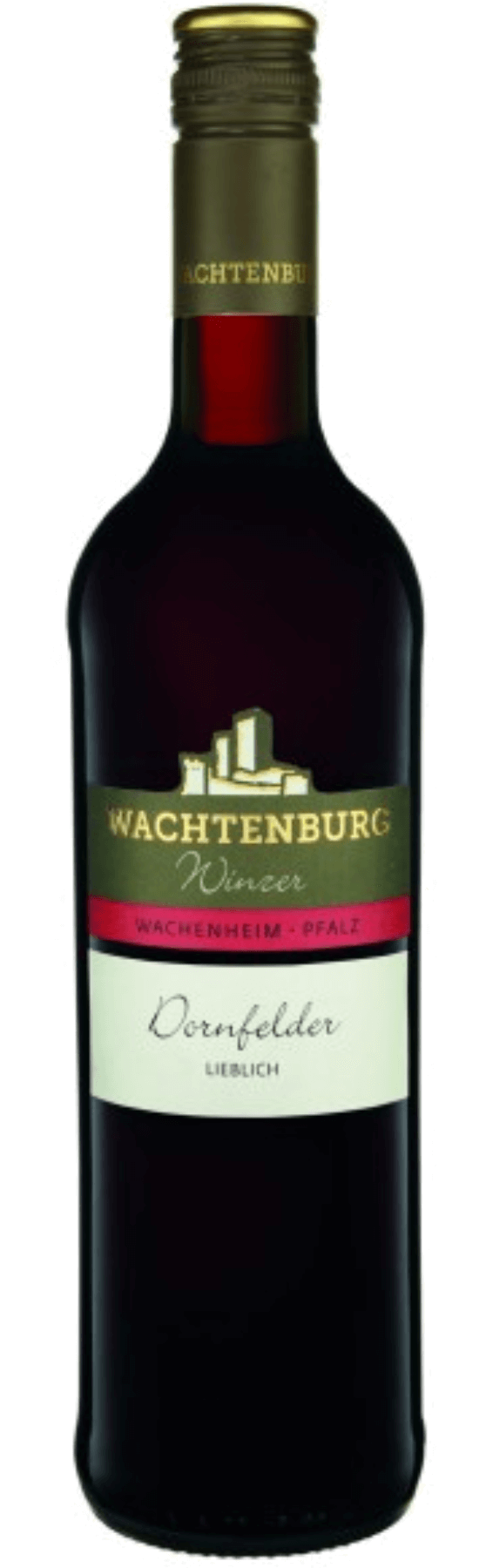
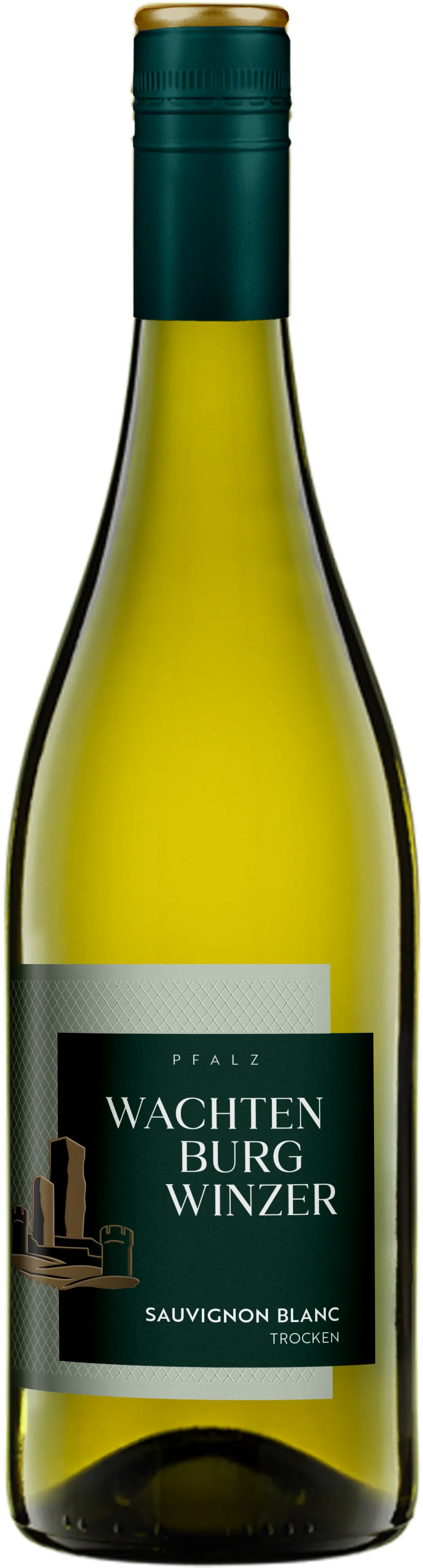
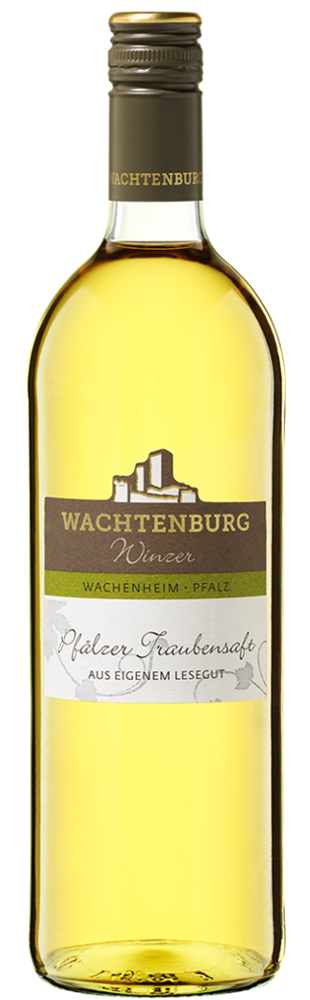
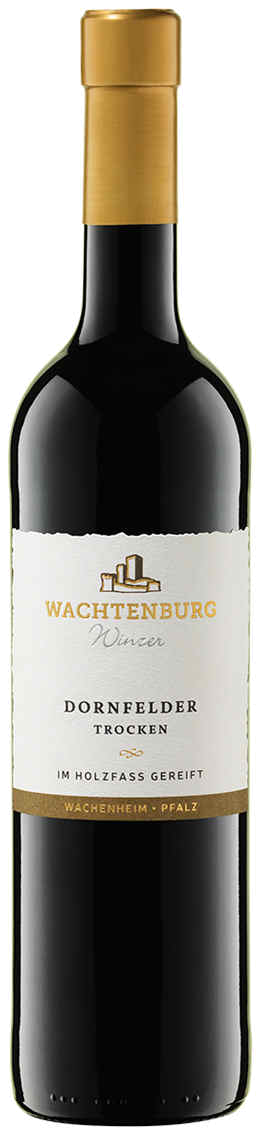
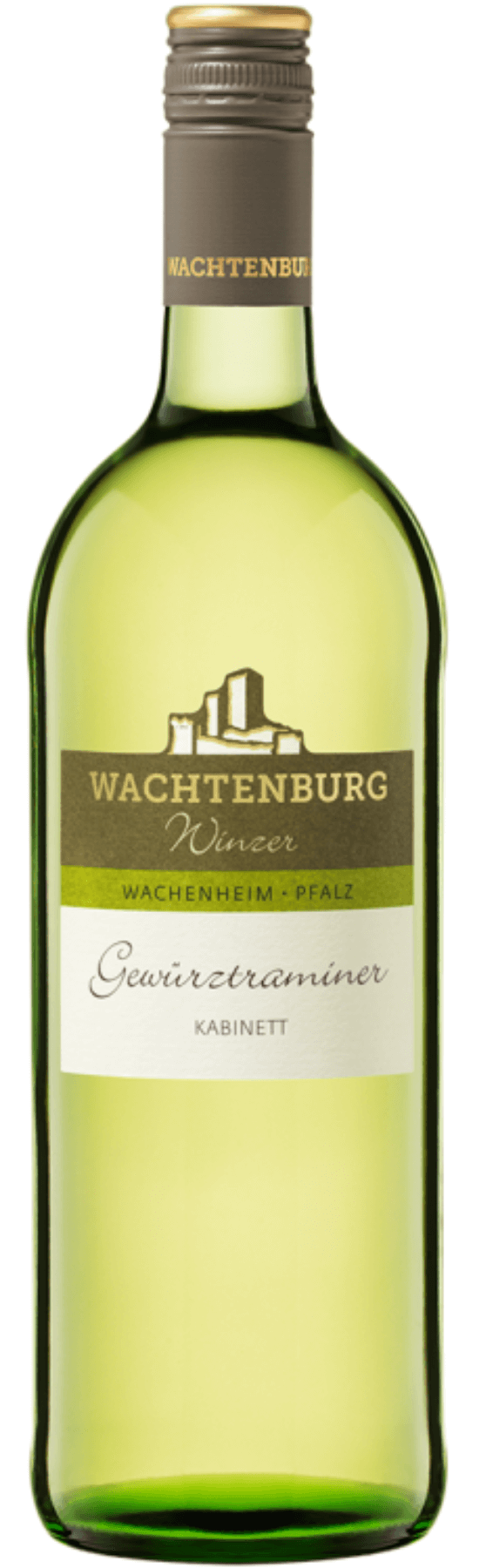
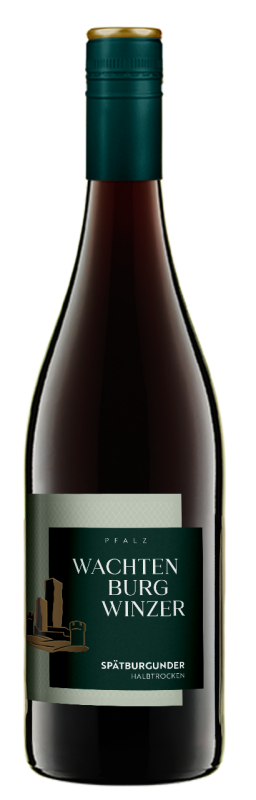
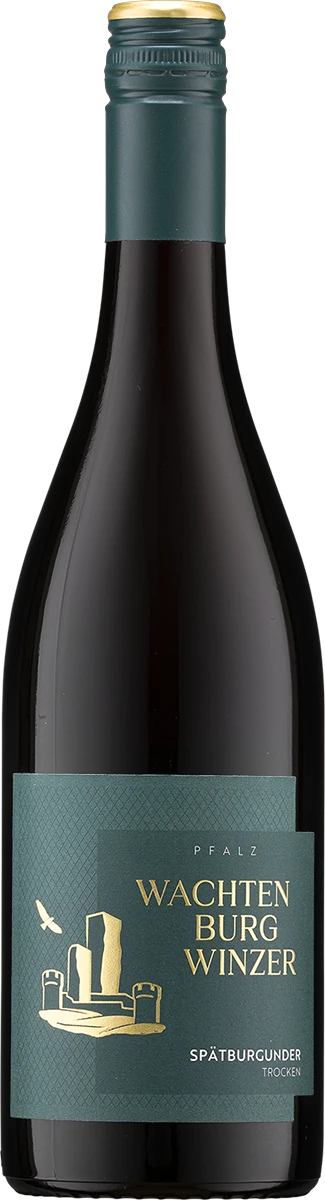
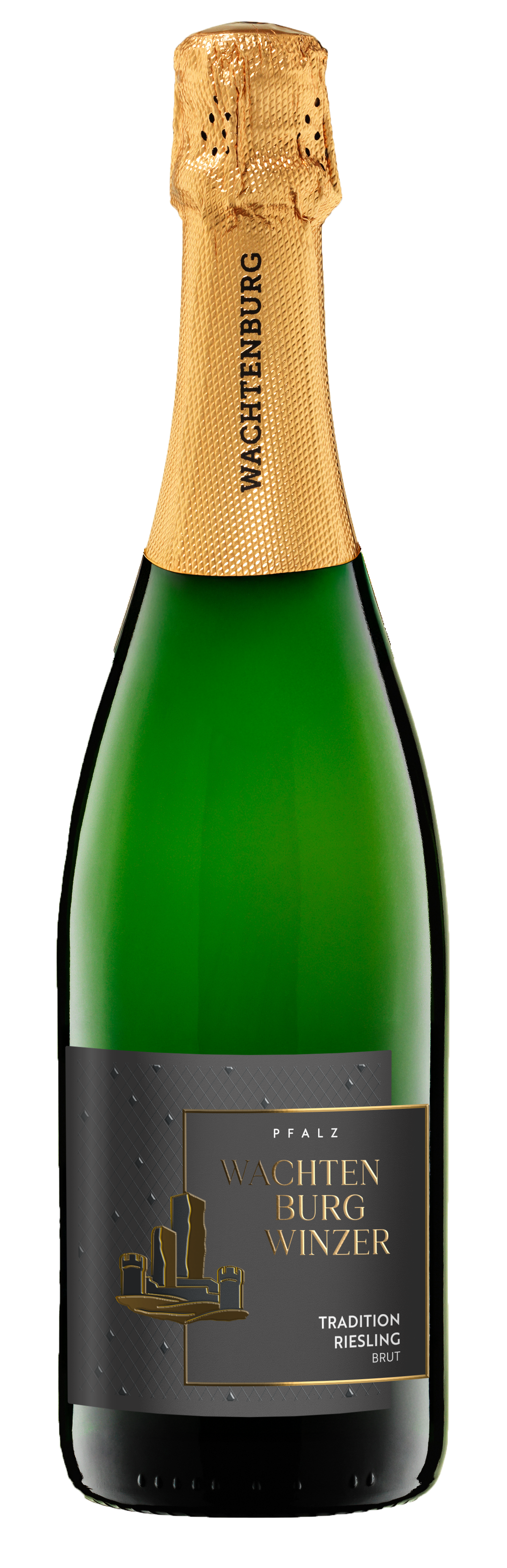
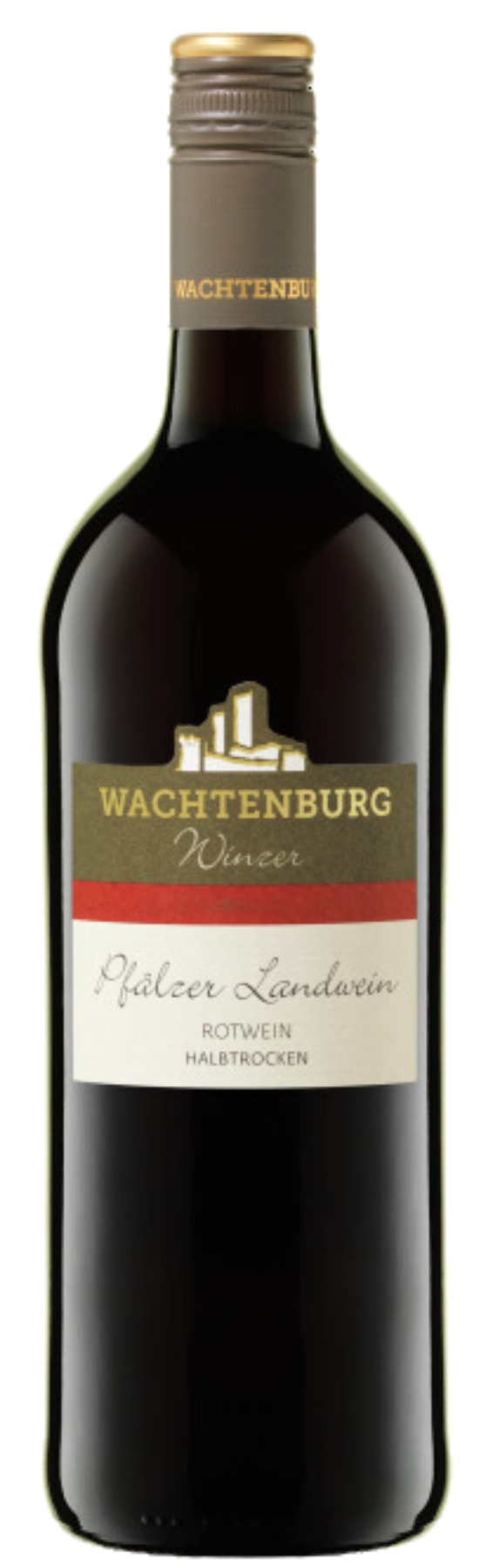
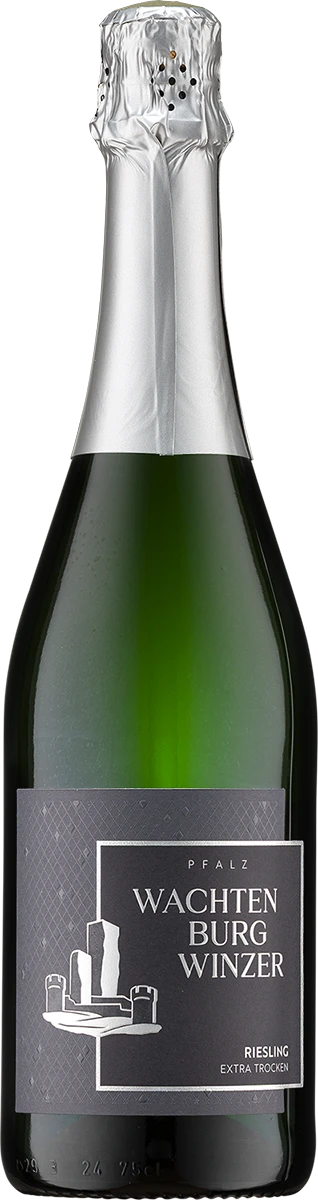
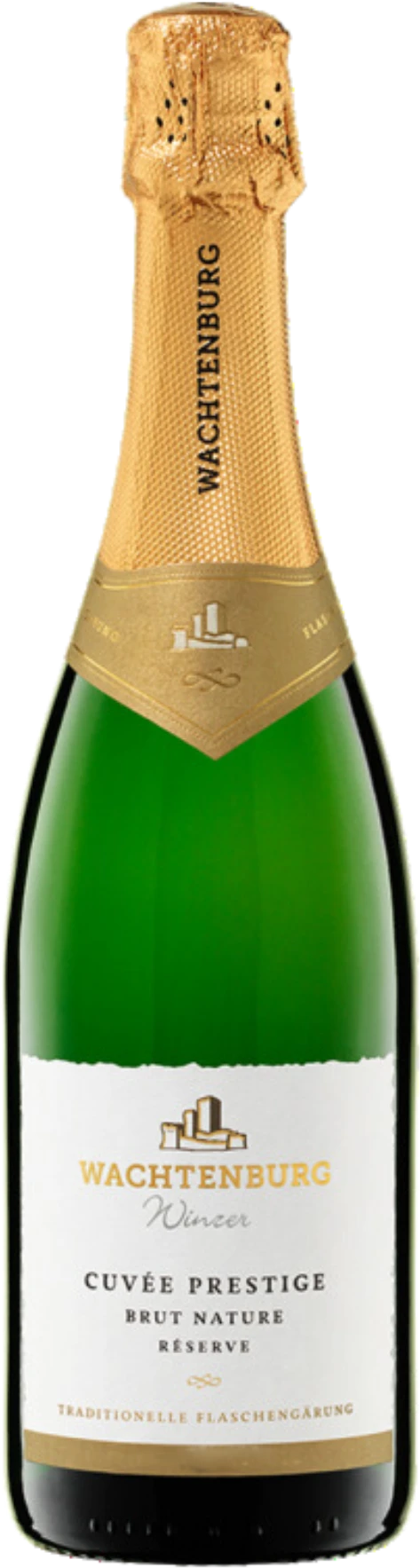
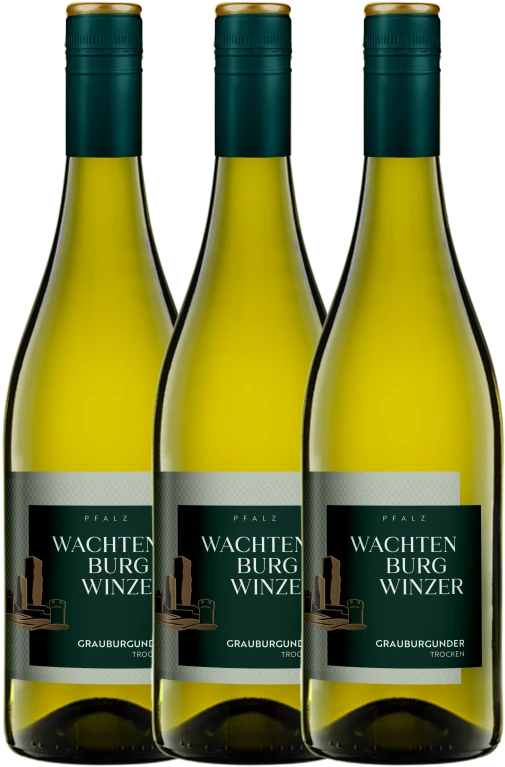
Riesling is the common thread throughout the entire range, from the accessible Schenkenböhl Kabinett to the structured dry Riesling from the top sites. In addition, Pinot Noir, Pinot Gris, Pinot Blanc, and Dornfelder provide the tools for a broad spectrum of flavors — in total, the Wachtenburg Winzer press 13 white and 11 red grape varieties. The range is structured by lines and extends from uncomplicated liter wines for everyday use to the selectively harvested wines of the Edition line and the reserves for special occasions. Sparkling wines also play a firm role: the Wachenheim Riesling Sekt and the Cuvée Prestige Reserve Brut Nature show that the cooperative does not view sparkling wine as a side program. Regular awards from Mundus Vini, the DLG, and the Rhineland-Palatinate Chamber of Agriculture confirm the consistent quality across the entire range.