From Forest-Fourneaux to Taittinger: three centuries in one family
The house that operates today under the name Taittinger was founded in 1734 by Jacques Fourneaux in Reims – initially as Forest-Fourneaux, in close cooperation with the Benedictine abbeys of the region, which at that time owned the best vineyards in Champagne. It received the name by which the Maison is known today in 1932: Pierre Taittinger, an entrepreneur with a clear vision, acquired the Château de la Marquetterie near Pierry and linked the house to his name. With him began the consistent stylistic focus on Chardonnay as the dominant grape variety in the blend – a decision that still defines the house's signature today. After the Second World War, his son François expanded the international presence; Claude Taittinger subsequently took over the role of brand ambassador as a writer and historian, lending the house cultural depth. A turning point in recent history: in 2005, the Maison was sold to an investment group – only to be bought back in 2006 by Pierre-Emmanuel Taittinger, who, as he himself put it, wanted to have his name back on a bottle. Since 2020, his daughter Vitalie Taittinger has led the house as President, while her brother Clovis is responsible for international development.
Chalk cellars, Chardonnay dominance and viticulture without herbicides
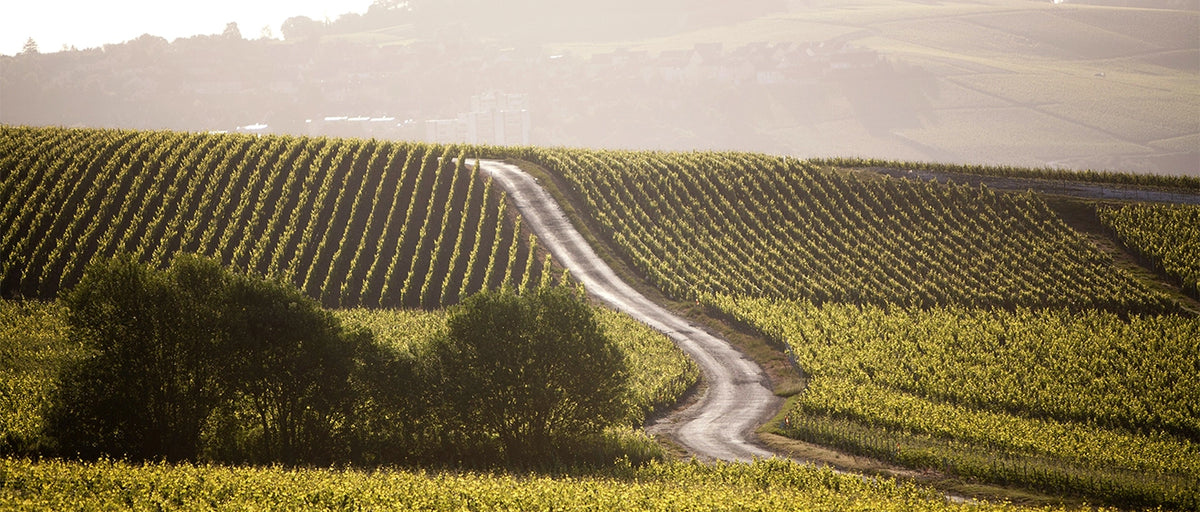
Today, Taittinger manages 288 hectares of its own vineyards in the three classic locations of Champagne: Côte des Blancs, Vallée de la Marne and Montagne de Reims – with a total of 37 different crus. This high level of self-ownership gives the house direct control over quality and blending, which is unusual for Grandes Maisons of this size. The vines grow without herbicides; instead, the house relies on mechanical soil cultivation, partly with horses. The vineyard holds the certifications Haute Valeur Environnementale Level 3, Viticulture Durable en Champagne and ISO 14001. The vinification follows the rhythm of the terroir: some of the wines mature in oak barrels, with the focus on long yeast aging in the famous chalk cellars under Reims. These galleries under the former Abbey of Saint-Nicaise date back to the Gallo-Roman era of the 3rd century and are now a UNESCO World Heritage site. Here, the cuvées mature at a constant temperature until cellar master Loïc Dupont, together with Vitalie Taittinger, releases the blend.
Chardonnay as a leitmotif – from Brut Réserve to the Comtes de Champagne
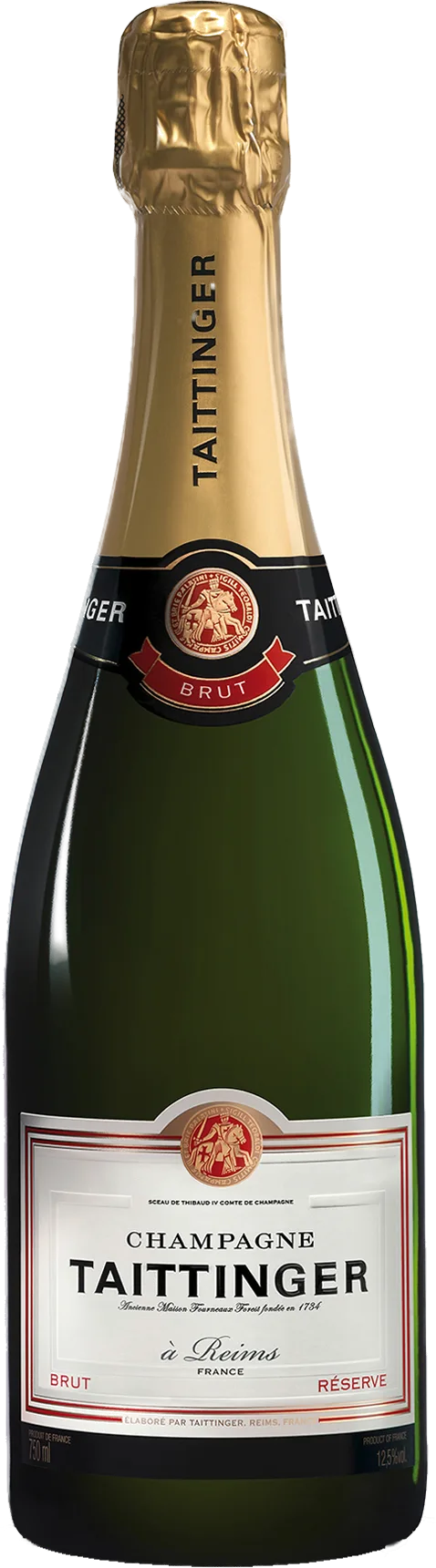
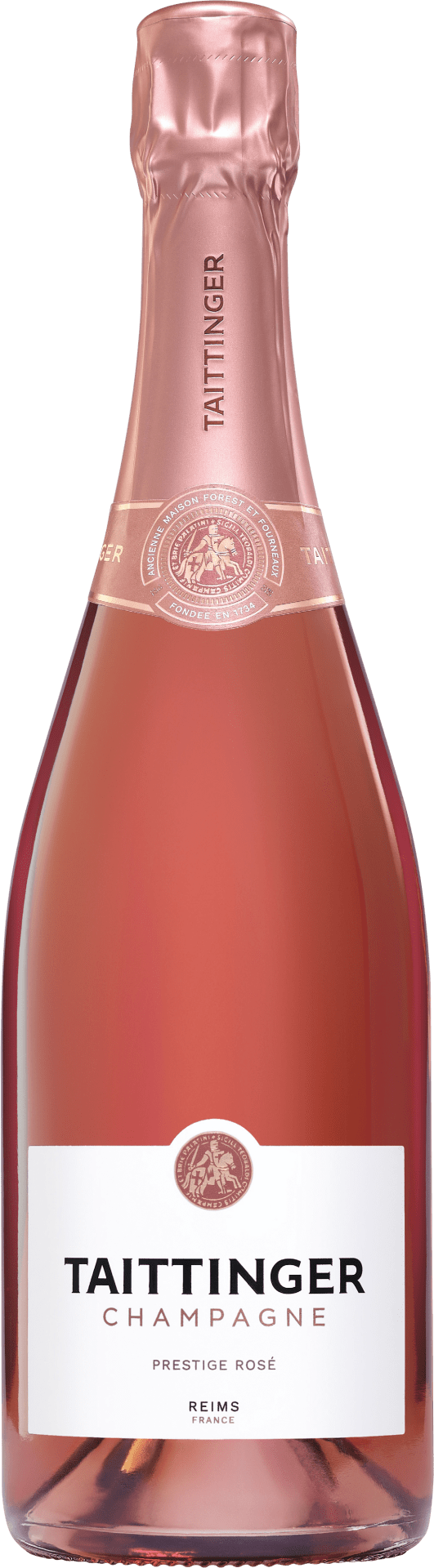
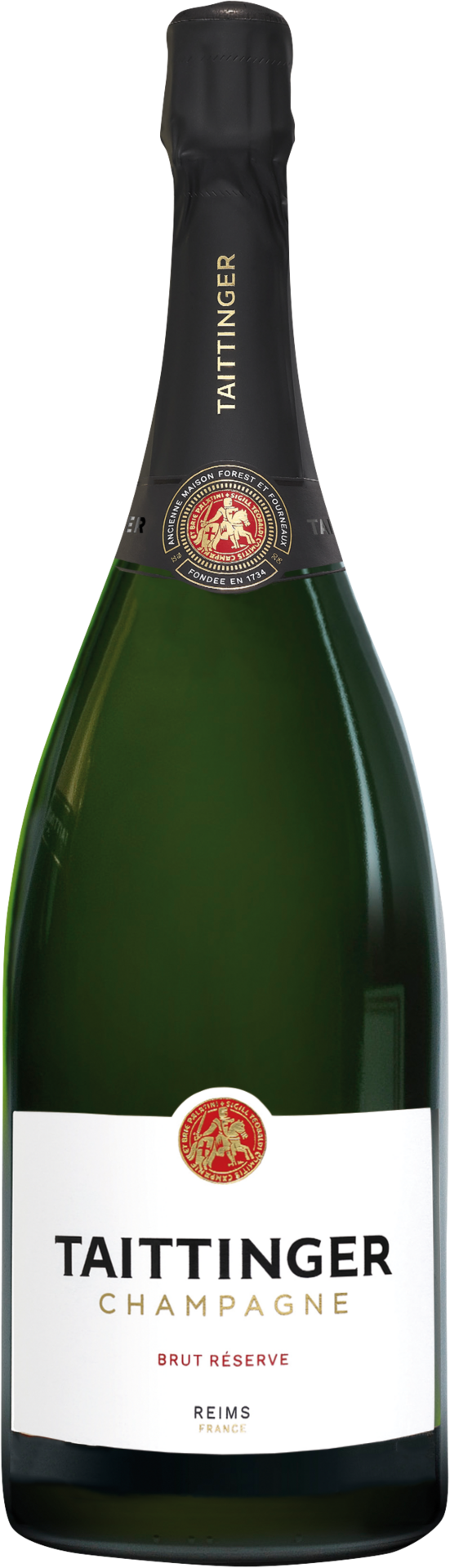
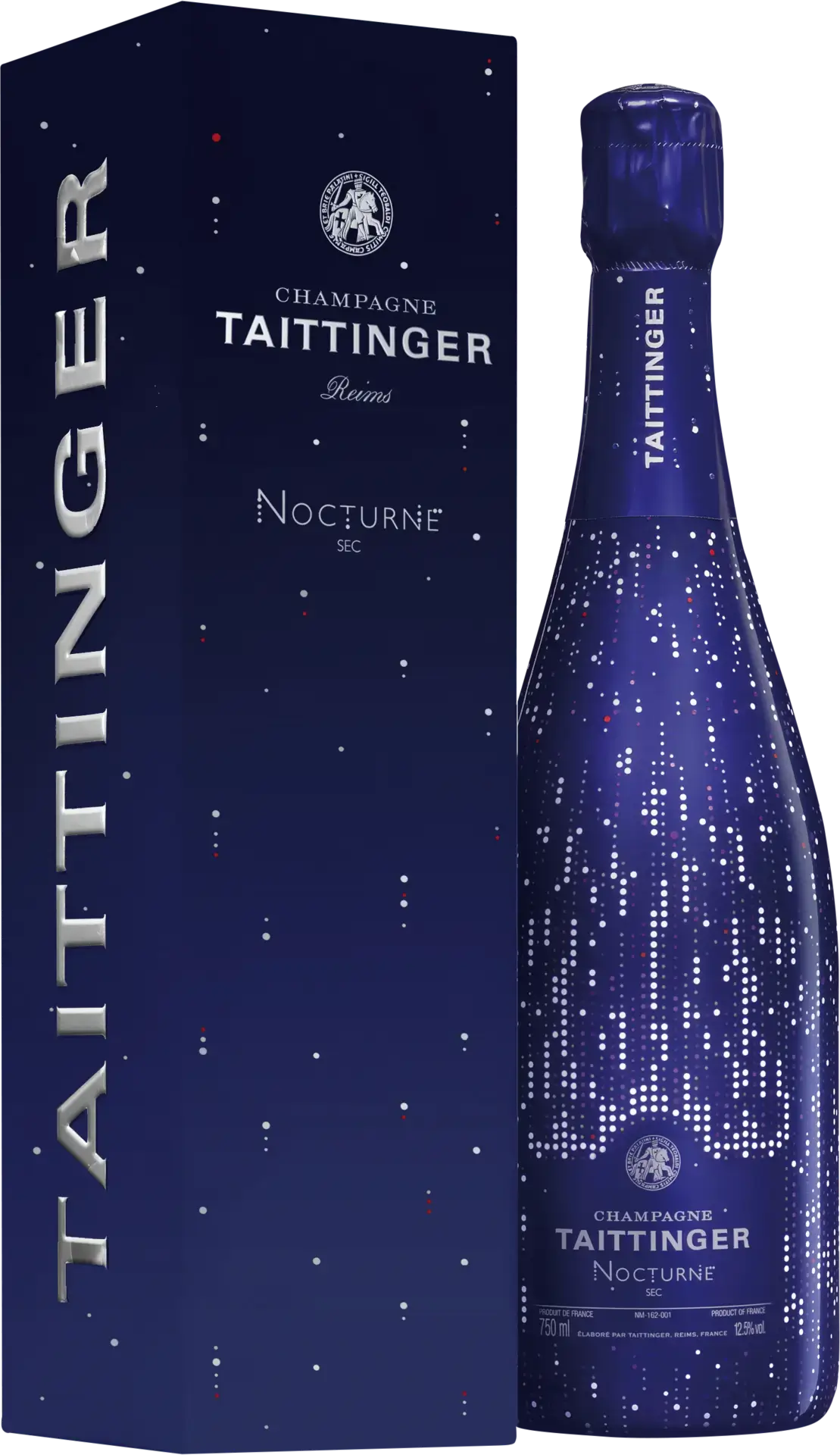
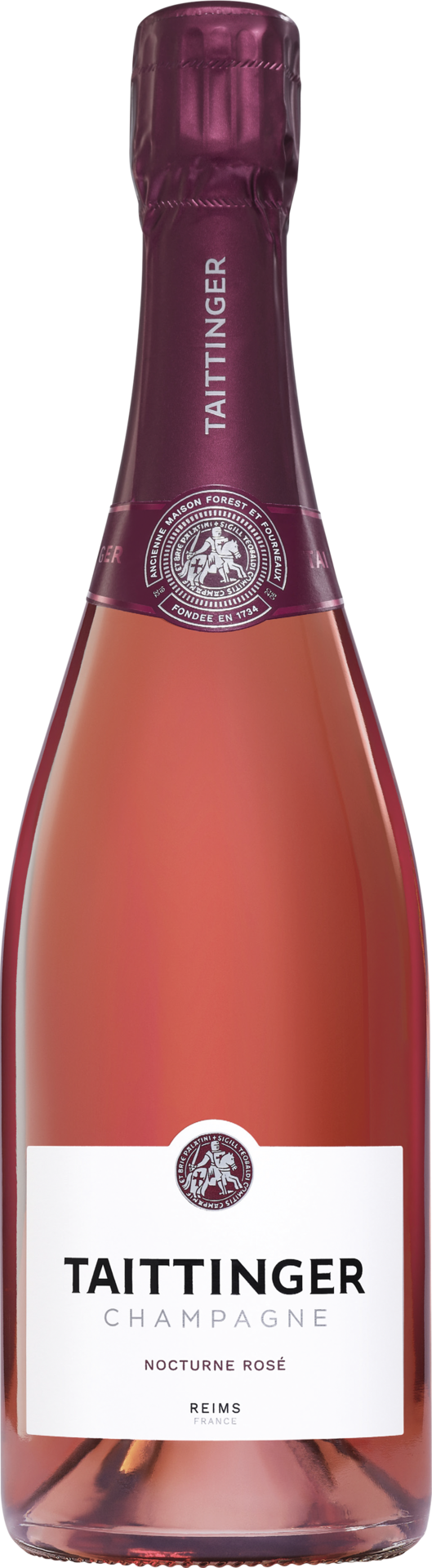
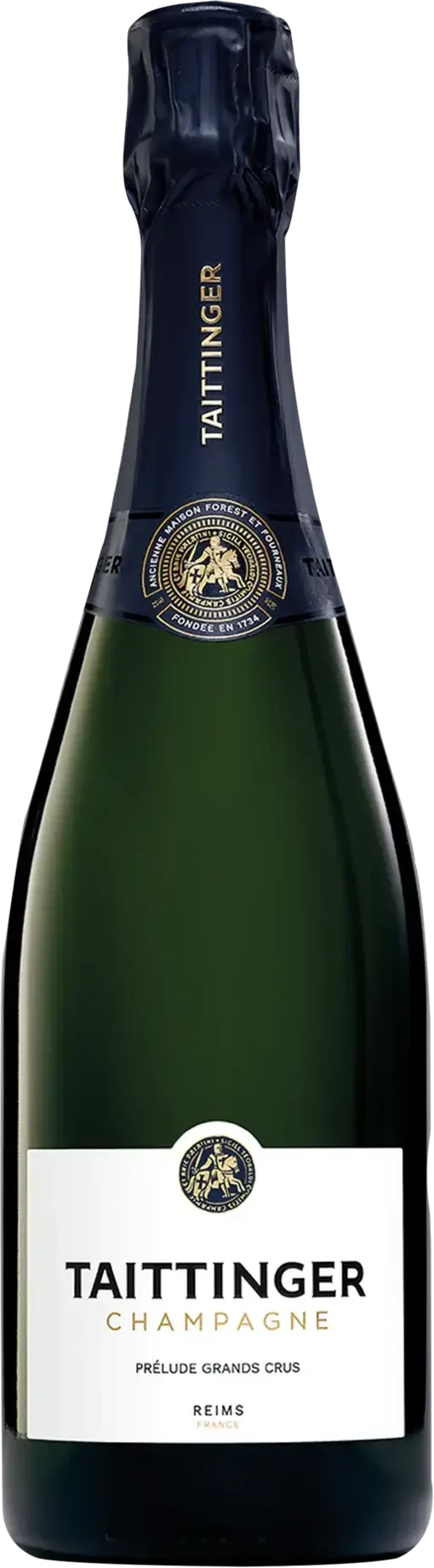
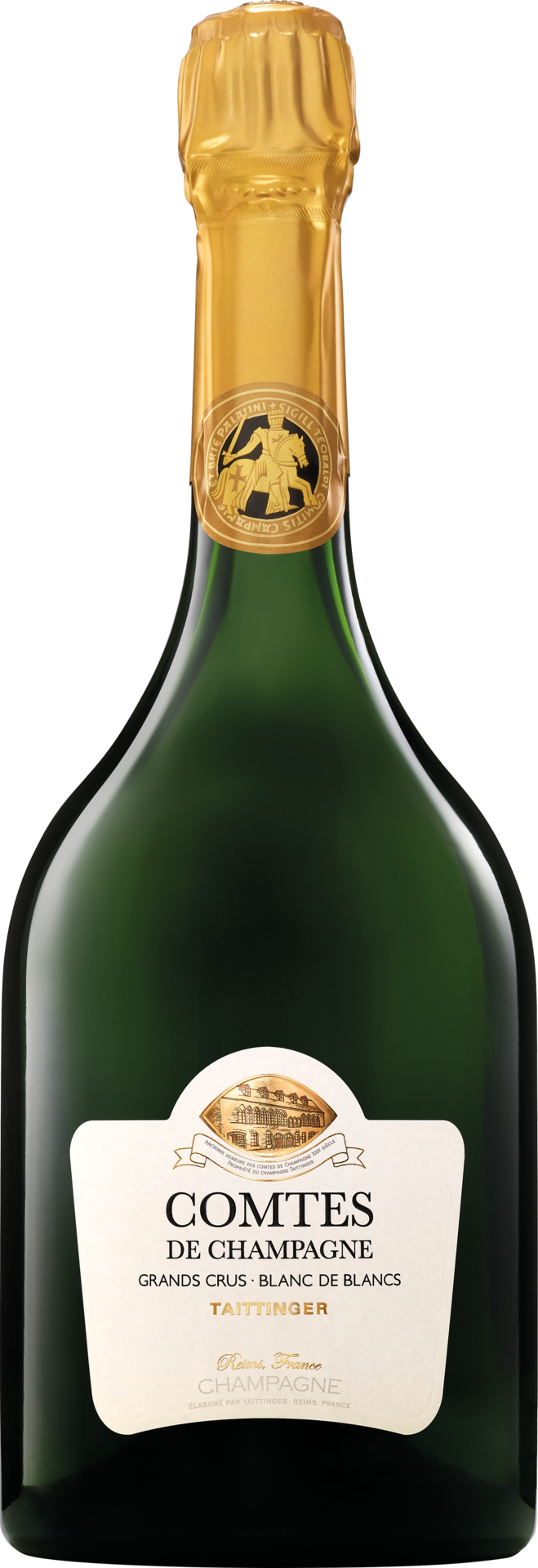
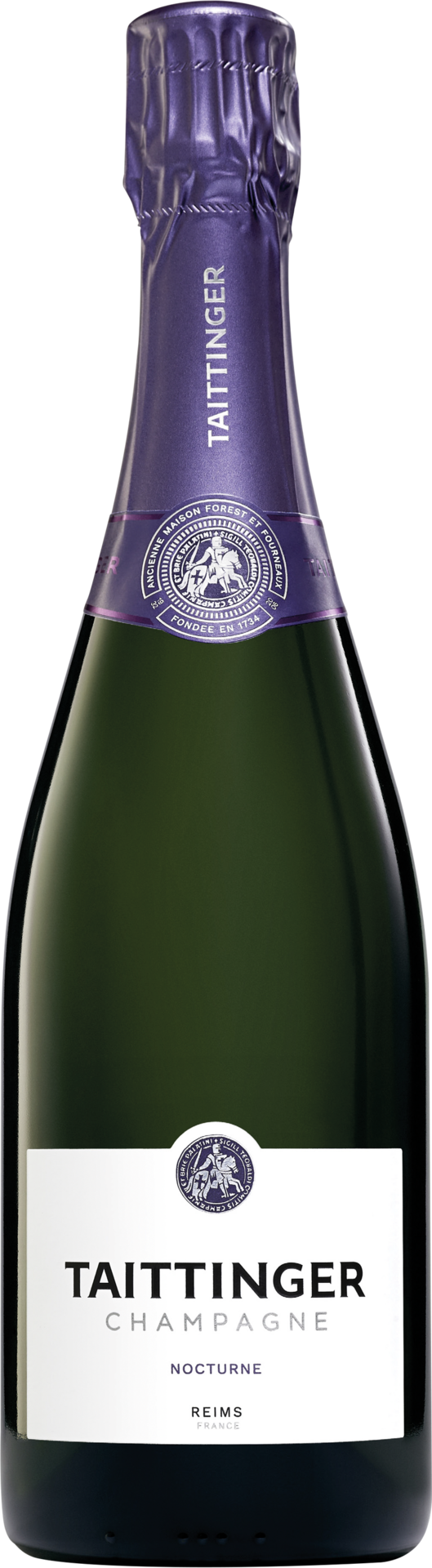
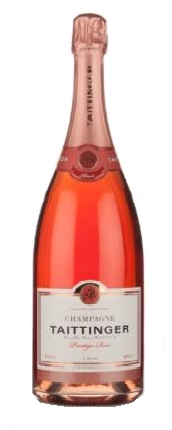
The common thread through all cuvées is Chardonnay: it is at the heart of every blend, giving the wines their characteristic freshness, bright citrus structure and potential for aging. The Brut Réserve – the house's best-selling cuvée – combines grapes from 35 different crus, matures for at least three years in the chalk cellars and develops aromas of fresh white fruit, brioche and a hint of vanilla with lively acidity. The Brut Prestige Rosé is created as a blended rosé: around 15% red still wine from Pinot Noir from the Montagne de Reims and Les Riceys is added to the Chardonnay base wine – this results in the luminous salmon-colored robe and an aromatic intensity that pure Blanc de Blancs rosés rarely achieve. With the Nocturne Sec, the house shows a different rhythm: slightly increased dosage, creamier texture, a champagne that works in the evening and with food. The prestige cuvée Comtes de Champagne Blanc de Blancs, made exclusively from Grand Cru Chardonnay from the Côte des Blancs, matures for up to ten years in the chalk vaults – it is only released in the best vintages and is considered one of the most precise Blanc de Blancs references in Champagne.