Cava from Catalonia: over 15 sparkling wines at a glance
Cava is Spain's classic bottle-fermented sparkling wine from Catalonia, protected by the designation Cava DO. In this selection you will find over 15 Cavas, from simple steel tank cuvées to bottle-fermented Cavas with long yeast aging, plus rosé styles and dry as well as luscious variants.
Style & taste
The basis is formed by the grape varieties Xarel·lo, Macabeo and Parellada, partly supplemented by Trepat for rosé Cavas or Pinot Noir in individual cuvées. Bottle fermentation ensures a fine, persistent perlage and a creamy texture, while simple steel tank aging appears fresher and more straightforward. Cavas with wood aging additionally show nutty, bready notes and more volume on the palate.
In terms of sweetness, the range distinguishes between Extra Brut and Brut, which remain dry and straightforward, up to luscious styles with significantly more fruit sweetness. Brut Cavas are the most versatile companions, Extra Brut goes well with spicier dishes, luscious variants are suitable for the dessert plate or as a solo treat. The alcohol content is 11.5 to 12% vol, a moderate value for sparkling wine. Around an eighth of the producers in the range work organically.
Which Cava suits whom
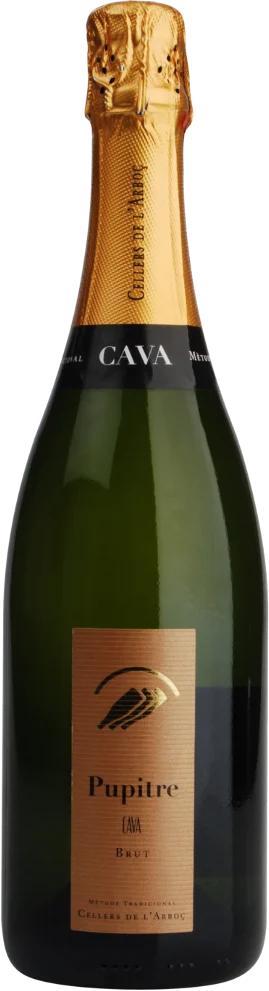
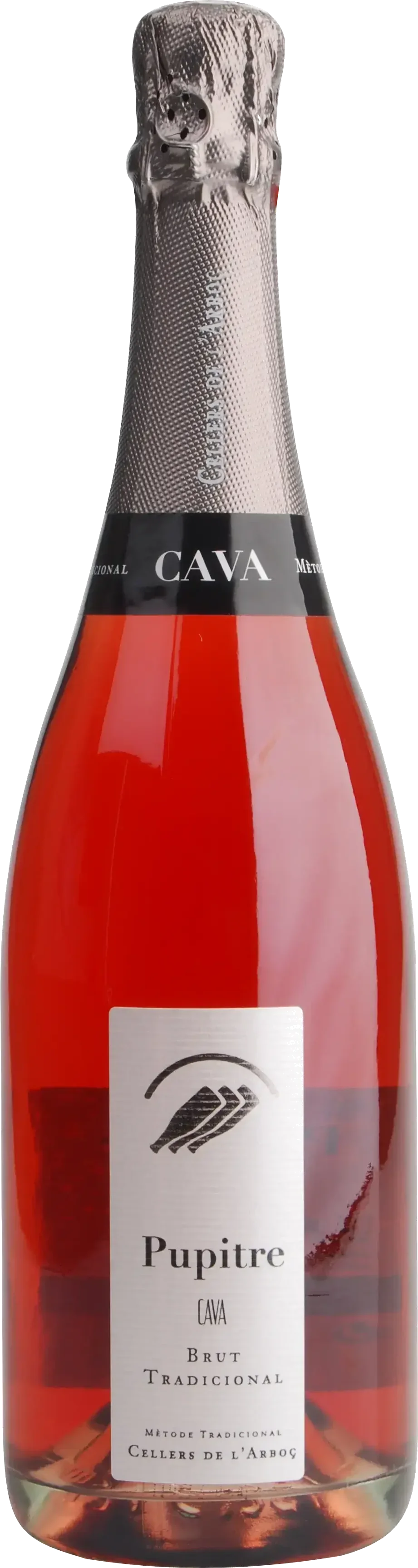
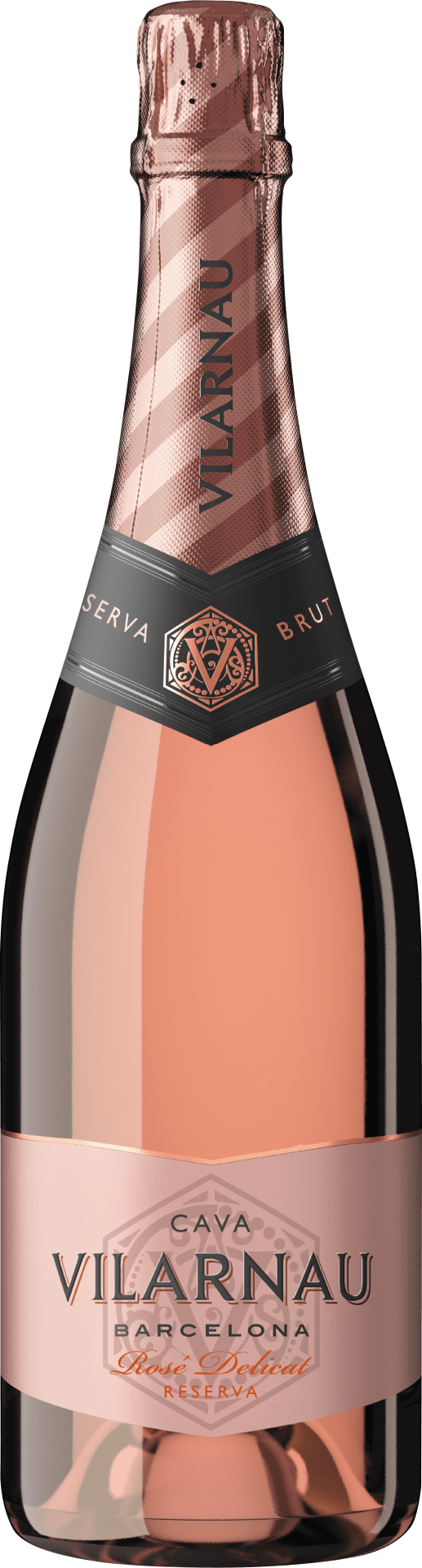
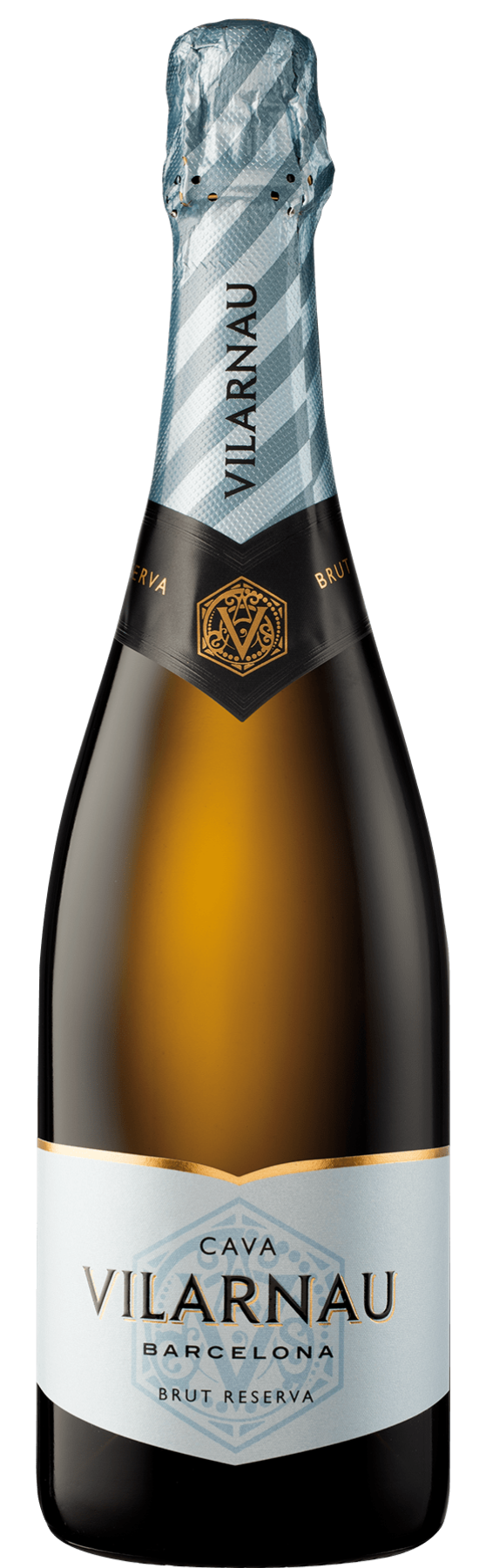
Entry level (under €15): This level makes up around a third of the range and is aimed at everyone who wants to drink Cava in an uncomplicated way in everyday life. The Cavas come from Catalonia and bear the designation Cava DO, characterized by producers such as Pere Ventura, Cellers l'Arboç and Caves Vilarnau. The style is fresh, accessible and suitable as an introduction to the world of Catalan sparkling wine.
Middle (15–20 €): Also around a third of the range, here the breadth of aging methods is shown more clearly. In addition to classic bottle fermentation, there are Cavas with wood and steel tank aging, which bring more structure or more freshness. Producers such as Pere Ventura and BORN ROSÉ characterize this level, BORN ROSÉ brings the rosé styles into the range, which are suitable for convivial occasions.
Top (from €20): The last third is dedicated to Cavas with consistent bottle fermentation and more depth in aging. Producers such as Pere Ventura and Castillo Perelada stand here for Cavas that are aimed at everyone looking for a sparkling wine with more complexity and maturity character, for example as an alternative to champagne for special occasions.
Origin & subcategories
All Cavas in this selection come from Spain, more precisely from the Catalonia region, the historical center of Cava production. The designations Cava and Cava DO guarantee traditional bottle fermentation according to the classic method. You can read about what distinguishes Cava from champagne and prosecco and what Reserva, Gran Reserva and Paraje mean in the magazine: What is Cava? Spain's sparkling wine simply explained.
Anyone interested in the individual grape varieties will find them as separate subcategories: Xarello and Macabeo form the backbone of the white Cavas, Trepat characterizes the rosé styles, and Pinot Noir appears in individual cuvées. For the regional context, it is worth taking a look at Catalonia and Spain, where Cava stands alongside other Spanish wine styles.
Pairs well with
Cava is a classic aperitif and opens tapas rounds with antipasti and appetizers. The acidity of the white Cavas provides a fresh counterpoint to fish, seafood and oysters. Cava also works as an uncomplicated companion for poultry, especially in the dry Brut and Extra Brut styles.