The short answer: Cava is a Spanish sparkling wine that, like Champagne, is created through a second fermentation in the bottle. Almost all Cavas come from Catalonia, specifically from the Penedès region southwest of Barcelona. The classic grape varieties are Macabeo, Xarel·lo, and Parellada. Cava is dry, fresh, and often significantly cheaper than Champagne because the minimum aging period is shorter.
What exactly is Cava?
Cava is a protected designation of origin (DO). A wine may only be called this if it is produced using the traditional bottle fermentation method: a finished base wine is mixed with yeast and sugar, bottled, and undergoes a second fermentation there. This creates the carbon dioxide that later appears as perlage in the glass. After aging on the lees, the sediment is removed from the bottle; the technical term for this is disgorging.
The word cava means "cellar" in Spanish. This refers to the deep, cool cellars in Sant Sadurní d'Anoia, the main town for Cava production. Around 95 percent of all Cavas come from Catalonia, though smaller quantities may also come from municipalities in Aragón, Valencia, Navarra, Rioja, and Extremadura.
Is Cava a Sekt?
In everyday language, yes; in terms of the label, no. "Sekt" is the German term for quality sparkling wine and appears primarily on German and Austrian bottles. Cava is the Spanish counterpart, with its own stricter rules: a German Sekt can also be fermented in a tank, whereas a Cava never can. Anyone who says "Spanish Sekt" almost always means Cava. You can find German sparkling wines under Sekt.
Cava, Champagne, Prosecco: what is the difference?
- Production: Cava and Champagne ferment in the bottle. Prosecco ferments in a large pressurized tank, which makes it fruitier and less yeasty.
- Grape varieties: Cava relies on Macabeo, Xarel·lo, and Parellada, with Chardonnay, Pinot Noir, Garnacha, and Trepat also permitted. Champagne is made from Chardonnay, Pinot Noir, and Pinot Meunier. Prosecco is made from Glera.
- Minimum bottle aging: Cava 9 months on the lees, Champagne 15 months, Prosecco generally none at all because it is created in a tank.
- Taste: Cava is usually drier and earthier than Prosecco and somewhat leaner than Champagne, with notes of green apple, citrus, almond, and, with longer aging, brioche.
Those looking for the Champagne style at a lower price are right to choose a longer-aged Cava. Those who prefer it fruity and light should reach for Prosecco instead.
The grape varieties of Cava
Macabeo provides freshness and a delicate, floral fruitiness. Xarel·lo adds body, structure, and acidity and is the variety that gives Cava its longevity. Parellada grows in higher altitudes and provides finesse and fine aromatics. For Rosado (rosé Cava), red varieties such as Trepat, Garnacha, and Pinot Noir are added.
Reserva, Gran Reserva, Paraje: the aging levels


As with Champagne, the style depends heavily on how long the Cava lies on the lees. The rules prescribe minimum times:
- Cava de Guarda: at least 9 months. Fresh, fruity, uncomplicated.
- Reserva: at least 18 months. More creaminess, initial yeast notes.
- Gran Reserva: at least 30 months. Fine perlage, brioche, dried fruits, nuts.
- Cava de Paraje Calificado: at least 36 months, from a single, verified vineyard site. The pinnacle of the pyramid.
Reserva, Gran Reserva, and Paraje are grouped under the term Cava de Guarda Superior. Stricter rules apply to them regarding the vineyard, including the requirement that the grapes must come from organic farming.
Brut, Brut Nature, Semiseco: the sweetness levels
The label indicates how much sugar was added after disgorging. From dry to sweet:
- Brut Nature: up to 3 g/l, bone-dry
- Extra Brut: up to 6 g/l
- Brut: up to 12 g/l, the classic
- Extra Seco: 12 to 17 g/l
- Seco: 17 to 32 g/l
- Semiseco: 32 to 50 g/l, noticeably sweet
- Dulce: over 50 g/l
Confusing, but important: "Seco" may mean "dry," but in sparkling wine, it is already significantly sweet. For an aperitif, reach for Brut or Extra Brut; for dessert, rather a Semiseco.
What does Cava pair with?
Cava is one of the most versatile food companions. A young Brut goes well with an aperitif, tapas, olives, and jamón. The acidity and perlage pair well with fried foods, fish, seafood, and oysters. An aged Gran Reserva accompanies poultry, mushroom dishes, and mature hard cheese. Rosado pairs with salmon, tuna, and summer cuisine, while a Semiseco goes with fruit cake. Serve Cava at 6 to 8 degrees, a Gran Reserva slightly warmer, at 8 to 10 degrees.
Cava from our range
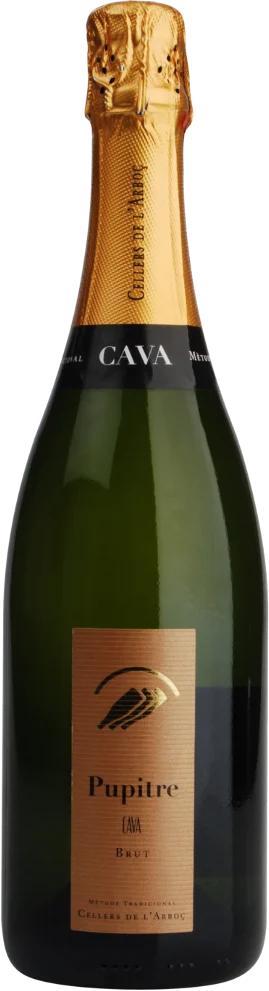
For every day and for mixed drinks: the CHIC Barcelona Cava Brut from Pere Ventura and the Cava Pupitre Brut from Cellers l'Arboç. If you like it semi-dry and pink, choose the CHIC Barcelona Demi Sec Rosé.


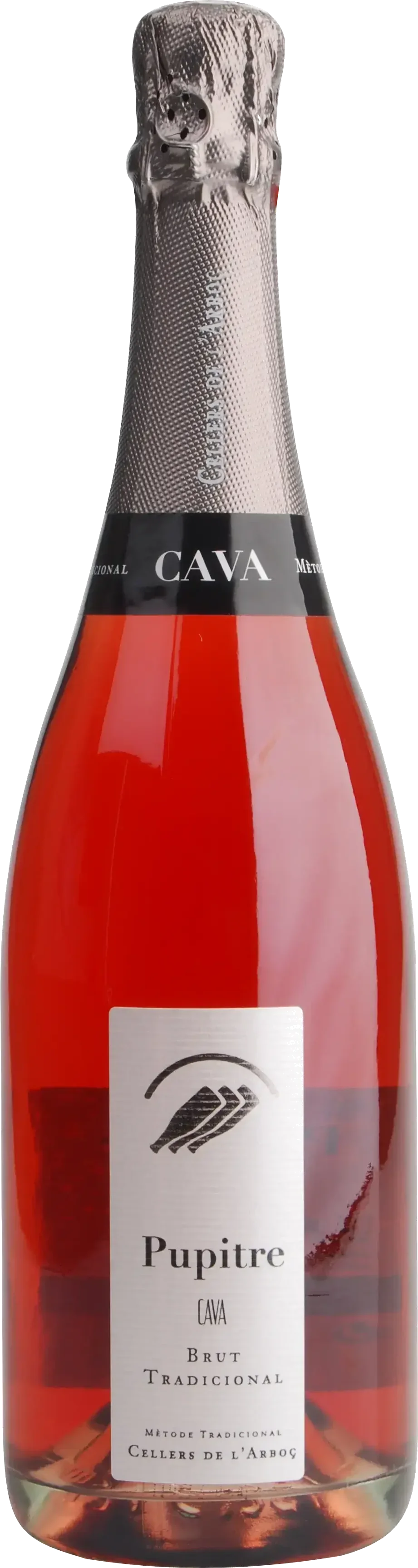
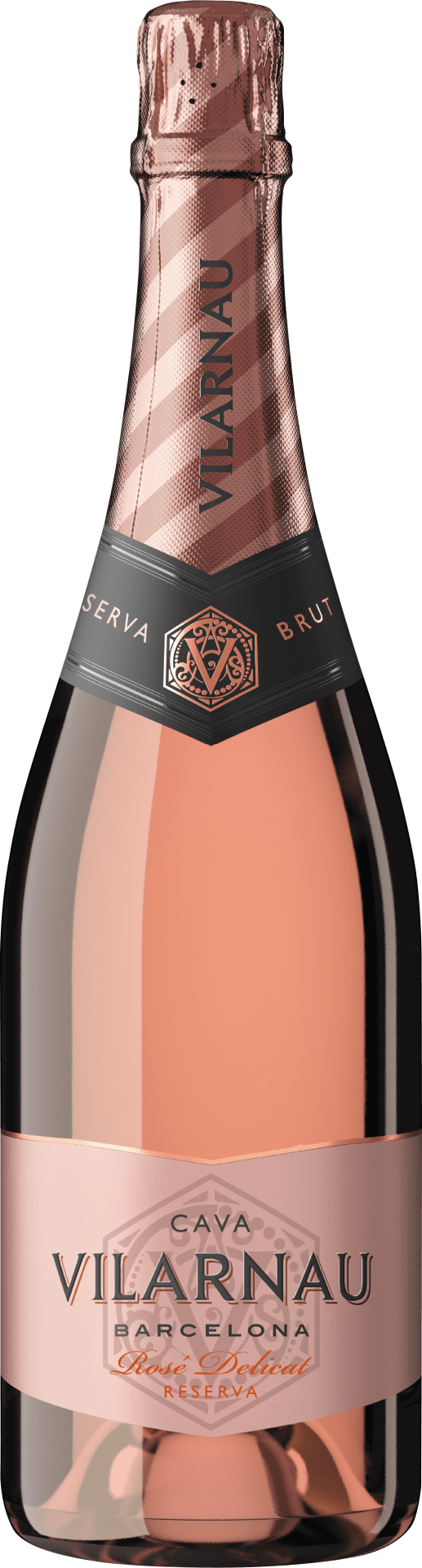
Rosado with more depth: the Pere Ventura Tresor Rosé, the Cava Pupitre Rosé Brut, and the Vilarnau Brut Reserva Rosado.


For the Champagne comparison: the Cava Gran Reserva Tresor Brut from Pere Ventura and, as the pinnacle, the Cava de Paraje Calificado Trésor from a single vineyard site.
You can find the entire selection under Cava, and further sparkling wines under Sparkling wine.
Frequently asked questions
Is Cava cheaper Champagne?
Cava is not a substitute, but a distinct style with its own grape varieties. However, it is produced using the same method, and an aged Gran Reserva comes very close to the Champagne style. The price difference comes primarily from grape prices and the shorter minimum aging period.
How long does an opened Cava last?
With a sparkling wine stopper in the refrigerator, one to two days. After that, the perlage noticeably diminishes.
Can I store Cava?
A young Brut is made for drinking soon, ideally within one to two years. A Gran Reserva lasts longer, but its peak is at the time of release, as the aging has already taken place in the bodega's cellar.