From Finca Can Petit to the González Byass house: Vilarnau's long journey
The roots of Caves Vilarnau date back to the 12th century, when the Vilarnau family first planted vines at the Finca Can Petit in Espiells, near Sant Sadurní d'Anoia. The name itself is derived from a medieval country estate — a Vila Arnau — on the banks of the Anoia river. Vilarnau took shape as a commercial winery in 1949, when the Cuscó family marketed the first Cava bottles under their own label: grapes from those very sites that had been cultivated for generations. In 1982, the Andalusian group González Byass — known for Tío Pepe Sherry from Jerez de la Frontera — took over the house and gave it the means to take the next step in its development. The current vineyards were acquired in 1990; in 2005, a purpose-built, modern winery building opened at the highest point of Espiells, 200 meters above sea level — designed by architect Luis González, whose linear architecture deliberately blends into the surrounding wine landscape.
Biodynamics, biomass, and the view of Montserrat: Vilarnau's way of working
Caves Vilarnau currently manages about 20 hectares of its own vineyards on alluvial soils with limestone and clay layers. The location on the Espiells hill — with a view of the Montserrat massif and the Catalan Coastal Range — ensures cooler nights and slower grape ripening, which favors the natural acid structure of the base wines. Since 2016, all vineyard areas have been officially organically certified; only certified organic composts are used as fertilizer, and the trellis system consists of untreated chestnut posts. The vineyards are also irrigated with rainwater collected in an artificial lake around the cellar building; energy is provided by a biomass heating system that uses corks and vine prunings as fuel. In the cellar, cellar master Eva Plazas Torné, who has been associated with the house since 1996, works consistently with cold vinification: the grapes are cooled immediately after hand-picking, and the must is never filtered, but rather cold and statically clarified. The first fermentation runs for 30 days at 15 °C; the second fermentation — the heart of every Cava — takes place exclusively in the bottle. Vilarnau maintains its own yeast strain collection for this purpose and strives for minimal dosage to protect the fruity and floral primary aromas.
Catalan classics meet modern craft: the range
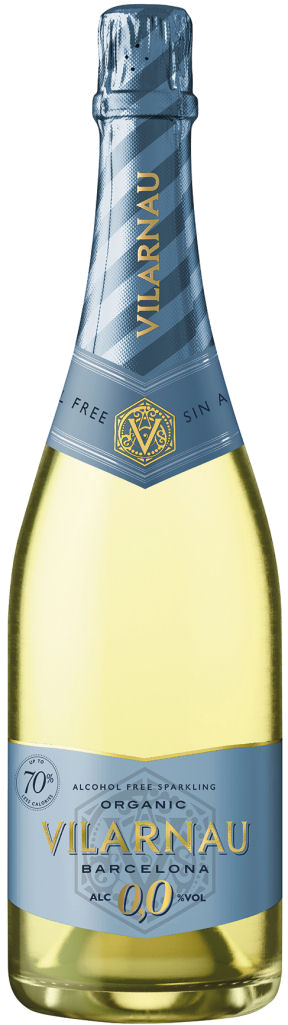
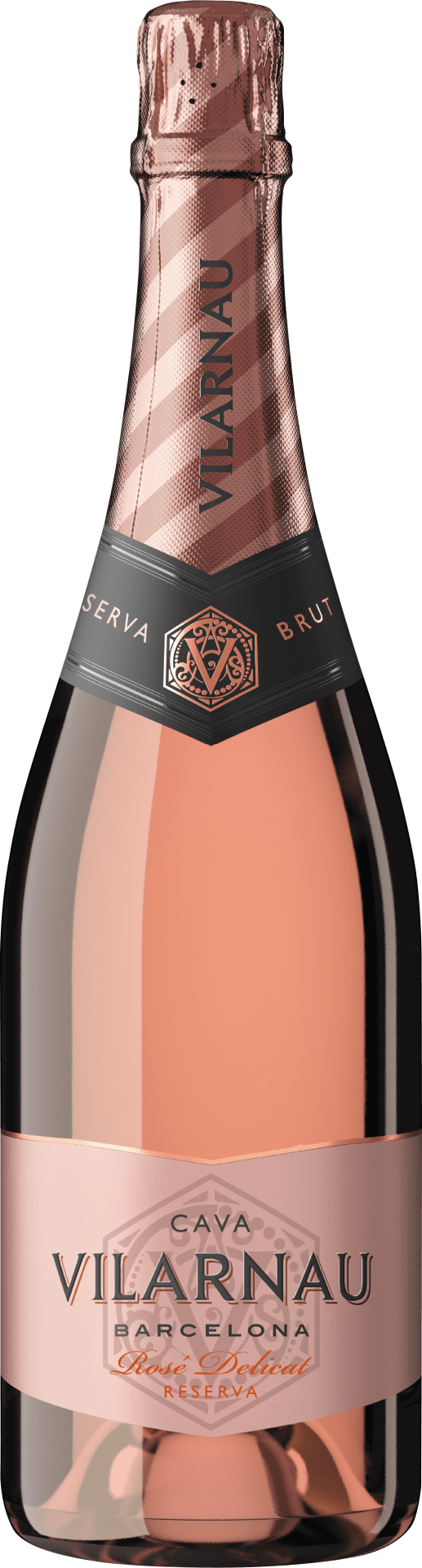
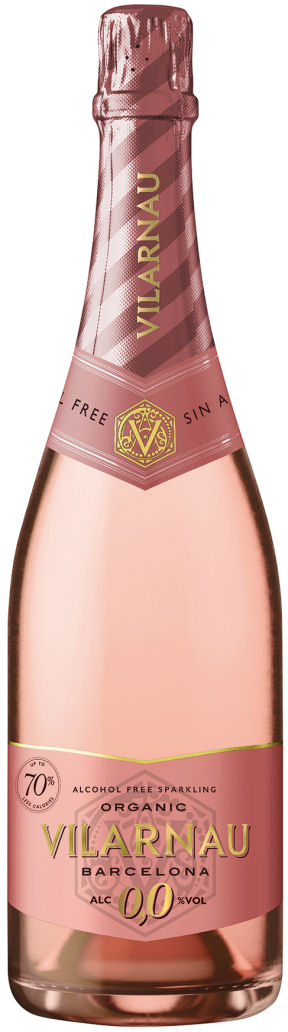
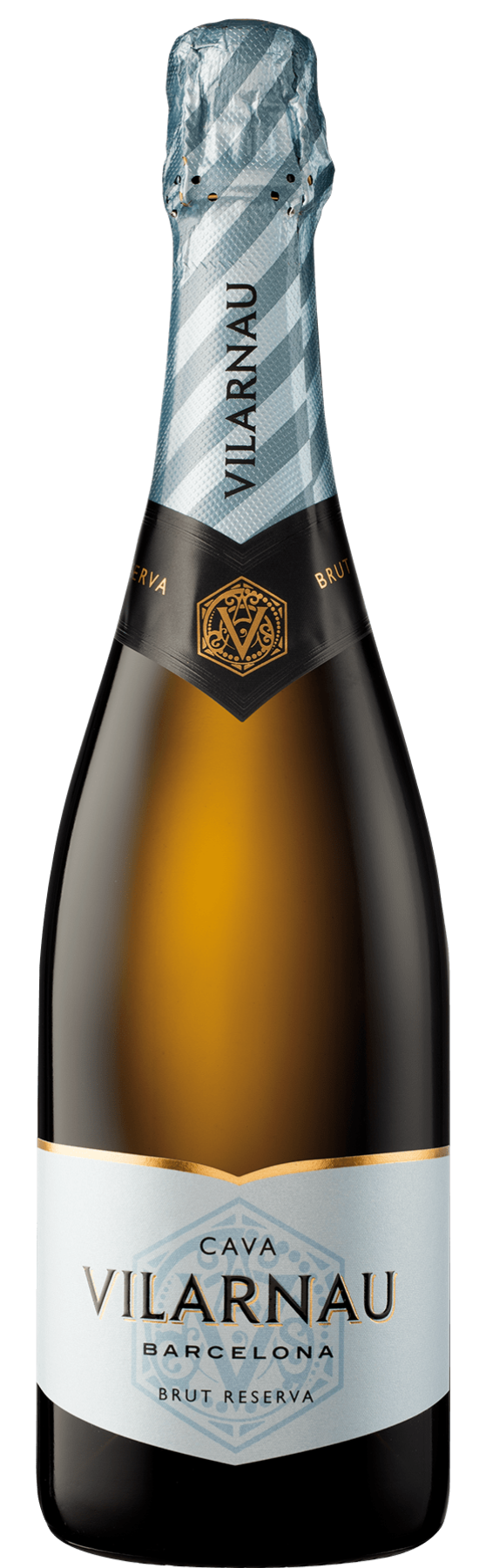
The range revolves consistently around the three classic Cava grape varieties: Macabeo, Xarel·lo, and Parellada — always vinified as single-vineyard base wines before the coupage is created. The range is supplemented by Chardonnay and Pinot Noir, which are used in the Rosado and Vintage lines. The stylistic approach runs through all levels: fruit-driven primary character, subtle yeast-brioche notes from bottle fermentation, and a dry, precise finish. The Reserva Organic — at least 15 months of bottle aging — is one of the house's most awarded wines; the Vilarnau Rosé Brut Reserva Organic won the Spanish national Alimentos de España award in 2021 as the best wine in the country. In addition to the classic still wines, the range also includes non-alcoholic Cava alternatives in Brut and Brut Rosado — produced according to the same vinification standards as the sister wines. Caves Vilarnau also holds the Wineries for Climate Protection certificate from the Federación Española del Vino — the first Cava winery to do so to date.