Since 1870 in the fifth generation: how Torres has shaped Spanish viticulture
Familia Torres is one of Spain's most influential winegrowers – and the history begins earlier than many suspect. The family had already been rooted in the viticulture of the Penedès since the 16th century before brothers Jaime and Miguel Torres Vendrell opened their first bodega in Vilafranca del Penedès in 1870 – directly opposite the newly opened train station, which connected the region to the port of Barcelona for the first time. What began as a commercial venture is today a fifth-generation family business with vineyards in several Spanish appellations as well as in Chile and California. The headquarters are in Pacs del Penedès; from here, wines are shipped to over 150 countries. Pioneering for modernization was Miguel A. Torres, who in the 1960s was the first Spanish winemaker ever to introduce stainless steel tanks for fermentation and wire-frame trellising in the vineyard. His grandfather had previously been the first cellar master in Catalonia to bottle still wines – pioneering work that set Torres apart from the competition early on. Today, siblings Miguel Torres Maczassek and Mireia Torres manage the company's fortunes.
Torres & Earth: Measures in the vineyard and cellar
Climate change is not a peripheral issue at Torres: in 2008, Miguel A. Torres started the Torres & Earth program after seeing Al Gore's documentary film and simultaneously observing changed ripening cycles in his own vineyards. All vineyards in Spain are managed organically; over 600 hectares additionally follow the principles of regenerative agriculture – an approach that goes beyond organic farming and actively promotes soil quality, biodiversity, and CO₂ sequestration through cover cropping. In the wine cellar, the CO₂ produced during fermentation is captured and reused as a protective gas for the wines in the tanks; renewable energies cover around 50% of the electricity consumption in the Penedès cellar. To counter the consequences of rising temperatures, Torres is specifically planting new sites at higher altitudes – including a test vineyard at an altitude of 1,250 meters in the Aragonese Pyrenees. Torres is a founding member of International Wineries for Climate Action and the Regenerative Viticulture Foundation, as well as a member of Primum Familiae Vini, the association of renowned family-owned wineries worldwide.
From the Penedès to the Andes: Grape varieties, regions, wine character
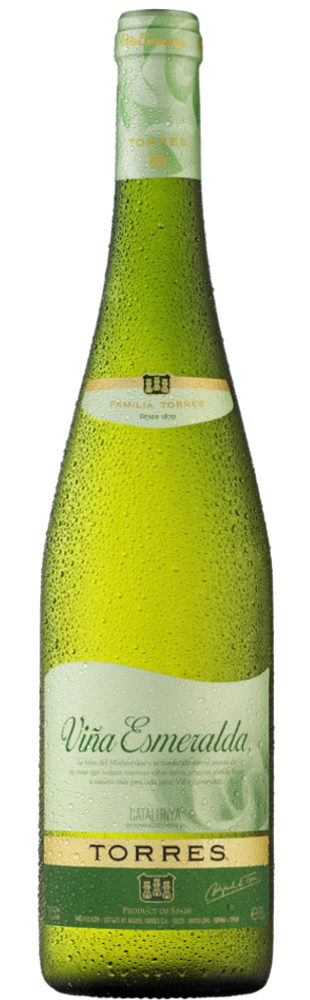
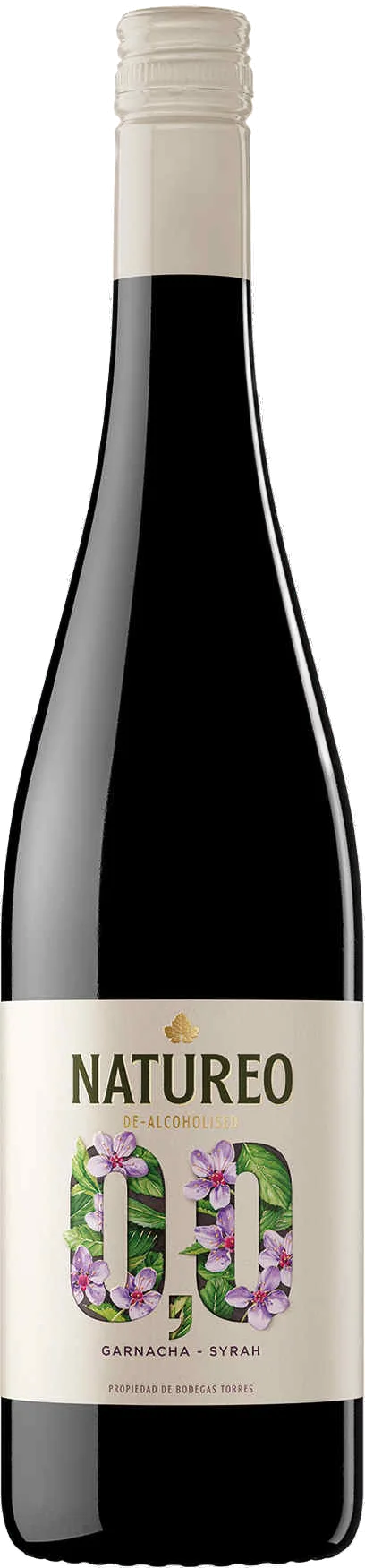
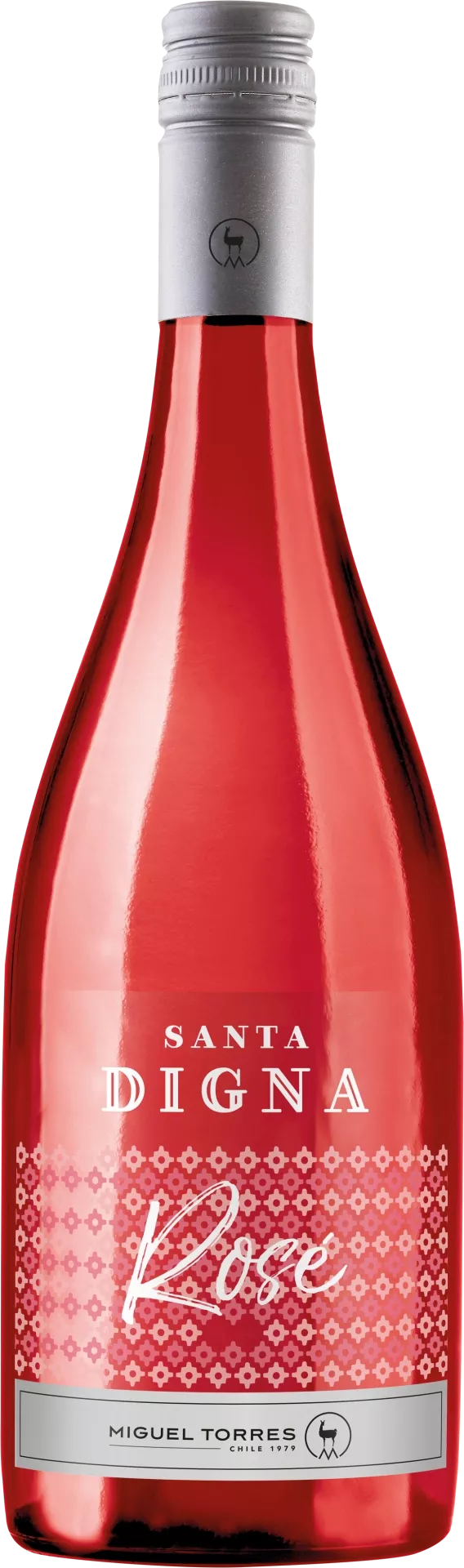
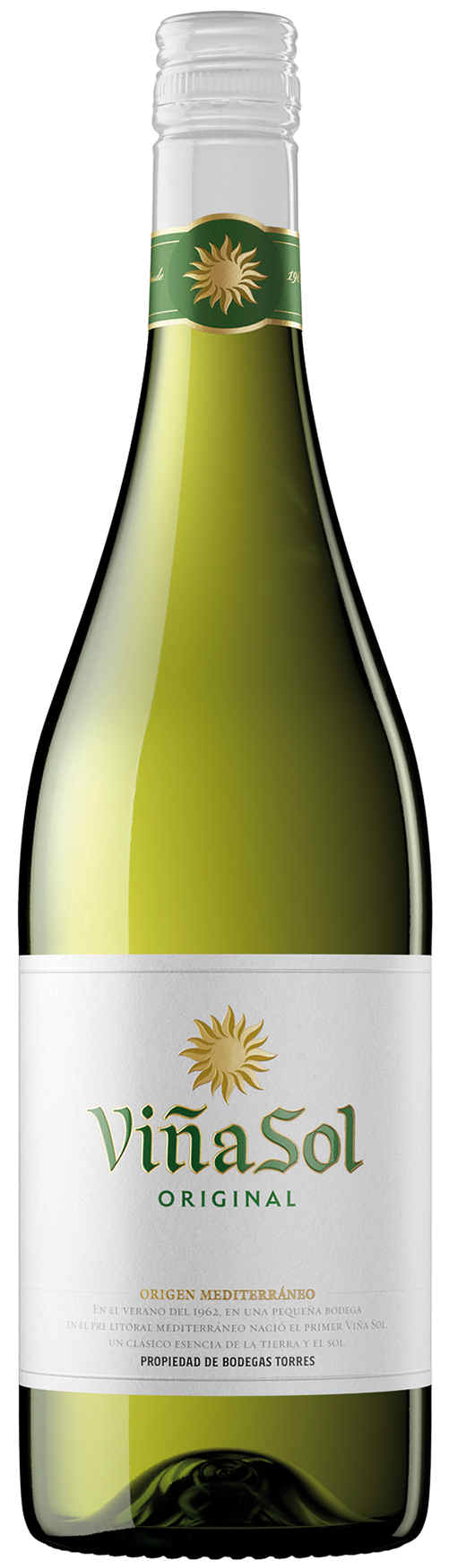
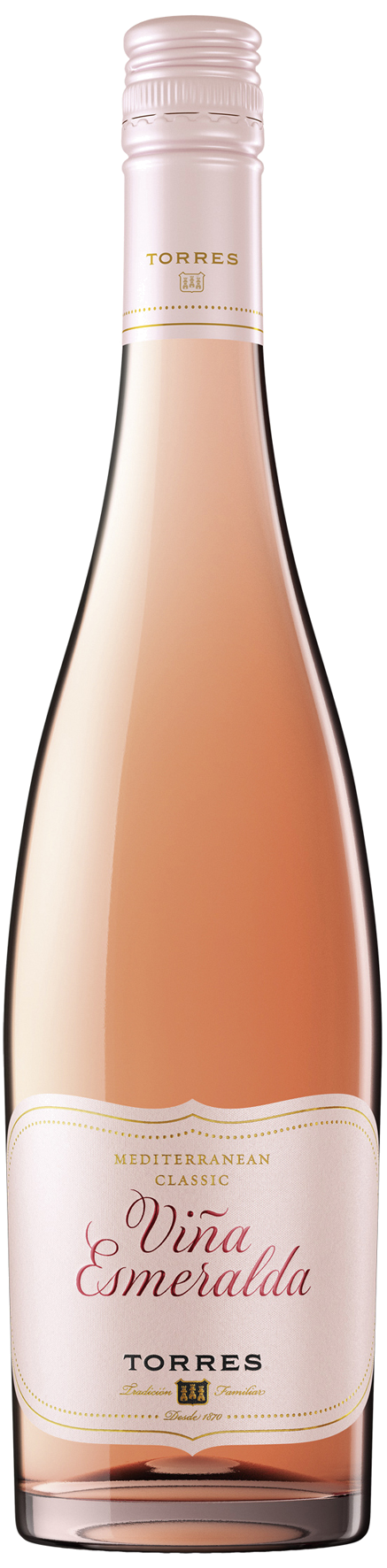
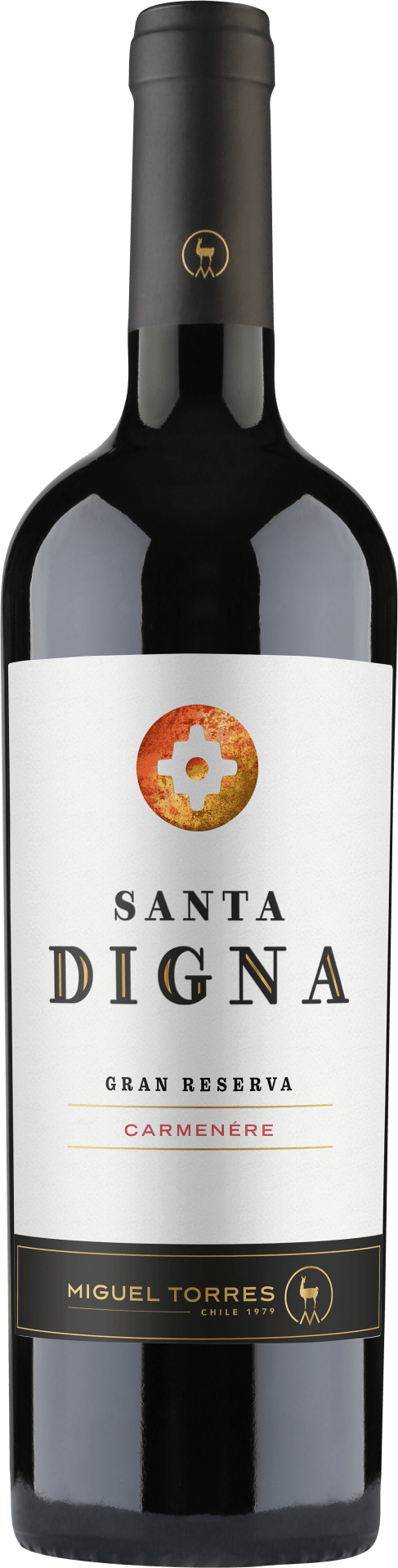
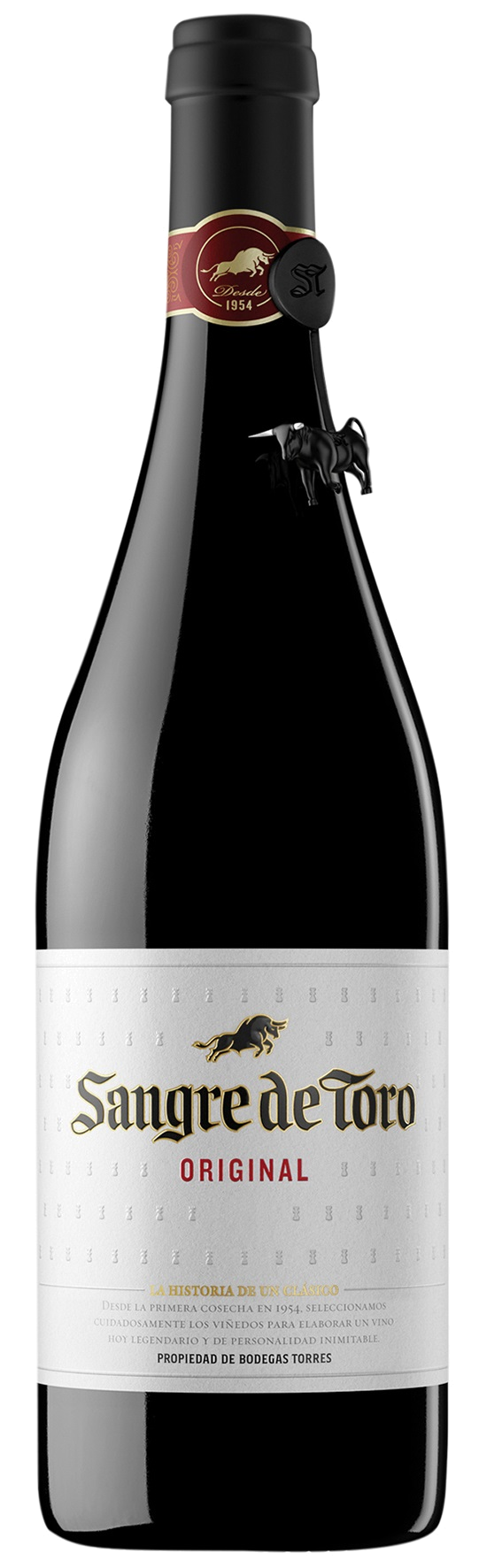
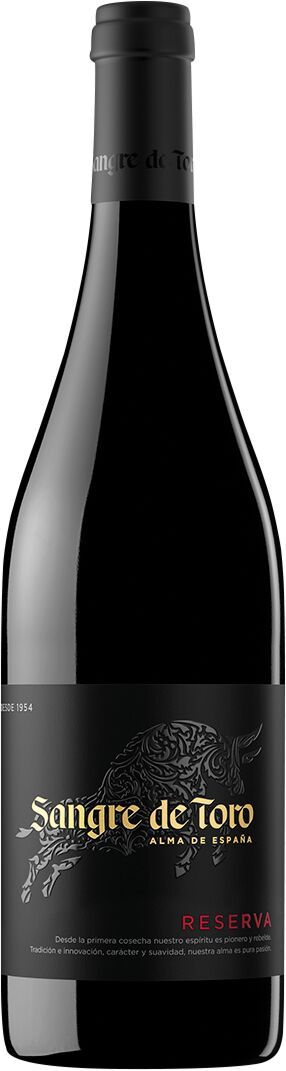
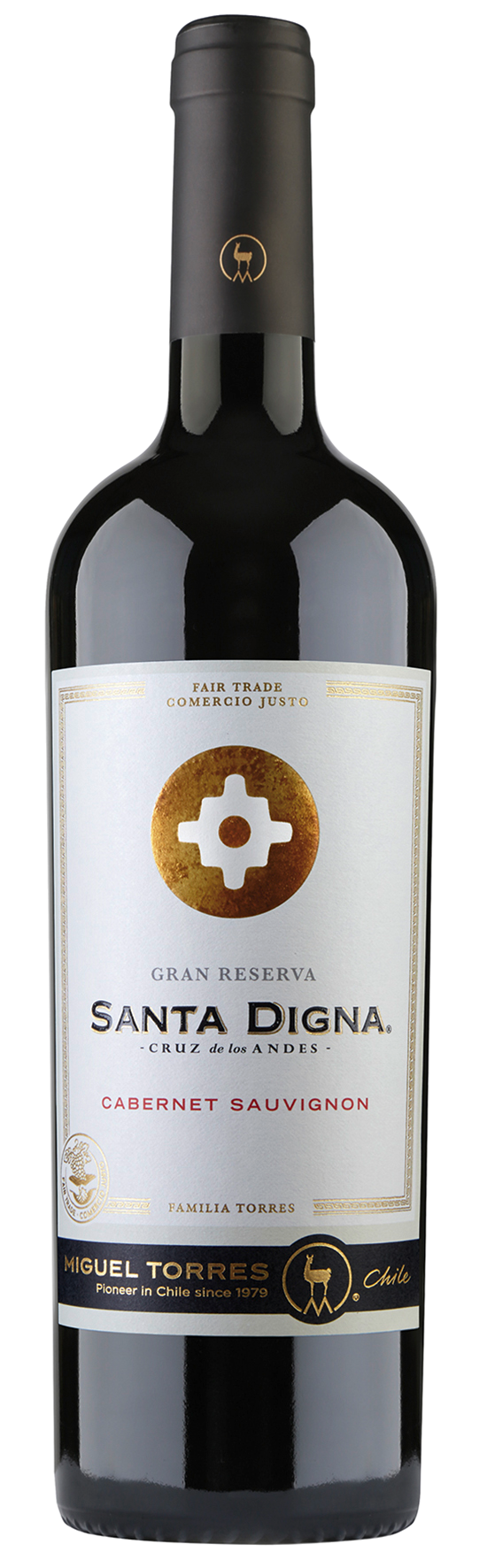
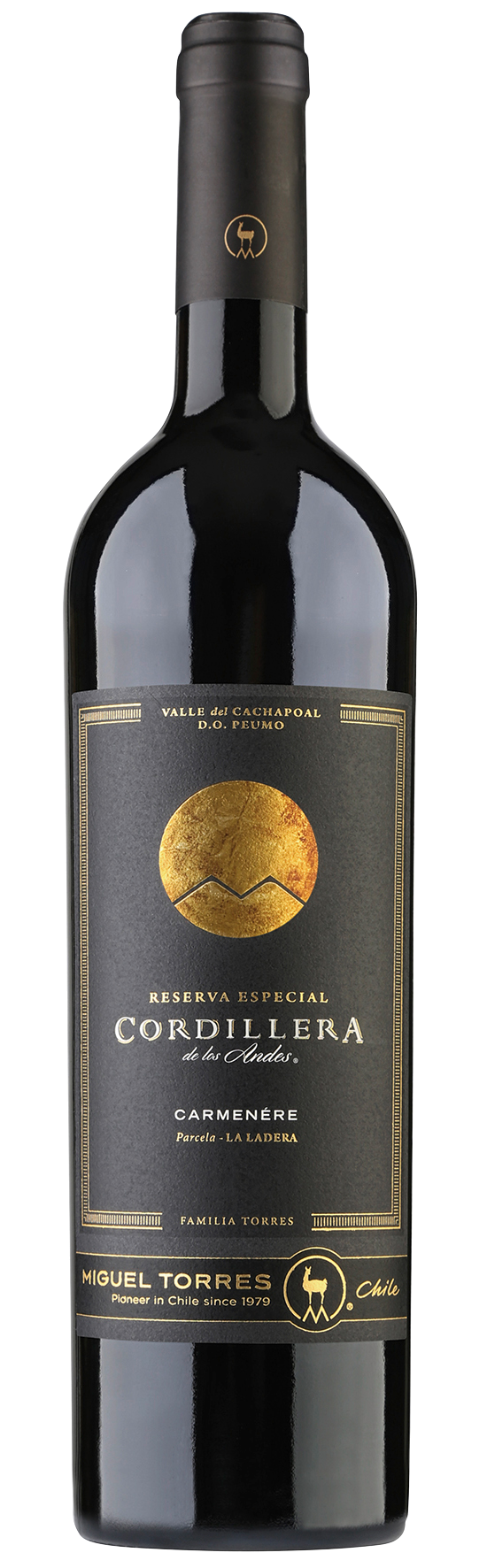
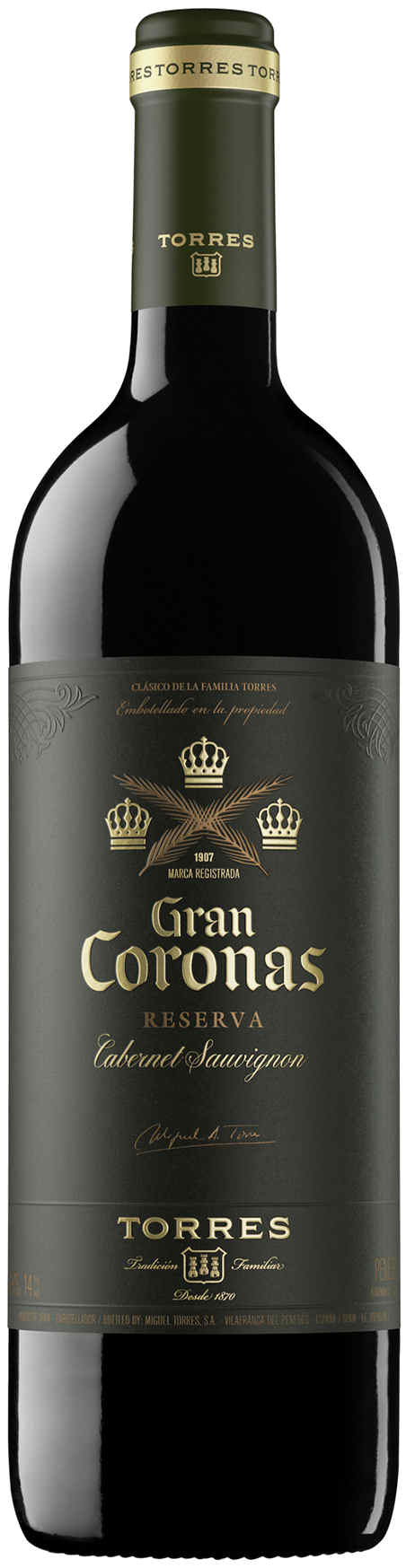
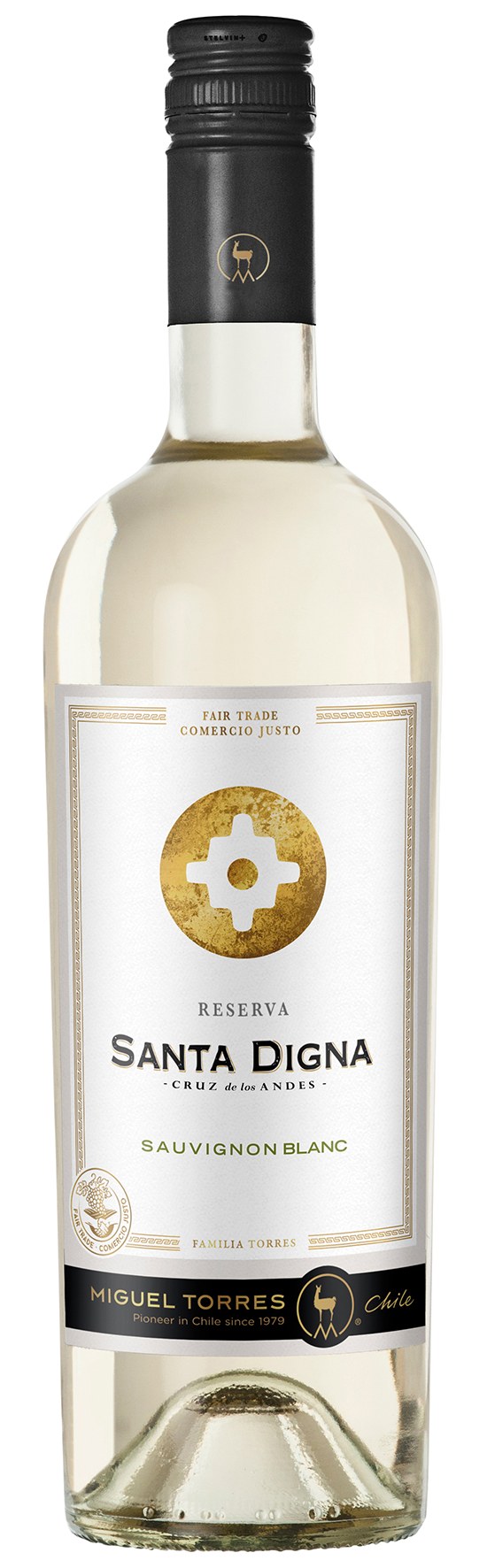
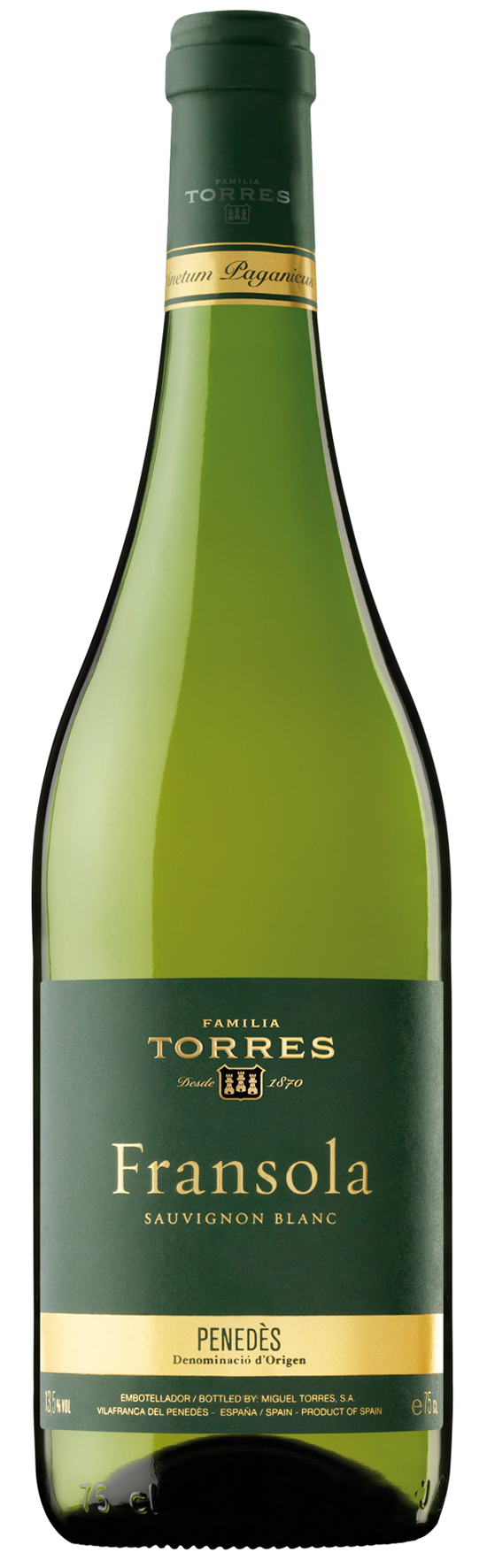
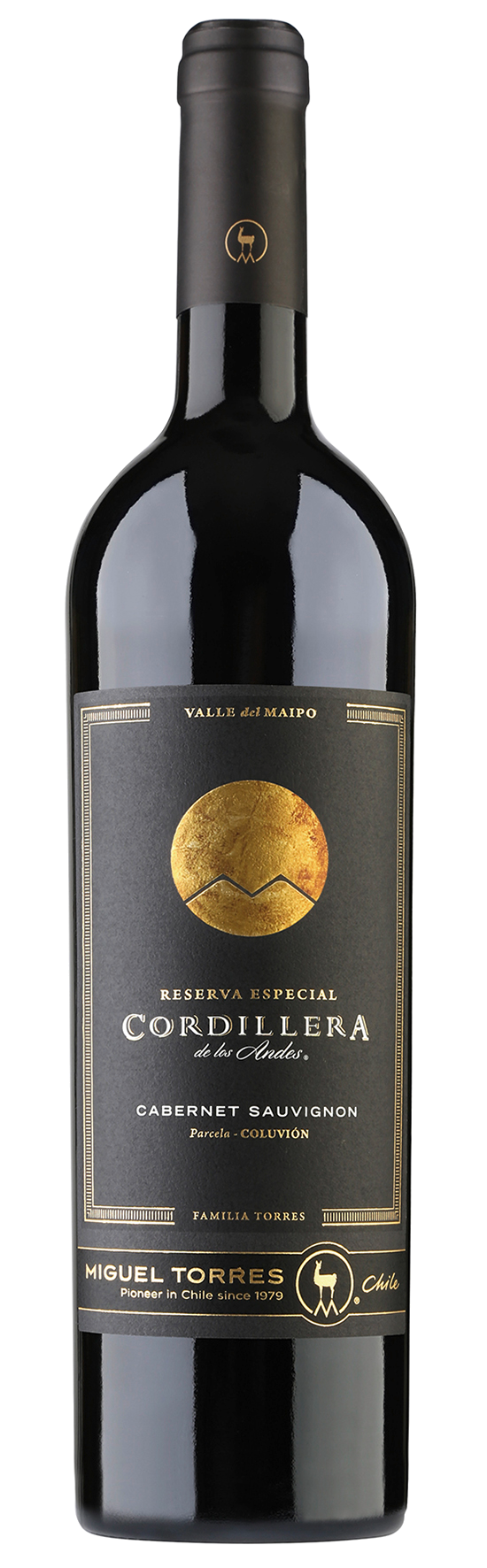
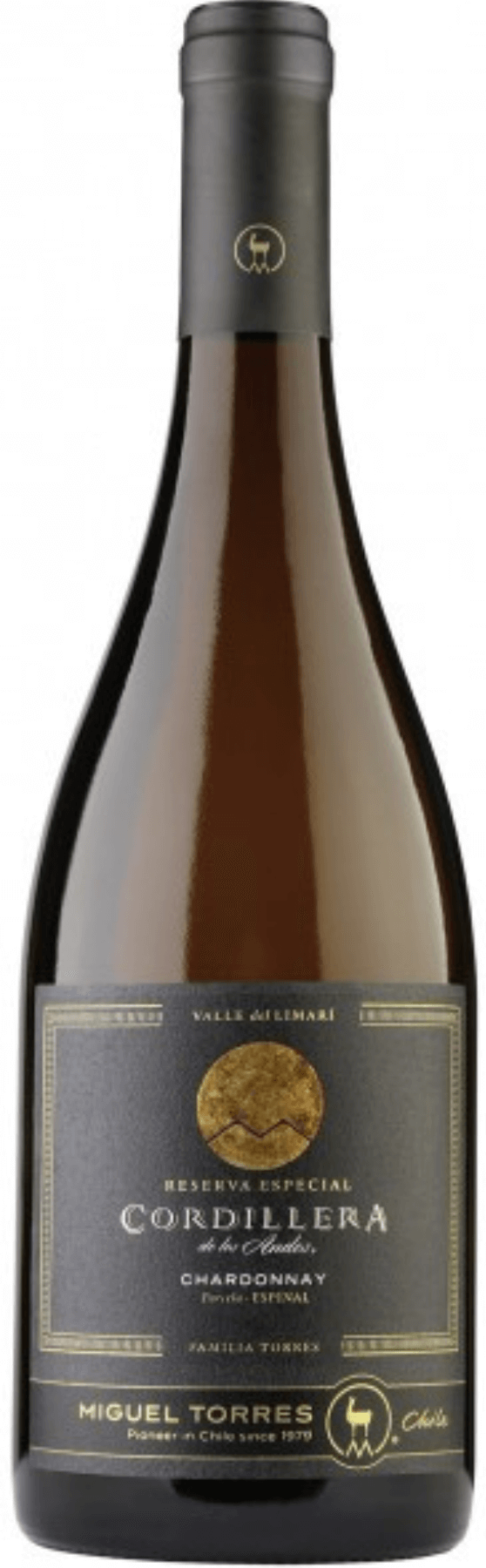
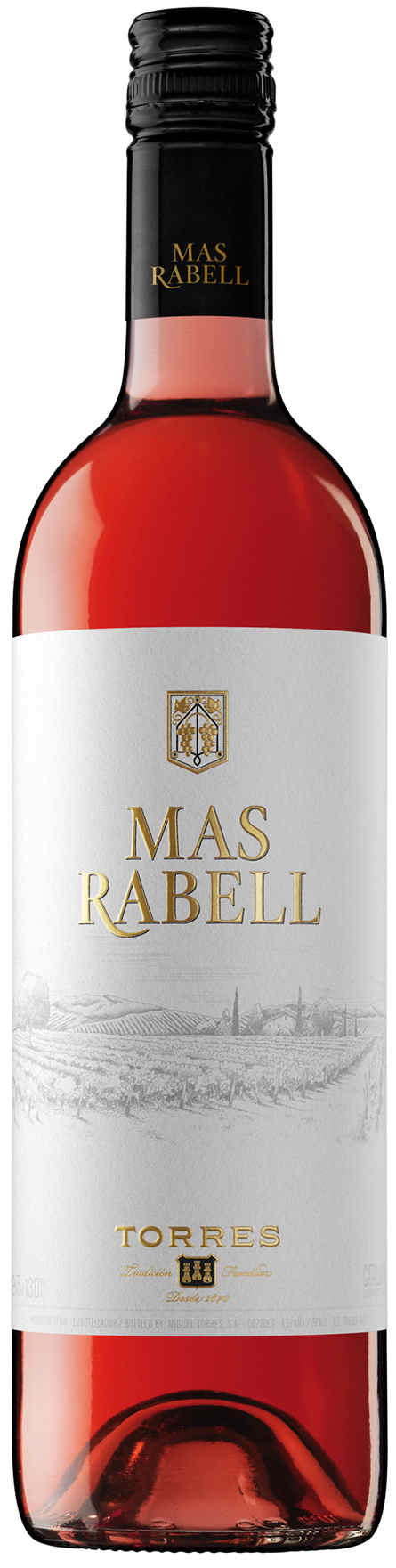
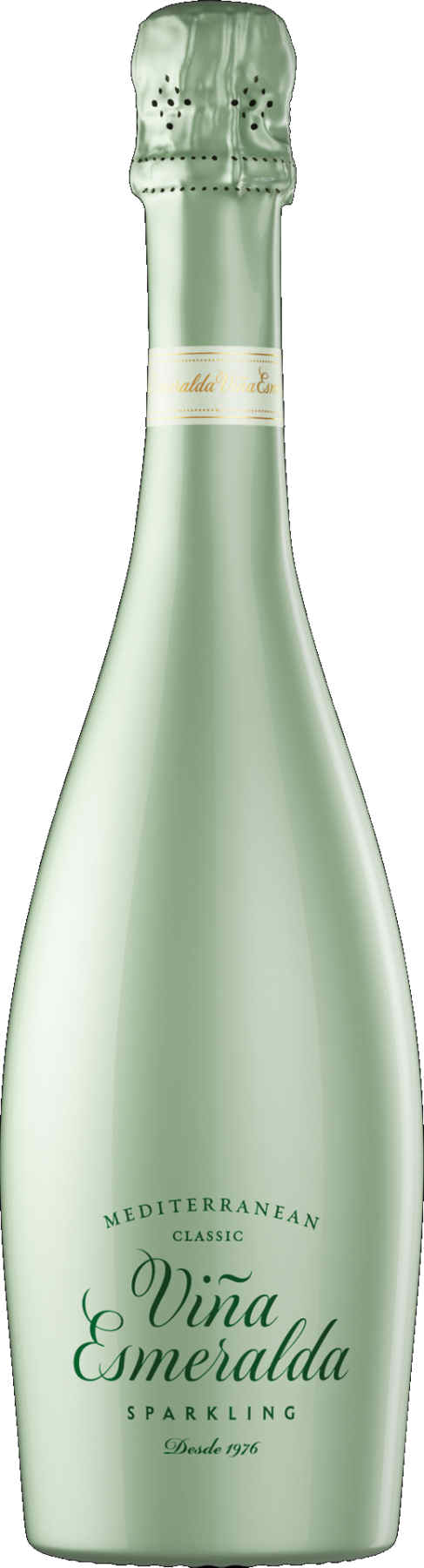
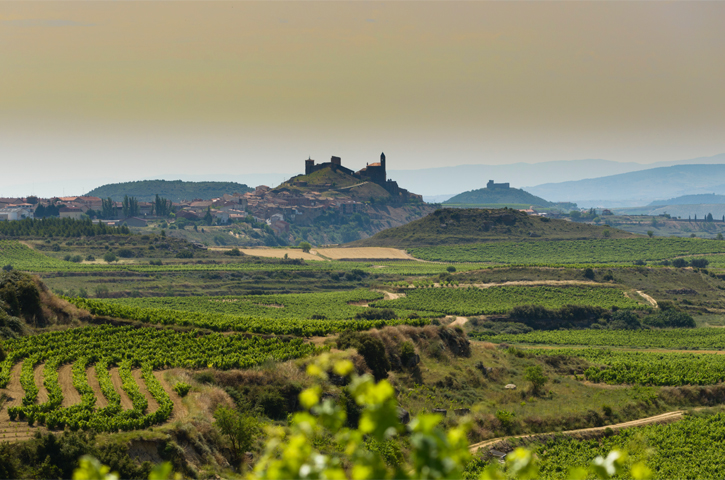
The Familia Torres range reflects the geographical breadth of the company. In the Penedès, Torres focuses on the Catalan varieties Parellada, Xarel·lo, and Macabeo for fresh white wines, supplemented by international varieties such as Chardonnay and Sauvignon Blanc. For red wines, Tempranillo, Garnacha, Cariñena, and Cabernet Sauvignon are in the foreground; added to this are rediscovered autochthonous varieties with which the winery is actively engaged in grape variety preservation. The top wines – including the Gran Coronas Cabernet Sauvignon and the Fransola from the Penedès – mature in the Bodega Waltraud in Pacs del Penedès, a cellar by architect Javier Barba with ideally tempered cellars for barrel and bottle aging. Beyond Catalonia, wines come from the appellations Rioja, Ribera del Duero, and Rías Baixas as well as from the Maipo Valley and the Limarí Valley in Chile. What these wines have in common: a clear profile of origin, which is shaped by the regional soils and the specific microclimate zones – whether the slate and limestone-rich hills of the Penedès, the cool high altitudes of the Limarí Valley, or the temperature-buffered sites of Ribera del Duero. The drinking window varies greatly depending on the wine: the entry-level wines are young and fruit-forward, the Reserva and Crianza lines gain complexity with a few years of cellar aging.