Four generations, one obsession: the Cava capital Sant Sadurní d'Anoia
The history behind the name Pere Ventura reaches far beyond the founding of the winery. In 1991, Pere Ventura Vendrell, born in 1961 in Sant Sadurní d'Anoia, founded his own house — driven by a personal vision that he could no longer realize within the framework of the family business. But the family's roots reach back to the late 19th century: great-grandfather Manuel Montserrat i Font was involved in the production of some of Spain's first sparkling wines according to the traditional method, grandfather Pere Ventura Peracaula traveled to France, worked for renowned champagne houses, and subsequently modernized Cava production at home. Father Jaume Ventura Montserrat continued the family tradition and passed on the values that still characterize the house today.
Today, Pere Ventura Juvé, the fifth generation, continues to lead the family business — as Pere Ventura Family Wine Estates. The parent house in Sant Sadurní d'Anoia, the Cava capital of Catalonia, is the heart of a company that now operates in several appellations in Catalonia. In 2011, the historic Can Bas winery in the Penedès was added, whose individual plots now form the foundation for the house's most renowned single-vineyard wines.
Terroir and craft in the Penedès
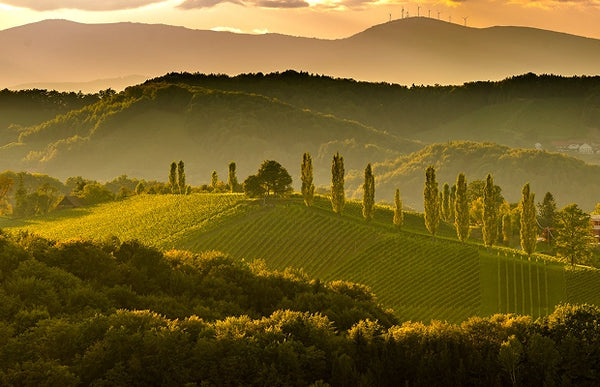
Pere Ventura's vineyards are located in the Valls d'Anoia-Foix subzone within the Comtats de Barcelona — a valley that stretches from Montserrat to the Mediterranean and includes sites at altitudes of up to 750 meters. The mild climate, moderated by sea influence and mountain scenery, favors natural acidity structure and characterful fruit. In the vineyard, the house works with a network of 89 local winegrower families under long-term contracts; some of these families have been cultivating their sites for generations. Hand-harvesting in the early morning hours, consistent yield limitation through green harvesting and thinning, as well as the avoidance of heavy machinery, protect soil and fruit quality on all controlled plots. Organic farming and integrated pest management are standard on all own areas.
In the cellar, the team vinifies each grape variety separately before the assemblage undergoes the second fermentation in the bottle according to the Méthode Traditionnelle — with in-house cultured yeasts. The underground cellar passages keep the temperature constant without technical aids. The house holds a carbon footprint certification according to the GHG protocol, sources electricity from renewable sources, relies on an electric vehicle fleet, and has replaced diesel boilers with biomass.
Gran Reserva as a benchmark — from the classic Tresor to the Paraje Calificado
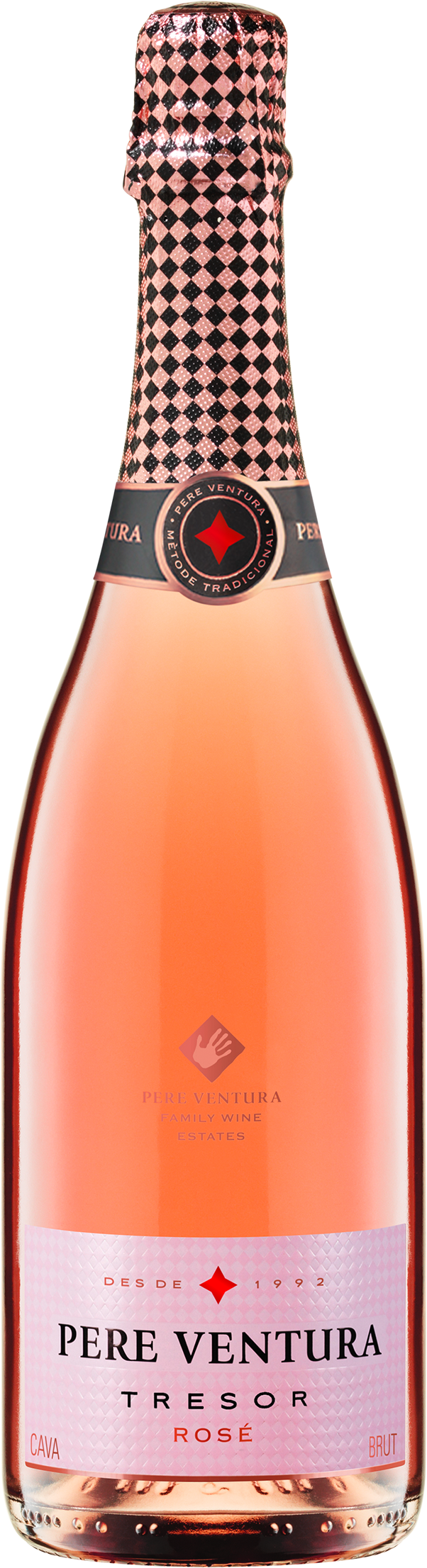
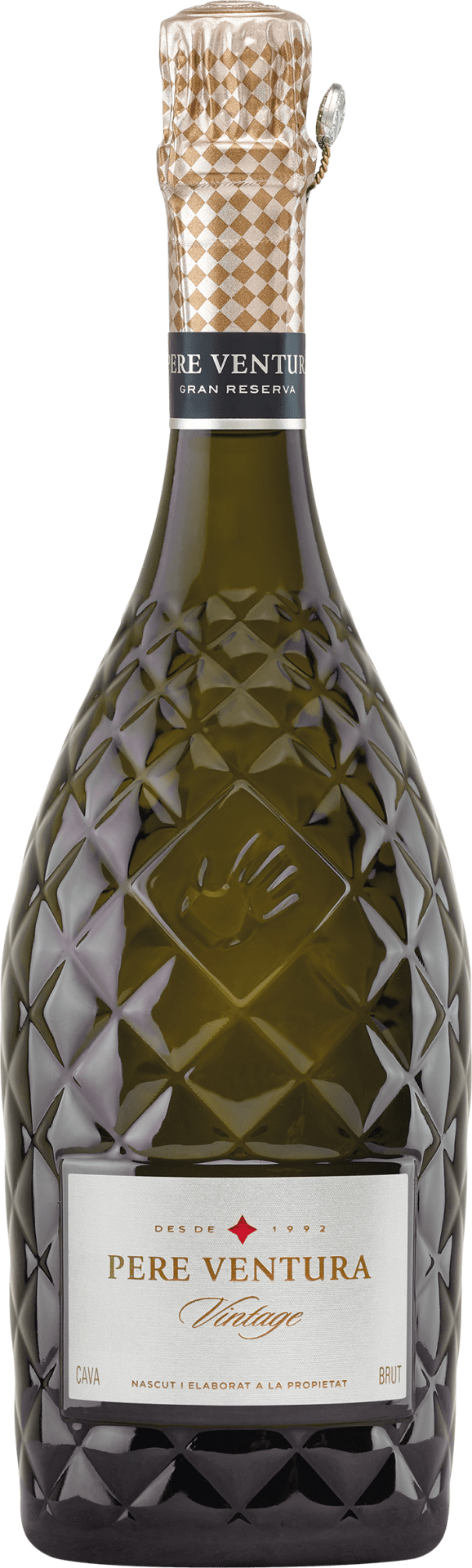
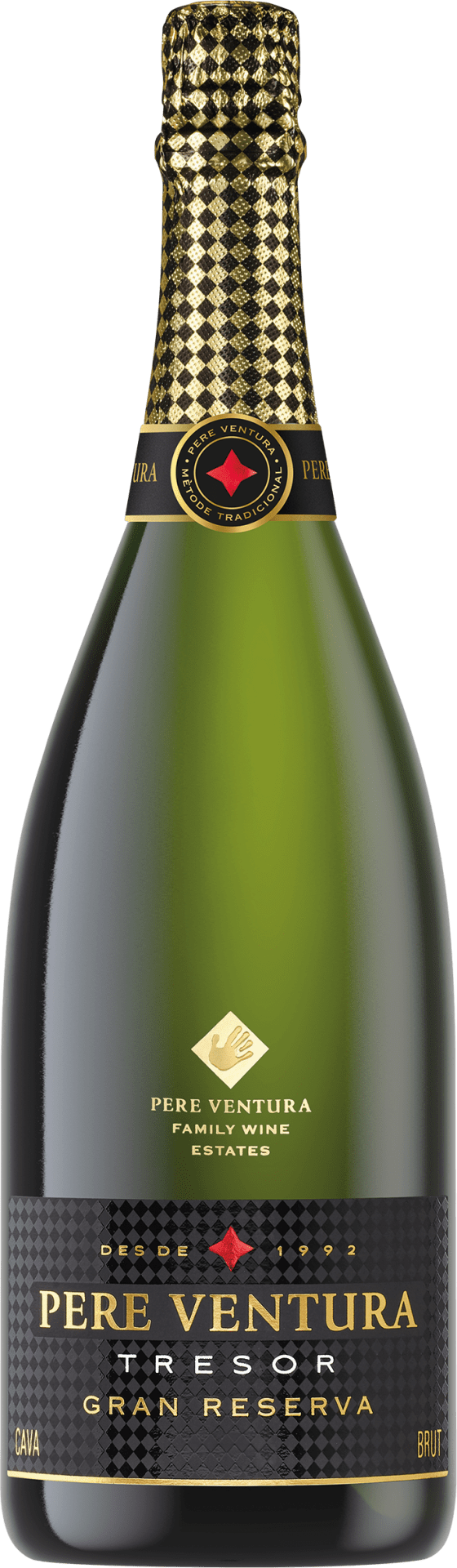
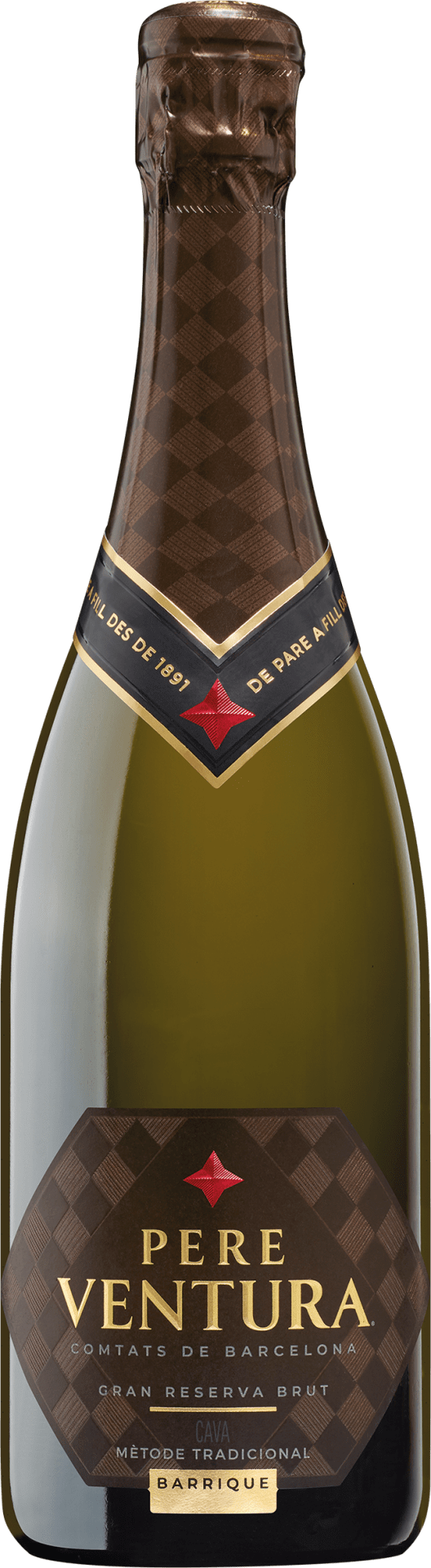
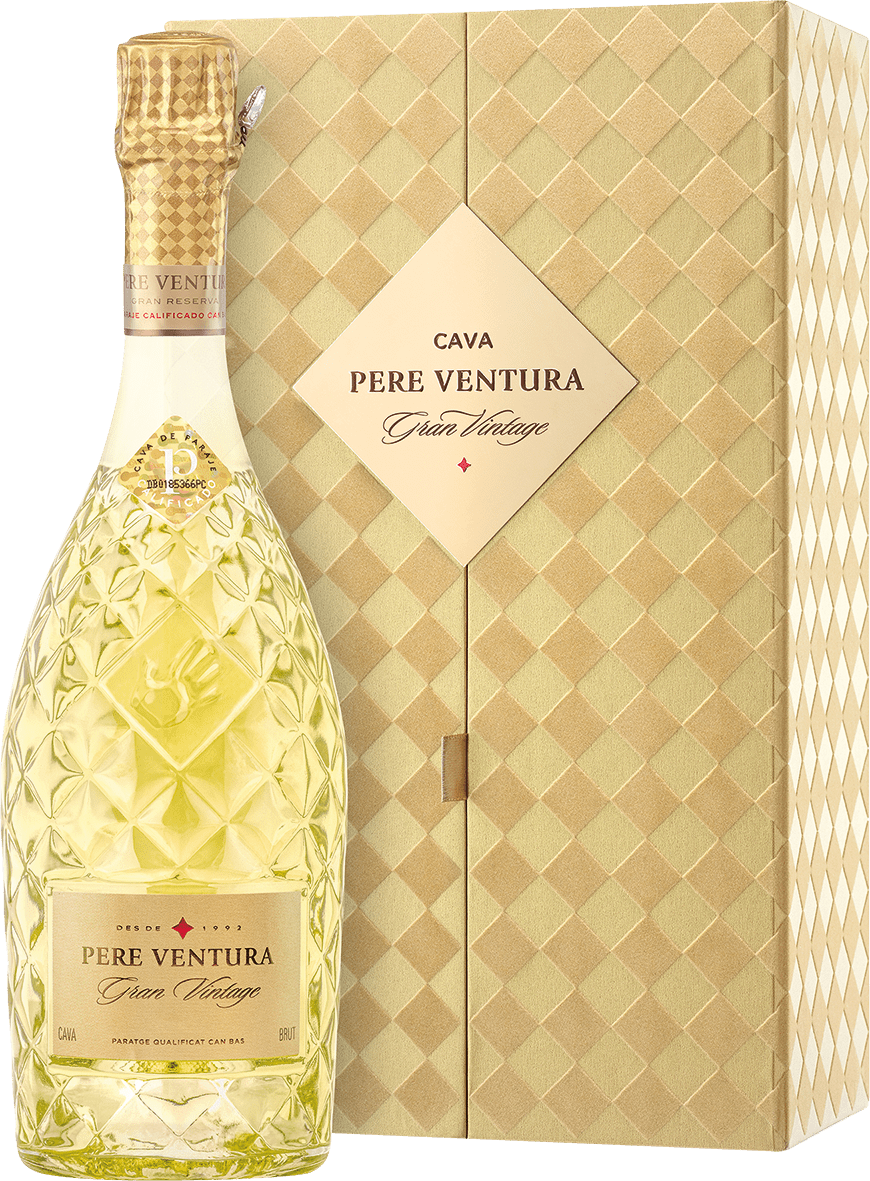
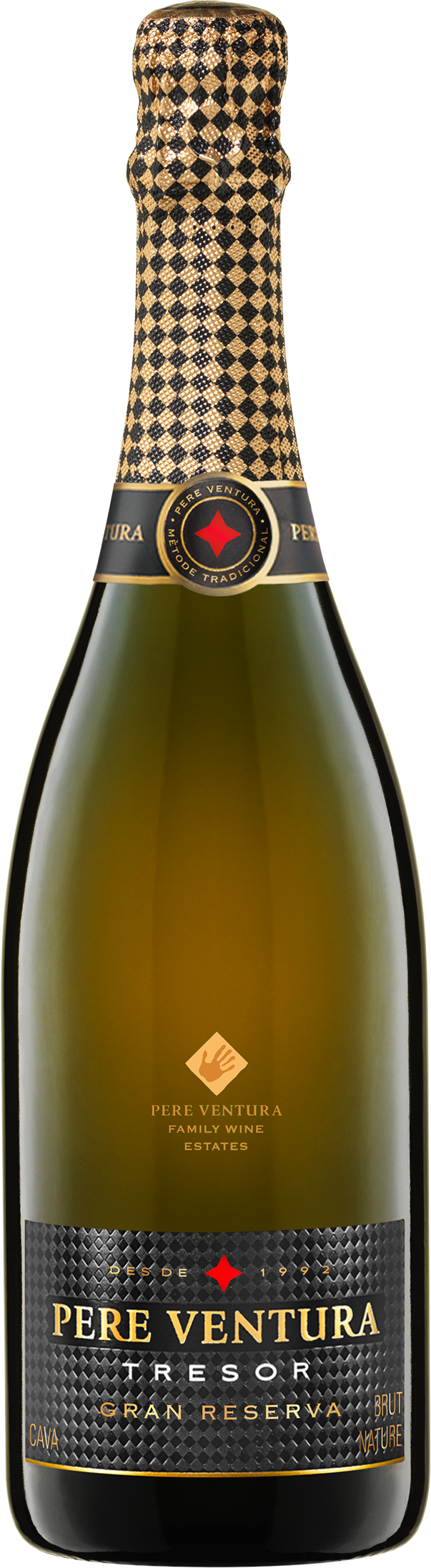
Pere Ventura's range is consistently geared towards the highest maturity levels of the DO Cava. The Tresor line appears as Brut and Brut Rosé, each as a vintage wine and in the non-vintage variant as well as in magnum format — a clear signal that these wines can handle bottle aging and are not intended for quick consumption. The Cuvée Barrique brings wooden barrel aging into the classic Cava spectrum and gives the traditional grape varieties Macabeu, Xarel·lo, and Parellada oxidative depth and structure. At the top is the Cava de Paraje Calificado category, the Spanish equivalent to the single vineyard: grapes exclusively from defined, organically managed plots of the Can Bas estate, fermented with indigenous yeasts, aged for more than 60 months on the lees. Anyone who engages with Pere Ventura will not encounter light aperitif Cavas, but structured sparkling wines with the clear claim to be discussed on an equal footing with serious Champagnes.