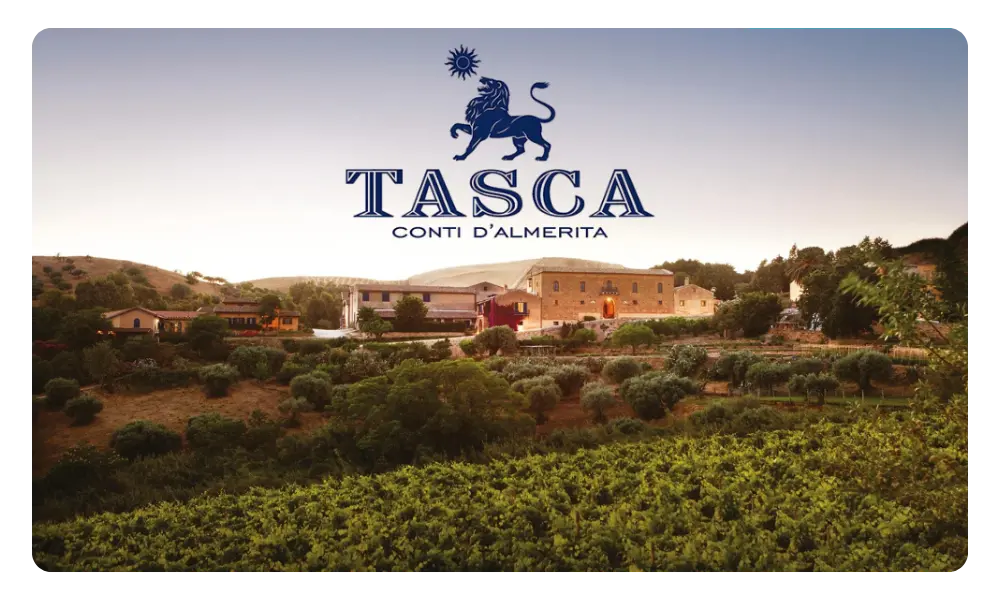
From Regaleali to the world: 1830 and eight generations of Sicilian wine history
In 1830, the brothers Lucio and Carmelo Mastrogiovanni Tasca acquired the Regaleali estate in the heart of Sicily — at that time over 1,200 hectares of land, mainly for agriculture and livestock. What began as a broadly based agricultural business developed over generations into the driving force of Sicilian viticulture. It was Count Lucio Tasca Bordonaro (1880–1957) who initiated the decisive shift: he equipped the estate with state-of-the-art technology and made Regaleali the agricultural model farm of the island. When Count Giuseppe and his wife Franca Cammarata took over the Tenuta in 1957, they consistently continued this course — and positioned the winery as a pioneer of Sicilian wine production in the 1960s and 1970s. The Villa Tasca in Palermo, where Richard Wagner completed the third act of Parsifal in 1882, is symbolic of the cultural standard that has shaped the family to this day. Today, the eighth generation leads the company: Lucio Tasca d'Almerita together with his sons Alberto and Giuseppe.
Five terroirs, one compass
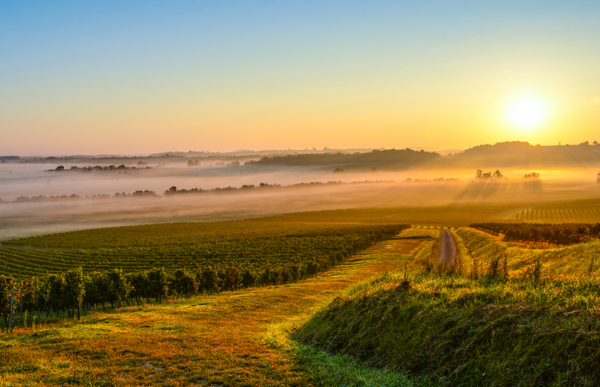
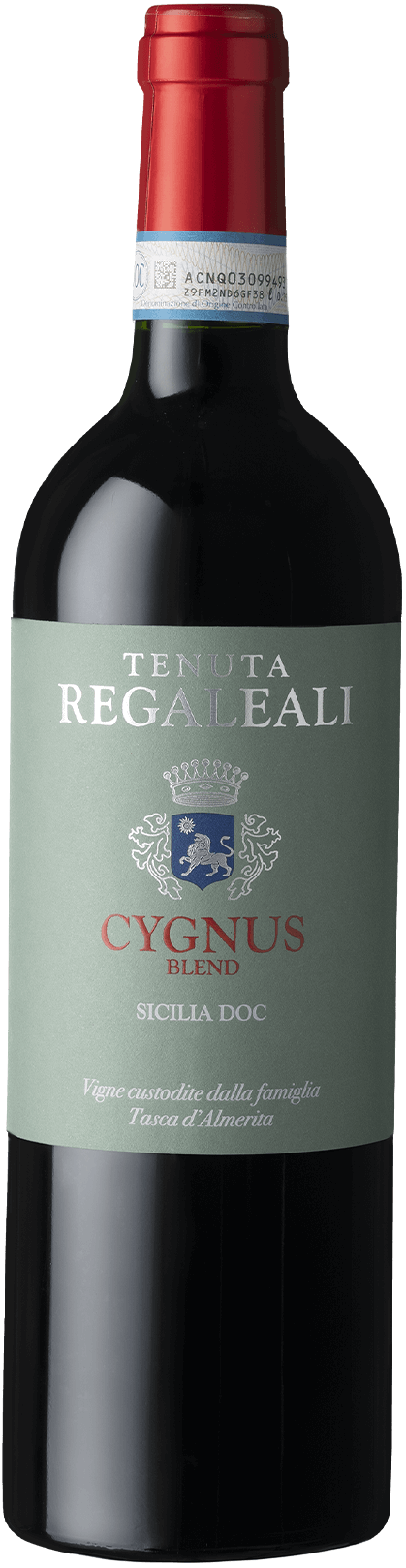
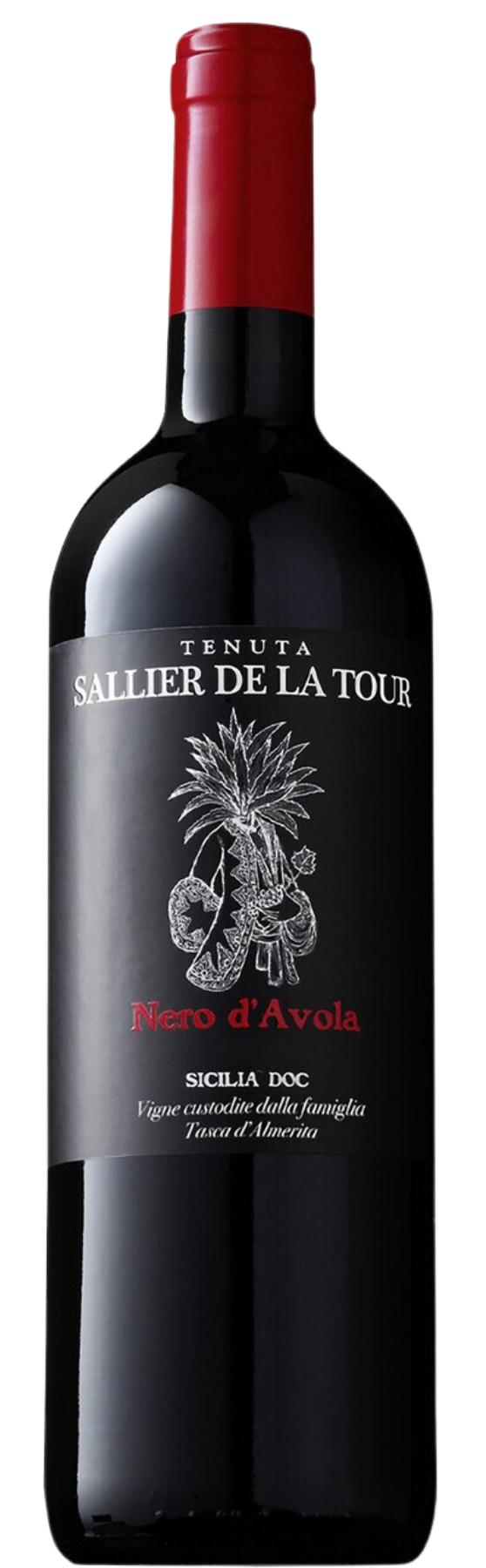
Tasca d'Almerita now manages five independent wineries: the Tenuta Regaleali in the geographical center of Sicily, the Tenuta Tascante on the slopes of Mount Etna, the Sallier de La Tour winery in the northwest of the island, the Tenuta Capofaro on the Aeolian island of Salina, and the Fondazione Whitaker on the small island of Mozia in the lagoon of Marsala. Each of these locations brings its own terroir: volcanic soils on Etna, sea air on Salina, the cool altitudes between 400 and 750 meters on Regaleali with their strong day-night temperature fluctuations.
In 2017, the estate was the first in all of Italy to receive both the state VIVA certification and the SOStain sustainability certificate — a protocol that systematically records and evaluates water consumption, biodiversity, energy efficiency, and social responsibility. In 2021, the Wine Advocate awarded the winery the Robert Parker Green Emblem, the first winery in Sicily to ever receive it. On Regaleali, vegetables are grown, ricotta is produced, and irrigation is coordinated from natural resources — a business that takes its own cycle seriously.
Indigenous grape varieties, international level: the style of Regaleali
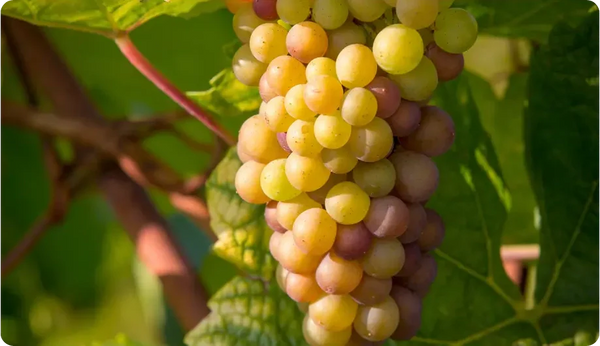
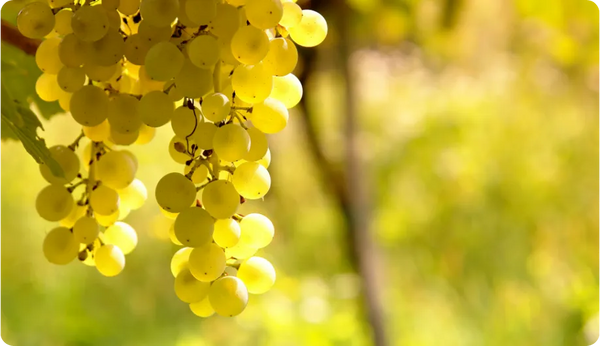
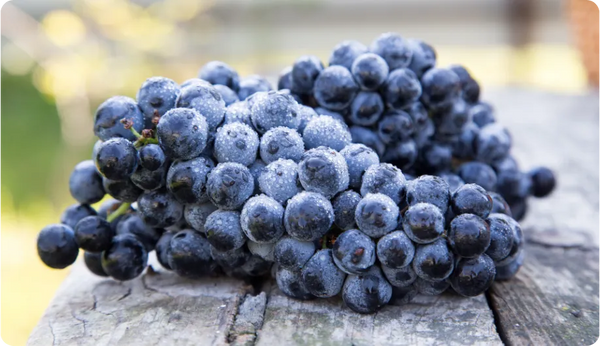
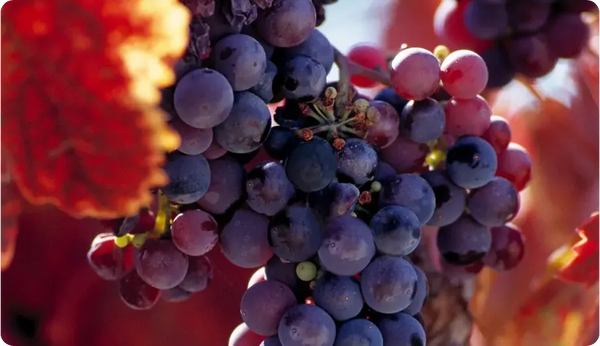
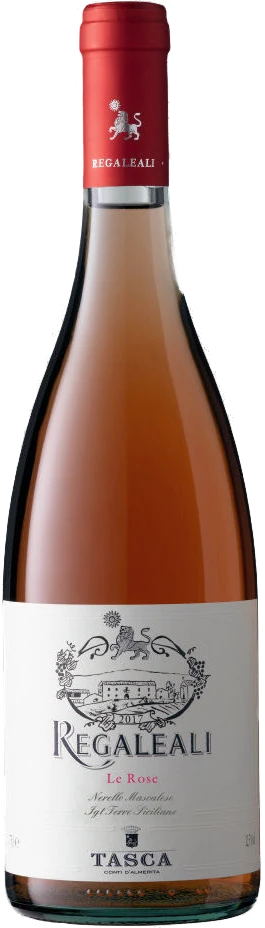
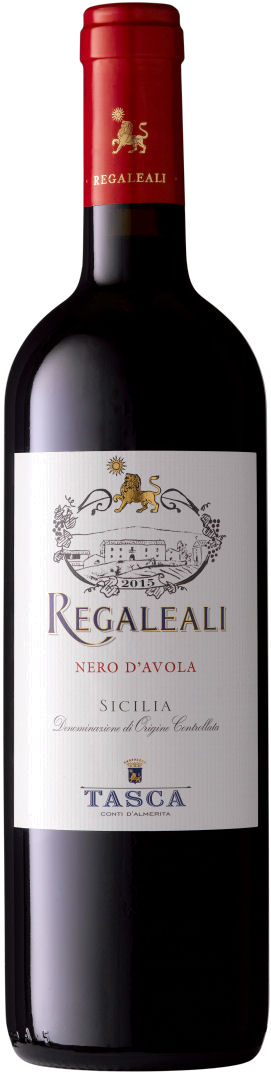
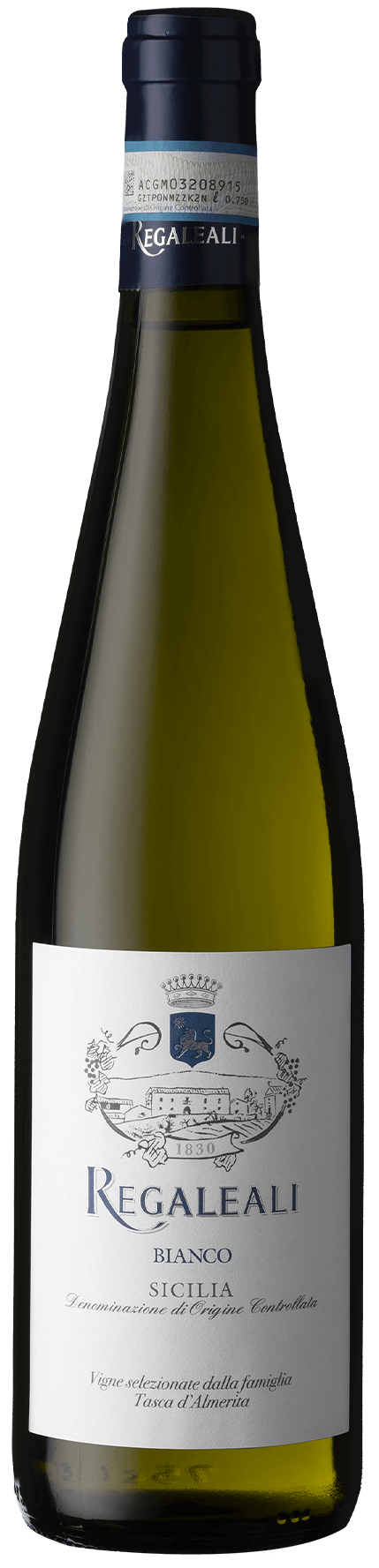
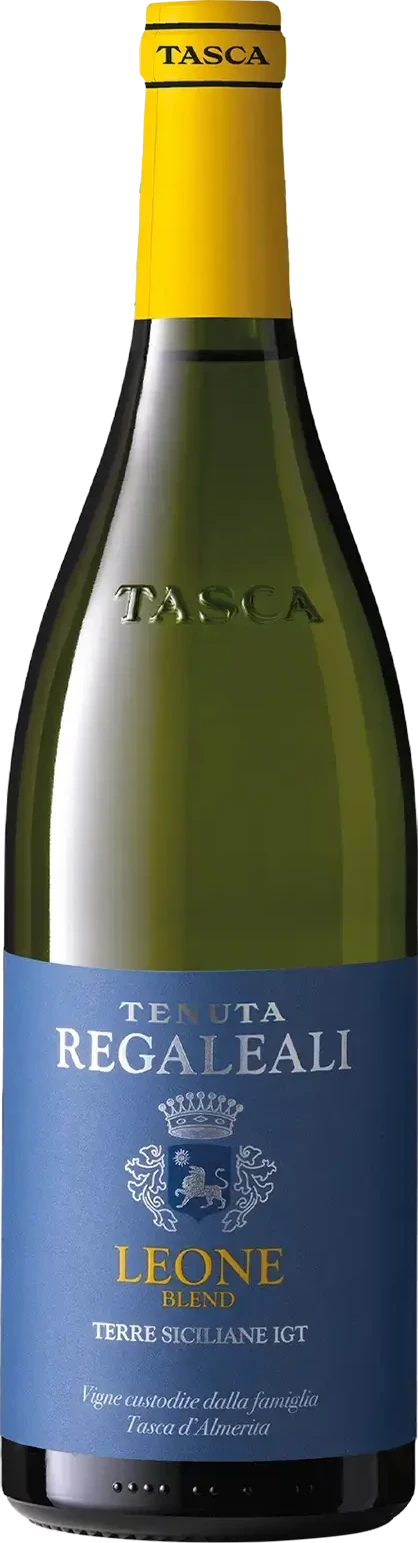
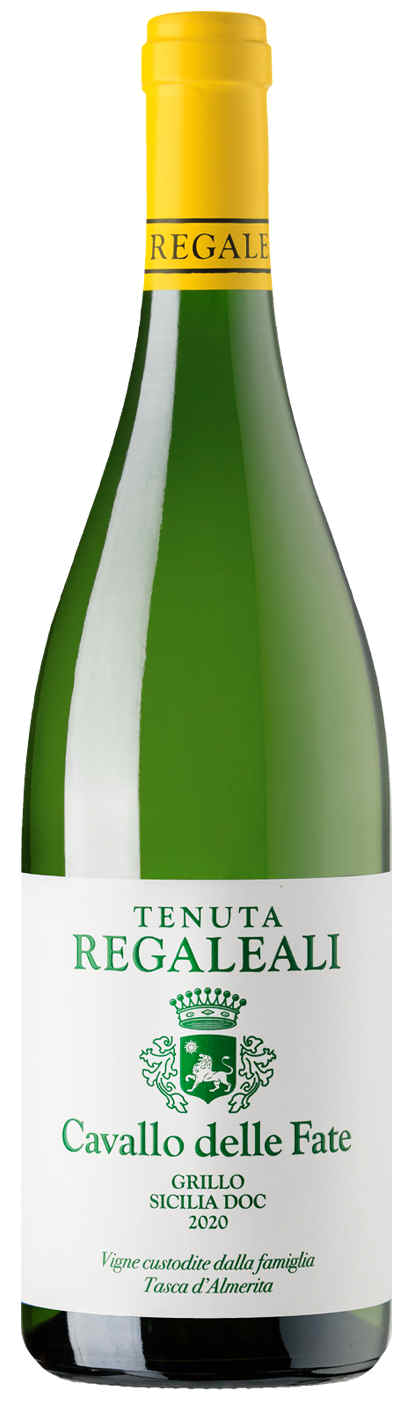
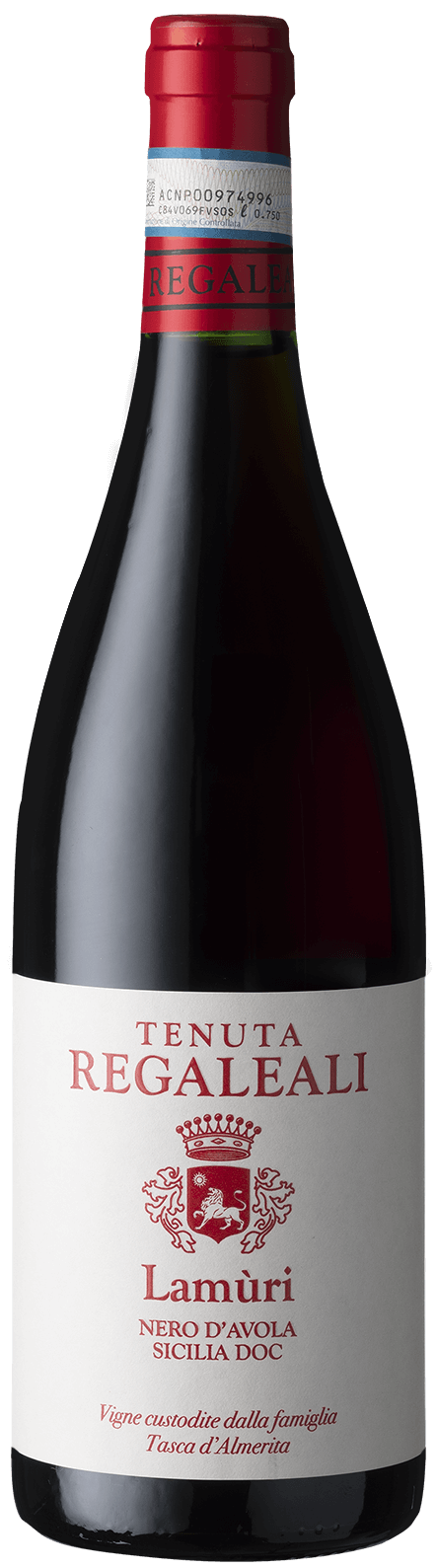
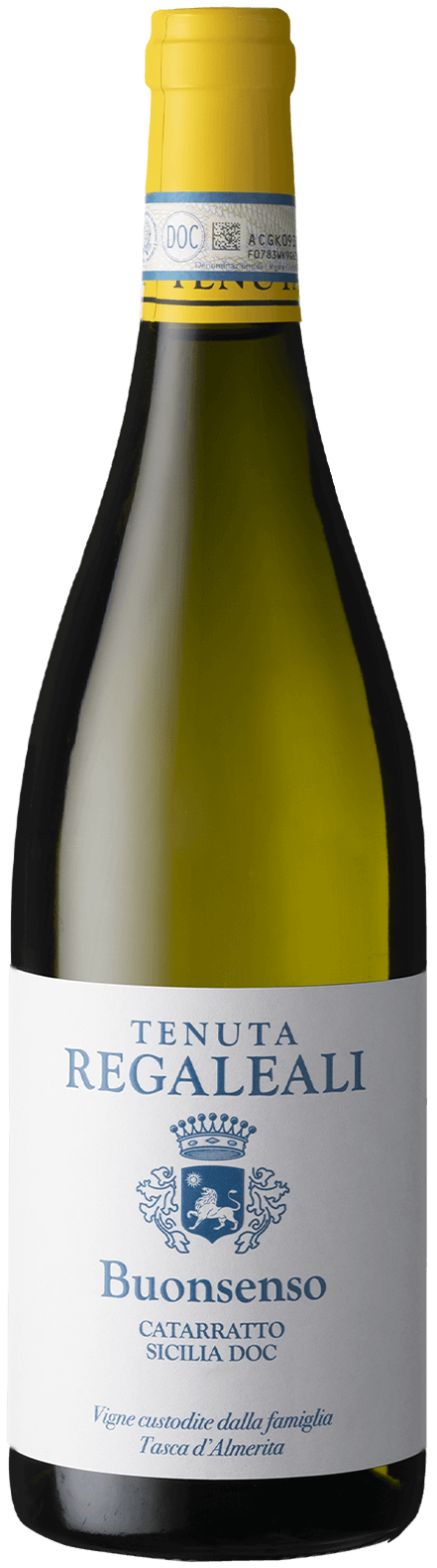
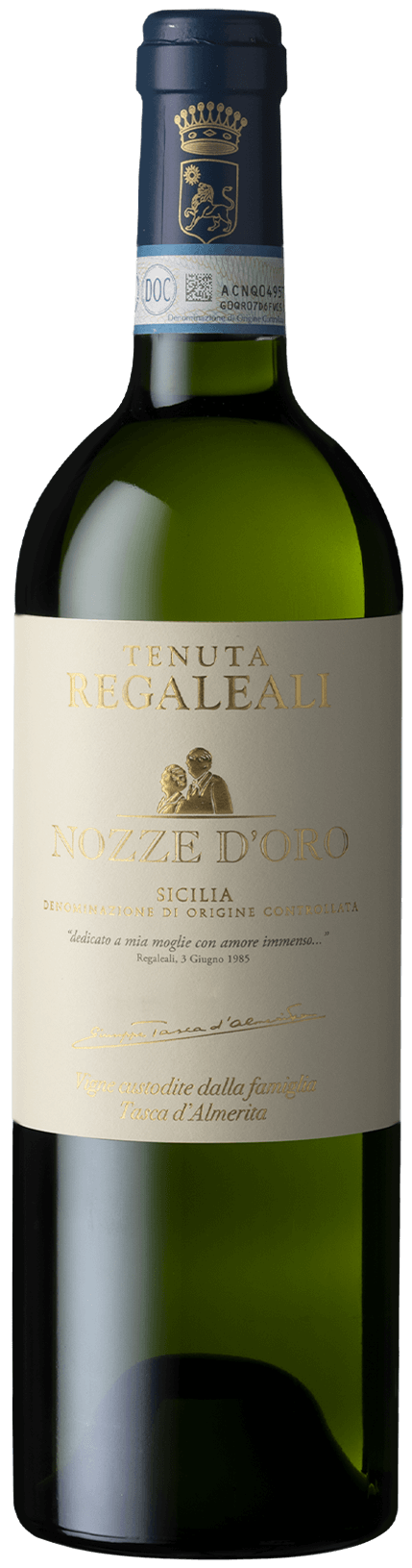
The heart of the range comes from the Tenuta Regaleali: The Nero d'Avola — whether as an accessible Regaleali Rosso or as a concentrated Lamuri — shows how much depth this southern Italian grape unfolds on the hilly sites of the Sicilian hinterland. The Nozze d'Oro, a cuvée of Sauvignon Blanc and the indigenous Inzólia, was created as early as the 1970s and is one of the classics of white Sicily. With the Regaleali Bianco, the Catarratto Buonsenso, and the Grillo Cavallo delle Fate, the estate also relies on the aromatic breadth of Sicilian white wine traditions: fresh, structured, with the salinity that Mediterranean altitudes bring into the bottle.
The winery, named "European Winery of the Year" by Wine Enthusiast in 2019, stands for a style that consistently makes origin readable — without volume, without calculation. Indigenous and international grape varieties are used according to the terroir, not played off against each other. Those who drink the wines of Tasca d'Almerita read Sicily — from the hot, herbaceous hills of Regaleali to the wind-swept vineyards on Salina.