From a Berlin idea to the benchmark for non-alcoholic wine
Philipp Rößle and Moritz Zyrewitz already knew each other from their student days when they founded Kolonne Null in Berlin in 2018. The impetus was simple yet consequential: both appreciated good wine but missed a worthy non-alcoholic companion for meals – something that is neither grape juice nor an industrial product. With a small Austrian winery, the first wine was created in the summer of 2018, initially offered at Berlin weekly markets and in wine shops. The response was strong enough to quickly win over a VDP winemaker as the next partner. What began as a handful of bottles has since developed into the best-known address for dealcoholized wine in the German-speaking world.
Berlin laboratory, Rheinhessen vineyards: how Kolonne Null works
Kolonne Null does not own any vineyards and turns this into a strength: the team – now based in Berlin-Neukölln – focuses entirely on selection, cuvée work, and dealcoholization. The partner wineries, including award-winning family businesses from Rheinhessen, the Nahe, and the Mosel, supply mature vintage wines whose development is coordinated before the harvest. In their in-house Berlin laboratory, beverage technologists select the wines that make it into the collection. The alcohol is then removed via vacuum distillation: under reduced pressure, it evaporates at around 30 °C, which minimizes thermal stress on aromas and structure. Kolonne Null passes on the released alcohol – high-quality, single-varietal raw alcohol – as a by-product to partner companies, where it serves as a starting product for other spirits. Dyes and artificial additives are avoided throughout the entire collection.
The cooperation with the winemakers now extends well beyond the pressing: style, grape variety selection, and cuvée structure are developed together so that the origin and signature of the respective estate remain recognizable in the dealcoholized bottle. A fair and long-term partnership with producers, logistics, and distribution is, according to their own claim, not an afterthought, but part of the business model.
Riesling, Rosé, Rouge: what holds the range together
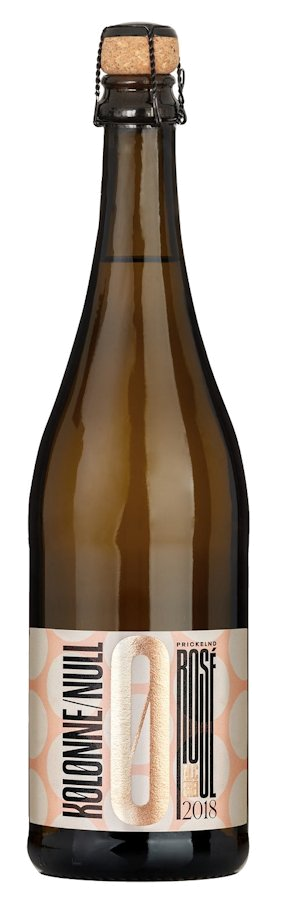
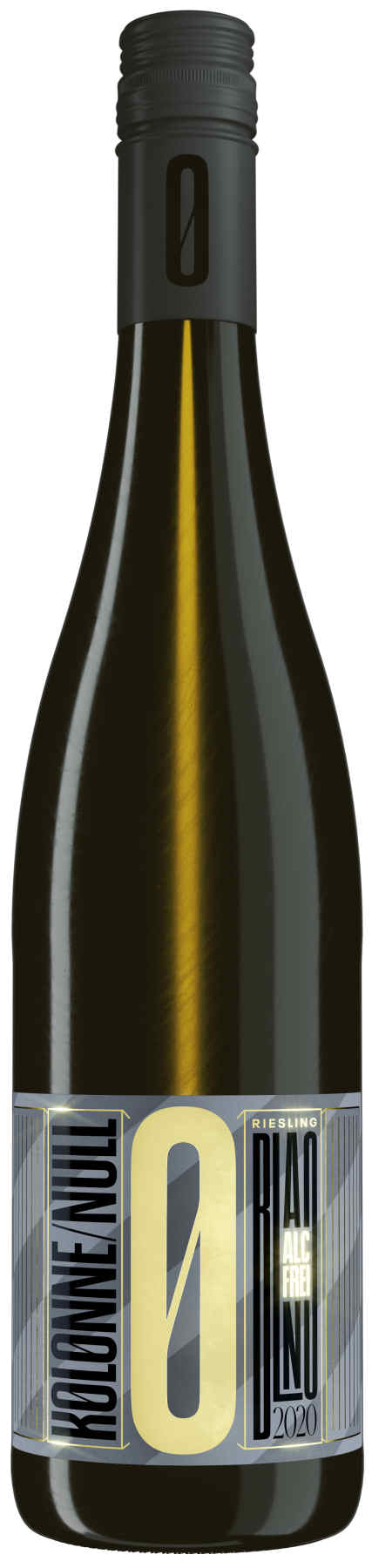
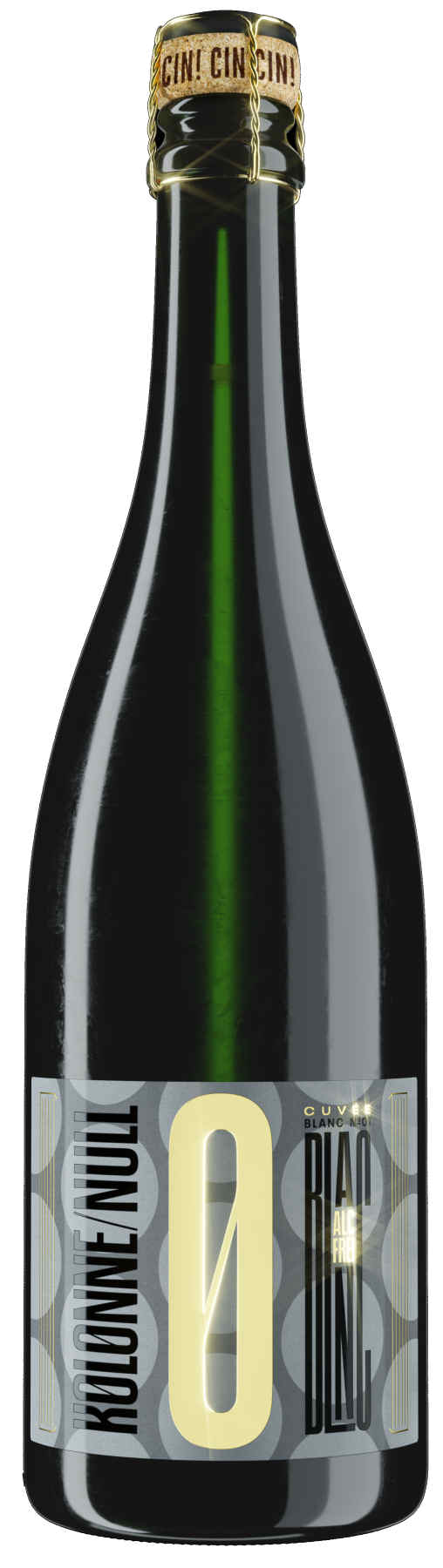
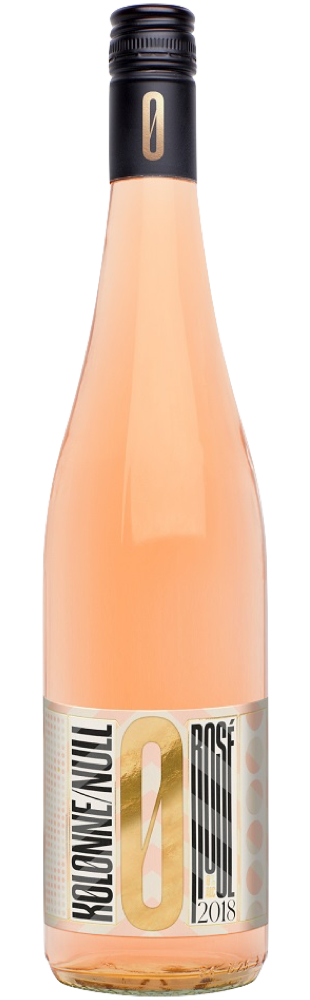
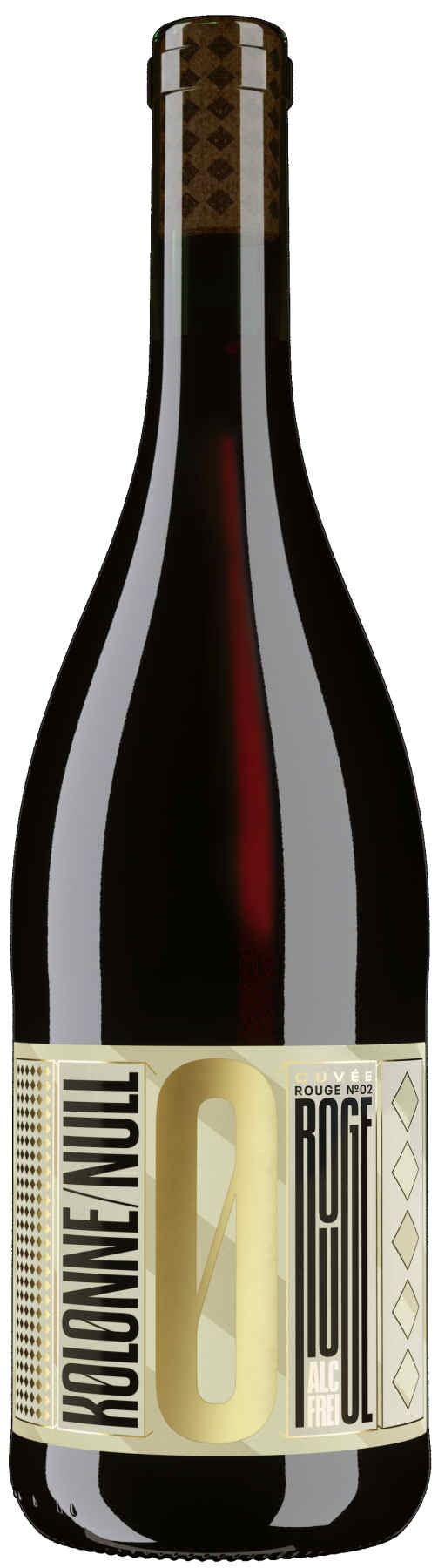
The core principle behind all Kolonne Null wines is the same: first real wine, then gentle dealcoholization. Anyone who opens a Cuvée Blanc No. 01 sparkling, a Rheinhessen Riesling dry, or a Cuvée Rouge should be able to taste the growing region, grape variety, and winemaker's signature – not leveled category goods. The range extends from still white wines and a Riesling Reserve to rosé in still and sparkling versions, up to two Rouge variants. Collaborations with renowned houses like Domäne Schloss Johannisberg also show that the standard is now being negotiated on par with classic top wines. The wines contain a maximum of 0.3% vol. alcohol and are vegan. Drinking temperature: depending on style 8–14 °C, analogous to alcoholic counterparts of the same grape variety.