
Rheinhessen · Germany
Weingut Kühling-Gillot
Read more Read less
Carolin and Oliver Battenfeld's winery is located on the Rhine terrace. Kühling-Gillot is distinguished by its organic farming practices, which have been expanded to include biodynamic methods since 2005. For Carolin and Oliver Battenfeld, the European hare symbolizes fertility and joie de vivre. In recent years, the winery has developed into one of the absolute top producers in Germany. The slate soil of the famous Roter Hang (Red Slope) around Nierstein and Nackenheim produces wines whose blend of delicate fruit and vibrant minerality represents something of an ideal example of a great dry wine.

Filters
11 products


Falstaff Weingutbewertung 2019
Awarded by Falstaff
About Weingut Kühling-Gillot
From the primordial sea to the Roter Hang: over 200 years of family history on the Rhine
The history of Kühling-Gillot can be traced back to two key moments: more than 200 years ago, when the family first settled on the Roter Hang in Rheinhessen and began viticulture — and in 1970, when the marriage of Gabi Kühling and Roland Gillot merged two traditional family wineries into today's operation. Their daughter Carolin Spanier-Gillot, a trained viticultural engineer, took over the estate in 2002 — as a link in a long chain of women who have guided the fortunes of the business at Kühling-Gillot. Since 2006, she has managed the winery together with her husband Hans Oliver Spanier, who simultaneously runs the Battenfeld-Spanier winery. Two VDP estates, a shared understanding of how wine should be created.
The winery is based in Bodenheim, a small town near Mainz at the gateway to the Rheinterrasse. From here, the portfolio of vineyard sites stretches to the south: via Nackenheim and Nierstein to Oppenheim — a band of some of Germany's most significant vineyard sites, embedded in the legendary Roter Hang.
Biodynamics as an attitude, not a certificate
Kühling-Gillot has been working consistently biodynamically since 2005. What began as ecological cultivation soon became a comprehensive approach: no synthetic agents, targeted promotion of soil life, renunciation of artificial irrigation — dry farming on the steep slopes of the Roter Hang. In the cellar, the same principle of non-interference applies: exclusively spontaneous fermentation, long aging on the lees, maturation in large wooden barrels — Halbstück, Stück, and Doppelstück — as well as Burgundy barrels for the red wines. Fining agents are not used, and sulfur is used only in the smallest possible amounts. The cellar is, as the winery itself puts it, a place of accompaniment — not correction.
The geological foundation is not an interchangeable product of chance: the Roter Hang consists of iron-rich clay slate and sandstone weathering soils — the so-called Rotliegend, which was formed around 280 million years ago by the collapse of the Rhine Graben. This soil stores heat, releases it slowly, and forces the vines to root deeply. A special feature: in the steepest part of the Rothenberg, the "Kapellchen" parcel, there are own-rooted Riesling vines that were planted in the first half of the 20th century — even before the legal requirement for rootstocks. Vines that would never have survived a phylloxera catastrophe had the conditions on the Roter Hang not been so extreme and yet so favorable.
Riesling as a translator of terroir — and Pinot Noir on limestone
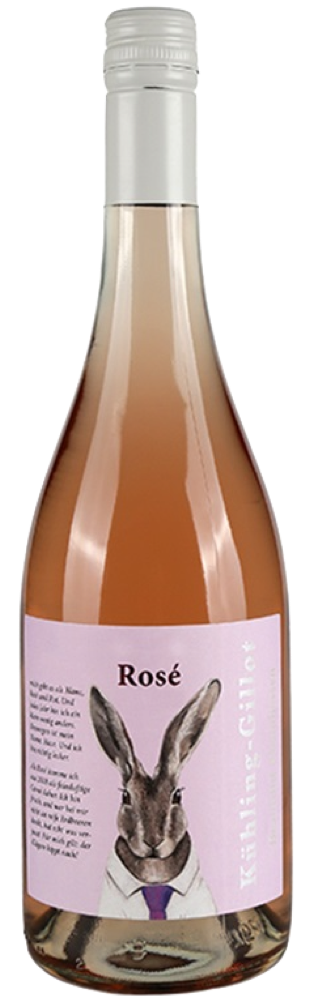
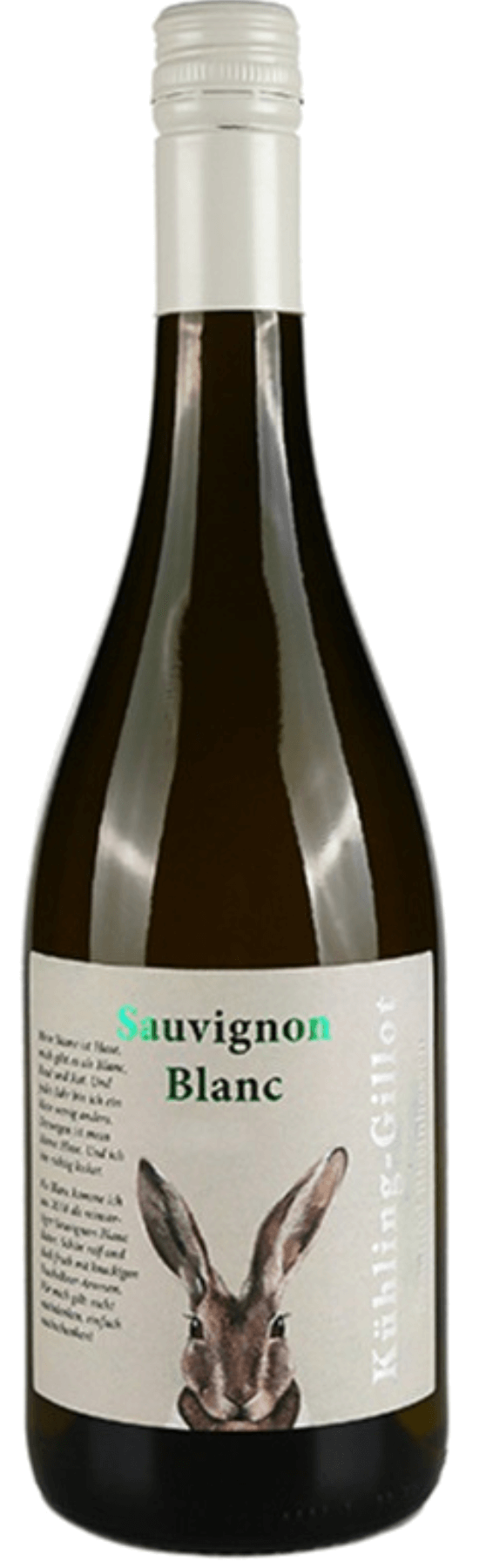
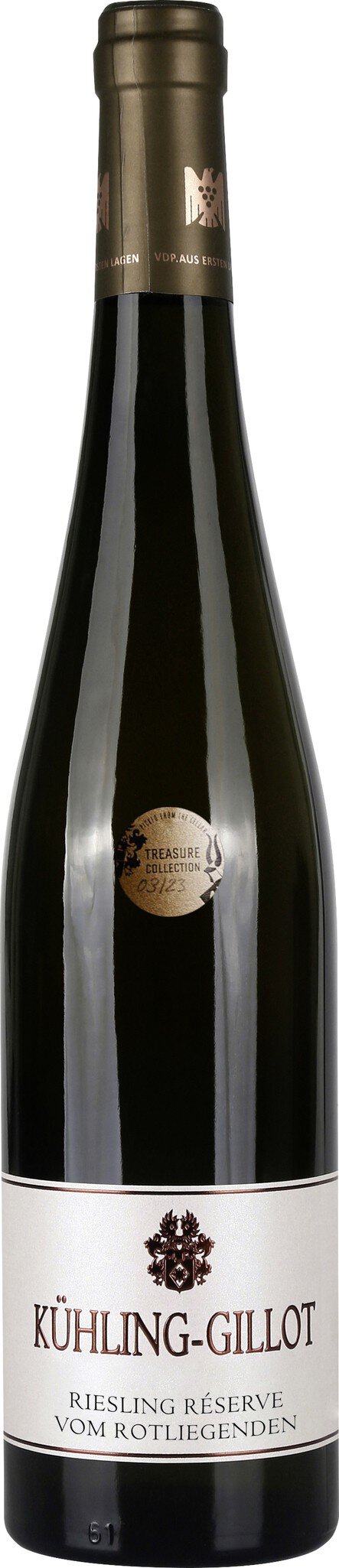
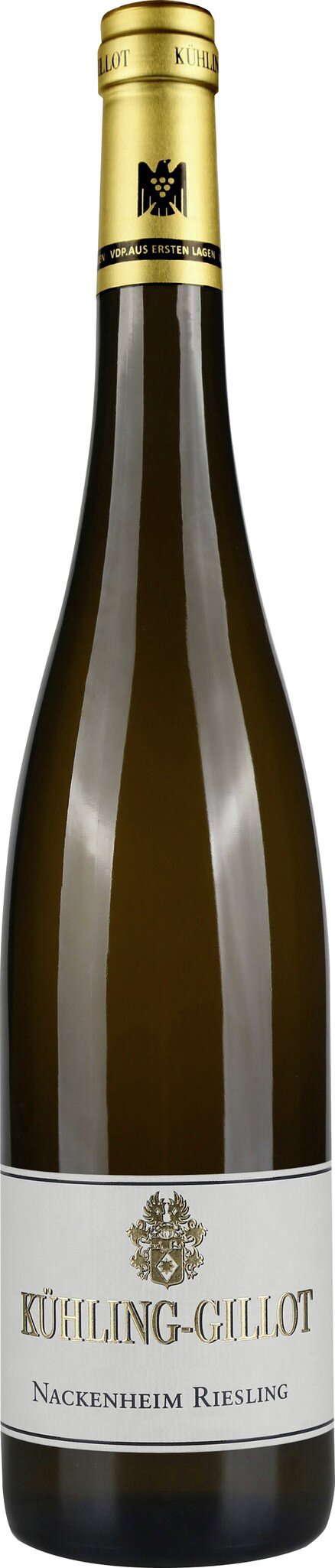
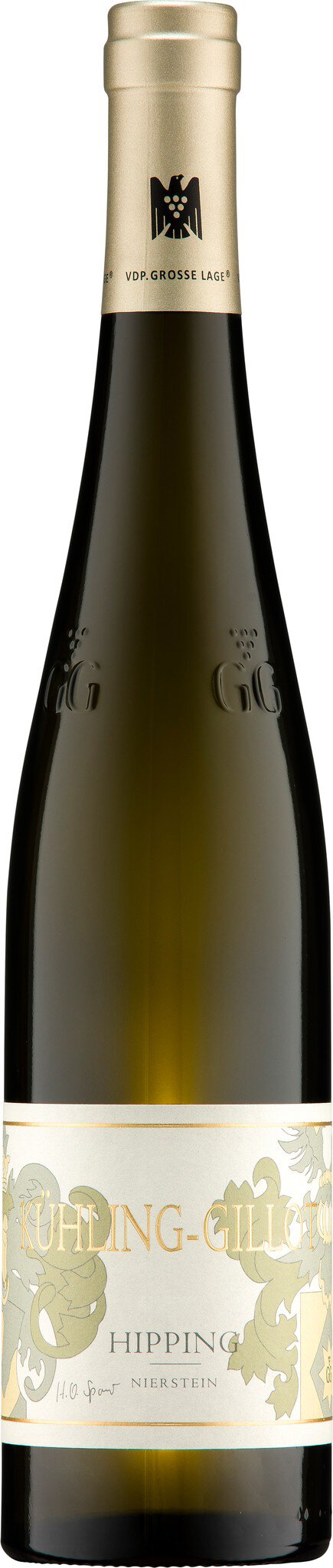
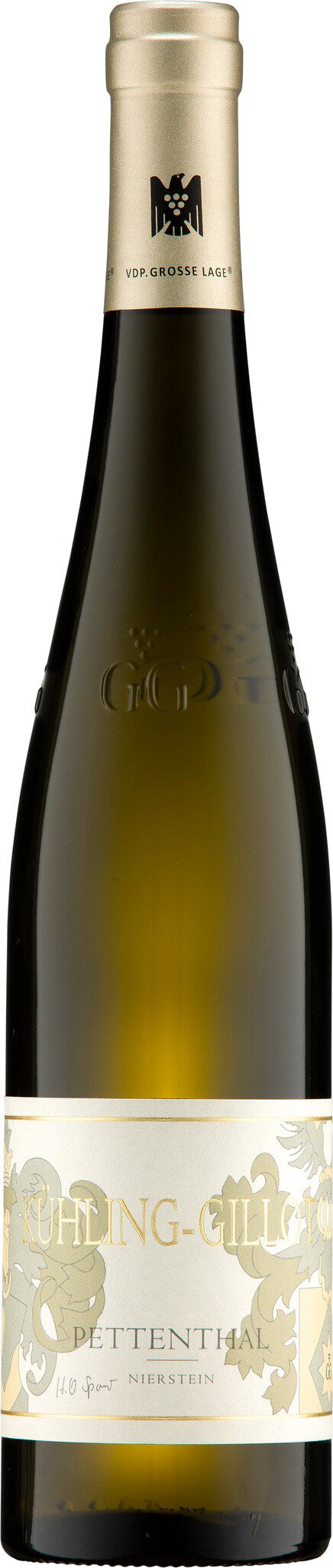
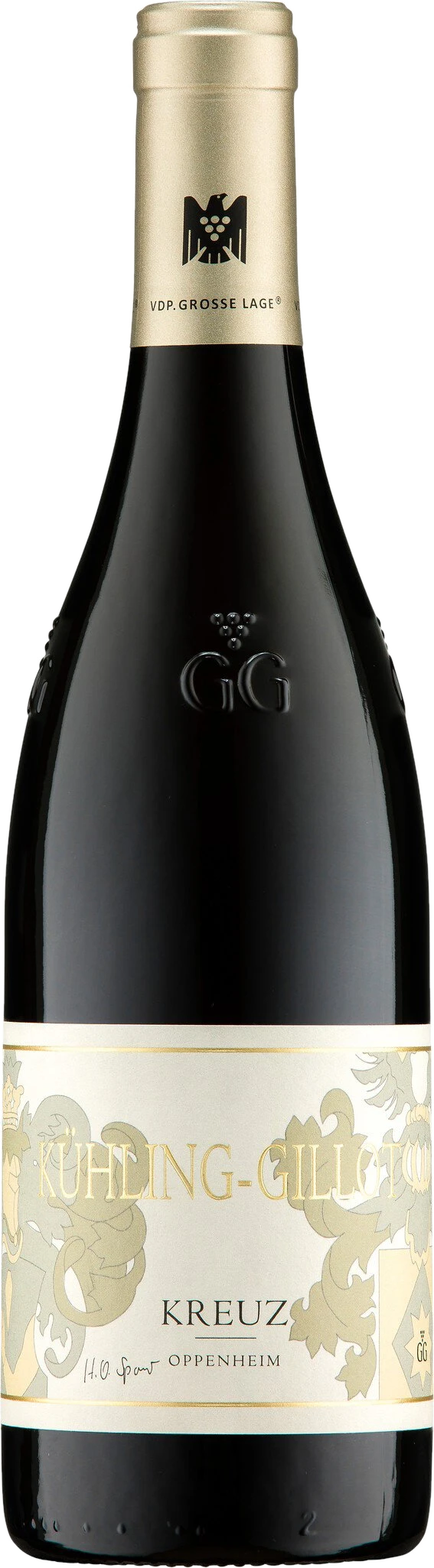
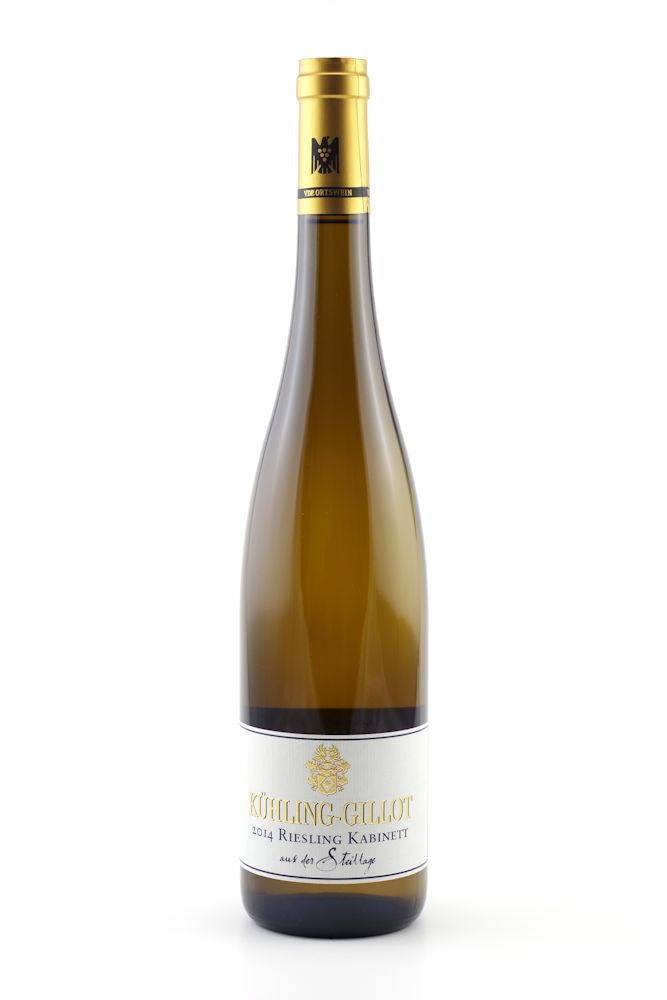
The Kühling-Gillot range revolves largely around Riesling — as a translator of what defines the Roter Hang: fine fruit, vibrant acidity, and a smoky-mineral depth that comes from the iron-rich slate. The VDP Grosse Lagen Rothenberg, Pettenthal, Hipping, Ölberg, and Kreuz represent the highest quality level of the range. In addition, there is Riesling from Erste Lagen in Nierstein and Nackenheim as well as more accessible estate wines — including a Rosé and a Sauvignon Blanc under the "Hase" line, which bears the field hare as the winery symbol: for Carolin and Hans Oliver Spanier, it stands for fertility and joie de vivre.
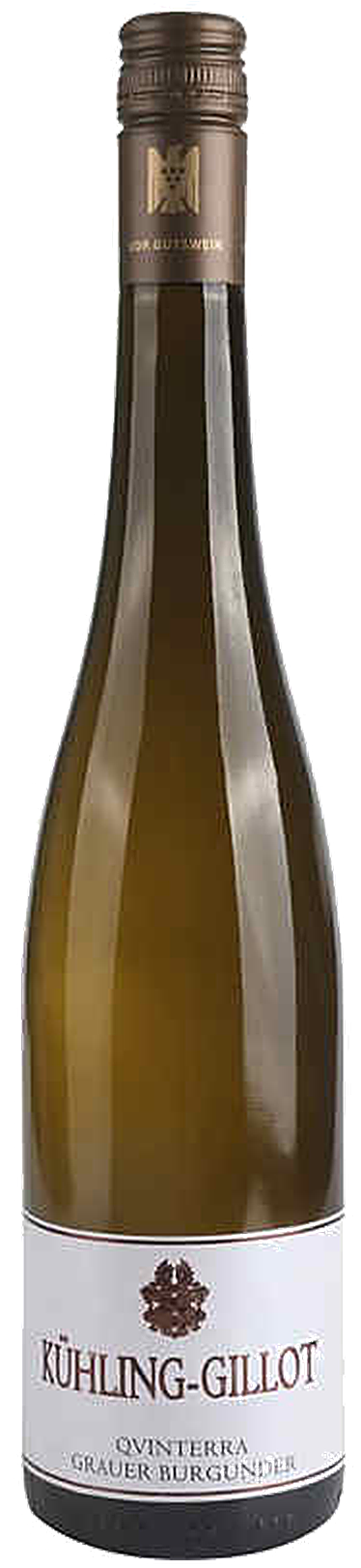
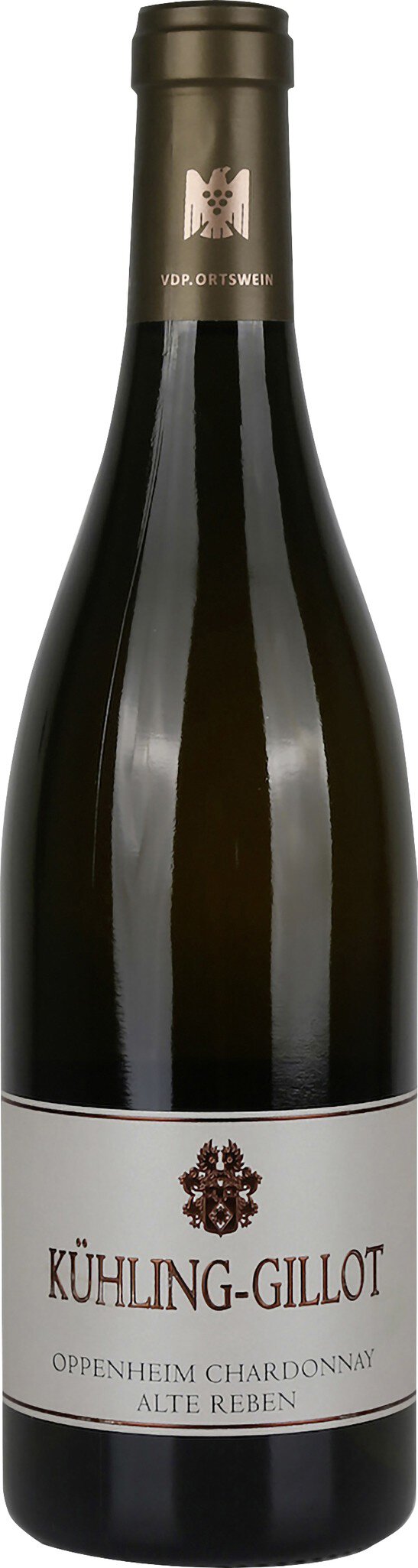
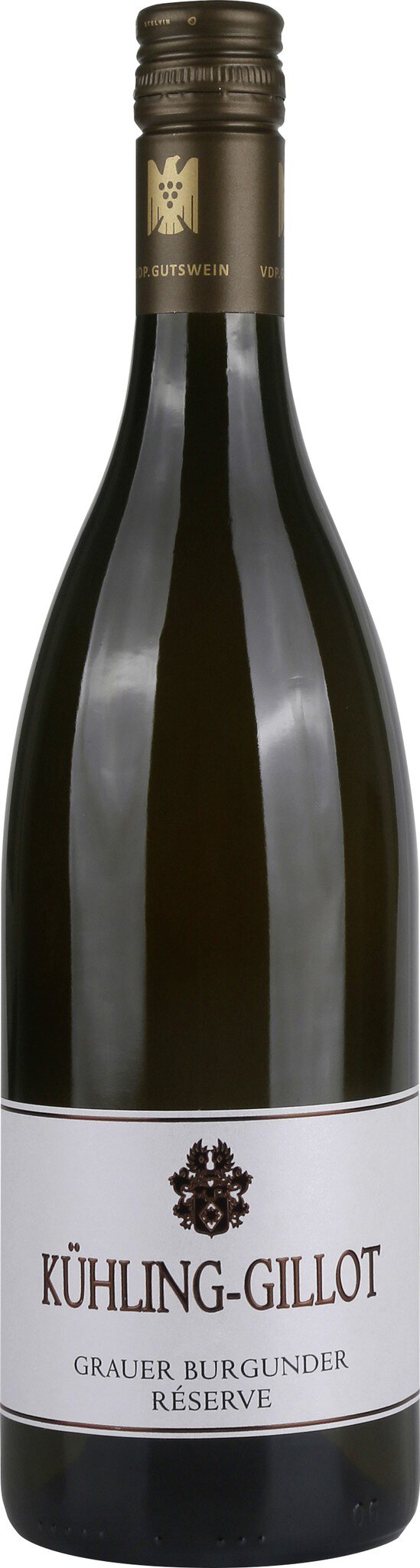
The estate's Pinot Noir vines do not grow on slate, but on the calcareous soils around Oppenheim and Bodenheim — a different soil, a different style: focused on finesse, with berry-herb aromas and a cool structure. Pinot Gris complements the white wine portfolio with its own character. Wines that mature on the lees for a long time, with some vintages only coming to market after several years — because Carolin and Hans Oliver Spanier prefer to show terroir rather than accelerate it.
Bodenheimkuehlingandbattenfeld.com
What our customers say
Very good price-performance ratio. Upscale Sauvignon blanc with a refreshing note. A very nice summer wine.