From family business to Rheinhessen top address
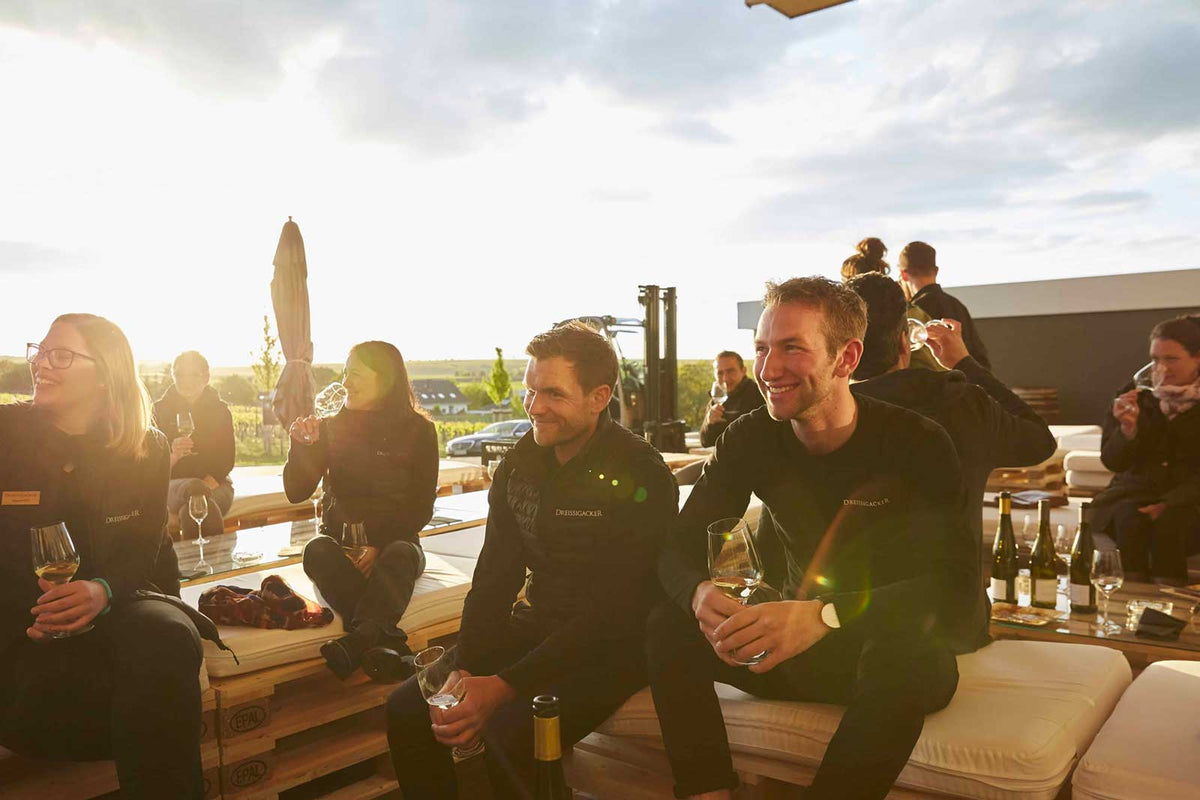
The history of the winery dates back to 1728 — at that time a typical Rheinhessen agricultural business in the tranquil Bechtheim in the Wonnegau. For generations, the estate remained a solid family business until Jochen Dreissigacker began pressing his first own wine from 2001. In 2005, he took over the business completely from his parents. Jochen had previously completed a winemaker apprenticeship at the Keller and Bergdolt wineries — two addresses that stand for precision and terroir loyalty. What he brought to the parental cellar was not a cautious further development, but a consistent new start: new standards in the vineyard, a clear style in the cellar, and finally a modern new building for the winery, which was inaugurated in May 2018 and is integrated directly into the vineyards. The fact that Jochen Dreissigacker today — without VDP membership — is one of the most discussed winemakers in Germany and his wines have found their way into top gastronomy worldwide makes this career one of the most remarkable stories in German viticulture of the last two decades.
Biodynamics, manual labor, and gravity flow: the path into the bottle
Jochen Dreissigacker's credo can be summarized in one sentence: soils and sites should be tasteable. Consistently, he gradually converted the business to organic farming — from 2007, the step to biodynamics followed. Since 2020, the winery has also been certified according to FAIR'N GREEN. On a total of 45 hectares in the top sites around Bechtheim (Geyersberg, Hasensprung, Rosengarten) and Westhofen (Aulerde, Kirchspiel, Morstein), the team invests nearly 1,000 hours of manual labor per hectare and year. The soils — loess loam, limestone, clay marl — are fundamentally different depending on the site, and exactly that should show in the glass. In the cellar, Dreissigacker works with spontaneous fermentation, long lees aging, and a renunciation of pumps: all wines are moved exclusively by gravity flow to burden the structure of the grapes as little as possible. The modern cellar building is technically designed on this principle — gravity as the most important tool.
Yield reduction through careful pruning and consistent thinning ensures that the vines concentrate what the soil yields. The philosophy behind it has been formulated by Jochen Dreissigacker himself: give top wines above all one thing — plenty of time.
Riesling as the core, Burgundy as proof of versatility
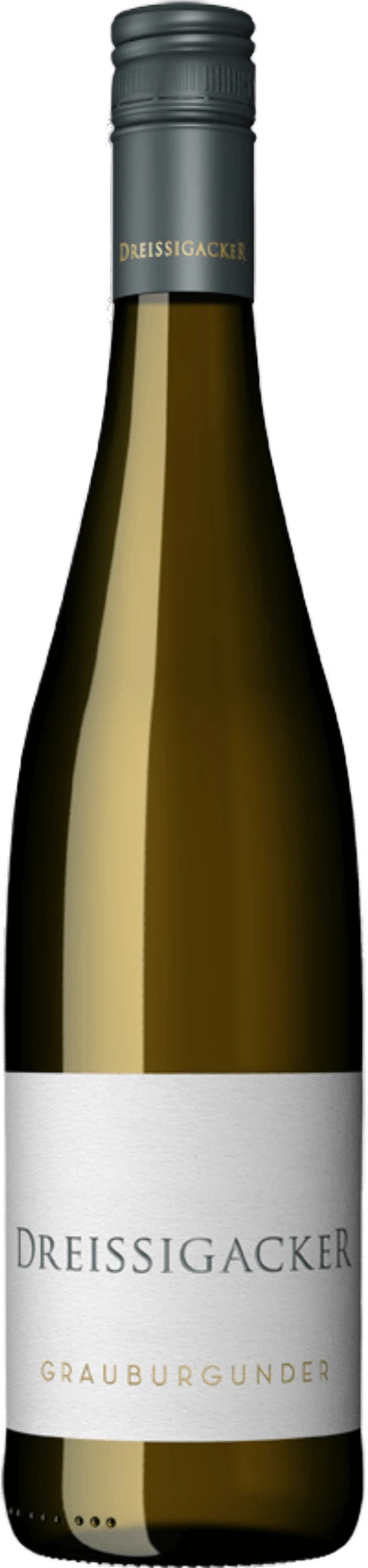
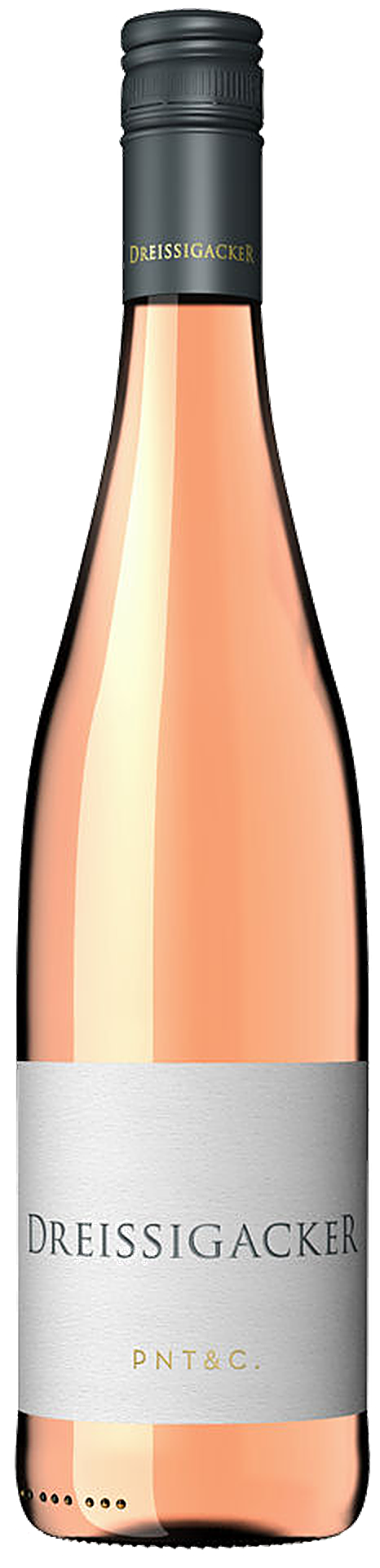
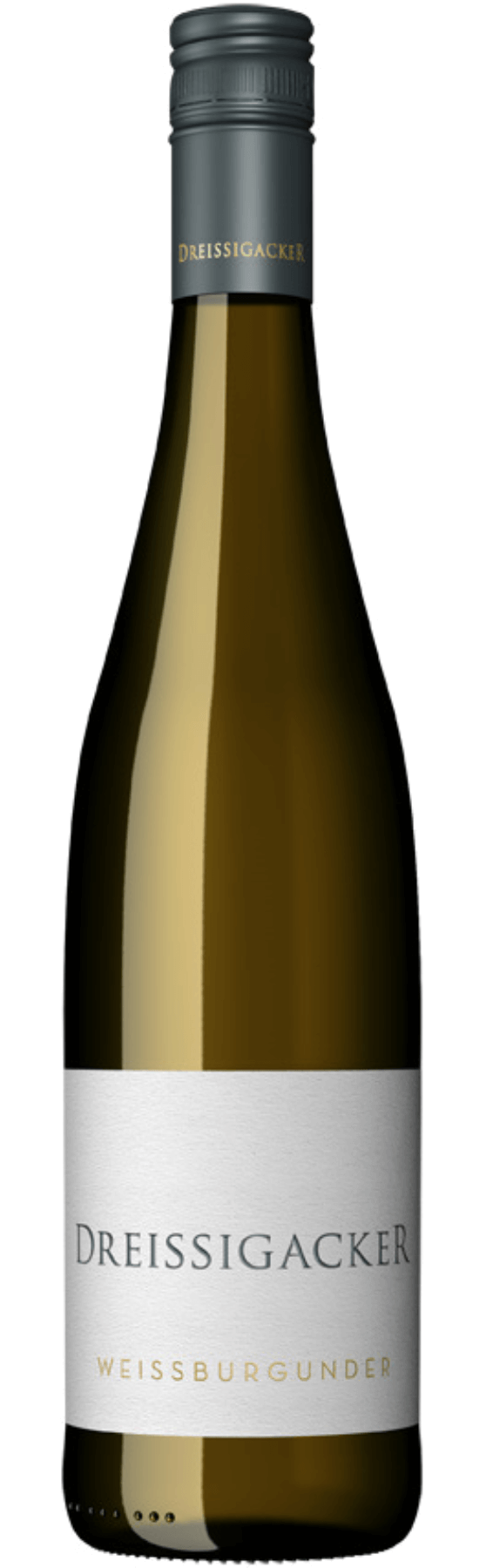
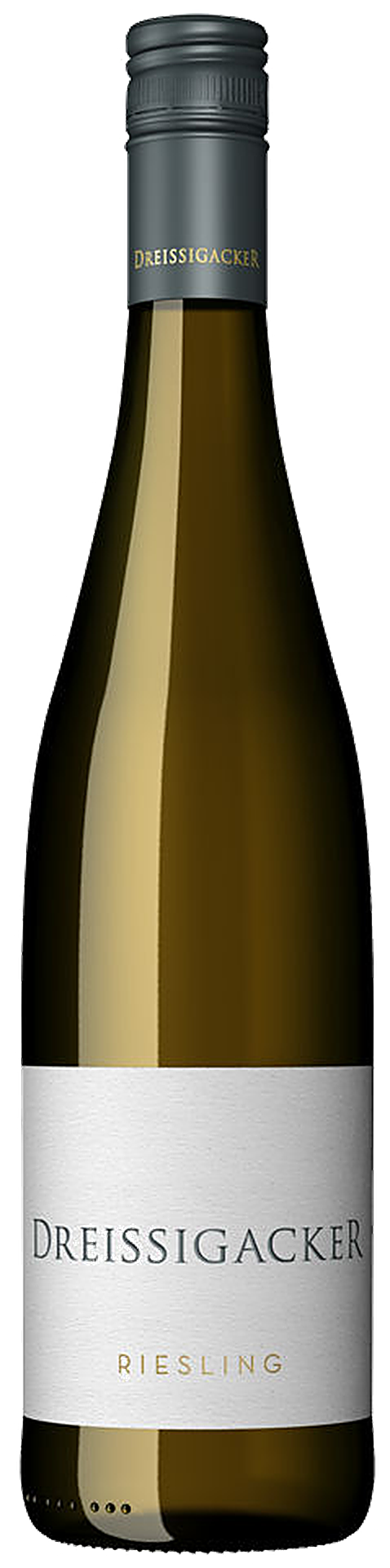
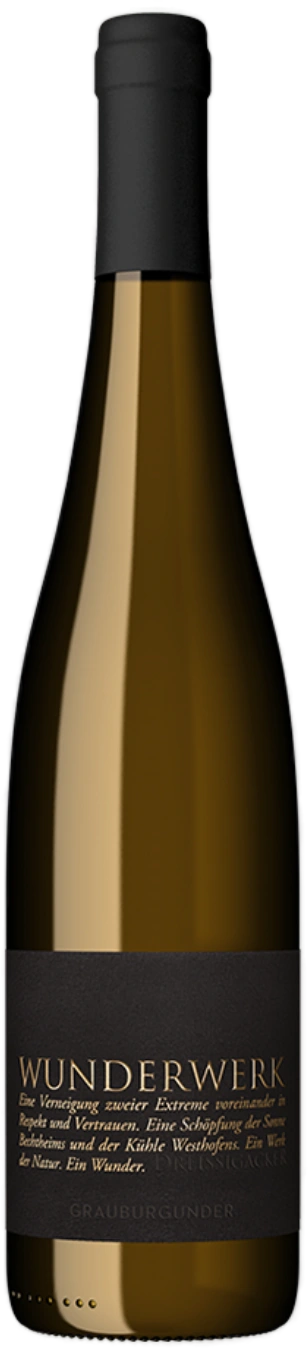
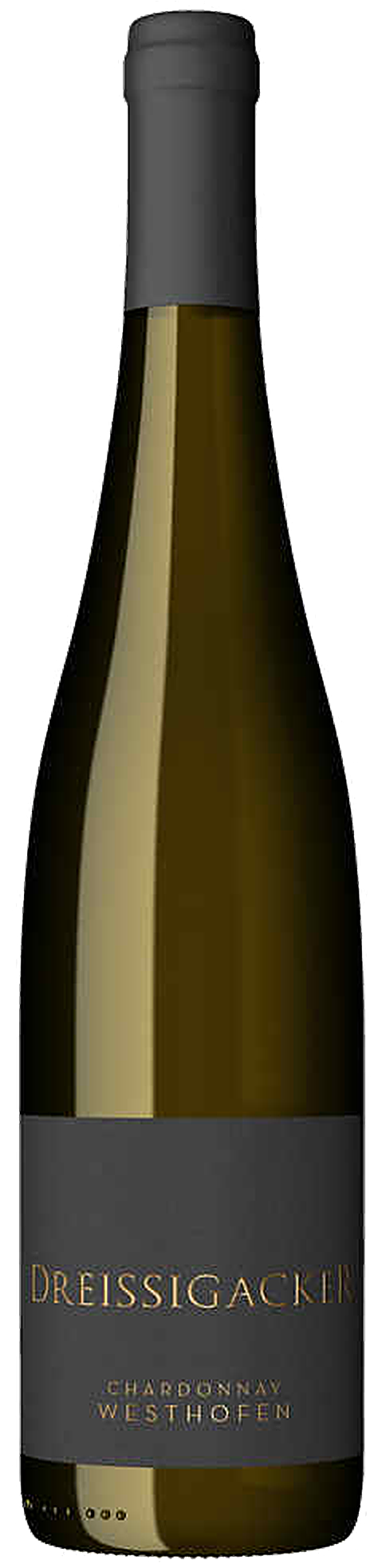
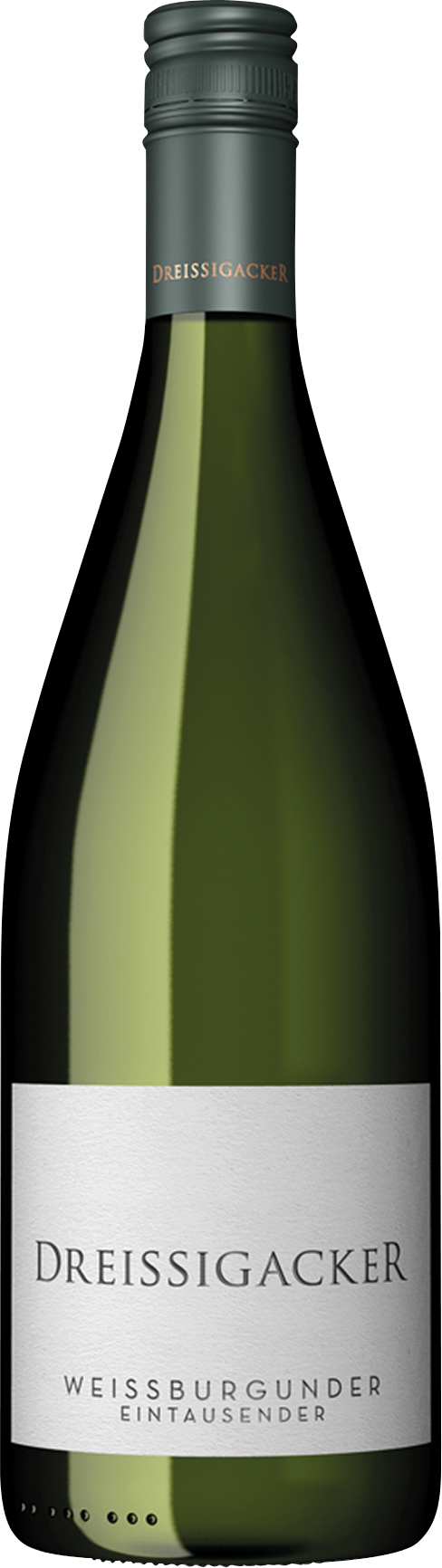
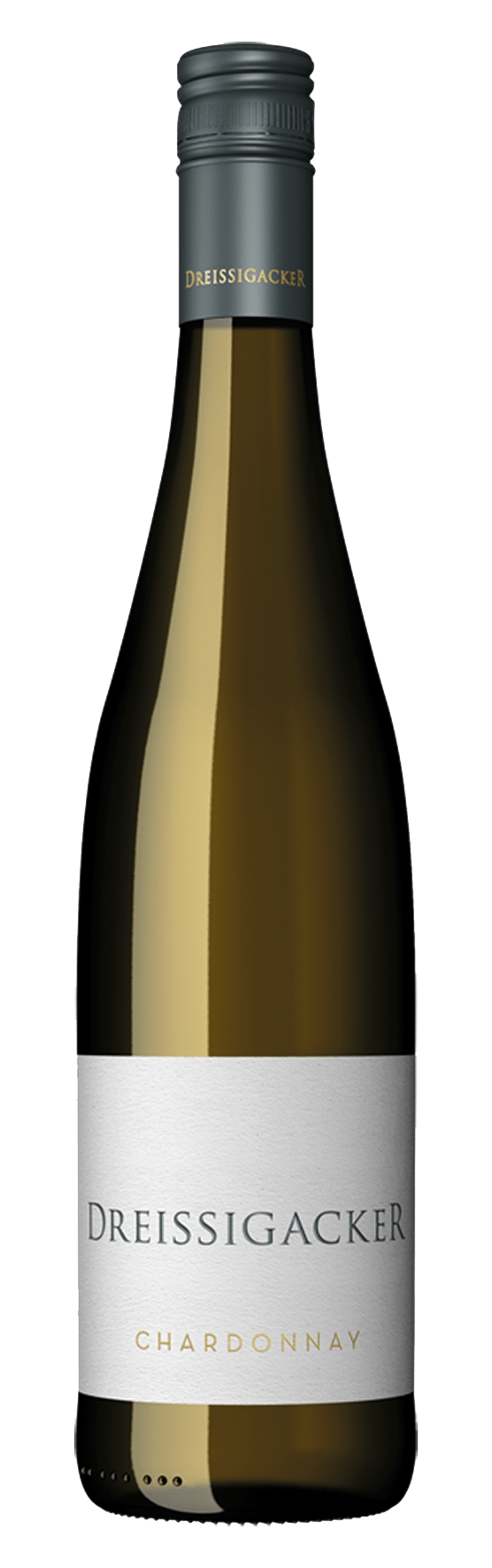
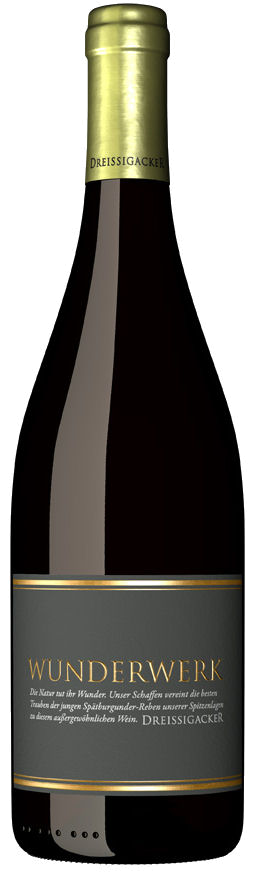
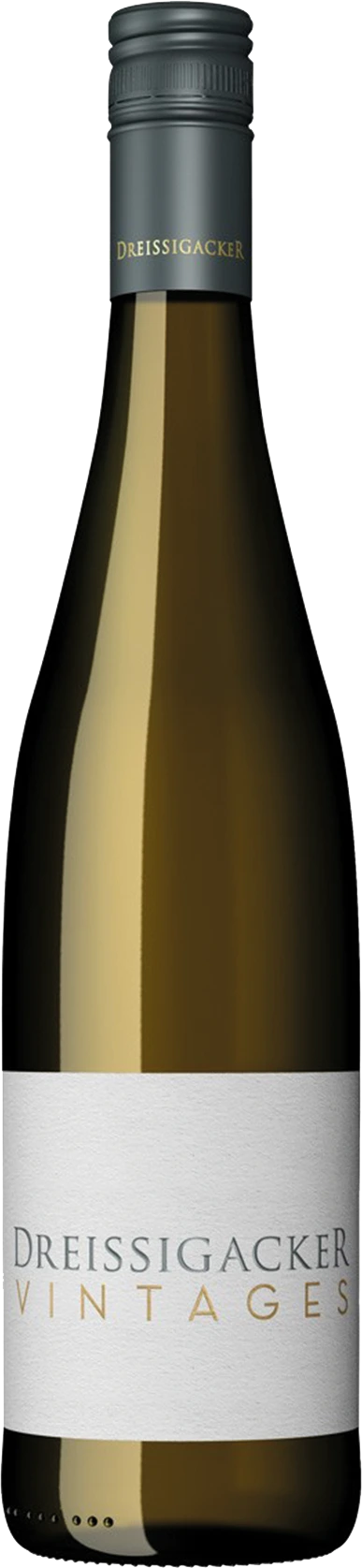
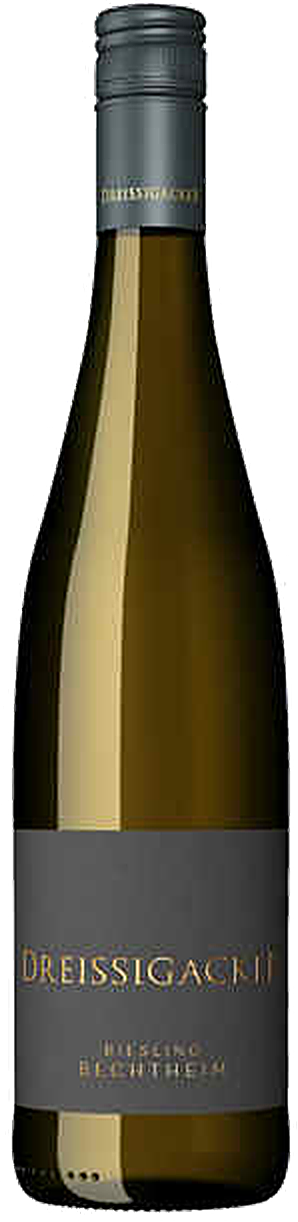
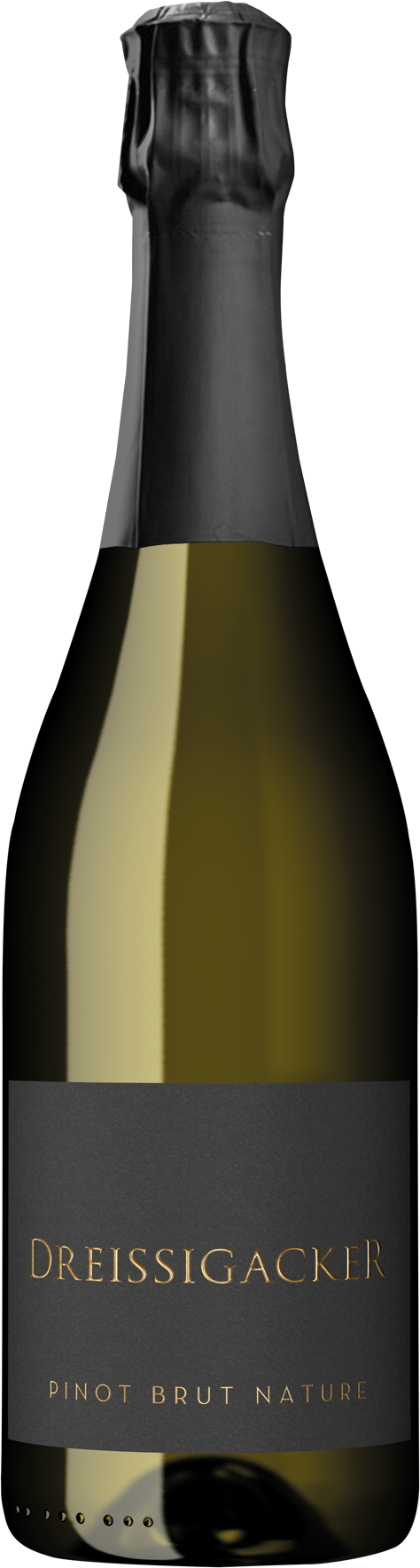
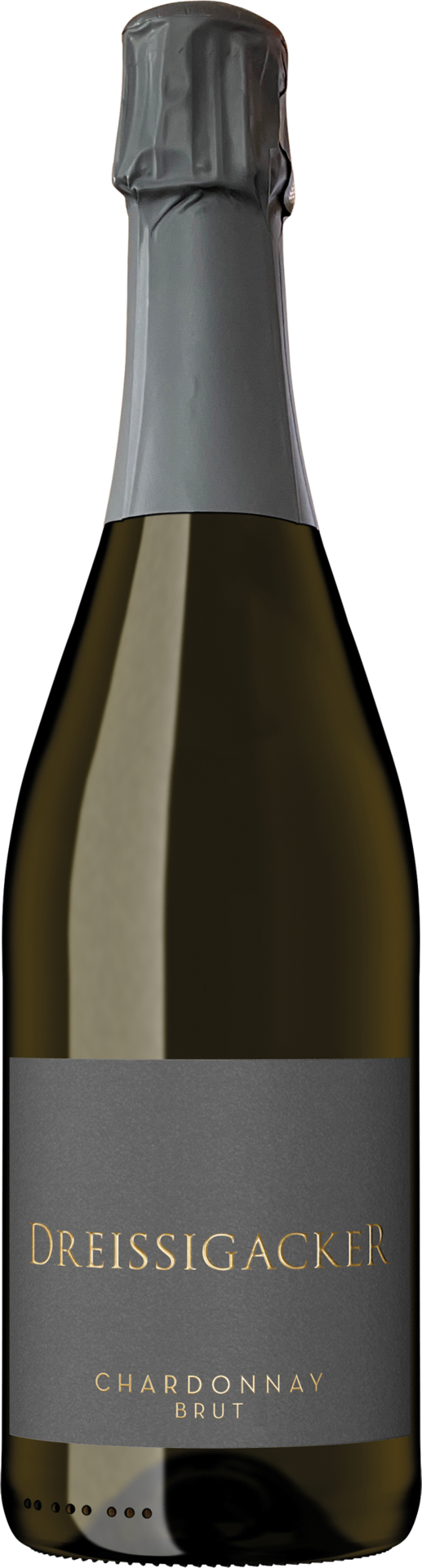
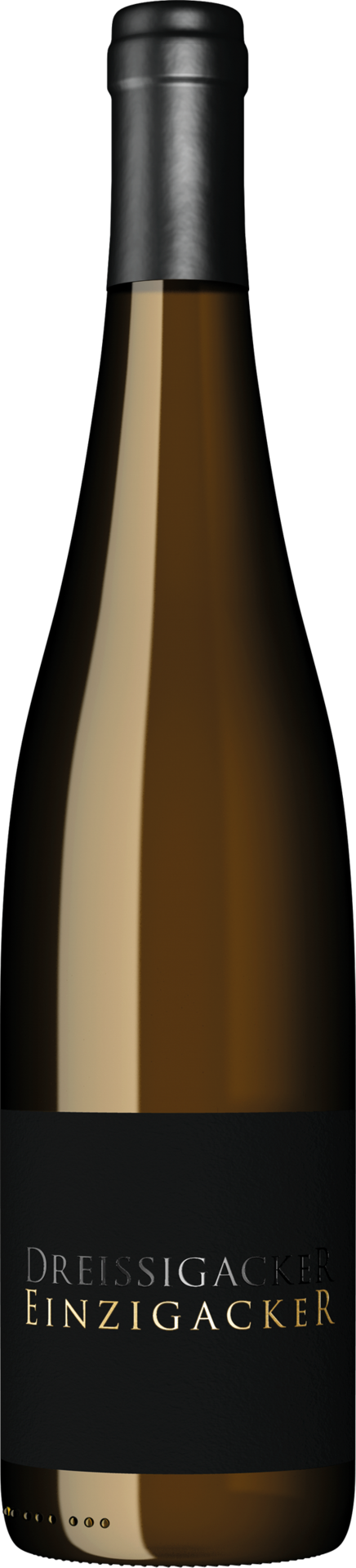
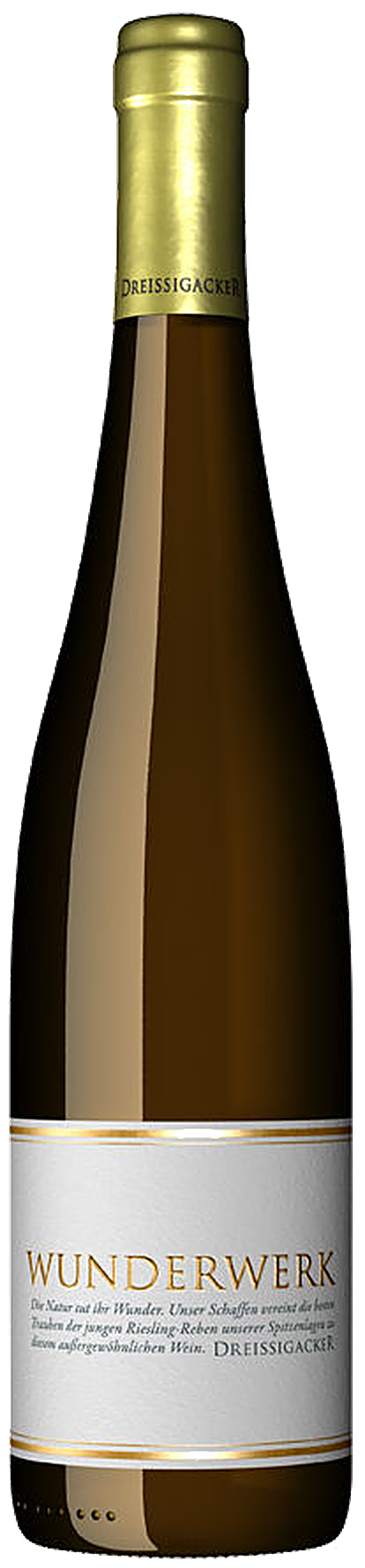
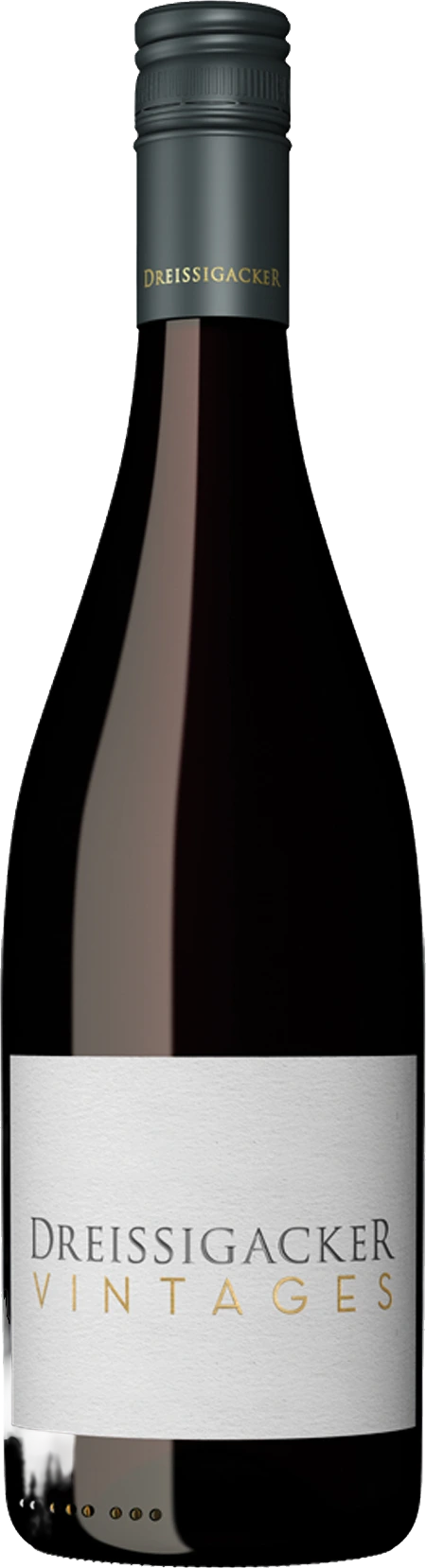
Around 98 percent of production at Dreissigacker is white wine — red wine plays a deliberately subordinate role. The assortment is clearly structured: Riesling forms the core, supplemented by Pinot Blanc, Pinot Gris, Chardonnay, and Pinot Noir. The Rieslings from the limestone marl sites of Westhofen — cooler, slower ripening — show a different minerality than the sun-drenched Bechtheim sites; this range is reflected in the assortment structure. The Vintages series (red and white) brings together several vintages and grape varieties into multi-vintage cuvées, which enjoy special recognition among wine connoisseurs. With the Chardonnay Brut Nature and Pinot Brut Nature, Dreissigacker shows that the biodynamic philosophy also carries the sparkling wine — consistently without dosage, with aging on the lees as a quality pillar. In 2021, Eichelmann awarded the winery the top rating of "World Class." Anyone who knows the wines of Dreissigacker understands why Rheinhessen is mentioned in the same breath as the Mosel and Rheingau today.