From 1845 to today: nine generations on volcanic soil
In the far west of Rheinhessen, a few kilometers south of Bad Kreuznach, lies Siefersheim – a village in the middle of steep hills of volcanic origin, heathland, and old rock formations. Here, the Wagner family laid the foundation stone of their farm in 1845. What began as a classic mixed farm developed over generations into one of Germany's most prominent wineries: the Höllberg and Heerkretz sites already achieved supra-regional fame in the first decades of the 20th century. Today, Cathrin and Daniel Wagner run the business in the ninth generation. Daniel took over management in 1993 – after years of apprenticeship and work in Tuscany, Bordeaux, and California (Los Carneros), which sharpened his eye for precise terroir viticulture. What followed was not a gradual change, but a clear realignment: away from mass yield, towards origin and craftsmanship.
Porphyry, hand-picking, and organic certification
The foundation of Wagner-Stempel's work is geological in nature. Around 25 hectares of vineyard area stand on volcanic porphyry – a rock that occurs on only a tiny fraction of the cultivation area in Rheinhessen. This red volcanic rock stores heat, releases minerals into the soil, and forces the vines to root deeply. Since 2008, the winery has been officially organically certified. Yield-reducing measures, manual foliage and under-vine work, as well as selective hand-picking in autumn are not the exception, but cornerstones of the philosophy. In the cellar, this careful work in the vineyard is followed by an equally thoughtful aging process: depending on the grape variety and character of the must, the wine matures in stainless steel tanks or wooden barrels – always with the goal of depicting origin and vintage in their clearest form. The winery has been a member of the VDP since 2004.
Riesling from porphyry – and a range with depth
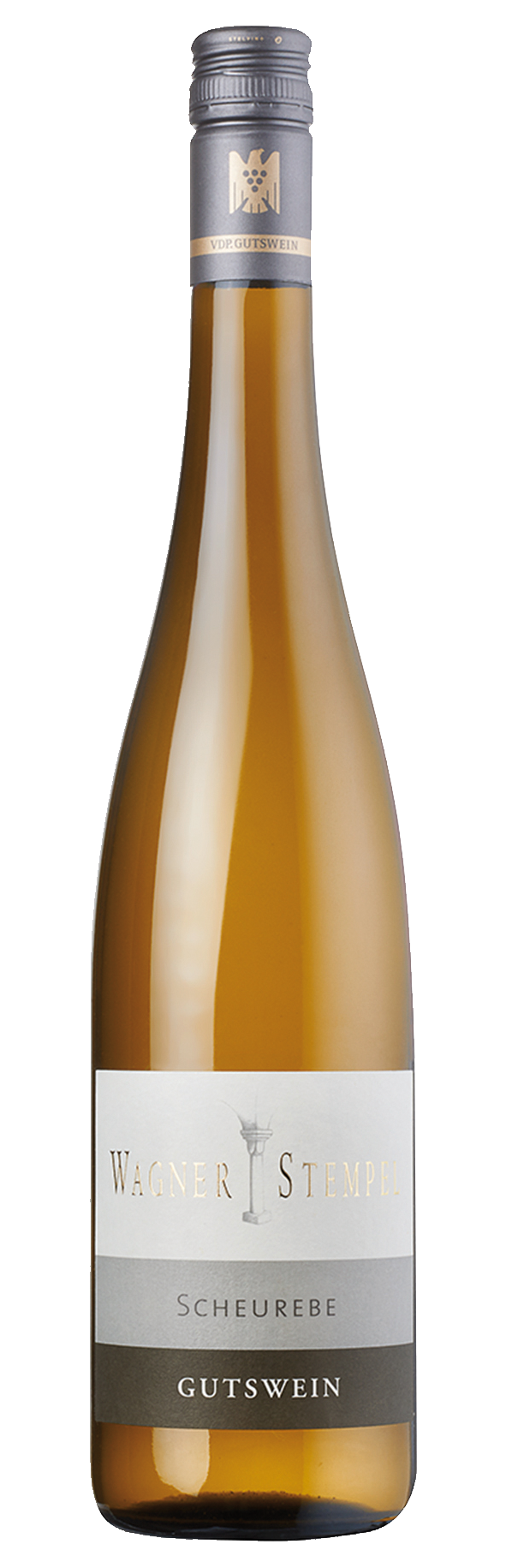
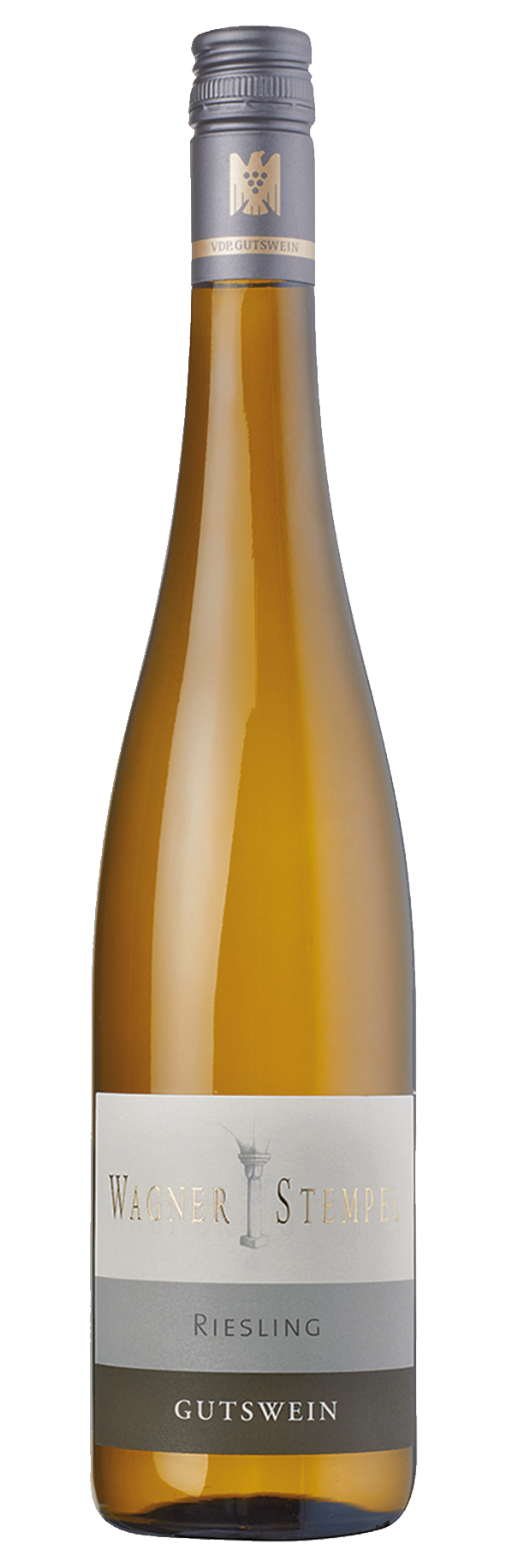
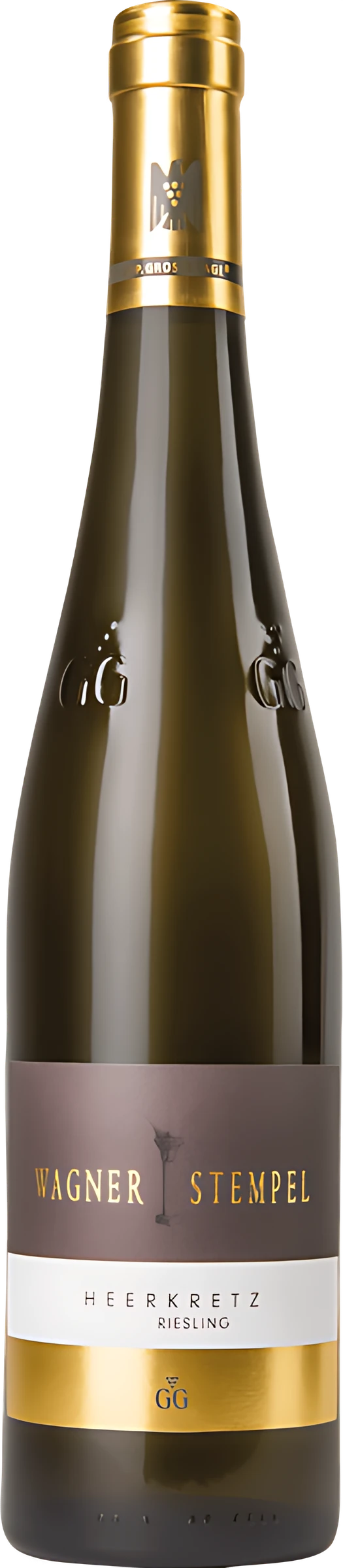
The centerpiece of the range is Riesling, which occupies about half of the vineyard area. From the VDP.Grosse Lagen Siefersheimer Heerkretz and Höllberg as well as the Binger Scharlachberg, wines are created with cool fruit, fine herbal spice, and a salty-mineral texture that unmistakably points to the porphyry rock. Alongside these are Burgundy varieties – Pinot Gris and Pinot Blanc, Chardonnay, and Pinot Noir – as well as Silvaner and Scheurebe, which Wagner-Stempel interprets with the same precision. Entry-level wines like the Riesling "Porphyr" or the geologically named Chardonnay "Feldspat, Quarz & Glimmer" make the house's style accessible even at an uncomplicated level; the Grosse Gewächse from Heerkretz and Höllberg show what this soil is capable of when left to work in peace. Wagner-Stempel wines are now exported to more than 30 countries – a silent proof of what consistent work over three decades can achieve.