From the ironworks to the Red Slope: the roots of St. Antony
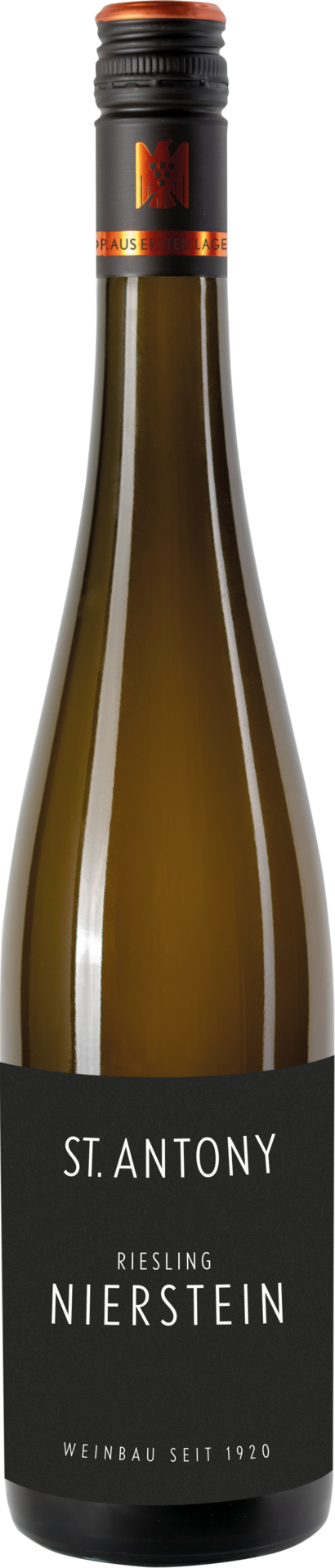
The history of St. Antony does not begin in the vineyard, but in industry. The "Gute Hoffnungshütte" — an ironworks from which the MAN Group later emerged — originally acquired the lime-rich terrain south of Nierstein as a source of raw materials. After the First World War, the demand for iron collapsed, and the company recognized the potential of the surrounding vineyards: the winery was officially founded in 1920, and the first vintage had already been created in 1918. The name St. Antony still commemorates the St. Antony ironworks in Oberhausen, the first ironworks in the Ruhr area and the nucleus of the parent company. In 2005, entrepreneur Detlev Meyer bought the estate — since then, St. Antony has been family-owned. The winery has been a member of the Association of German Prädikat Wine Estates (VDP) since 1990.
Biodynamic on the steep slope: manual labor on the Red Slope
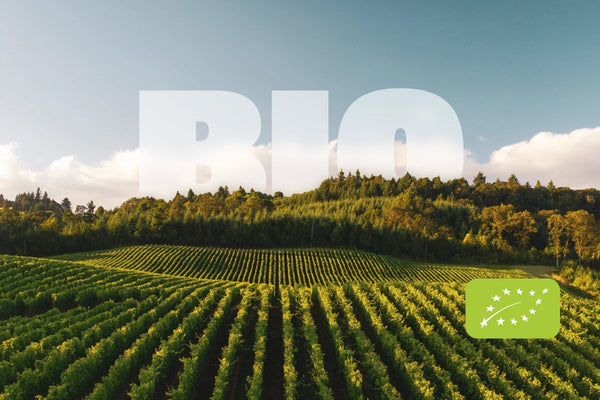
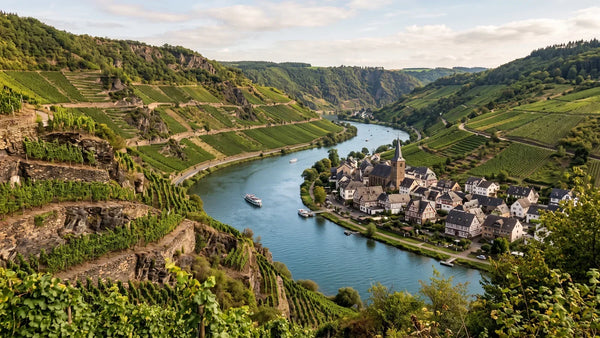
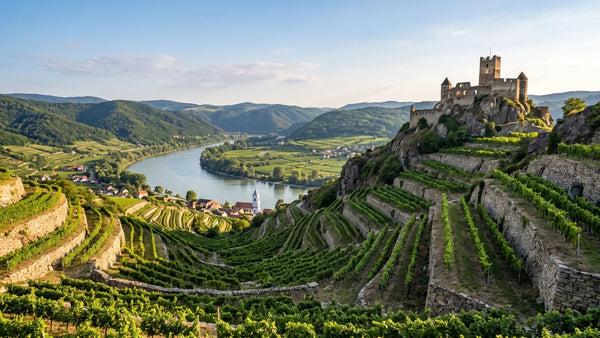
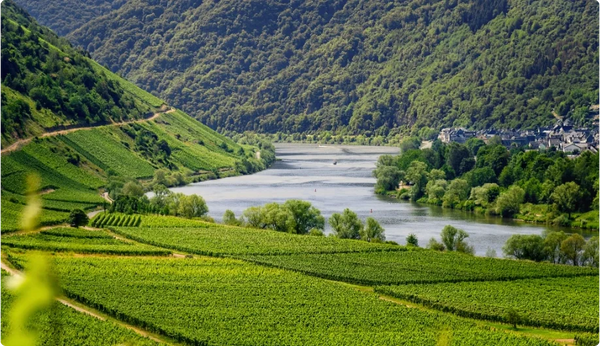
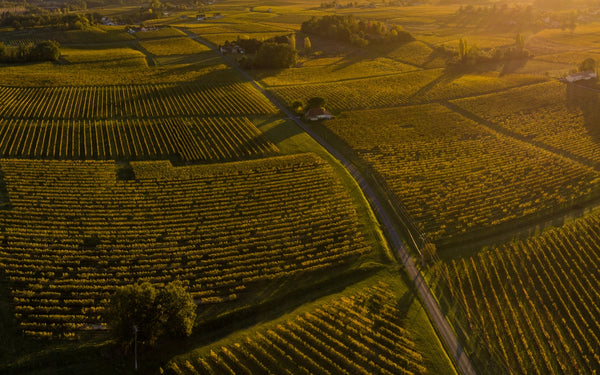
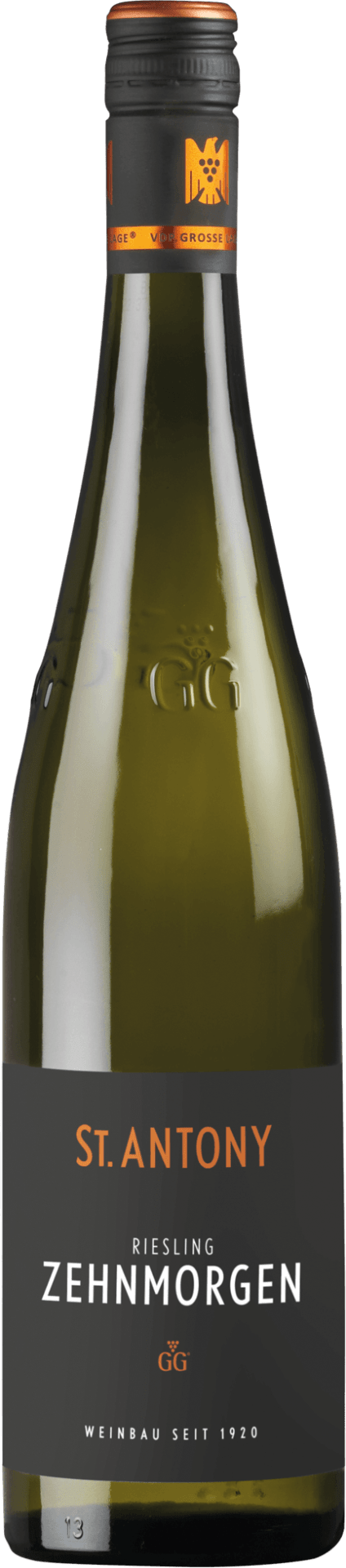
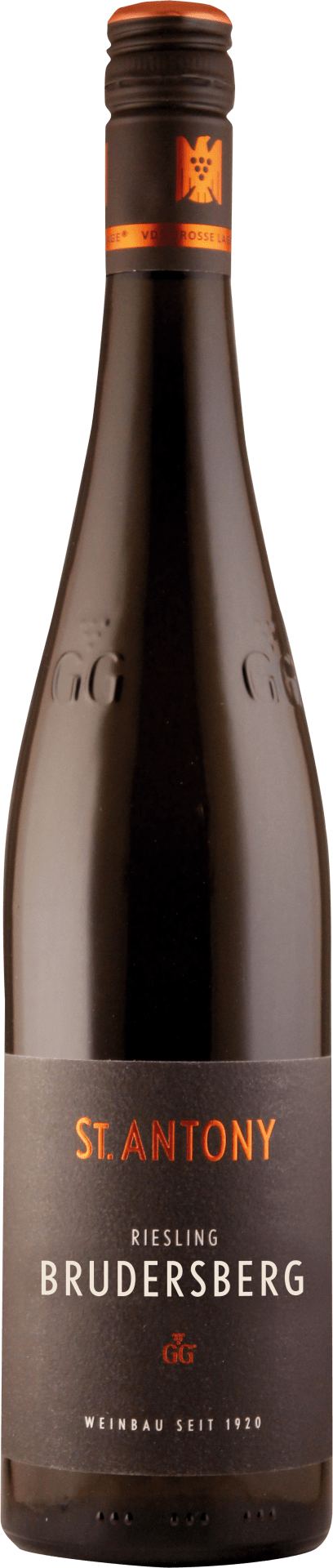
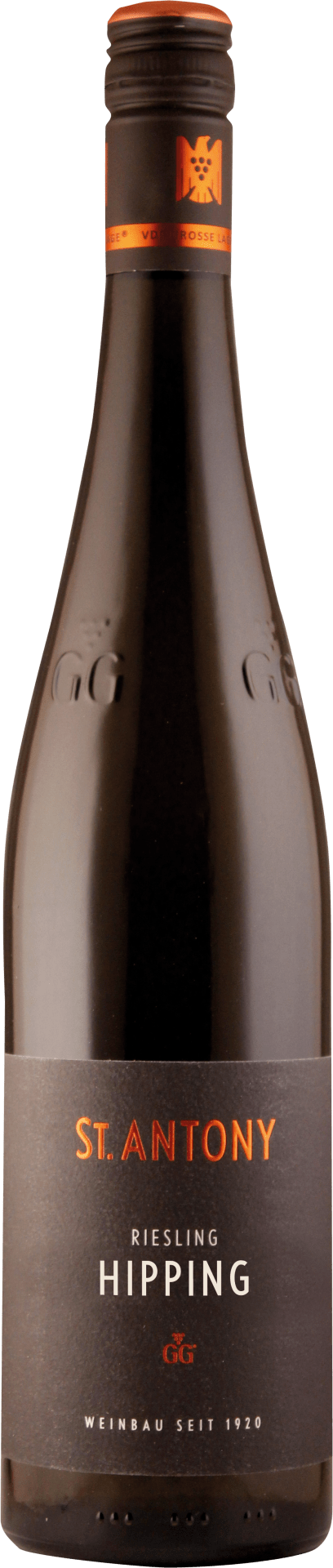
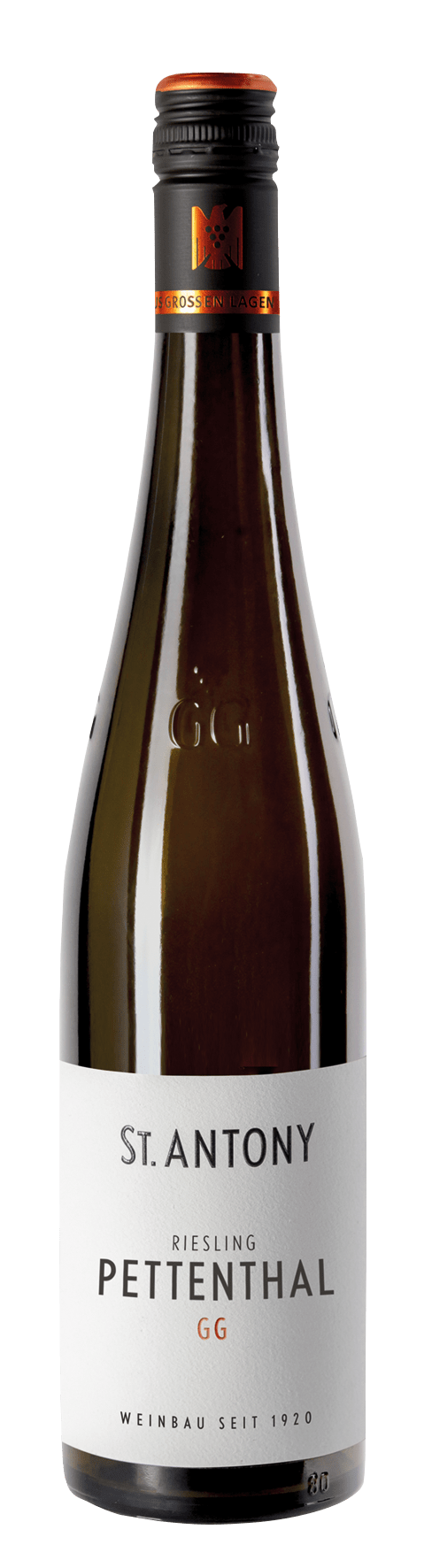
The Red Slope (Roter Hang) between Nierstein and Nackenheim is one of the most geologically extraordinary vineyard sites in Germany. Red slate, limestone, clay, and sandstone characterize the soil; the east to southeast exposure above the Rhine creates one of the warmest and driest microclimates in the country. No other winery holds as many parcels here as St. Antony — from Pettenthal, Hipping, and Ölberg to Orbel and the two monopoly sites Brudersberg and Zehnmorgen. Certified organic farming has been practiced since 2006, and according to Demeter guidelines since the 2018 vintage. Because the steep, barren slopes do not allow for machine work, biodynamic management here requires consistent manual labor in the vineyard — fully since 2019. Managing Director and Cellar Master Dirk Würtz, who previously worked as a cellar master at Robert Weil, among others, and has led St. Antony since 2019, sums it up himself: innovation is not possible without tradition — tradition is the framework of values.
In the cellar, the same principle of restraint applies: spontaneous fermentation, minimal intervention, plenty of time for maturation and development. Must and wine are moved gently by gravity to avoid mechanical stress.
Riesling with pressure, Pinot with finesse: the range
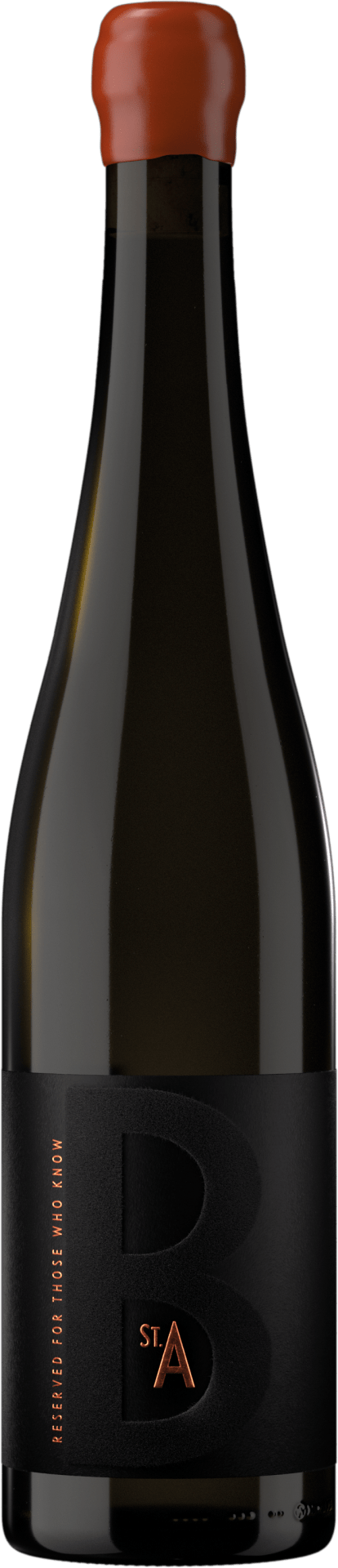
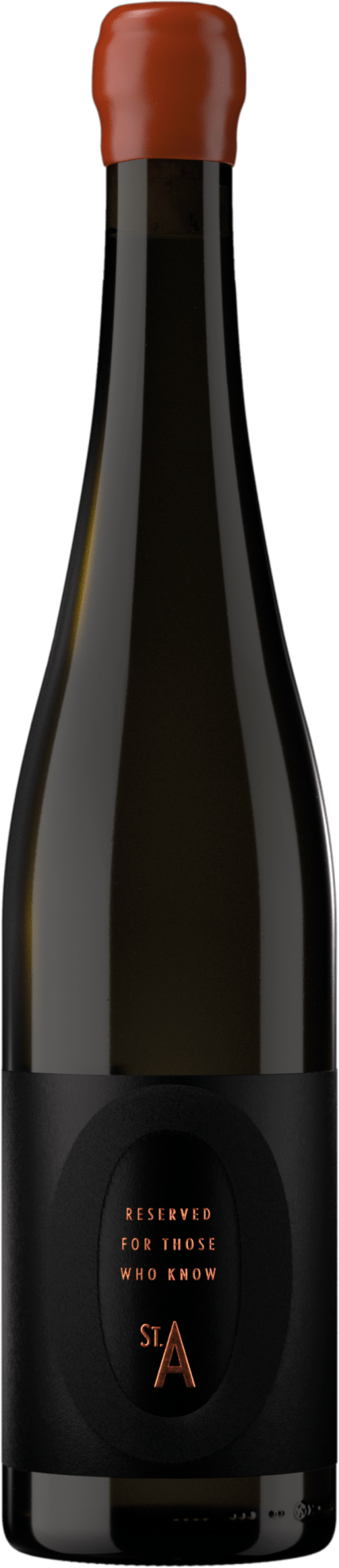
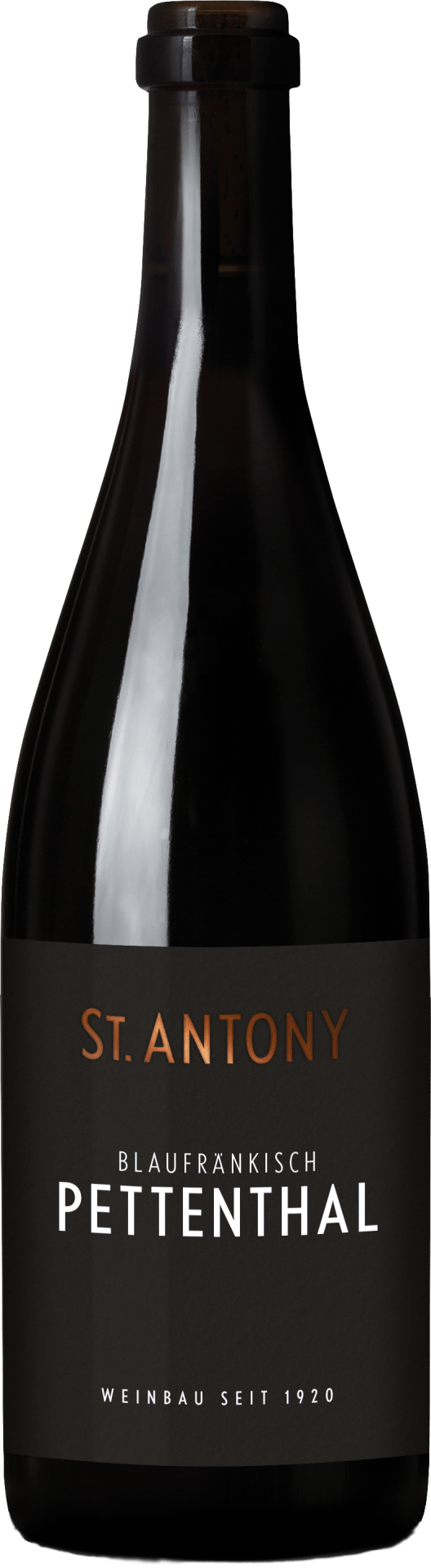
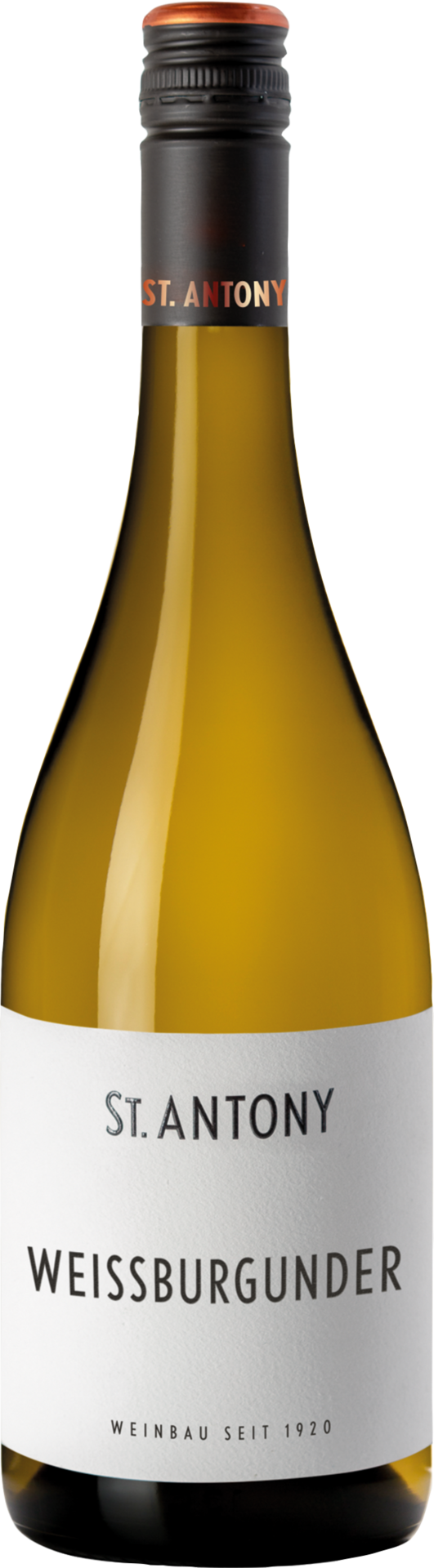
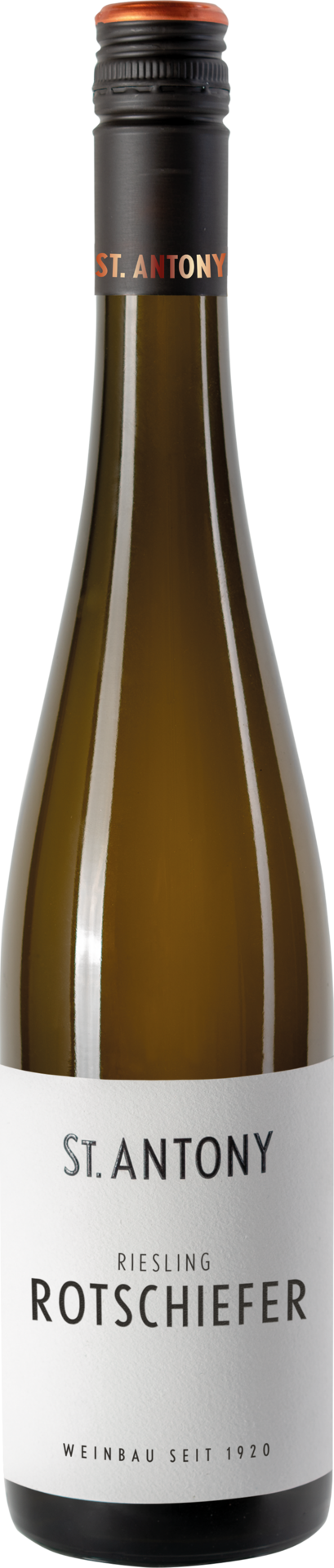
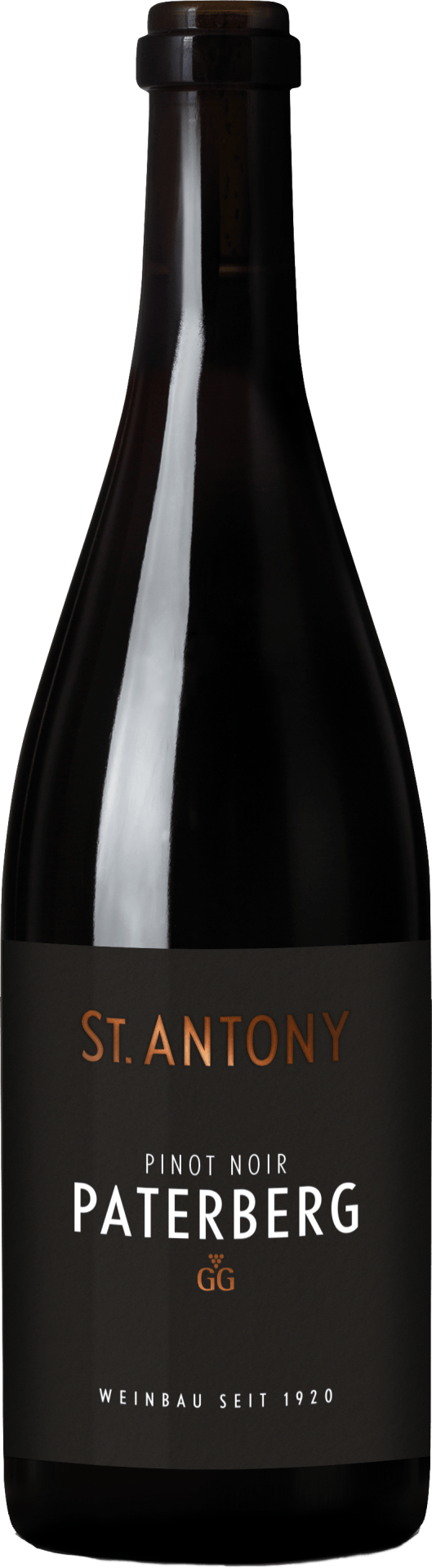
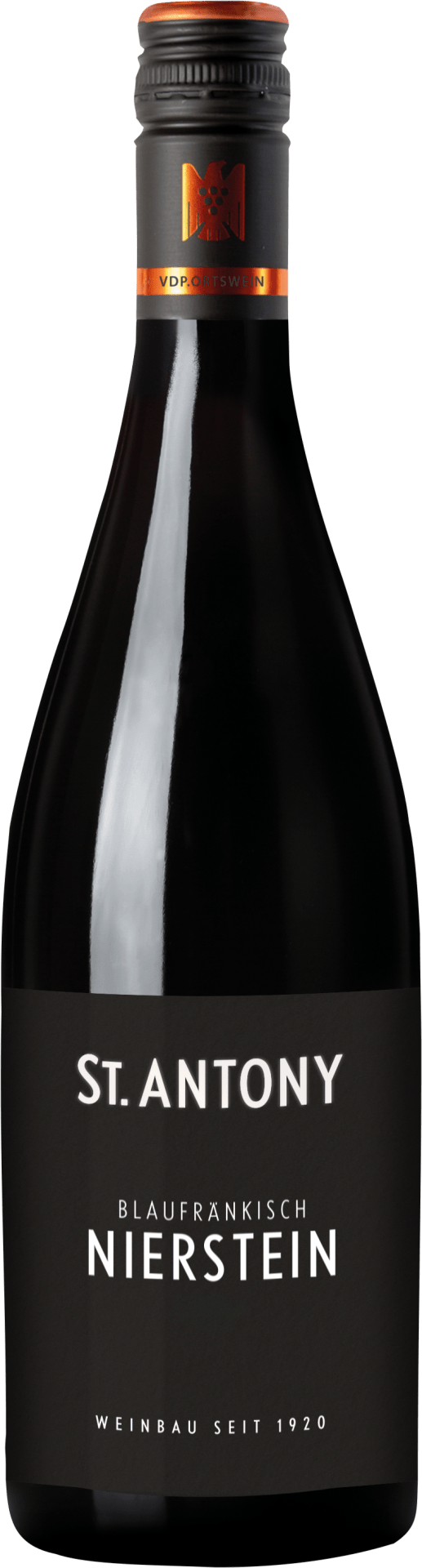
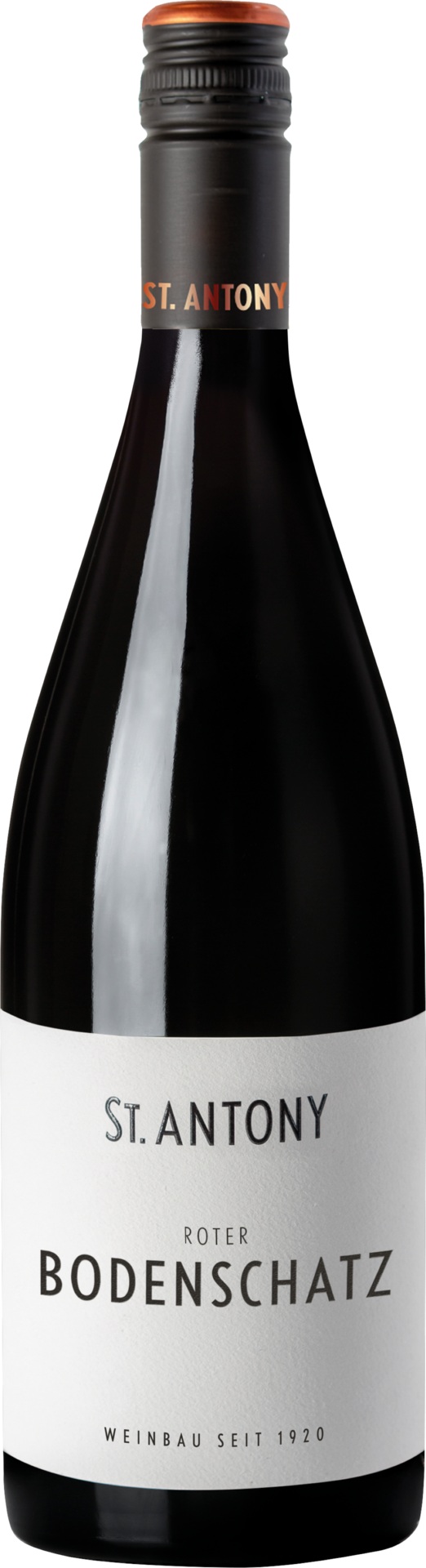
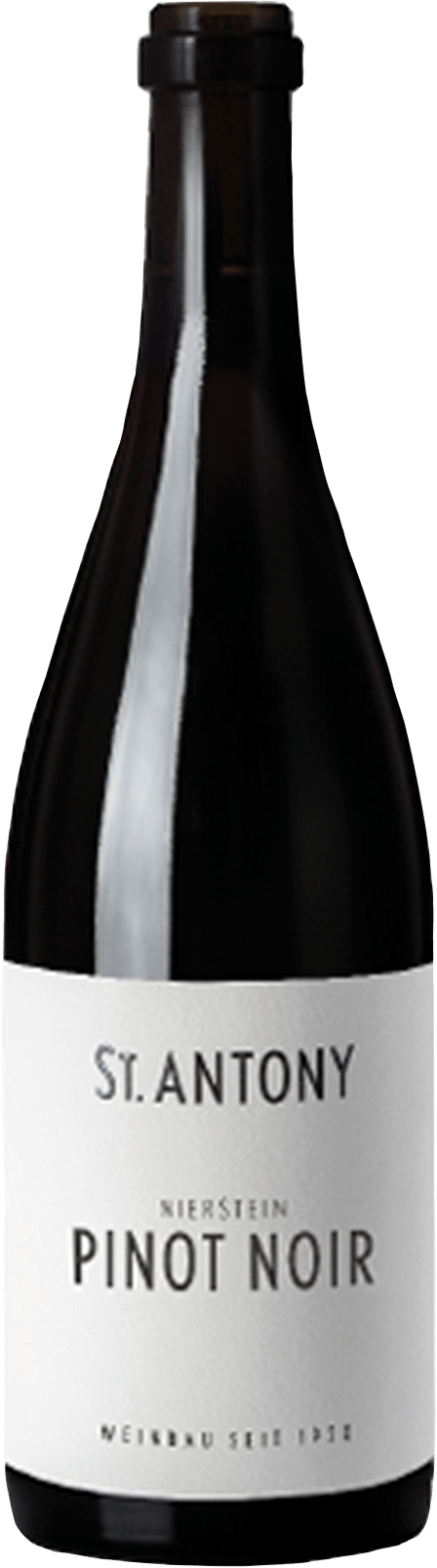
At the center of the portfolio is Riesling — especially from the Grand Cru sites of the Red Slope. The iron-rich red slate soils give the wines an unmistakable minerality: spice, salt, a firm backbone of acidity, and distinct aging potential. Pettenthal Rieslings are considered particularly characterful due to their structure and depth. In addition to Riesling, St. Antony cultivates Chardonnay, Pinot Blanc, Pinot Noir, and Blaufränkisch — the latter provides a fruity-peppery, concentrated red wine that also expresses the mineral spirit of the Red Slope in red. The range extends from the accessible estate Riesling to the Grosses Gewächs of classified VDP sites. Once you know the wines of St. Antony, you recognize the Red Slope in them — precise, terroir-driven, and with real aging potential.