From 1898 to today: A traditional winery rethought
The Dr. Köhler winery looks back on a history that began in 1898 in Bechtheim — at a time when the Wilhelminian manor house and the spacious park were still fresh and the old vaulted cellar held wine for the first time. For decades, the business was an integral part of Rheinhessen viticulture until the heirs showed no further interest in continuing it in the 2000s. What followed was not a dissolution, but a new beginning: 2006, Christian Dreißigacker, older brother of the well-known Bechtheim winemaker Jochen Dreißigacker, began working at the winery, initially as neighborhood help among winemakers — and eventually took it over completely. Since then, he has lived and worked at the Dr. Köhler winery, which he has shaped carefully but consistently according to his own ideas.
Christian Dreißigacker comes from a winemaking family in Bechtheim and grew up literally next to the winery he runs today. After classic winemaker training in Rheinhessen and the Palatinate as well as business and master courses, he was active in his parents' business from 1999. He developed a passion for Burgundy grape varieties early on — and found in Dr. Köhler the ideal framework to give it free rein.
Ecologically managed, consistently down-to-earth
As early as 2007, shortly after the takeover, Christian Dreißigacker converted the business to ecological management. In the vineyard, this means: fertilization exclusively with horse manure, no use of herbicides, targeted cover cropping between the vines to promote humus content and soil life. Only biological preparations are used for plant protection. The goal is not certification for the sake of certification, but the work in the vineyard itself.
The vineyards are distributed across the core sites Geyersberg, Rosengarten, and Hasensprung around Bechtheim. The Geyersberg — whose name goes back to medieval birds of prey and was already documented around 1500 — lies on carbonate-rich loess soils with high lime content. These soils, sometimes loess, sometimes calcareous marl, sometimes clay, provide the basis for wines with a clear origin. In the old vaulted cellar under the manor house, the wines mature slowly and protected.
Clear line: Burgundy, parcel numbers, and a system-based range
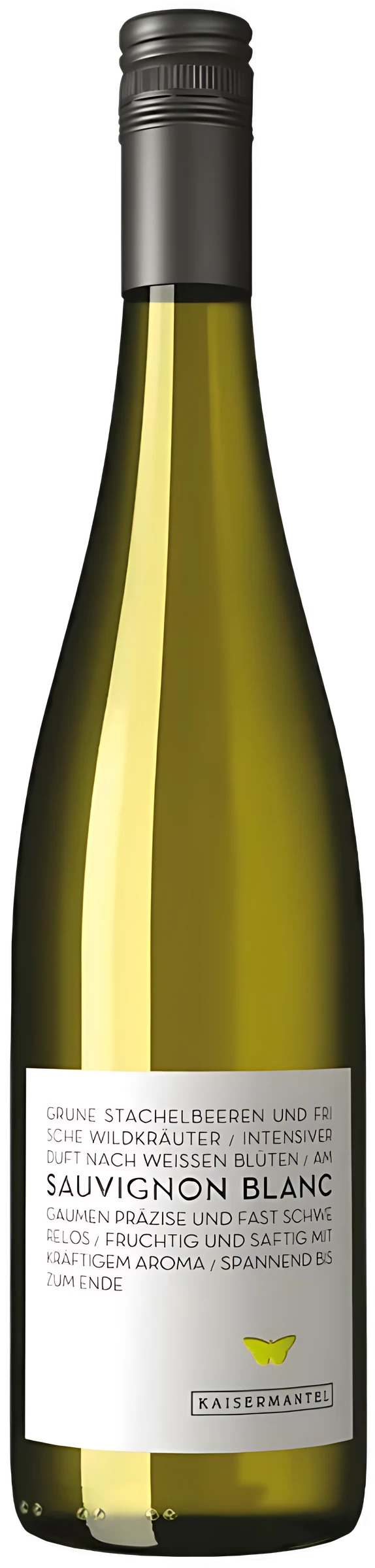
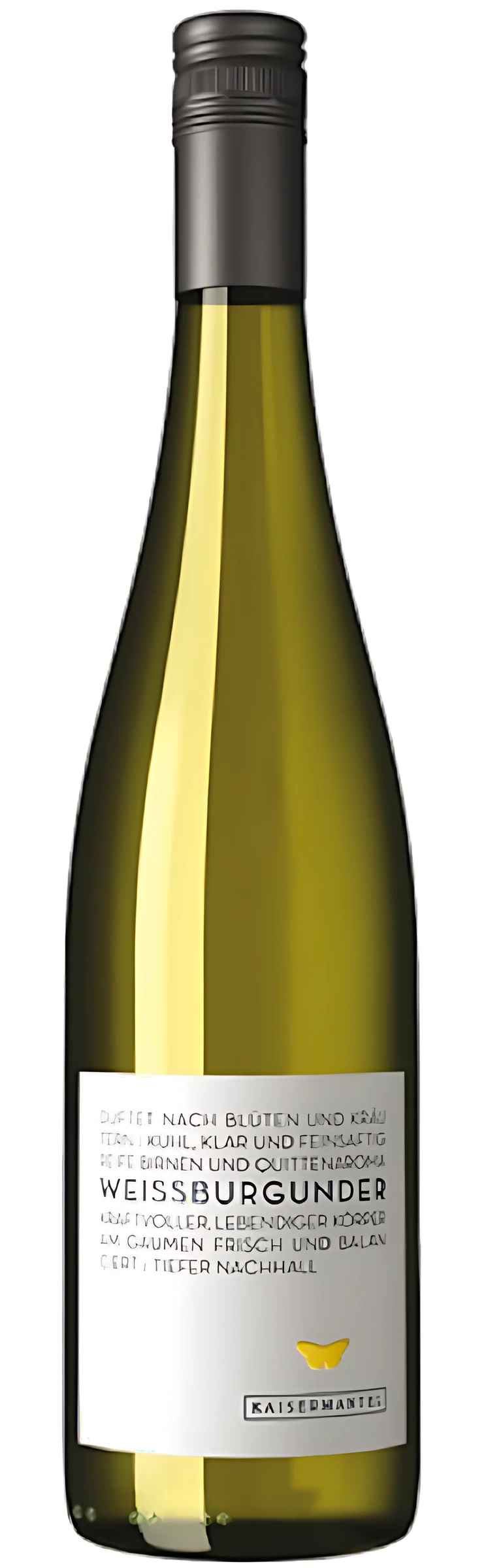
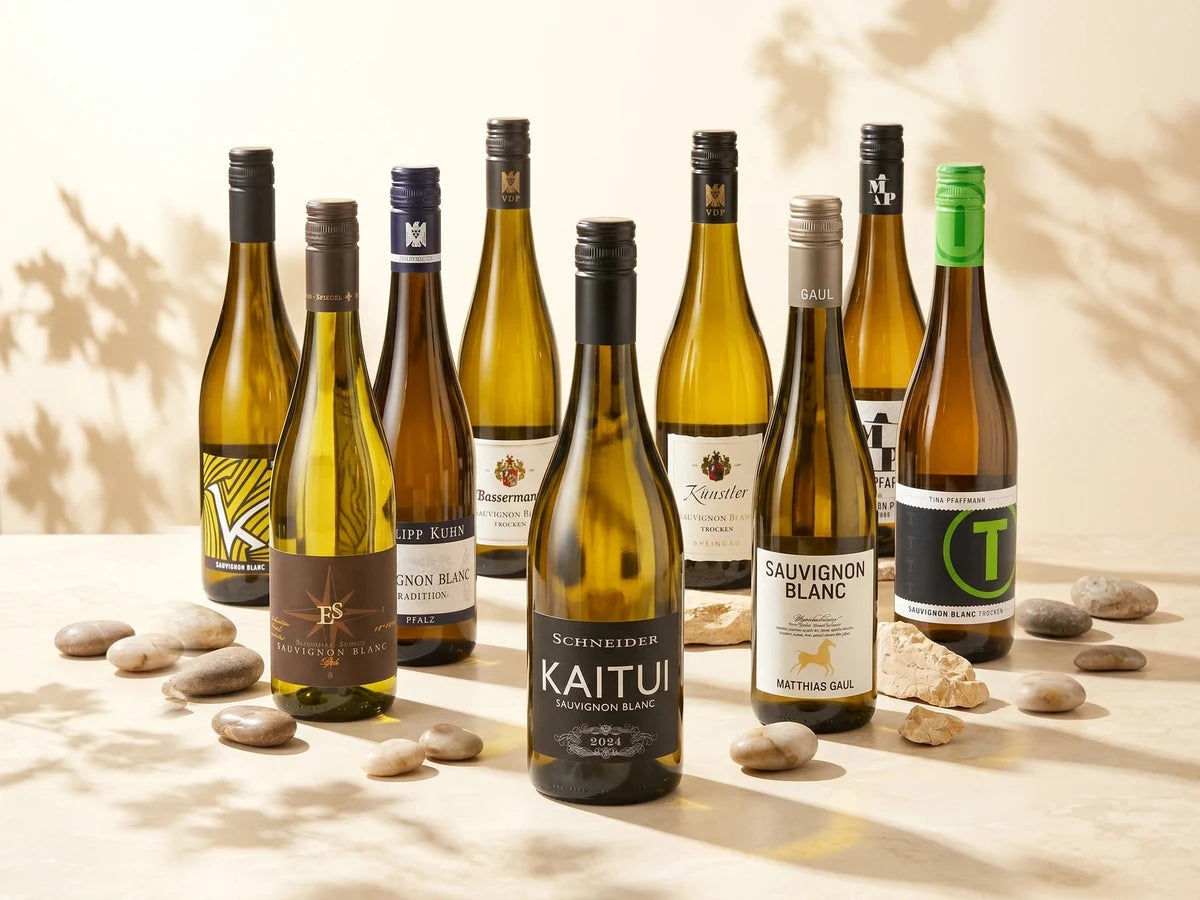
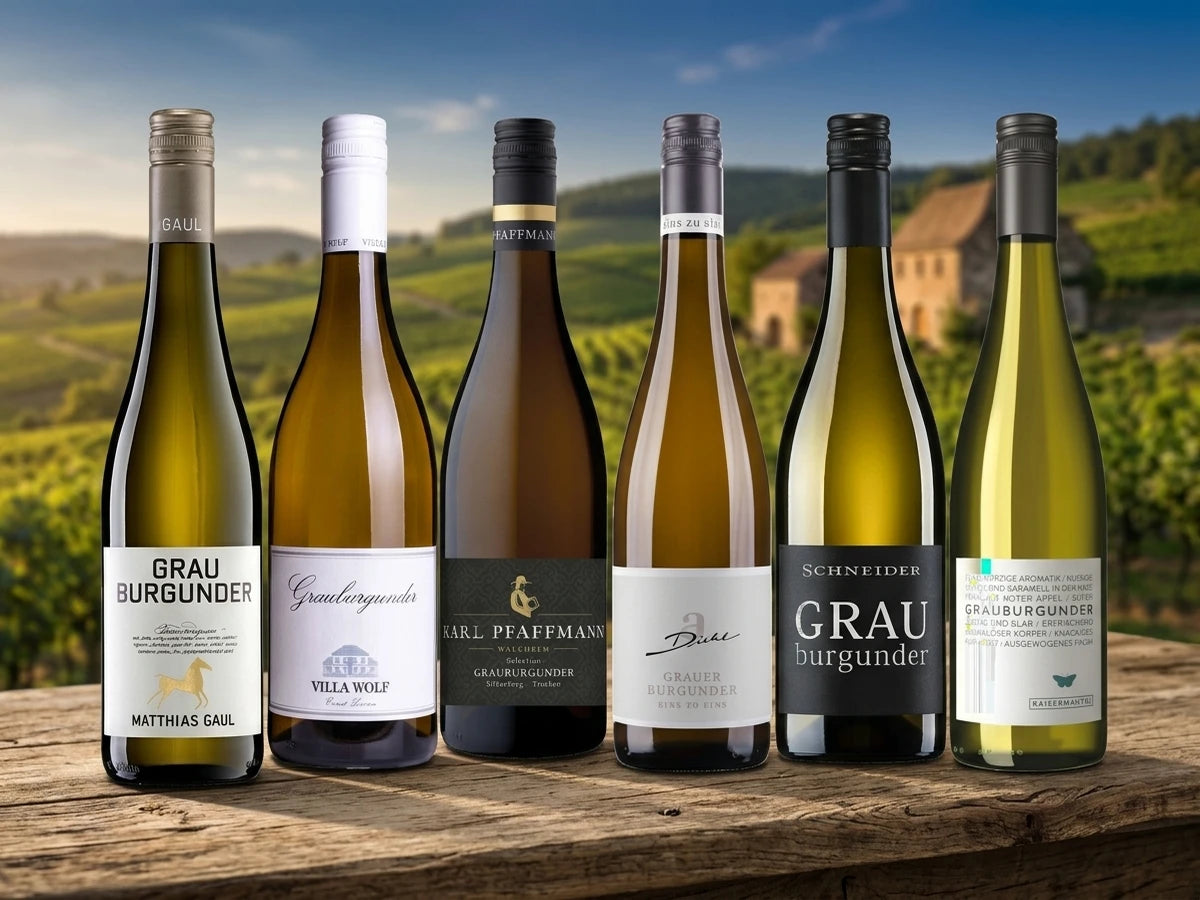
The stylistic core of the winery is the white Burgundies — Chardonnay, Grauburgunder, and Weißburgunder dominate the collection, supplemented by Riesling, Silvaner, Scheurebe, and now also a Sauvignon Blanc. The wines are fruit-driven, varietally typical, and pure — without frills, without show effects. What distinguishes Dr. Köhler from the average is the label concept: every bottle bears the five-digit number of the vine parcel from which the grapes originate. Grape variety, origin — that is all that is on it. No marketing speak, no story to distract.
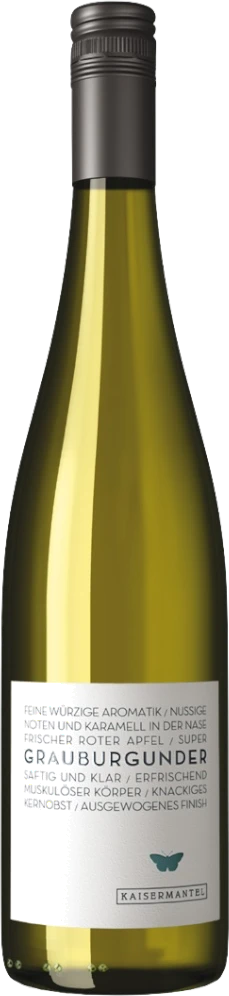
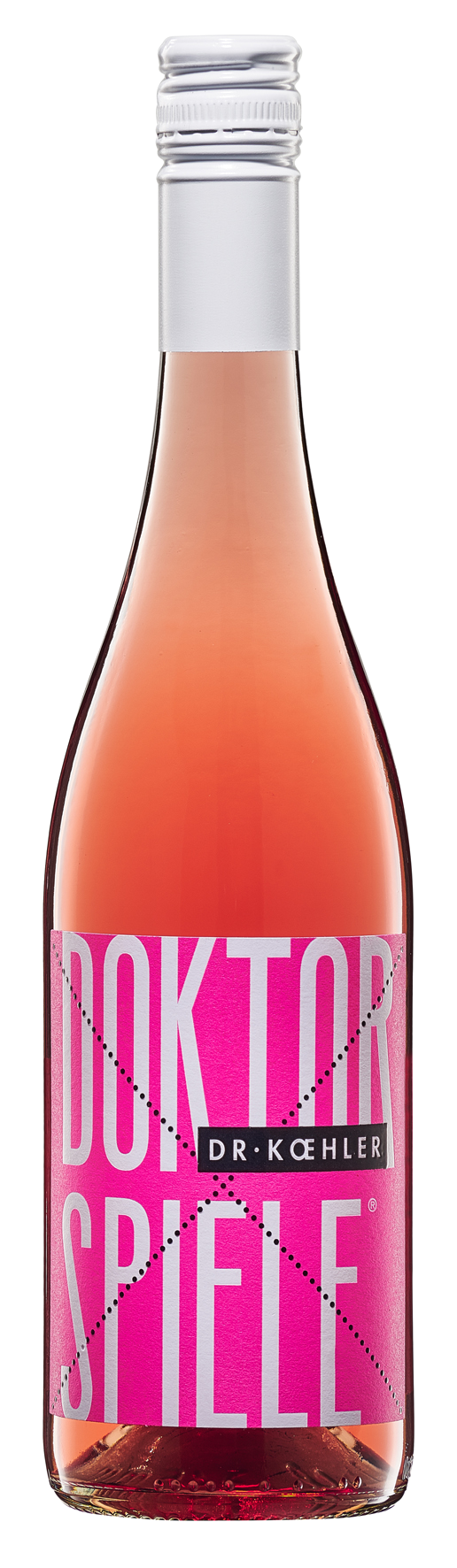
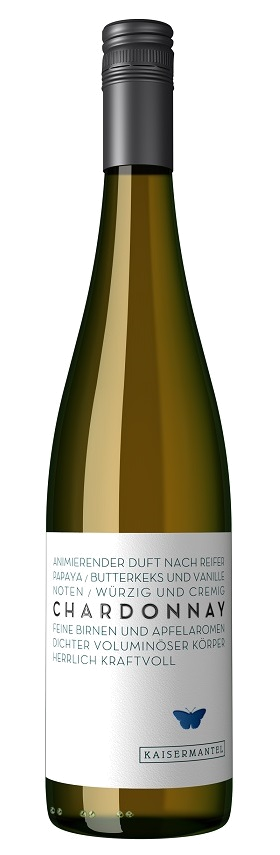
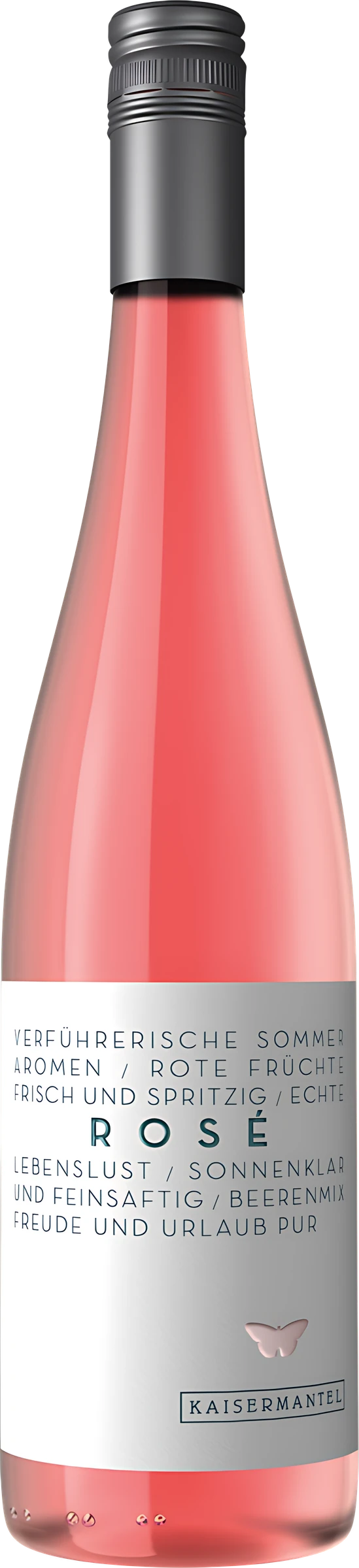
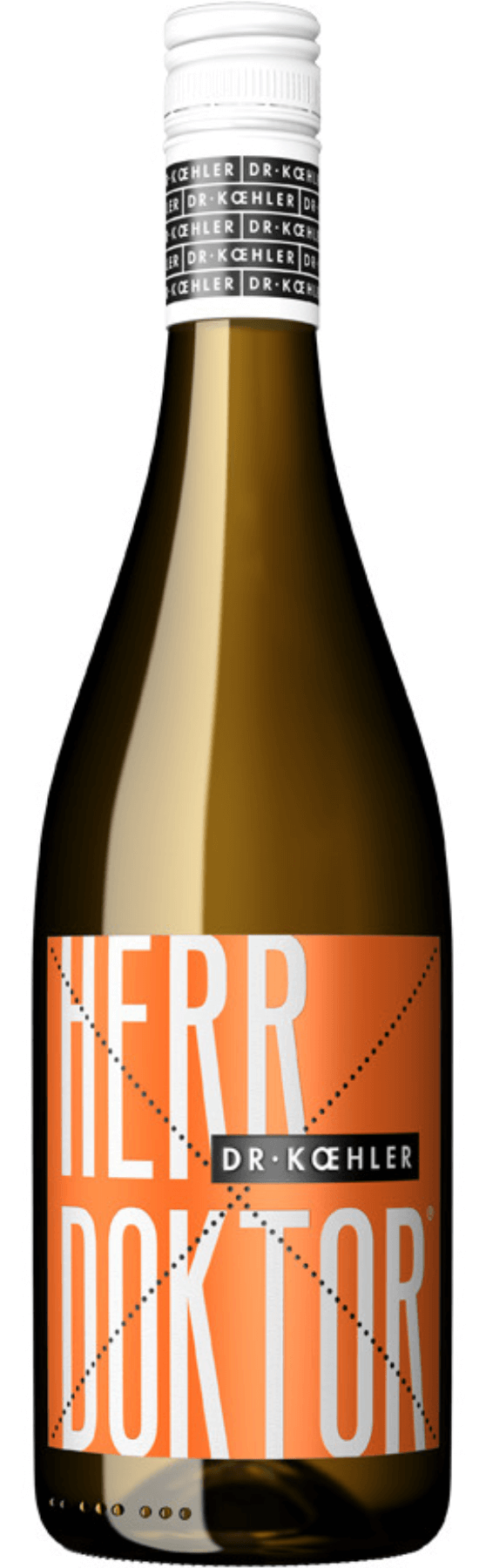
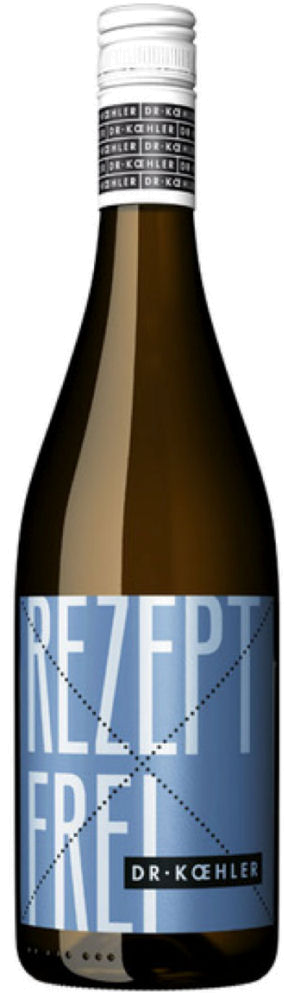
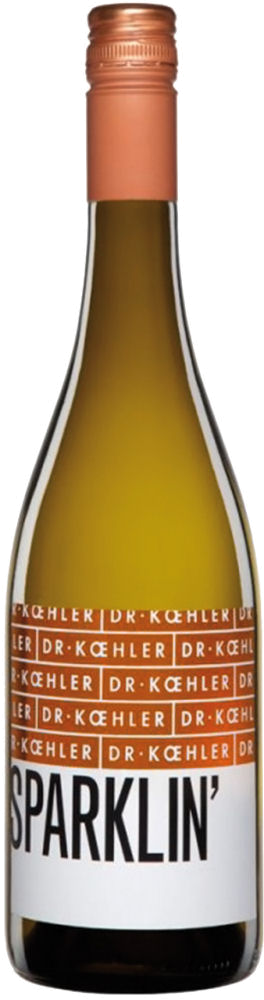
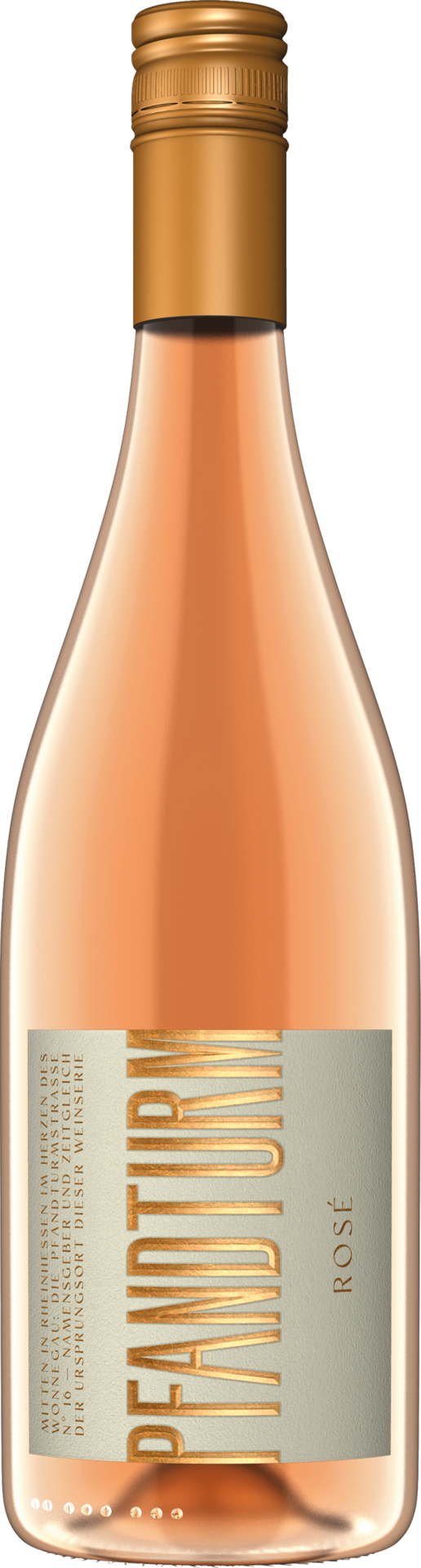
The range follows a clear hierarchy: estate wines (bronze), local wines (silver), and vineyard wines (gold) provide orientation regarding origin and aspiration. In addition, there are concept wines such as the Kaisermantel line with Chardonnay, Grauburgunder, and Rosé as well as the lighter, easy-drinking labels such as the Pfandturm Rosé, the Secco Rezeptfrei, or the Doktorspiele Cuvée — wines that do not take themselves too seriously, which is not necessary, but at the same time show where they come from.