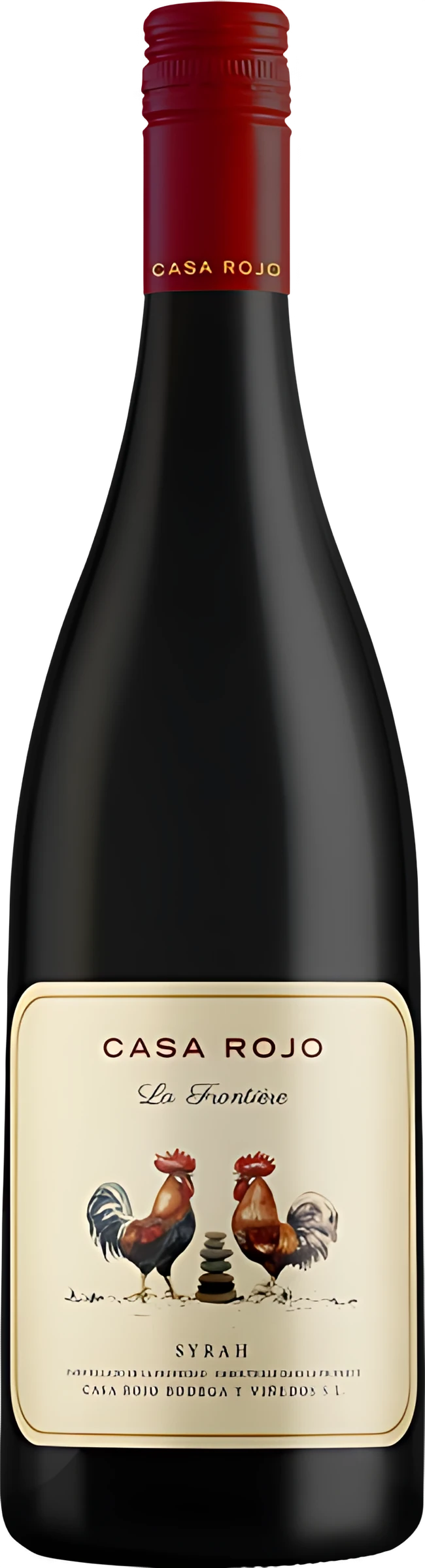
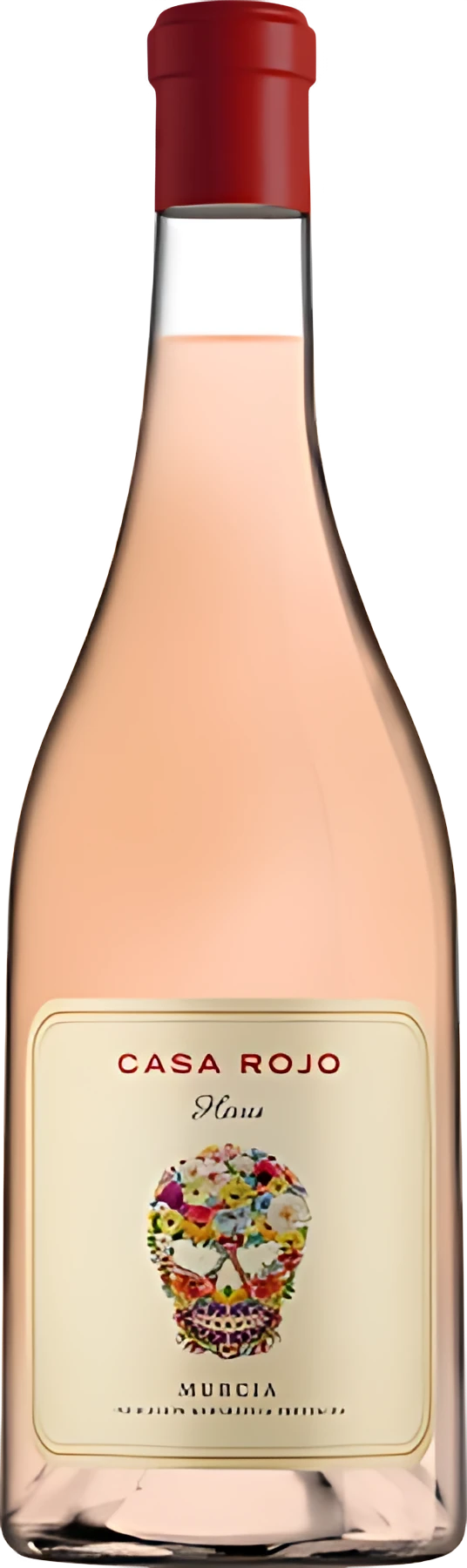
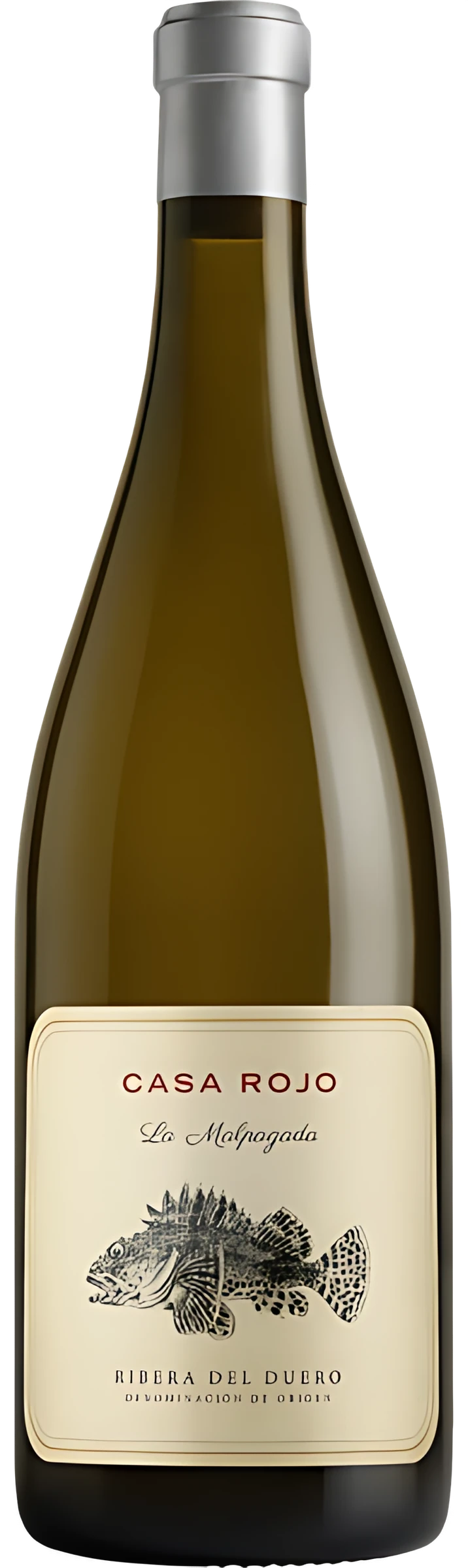
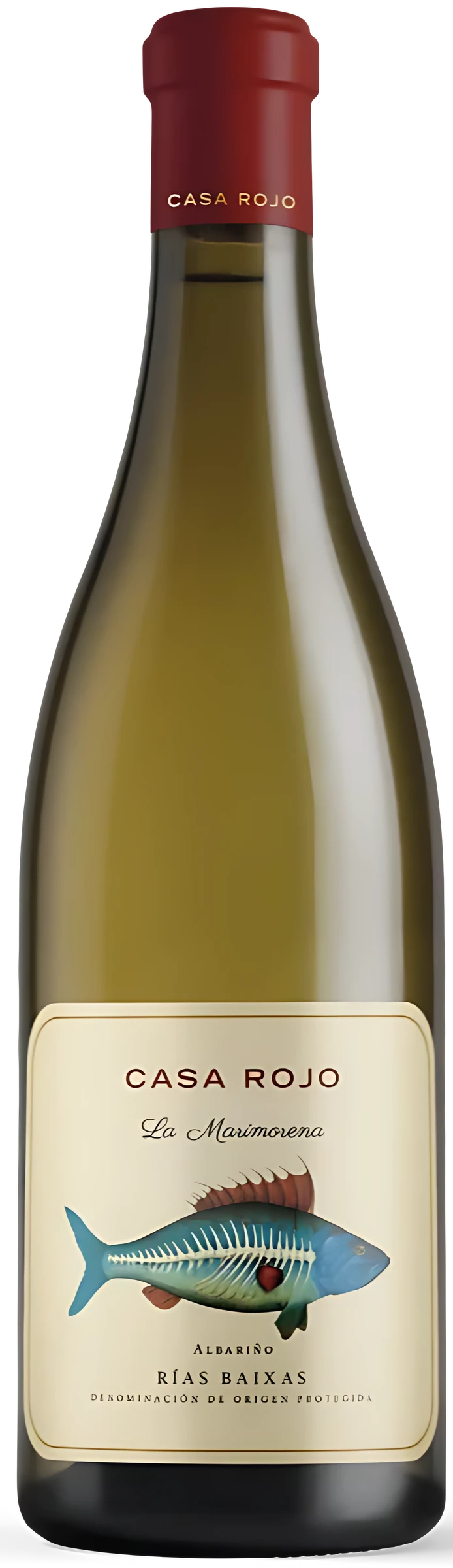
From an idea to their own vineyard: How José Luis Gómez and Laura Muñoz built Casa Rojo
Casa Rojo was born in 2009 from a dream — and without a single vineyard of its own. José Luis Gómez and Laura Muñoz, a pair of oenologists who met in Japan in 2007, wanted to make wines that honestly tell the story of their origin. They traveled through Spain's wine-growing regions, worked with local wineries, bought grapes from selected winegrowers, and bottled eight wines from indigenous grape varieties — each one a portrait of its origin. They called this wandering project the "Wine Gurus". The response was strong enough to take the next step. In 2015, Casa Rojo put down roots in Paraje de La Raja, a basin between the Sierra del Carche and the Sierra de La Pila in the Altiplano of the Murcia region — the heart of today's operation, located directly in the DO Jumilla.
From the Altiplano into the bottle: Terroir, team, and artisanal consistency
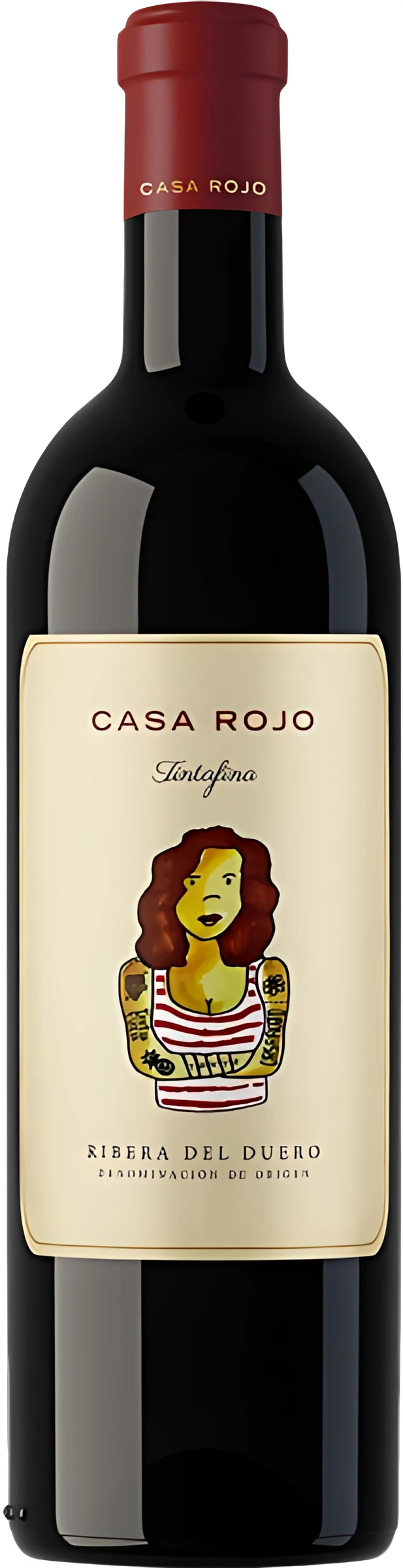
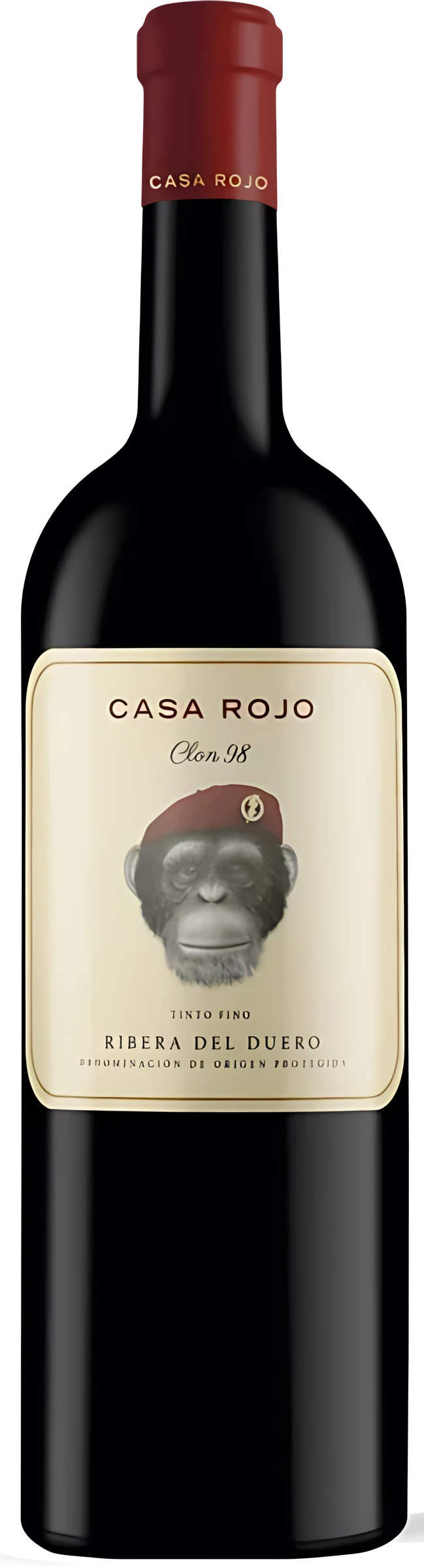
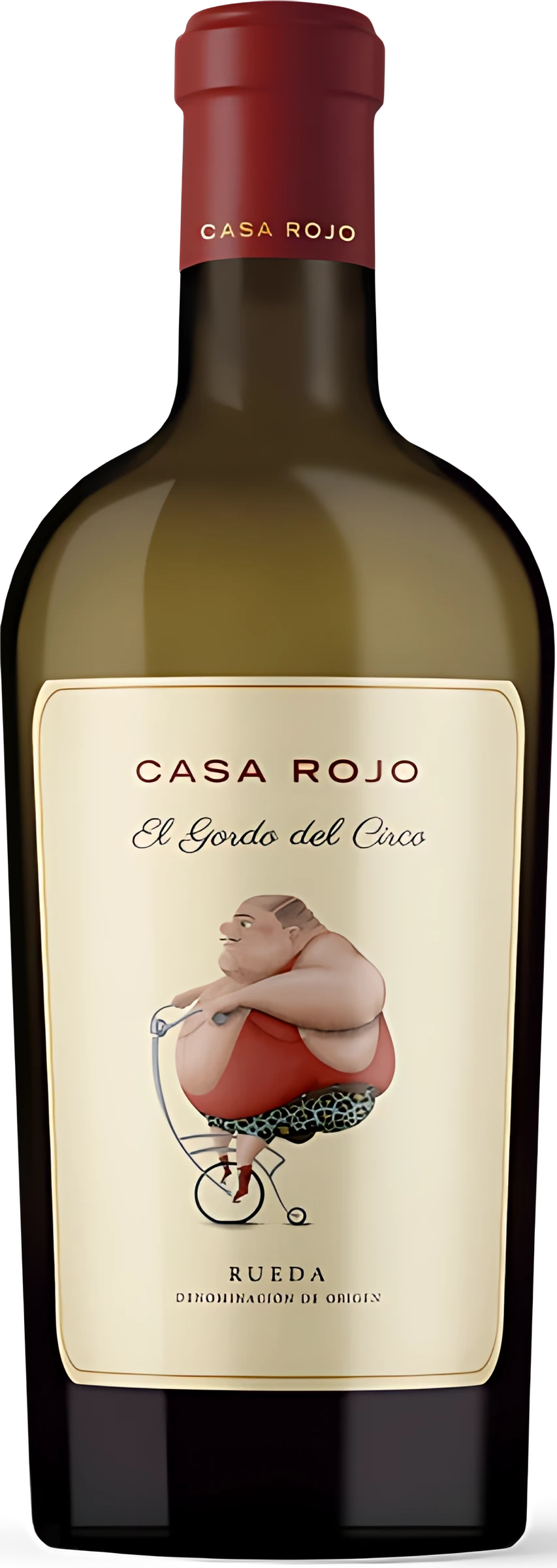
The winery in Balsapintada is now managed by a team of six oenologists, including the founders themselves as well as Alfonso Verdú, Pablo Mompeán, Ernesto Peña, and José Lorenzo Tejedor. The Paraje de La Raja location offers what Monastrell needs: nutrient-poor soils, high altitude with strong day-night temperature fluctuations, and the Mediterranean influence blowing in from the coast near Alicante. The estate's own vineyards include Monastrell, Garnacha, and Syrah. What is created in Jumilla is also vinified and bottled there — only then is it brought to Murcia for storage and distribution. The same principle applies to all other projects of the house, for example in Ribera del Duero or Rueda: aging at the place of origin, no transport of grapes across regional borders.
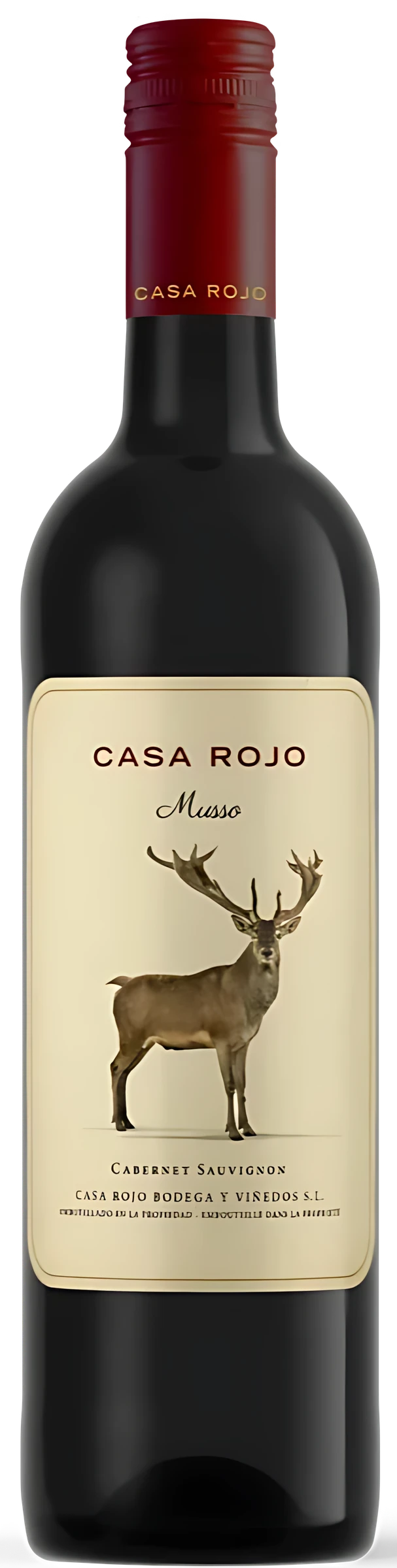
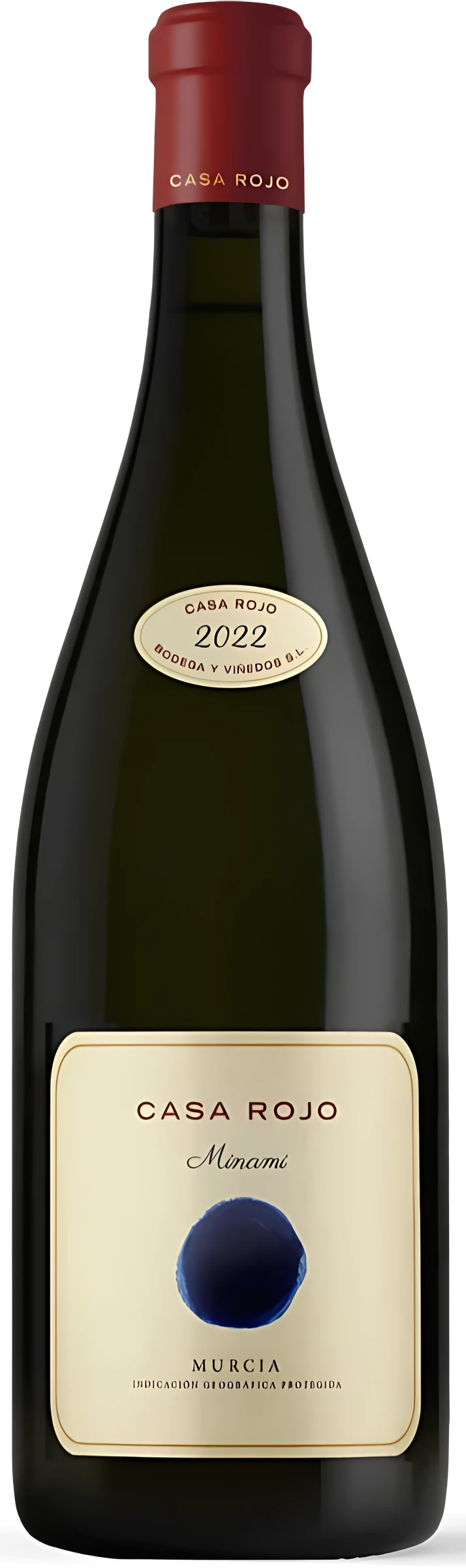
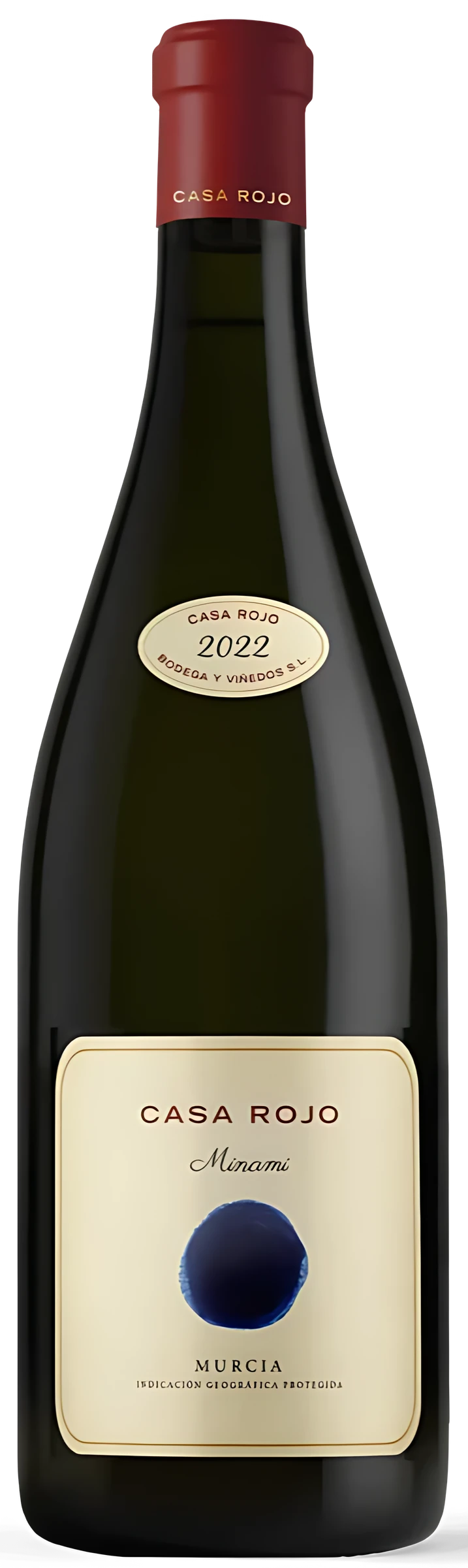
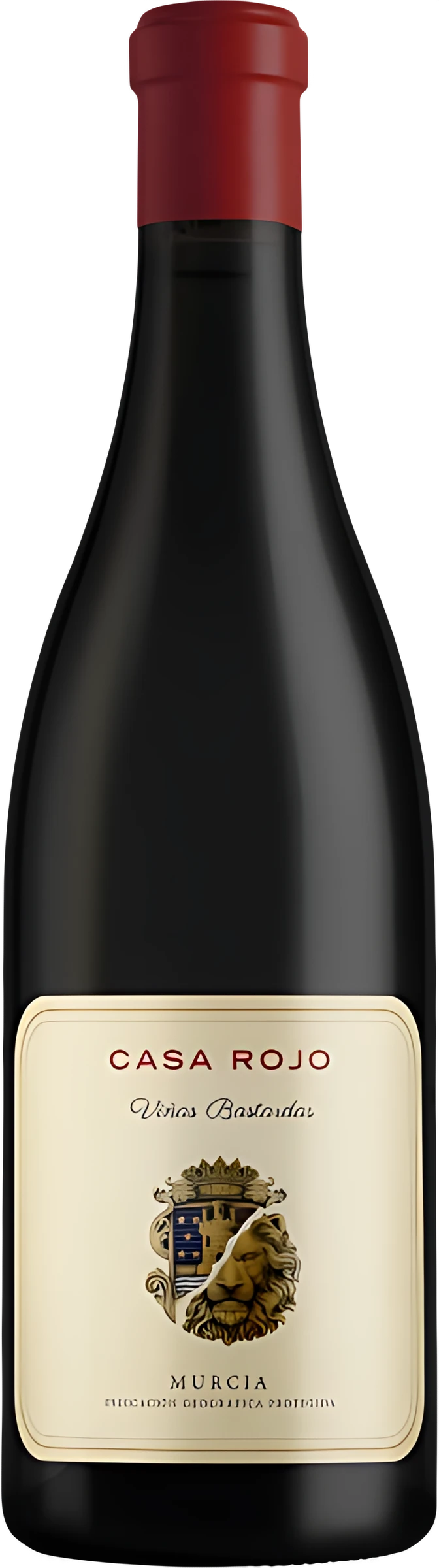
Casa Rojo consciously sees itself as a small house. No mass volume, no trading with terroir compromises. Design, oenology, and origin are equal building blocks — the labels, graphically consistent and unmistakable by nature, have long since become trademarks in Spain.
Monastrell as a mission: What defines the wines from Jumilla
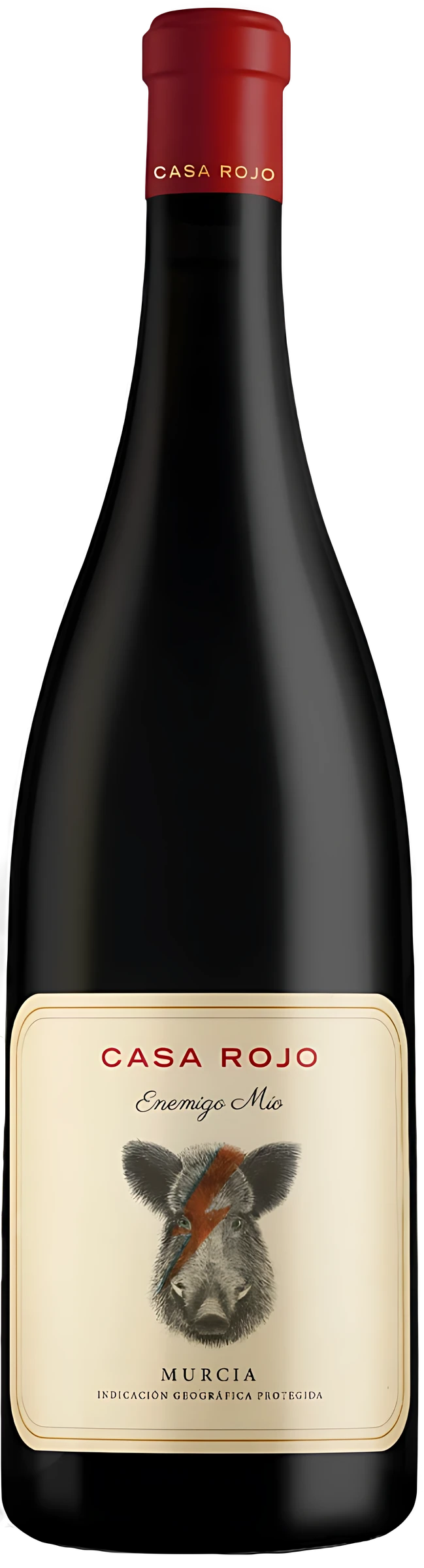
At the core of the Jumilla project is the conviction that Monastrell can do more than just body and alcohol. The oenologists at Casa Rojo rely on the location between the sierras to draw wines with structure, freshness, and length from this thick-skinned, heat-resistant grape variety. The Machoman Monastrell — the name refers to the robustness of the vine under extreme climatic conditions — is 100% Monastrell from Jumilla: aromas of red plum, cherry, rosemary, and thyme, plus a balsamic-menthol finish that reflects its origin from the wind-swept Altiplano. The Enemigo Mio is also part of the Jumilla portfolio and stands for the same artisanal approach. Beyond the Murcia project, Casa Rojo works in other Spanish DOs — from the Rías Baixas to the Ribera del Duero — always with the same premise: indigenous grape varieties, region-typical vinification, no uniform taste.