From the stonemason's hut to DO Jumilla — four generations of Gil
The story begins in 1916, when Juan Gil Jiménez — a stonemason by trade — founded a small bodega in the middle of Jumilla. What started as a family project in the heart of the city grew over four and now five generations into one of the most famous names in the Spanish wine scene. The decisive step into modernity came with Miguel Gil, the great-grandson of the founder: he decided against the wholesale trade of bulk wine and in favor of high-quality bottled wines from the best of his own plots — and had a new, technically equipped winery built in time for the 2003 harvest. Shortly thereafter, the family reorganized the company under the name Hijos de Juan Gil and thus laid the foundation for today's Grupo Viñas Familia Gil, which includes eleven bodegas in various Spanish appellations. Jumilla always remained the origin.
Dry soils, consistent viticulture — philosophy between tradition and ecology
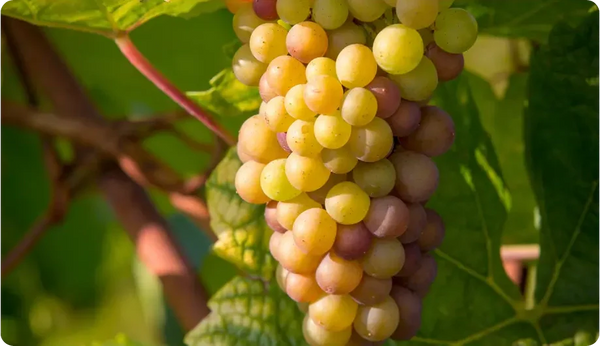
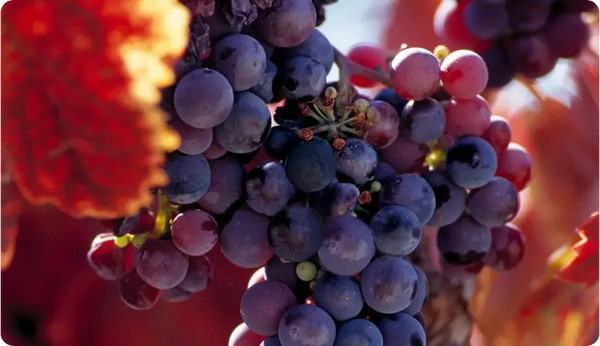
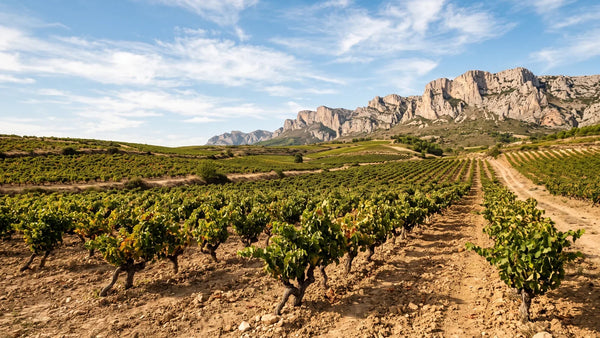
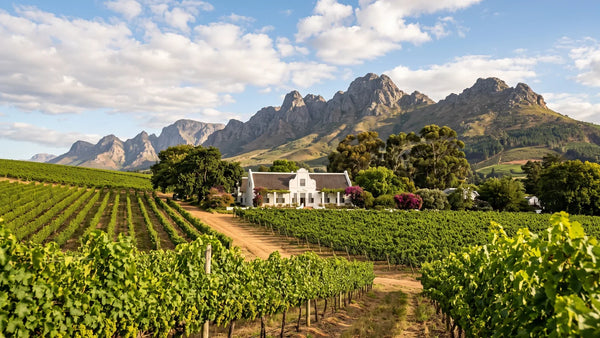
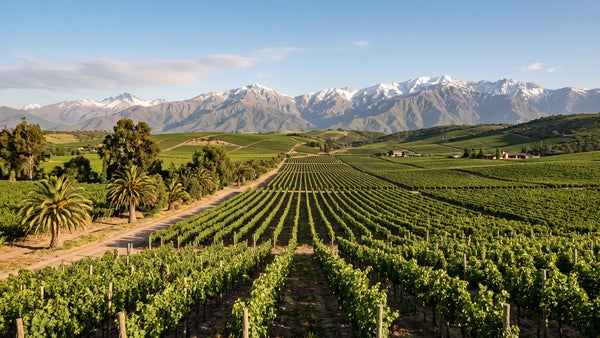
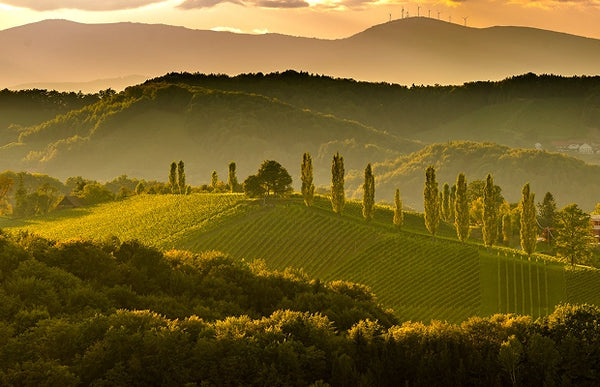
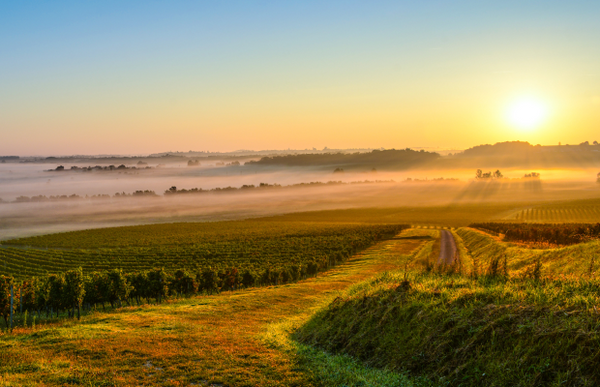
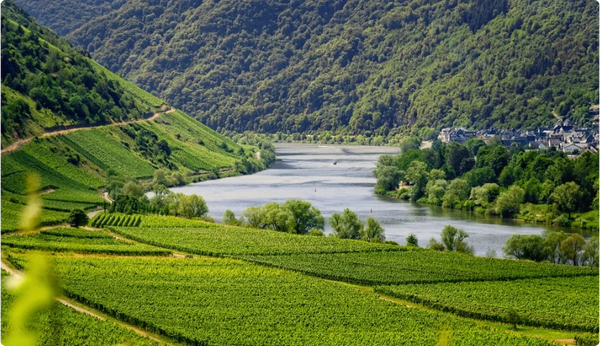
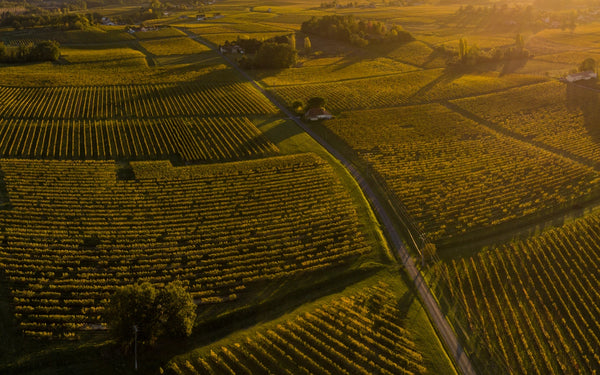
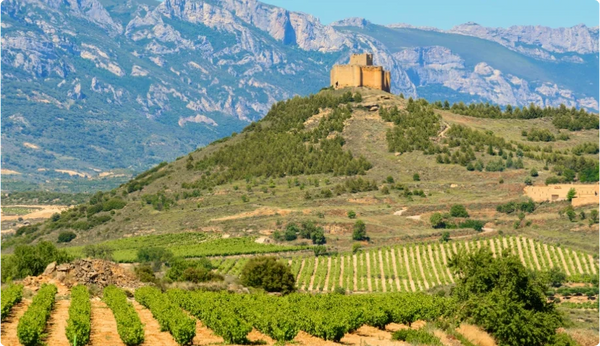
The vineyards are located on the slopes of the Sierra Peñarrubia at an altitude of 700 to 850 meters — barren, stony, calcareous and nutrient-poor. Around 750 hectares of private property, the vast majority as non-irrigated bush vines with very low yields. Almost 85 percent of the area is planted with Monastrell, supplemented by Syrah, Cabernet Sauvignon and Petit Verdot. Many plots come from 40 to 70-year-old vines from the bodega's own clonal archive.
Sustainability is not a marketing term at Juan Gil. The bodega holds the Sustainable Wineries for Climate Protection certification at the highest level and was awarded the IWCA Gold Standard at the beginning of 2023 as one of only six wineries worldwide — the internationally strictest standard for CO₂ reduction in the wine industry. Part of the vineyards are managed organically; pomace residues are processed into worm compost and returned to the soil.
Monastrell pure — dense, warm, with structure
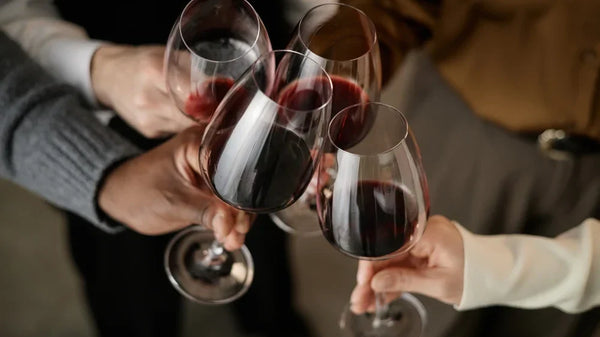
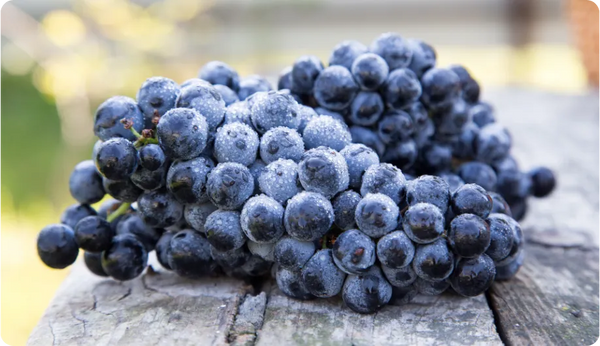
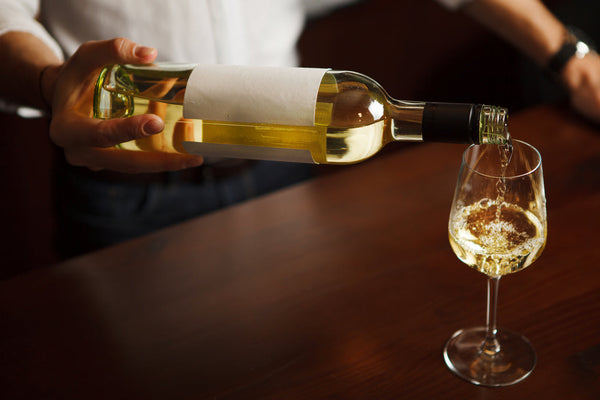
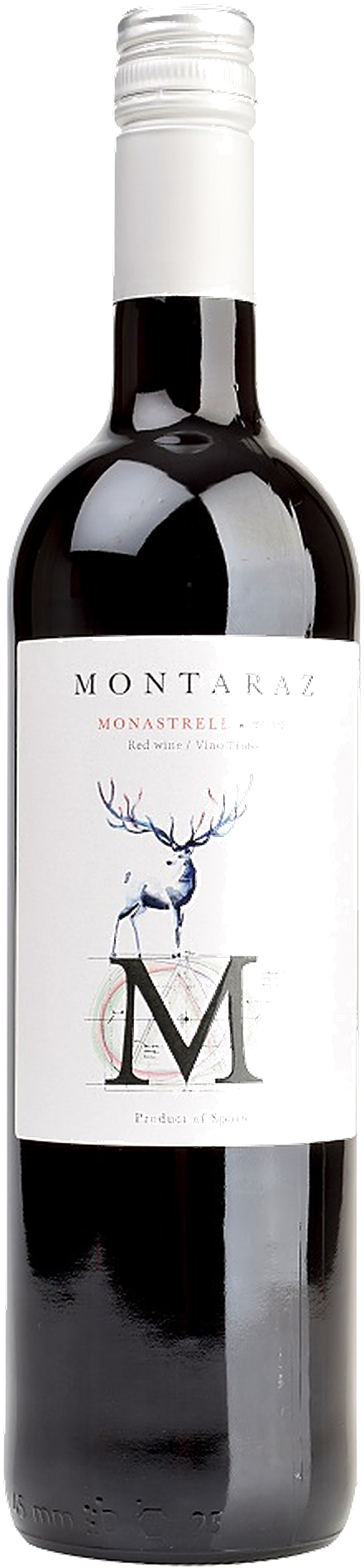
The style of the wines is unmistakable: dark fruit, Mediterranean spice, full body — but without the heaviness that older Jumilla wines sometimes had. In the glass, ripe black cherry and blackberry, licorice, cocoa and herbs appear; barrel aging in French and American oak adds vanilla and smoke without masking the fruit. The color-coded lines — from the accessible Amarilla to the aged Azul — follow the principle that barrel storage time should be transparent and readable. With the Intruso Monastrell Joven and the Montaraz, we have two faces of this bodega on the shelf: one fruit-driven and direct, the other with more depth and longer cellar contact. Serving temperature: 16–18 °C. Both wines go well with lamb from the oven, braised leg of lamb, aged Manchego or hearty stews of Murcian cuisine.