From Casa Defrà to a fourth-generation wine house
The history of Cielo e Terra begins in 1908 in the Valle del Chiampo, east of Verona. Great-grandfather Giovanni Cielo bought a small estate with a vineyard there — the Casa Defrà — in the hills of the province of Vicenza, not far from the castles known as the setting for Romeo and Juliet. What started as a modest family farm grew quickly: demand from the surrounding valleys increased, and the family expanded their business step by step. In the 1930s, Pietro Cielo, the only son who remained in Montorso, took over the business and maintained the connection to the land. The third generation took the decisive step: in 1962, Pietro's sons Giovanni, Renzo, and Piergiorgio built a modern winery in Montorso Vicentino and opened up the entire Italian market for the first time. The company has carried its current name since 1999 — the year the Cielo family entered into a partnership with the wine cooperative Cantine dei Colli Berici, thus founding Cielo e Terra. The name says it all: Cielo stands for the family, Terra for the winemakers who cultivate the land. Today, Luca and Pierpaolo Cielo run the house in the fourth generation.
Sustainability as a corporate structure, not a promise
The model behind Cielo e Terra is unusual: over 1,000 winemaker families jointly cultivate around 3,700 hectares of vineyards in the provinces of Vicenza and Verona. Each grape supplier is recorded via personal origin cards — site, variety, sugar content. At harvest time, an agronomist checks the ripeness of each parcel individually before the harvest is determined. In the cellar, the grapes are sorted by type, origin, and must weight to control the quality potential from the very beginning.
The house's sustainability strategy goes well beyond individual measures. Cielo e Terra has been B-Corp certified since 2020 — one of the few Italian wineries with this standard, which measures ecological, social, and governance performance. In 2022, it was registered as a Benefit Corporation, and in 2023, the EQUALITAS certification was added. In concrete terms, this means: 100% of energy needs from renewable sources, photovoltaic systems in the cellar buildings, FSC-certified packaging materials, lightweight glass for the majority of production, and an ongoing program to reduce water and electricity consumption. The company was also the first Italian winery to introduce the lean organization model — a method for avoiding waste in production and logistics. In 2021, Cielo e Terra acquired the Palladian Villa La Favorita with a view of the Colli Berici, which is intended to serve as a headquarters and event venue in the future.
Appassimento, Biologico, and the breadth of a modern range
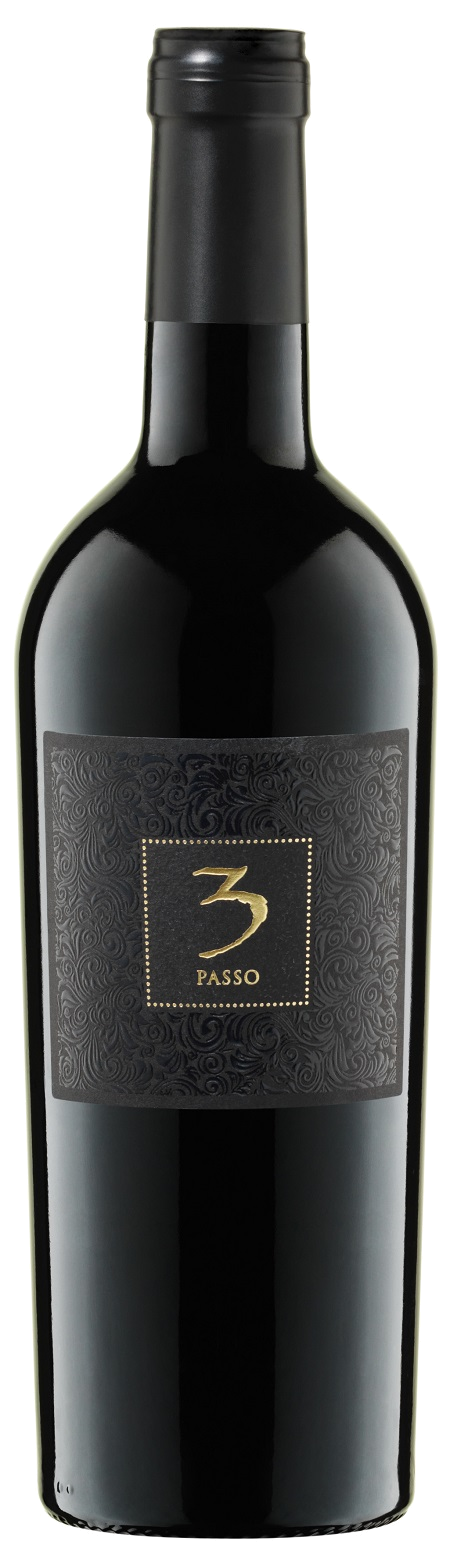
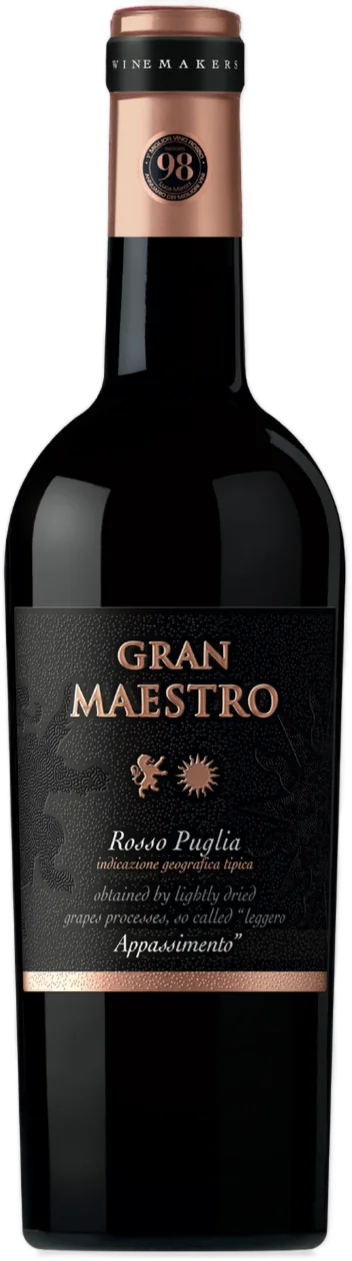
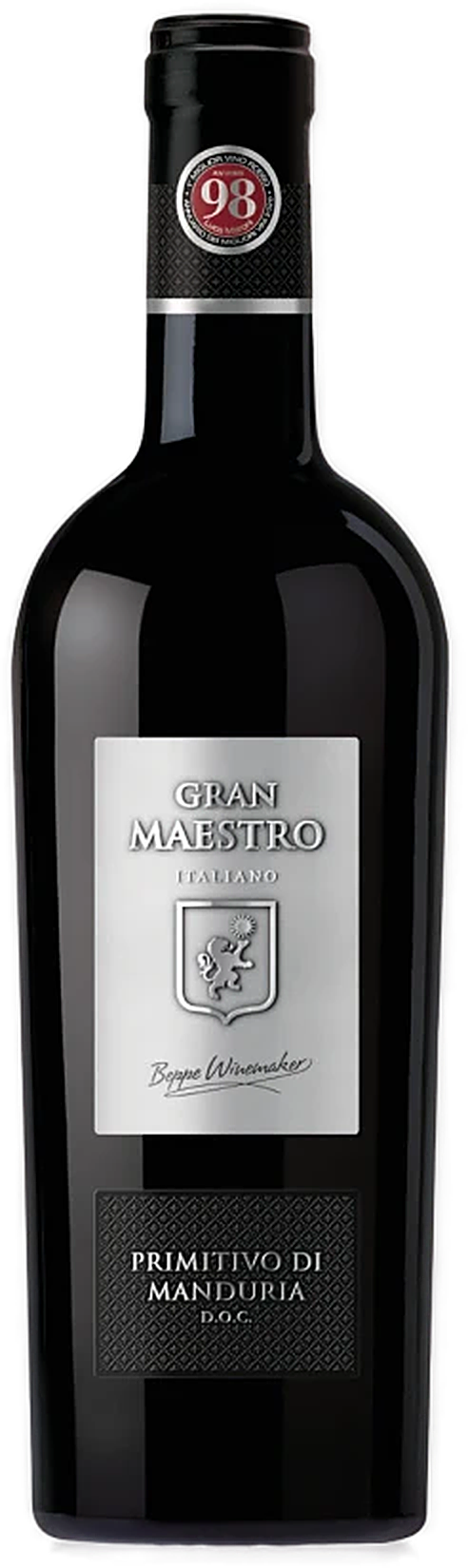
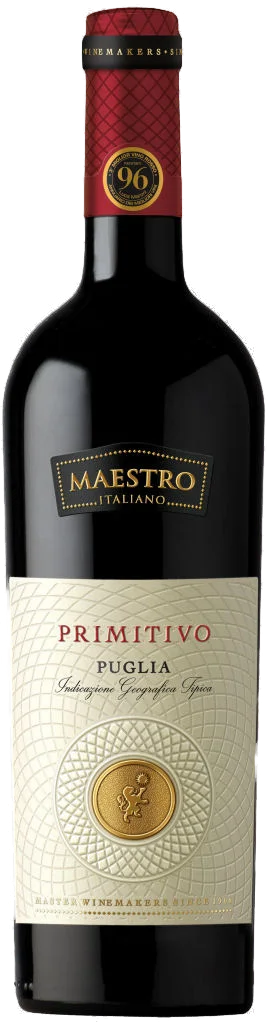
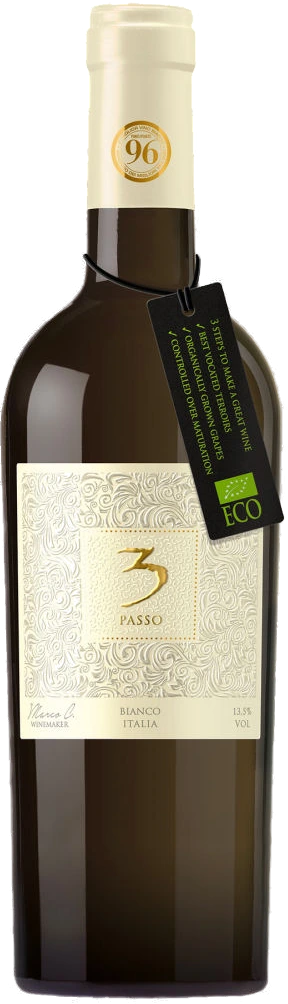
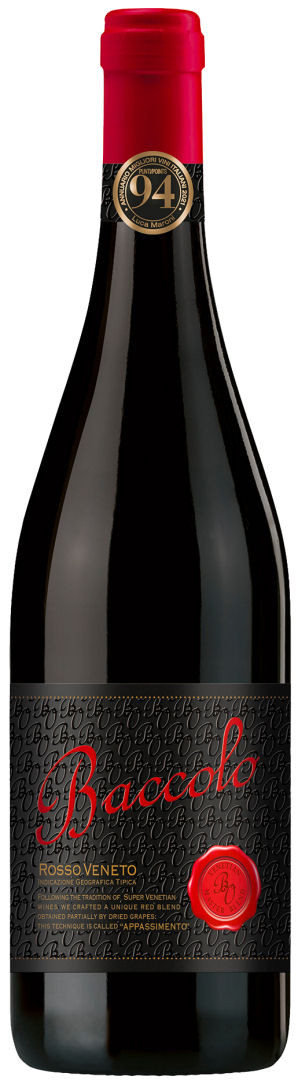
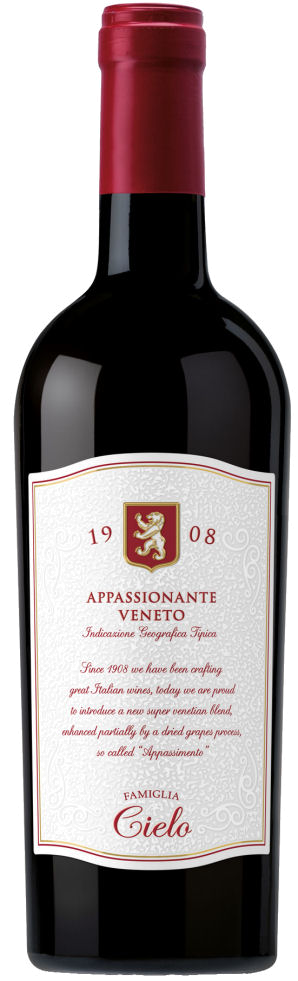
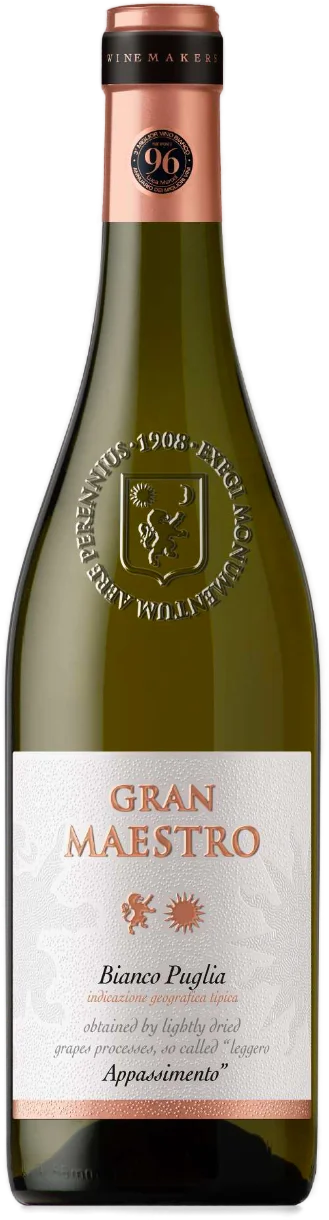
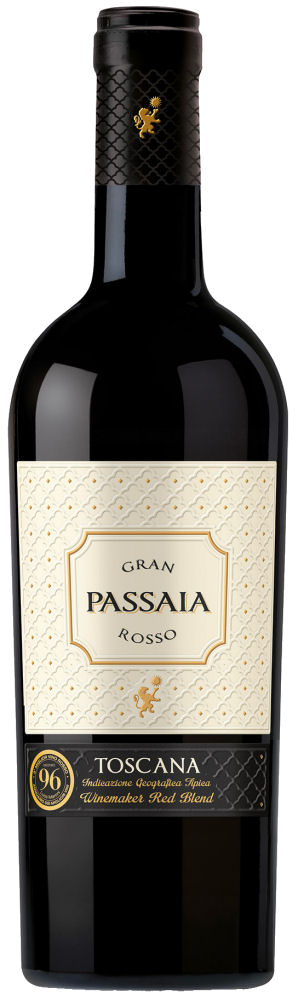
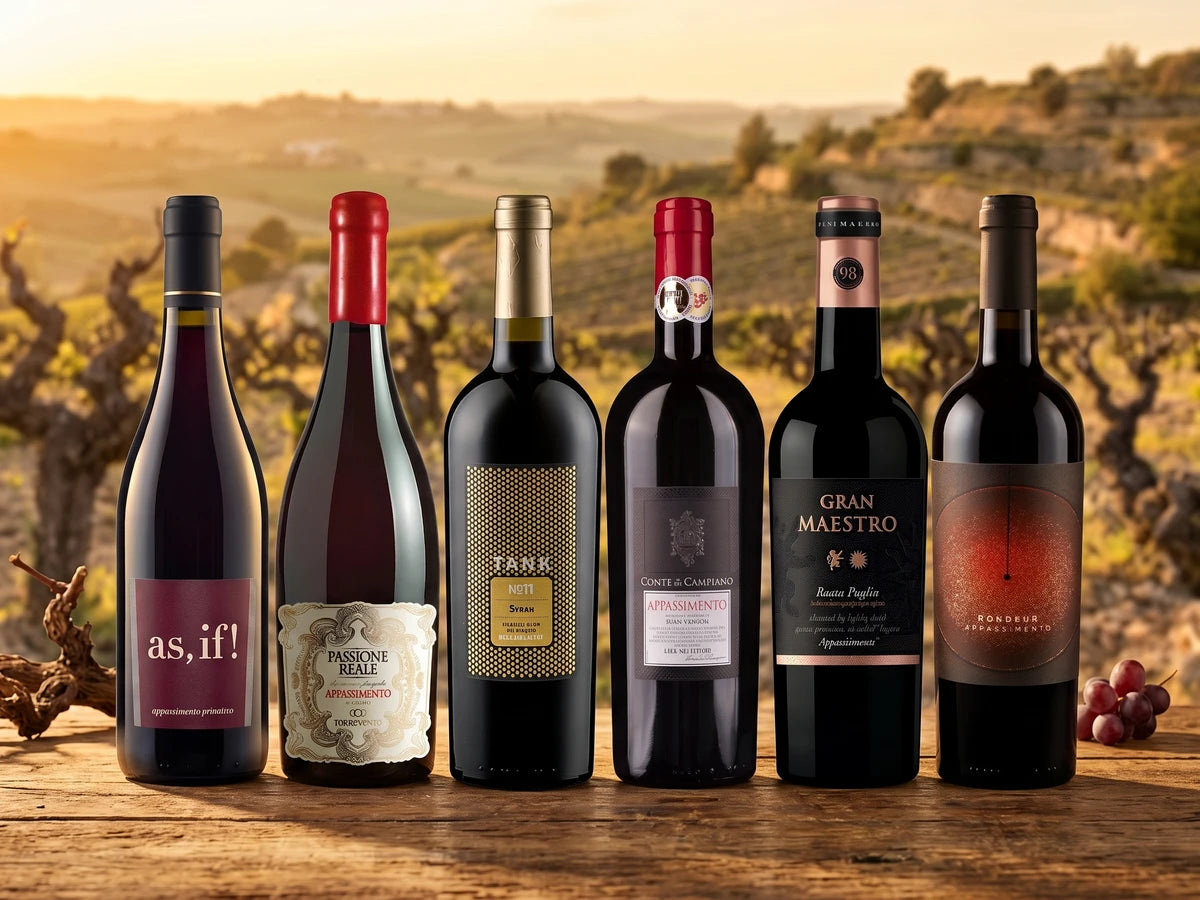
Cielo e Terra does not work with a single-vineyard approach, but with clearly defined lines for different occasions and taste profiles. The cellar technology follows a precise principle: reductive white wine production at controlled temperatures as standard, wood aging only in the top categories. In our range, you will find primarily wines from two stylistic worlds. The Appassimento line — whether as Baccolo from Puglia or as Gran Maestro — is based on dried grapes that bring more concentration, deeper fruit, and higher natural sweetness: full-bodied red wines with dark berry fruit and soft tannins, plus full-bodied white wines with aromas of dried apricot and almond. The Tre Passo Biologico line shows the other side of the house: organically grown grapes, fresher texture, drinkable structure — in both red and white. The Cielo 1908 Appassionante from the Veneto bridges the gap between both worlds: Appassimento intensity with the elegant acid structure of Venetian sites. The spectrum is rounded off by the Cielo Gran Maestro Primitivo di Manduria, which clearly reflects the Apulian origin with its characteristic warmth and plum depth.