From Venice to the heel of the boot: almost a century of the Botter family
The history of Casa Vinicola Carlo Botter began in 1928 in Fossalta di Piave, a small town about 30 kilometers northeast of Venice on the Piave River. Carlo Botter and his wife Maria opened a small wine shop there, which initially supplied wine in barrels and demijohns to restaurants and merchants in the region. The second generation achieved the decisive growth step: sons Arnaldo and Enzo Botter joined the company in the 1950s, introduced bottled wine in the 1960s, and thus laid the foundation for exports. In 1965, Botter opened up the European market, and the first step outside Europe followed in 1980. At the end of the 1990s, the third generation — Annalisa, Alessandro, and Luca Botter — took the helm and adapted the company to the requirements of a dynamic, global market. Today, Casa Vinicola Carlo Botter is one of Italy's largest wine producers and exporters.
Two locations, one standard: loyalty to origin throughout Italy
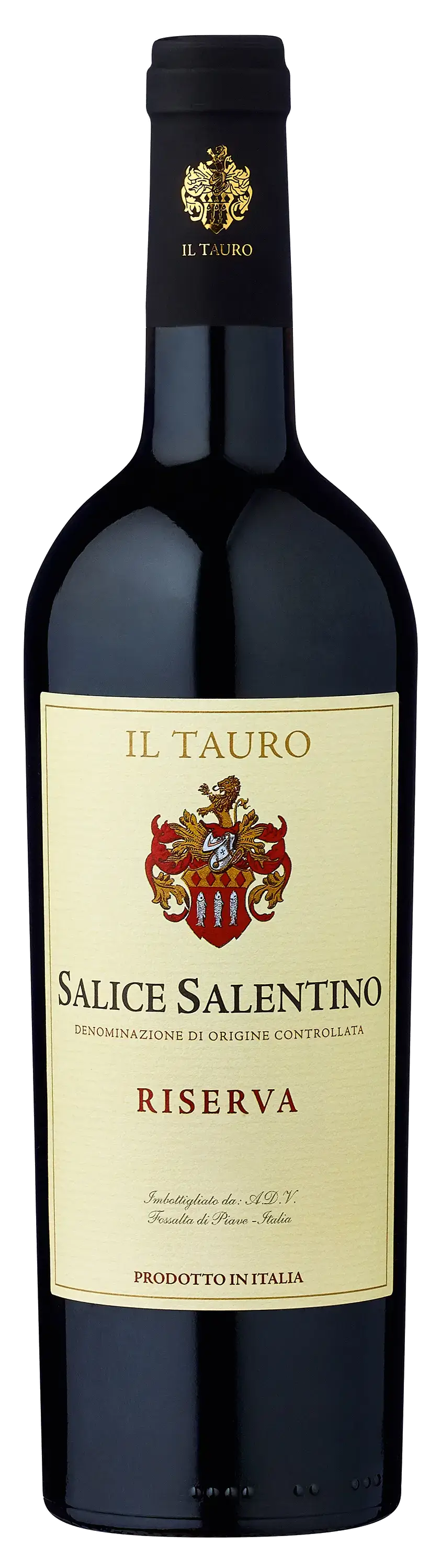
Botter pursues a decidedly multi-territorial approach: the company works with carefully selected winemakers from Veneto, Abruzzo, Campania, Puglia, and Sicily and complements these partnerships with its own estates. The La di Motte winery, named after grandmother Maria and her Friulian home, was founded in the 1970s in Motta di Livenza; its vineyards are located on the border between Veneto and Friuli. The second own location is the Masseria Doppio Passo in Salice Salentino, which was acquired in 2017 — a logical continuation of a commitment that had already begun in the 1980s with Apulian partner wineries. Today, around 1,500 hectares of vineyards in Puglia supply the house's southern Italian cuvées. The production and bottling facility in Fossalta di Piave covers 62,000 square meters, has 452 fermentation and storage tanks, and five bottling lines.
Doppio Passo and the power of the south: the range at a glance
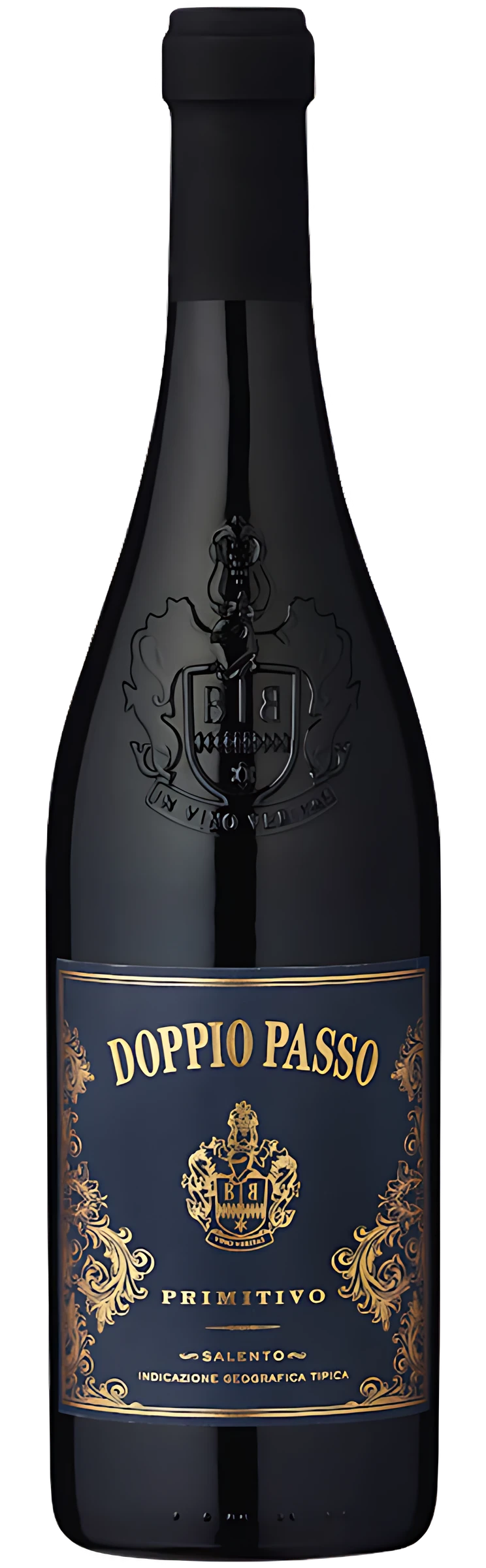
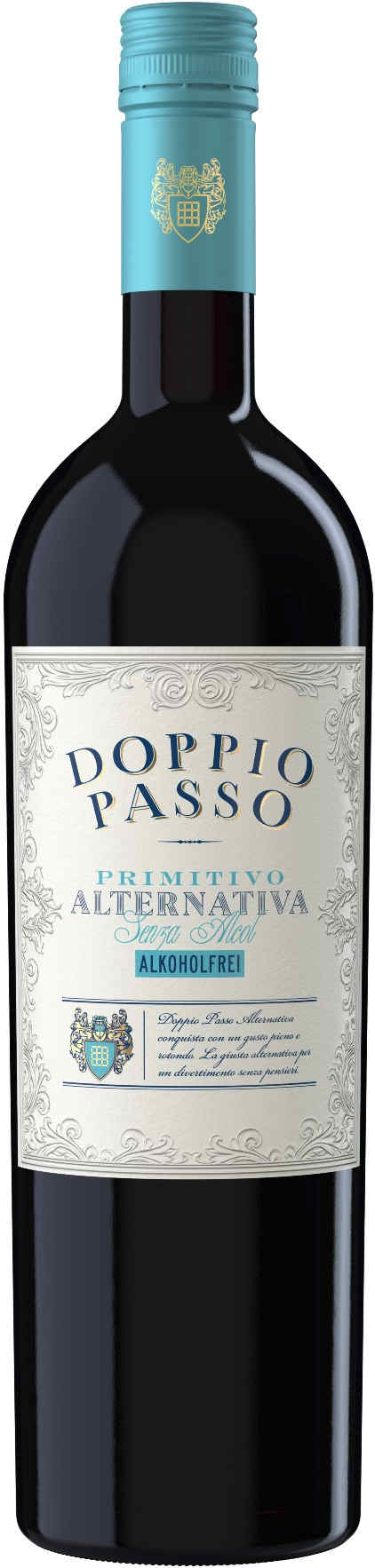
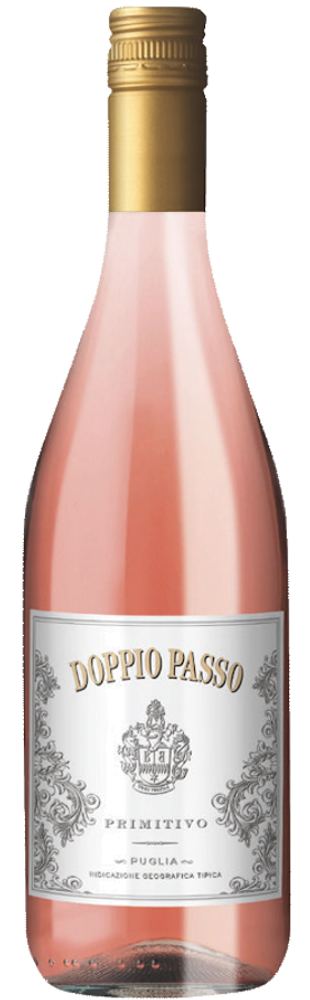
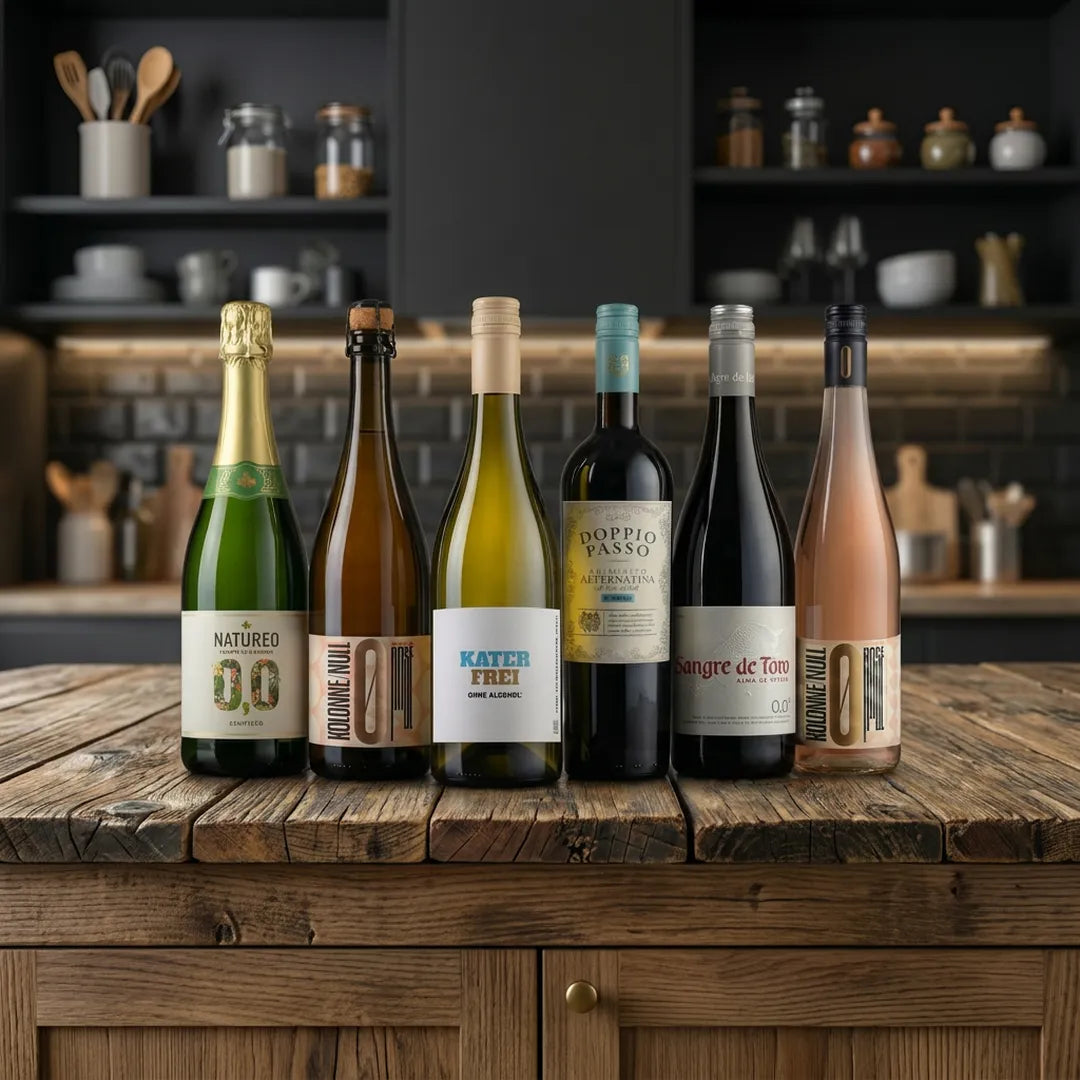
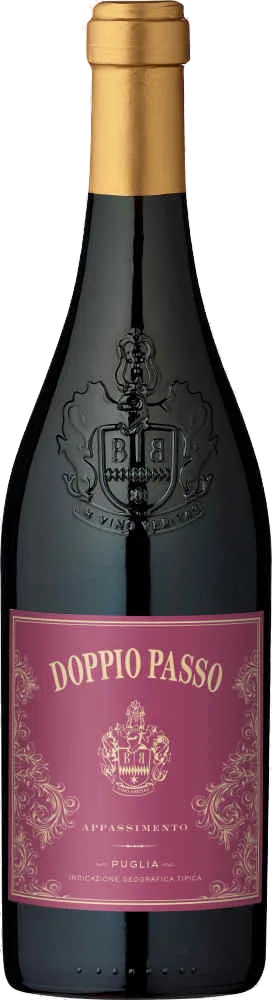
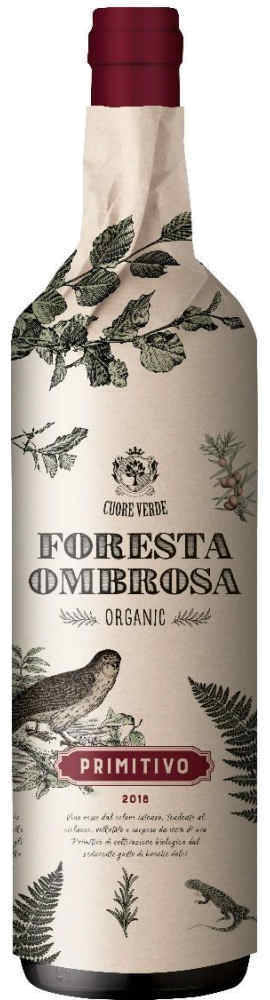
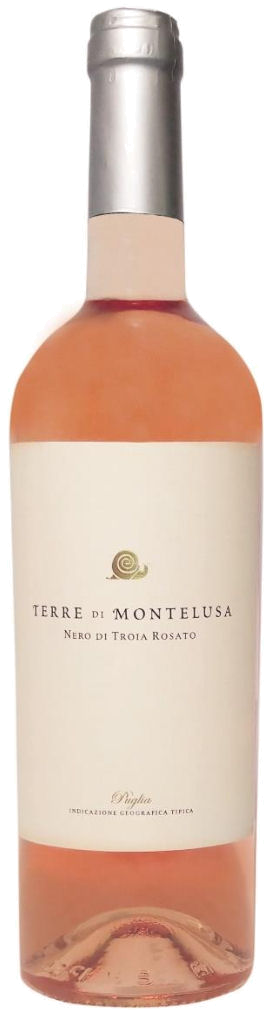
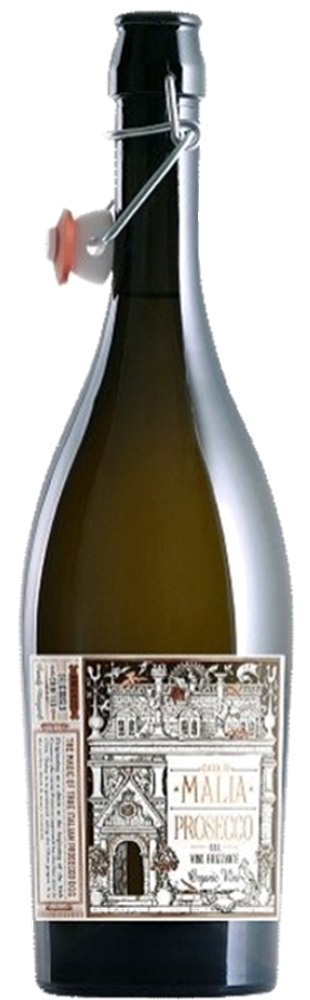
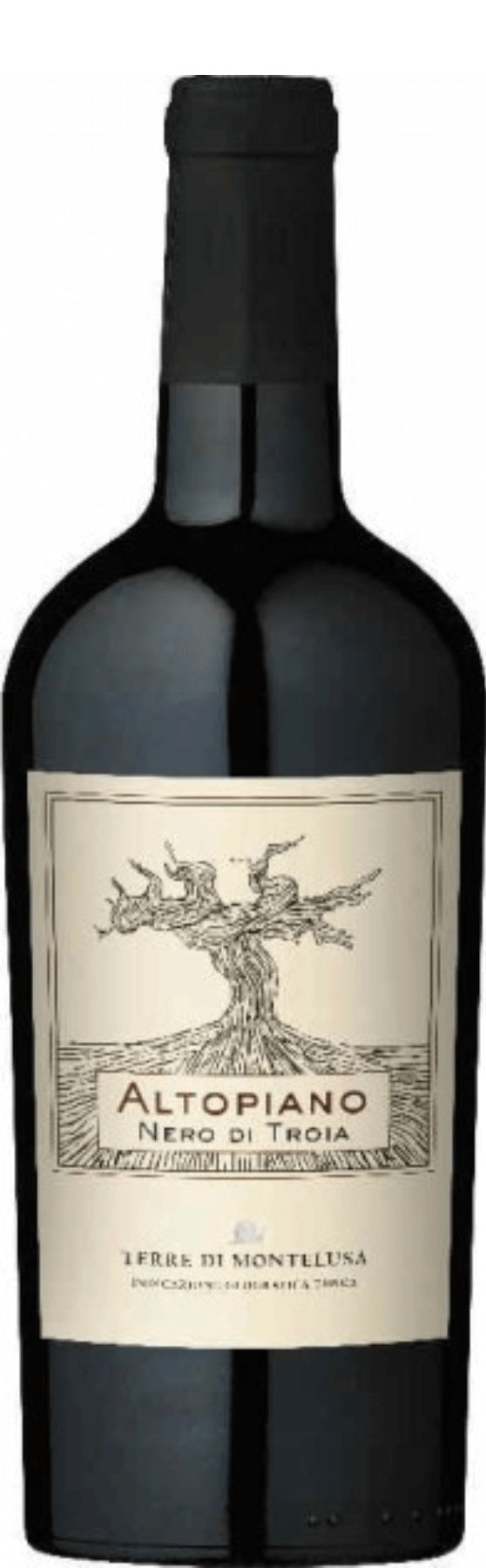
The house's best-known flagship is the Doppio Passo line — wines from Salento that are produced using the appassimento method: by partially drying the grapes before fermentation, more concentrated aromas, more body, and a soft, accessible structure are created. The Primitivo is the leading grape variety, complemented by Nero d'Avola, Negroamaro, and Malvasia Nera — all autochthonous varieties of southern Italy. In addition, a Primitivo di Manduria Riserva as well as a Rosato from Puglia and a non-alcoholic variant are on the shelf. The Casa di Malia Prosecco Frizzante DOC comes from the Venetian part of the range. For more structured red wines from Puglia, there is the Marchese di Borgosole Salice Salentino Riserva, produced from the vineyards around the Masseria in Salice Salentino. The spectrum reflects Botter's basic idea: to bundle the diversity of the Italian wine landscape — from the cool hillside locations of Veneto to the sun-drenched clay soils of Puglia — into accessible, drinkable wines.