


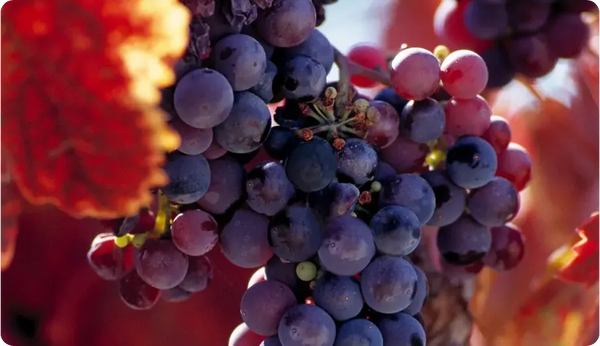






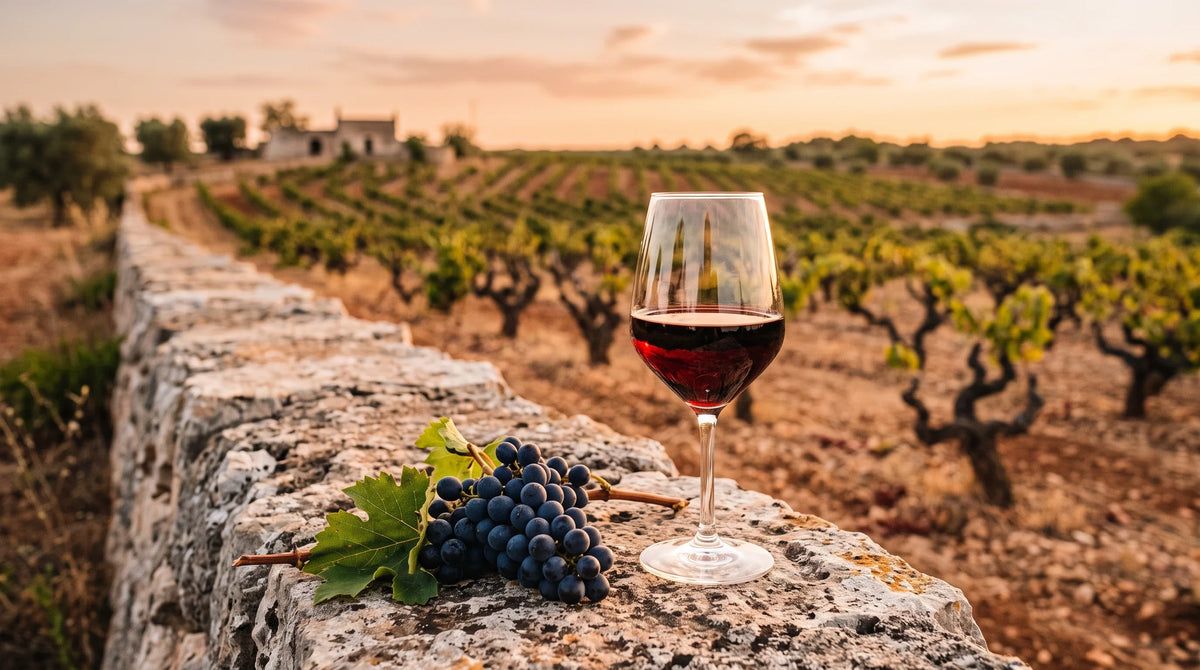
The short answer: Primitivo is Apulia's most famous red grape variety — powerful, velvety, and full of dark fruit. Its name comes from the Latin primativus ("the first"), because it ripens earlier than almost all other varieties. And: genetically, Primitivo is identical to the Californian Zinfandel.
What is Primitivo?
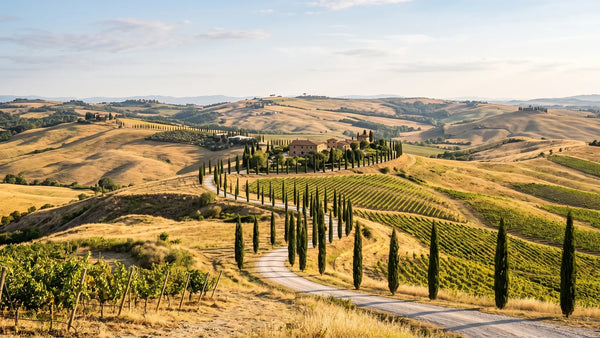
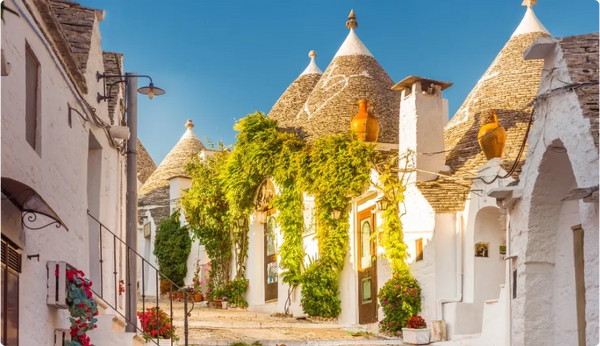
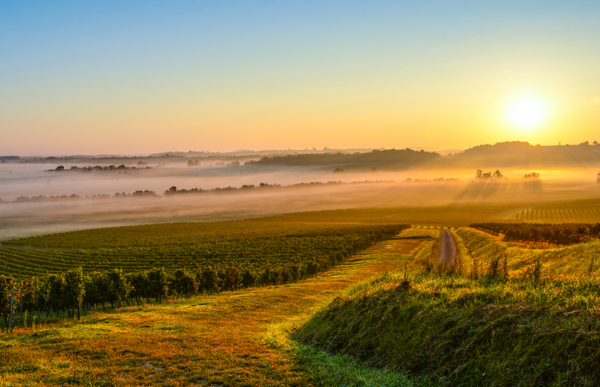
Primitivo grows primarily in Apulia, the sun-drenched heel of the Italian boot — especially on the Salento peninsula around the towns of Manduria and Sava. The hot summers and the old, bush-trained vines (Alberello) yield small, sugar-rich berries: the basis for concentrated, full-bodied red wines that often naturally reach 14% ABV and more.
How does Primitivo taste?
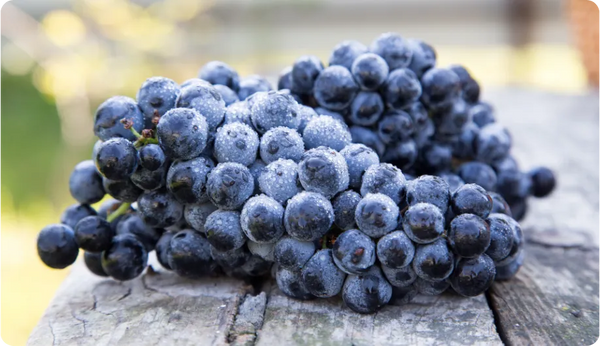
Typical characteristics are ripe dark fruits — blackberry, black cherry, plum — plus sweet spice notes, a hint of cocoa or vanilla from oak aging, and noticeably soft tannins. This makes Primitivo round and accessible: lots of fruit, few rough edges. It is precisely this combination that has made it one of the most popular Italian red wines in Germany.
Primitivo di Manduria: the heart of Apulia
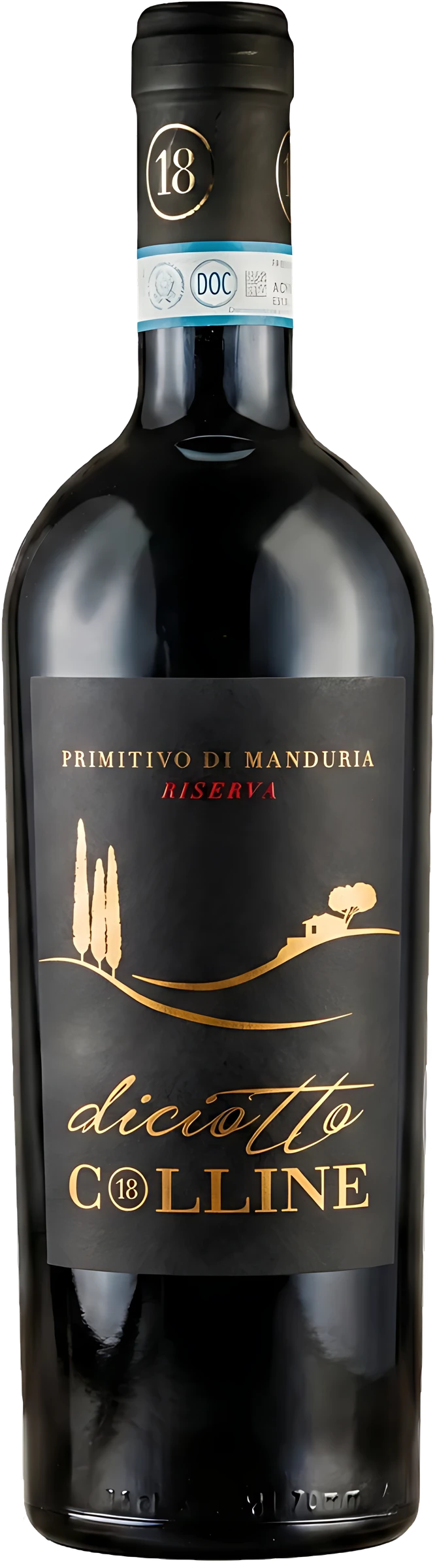
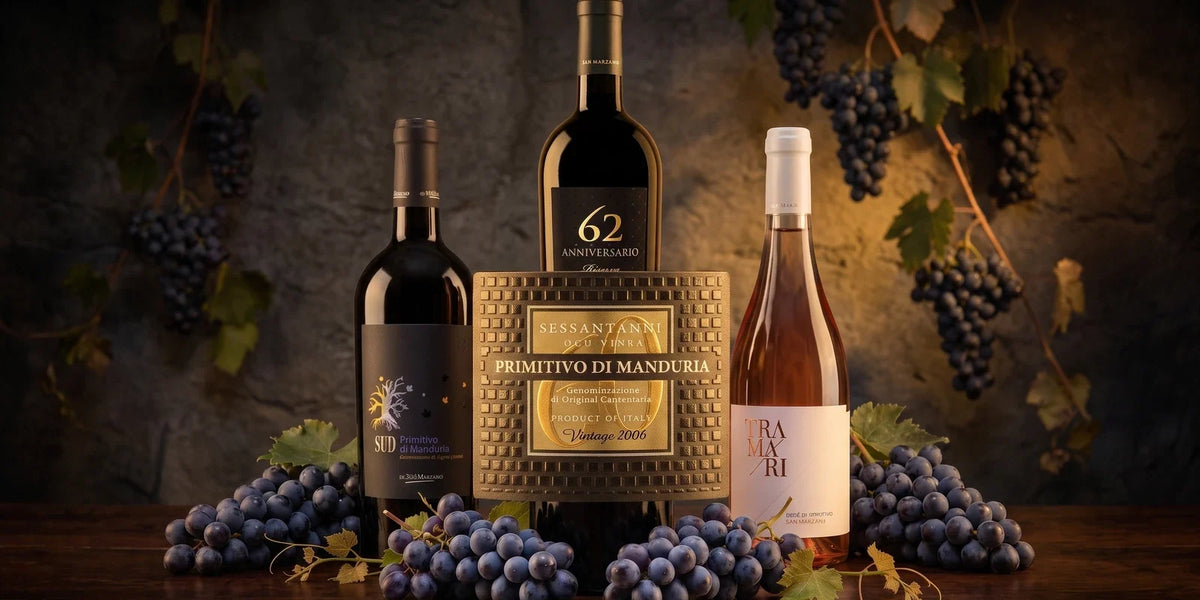
Primitivo di Manduria DOC is the most important designation of origin for the variety: only wines from the demarcated area around Manduria in Salento are allowed to bear the name. They are considered particularly dense and expressive — many come from decades-old bush vines. A Riserva matures for at least two years before release. A curious side note: the sweet specialty Primitivo di Manduria Dolce Naturale remains Apulia's only DOCG to this day. In our Primitivo selection you will find the entire spectrum — from everyday wine to aged Riserva like the Diciotto Colline Riserva.
Primitivo and Zinfandel: one grape, two names
For a long time, Primitivo and the Californian Zinfandel were considered separate varieties — until DNA analyses by the University of California at Davis proved: It is the same grape. Their common root lies in Croatia, where the variety grows under the name Crljenak Kaštelanski (historically "Tribidrag"). From there, it came to Apulia in the 18th century and via detours to America. In the glass, the siblings still differ: Apulian Primitivo is usually earthier and darker, Californian Zinfandel often more lush and jammy — an exciting comparison for a small tasting at home.
What does "Doppio Passo" mean?
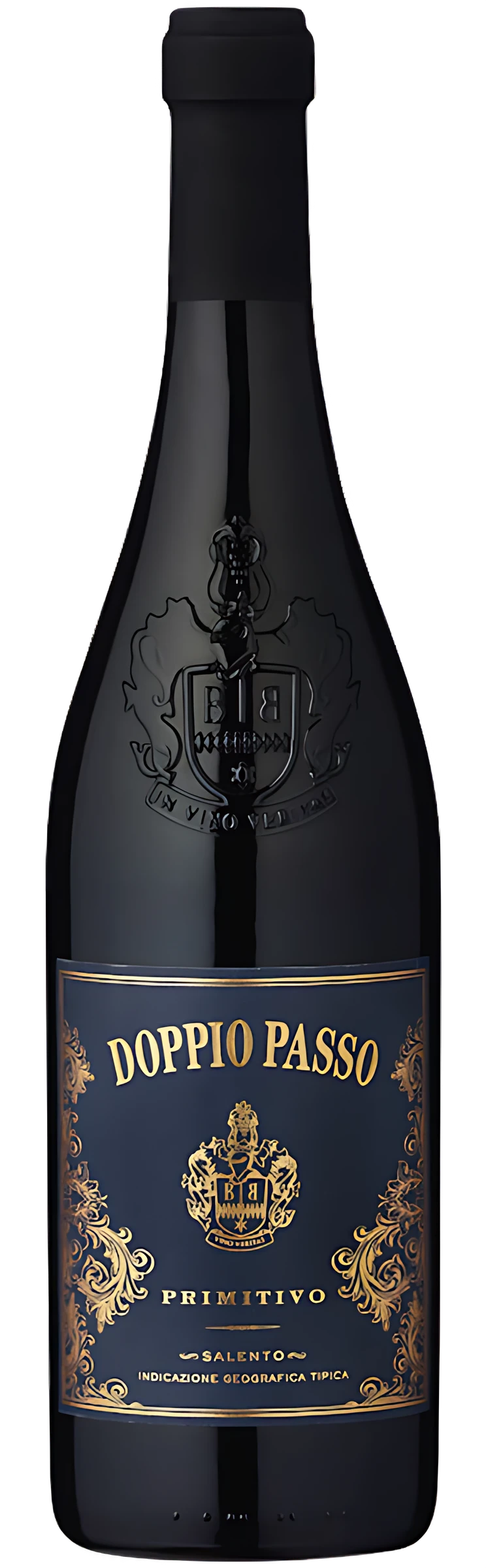
The term literally means "double pass": with this method, the vineyard is traversed twice — first for the normal harvest, later for a second pass, during which dried, raisin-like grapes are harvested from the vine. This concentrated portion makes the wine fuller, softer, and gives it a sweet-tasting, almost jammy fruit. The principle was made famous by the bestseller of the same name — you can find the Doppio Passo Primitivo with us, as well as the related, even more concentrated Appassimento style.
What goes well with Primitivo?
Anything that brings roasted aromas and spice: grilled food and BBQ, braised dishes, pasta with dark sauces, pizza with salami — and aged cheese like Pecorino. Its soft nature also makes it one of the few powerful red wines that work well solo in the evening.
Frequently asked questions about Primitivo
Is Primitivo dry or sweet?
The vast majority of Primitivo are produced dry — the ripe, sweet-tasting fruit deceives many palates. True sweet wines are the exception (such as the Dolce Naturale). The residual sugar is listed on the data sheet for every product we carry.
At what temperature should you drink Primitivo?
At 16–18°C — i.e., slightly chilled, not at summer room temperature. Powerful, young Riservas benefit from 30 minutes in a decanter.
Which Primitivo is suitable for beginners?
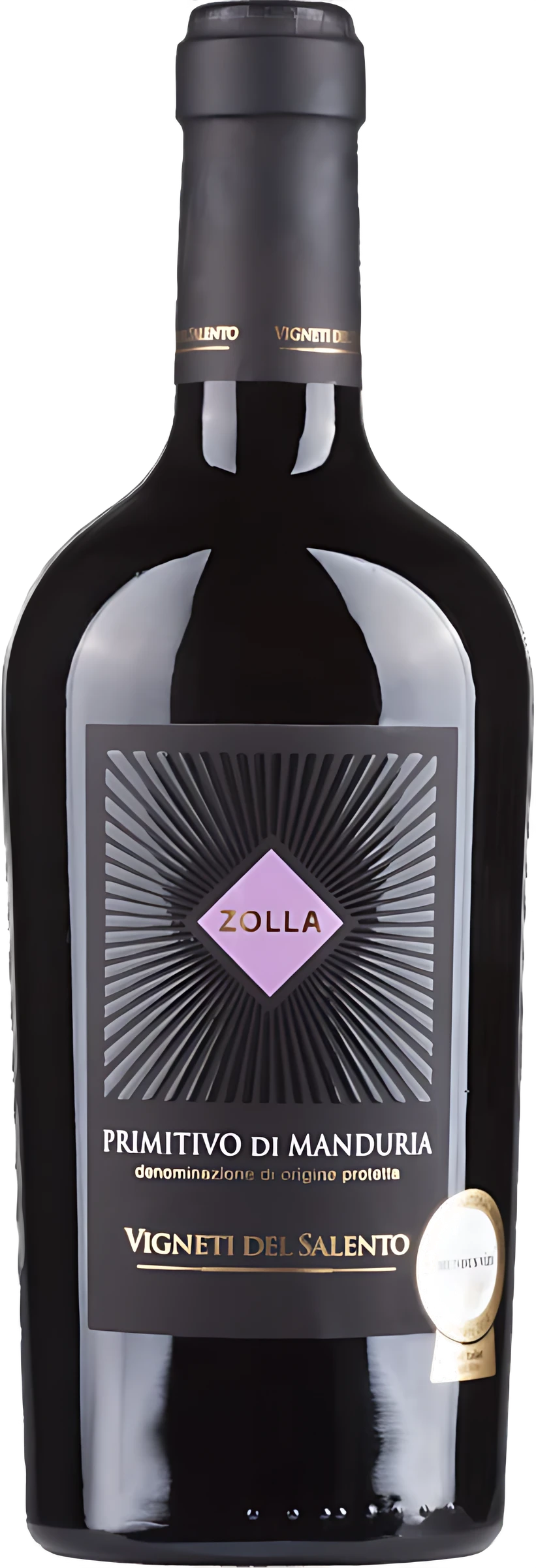
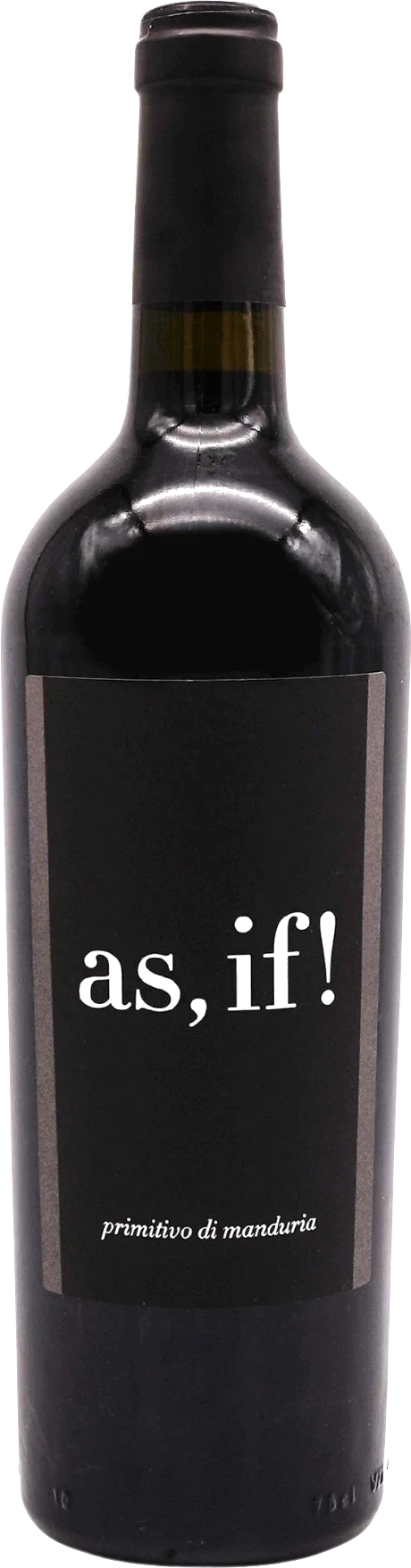
A classic Manduria in the mid-price range shows the variety most honestly — for example, the Zolla Primitivo di Manduria or the as, if! Primitivo di Manduria DOC. If you like it lush, go for the Doppio Passo.