
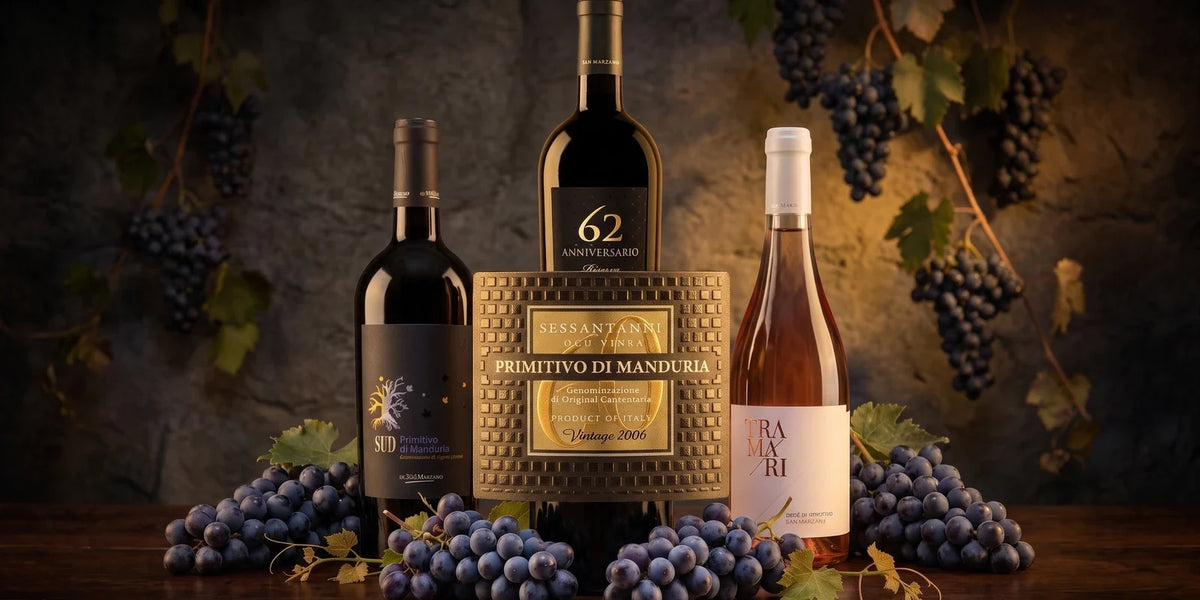
Sessantanni – How San Marzano turned Primitivo into a cult brand
There are wines that are successful. And there are wines that change an entire region.
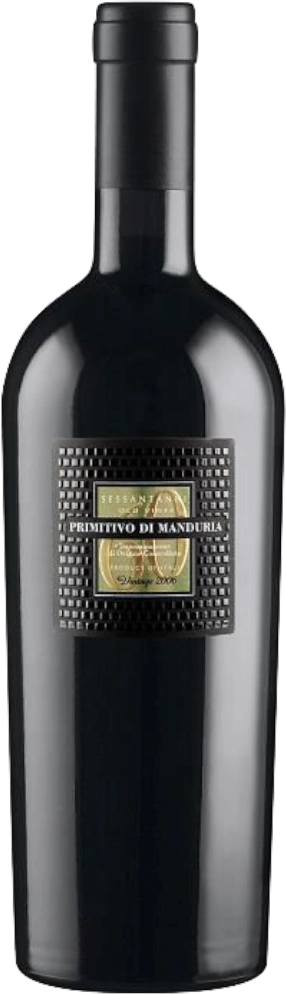
The Sessantanni Primitivo di Manduria undoubtedly belongs to the latter category. Hardly any other Italian red wine has shaped the perception of Apulia as lastingly as this wine. It made Primitivo di Manduria famous worldwide, became one of Italy's most successful wine brands, and is still considered a benchmark for powerful, velvety red wines from Southern Italy today.
Yet behind its success is not a traditional castle or an aristocratic winery, but a cooperative. A community of winegrowing families who recognized early on the potential slumbering in the ancient vines of Salento.
The story begins with 19 winemakers
The story of Cantine San Marzano begins in 1962. At that time, 19 winemakers from the small town of San Marzano di San Giuseppe joined forces in the heart of Salento in Apulia.
For generations, their families had cultivated small plots of vines, olive trees, and almond groves. Most of the vineyards were planted with traditional Alberello vines – gnarled bush vines that were already several decades old at the time.
But as in many parts of Southern Italy, the wine was rarely marketed under its own name. A large part of the production left Apulia as bulk wine and was used to make lighter wines from Northern Italy more colorful and higher in alcohol.
The true quality of the region remained hidden for a long time.
The founding of the cooperative was intended to change that.
It was not meant for individual winemakers to profit from each other, but for everyone to benefit together. Step by step, many small family businesses grew into a strong community that today is one of Italy's most successful wine producers and unites several hundred members.
From bulk wine to a global brand
For many years, San Marzano primarily produced wine for others.
It was not until the mid-1990s that the cooperative began to rethink its future. With a modern winery, consistent quality work, and its own bottling production, the possibility arose for the first time to market wines under its own name worldwide.
But for that, it needed a wine that embodied everything Apulia stands for.
A wine that combines the power of the sun, the concentration of old vines, and the character of Salento in a single bottle.
This wine was to become Sessantanni.
The men behind the Sessantanni
Great wines are never created by accident.
At the end of the 1990s, San Marzano worked with one of Italy's most renowned oenologists: Carlo Ferrini. The multi-award-winning winemaker – honored several times as Italian Winemaker of the Year – developed a wine together with the then cellar master Filippo Baccalaro that was to redefine Primitivo.
Their idea was as simple as it was visionary.
Instead of processing as many grapes as possible, they focused exclusively on the best plots with at least sixty-year-old Alberello vines. These ancient bush vines yielded only low quantities, but produced grapes with extraordinary concentration, natural ripeness, and impressive aromatic depth.
Ferrini and Baccalaro consciously avoided rustic heaviness. Their goal was a wine that possesses power, yet remains supple, elegant, and internationally accessible.
In the year 2000, the first Sessantanni Primitivo di Manduria came onto the market.
No one suspected at the time that this wine would change Primitivo forever.
Why Sessantanni is so special
The name simply means “Sixty Years”.
It refers to the old vines from which the wine is obtained. Many of them were planted long before the Second World War and still grow today in the traditional Alberello training system.
Each vine stands individually like a small bush. Without wire frames, deeply rooted in the red soil of Salento and perfectly adapted to heat, drought, and the constant wind between the Ionian Sea and the Adriatic.
With increasing age, the yield of these vines drops significantly.
But that is exactly where their secret lies.
Few grapes mean more concentration, more extract, and an impressive aromatic depth. From them, a wine of dark color, intense fruit, and extraordinary density is created.
After fermentation, the Sessantanni matures for around twelve months in French and American barriques. The wood supports the wine without masking its origin.
In the glass, it shows aromas of ripe plums, blackberries, black cherries, cocoa, vanilla, tobacco, and sweet spices. On the palate, it appears opulent and velvety, yet simultaneously possesses surprisingly soft tannins and a remarkable balance.
It is precisely this combination of power and elegance that made it unique.
The wine that made Primitivo famous
With the Sessantanni, not only did San Marzano change.
The entire perception of Primitivo changed.
Until then, the grape variety was often considered outside of Italy as an uncomplicated, high-alcohol red wine. The Sessantanni showed a broad international public for the first time what potential lies in the old Alberello vines of Salento.
It was powerful, soft, dark, and at the same time vinified to a high standard.
With this, it hit the taste of a new generation of wine lovers.
Within a few years, the Sessantanni developed into one of the most well-known wine brands in Italy. It won countless international awards, was exported to dozens of countries, and developed into one of the best-selling premium Primitivos worldwide.
Remarkable is its consistency.
While many successful wines disappear from focus after a few years, the Sessantanni has been one of the absolute long-running favorites of the Italian wine market for more than two decades. Year after year, it is among the most sought-after and best-selling Primitivo di Manduria of all.
And yet, in a certain way, it remains rare.
Because the foundation of the wine is formed by decades-old Alberello vines. These vineyards cannot be multiplied at will. New plantings can only reach their quality after many decades. That is exactly why the quantity of the best grapes remains limited – a treasure that San Marzano preserves with great care.
The terroir of Salento
Salento lies between the Adriatic and the Ionian Sea and is one of the hottest wine regions in Italy.
The summers are long, dry, and sunny. At the same time, the winds from both seas ensure constant ventilation of the vineyards.
The red soils of Salento are rich in iron oxides and lie on a calcareous subsoil. They store the heat of the day and release it slowly during the cooler night hours.
Together with the old Alberello vines, this creates the style for which Primitivo di Manduria is known worldwide today: intense dark fruit, ripe tannins, soft structure, and an unmistakable warmth.
More than Sessantanni
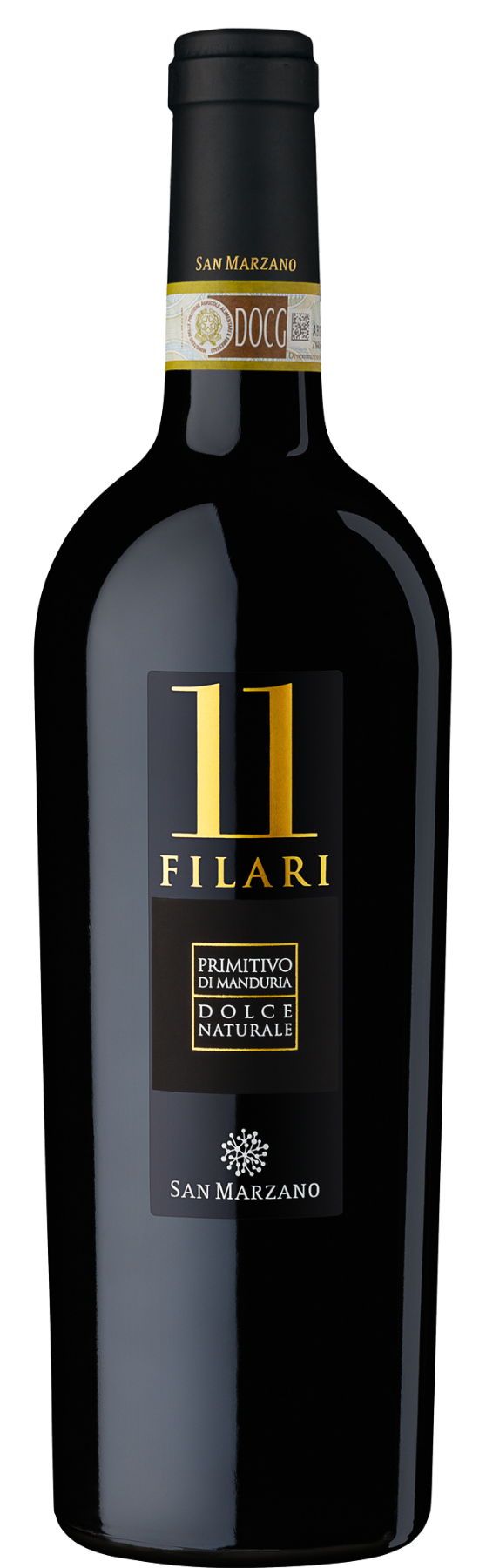
Even if the Sessantanni remains the icon of the house, the San Marzano range tells many other facets of Apulia.
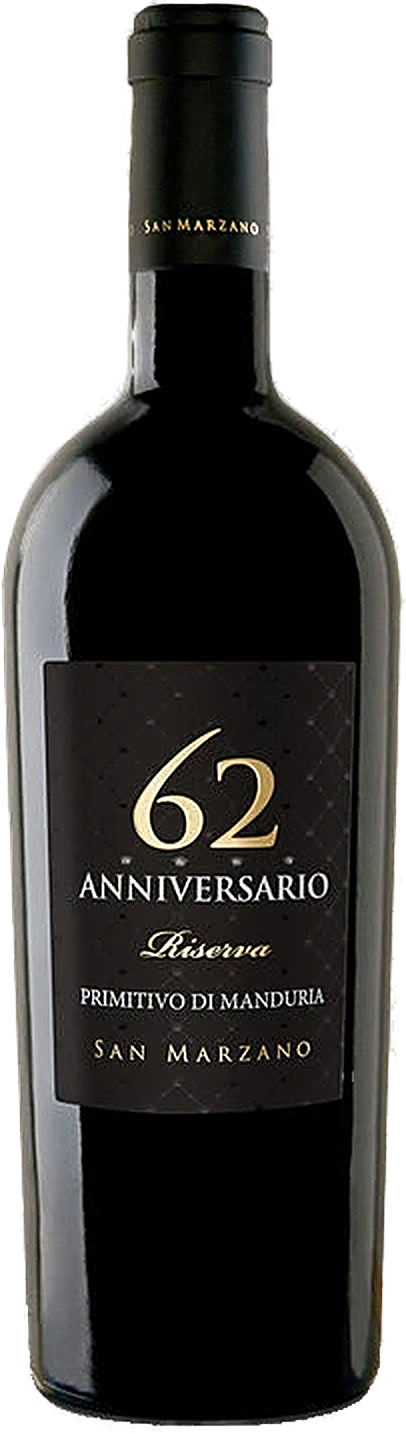
The Anniversario 62 Primitivo di Manduria Riserva commemorates the founding year of the cooperative and interprets Primitivo even more densely, more concentrated, and with additional aging potential.
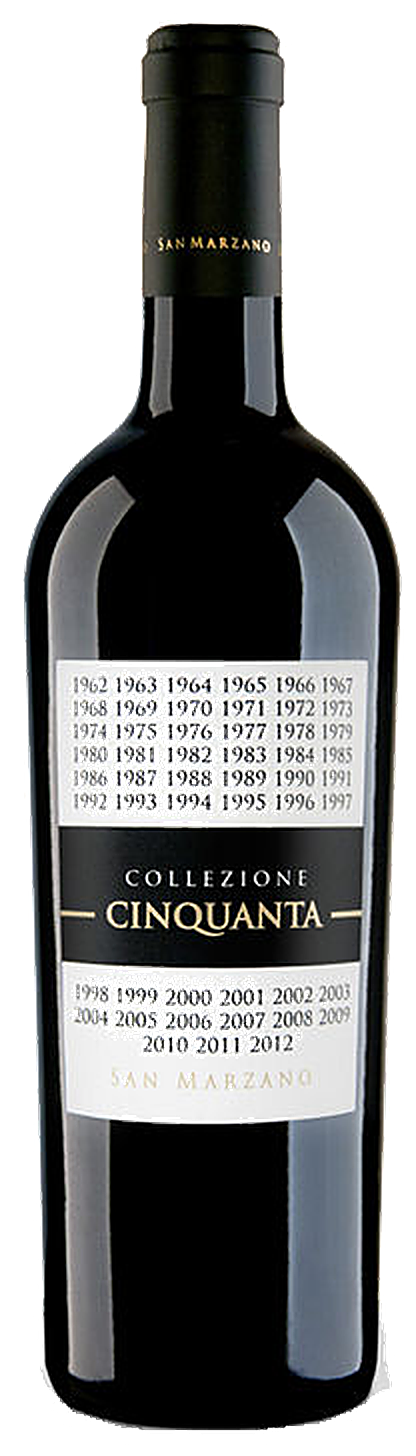
With the Collezione Cinquanta, San Marzano combines Primitivo and Negroamaro into a harmonious cuvée that elegantly unites power and spice.
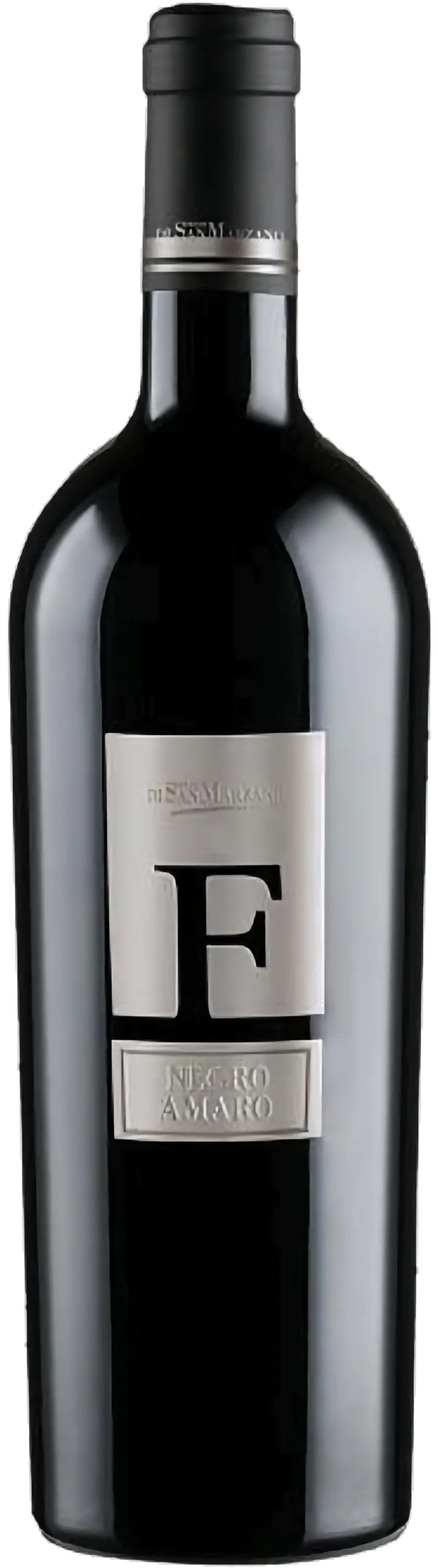
The F Negroamaro shows another side of Salento. Less opulent than Primitivo, but spicier, more herbal, and with a fine bitter note that gives this indigenous grape variety its unmistakable character.
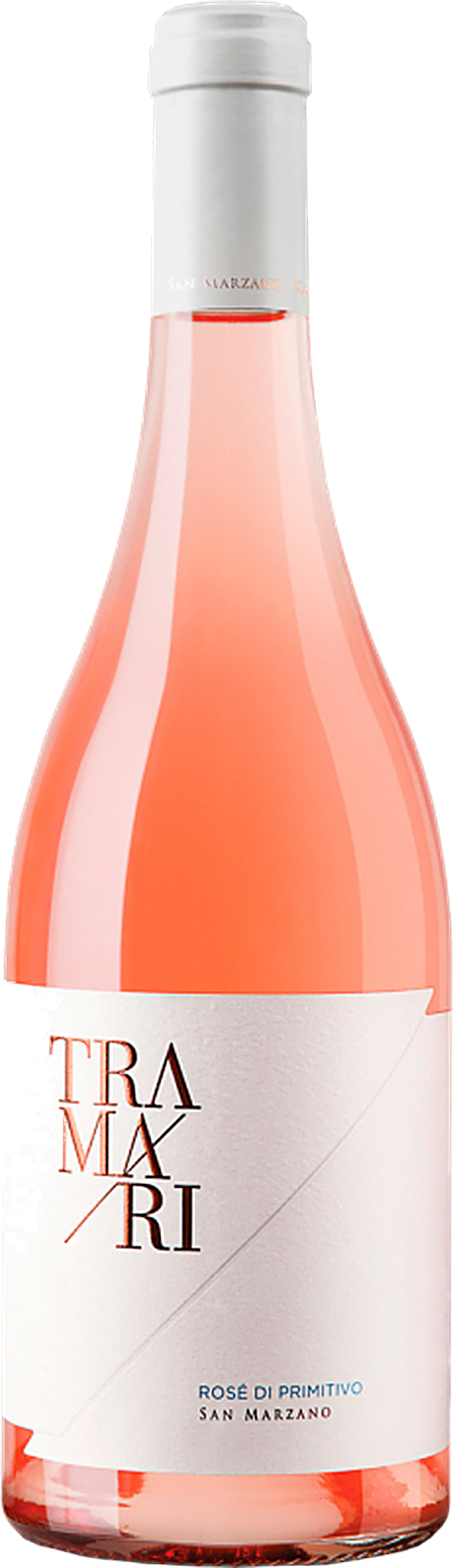
The Tramari Rosé di Primitivo proves how elegant and fresh the same grape variety can appear. Delicate fruit, fine spice, and Mediterranean lightness make it the ideal companion for warm summer days.
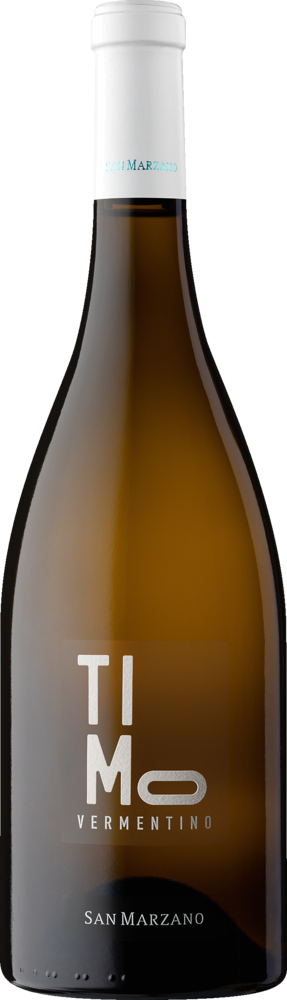
With the Timo Vermentino, San Marzano finally shows that Apulia does not only produce great red wines. Its salty freshness, citrus aromas, and Mediterranean herbal notes reflect the proximity to the sea in an impressive way.
Why Primitivo delights the world
Primitivo is one of the most well-known grape varieties in Italy today.
Genetically, it is identical to the Californian Zinfandel, but its true home has been in Apulia for centuries.
Its name is derived from the early ripening of the grapes. In the warm climate of Salento, wines with intense dark fruit, soft tannins, and impressive fullness are created from it.
What makes Primitivo so popular is its immediate accessibility.
It needs no long explanations. It appears generous, warm, and inviting – qualities that the Sessantanni embodies like hardly any other wine.
What food does Sessantanni go with?
A wine with this power demands equally characterful dishes.
Sessantanni accompanies grilled beef, lamb, game, braised meat dishes, and aged hard cheese just as convincingly as hearty pasta or Mediterranean braised dishes.
But sometimes it needs no food at all.
Its velvety texture and deep fruit also make it a wine for long conversations, special moments, or a quiet evening by the fireplace.
Our conclusion
San Marzano did not invent Primitivo.
But hardly anyone has contributed more to making it known worldwide.
With the Sessantanni, Carlo Ferrini, Filippo Baccalaro, and the winegrowing families of San Marzano created a wine that goes far beyond a single bottling. It became the icon of modern Primitivo, a model for countless other top wines from Apulia, and one of Italy's most successful wine brands.
For more than twenty years, the Sessantanni has delighted wine lovers all over the world – not as a short-term trend, but as a true classic.
Anyone who wants to understand why Primitivo is one of the most popular red wines in Europe today should start right here. Because hardly any wine tells the story of modern Southern Italy more impressively than the Sessantanni.







We would love to hear what you think
What did you make of this article? Drop us a few lines — we read every comment.
Log in to join the conversation. Log in now