From Pauillac to the world: The birth of a Bordeaux brand
The story of Mouton Cadet begins in 1930 in Pauillac — and with a decision that would permanently change the Bordeaux wine trade. Baron Philippe de Rothschild, then 28 years old and owner of Château Mouton Rothschild, wanted to make the richness of the Bordeaux appellation accessible to a wide audience. He created a branded wine concept that had not existed in this form before: a wine from several terroirs, precisely blended into a uniform style. He chose the name carefully — cadet is the French word for the youngest son, and Baron Philippe was indeed the junior of the family.
In the following decades, he built Mouton Cadet into an international brand: first on the wine lists of leading Parisian restaurants, then on the British and finally the American market. After his death in 1988, Baroness Philippine de Rothschild took over the responsibility and continued to lead the brand with the same commitment. Today, the management lies with three generations of the Rothschild family, including Philippe Sereys de Rothschild, who shapes the company's long-term strategy.
Responsibility in the vineyard: Network, sustainability and fair partnerships
Mouton Cadet is not a classic Château — the wines are created through close cooperation with a network of around 90 independent winegrowing families who together cultivate nearly 1,200 hectares of vineyards across the Bordeaux appellations. Instead of short-term grape purchases, the company relies on long-term contracts with prices above the market average — a structure that gives the partner farms planning security. Since 2024, this philosophy has also had an official certification: Fair for Life, an international Fairtrade program that evaluates social and economic fairness along the entire production chain.
In parallel, Mouton Cadet is consistently driving ecological change. Since 2020, all partner winemakers have been recognized at the highest level of the French HVE certification (Haute Valeur Environnementale) — with a focus on biodiversity, reduced pesticide use and responsible water management. Around 30 percent of the partner vineyard areas are already being farmed organically or are in the process of conversion. In the company's own winery in Pauillac, all electricity comes from renewable sources; an ecological sewage treatment plant recycles the wash water from the fermentation tanks, and since 2021, over 1,200 square meters of solar panels have been supplying additional energy.
Bordeaux in its breadth: from classic Rouge to organic Rosé
What defines Mouton Cadet stylistically is the art of blending across several terroirs. Chief winemaker Jérôme Aguirre and his team blend Cabernet Sauvignon, Merlot and Cabernet Franc from different Bordeaux appellations into wines that combine accessibility and character of origin. Merlot often forms the aromatic backbone: fruitiness, smoothness and round tannins, complemented by the structure and freshness of the Cabernet varieties.
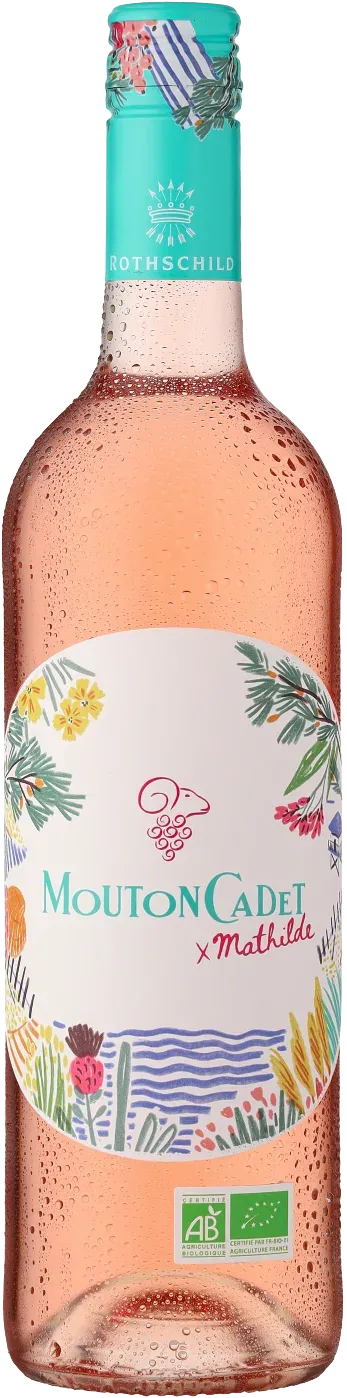
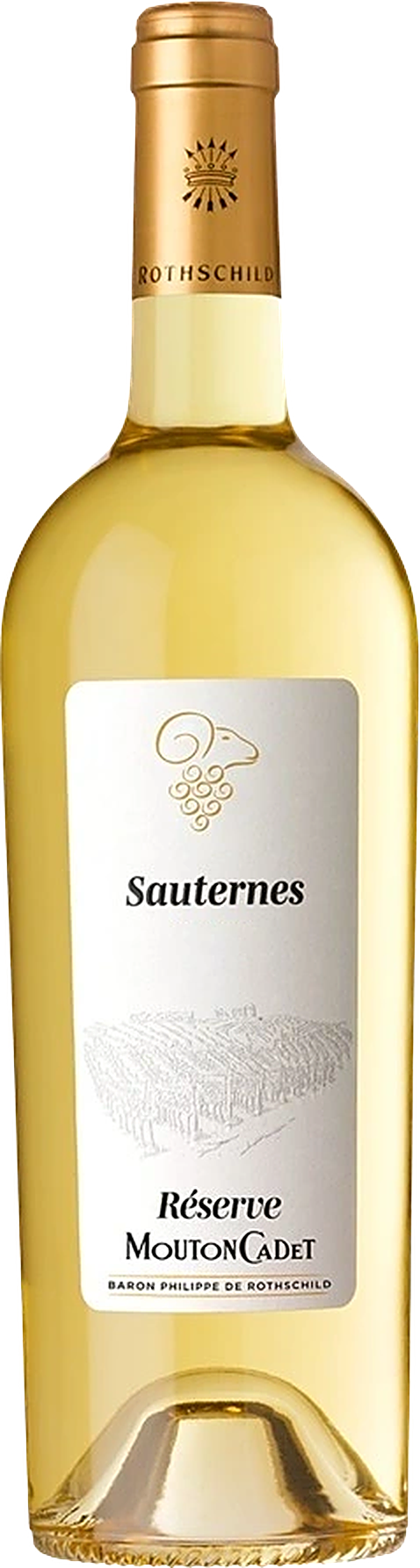
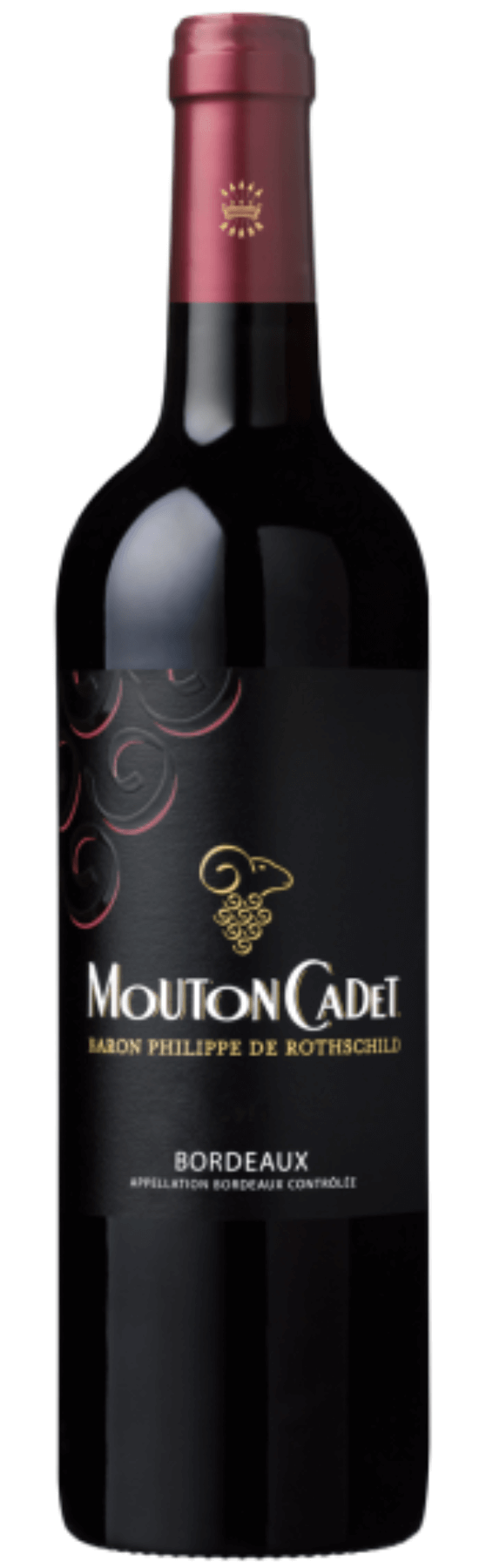
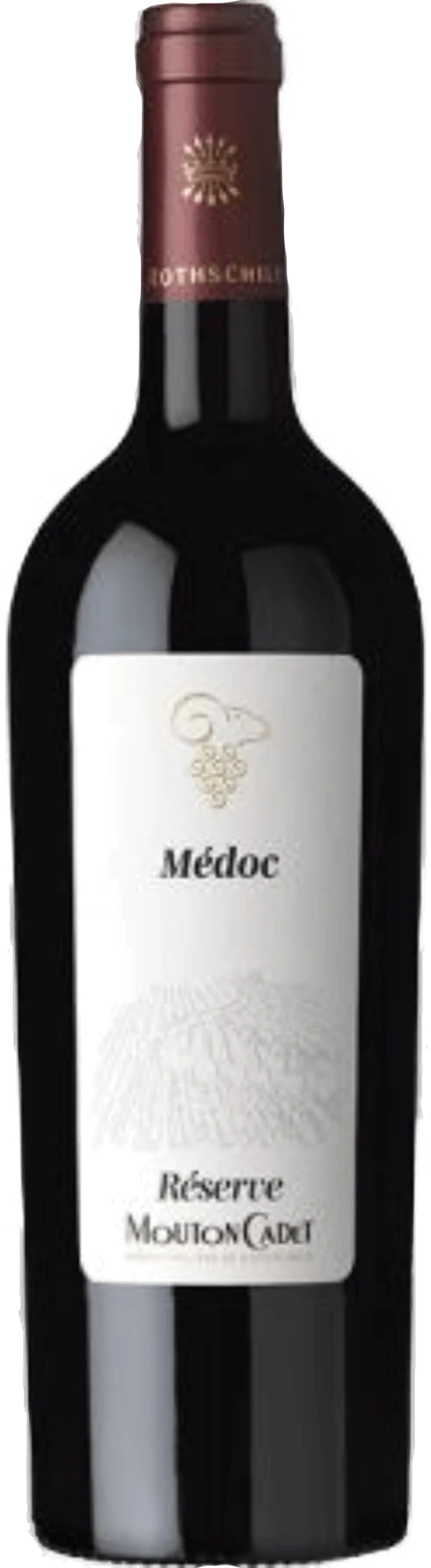
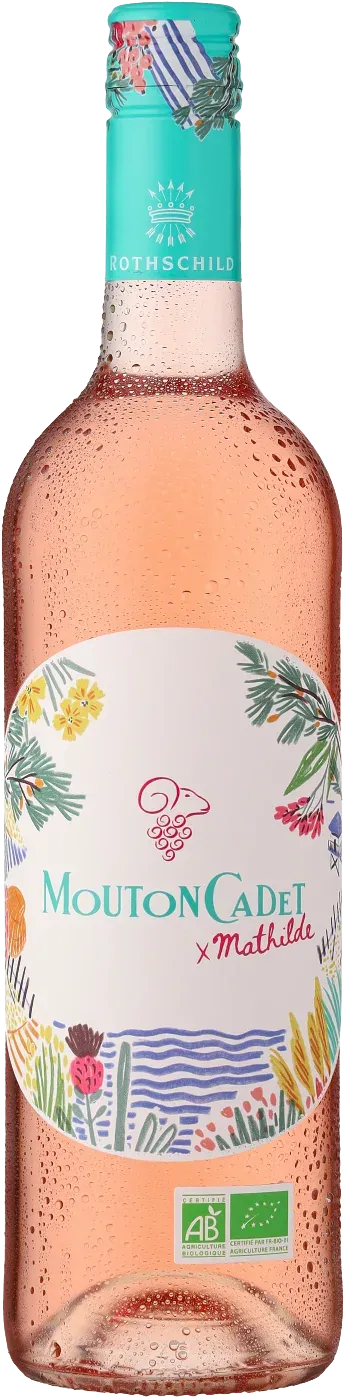
The range spans a wide arc — from the classic Mouton Cadet Rouge Bordeaux AOC to the Réserve line with individual appellations such as Médoc, Saint-Émilion and Sauternes, to the organic Rosé Mathilde, which is also available as a magnum. The Réserve wines are created from grapes selected from specific plots and mature longer before they are bottled. Anyone who wants to get to know Bordeaux in its stylistic range — from taut, mineral Médoc wines to velvety Saint-Émilion cuvées and the luscious Sauternes — will find a coherent, carefully crafted range here.