

Bordeaux · France
Domaines Barons de Rothschild (Lafite)
Read more Read less
Domaines Barons de Rothschild (Lafite) – a name that hardly needs an introduction in the wine world. For over 150 years, this Médoc estate has stood for what has made Bordeaux famous worldwide: wines with depth, elegance, and a tranquility that defies description. Behind this prestigious name is a family that doesn't just manage winemaking as an inheritance, but actively shapes it. From the Grands Crus in Bordeaux to projects in Chile, Argentina, and China – the Rothschilds think big without losing sight of the details. Every wine bears this signature: precise, balanced, with fruit that takes its time to unfold. Sustainable practices play an increasingly important role – in the vineyard as well as in the cellar. You can taste it: no rush, no excess, but wine that wants to tell you something.
Filters
11 products

Guide Hachette des Vins 2014
Awarded by Guide Hachette des Vins


Sakura Awards 2020 - Gold
Awarded by Sakura Awards

Decanter Bewertung 2023
Awarded by Decanter
Guide Hachette des Vins 2022 - 1 Stern
Awarded by Guide Hachette des Vins

About Domaines Barons de Rothschild (Lafite)
From Baron James to Saskia: Six generations on a Premier Cru
The history of Domaines Barons de Rothschild (Lafite) begins with an auction hammer in Paris. On August 8, 1868, Baron James de Rothschild, founder of the Paris Rothschild bank, acquired Château Lafite for 4.4 million francs — an astronomical sum at the time. The fact that the Baron died three months after the purchase without ever having set foot on the estate did not change the course: his sons Alphonse, Gustave, and Edmond took over the legacy and led it through the phylloxera crisis, two world wars, and the economic depression. At this point, the Château had already been documented as a wine producer since the 13th century and had held the status of a Premier Grand Cru Classé since the Bordeaux Classification of 1855.
From 1974, Baron Eric de Rothschild fundamentally reshaped the estate: under his leadership, the corporate structure Domaines Barons de Rothschild (Lafite) was created, which unites several Bordeaux Châteaux under one roof and consistently looked beyond the Médoc. Since 2018, his daughter Saskia de Rothschild has been leading the Domaines as the first woman in this role — she represents the sixth generation of the family at the helm of a Premier Cru.
Precision in the vineyard, restraint in the cellar
The philosophy of DBR Lafite can be summarized in one sentence of cellar technology: protect fruit, do not shape it. In the vineyard, Cabernet Sauvignon dominates on the deeply weathered gravel soil around Pauillac — the soil that gives this appellation its characteristic profile. Each plot is vinified separately so that its individual maturity is preserved in the cellar. Fermentation in oak and stainless steel tanks follows a consciously gentle approach: no cold maceration, no intensive post-fermentation maceration, little mechanical intervention. The goal is a wine that reflects the vintage, not one that overwrites it with the cellar master's signature.
Sustainability is now firmly anchored: all of the group's French estates are farmed organically, and in 2024, DBR Lafite received B-Corp certification for all estates. Technical Director Olivier Trégoat relies on a flexible understanding of terroir that adapts to the realities of climate change without giving up the historical identity of the sites. An in-house cooperage on the estate supplies the Bordeaux estates with barriques and also partially supplies the group's international wineries.
Cabernet depth from Pauillac — and a portfolio that reaches far beyond the Médoc
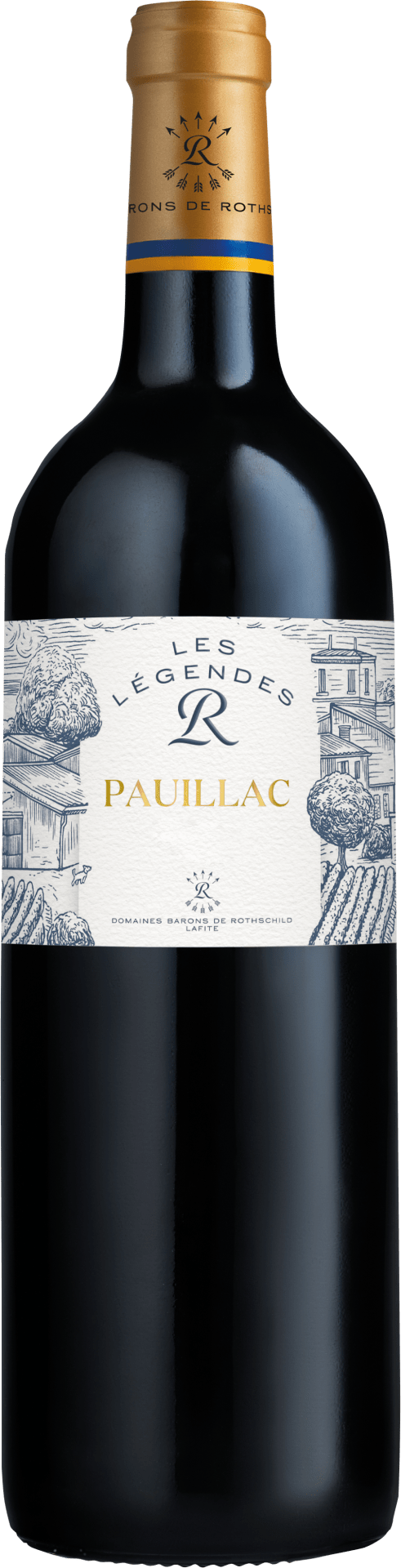
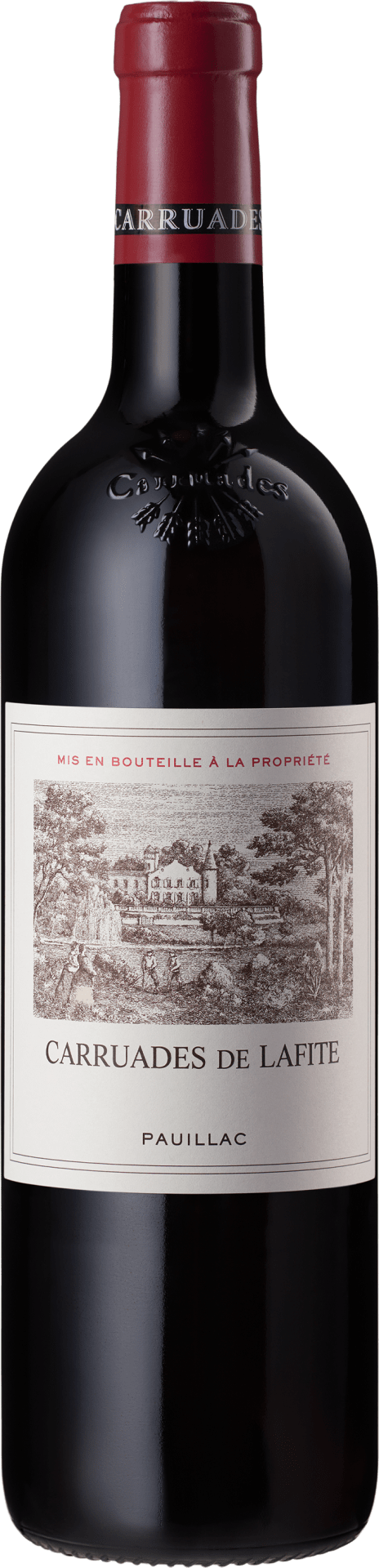
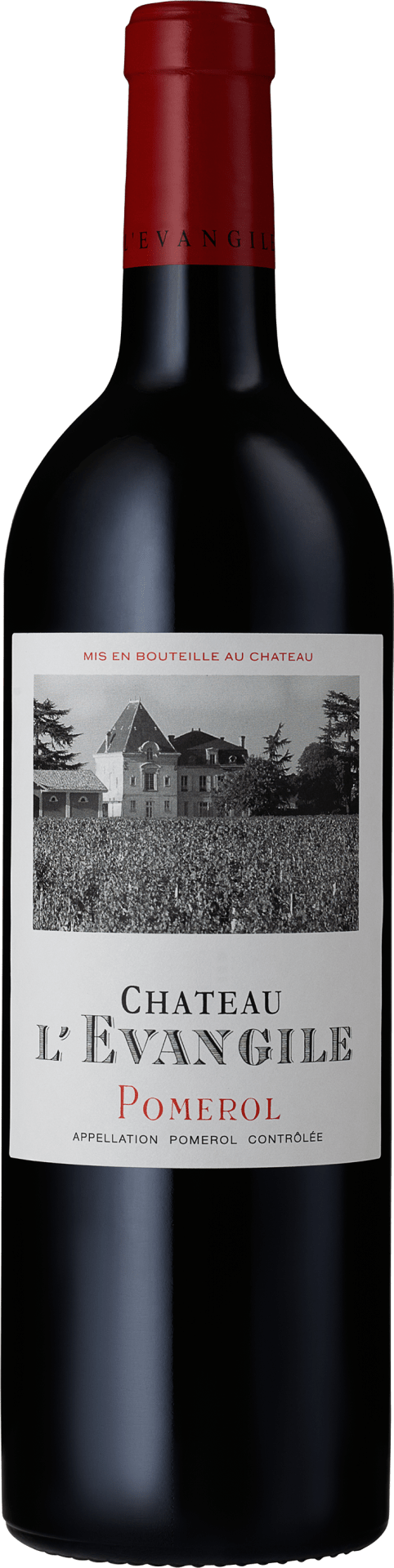
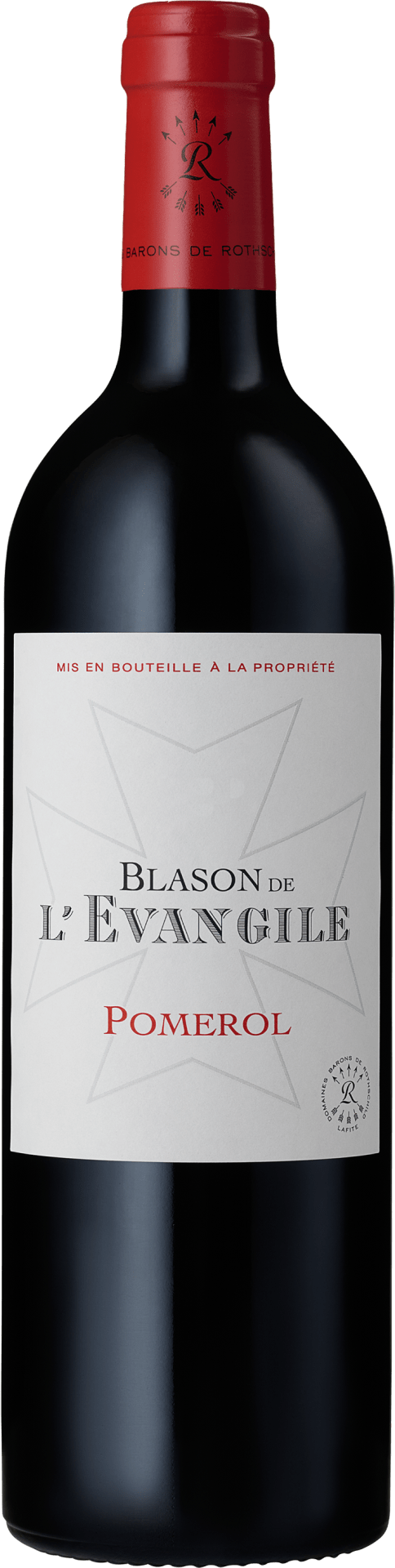
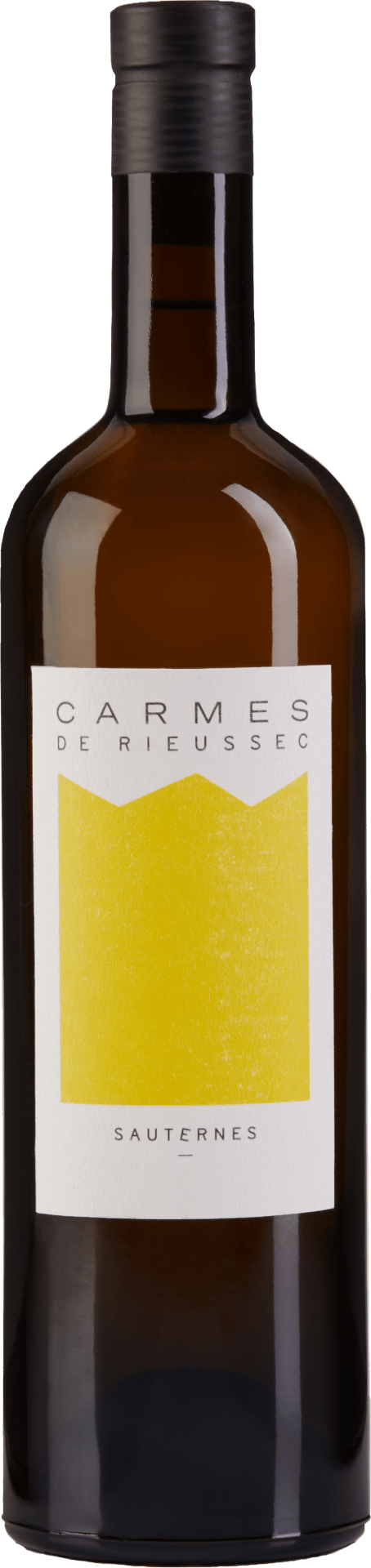
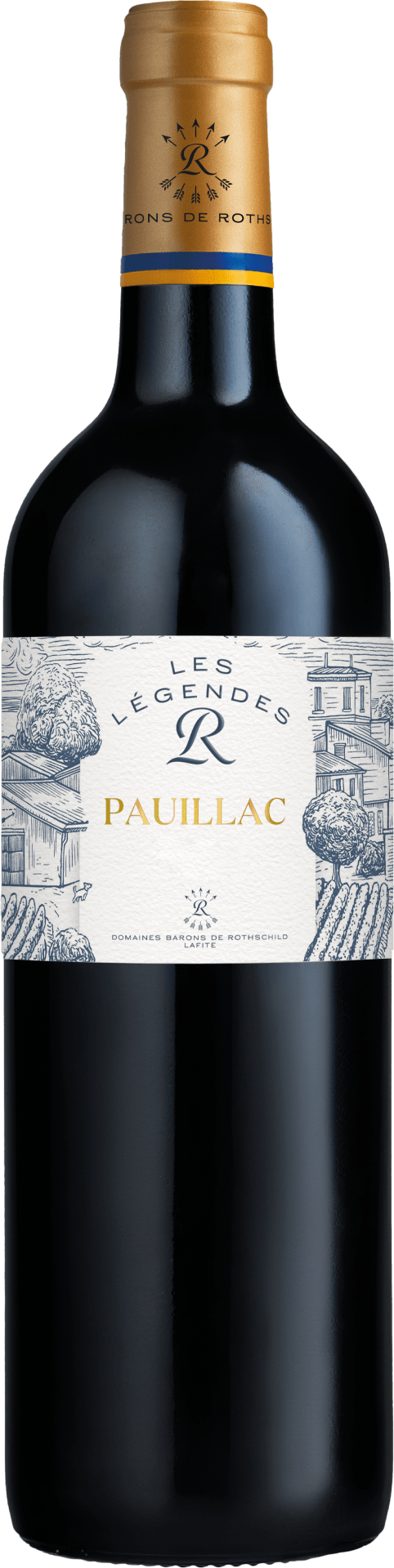
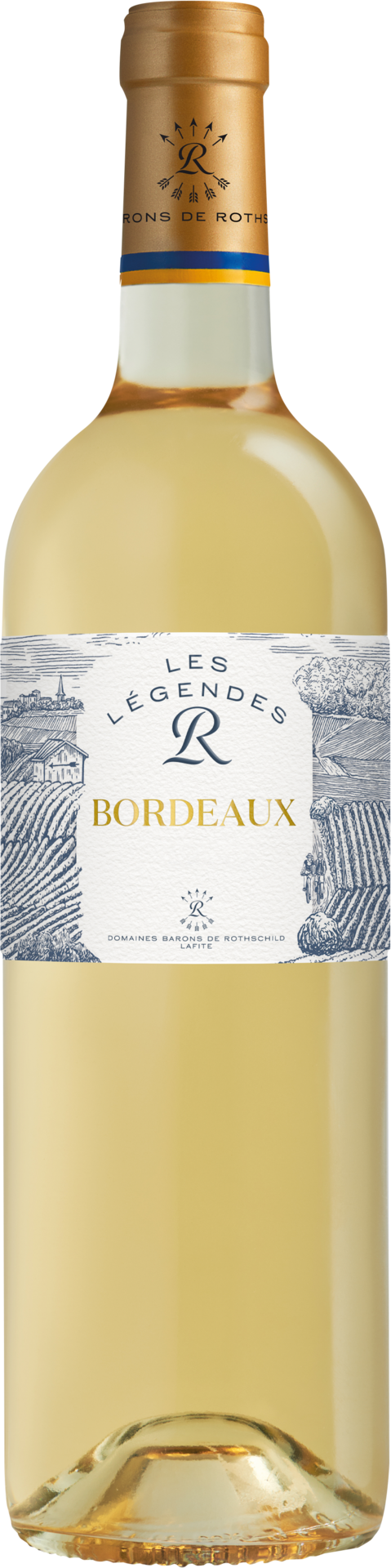
Those who drink Lafite do not get a wine that shows everything immediately. The flagship Château Lafite Rothschild is built on Cabernet Sauvignon, shows graphite, cedar, and dark fruit on the nose, has a medium to full body and a long, precise finish — and needs time to open its layers. The second wine, Carruades de Lafite, from the Carruades plots with a higher Merlot content, presents this style in a more accessible and earlier-drinking way. Château L'Évangile from Pomerol stands for Merlot-driven velvetiness from the Right Bank; Château Rieussec, as a Premier Cru Classé in Sauternes, delivers concentrated botrytis wines from selective hand-harvesting. The Les Légendes R line opens up the same artisanal thinking for the broader Bordeaux market — including a white Bordeaux blanc.
Beyond the Bordelais, the group includes estates in Chile (Viña Los Vascos), Argentina (Bodegas Caro, a joint venture with Nicolas Catena), and China (Domaine de Long Dai). In each of these projects, the family looks for terroirs with their own character — and brings the same working method there: careful hand-harvesting, plot-by-plot vinification, and patience in the cellar.
Bordeauxlafite.com
Award-winning wines
Guide Hachette des Vins 2014
Awarded by Guide Hachette des Vins
Sakura Awards 2020 - Gold
Awarded by Sakura Awards
Decanter Bewertung 2023
Awarded by Decanter
Guide Hachette des Vins 2022 - 1 Stern
Awarded by Guide Hachette des Vins

Rothschild (Lafite) —
Grands Crus from the Médoc and beyond
Domaines Barons de Rothschild (Lafite) is one of the few names in viticulture that needs no introduction. For over 150 years, the family has managed its vineyards in the Médoc with a consistency that can be felt in the glass: wines that do not push themselves forward, but need time — and reward those who give it to them. The Grands Crus from Pauillac are the heart of the estate, but the winery has long been thinking beyond the Bordelais.
In Chile, Argentina, and China, the family has built its own projects that bear the same signature: precise fruit, structured tannins, and a balance that cannot be forced. Each origin brings its own language — the Rothschilds translate it without losing the accent.
In the vineyard, awareness of sustainable management is growing, and in the cellar, the work remains artisanal and patient. The result is wines without haste: no loud aromas, no excess of wood, but a depth that only fully reveals itself after years. Ideal for those who understand Bordeaux not as a status symbol, but as an experience.