From widow to the Grande Dame of Champagne
Veuve Clicquot Ponsardin was founded in 1772 by Philippe Clicquot, a merchant from Reims from a family of bankers and textile manufacturers, who expanded his vineyard plots in Ambonnay and Bouzy into a Champagne house. The year 1805 marked the decisive turning point: François Clicquot, his son and successor, died unexpectedly—leaving his 27-year-old widow Barbe-Nicole Ponsardin as the sole manager of a still-young company. In an era when women were largely excluded from business life, she took the helm and shaped the house into an internationally renowned force.
Her technical achievements still define Champagne production today: in 1810, she brought the first documented vintage Champagne to market, and in 1816, she developed the riddling table, which revolutionized the clarification of sparkling wine and was adopted worldwide. Two years later, in 1818, she invented the first known rosé Champagne by blending red and white wine—a method that is still used throughout the Champagne region today. Since 1987, the house has been part of the LVMH group, without abandoning its characteristic style.
Pinot Noir, chalk cellars, and viticulture without herbicides
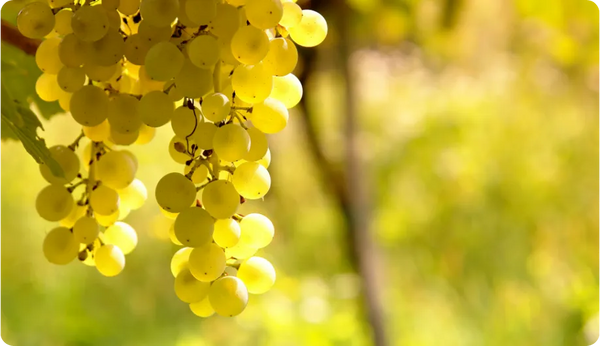
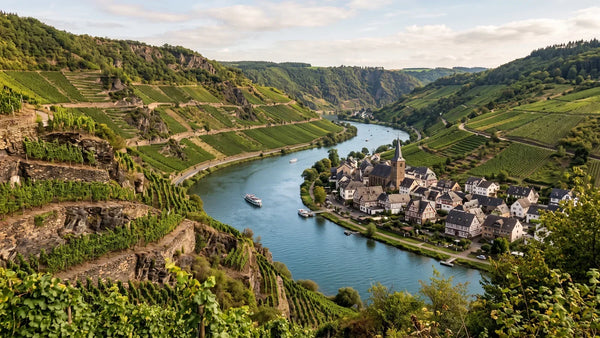
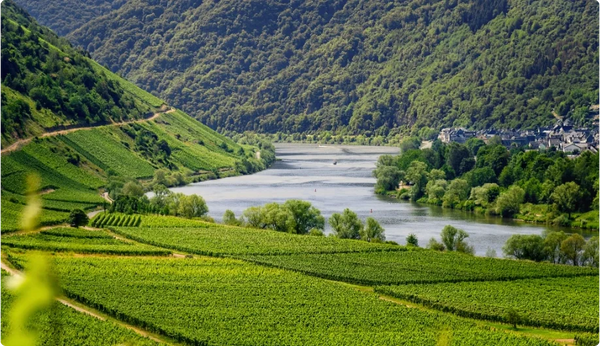
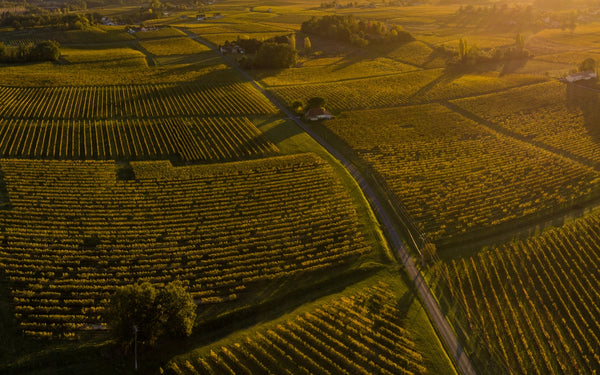
The winery manages around 390 hectares of its own vineyards, distributed across Grands Crus and Premiers Crus in the Montagne de Reims, the Côte des Blancs, and the Vallée de la Marne—about 95 percent of its own sites carry Grand or Premier Cru classification. In addition, there are long-standing partnerships with around 400 winegrower families, many of whom have been supplying grapes to the house for several generations. The harvest is carried out exclusively by hand, parcel by parcel, in small containers so that the berries reach the press undamaged.
Vinification relies on strict Cru separation: every grape variety, every Cru, and every fraction is aged separately—in stainless steel tanks to preserve fruit and terroir character. A small portion matures in large wooden barrels, reserved for vintage wines and the Cave Privée line. Storage takes place in the historic chalk cellars under Reims, which extend over 24 kilometers and offer stable temperature and humidity conditions. In the vineyard, the house has completely abandoned herbicides since 2018 and uses exclusively organic fertilizers.
The style: Pinot Noir depth and the iconic yellow label
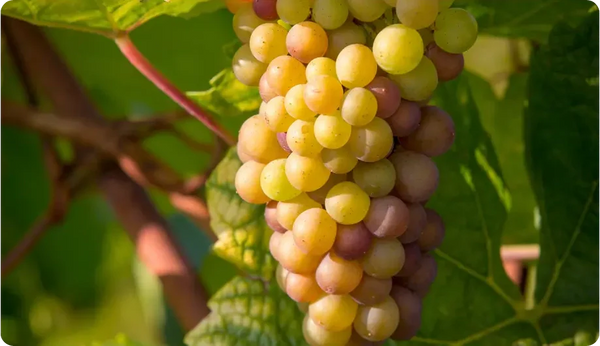
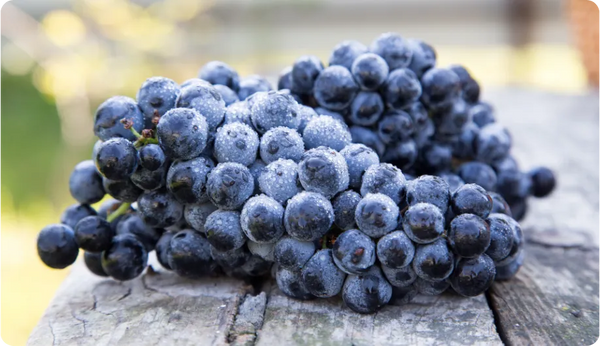
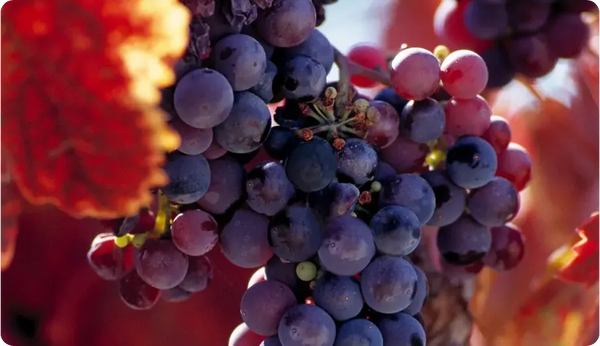
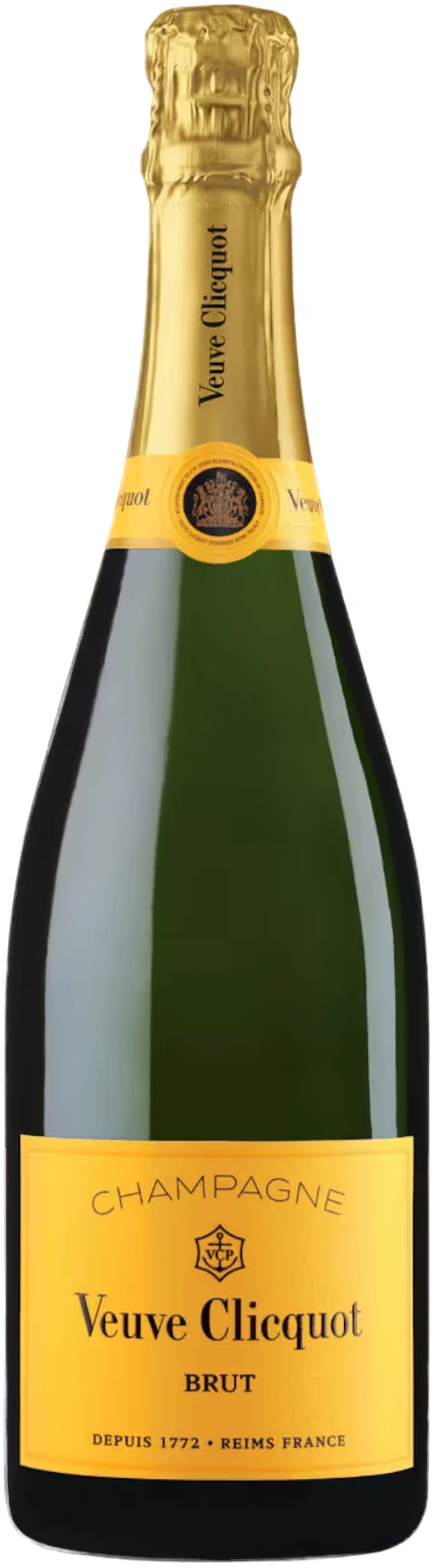
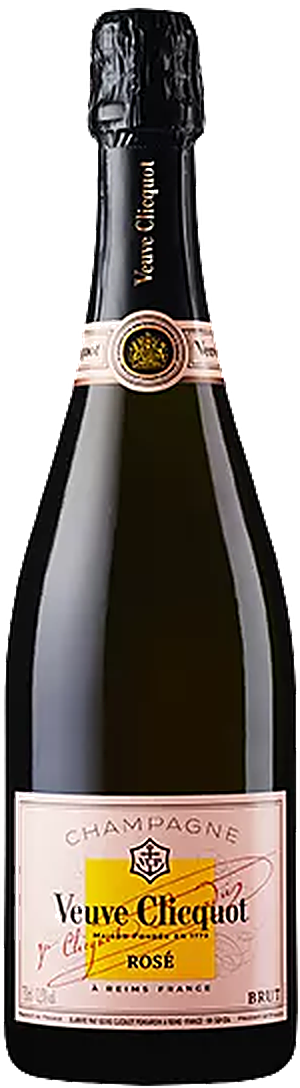
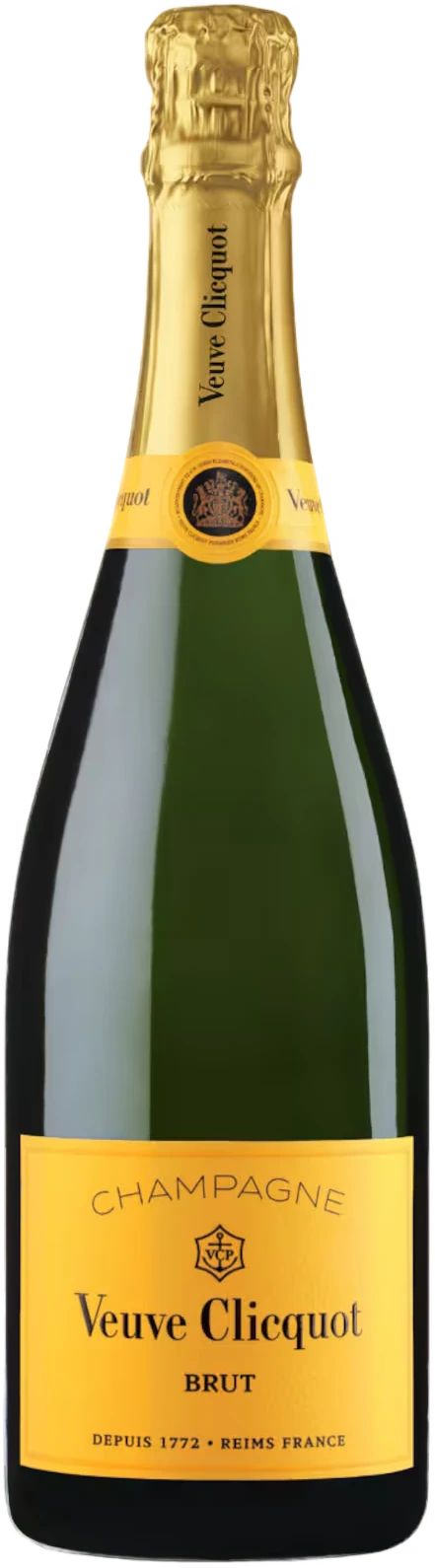
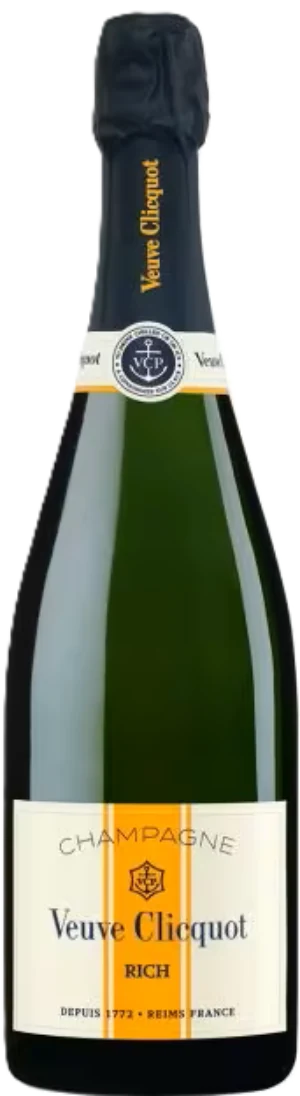
The heart of the range is the non-vintage Yellow Label Brut—a blend of 50 to 60 different Crus, Pinot Noir-focused, with Chardonnay for freshness and Meunier as a fruity component. At least three years of yeast aging give it its characteristic aromas: brioche, baked apple, citrus zest, and a long, creamy finish. The Rosé Brut, built on the same base wines and also aged for three years in the chalk cellars, adds red berry aromas and a silky texture. For special occasions, the Rich is available—a Champagne with a higher dosage that can also be enjoyed with ice or fruit. Vintage wines are only released in exceptional harvest years and show the depth of individual terroir expressions with corresponding aging potential.