From François Delamotte to Lanson: 265 years of Champagne history in Reims
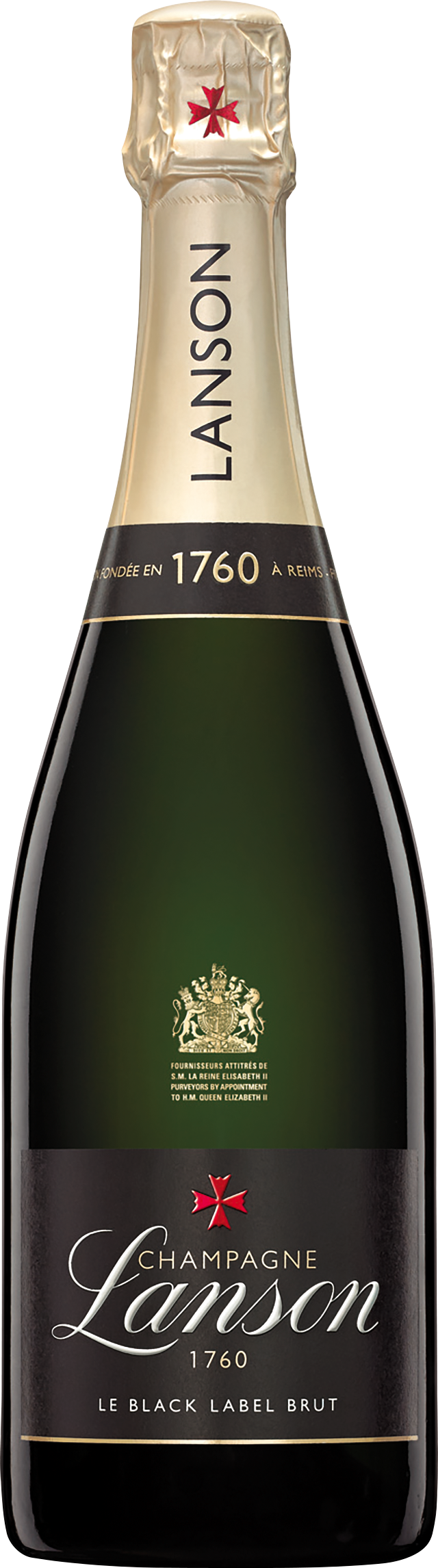
The history of the house begins in 1760, when François Delamotte founded a Champagne Maison in Reims – at a time when most of today's Grandes Maisons did not yet exist. As early as 1798, the house adopted its symbol, which remains defining to this day: the Maltese cross, a sign of Nicolas-Louis Delamotte, son of the founder and a member of the Order of Malta. It has adorned every bottle as the Croix Lanson ever since. The name change followed at the beginning of the 19th century, when Jean-Baptiste Lanson joined the house as a close confidant and business partner and eventually gave it his name. In 1900, Lanson was one of the first Champagne houses ever to be awarded the Royal Warrant by the British Crown – a connection that also explains the name of the flagship cuvée: Le Black Label, a tribute to the connection with the English royal court. Vintages dating back to 1904 rest in the house's cellars.
Against the current: cellar principles that define the Lanson style
What sets Lanson apart among the great Champagne houses to this day is a consistent cellar management decision: the extensive avoidance of malolactic fermentation. During MLF, the tart malic acid is converted into softer lactic acid – the result is creamy, buttery Champagnes. Lanson takes the opposite path: the malic acid is preserved, the aroma profile remains clear, and the freshness remains lively. Chef de Cave Hervé Dantan, who joined Lanson in 2013, adheres to this basic principle but works with a deliberately dosed flexibility – for most cuvées, the proportion without MLF is around 75%, while the prestige single-vineyard cuvée Clos Lanson is vinified entirely without MLF. Vinification takes place partly in stainless steel tanks, partly in foudres and barriques. Since 2013, Dantan has also been building a Réserve perpétuelle: a portion is separated from each assemblage and further developed over more than 20 vintages as a reserve wine library. Non-vintage Champagnes at Lanson mature on the lees for at least four years – significantly longer than the prescribed 15 months. In parallel, the house manages an organically and biodynamically certified vineyard stock at the Domaine de la Malmaison in the Vallée de la Marne, from which the Green Label is sourced.
Tight citrus line, red fruit, long finish – the range at a glance
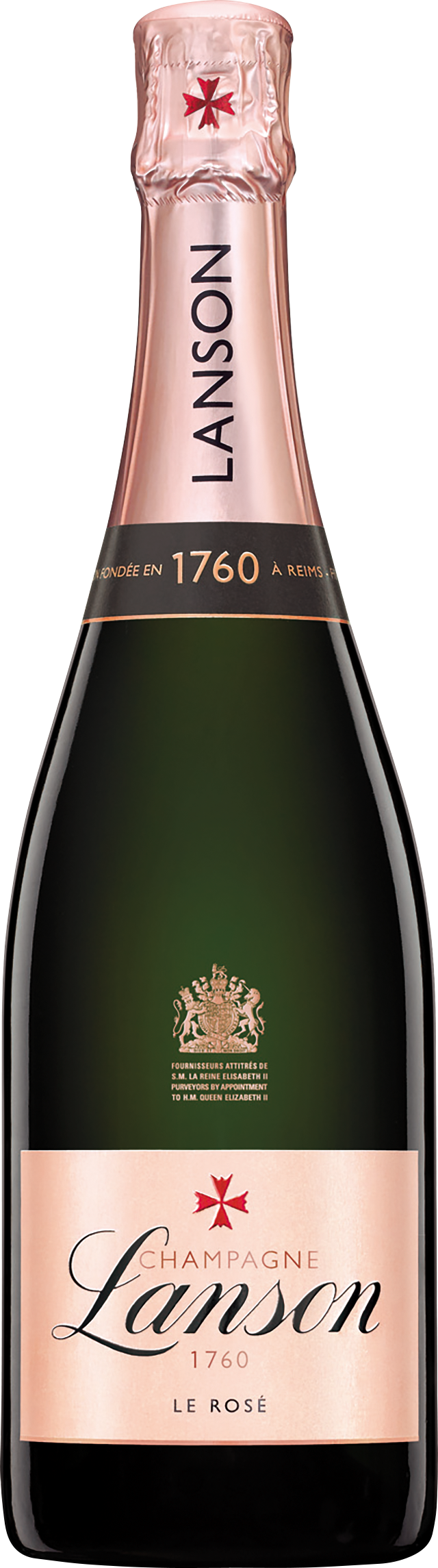
Le Black Label Brut is the heart of the house: a cuvée of around 50% Pinot Noir, 35% Chardonnay, and 15% Meunier, assembled from grapes from around 100 municipalities – including historic sites like Verzenay and Dizy – and supplemented by reserve wines from ten previous vintages. In the glass, it shows red and black berries, citrus zest, and a hint of honey, carried by tight acidity and fine chalky minerality on the finish. Le Rosé Brut follows the same basic principle: Pinot Noir dominates the assemblage, red wines from Pinot Noir municipalities like Bouzy provide color and fruit – strawberry, raspberry, a touch of grapefruit. The restraint of malolactic acid also gives the Rosé its characteristic citrus freshness. Those who serve the cuvées at 7–9 °C will bring out their full aromatic potential; it is just as convincing as an aperitif as it is with oysters, scallops, or light poultry.