

Franconia · Germany
Winzer Sommerach
Read more Read less
Winzer Sommerach is the oldest winegrowers' cooperative in Franconia – founded in 1901 by 35 winegrowing families who joined forces to survive during a time of phylloxera infestation and plummeting prices. Today, 90 families carry on this tradition, cultivating around 200 hectares on the Main River loop and tending the Sommeracher Katzenkopf vineyard, one of the most important sites in the region. Their motto, "High standards make the difference," is not just a slogan: every bottle can be traced back to a specific winegrower and their vineyard – transparency and community as a lived principle for over 120 years.
Filters
26 products


Berliner Wein Trophy 2018
Awarded by Berlin Wine Trophy

Fränkische Goldmedaille 2022
Awarded by Franconian Winegrowers' Association

Falstaff Weinguide Deutschland 2023
Awarded by Falstaff
Falstaff Weinguide Deutschland 2023
Awarded by Falstaff



Ortswein Trophy DE 2024
Awarded by Falstaff
About Winzer Sommerach
From an emergency alliance to the oldest cooperative in Franconia
The history of the Winzer Sommerach begins with a crisis. In the second half of the 19th century, Franconian viticulture was hit by a series of blows: bad weather, phylloxera infestation, and a wine market where prices had fallen so far that many businesses were on the verge of ruin. In response, 35 winegrowing families in the Main loop village of Sommerach joined forces in 1901 — on the initiative of former mayor Vinzenz Weickert and pastor Nagengast — to form the first wine cooperative in Franconia. Their calculation was pragmatic: those who press and market together survive what could not be managed alone.
From this survival reflex, a community project has grown over 120 years that still holds strong today. Today, around 90 winegrowing families manage a total of 196 hectares of vineyards on the Main loop. Many members are descendants of the founding families – a cross-generational continuity that gives the business its special roots. In 2009, the cooperative was named the best German wine cooperative; the Bavarian State Honorary Prize for Viticulture has been awarded to it multiple times, most recently in 2011.
Every vineyard has a vision – craftsmanship, attitude, and FAIR'N GREEN
The credo of the cooperative is: nothing can be fixed in the cellar. What counts is decided in the vineyard – in the small parcels that every family has been tending independently for generations. Every member has known their vines since childhood; cultivation remains a family affair, pressing a collective one. This principle – individual responsibility in the vineyard, collective strength in the cellar – is not a marketing promise, but the organizational DNA of the cooperative.
Sustainability is not an addition, but a condition: all wines from Winzer Sommerach carry the FAIR'N GREEN seal, which certifies ecological, social, and entrepreneurial standards. In the vineyard, this means: no glyphosate, continuous reduction of plant protection products, targeted greening to promote biodiversity, and returning grape pomace to the soil. In the facility, the cooperative generates around 25% of its electricity needs via photovoltaics; the remaining electricity demand is covered entirely from renewable sources. Fossil primary energy is compensated via climate protection programs.
Shell limestone, Silvaner, cosmopolitanism – what distinguishes the wines
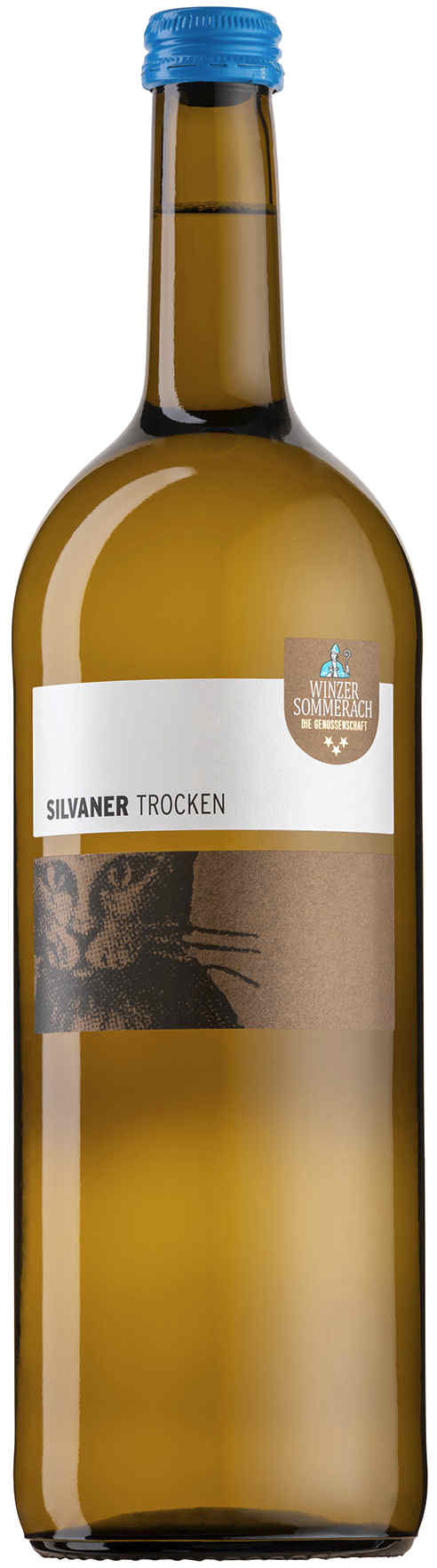
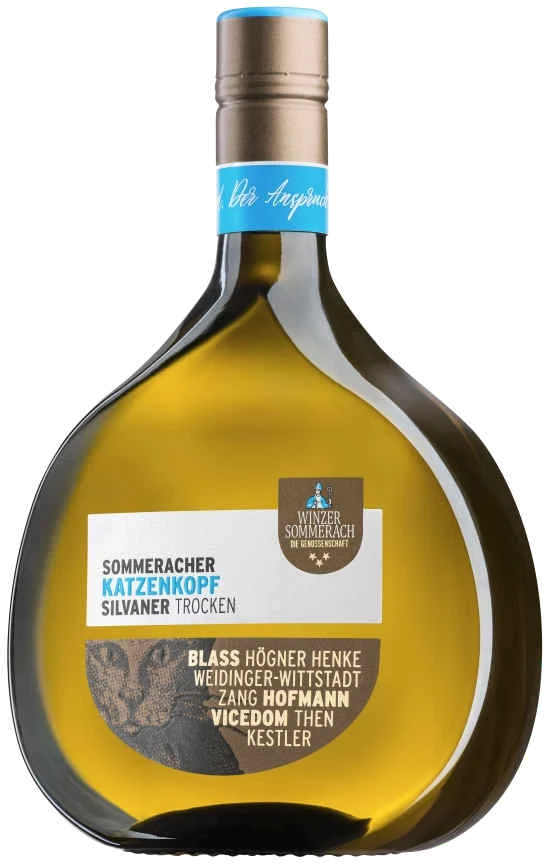
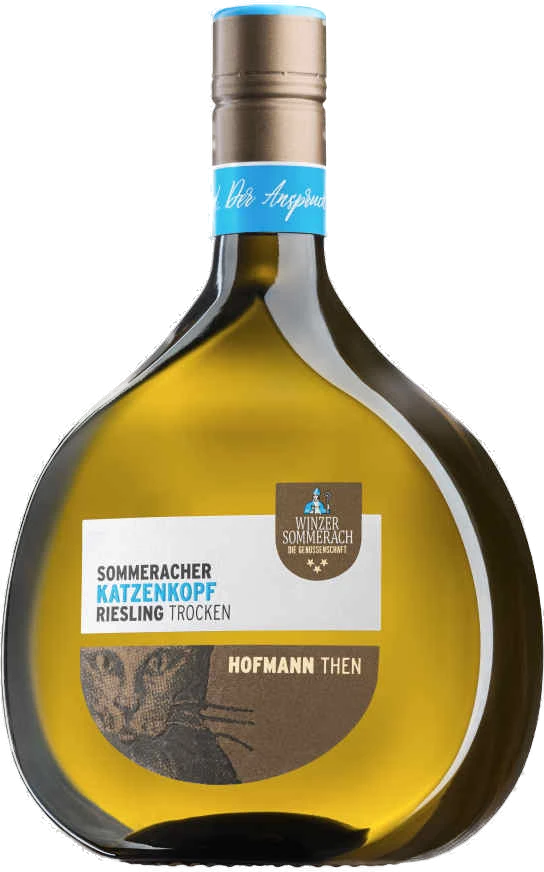
The heart of the range is the Sommeracher Katzenkopf – a site with documented viticultural history since 1084, when the Bamberg cathedral provost Ulrich transferred vineyards around the Katzenkopf to the Münsterschwarzach monastery. The shell limestone soils shape the wines with a salty minerality and cool fruit, which is particularly noticeable in the Silvaner and Weißburgunder. In addition to the Katzenkopf, the Wiebelsberger Dachs and the Escherndorfer Lump provide further grapes from characterful single sites.
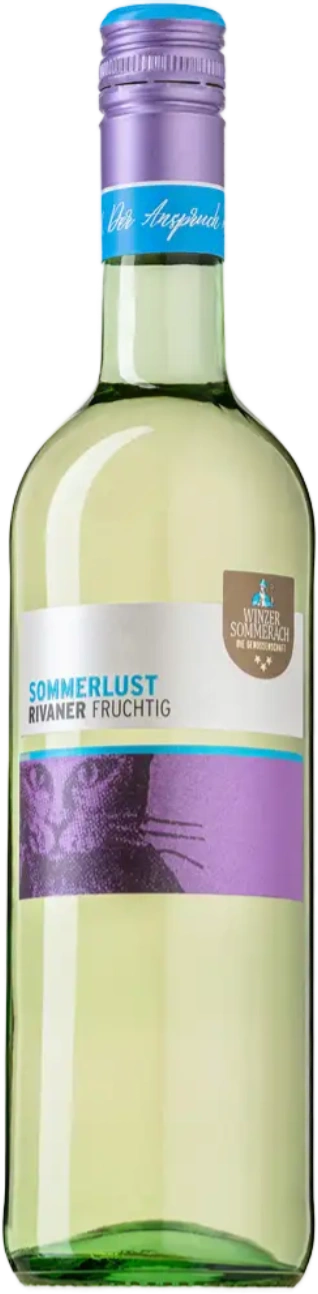
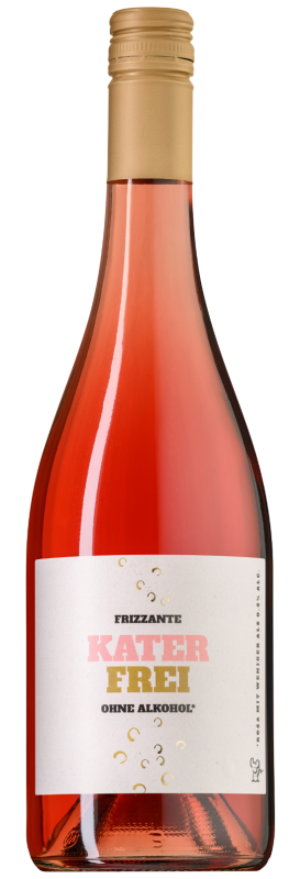
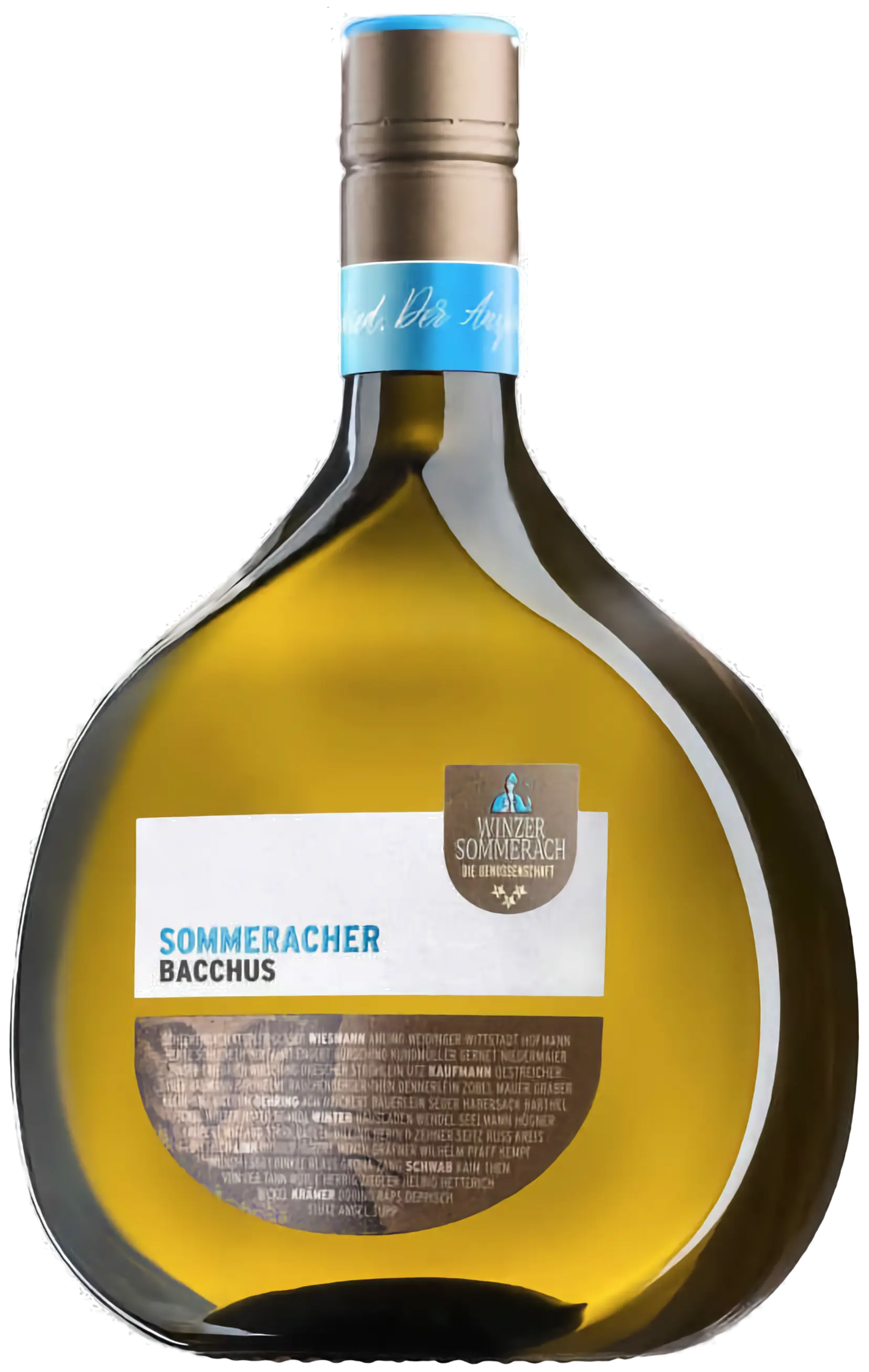
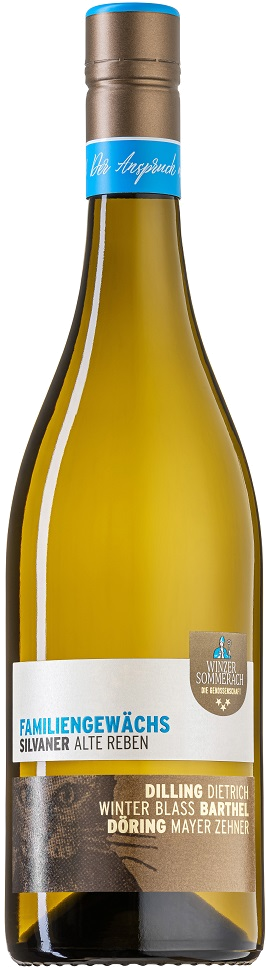
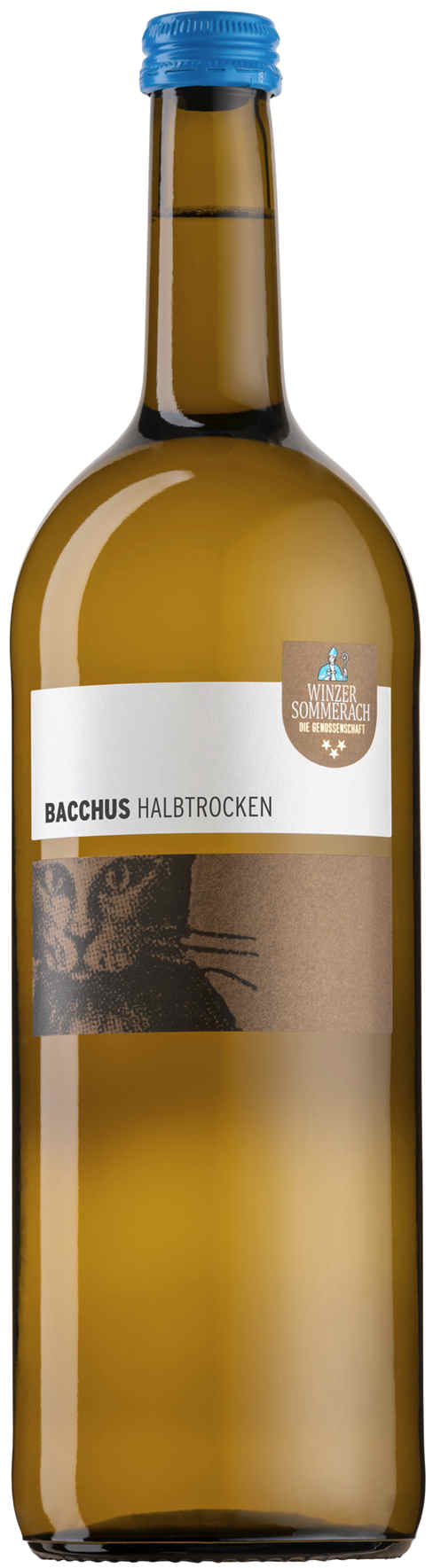
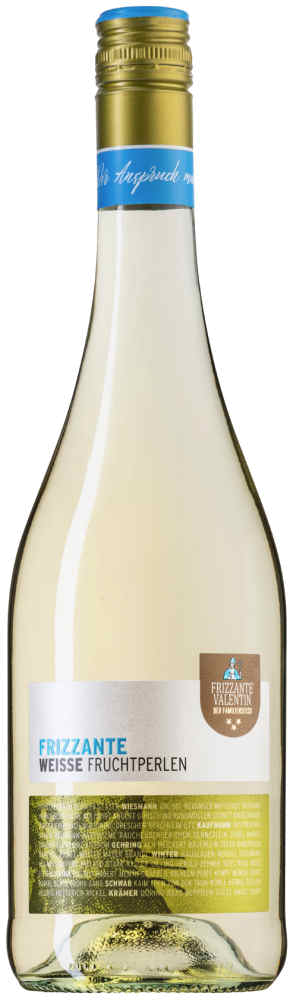
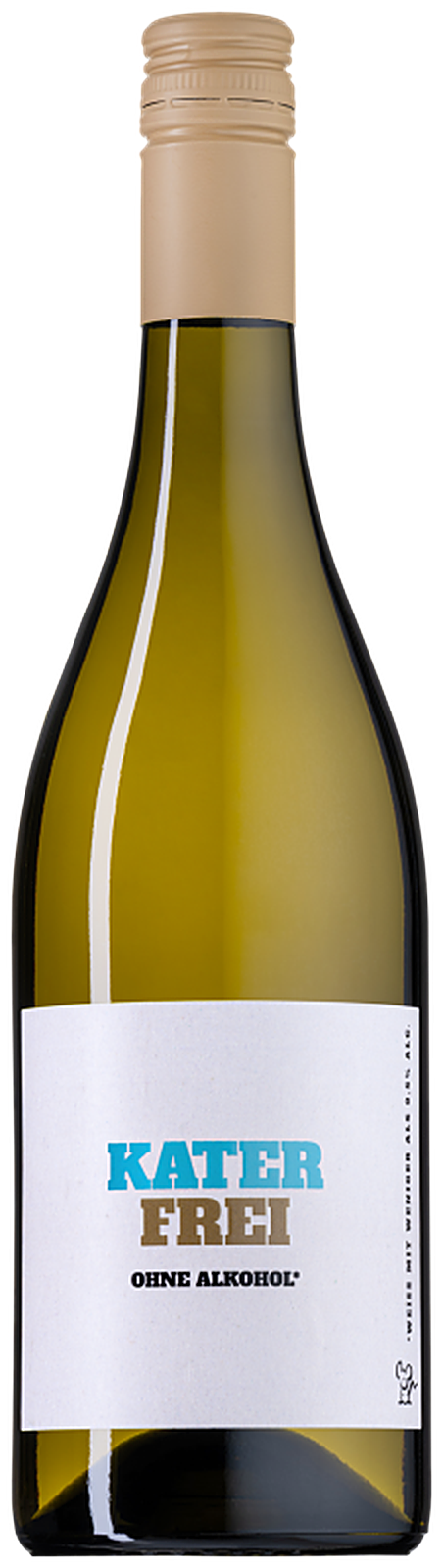
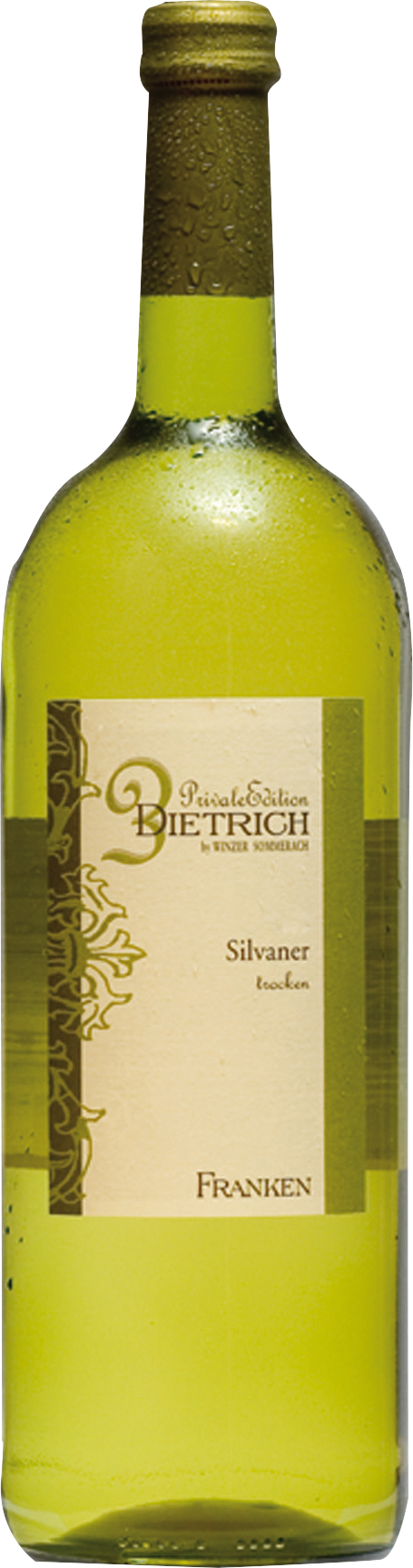
The range spans a wide arc: from the taut, dry Sommeracher Katzenkopf Silvaner to the aromatic Scheurebe Off-Dry to the Bacchus Semi-Dry. With the non-alcoholic line Katerfrei – as a still wine and as a Frizzante – the cooperative responds to real drinking habits without making compromises on artisanal standards. The family wines – including Grauburgunder, Silvaner Old Vines, and Weißburgunder – are a clear commitment to Franconian grape variety identity: varietal, site-focused, without resorting to international stylistics.
Sommerachwinzer-sommerach.de
Award-winning wines
Berliner Wein Trophy 2018
Awarded by Berlin Wine Trophy
Fränkische Goldmedaille 2022
Awarded by Franconian Winegrowers' Association
Falstaff Weinguide Deutschland 2023
Awarded by Falstaff
Falstaff Weinguide Deutschland 2023
Awarded by Falstaff
Ortswein Trophy DE 2024
Awarded by Falstaff
What our customers say
Very good Franconian wine have already ordered for the 2nd time ,,,,fast delivery price good
Everything worked smoothly. Properly packed. I like to order here again
A fresh and typically fruity Silvaner. A great terrace wine that belongs well chilled in the glass and where you like to pour another glass even after the second one. Is definitely worth the price and definitely to be recommended.


Frequently asked questions
What makes Franconian wine from the Mainschleife special?
Which grape varieties are typical for Winzer Sommerach?
What does a dry Silvaner from Franconia go with?
What is a cooperative winery, and how does that affect quality?
Are there also non-alcoholic or light alternatives in the range?
How long can I store Franconian wines from Winzer Sommerach?
Winzer Sommerach –
A cooperative with a face, the oldest in Franconia
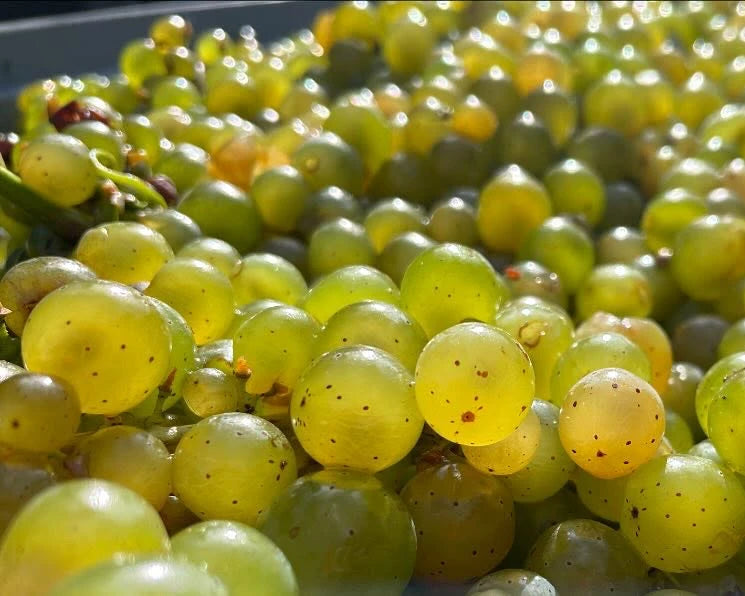
Winzer Sommerach is not an anonymous large-scale cooperative, but an association of 90 families today, which was born out of genuine hardship in 1901: phylloxera infestation and falling prices forced 35 winemakers at the Mainschleife to join forces. What began as a survival strategy back then is today a model for transparency and shared craftsmanship that has grown over 120 years.
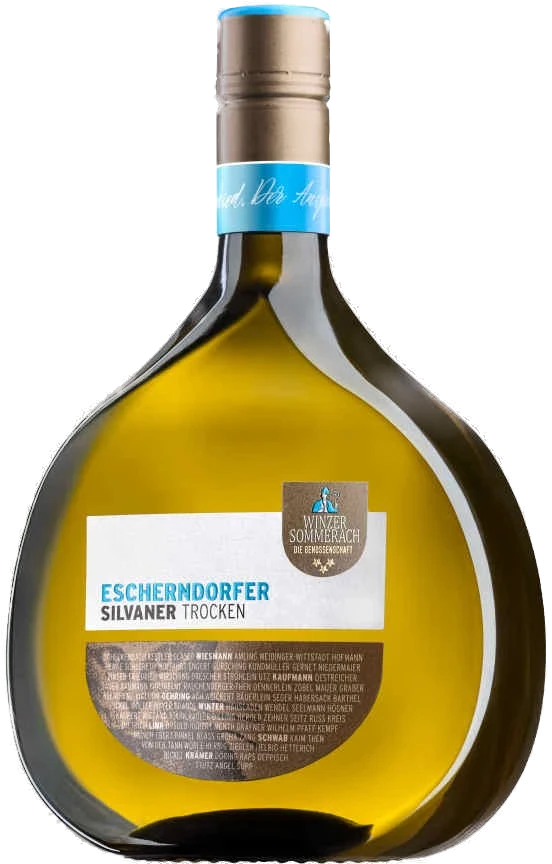
The approximately 200 hectares of vineyards around Sommerach include the Sommeracher Katzenkopf, one of the most renowned single vineyards in Franconia – a shell limestone slope that gives Silvaner the typical spice and firm acidity for which Franconian wines are known. Every bottle can be traced back to a specific winemaker and their vineyard: not a uniform wine, but traceable origin from a single source.
The range extends from the classic dry Silvaner in the Bocksbeutel bottle to Pinot Blanc and Riesling, which reflect the diversity of the Mainschleife. Anyone looking for Franconian wines with a real connection to the soil and the people will find both at Winzer Sommerach.