From the farmstead to the Franconian exception address
The Winzerhof Stahl in Auernhofen, a hamlet south of Würzburg, has belonged to the Stahl family since 1814 – initially as an agricultural business without a single vine. That changed in 1984, when an EU project for the recultivation of fallow slopes in the Tauber Valley led Gudrun and Albrecht Stahl to plant their first hectare with grapevines. The impetus was therefore not winemaking tradition, but an agricultural policy initiative – a circumstance that still characterizes the attitude of the business today: pragmatic, non-ideological, future-oriented.
In 2000, Christian Stahl, a trained viticultural engineer with a degree in oenology, took over the family business and consistently expanded it. Together with his wife Simone, he developed the small Tauber Valley estate into a business with over 50 hectares of vineyard area, distributed across sites in the Tauber Valley, along the Main, and in the Steigerwald. Within two decades, the family estate became one of the most discussed addresses in German viticulture.
Courage for one's own path: vineyard, cellar, kitchen
Christian Stahl wants nothing to do with Franconian Bocksbeutel nostalgia. Instead, he focuses on consistent quality in the vineyard and marketing that clearly sets itself apart from regional winemaking folklore. The sites are located on sun-drenched slopes with shell limestone and gypsum keuper as defining soils – prerequisites for wines with minerality and structure.
What makes the Winzerhof Stahl special: Christian Stahl is not only in the vineyard, but also at the stove himself. From the wedding business, he developed a fine-dining concept that consistently builds on his own wines. Since 2024, the restaurant has held a Michelin star, which was confirmed in 2025 and 2026 – an award that, according to industry observers, makes him the first winemaker to reach a star as a chef. The nine-course menu is tailored to the respective wines of the house, not the other way around.
Silvaner, Scheurebe, Chardonnay – and a line for everyday life
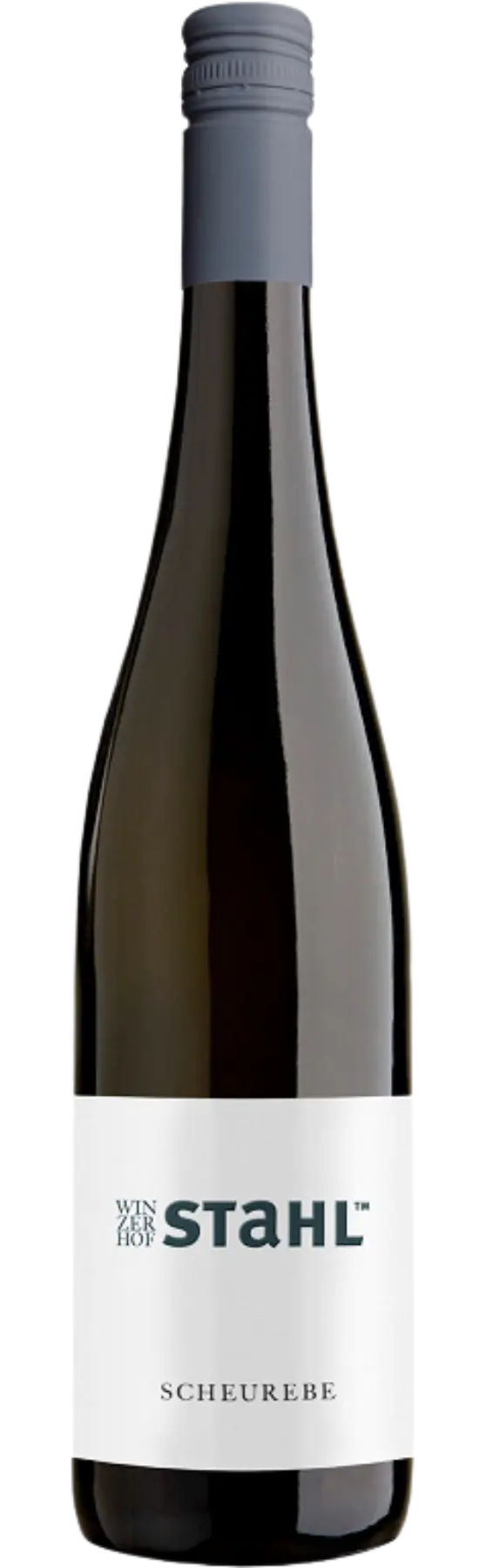
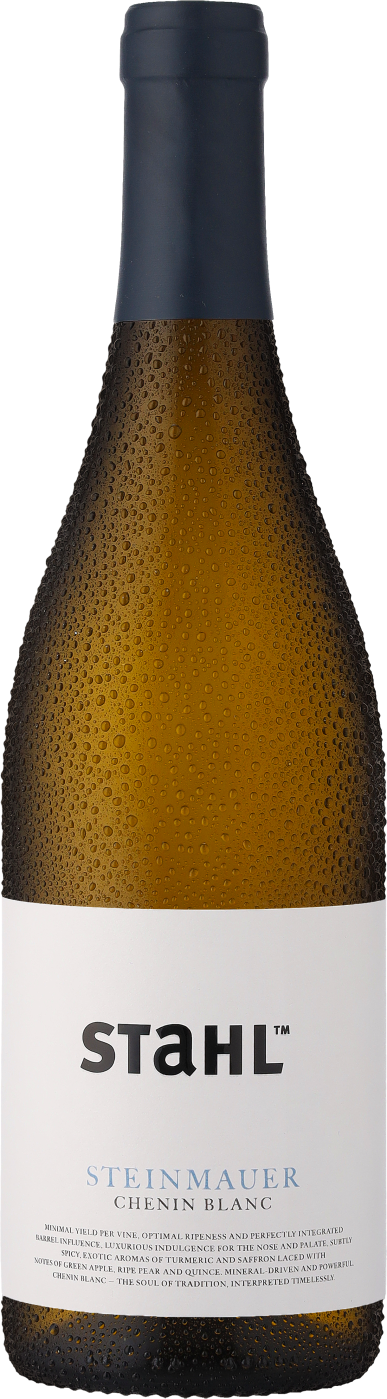
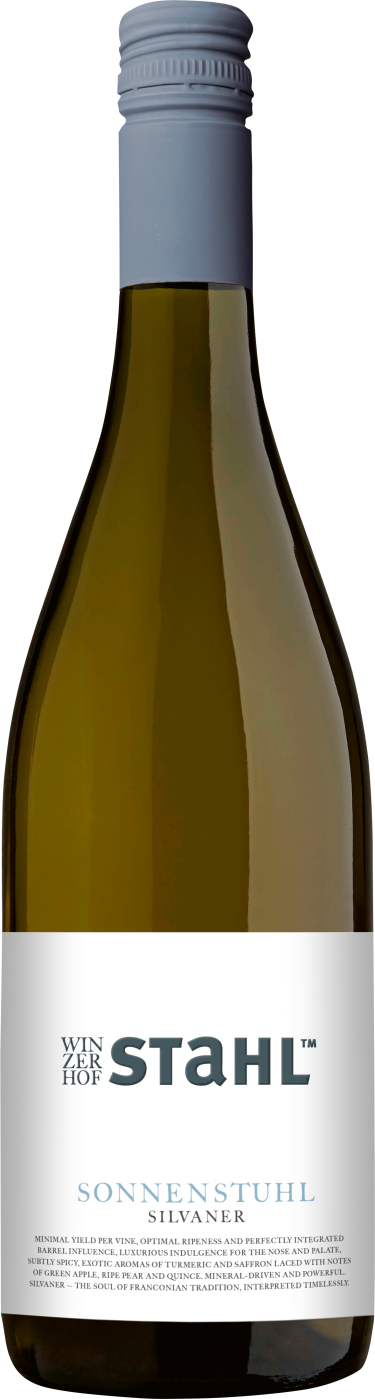
The range reflects the aspiration to interpret Franconian grape varieties in a contemporary way and embed them internationally. Silvaner, Scheurebe, Müller-Thurgau, and Chardonnay form the backbone – supplemented by Sauvignon Blanc and Muskateller. The wines show the mineral-salty imprint of their shell limestone and gypsum keuper soils: taut acidity, clear aromatics, long finish. Stuart Pigott named Christian Stahl Winemaker of the Year in the Frankfurter Allgemeine Sonntagszeitung in 2018, Falstaff awarded him Young Winemaker of the Year, and the Feinschmecker counts the Winzerhof among the best wineries in Germany.
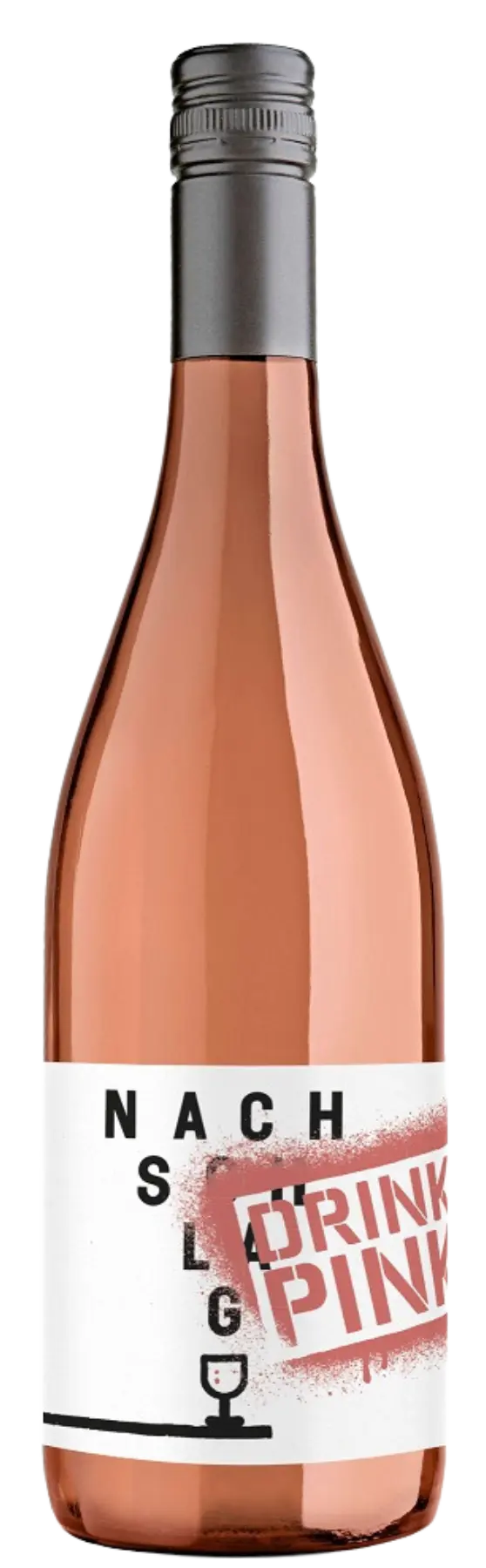
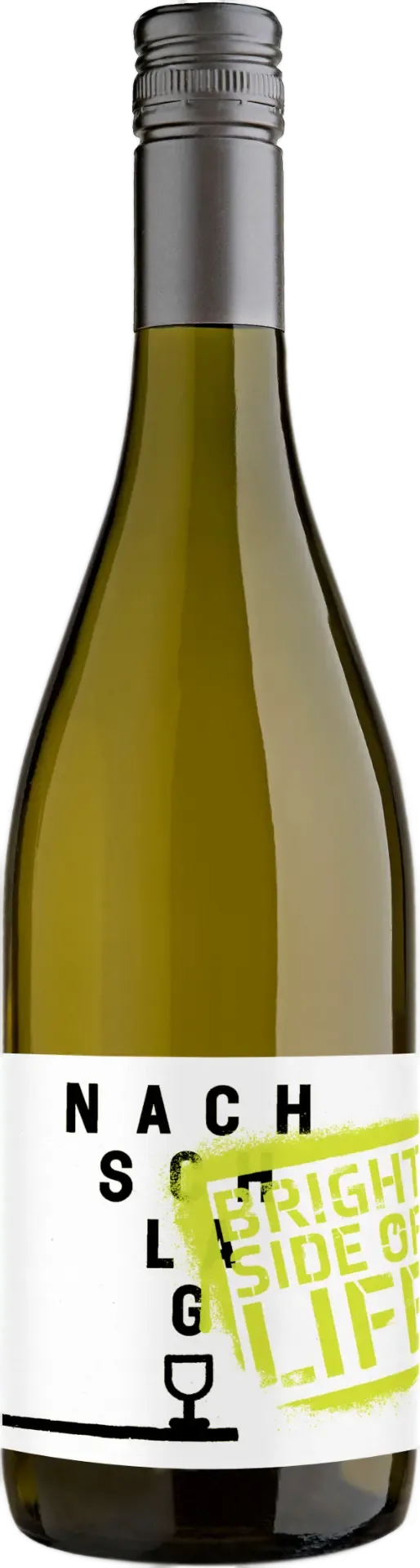
With the Nachschlag line, there is an entry into the Stahl universe that directly combines drinking pleasure and craftsmanship – names like "Bright Side of Life" or "Drink Pink" contain the same will for independence that drives the entire business. Those who want to get to know Stahl wines should reach for Silvaner or Scheurebe to understand the mineral foundation – and then let themselves be surprised by the Chardonnay, which has meanwhile become one of the house's strongest arguments.