From the vine nursery to the family estate at Lake Frassino
It all began not with a wine cellar, but with seedlings. In the mid-1950s, Gino Zenato founded an agricultural business in Peschiera del Garda that initially worked as a vine nursery — he cultivated planting material for the region's viticulture and, in doing so, explored the soils of the southern Lake Garda area with great precision. In 1981, his son Valerio took over management and consistently shifted the focus to wine production. The first awards from renowned Italian wine guides were not long in coming. Today, Fabio and Paolo — Valerio's sons, the third generation of winemakers — manage the Cantina together with their father, continuing the viticultural roots of the business: the selection and cultivation of vine material from over 100-year-old mother vines remains part of the estate's work to this day.
The winery's name carries the landscape within it: Le Morette are the red-crested pochards that use the nearby Laghetto del Frassino as a breeding ground — a natural lake of glacial origin, a UNESCO World Natural Heritage site since 2011, located about one kilometer from Lake Garda. The family's vineyards lie between this body of water and the lakeshore.
Work on glacially shaped soils
The soil on which Le Morette works is the foundation of all its wines. After the last ice age, the glaciers of Lake Garda left behind a clay-rich loam layer with a distinct salt content — densely mineral, heavy, and water-retaining. It is precisely in this soil composition that the Turbiana vines, typical for Lugana, thrive particularly well: the roots access the mineral supply deep in the subsoil, which is directly reflected in the structure of the wines. The vineyards are located around San Benedetto di Lugana as well as near Desenzano del Garda.
Family involvement in all production phases is a declared principle. Since 2013, a new winery has been available, combining modern equipment with the artisanal knowledge built up over decades. The white wines mature on the lees, which gives them a characteristic melt that balances the natural freshness of the Turbiana.
Turbiana at the center — and a broad Lake Garda range
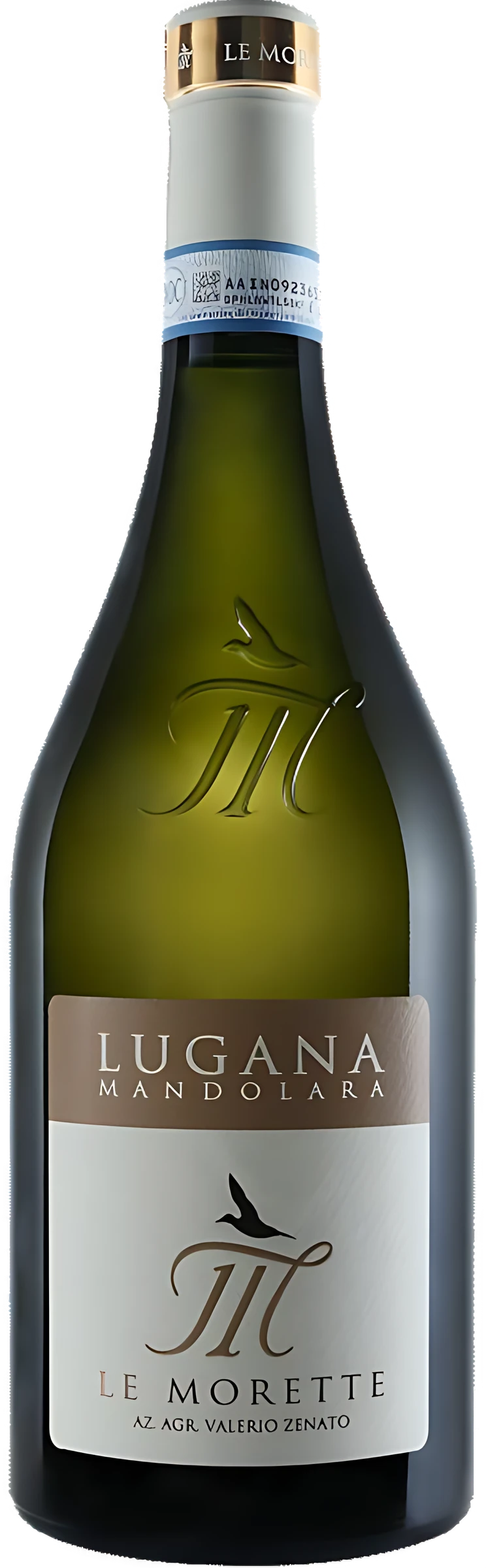
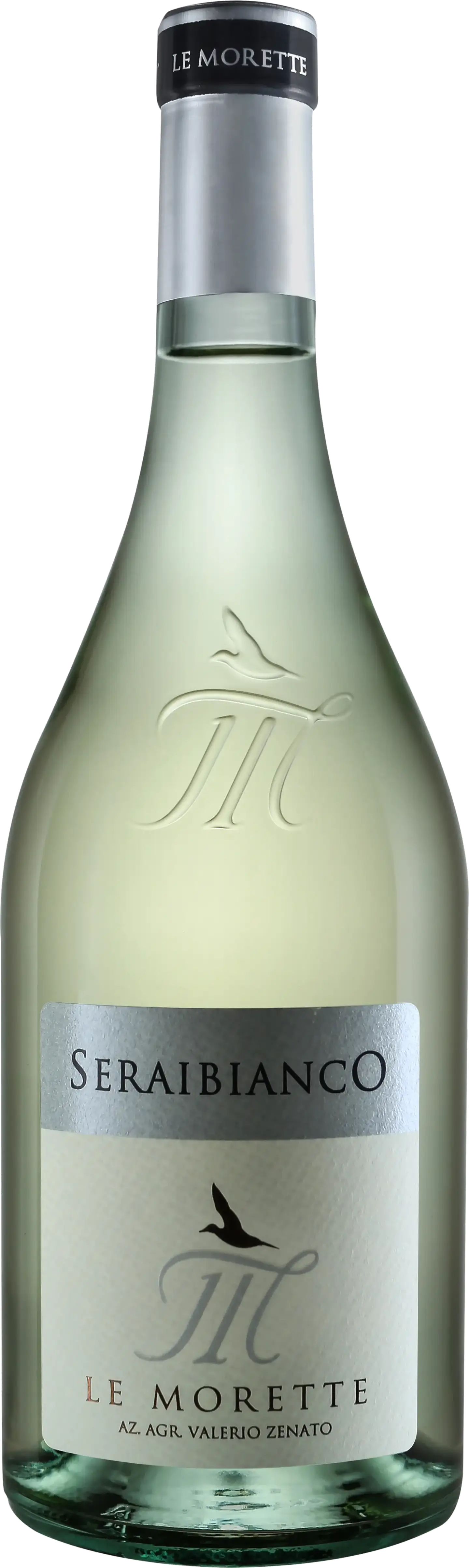
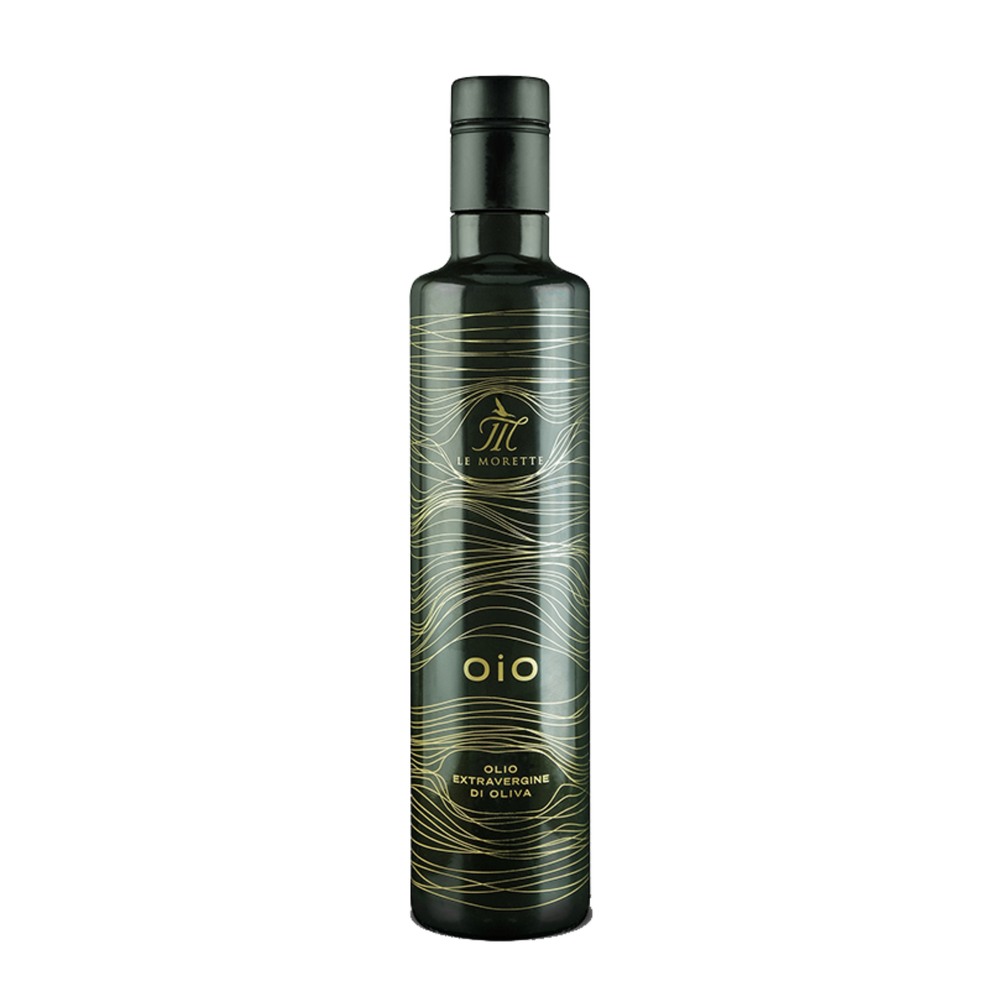
The heart of the range is the indigenous grape variety Trebbiano di Lugana, locally called Turbiana. From it, the Lugana Mandolara DOCG and the Lugana Benedictus are created — two wines with different degrees of maturity and expression, both characterized by the salty minerality of the soil, bright fruit, and a cool, stable acid structure. The range is complemented by the Bardolino Chiaretto Classico DOC, a rosé-colored classic made from Corvina, Rondinella, and Molinara, as well as the Serai and Perseo lines, which showcase other red and white grape varieties of the Veneto. In addition, there is the Garda DOP olive oil, which is produced on the same grounds — the Lake Garda soil and the mild microclimate also benefit olive cultivation. What all the estate's products have in common is a clear, precise style: little interventionism, recognizable origin, and minerality as a common thread.