From pomace wagon to cult distillery: 125 years of the Poli family
The history of Poli does not begin in 1898 — it begins earlier. Since the 15th century, the family has been documented on the Venetian plateau, initially as shepherds and traders, later as innkeepers and wine sellers. In 1885, GioBatta Poli settled in the small village of Schiavon, on the road between Vicenza and Bassano del Grappa. In 1898, he mounted three copper stills on a horse-drawn wagon and traveled from farm to farm to distill the fresh pomace of the Venetian winemakers directly on site. This mobile craft resulted in the first permanent distillery in Schiavon — and it has never stopped distilling since.
Giobatta's sons Giovanni, Beniamino, and Pasquale Fortunato expanded the business to other locations; grandson Antonio fundamentally renewed the facilities in the mid-20th century. Today, Jacopo Poli and his siblings Giampaolo, Barbara, and Andrea run the company in the fourth generation. The historic building in Schiavon, with its arcade typical of the rural Veneto, is a listed building and, in addition to the active distillery, houses a Grappa museum with one of the largest historical Grappa collections in Italy.
Fresh pomace, four distillation paths, no compromise
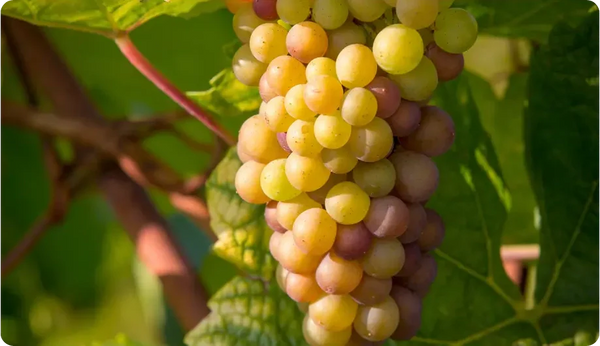
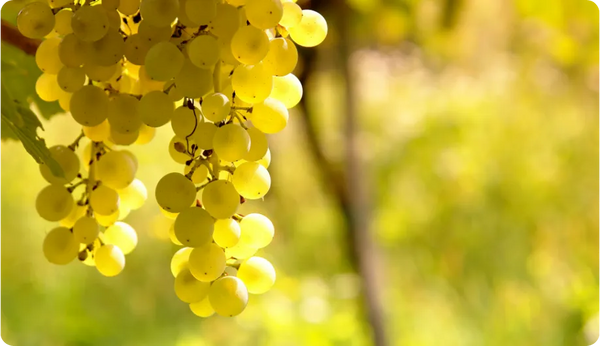
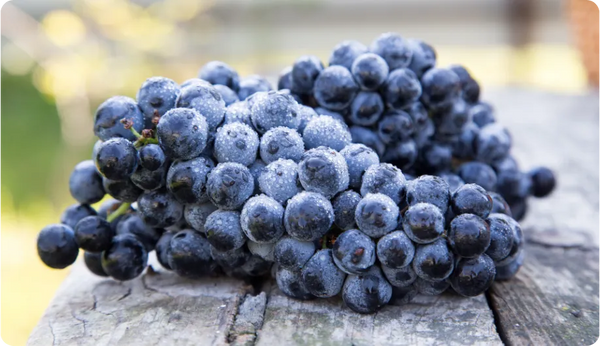
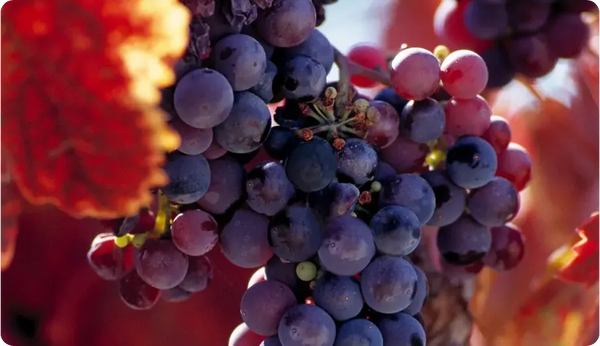
Poli works exclusively with fresh pomace — processing only takes place during the grape harvest, from the beginning of September to the beginning of November. This narrow time window is the program: only drip-fresh pomace preserves the aromatic compounds that make the difference between a flat industrial distillate and a characterful Grappa.
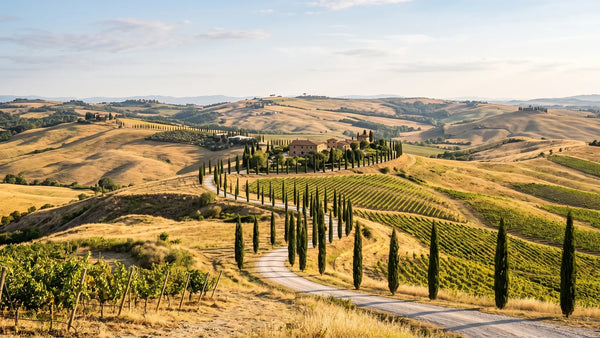
What distinguishes Poli from other distilleries is the decision not to rely on a single distillation method. In Schiavon, four different apparatuses work side by side, all in a discontinuous cycle: the ancient steam-powered copper alambic, traditional water-bath stills, and modern water-bath boilers under vacuum. Jacopo Poli is convinced that each method has its own strengths and enables a different style type — softer fruitiness with the water-bath process, more structure and spice with the steam boiler. The pomace comes from the wine regions around Bassano del Grappa, Marostica, and Breganze. About 20 percent of the barrique barrels are renewed annually, and around 40 percent of production goes to export.
Grappa, Vermouth, Gin, and Liqueur: a range with a Venetian attitude
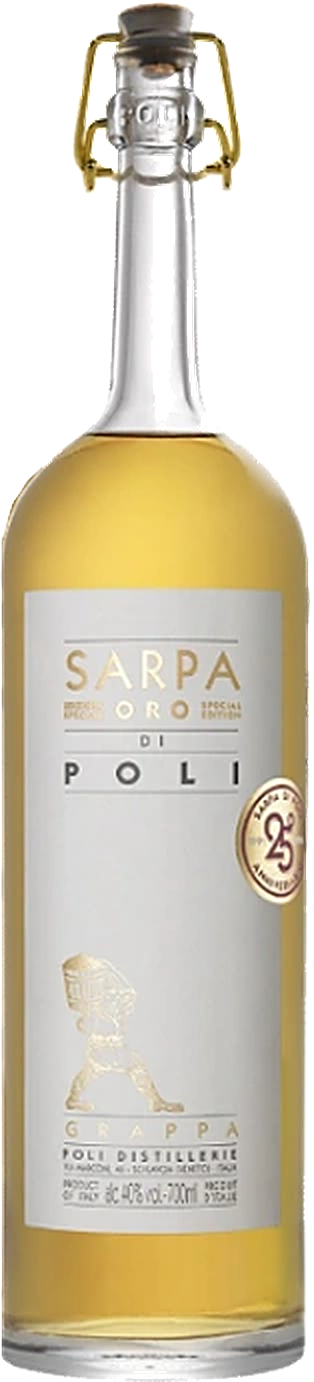
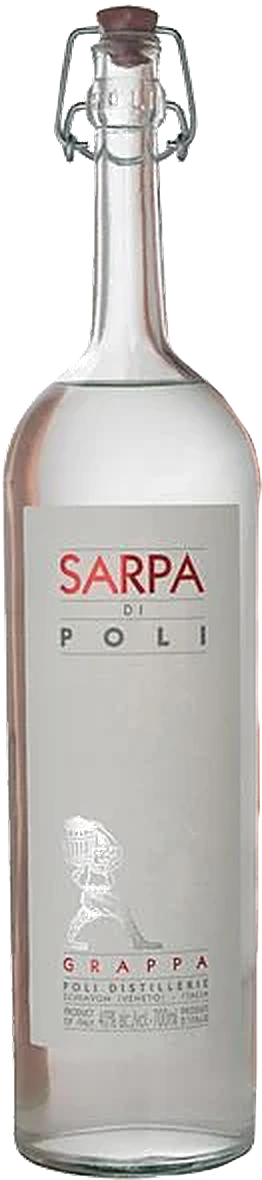
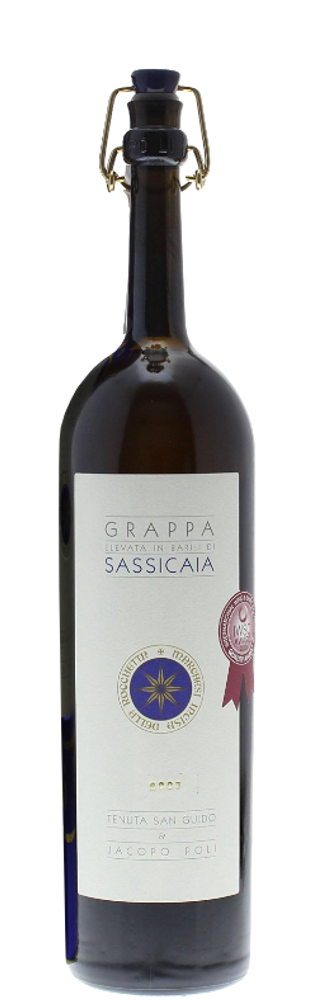
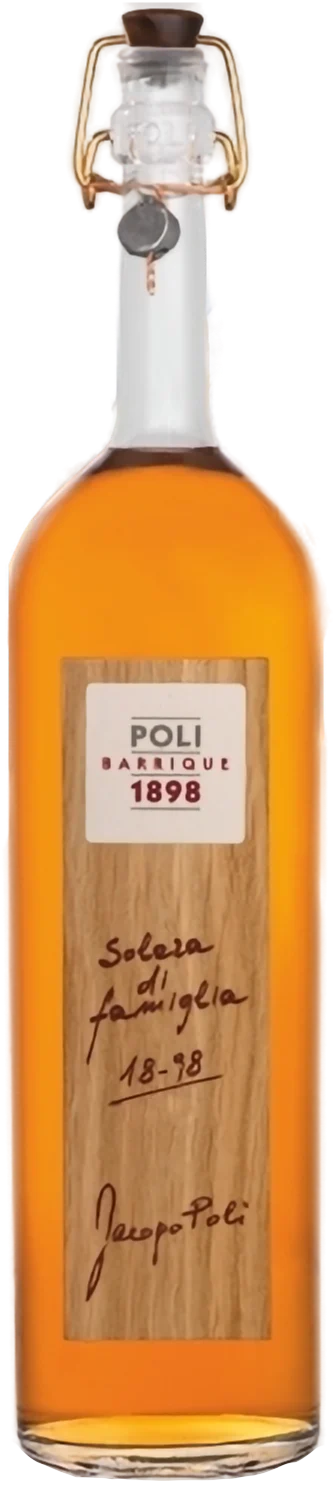
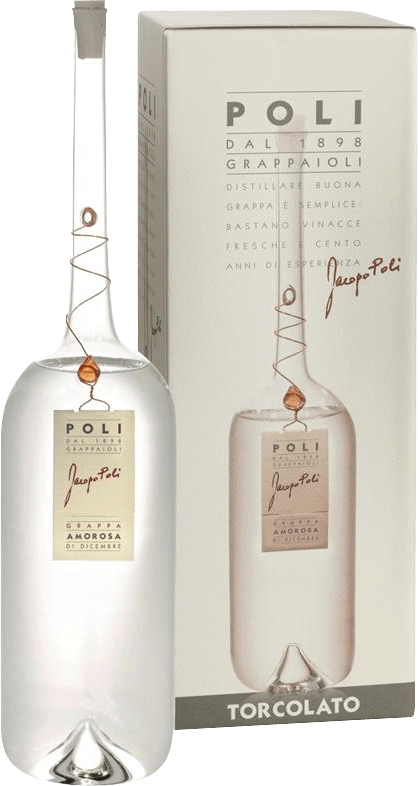
Poli has never viewed Grappa as a mere byproduct of the wine industry, but as an independent cultural asset of the Veneto. The range reflects this attitude: classic Grappas like the Sarpa line made from Merlot and Cabernet pomace stand alongside aged rarities like the Cleopatra Amarone Oro — distilled from the pomace of Amarone, subsequently aged in wood, with aromas of dried fruit and almond. The Due Barili and Barili di Sassicaia editions mature in barrels of former top wines and combine the distillation art of the Veneto with the wine culture of Tuscany.
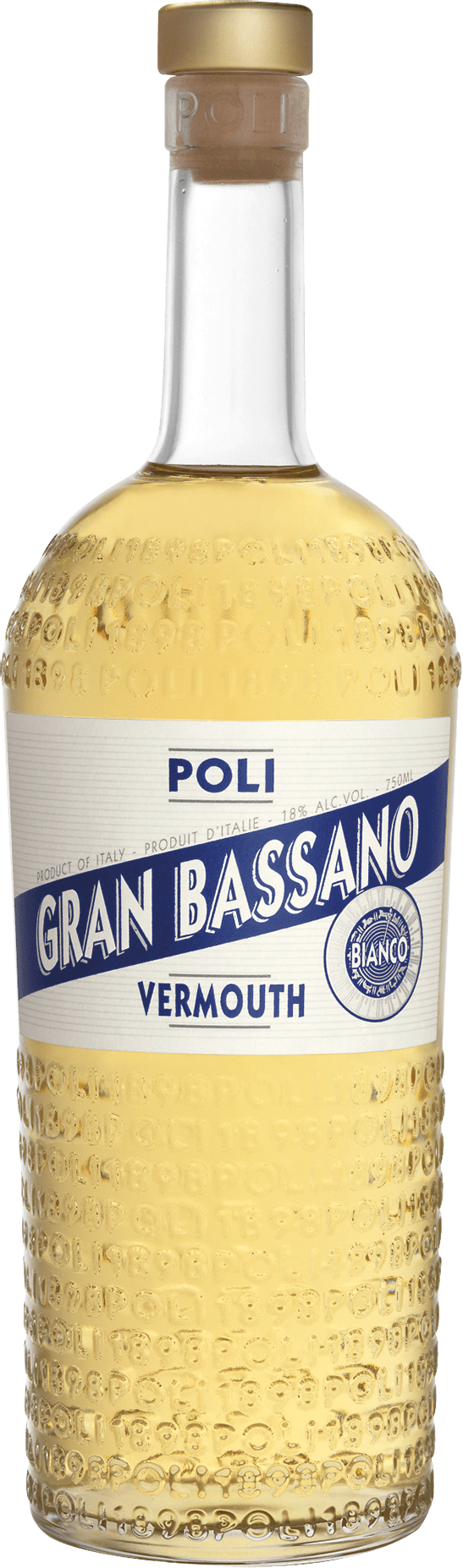
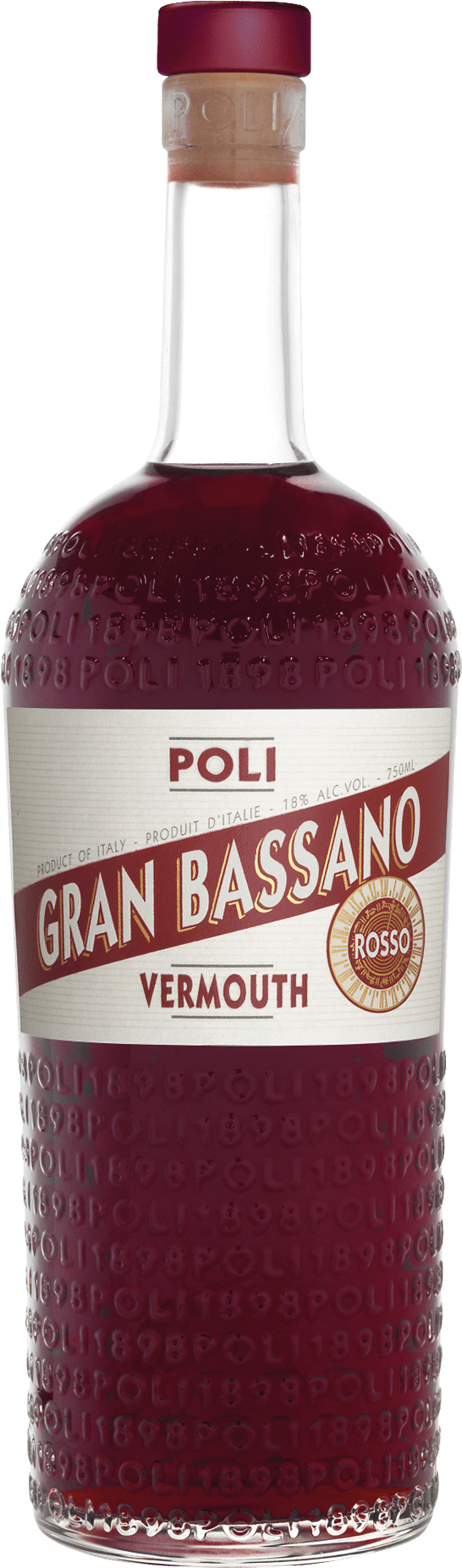
Beyond Grappa, the distillery has extended its craft to other categories: the Gran Bassano Vermouth — in red and white — is based on Venetian wines and regional herbs. The Gin Marconi 46 bears the address of the distillery in its name. In addition, there is the fruity-bitter Aperitivo Airone Rosso as well as liqueurs like the Elisir Limone. All products follow the same premise: raw materials from the region, artisanal care, no standard recipe.