In Erden since 1744: Riesling makers with roots in slate rock
The Schmitges winery is located in the small town of Erden, wedged between Bernkastel-Kues and Traben-Trarbach on the Middle Mosel. First documentary mention: 1744 — but the family itself points to a viticultural tradition that goes back even further into the 17th century. What began as a farming business is today a profiled family winery, which Andreas Schmitges runs together with his wife Waltraud and son Kilian. Andreas took the helm in the early 1990s and from the beginning focused on clear quality standards, modern label design, and a consistent orientation toward the international market — anything but a matter of course on the Mosel at that time. Kilian brought a fresh perspective and new drive as a so-called "career changer," without losing sight of his origins. Member of the renowned Bernkasteler Ring.
Steep slopes as a conviction: Slate, hand-picking, and consistency
The house motto — "Many can do flat, we love it steep" — is not a marketing promise, but lived everyday life. The family manages around 25 hectares of vineyards, the majority of which are on steep slopes with gradients between 50 and 70 percent. The most important plots are in the Erdener Treppchen, a southwest steep slope on heavily weathered gray slate with a gradient of up to 65 percent, and in the Erdener Prälat, a pure south-facing slope on red slate with up to 70 percent — one of the narrowest and most temperamental single vineyards on the entire Mosel. There, own-rooted vines, some 50 to 100 years old, reach deep into the rock and give the wine its pronounced minerality.
In the vineyard, Schmitges relies on deliberately low yields and exclusively selective hand-picking — in these steep slopes, there is no alternative to manual work anyway. The winery has been practicing pest control without chemical intervention since the early 1980s, when this was still an exception in Germany: As one of the first districts in German viticulture, Schmitges, together with fellow winemakers, opted for methods without chemicals at that time. Nothing has changed in that regard to this day. In the cellar, the care in the mountain is followed by equally gentle vinification: gentle grape processing, cool and slow, partly spontaneous fermentation — the wine is given time, and time gives it character.
Riesling in all facets — from estate wine to steep slope
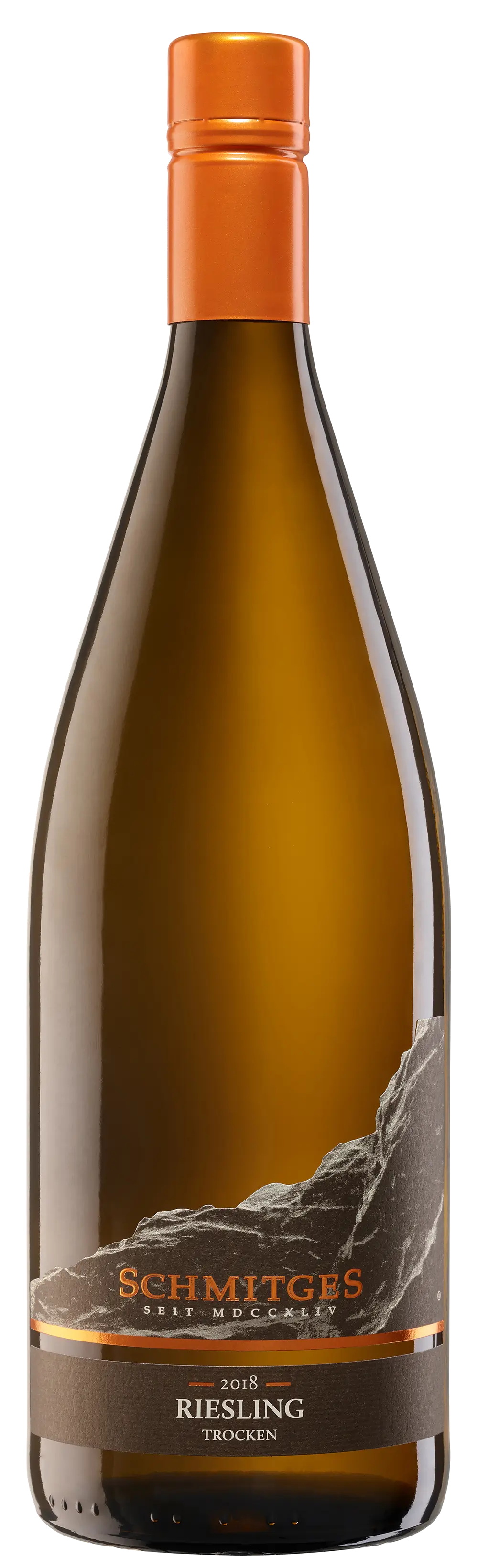
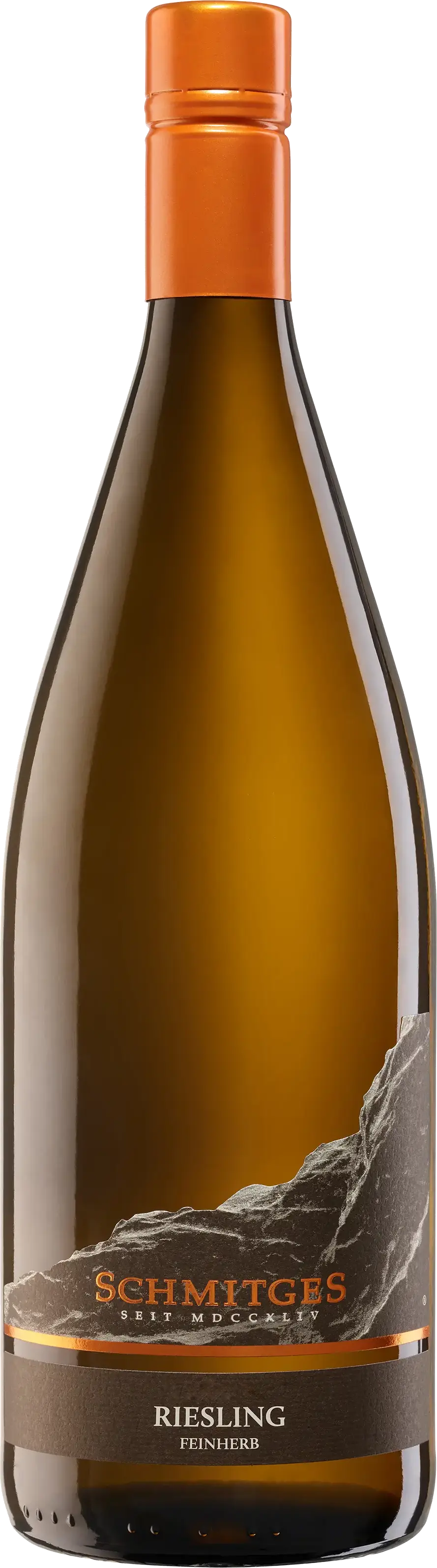
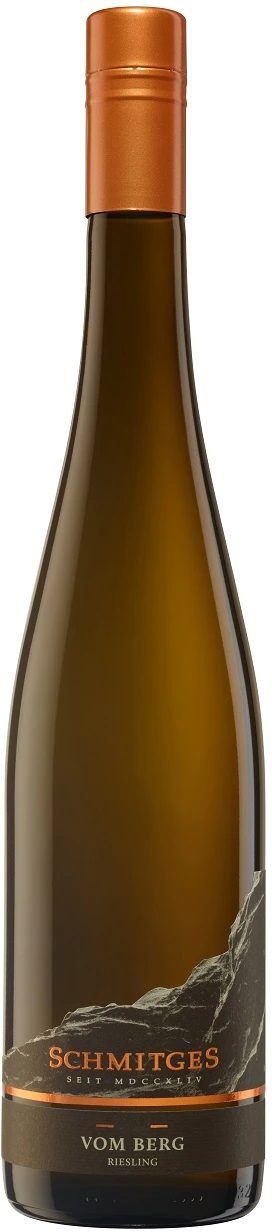
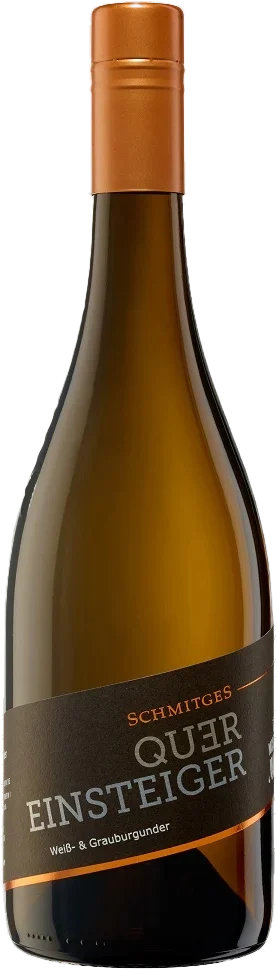
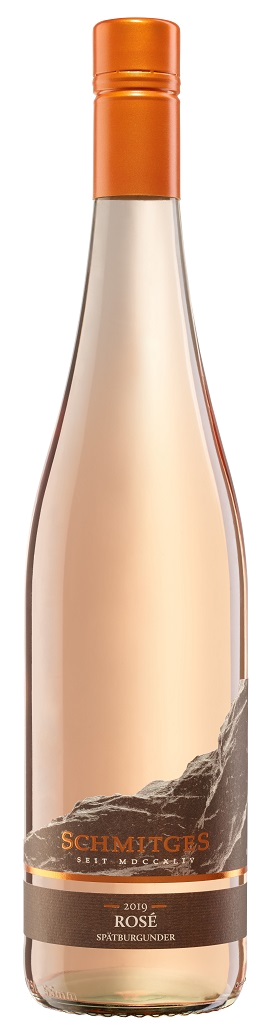
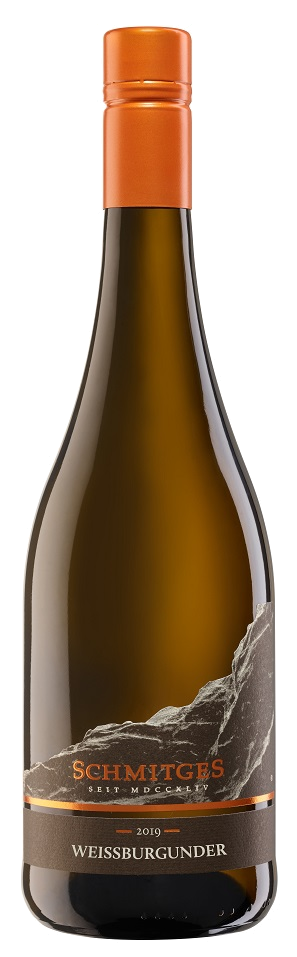
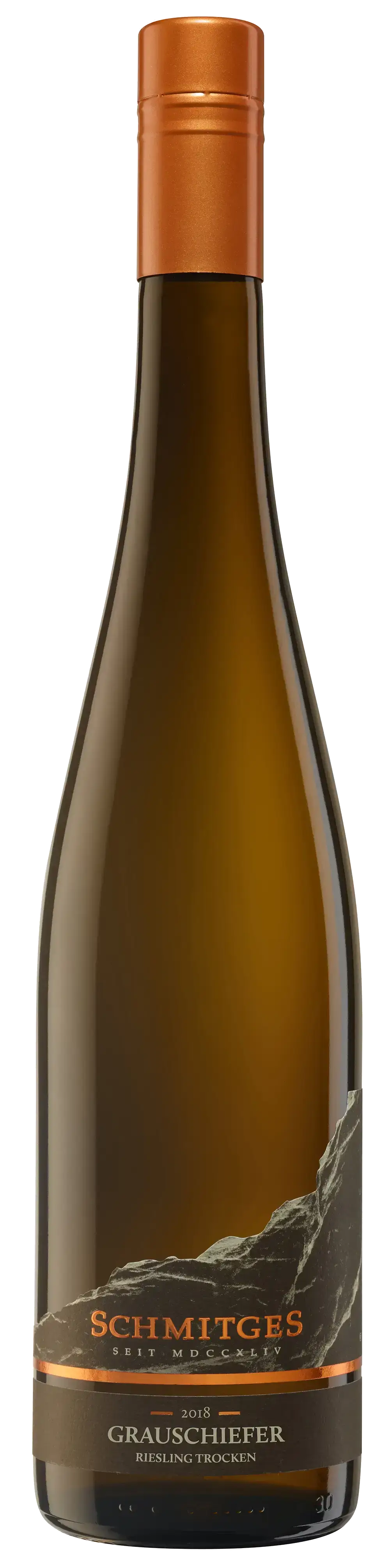
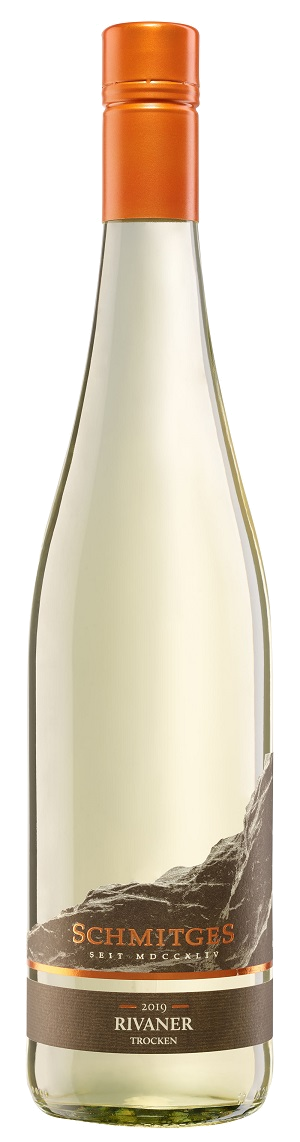
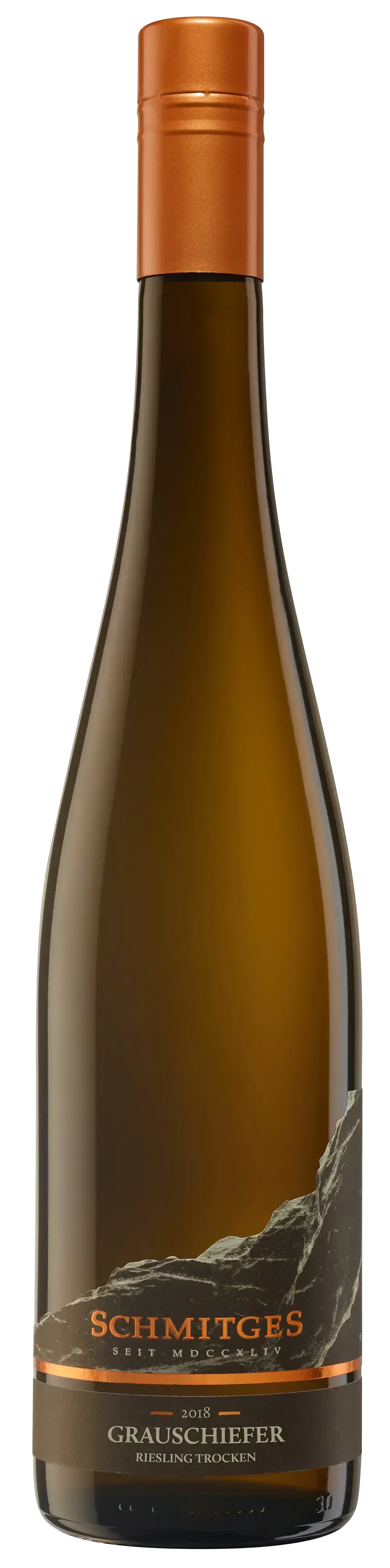
Around 85 percent of the vineyard area is planted with Riesling, supplemented by Rivaner, Pinot Noir, and Burgundy varieties such as Pinot Gris and Pinot Blanc. The range extends from the accessible liter Riesling and the off-dry "Vom Berg" to the mineral-dry gray slate Riesling and the Prädikatswein from the top sites. The wines from Schmitges clearly carry the slate material of their origin within them: clear acid structure, fine fruit, salty-mineral finish. Whether dry, off-dry, or luscious — the vintage and the site are always the actual protagonist. Drinking temperature: 8–10 °C for dry and off-dry Rieslings. Pairs well with trout from the Mosel, goat cheese, Asian curries, or dishes with a fine citrus note.