Taken over at 20, became a Mosel benchmark in four decades
When Markus Molitor took over the family winery at the Wehlener Klosterberg in 1984, he was just twenty years old — and the legacy he inherited weighed twice as much. Eight generations had rooted the family in the Middle Mosel; the vineyards he took over comprised just 1.5 hectares at the time. His goal was clear: to produce site-typical Rieslings that would reconnect with the great era of Mosel Prädikat wines — wines with origin, depth, and the potential to age. From this starting point, persistent work, targeted acquisitions of Grand Cru sites, and a commitment to uncompromising quality created one of the largest private wineries on the Mosel. Today, the estate manages around 100 hectares of steep slopes between Brauneberg and Traben-Trarbach as well as — since 2001 — additional sites on the Saar.
Manual labor on steep slopes, spontaneous fermentation in the slate cellar
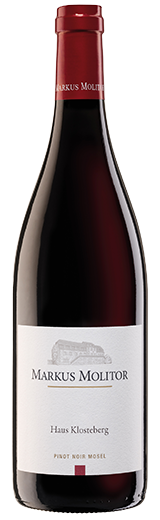
The winery's vineyards are located exclusively on steep slopes — some so steep that all work must be done by hand. Around 94 percent of the vineyard area is planted with Riesling, with the rest accounted for by Pinot Noir and Pinot Blanc. Many of the plots are planted with old, partly ungrafted vines. A late harvest with multiple selections keeps yields deliberately low; harvesting is done exclusively by hand, in several passes.
In the cellar, Markus Molitor relies on naturalness: all wines ferment spontaneously with ambient yeasts — predominantly in large wooden barrels (Fuder, 1,000 to 3,000 liters). Pure cultured yeasts, fining agents, and enzymes are not used. Subsequently, the wines lie on the fine lees for months, which gives them melt, texture, and complexity. The three-story vaulted cellar of the estate is carved into the slate and maintains constantly cool temperatures with high humidity — optimal conditions for a slow, natural development.
Riesling at every level of ripeness — and a capsule system for orientation
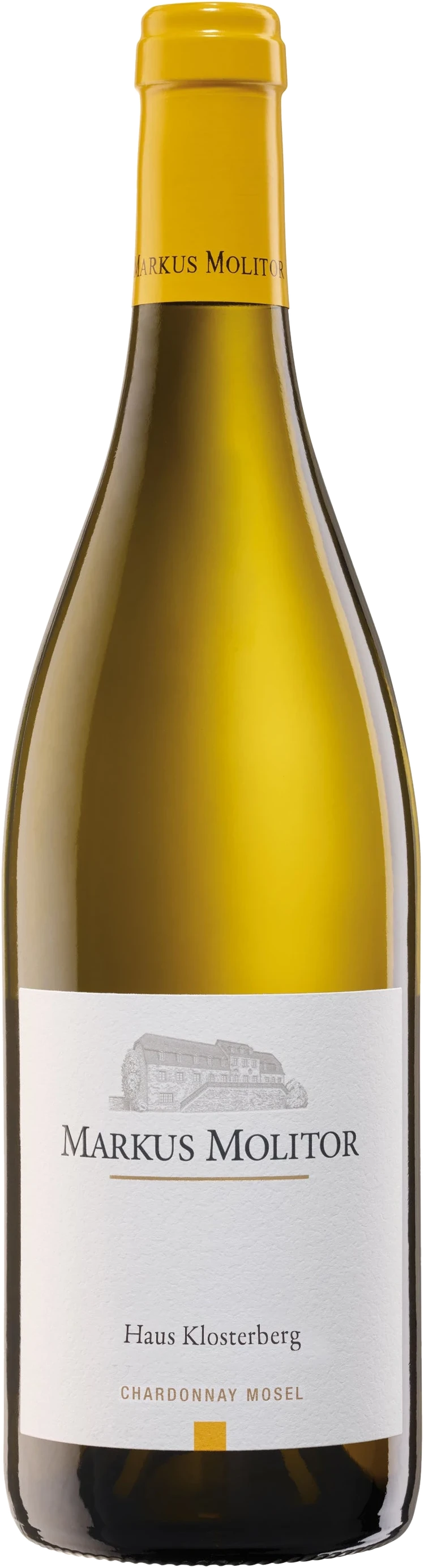
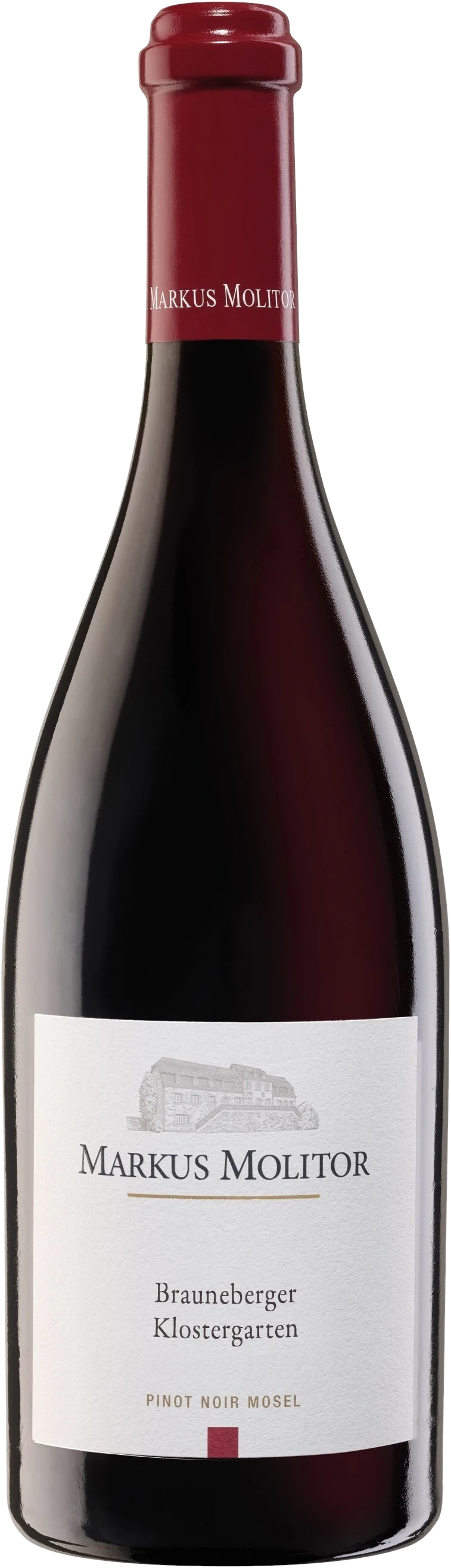
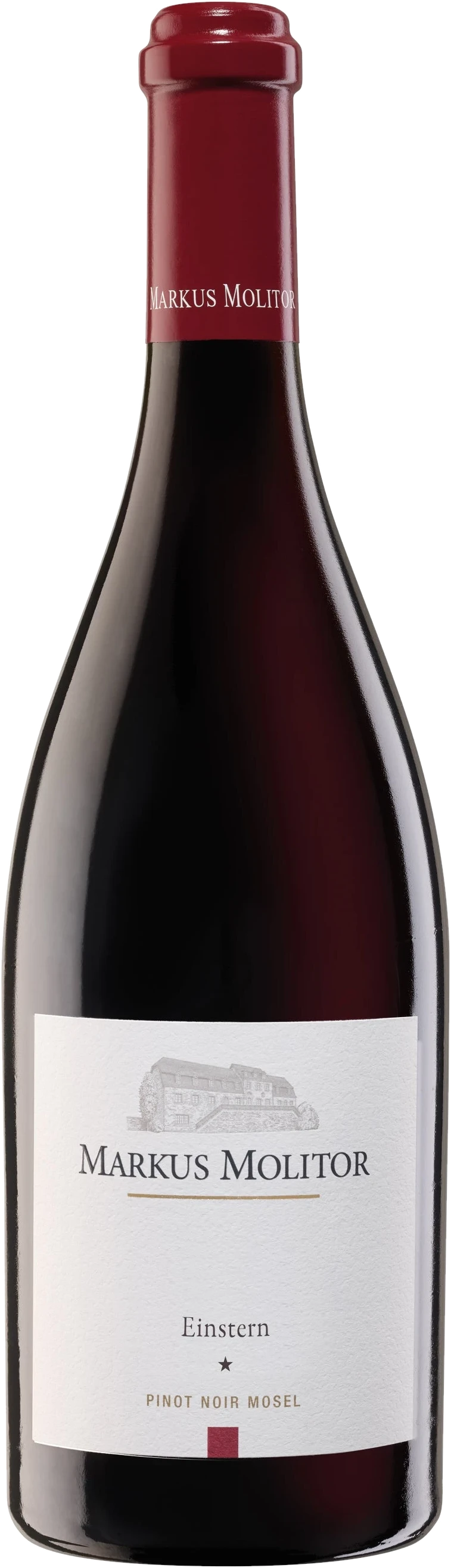
The range spans the full arc of Mosel Riesling: from bone-dry to luscious, from classic Kabinett to rare Trockenbeerenauslese. In addition, there are Pinot Noir and white wines made from Pinot Blanc. What all wines have in common is their origin from documented top sites — Erdener Treppchen, Ürziger Würzgarten, Zeltinger Himmelreich, and Wehlener Sonnenuhr are among the most famous addresses in the portfolio — as well as the tension between slate-mineral freshness and fruit depth.
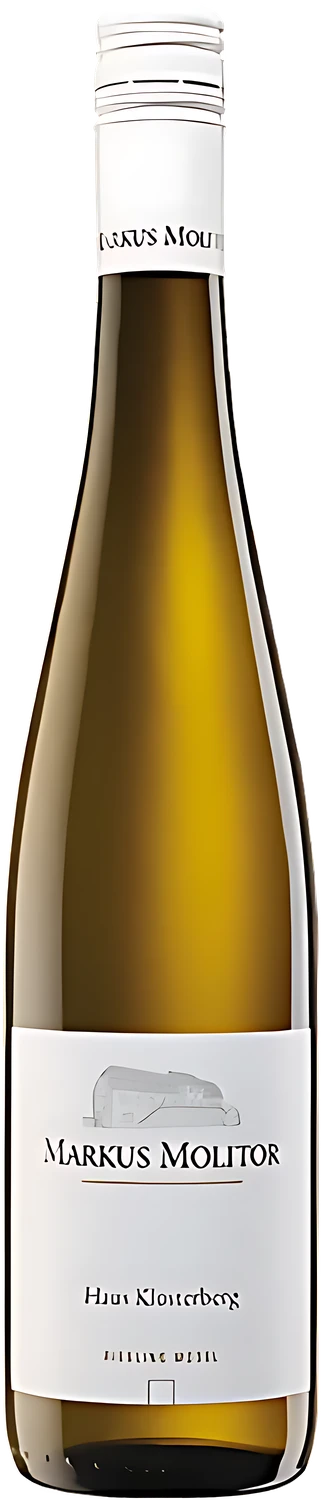
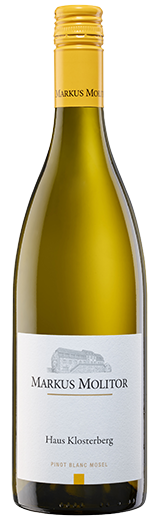
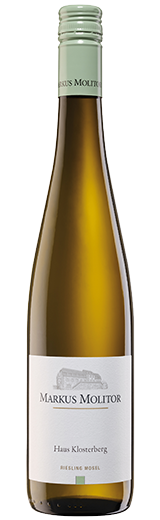
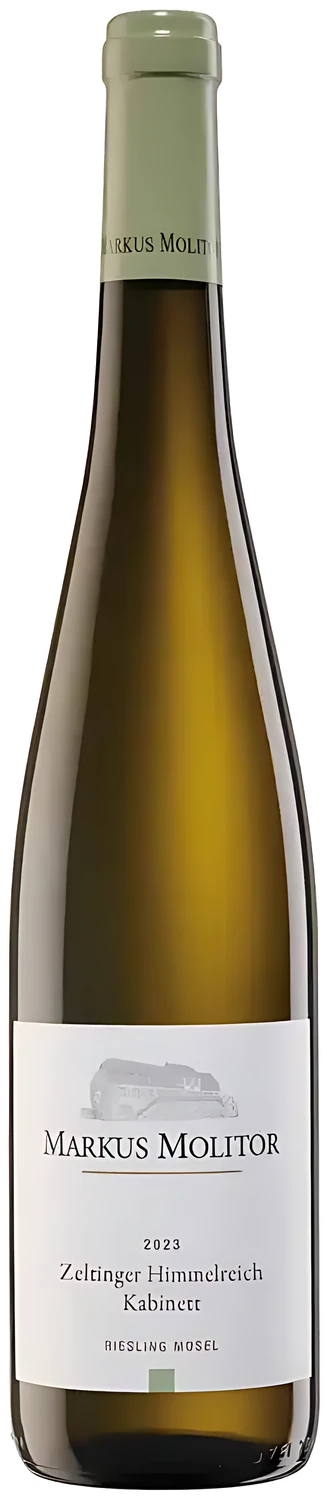
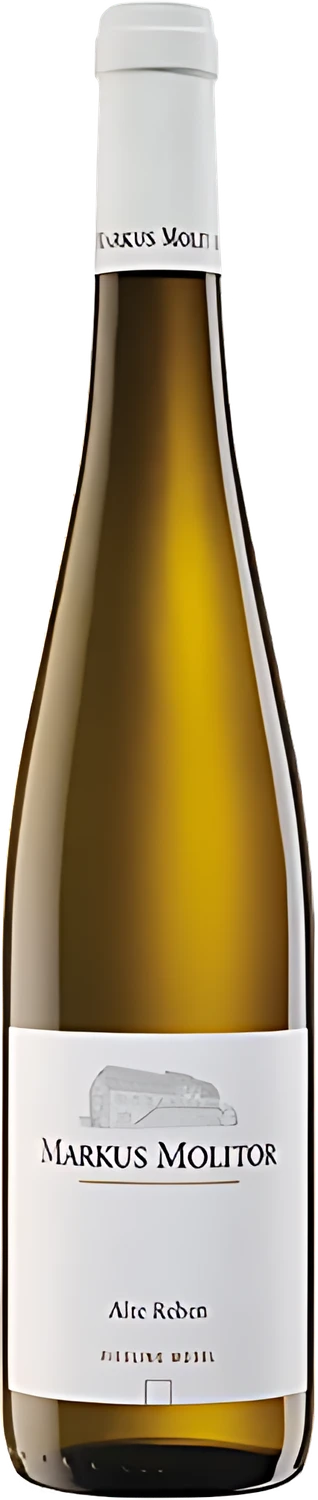
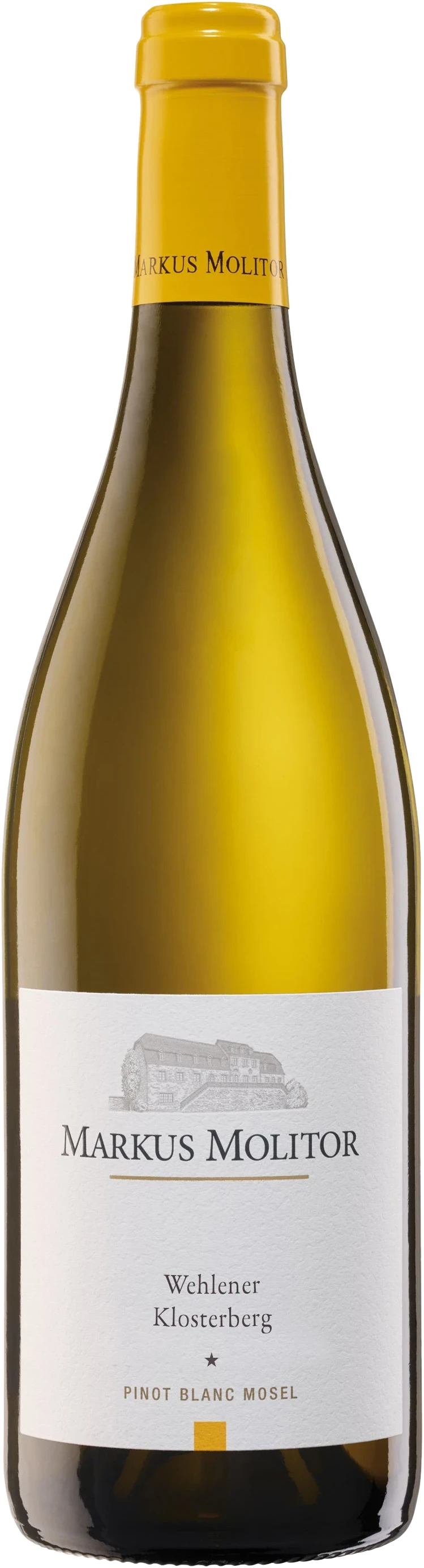
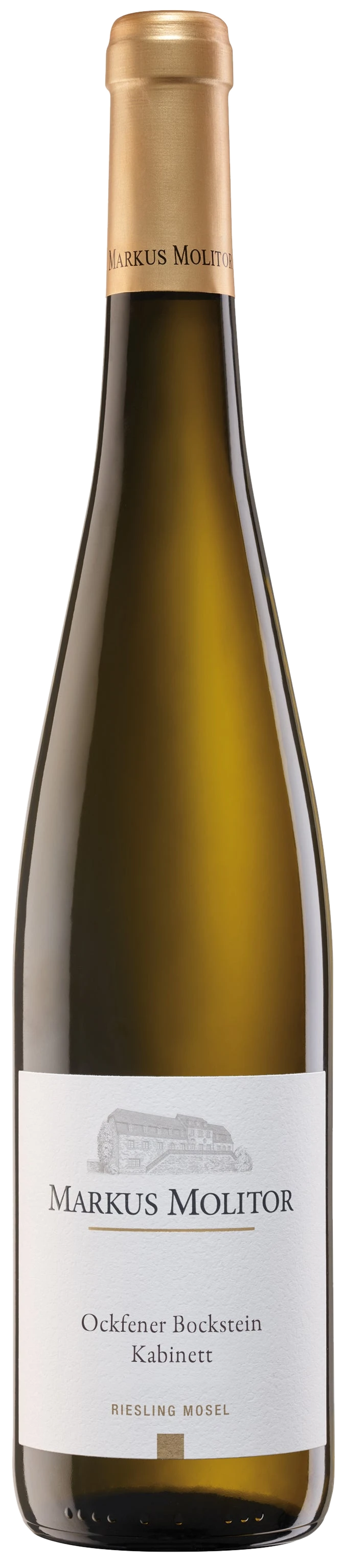
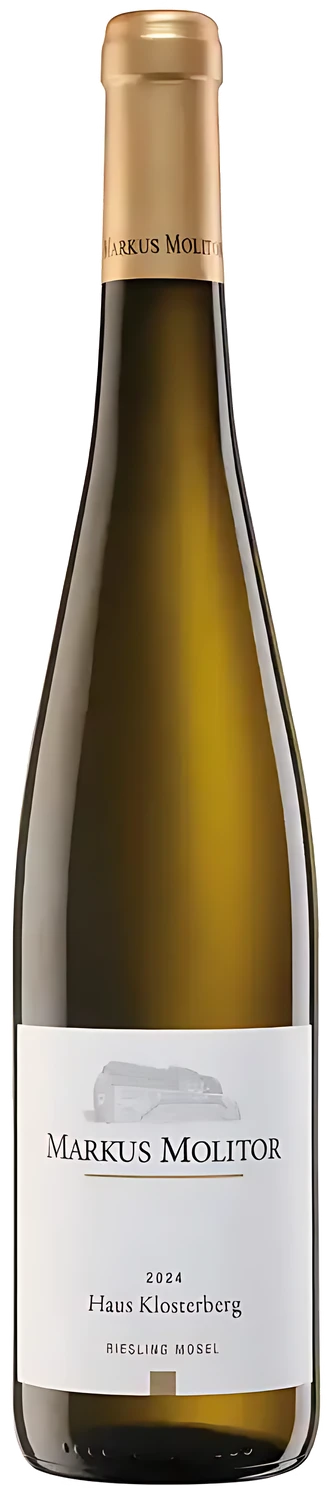
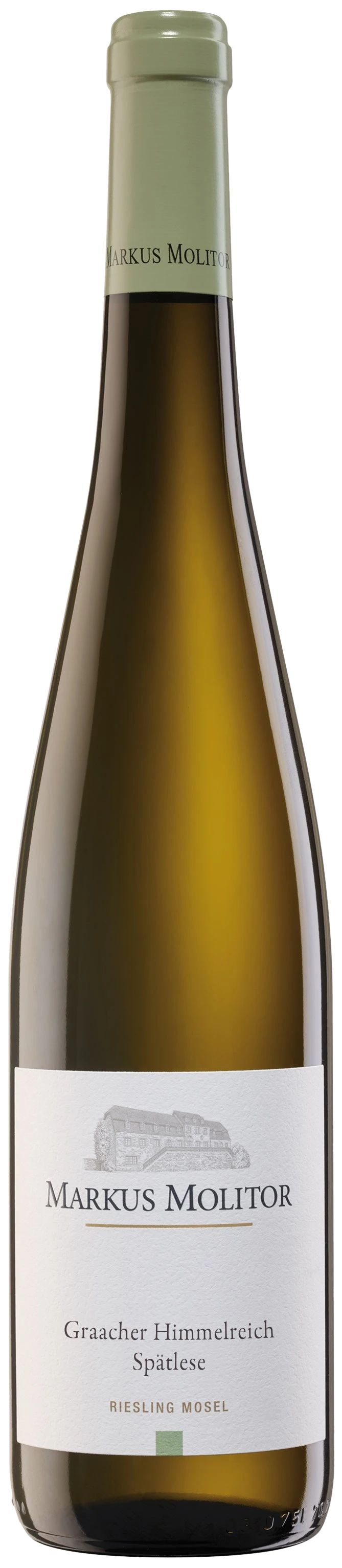
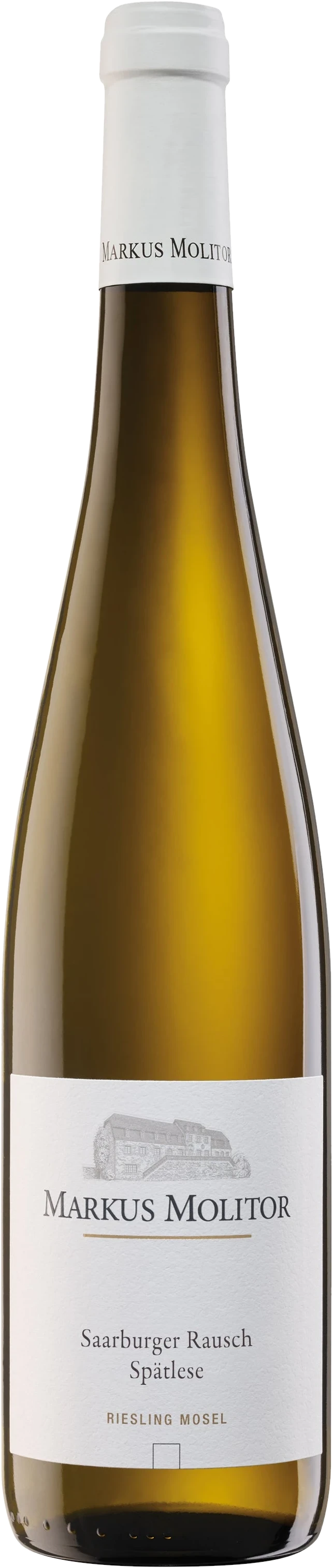
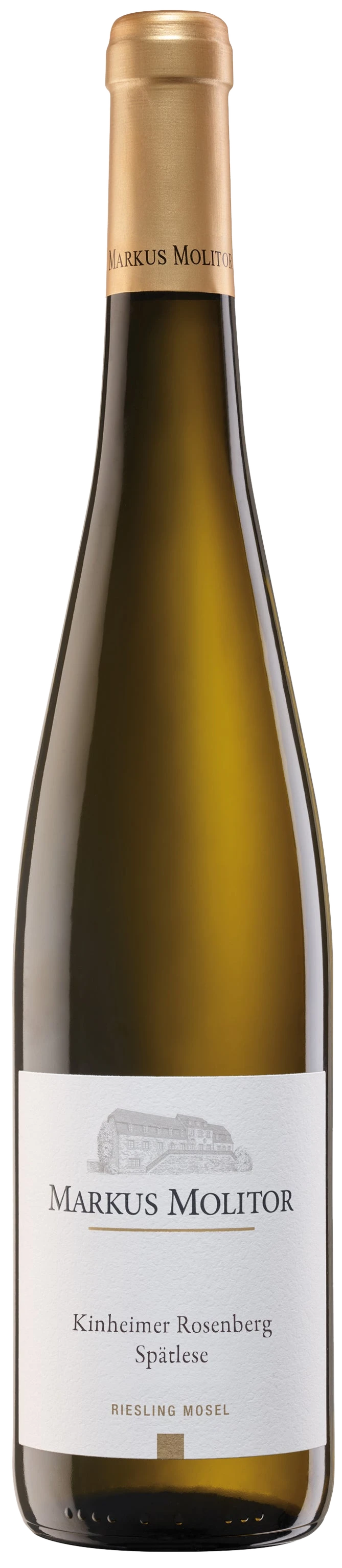
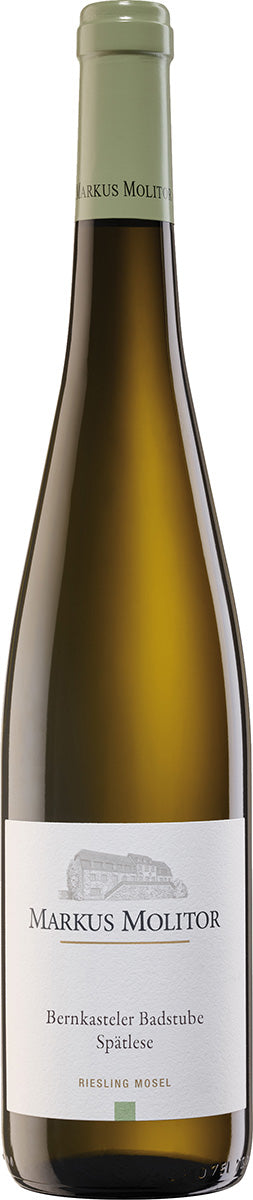
For orientation within the broad assortment, the winery has established a colored capsule system: White capsule stands for dry wines, green for off-dry bottlings, golden for fruit-sweet and luscious Prädikat wines. In the shop, you will find wines from three of these categories — from the lean Kabinett with lively acidity to the gold-crowned Spätlese with dense fruit. Falstaff named Markus Molitor Winemaker of the Year in 2014; in 2015, several of his Auslese wines received 100-point ratings from the Wine Advocate — a result that was unique for the Mosel at that time.