Over 200 years of family ownership on the Middle Mosel
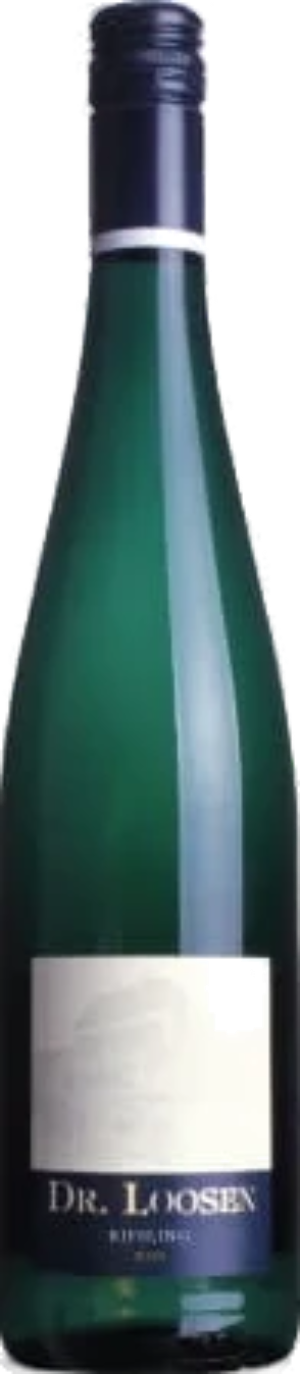
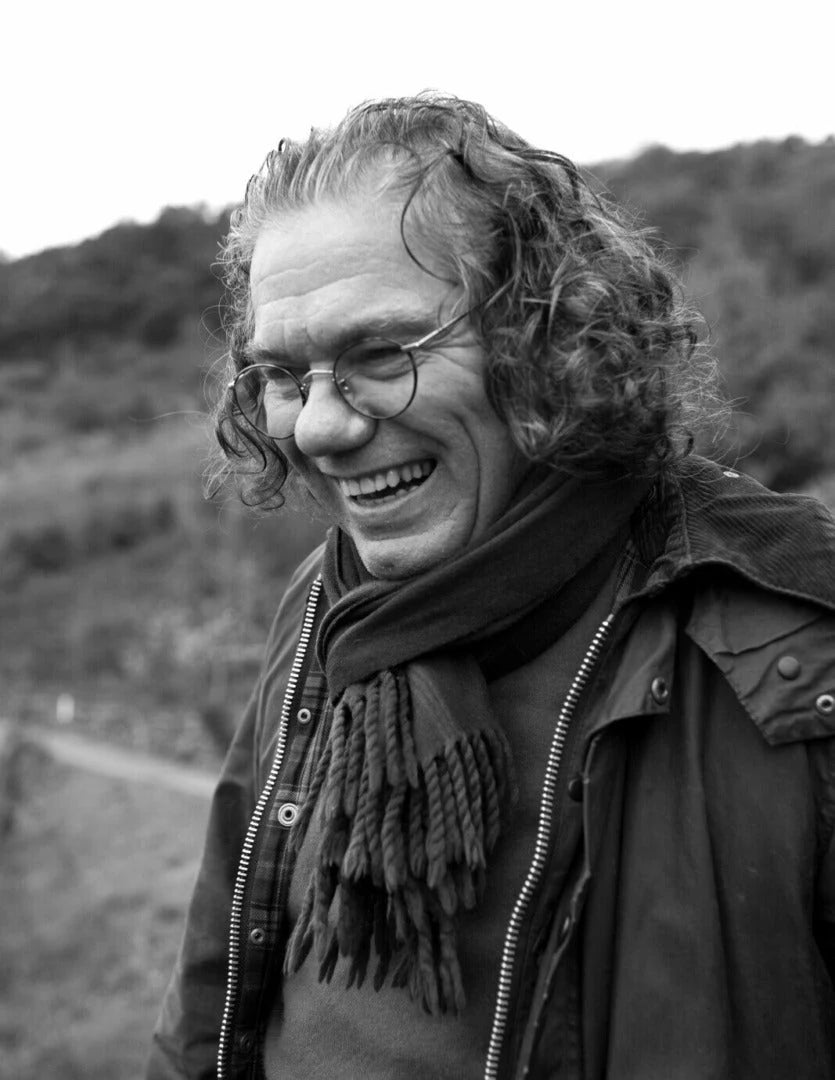
The Dr. Loosen estate in Bernkastel-Kues looks back on more than 200 years of family history. Ernst F. Loosen – known to friends and colleagues worldwide simply as "Ernie" – took over the business in 1988 when his father retired. At that time, Dr. Loosen was hardly known outside of narrow circles of connoisseurs. What Ernie found, however, was extraordinary: ungrafted Riesling vines, some over 100 years old, in historic vineyards of the Middle Mosel that had already been classified as First Class in the Royal Prussian Vineyard Classification of 1868. Before taking over, he had completed extensive study trips to the most renowned wineries in Europe – in Burgundy, Alsace, and the Wachau – to understand the craft of great wines. Since 1993, the winery has been a member of the VDP (Association of German Prädikat Wine Estates).
Steep slopes, slate, and the return to spontaneous fermentation
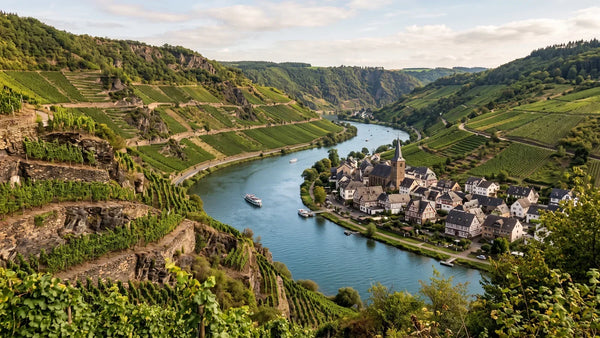
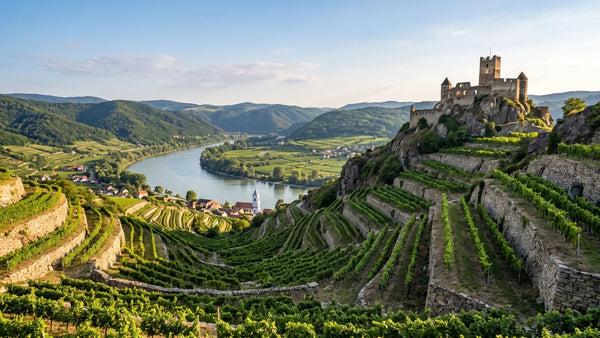
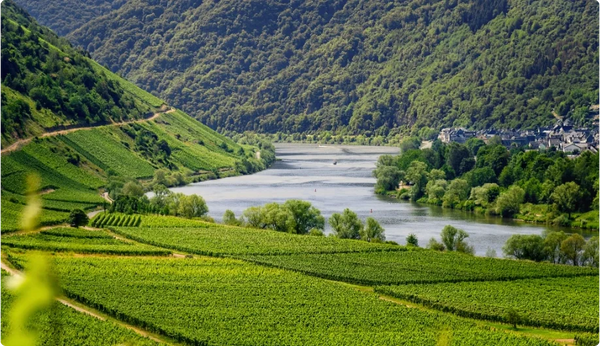
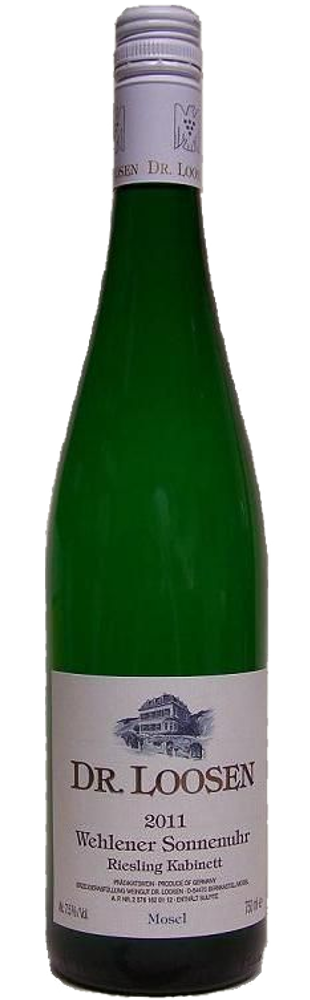
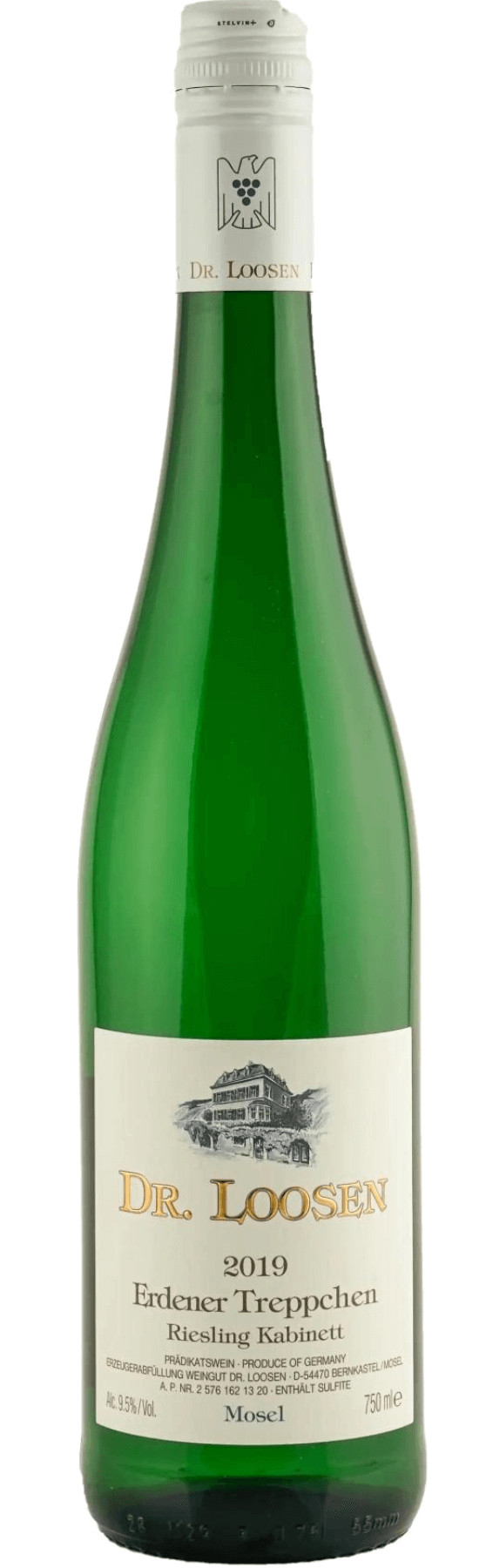
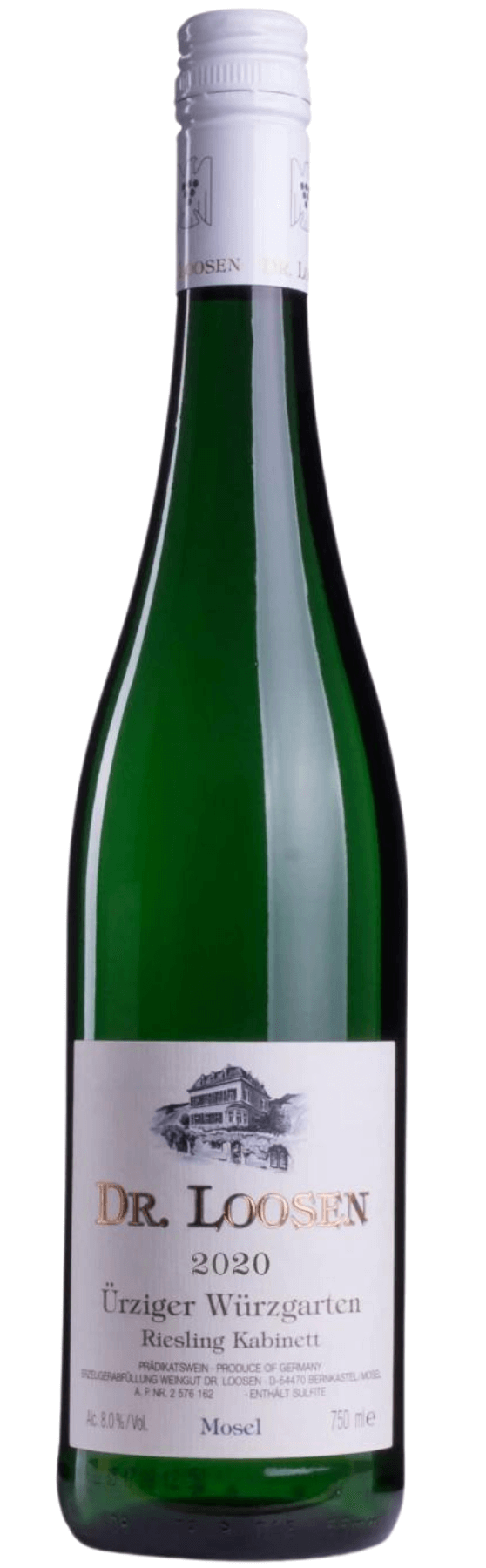
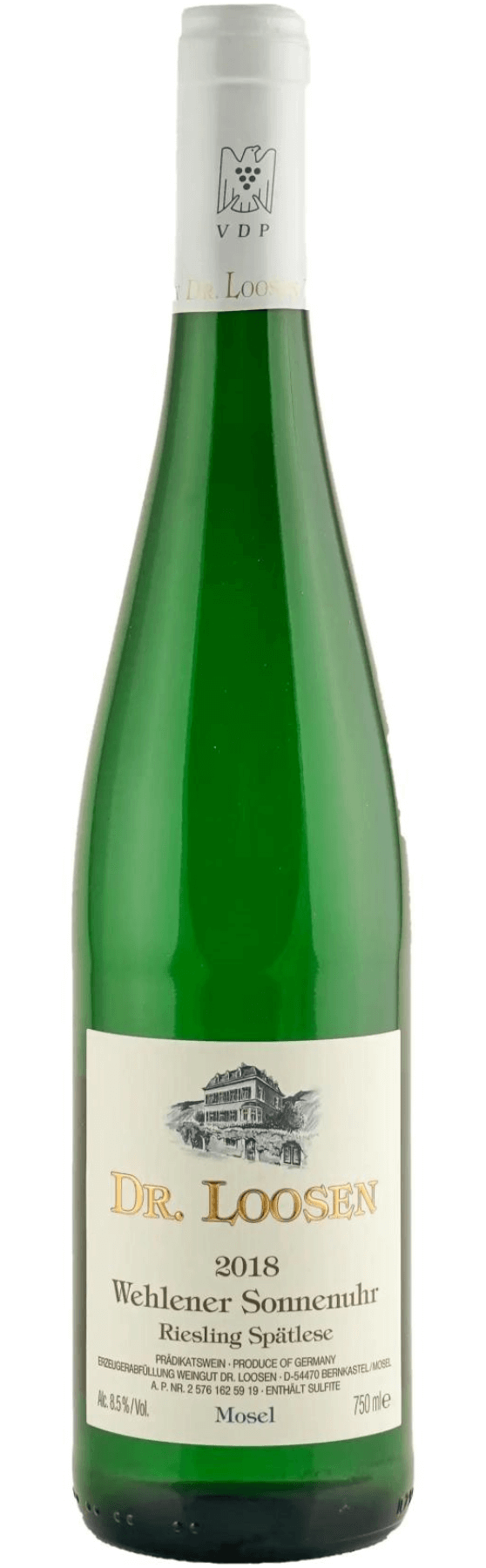
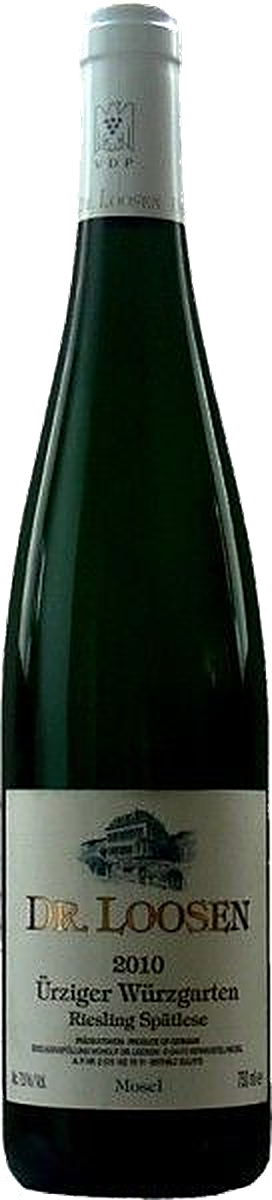
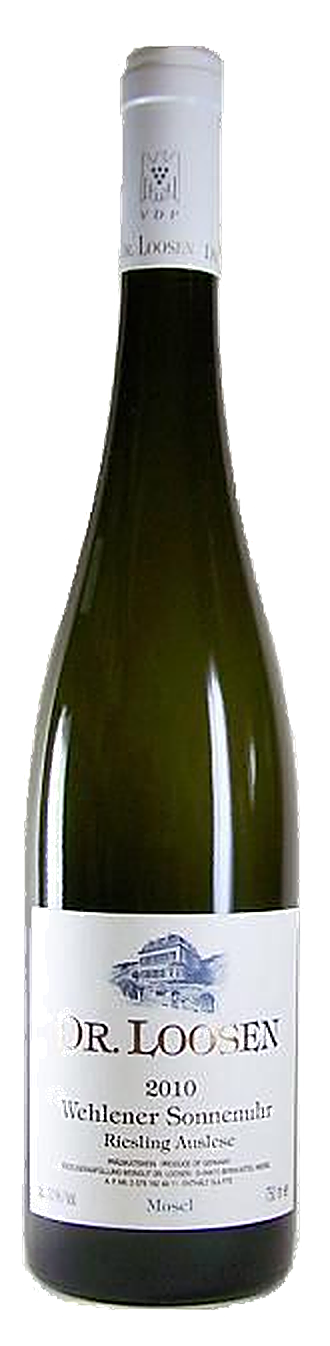
The 22 hectares of vineyards are spread across six historic grand cru sites: Wehlener Sonnenuhr, Erdener Treppchen, Erdener Prälat, Graacher Himmelreich, Ürziger Würzgarten, and Bernkasteler Lay. The slopes are in some places extremely steep – mechanical cultivation is impossible, and every harvest and pruning is done by hand. The slate soil stores solar heat during the day and releases it to the vines on cool nights; at the same time, it is rich in potassium and other minerals that give the Mosel Riesling its characteristic, spicy minerality. From the 2008 vintage onwards, Loosen consistently switched the entire production of his dry wines to spontaneous fermentation in wooden barrels – a method he rediscovered from his grandfather. Dry estate wines mature for at least twelve months on the full lees, while the best single-vineyard Rieslings from the oldest ungrafted plots lie in large oak barrels for 24 months, without bâtonnage, followed by another two to three years in the bottle.
From estate wine to Grosses Gewächs – Riesling in every depth
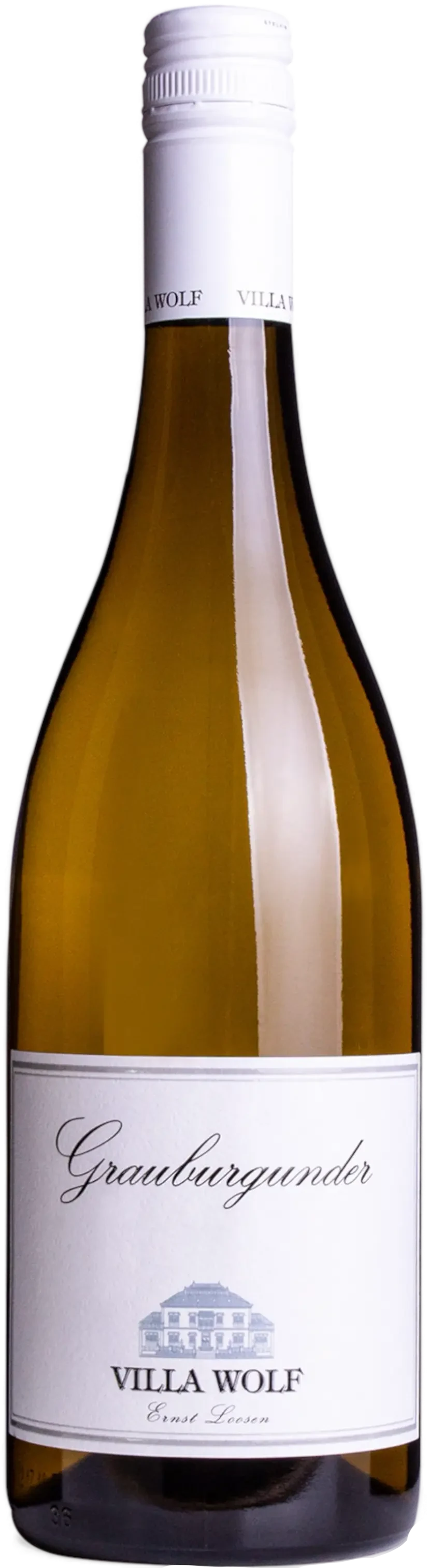
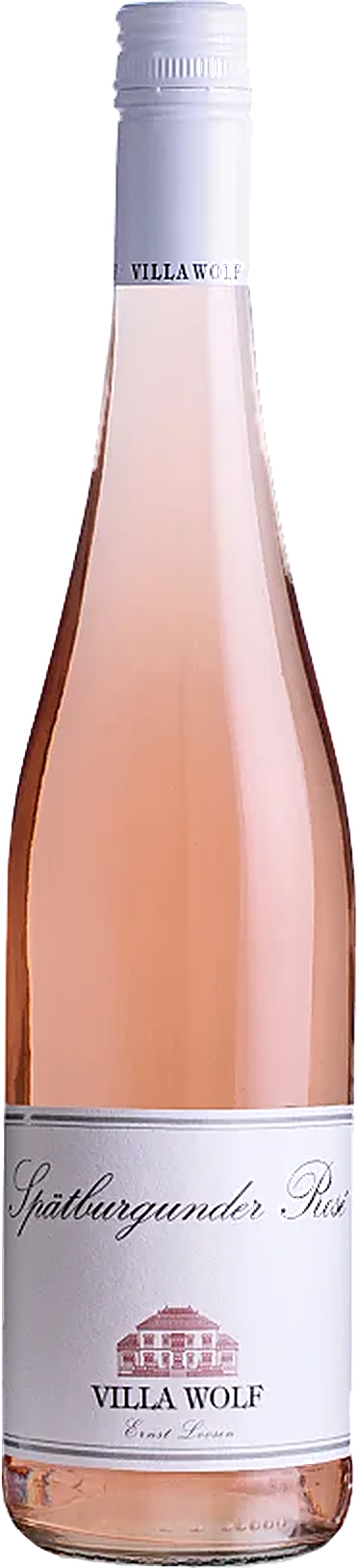
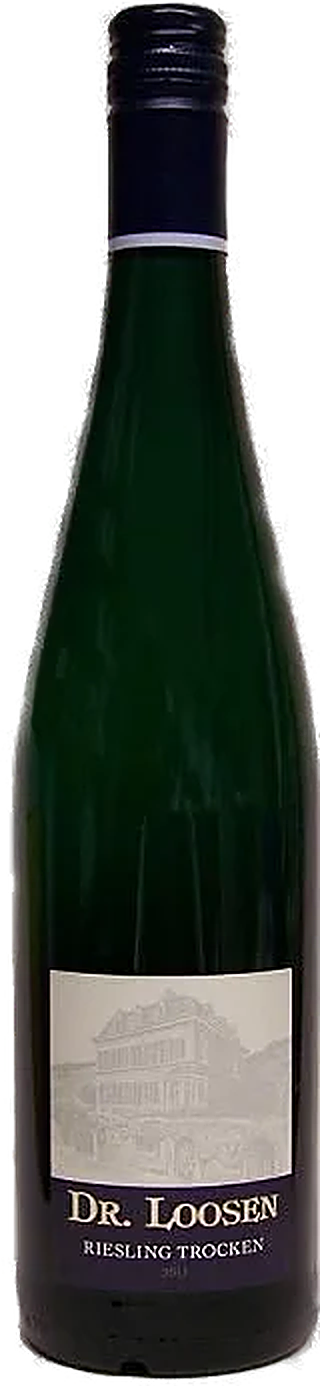
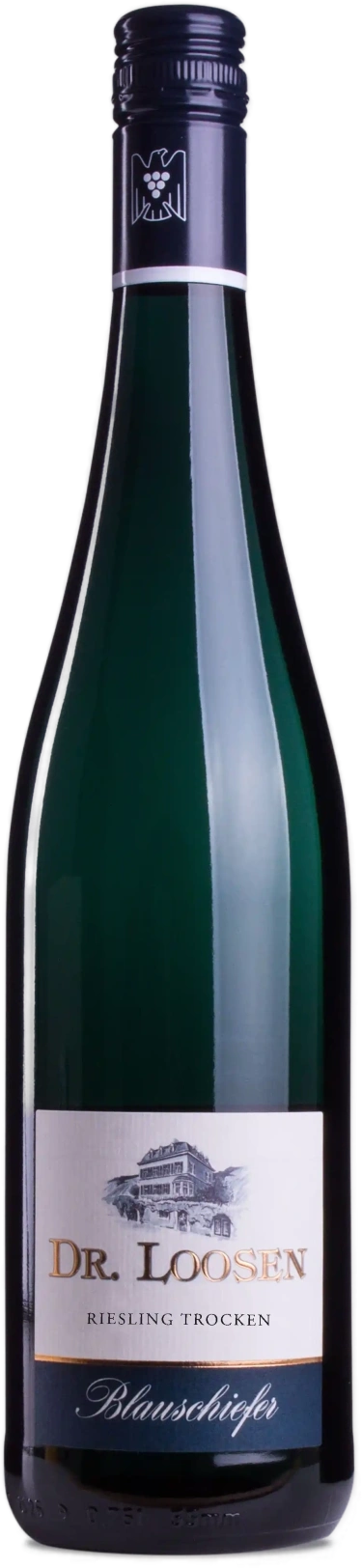
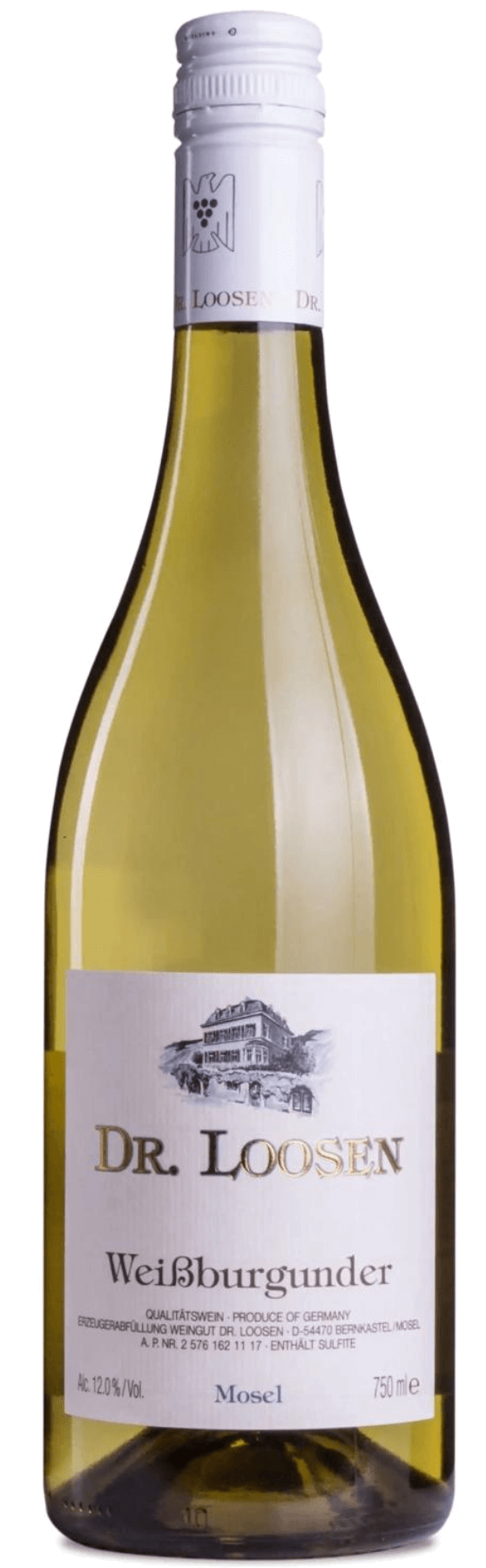
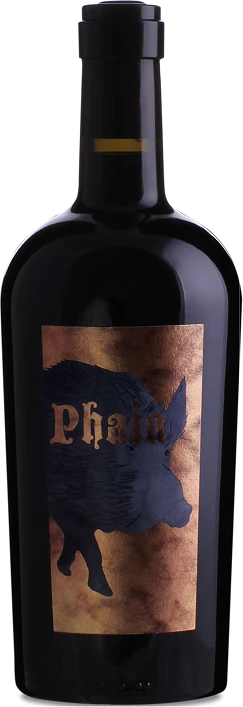
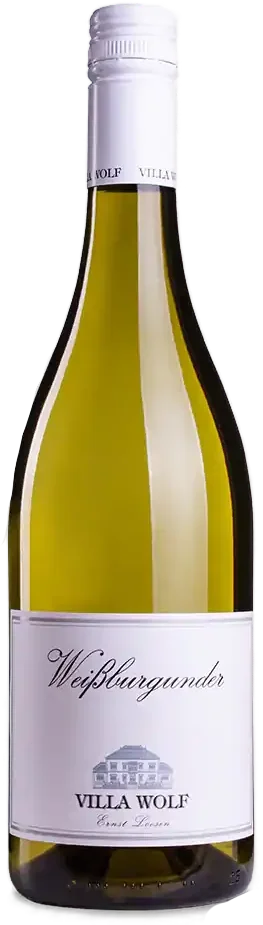
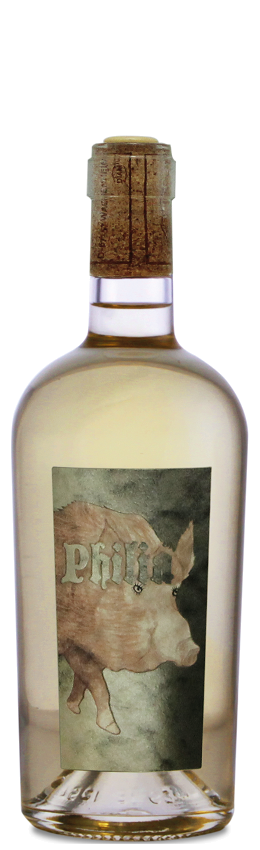
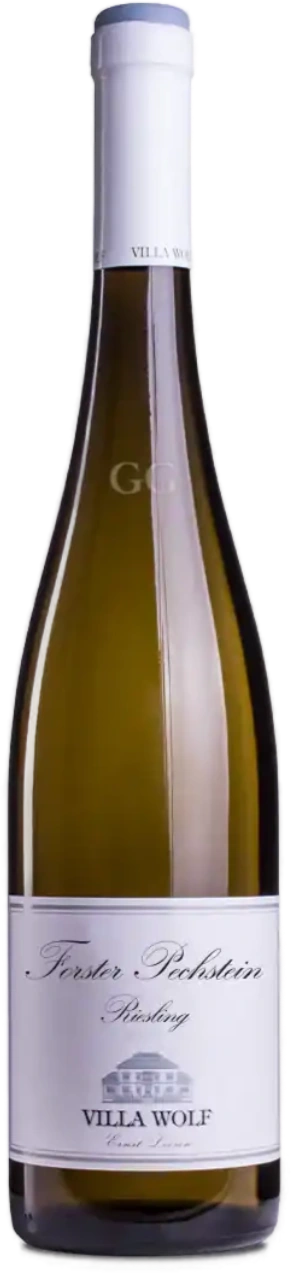
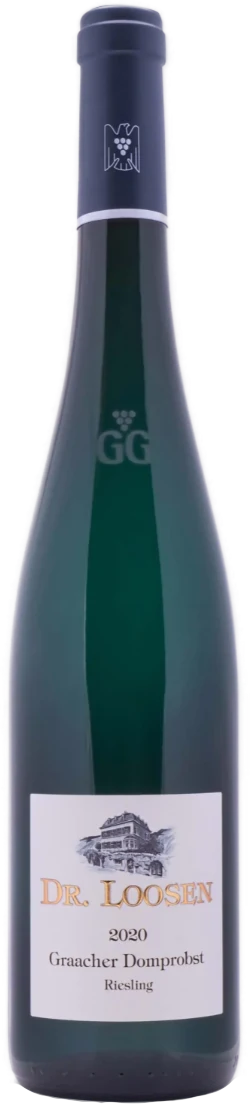
The range consistently follows the VDP vineyard pyramid: estate Rieslings – dry, off-dry, or fruit-sweet – show the slate character typical of the Mosel in an accessible form and provide an introduction to the winery. Above these are the single-vineyard Prädikat wines such as the Erdener Treppchen Kabinett or the Spätlese, which depict the interplay of ripe fruit, lively acidity, and fine residual sweetness of the Middle Mosel in its purest form. At the top are the Grosses Gewächs wines – including the Graacher Domprobst Riesling GG – which come exclusively from the Grand Cru sites identified in the Prussian classification and are spontaneously fermented in wooden barrels. With the J.L. Wolf estate in the Palatinate, which Loosen took over in 1996, a Palatinate line complements the portfolio: there, under the J.L. Wolf label, not only Riesling but also Burgundy varieties and cuvées like the Phaia are produced. Beyond the boundaries of his own range, Dr. Loosen is considered one of the most important ambassadors for German Riesling on the world market today – with wines that let the slate, microclimate, and old vines speak, without detours.