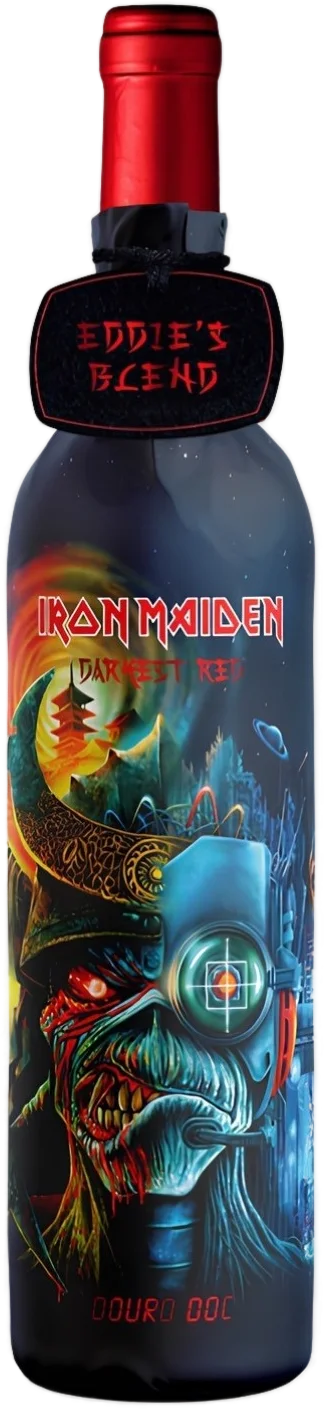

JL Wolf Phaia The Drecksau Cuvée dry

JL Wolf Phaia The Drecksau Cuvée dry
Behind the provocative name lies a red wine with real personality: The Phaia cuvée from JL Wolf is dark-fruited, dense and surprisingly complex.
The JL Wolf winery belongs to the Dr. Loosen estate and works with vineyards in the Palatinate region. The name says it all: Phaia was the wild boar of Greek mythology that Theseus killed—an animal symbolizing strength and independence. These are precisely the qualities that the winery aims to reflect in its glass.
In the glass, it displays a deep, dark red color with violet reflections. The nose is dominated by blackberry and dark cherry, complemented by spicy notes that lend the cuvée an earthy, animalistic depth. On the palate, it is full-bodied and substantial, with ripe tannins and a long, fruit-driven finish.
- Dishes: Braised beef rib, oven-roasted leg of lamb, strong hard cheese
- Temperature: 16–18 °C
- Occasion: Barbecue, rustic dinner, or a large glass after a long day
Nutritional values per 100 ml
Legal & trade information
Reviews
Silke K.
Super quality
Translated from German
Shop customer
Everything good!
Translated from German
Jochem G.
Highly recommended wine shop!!!!
Translated from German
Shop customer
Drink
Translated from German
Heinrich H.
Price and performance o.k.
Translated from German
Hans S.
The purchase at vinoSCOUT was flawless. I will certainly shop at vinoSCOUT again.
Translated from German
Shop customer
All good, fast delivery
Translated from German
Mayra N.
You cannot rely on getting the ordered vintage. Too bad, I will not order here anymore.
Translated from German
Log in to review this product.

The German winery is located in the Palatinate region and is managed by Dr. Ernst F. Loosen. Its 22 hectares of vineyards are divided among six different sites, including the Wehlener Sonnenuhr, the Erdener Treppchen, and the Graacher Himmelreich. The slate soils act as excellent heat reservoirs for cool nights, and the Moselle River reflects sunlight onto the steep slopes where the grapes ripen. The winery cultivates and uses almost exclusively Riesling grapes for its production. Only 2% of the wines are made from Pinot Noir varieties, with occasional use of Cabernet Sauvignon or Dornfelder. The family-run business produces up to 180,000 bottles of wine annually.
Bernkastel - Moseldrloosen.de
More from Dr. Loosen

Gute Weine Lobenberg Bewertung
Awarded by Good wines / Lobenberg


Vinous Tasting 2025
Awarded by Vinous


Mosel Fine Wines Award
Awarded by Mosel Fine Wines

Mosel Fine Wines Rating 2024
Awarded by Mosel Fine Wines


James Suckling Rating
Awarded by James Suckling

Weinzeche-Punkte 2025
Awarded by Weinzeche GmbH

Only Good News!
Promise!
Only Good News!
Promise!
Similar products
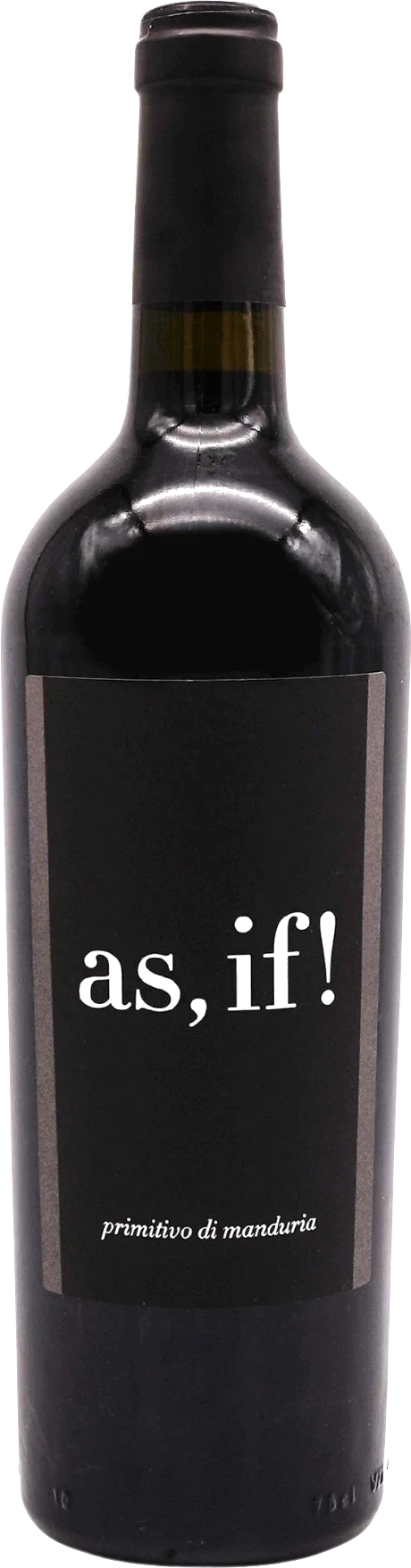
New Zealand International Wine Show Gold 2020
Awarded by New Zealand International Wine Show
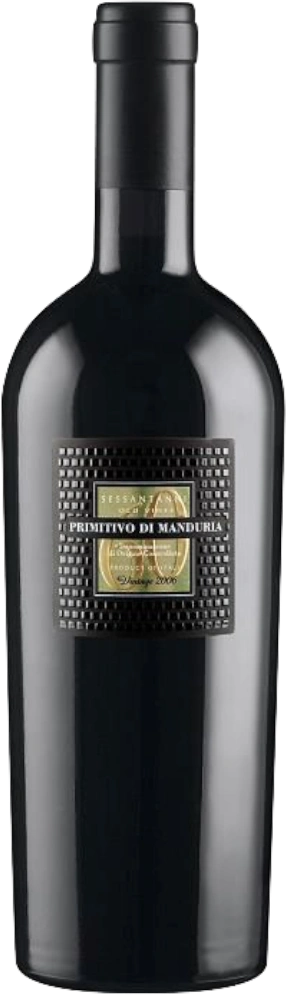
Mundus Vini Gold
Awarded by Mundus Vini
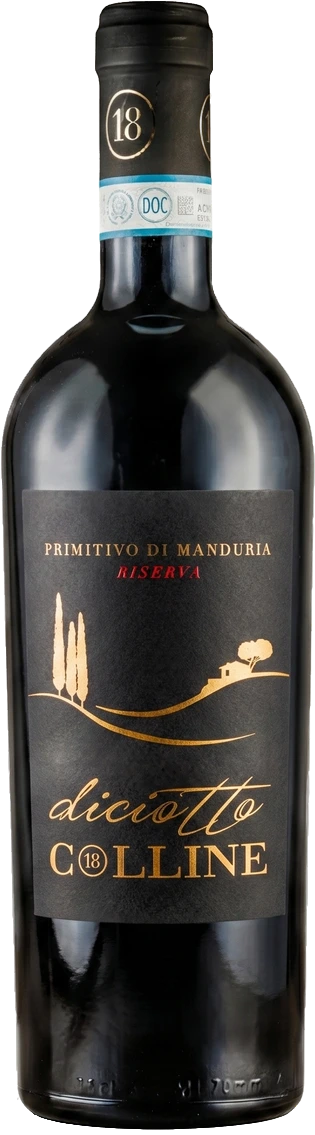
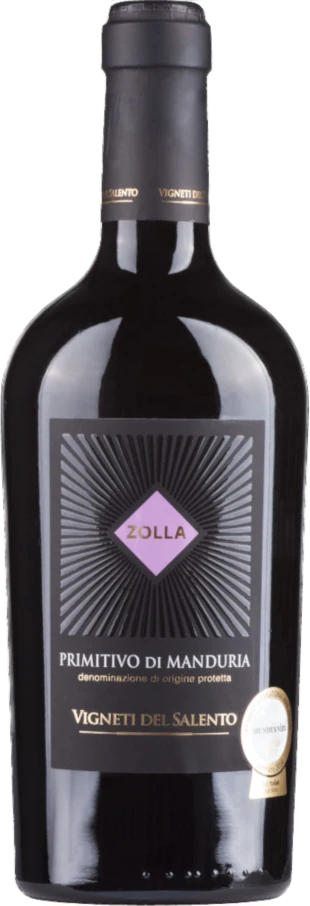
MundusVini 2025 Goldmedaille
Awarded by Mundus Vini
Berlin Goldmedaille 2024
Awarded by Berlin Wine Trophy/Berliner Weintrophy