
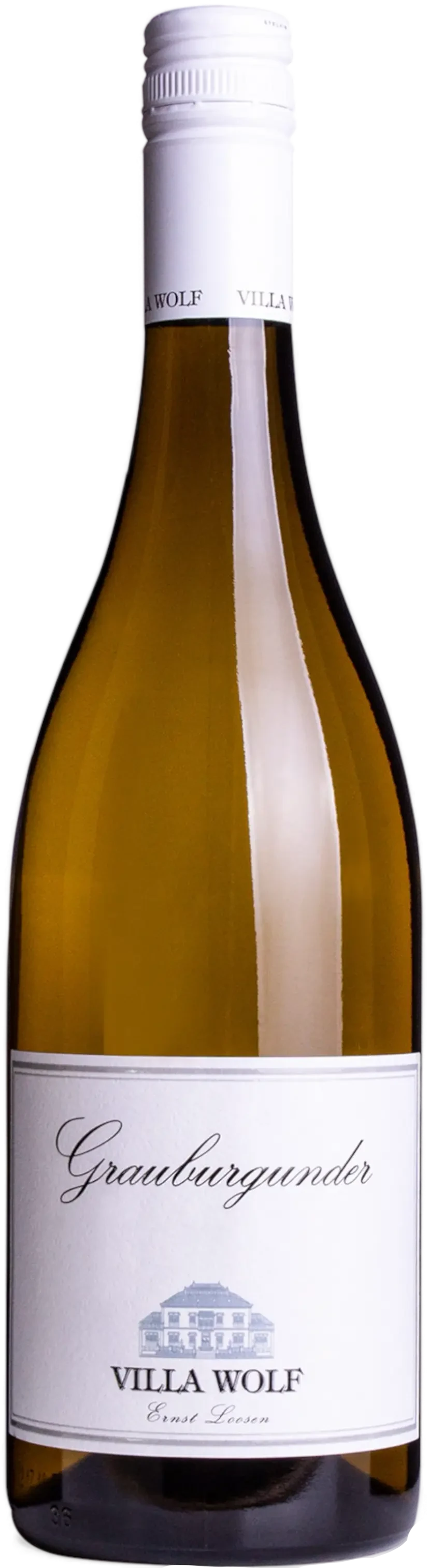
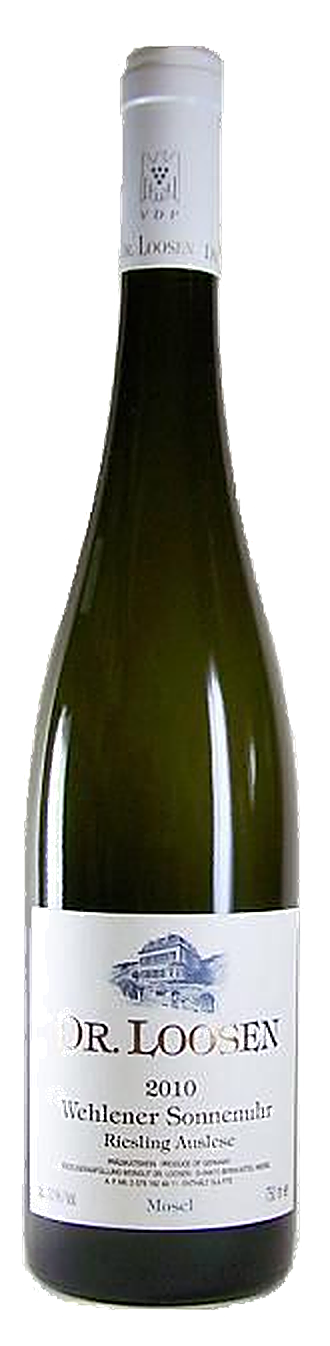
Dr. Loosen Pinot Blanc

Dr. Loosen Pinot Blanc
Dr. Loosen's Pinot Blanc shows what the Mosel can do beyond Riesling: ripe fruit, a creamy mouthfeel, and a mineral vein that keeps the wine lively.
Weingut Dr. Loosen in Bernkastel-Kues is one of the most well-known addresses in the Middle Mosel. Ernst Loosen, who took over the winery in 1988, developed it into an internationally respected estate — with a focus on old vines, minimal intervention in the cellar, and aging in traditional Fuder oak barrels.
On the nose, this Pinot Blanc shows pear, white peach, and a hint of yellow apple. Aging in large oak barrels gives the wine texture without an oaky tone — the mouthfeel is soft and round, the acidity present enough to ensure freshness. Mineral, slightly salty finish.
Serving temperature: 10–12 °C. Goes well with:
- Poultry with cream sauce or lemon butter
- Risotto with mushrooms or asparagus
- Medium-aged Gouda or Gruyère
Nutritional values per 100 ml
Legal & trade information
Reviews
Shop customer
Very good
Translated from German
Michael H.
Hammer
Translated from German
Bernd B.
Very good Pinot Blanc, good price-performance ratio
Translated from German
Shop customer
A wonderful summer wine!
Translated from German
Log in to review this product.
The German winery is located in the Palatinate region and is managed by Dr. Ernst F. Loosen. Its 22 hectares of vineyards are divided among six different sites, including the Wehlener Sonnenuhr, the Erdener Treppchen, and the Graacher Himmelreich. The slate soils act as excellent heat reservoirs for cool nights, and the Moselle River reflects sunlight onto the steep slopes where the grapes ripen. The winery cultivates and uses almost exclusively Riesling grapes for its production. Only 2% of the wines are made from Pinot Noir varieties, with occasional use of Cabernet Sauvignon or Dornfelder. The family-run business produces up to 180,000 bottles of wine annually.
Bernkastel - Moseldrloosen.de
More from Dr. Loosen

Gute Weine Lobenberg Bewertung
Awarded by Good wines / Lobenberg

Vinous Tasting 2025
Awarded by Vinous


Mosel Fine Wines Award
Awarded by Mosel Fine Wines

Mosel Fine Wines Rating 2024
Awarded by Mosel Fine Wines


James Suckling Rating
Awarded by James Suckling

Weinzeche-Punkte 2025
Awarded by Weinzeche GmbH

Only Good News!
Promise!
Only Good News!
Promise!
Similar products
Wine Enthusiast 2024
Awarded by Wine Enthusiast
Sauvignon Blanc Trophy DE 2025
Awarded by Falstaff
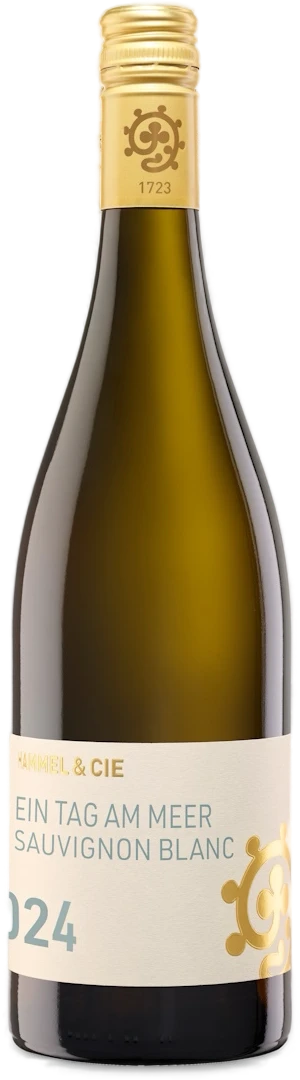
Gilbert & Gaillard 2023
Awarded by Gilbert & Gaillard
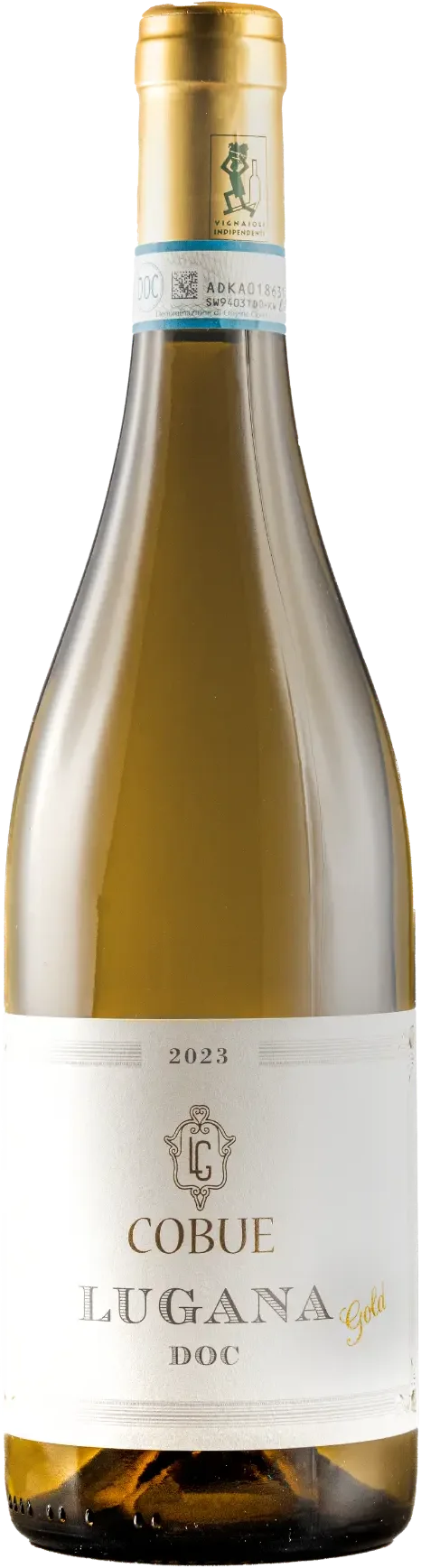
Weinzeche-Punkte 2025
Awarded by Weinzeche GmbH